
The "Green Turtle" Leaves the Track
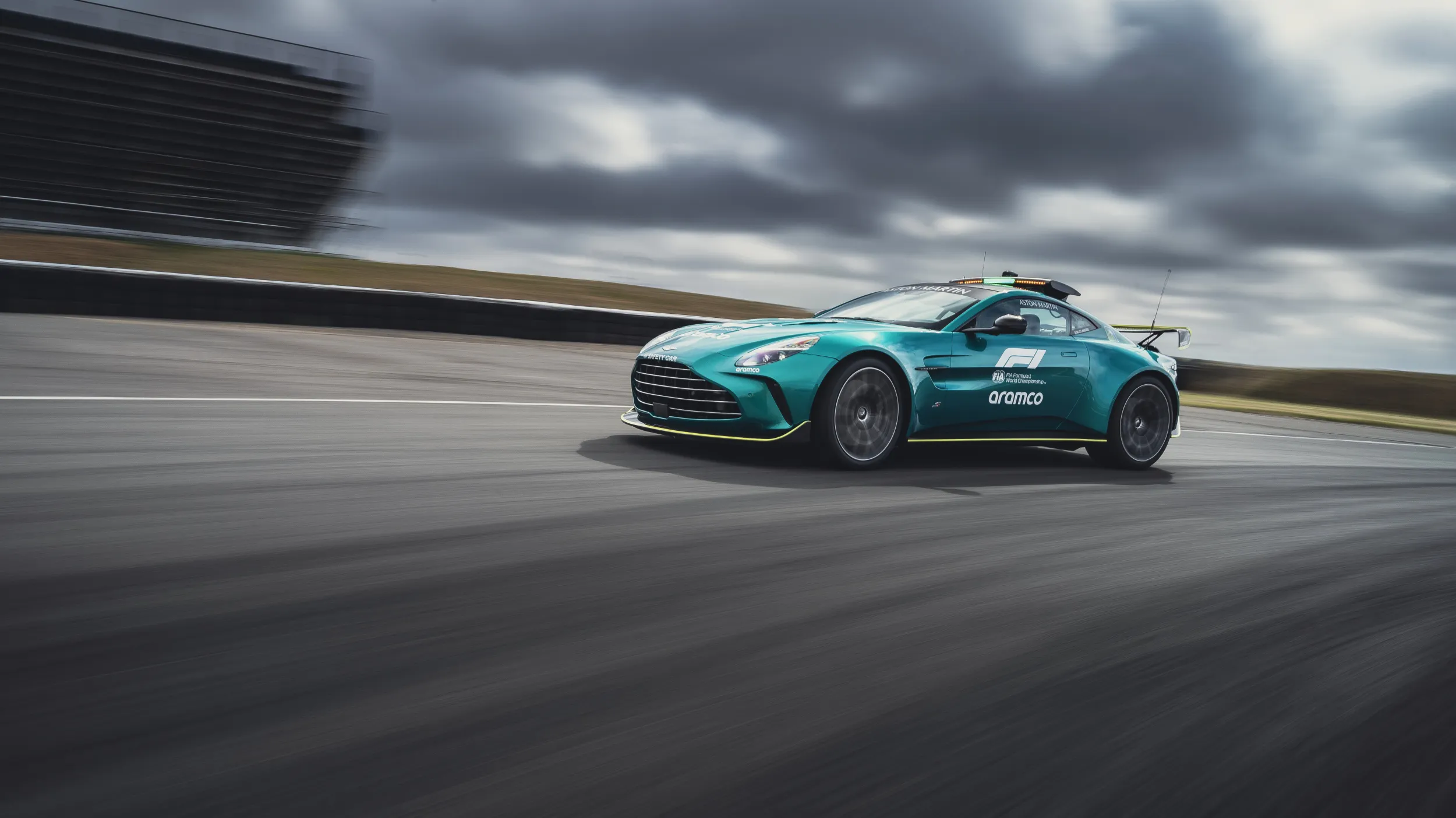
A symbolic shift is taking place in the world of Formula 1, one that will likely please World Champion Max Verstappen most of all: Aston Martin has announced that from 2026, it will no longer supply safety and medical cars to the pinnacle of motorsport. This marks the end of a five-year era where British Racing Green and German Silver (or Red) alternated at the front of the pack. As a result, Mercedes-AMG is set to reclaim the total dominance it held for a quarter-century prior.
Aston Martin’s withdrawal does not come as a complete surprise. While the official narrative speaks of a natural contract conclusion and gratitude for the brand's increased visibility, whispers about the performance of the British machines have circulated in the paddock for years. Most famously, in 2022, Verstappen dubbed the Aston Martin Vantage a "green turtle" because it lacked the pace necessary to keep F1 tires at their optimal operating temperature. Even subsequent model updates and power boosts failed to fully silence critics who argued that the Mercedes-AMG GT Black Series was simply in a different league as a track instrument.
Strategically, however, Aston Martin’s decision is logical. 2026 marks a massive technical pivot for F1: new engines, new fuels, and—for Aston Martin—an exclusive new partnership with Honda. Team owner Lawrence Stroll is diverting all resources toward making Aston Martin a title contender, rather than just a marketing machine providing an aesthetic backdrop. If the safety car role was once the trumpet flare for the brand’s return, that mission has now been accomplished.
Mercedes, which has supplied safety cars to F1 since 1996, will once again take over the role in full. For fans, this means that in hazardous track situations, they will now see only one type of "shepherd"—likely sporting the prominent red livery of Mercedes’ major sponsor, CrowdStrike. As for Aston Martin, they are betting that by 2026, their green cars will be leading the safety car, not acting as one.
Strategically, however, Aston Martin’s decision is logical. 2026 marks a massive technical pivot for F1: new engines, new fuels, and—for Aston Martin—an exclusive new partnership with Honda. Team owner Lawrence Stroll is diverting all resources toward making Aston Martin a title contender, rather than just a marketing machine providing an aesthetic backdrop. If the safety car role was once the trumpet flare for the brand’s return, that mission has now been accomplished.
Mercedes, which has supplied safety cars to F1 since 1996, will once again take over the role in full. For fans, this means that in hazardous track situations, they will now see only one type of "shepherd"—likely sporting the prominent red livery of Mercedes’ major sponsor, CrowdStrike. As for Aston Martin, they are betting that by 2026, their green cars will be leading the safety car, not acting as one.


