
Audi E7X drops the rings in China, brings 751 kilometres of range and 900 volt hardware
 1/5
1/5
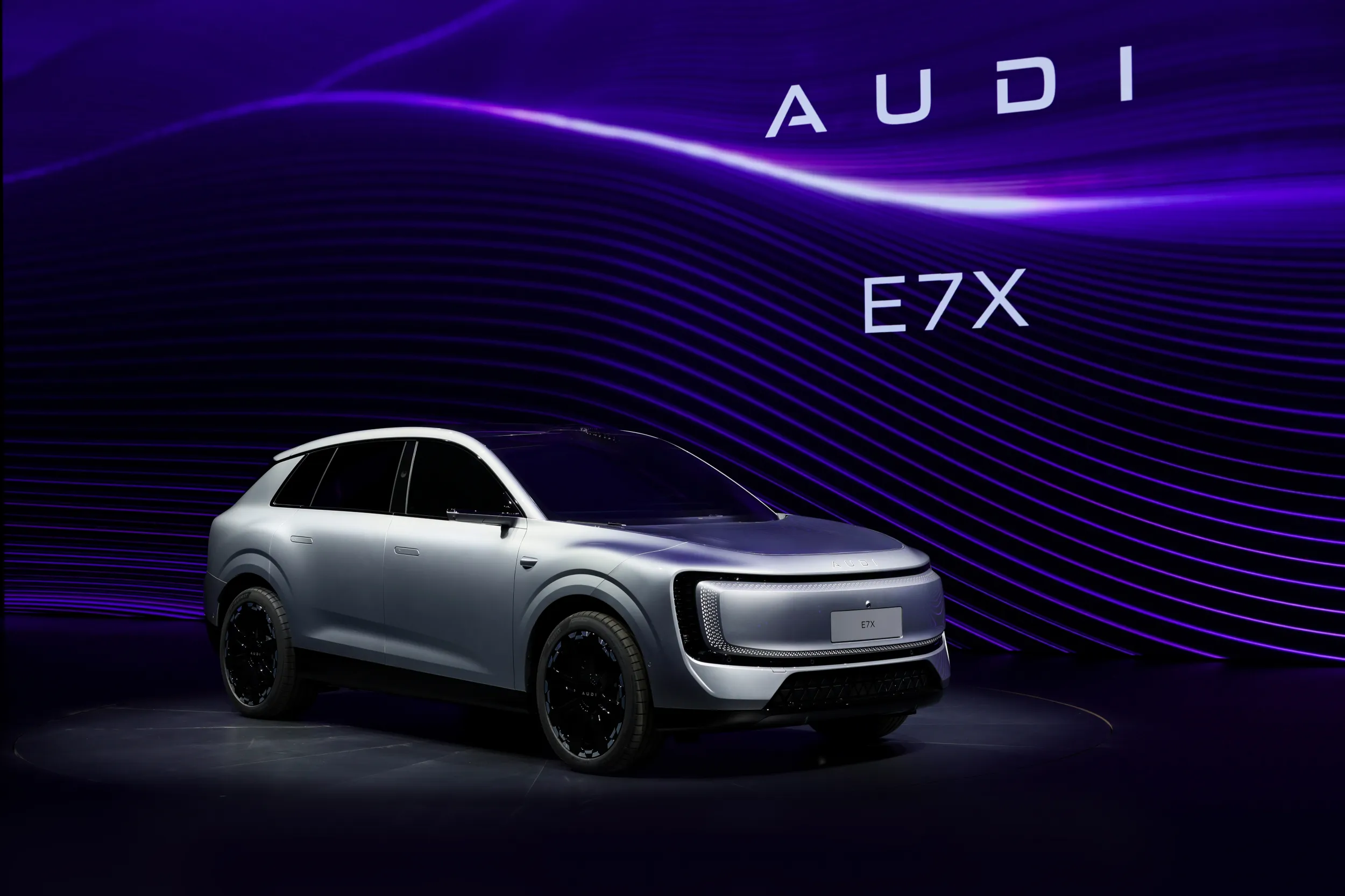
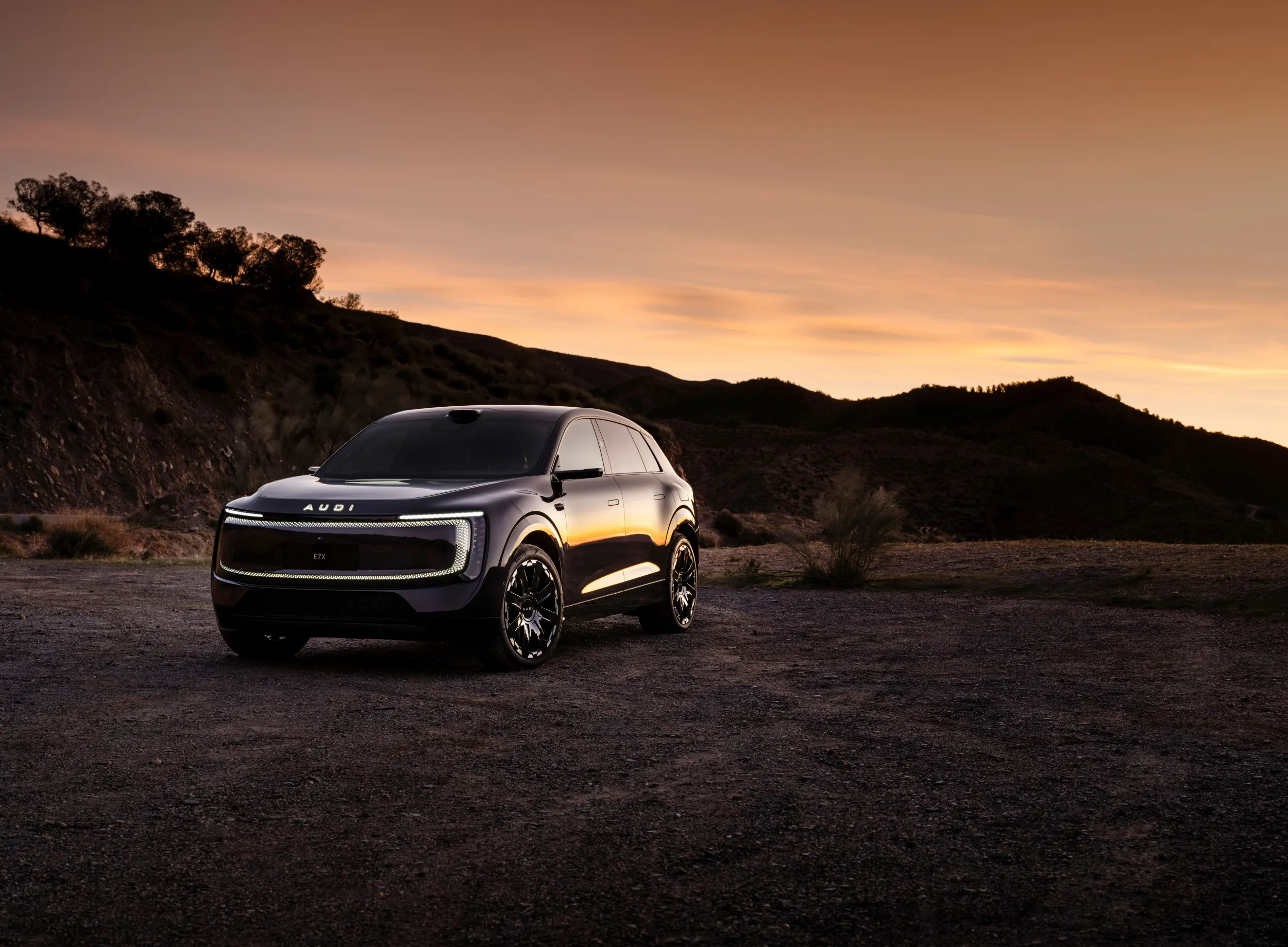
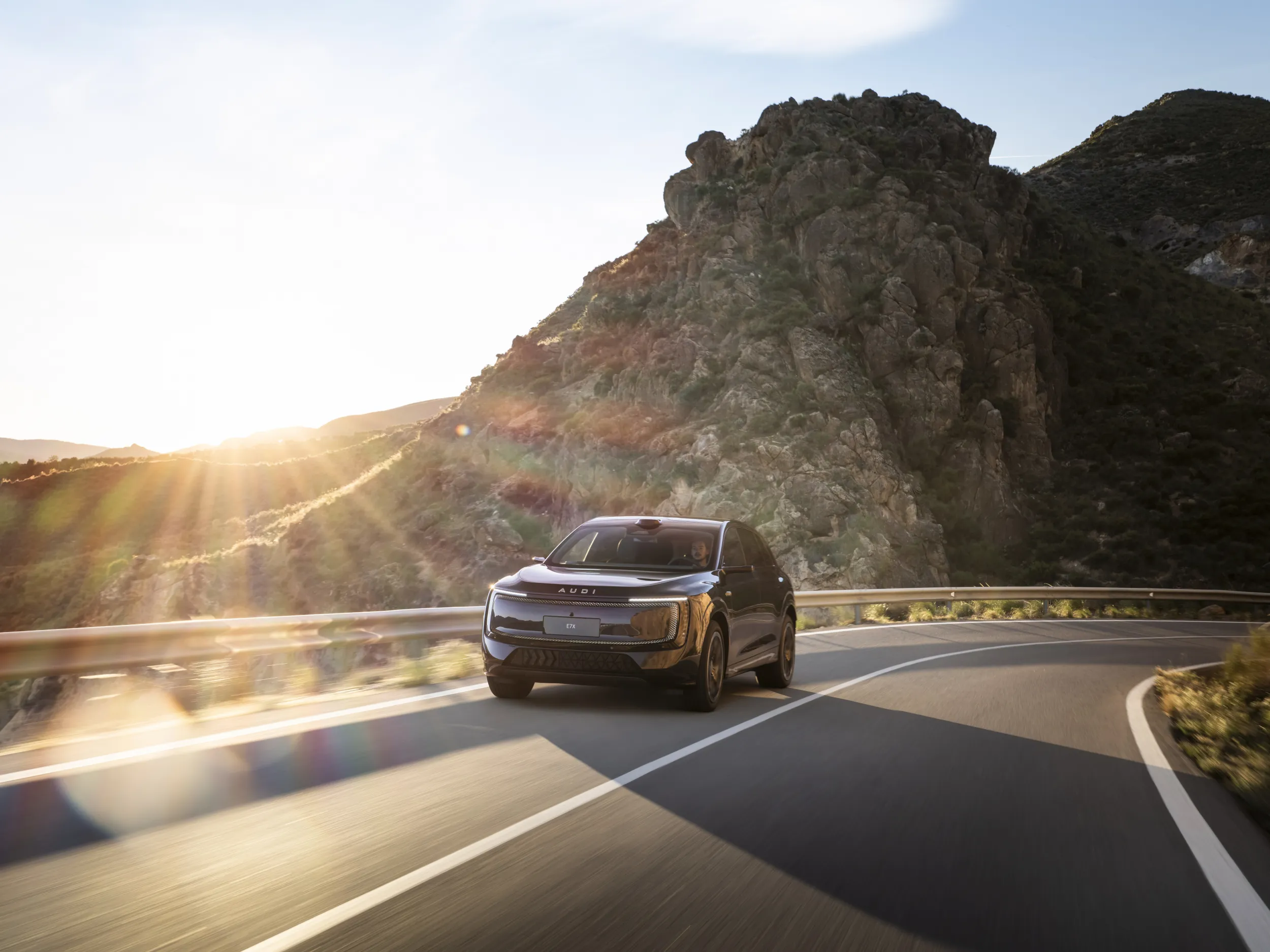
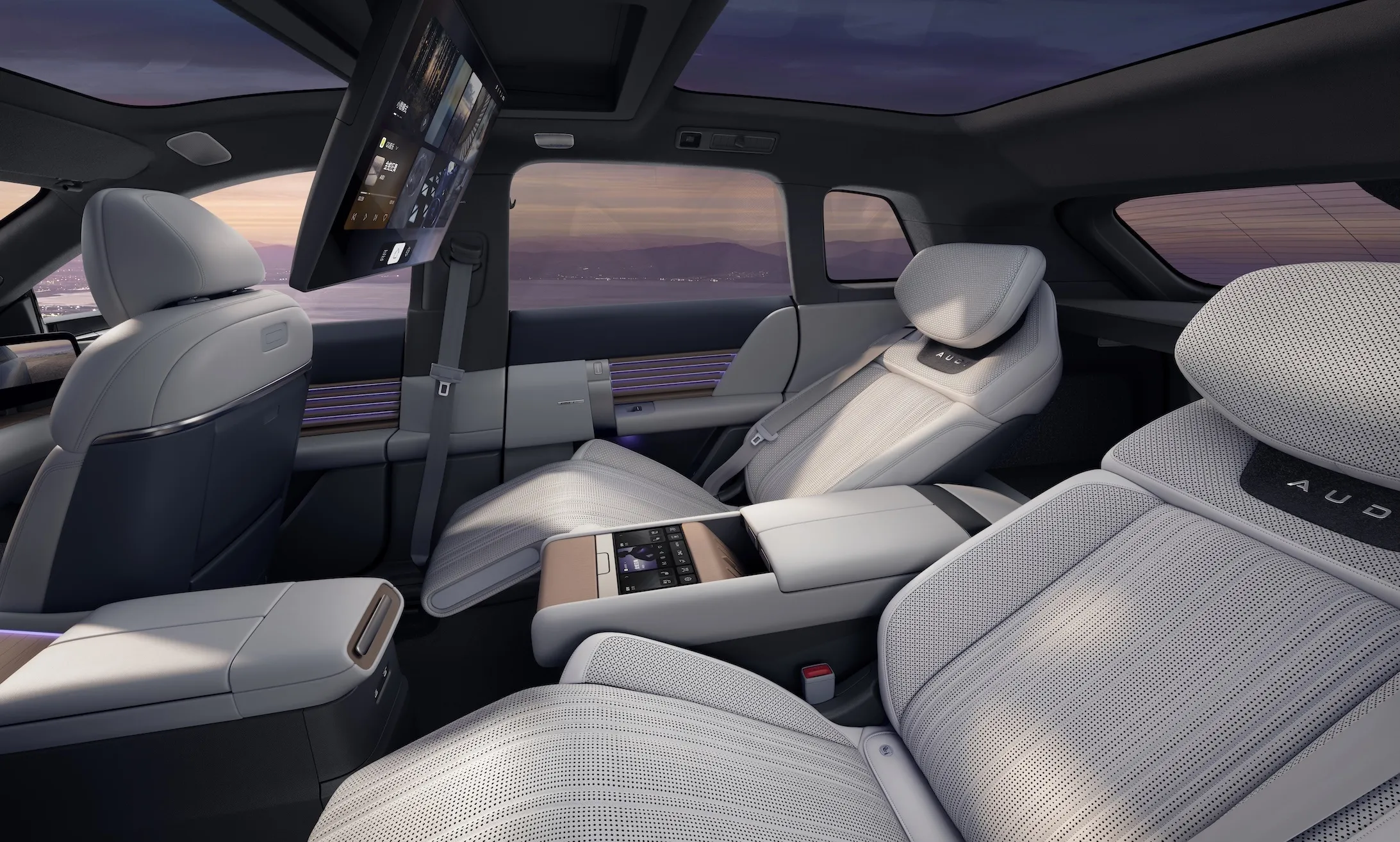
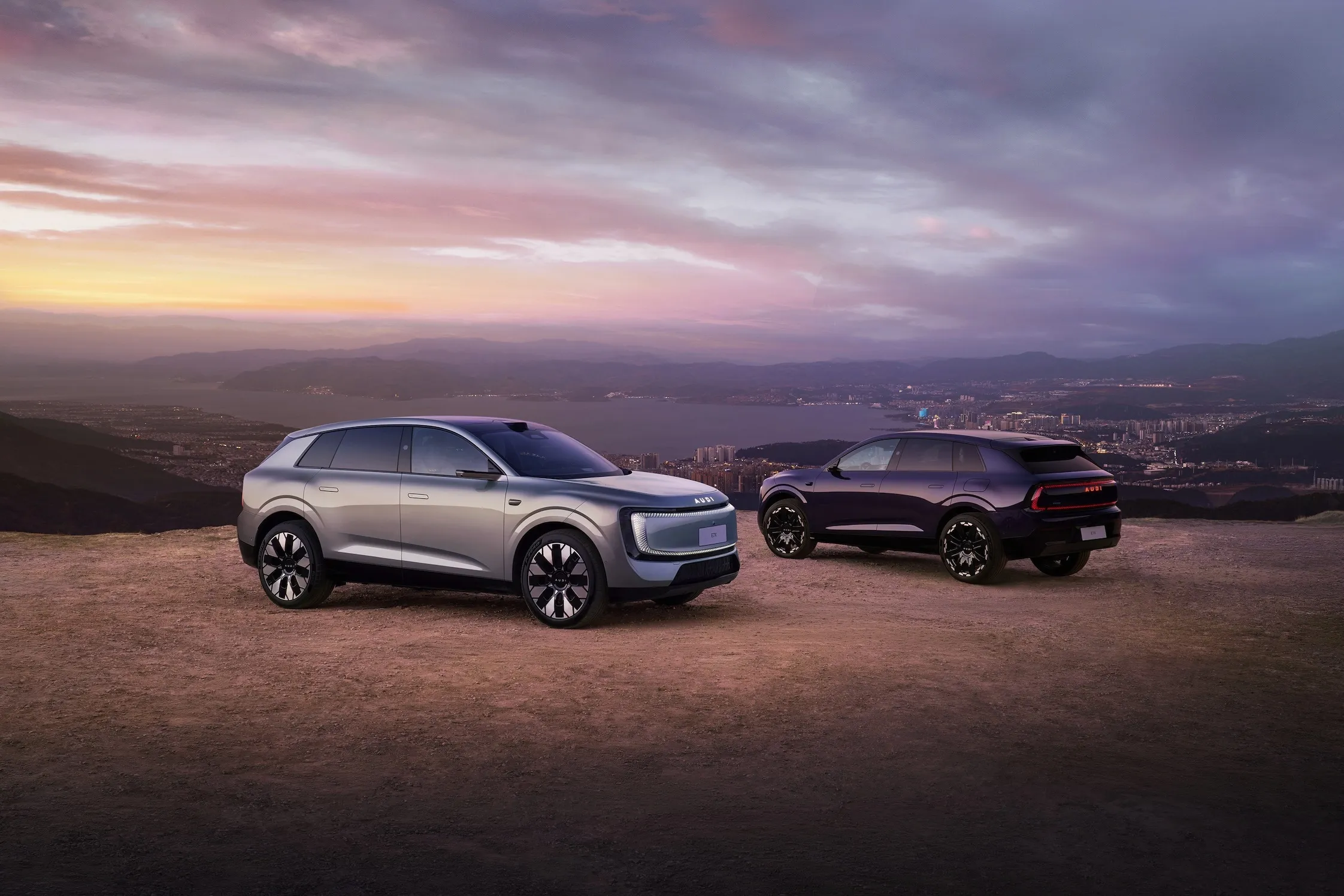
SAIC Audi has unveiled the Audi E7X, a fully electric large SUV built for the Chinese market, with a claimed range of up to 751 kilometres on a single charge under the Chinese test cycle and a 0 to 100 km/h time of 3.97 seconds in its most powerful form. More important, though, is what the car represents. Audi is building a parallel premium brand in China, doing so without its four rings, and using this new model to chase buyers for whom software, screens and the wider digital ecosystem matter just as much as the badge on the bonnet.
The E7X marks the second step in that experiment. It is the second production model from Audi’s China only sister brand after the E5 Sportback, and Audi plans to bring it officially onto the stage at Auto China 2026 in Beijing, which runs from 24 April to 3 May. The model sits on the Advanced Digitized Platform, developed jointly by Audi and SAIC, and intended to fuse German engineering with Chinese digital habits faster than Audi’s traditional development model would normally allow.
A serious technical package
On paper, the E7X places itself straight into the thick of the premium electric SUV fight. It uses a 900 volt architecture and a 109 kWh CATL battery, with 300 kW in rear wheel drive form and 500 kW in the four wheel drive version. Audi and SAIC built the model around an aluminium chassis and paired it with quattro all wheel drive, aiming to combine two things that matter in this class: strong straight line performance and the sort of dynamic control a large luxury SUV still needs to feel convincing. In sheer size, the E7X lands broadly in Tesla Model X territory.
Built to speak China’s language
The details make it even clearer who this car is meant for. The E7X gets a driver assistance system supported by lidar, Face ID based keyless entry, cameras instead of side mirrors and a lighting panel that turns the car’s welcome animation into part of its exterior identity. This is not a random equipment list. It is a deliberate attempt to shift the centre of gravity from mechanical quality to user experience, because in China’s premium market a younger buyer is just as likely to judge a car against a smart device as against a traditional luxury saloon.
That, really, is where the E7X carries its real weight. In March, Audi itself admitted that competition in China remains exceptionally fierce, and the company’s deliveries there fell by five per cent in 2025. Reuters also reported that the Audi E5 Sportback got off to a slower than expected start in the opening months of 2026, as brand recognition among younger buyers is still taking shape and changes in support measures put pressure on demand across the market. So the E7X does not merely arrive as another new model. It must prove that Audi can rebuild relevance in China even when the old German premium formula no longer works by default.
More than just a new model
Audi is not trying to export a formula that worked in Europe. It is creating a new product for China, a new model line and, in effect, a new brand code. Dropping the four rings may look odd from a European perspective, but in China it helps Audi’s management draw a clearer line against local manufacturers, who are developing electric cars faster, more aggressively and with a much stronger software led focus. German roots still signal quality, but sales now depend on a blend in which digital ease of use, charging speed and visual distinction matter at least as much as historical prestige.
That is why the E7X should be seen less as a single newsworthy model and more as a litmus test for Audi’s China strategy. If it can combine long range, fast charging, persuasive software and a genuinely premium feel, then Audi’s sister brand may gain a strong second pillar. If buyers see it as just another electric SUV repackaged for local tastes, the ring free strategy risks becoming an expensive side road in a market moving faster than any European premium carmaker has really liked to admit.
A serious technical package
On paper, the E7X places itself straight into the thick of the premium electric SUV fight. It uses a 900 volt architecture and a 109 kWh CATL battery, with 300 kW in rear wheel drive form and 500 kW in the four wheel drive version. Audi and SAIC built the model around an aluminium chassis and paired it with quattro all wheel drive, aiming to combine two things that matter in this class: strong straight line performance and the sort of dynamic control a large luxury SUV still needs to feel convincing. In sheer size, the E7X lands broadly in Tesla Model X territory.
Built to speak China’s language
The details make it even clearer who this car is meant for. The E7X gets a driver assistance system supported by lidar, Face ID based keyless entry, cameras instead of side mirrors and a lighting panel that turns the car’s welcome animation into part of its exterior identity. This is not a random equipment list. It is a deliberate attempt to shift the centre of gravity from mechanical quality to user experience, because in China’s premium market a younger buyer is just as likely to judge a car against a smart device as against a traditional luxury saloon.
That, really, is where the E7X carries its real weight. In March, Audi itself admitted that competition in China remains exceptionally fierce, and the company’s deliveries there fell by five per cent in 2025. Reuters also reported that the Audi E5 Sportback got off to a slower than expected start in the opening months of 2026, as brand recognition among younger buyers is still taking shape and changes in support measures put pressure on demand across the market. So the E7X does not merely arrive as another new model. It must prove that Audi can rebuild relevance in China even when the old German premium formula no longer works by default.
More than just a new model
Audi is not trying to export a formula that worked in Europe. It is creating a new product for China, a new model line and, in effect, a new brand code. Dropping the four rings may look odd from a European perspective, but in China it helps Audi’s management draw a clearer line against local manufacturers, who are developing electric cars faster, more aggressively and with a much stronger software led focus. German roots still signal quality, but sales now depend on a blend in which digital ease of use, charging speed and visual distinction matter at least as much as historical prestige.
That is why the E7X should be seen less as a single newsworthy model and more as a litmus test for Audi’s China strategy. If it can combine long range, fast charging, persuasive software and a genuinely premium feel, then Audi’s sister brand may gain a strong second pillar. If buyers see it as just another electric SUV repackaged for local tastes, the ring free strategy risks becoming an expensive side road in a market moving faster than any European premium carmaker has really liked to admit.


