
Audi unveils the new RS 5
 1/72
1/72
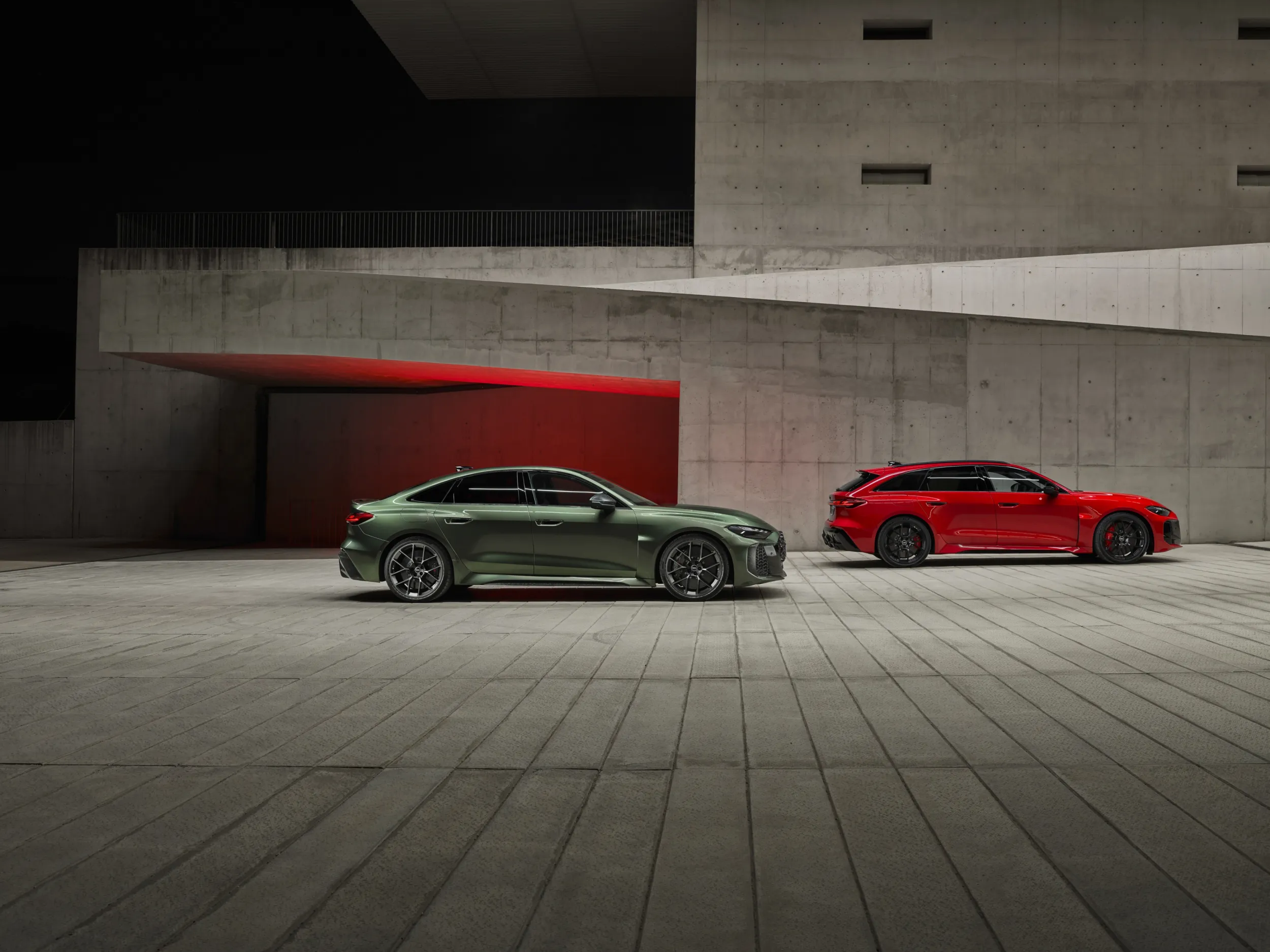
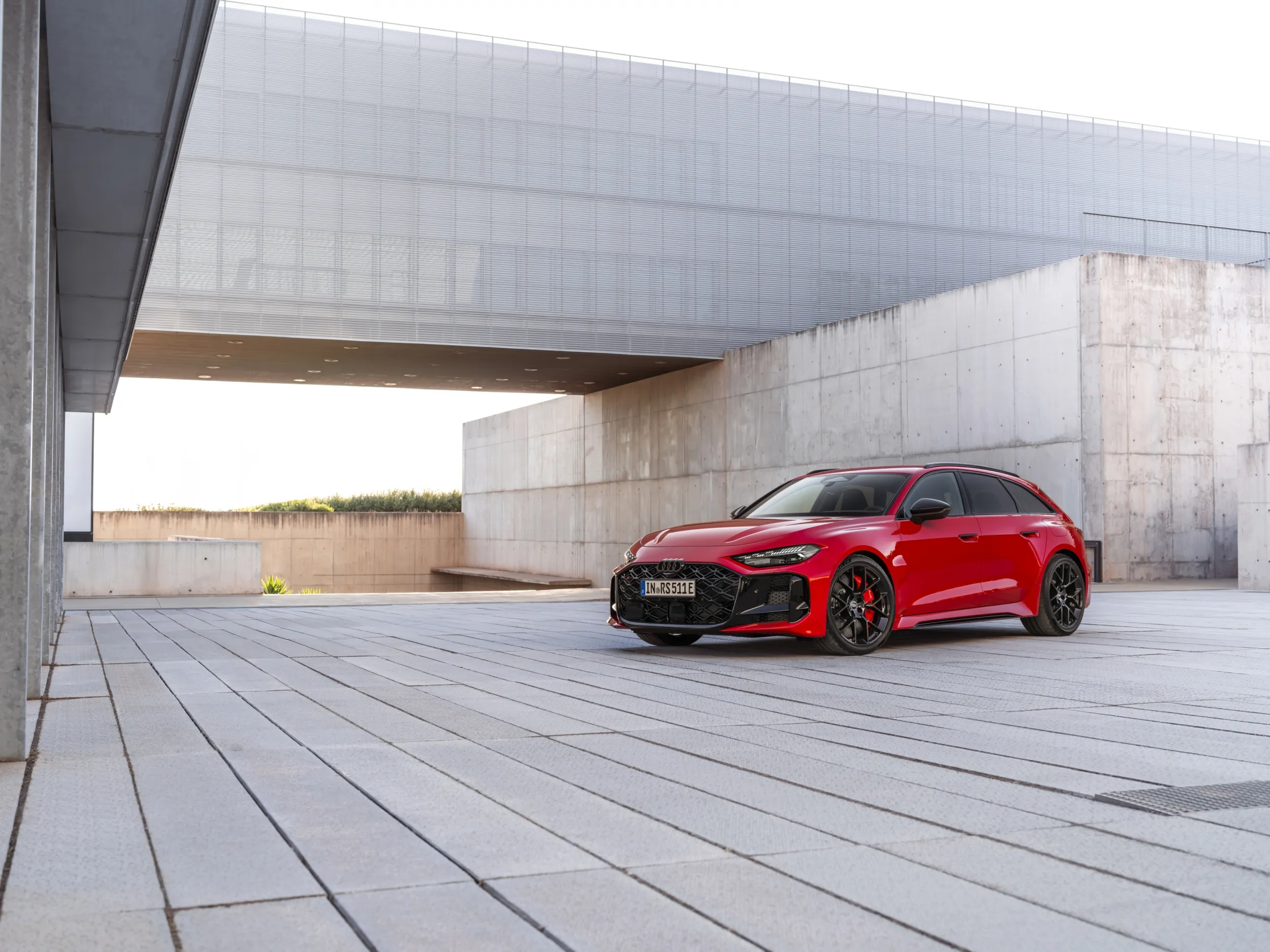
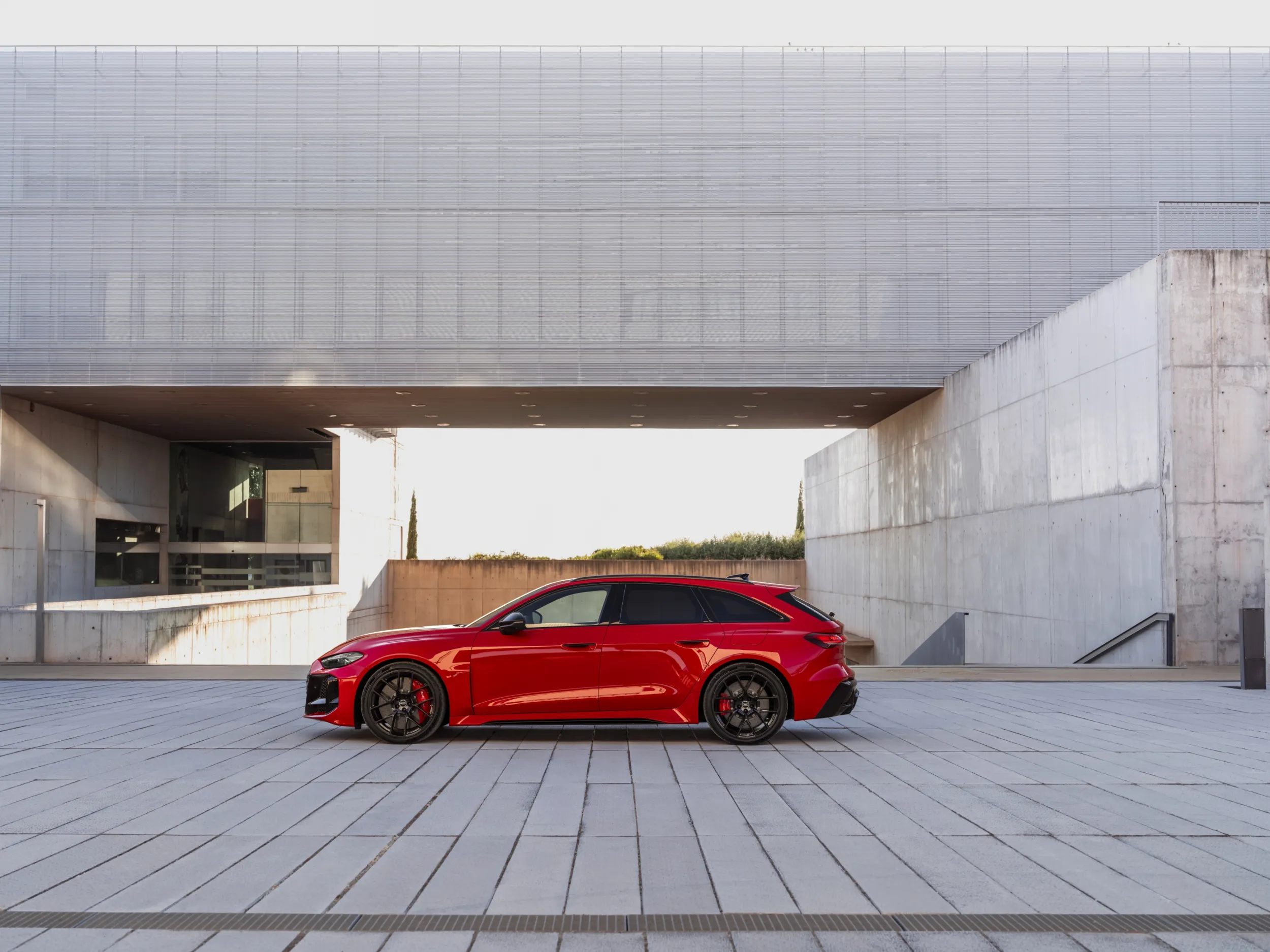
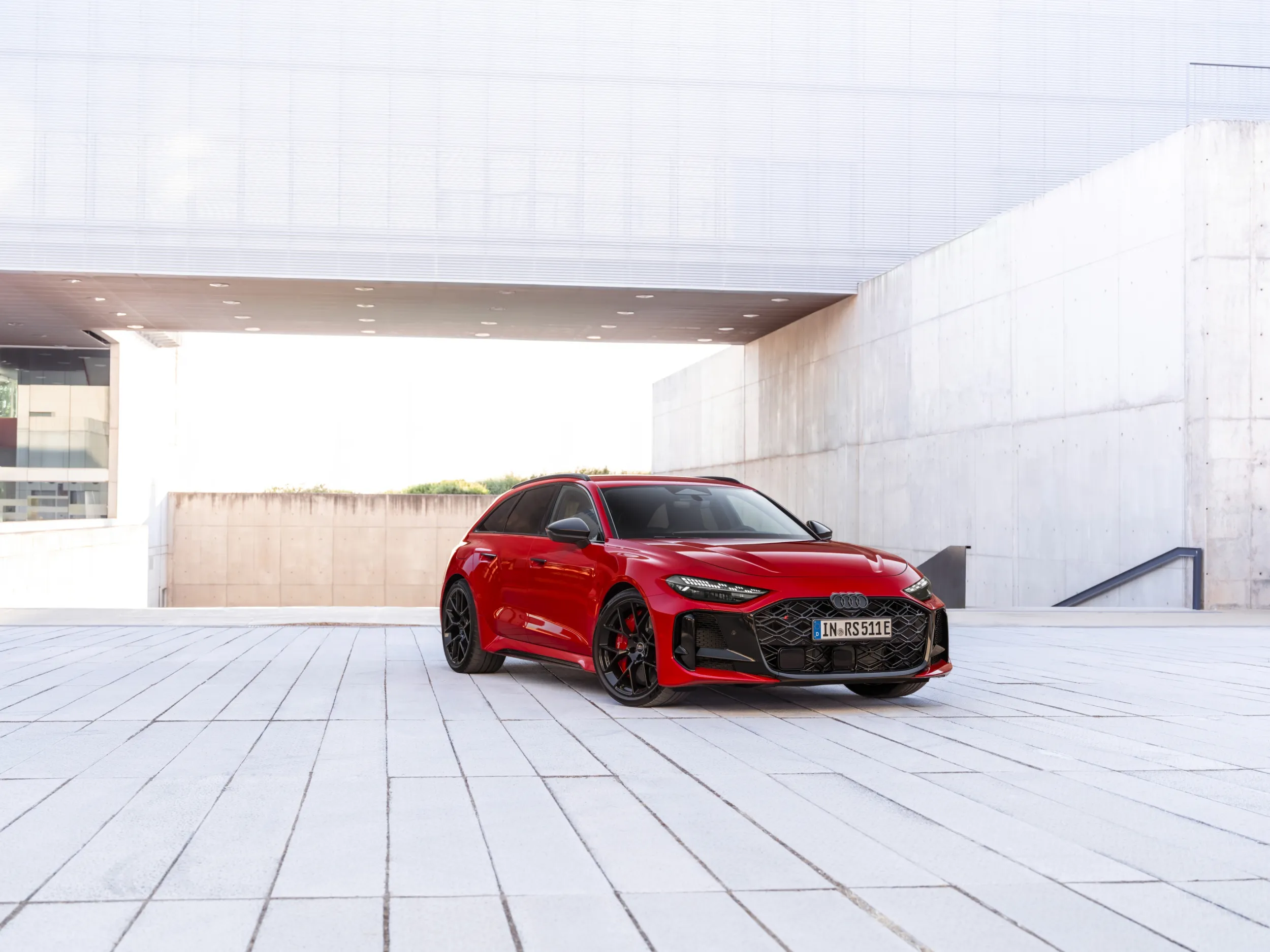
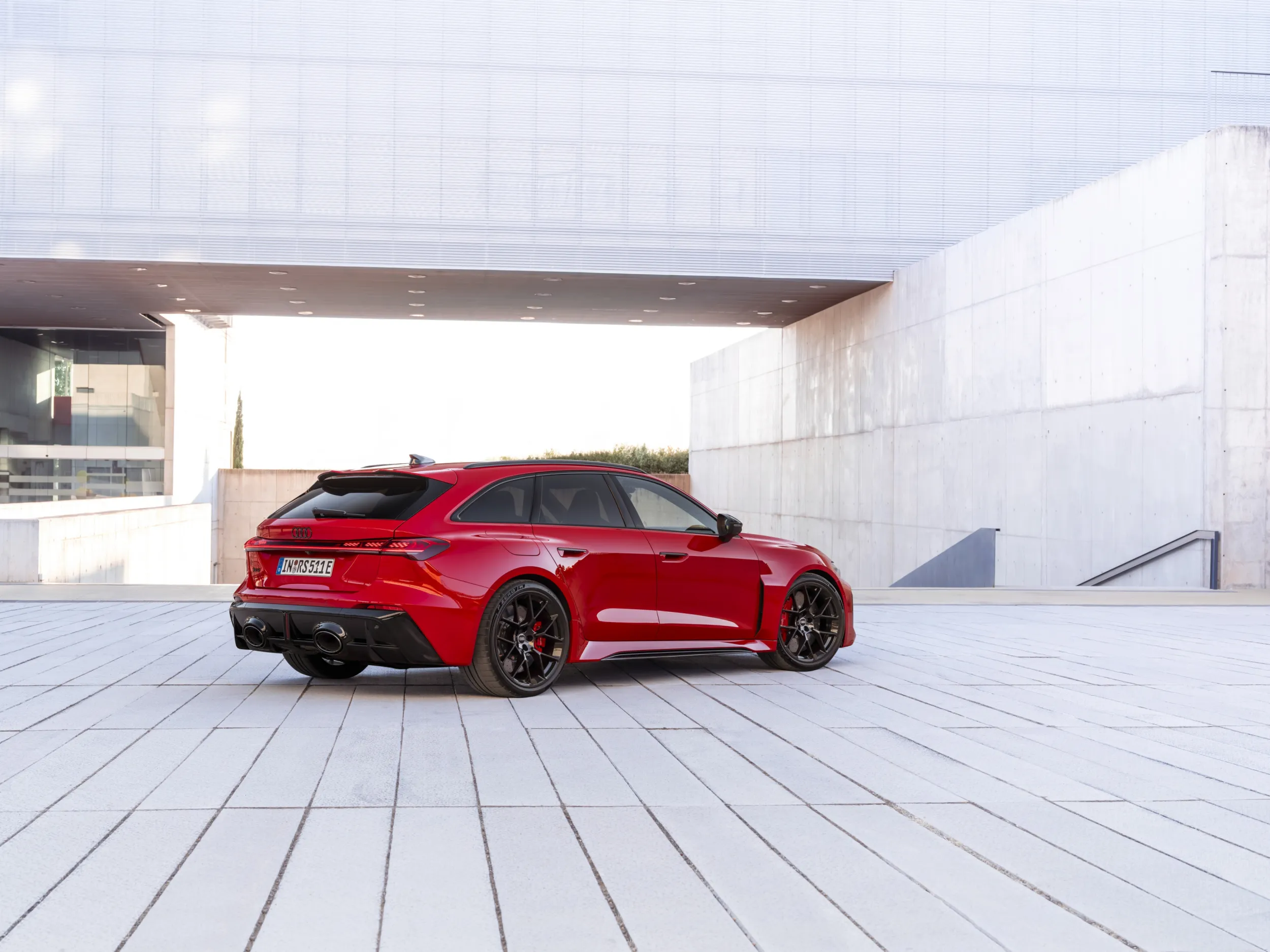
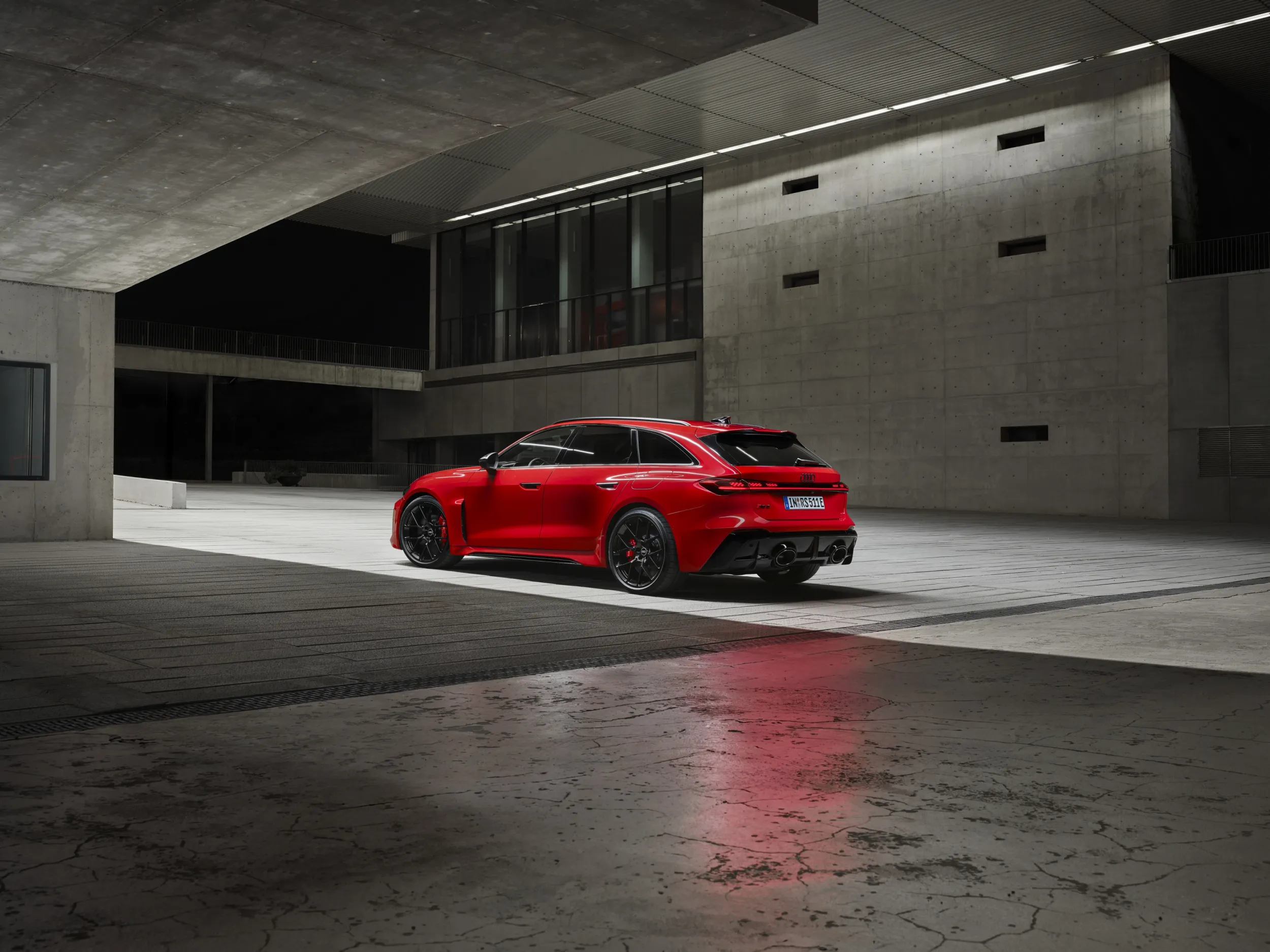
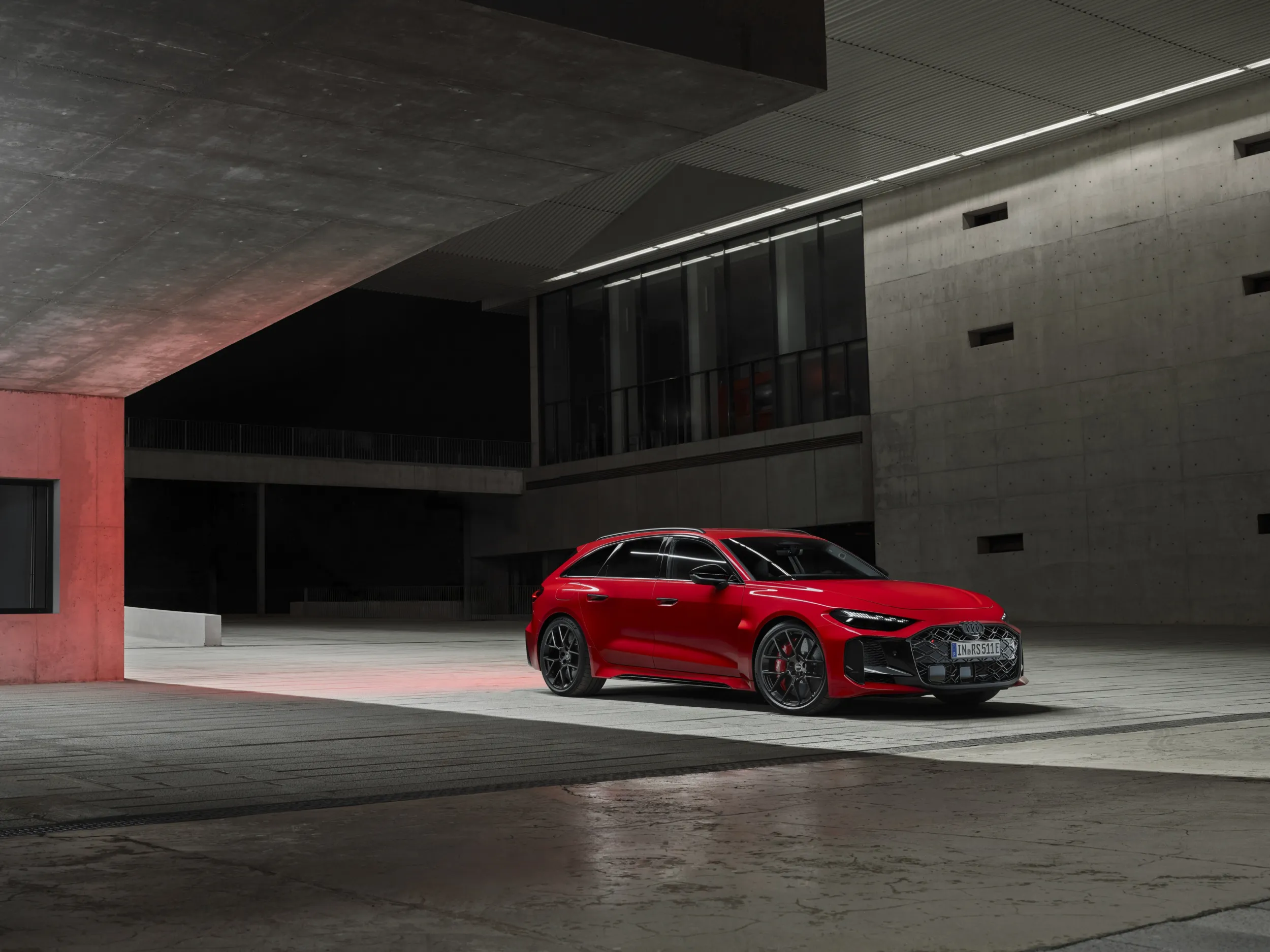
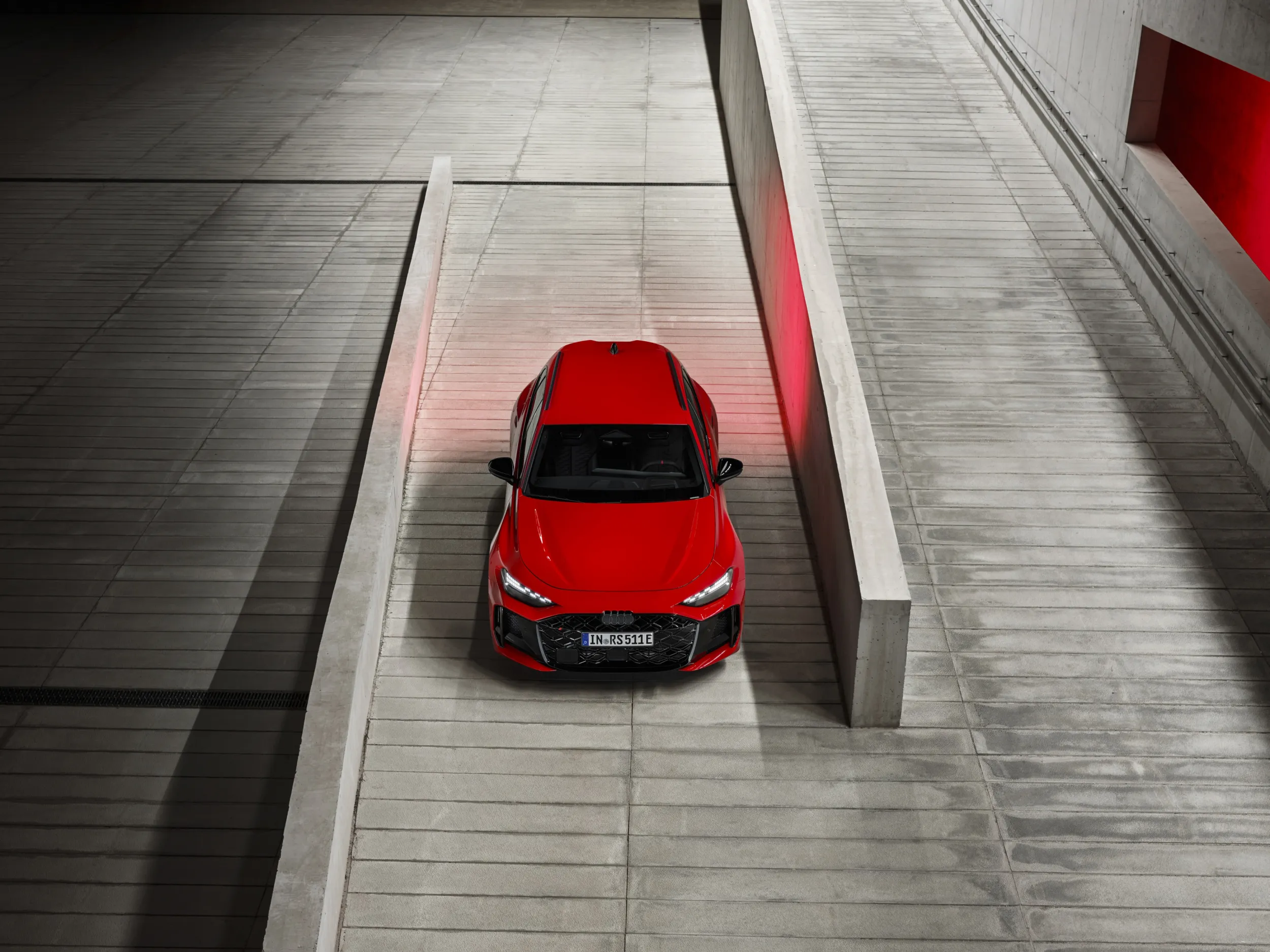
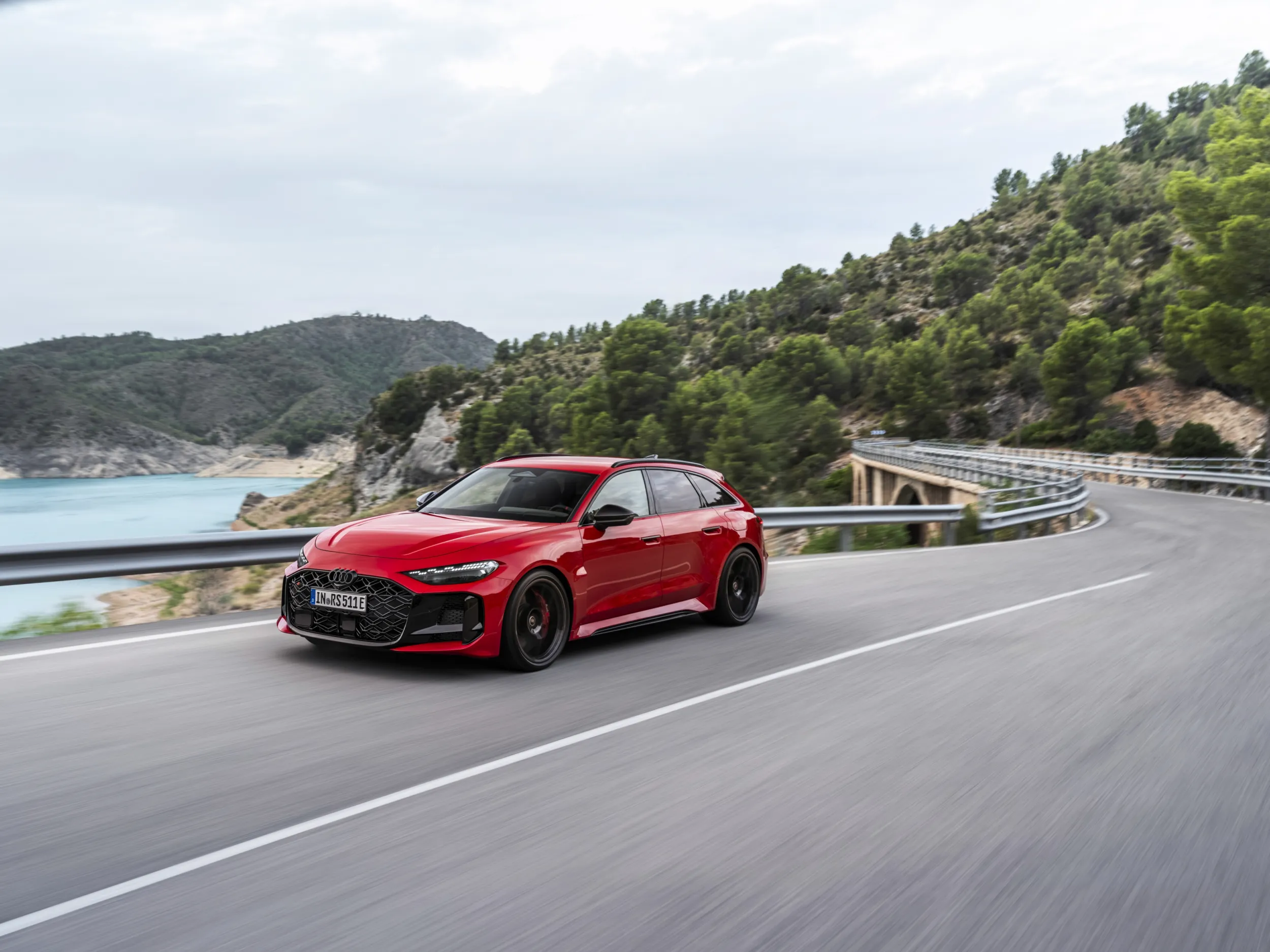
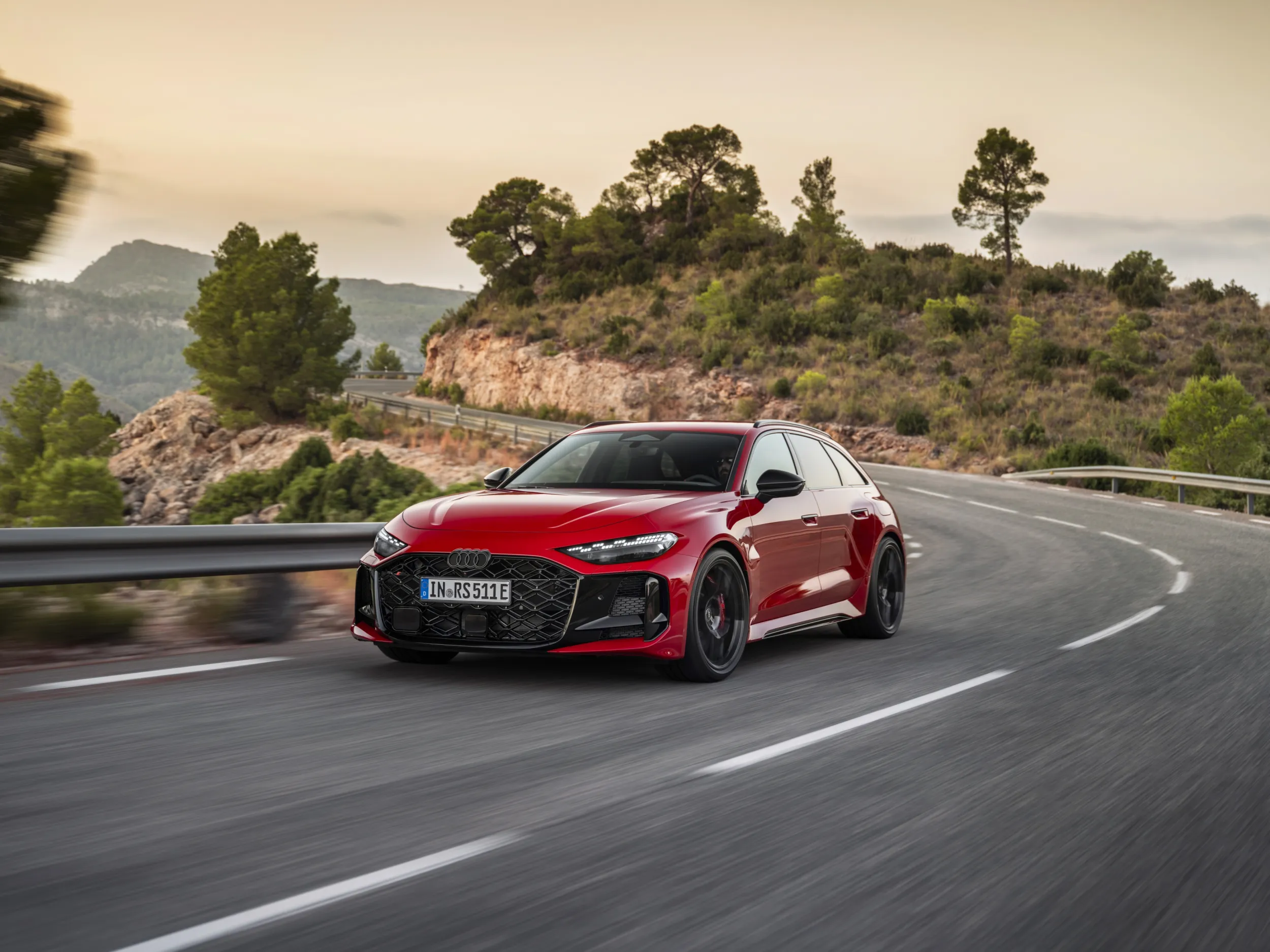
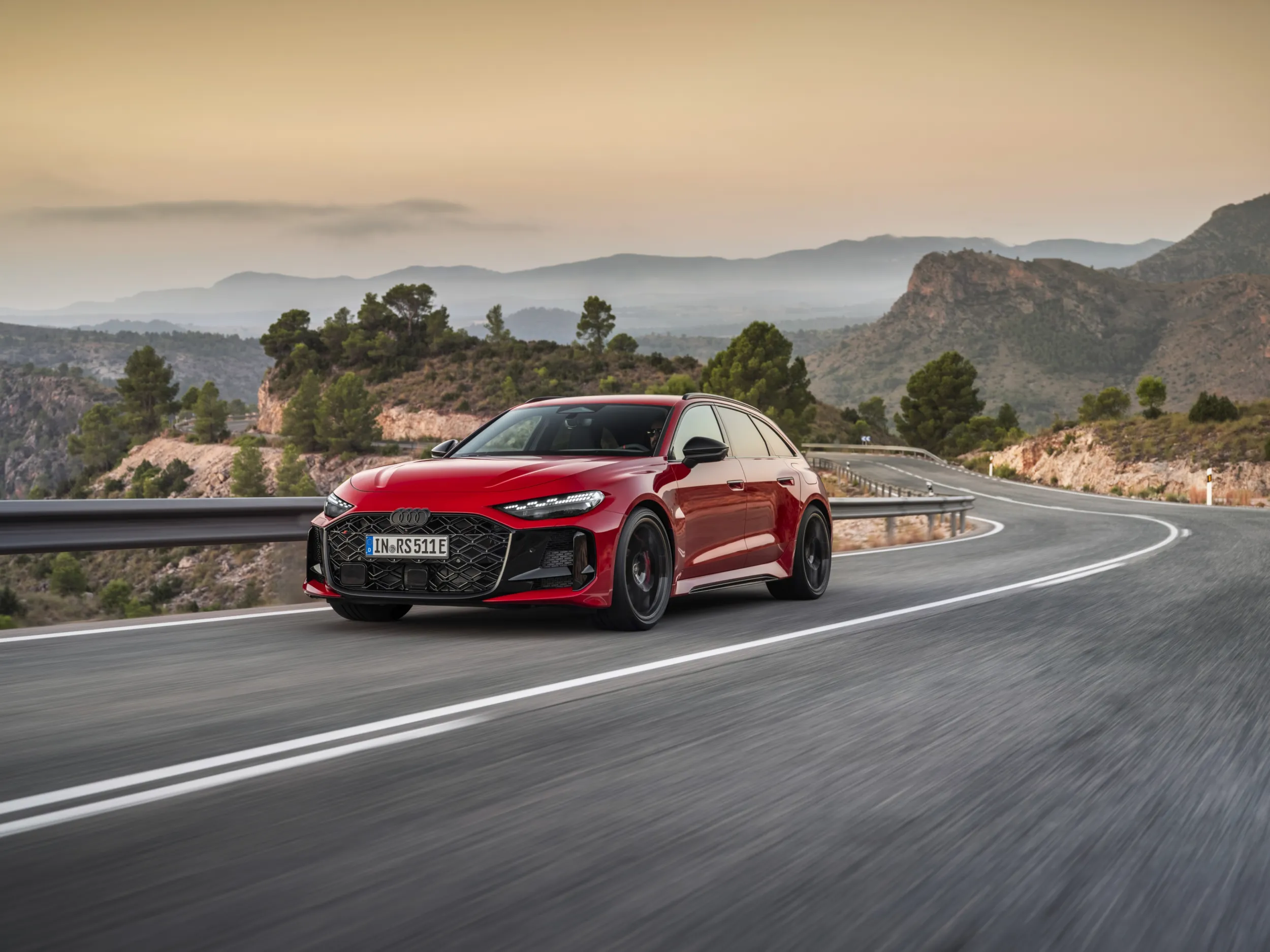
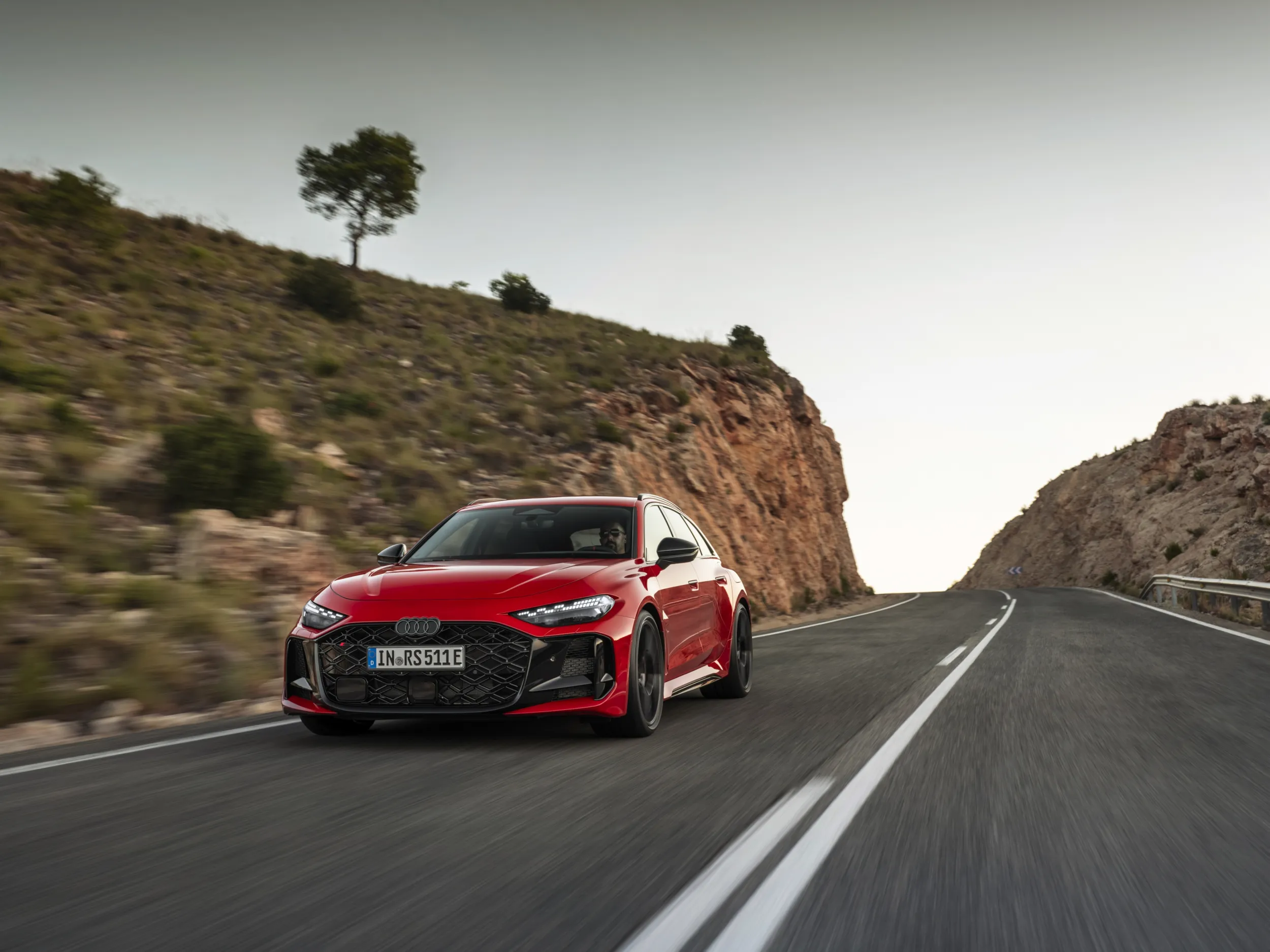
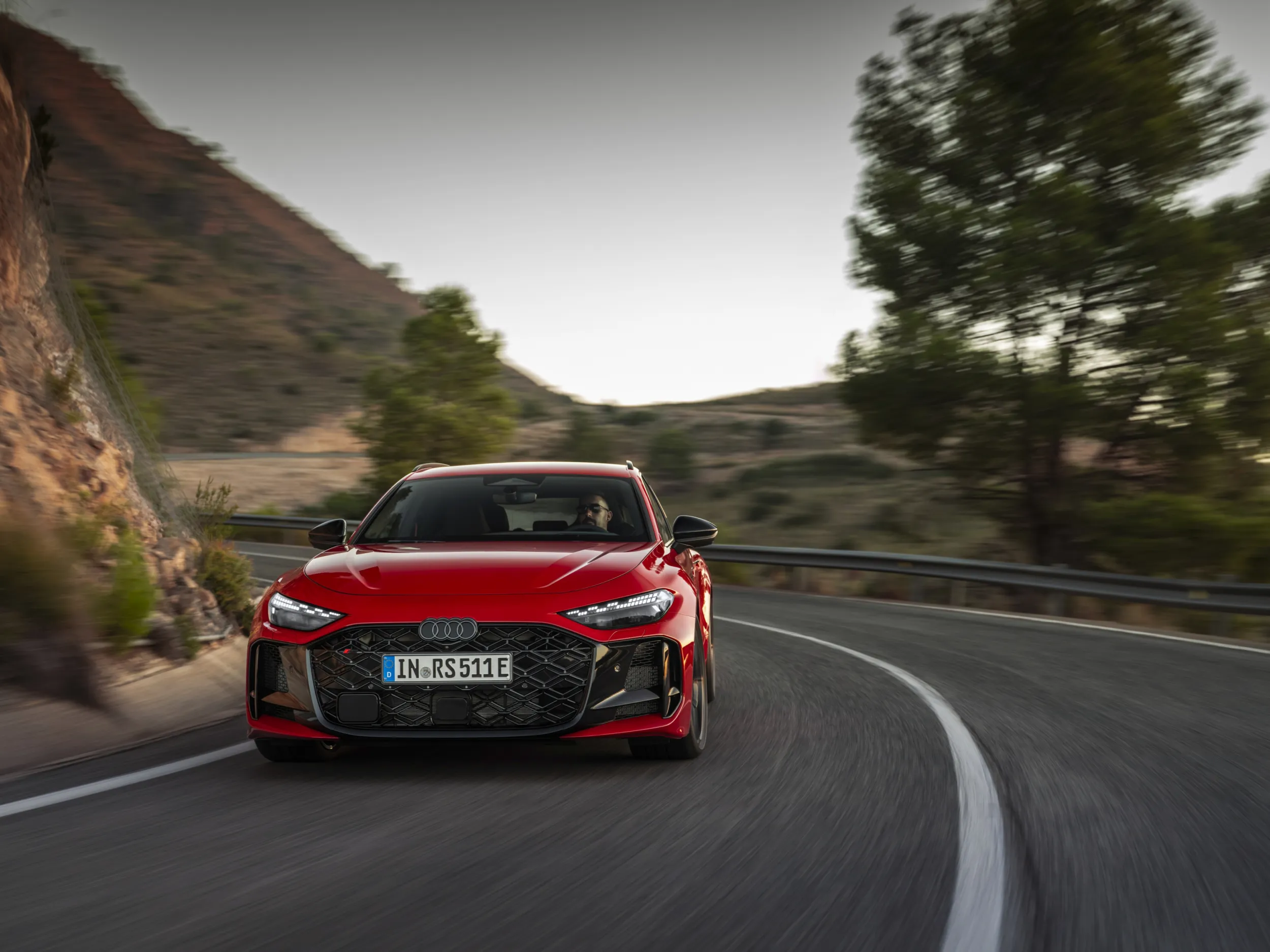
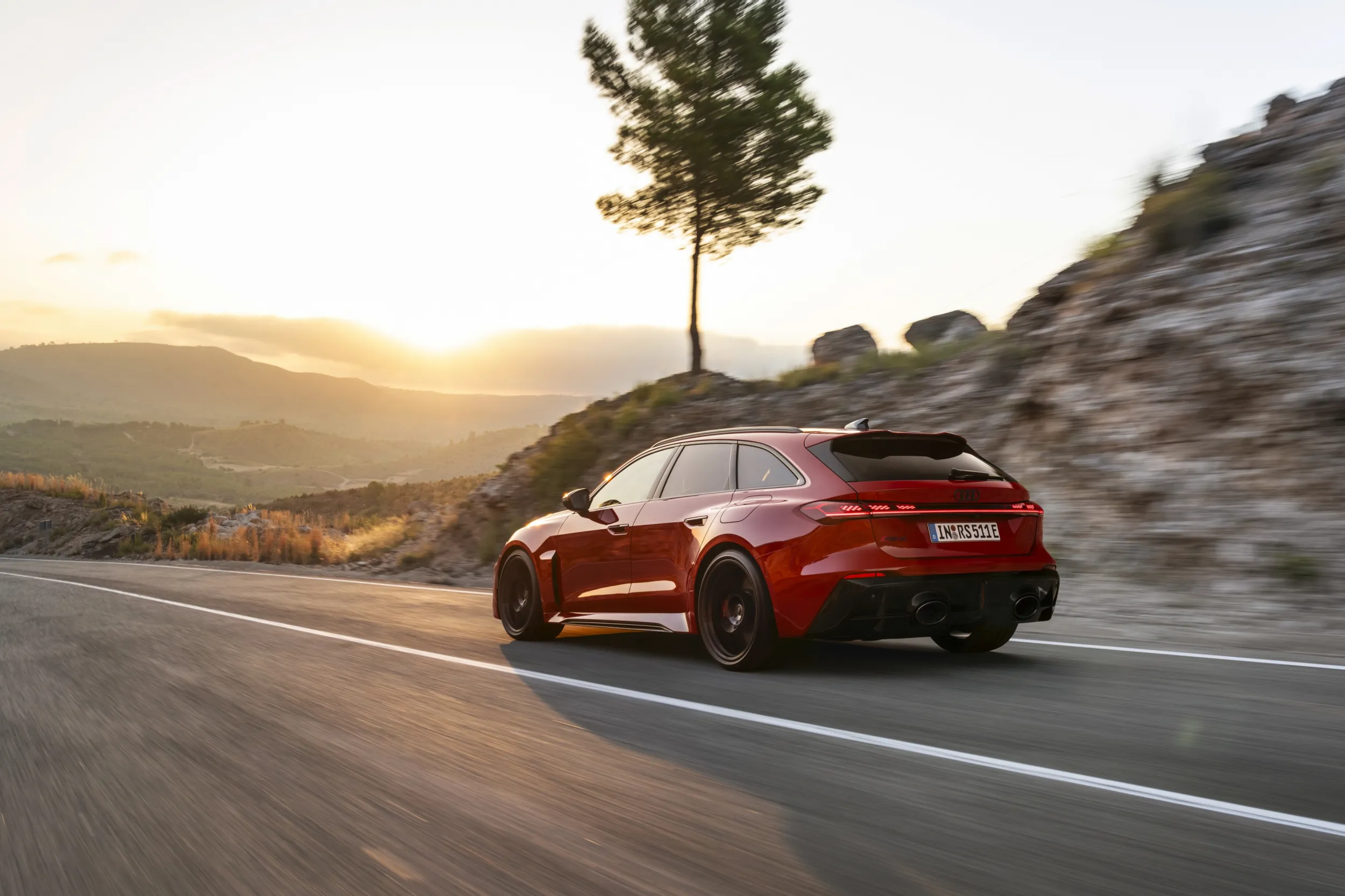
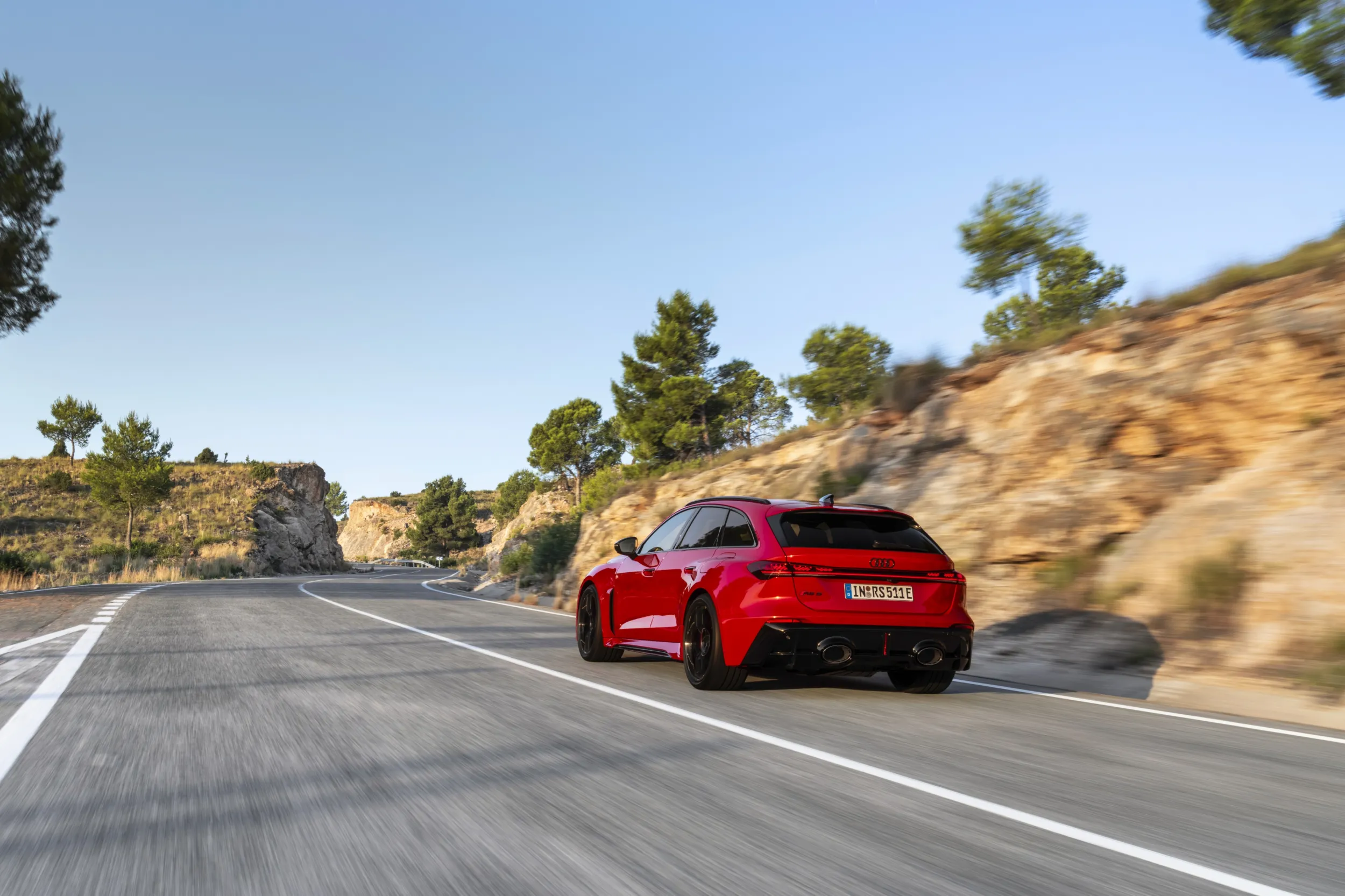
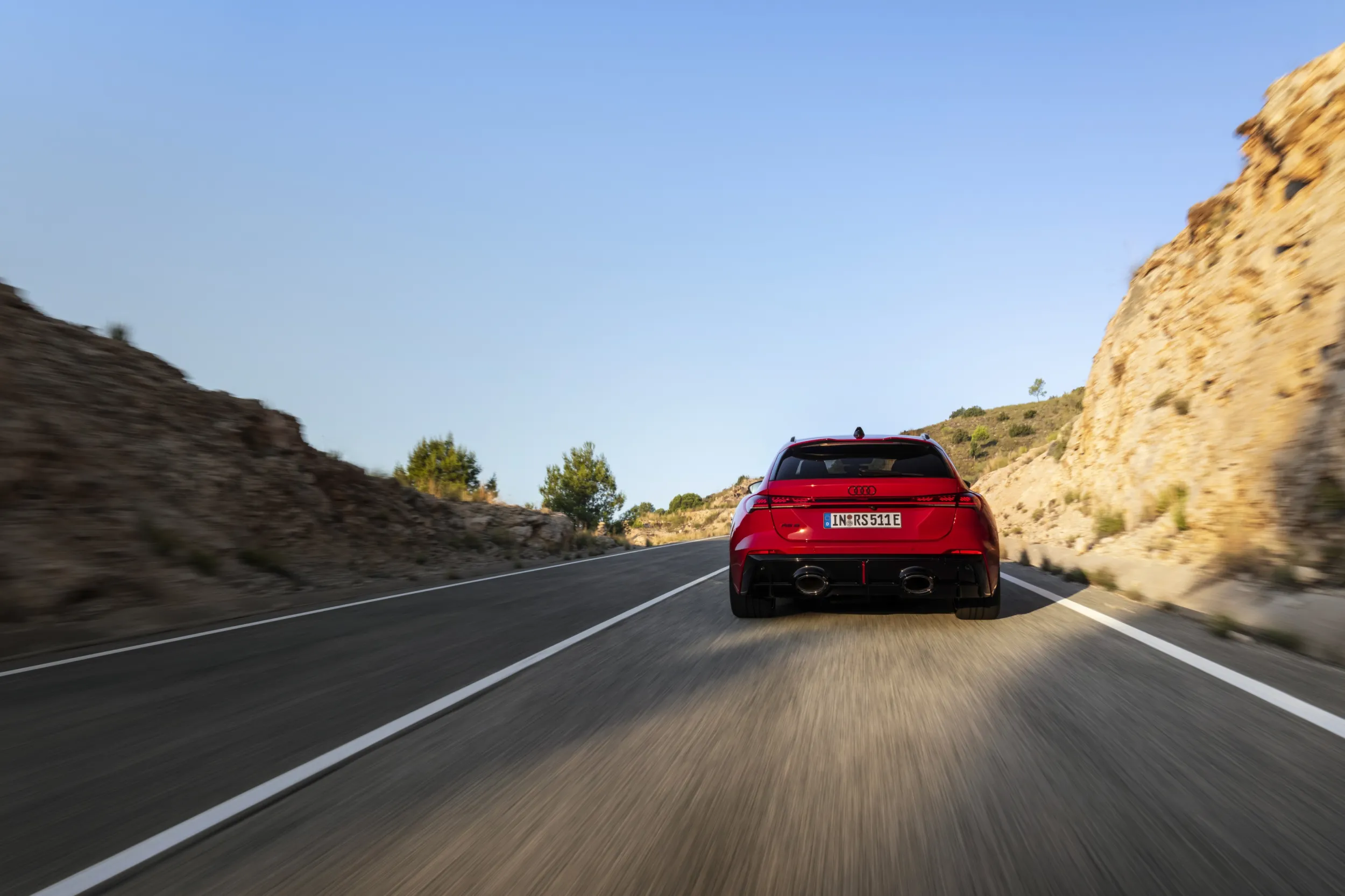
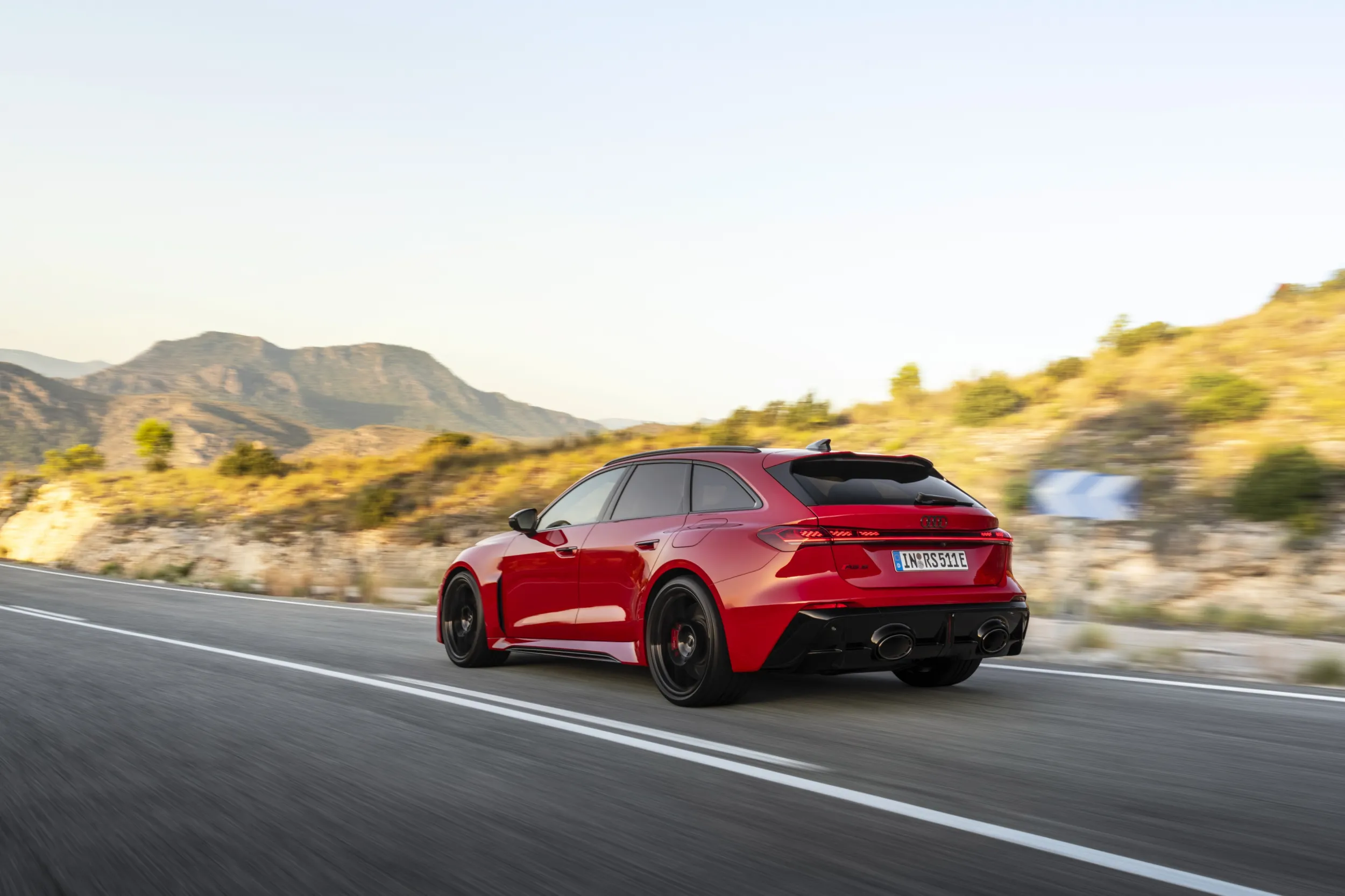
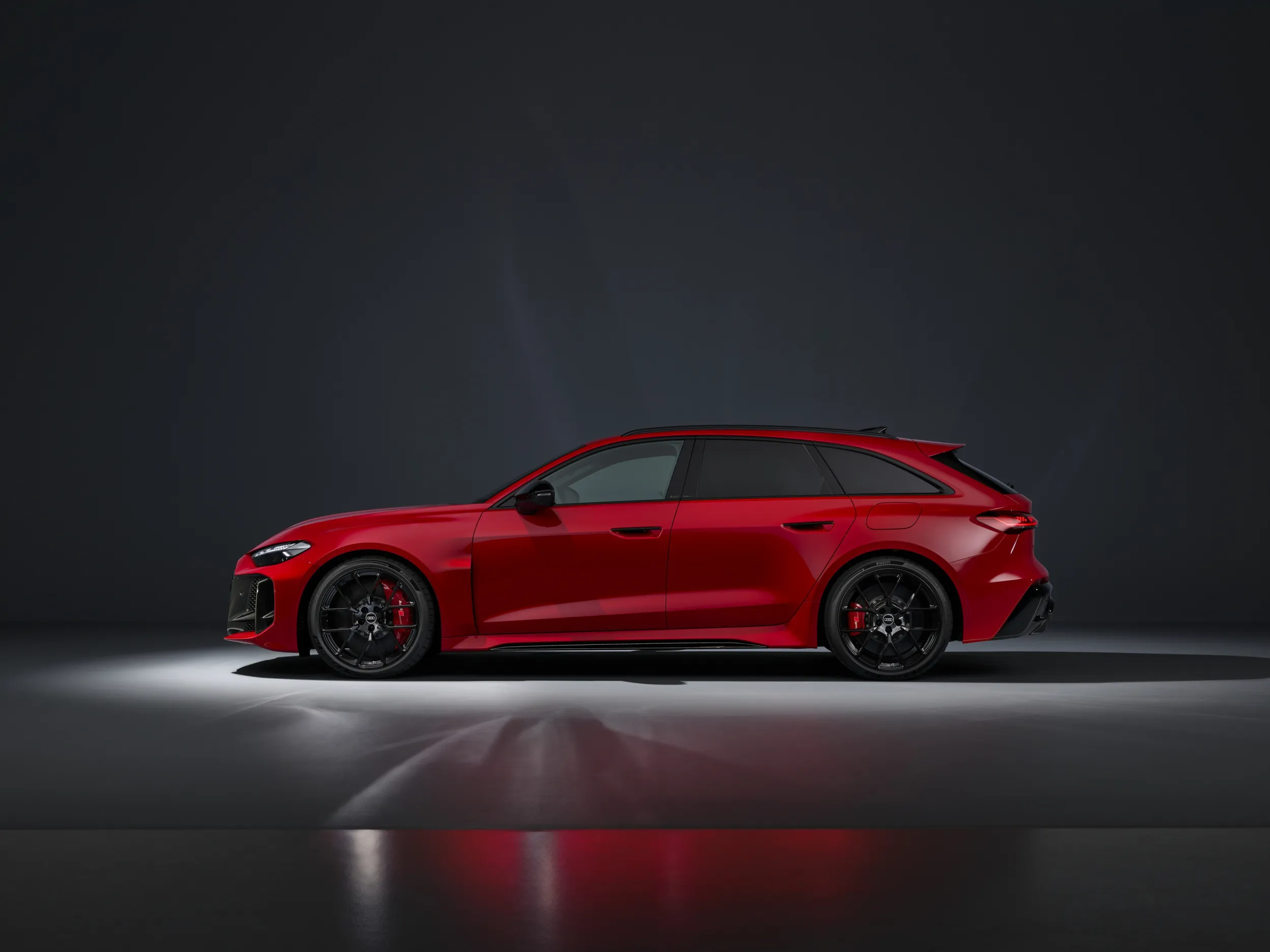
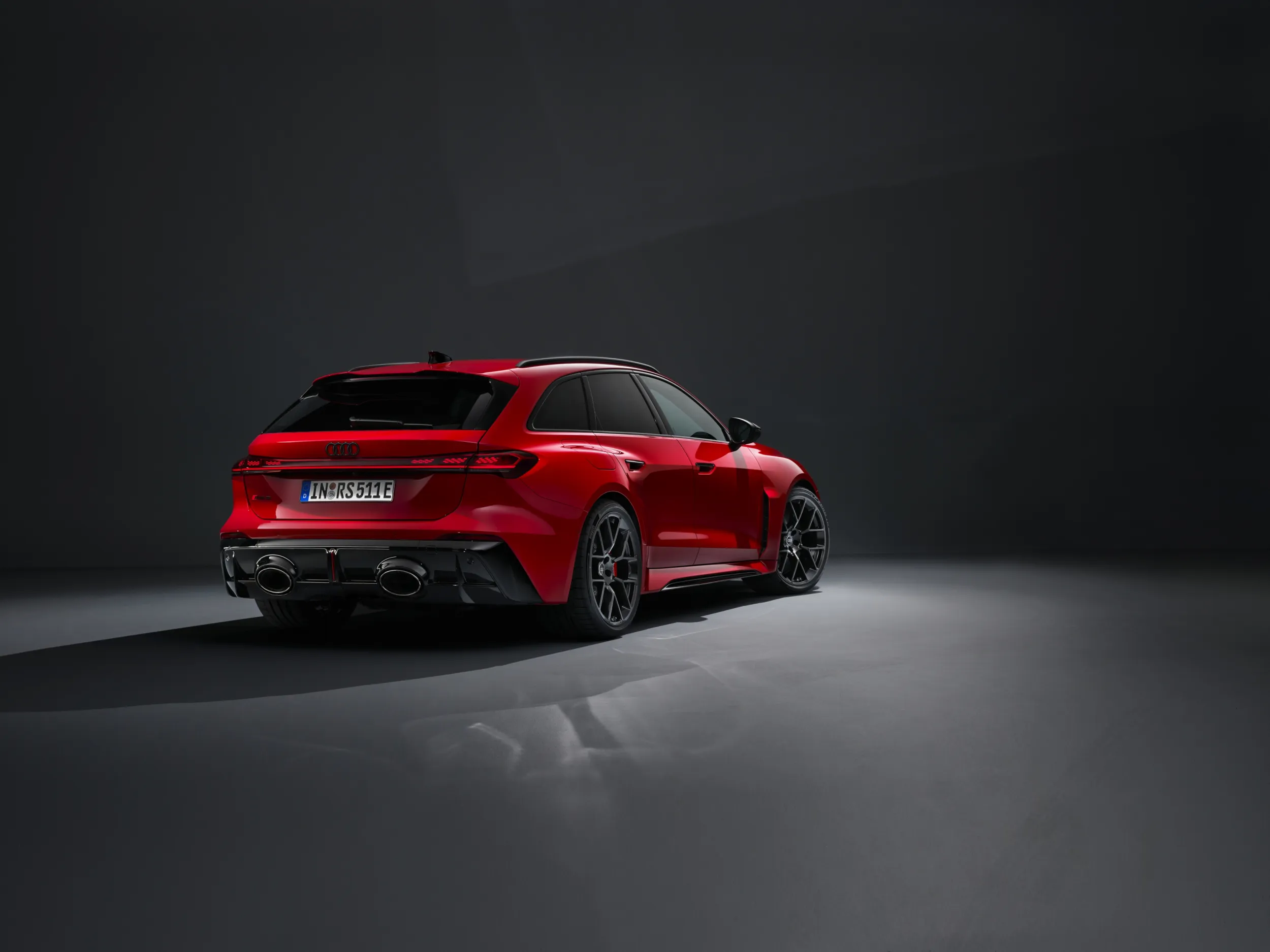
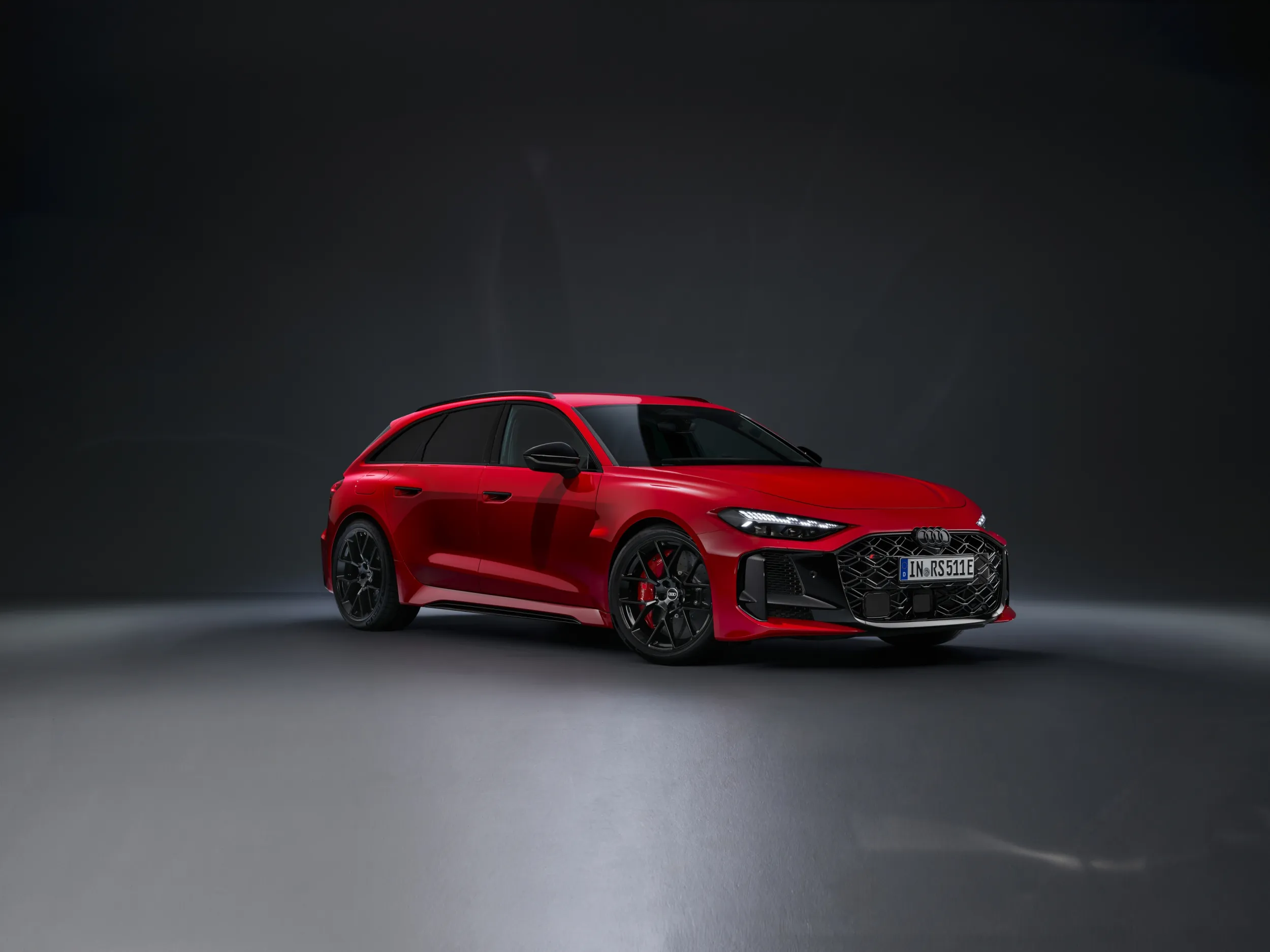
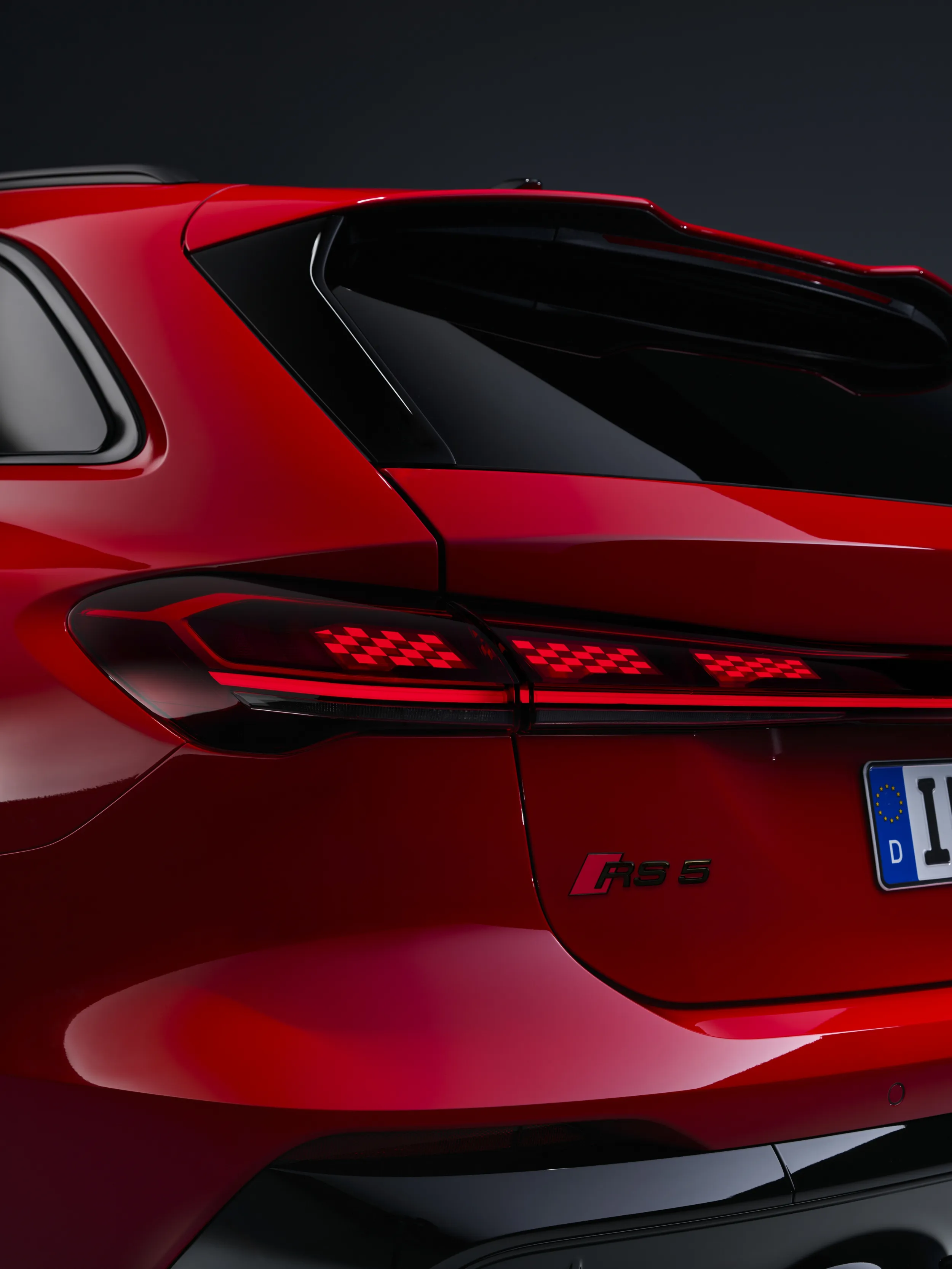
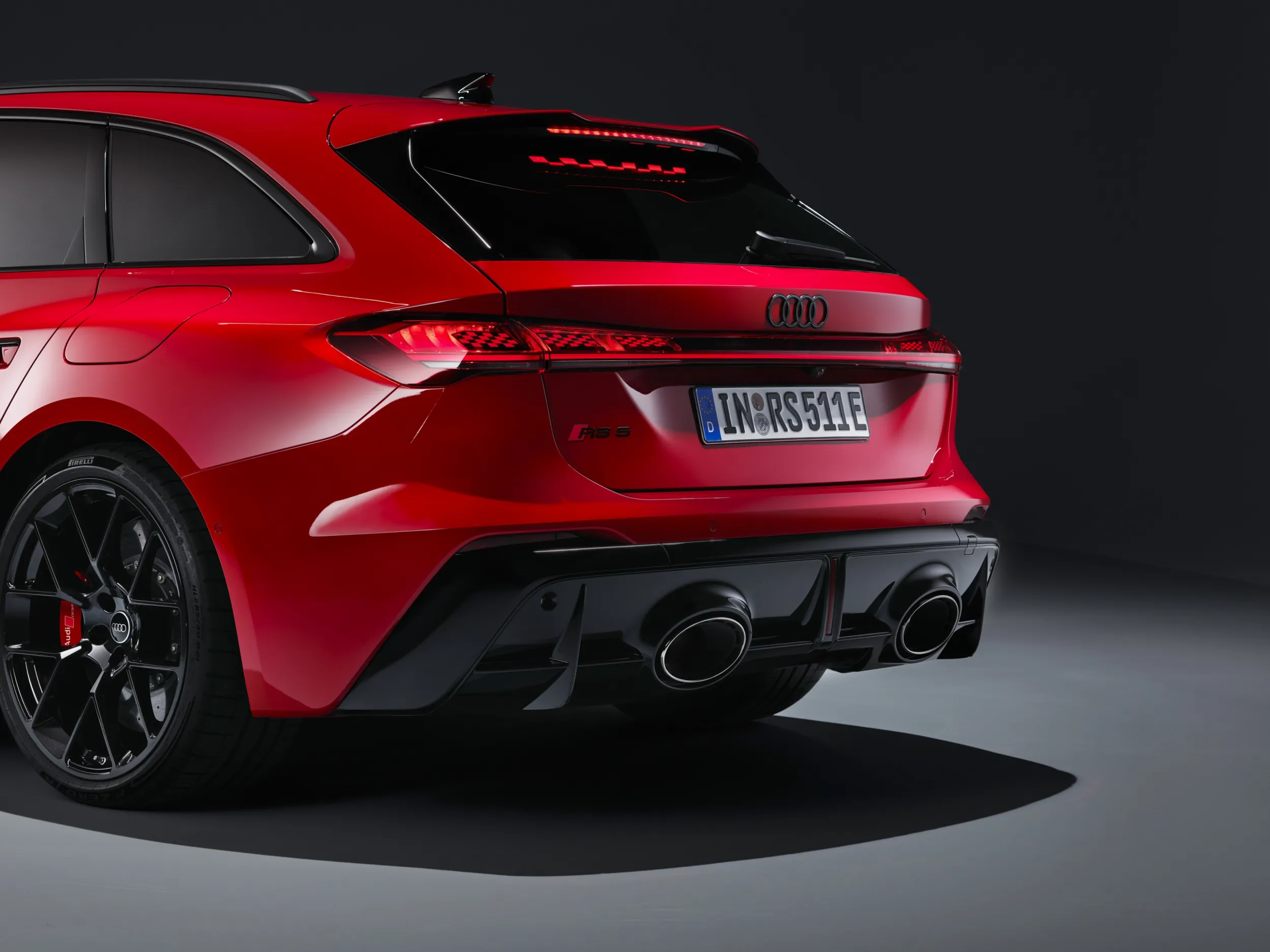
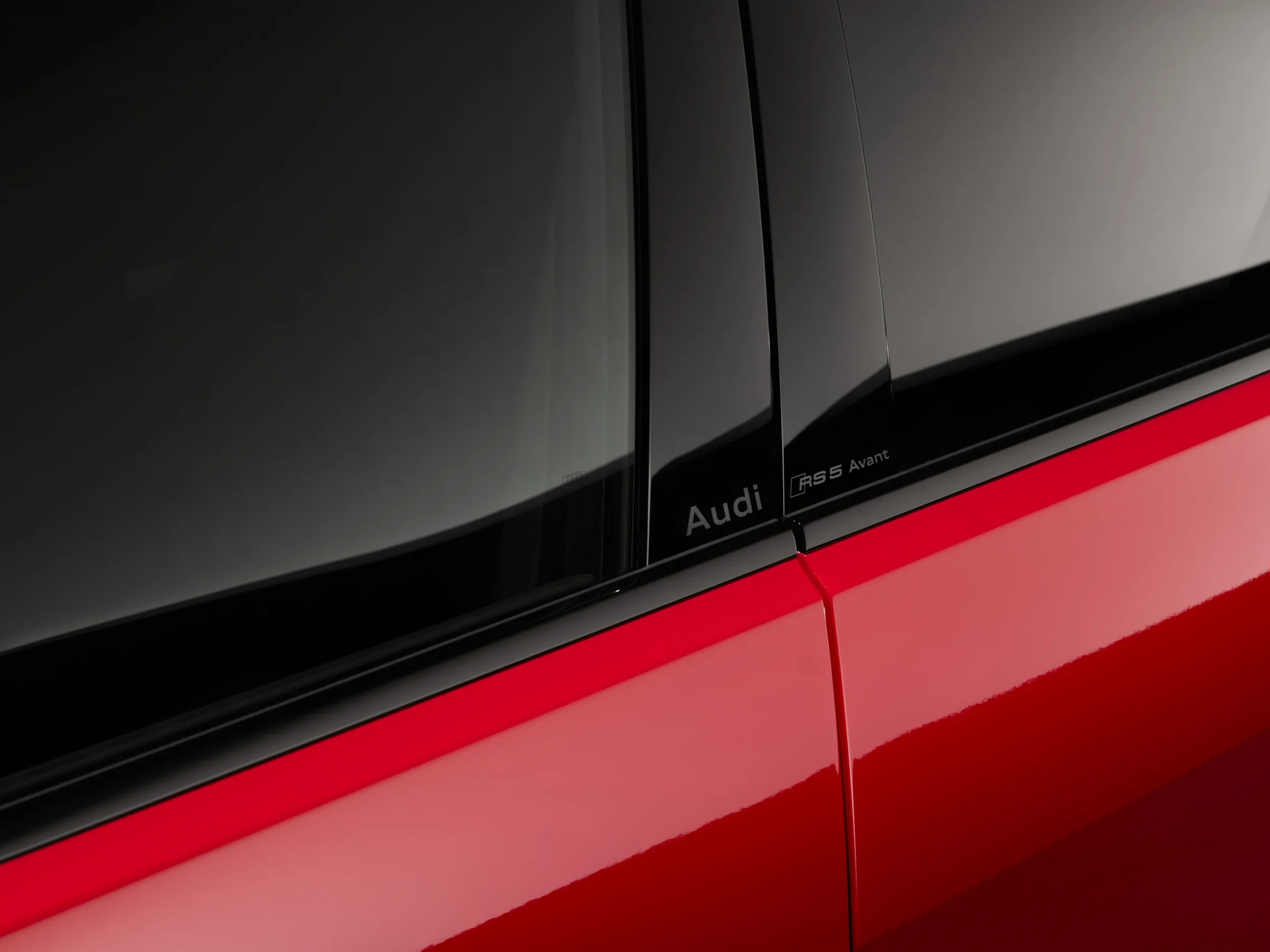
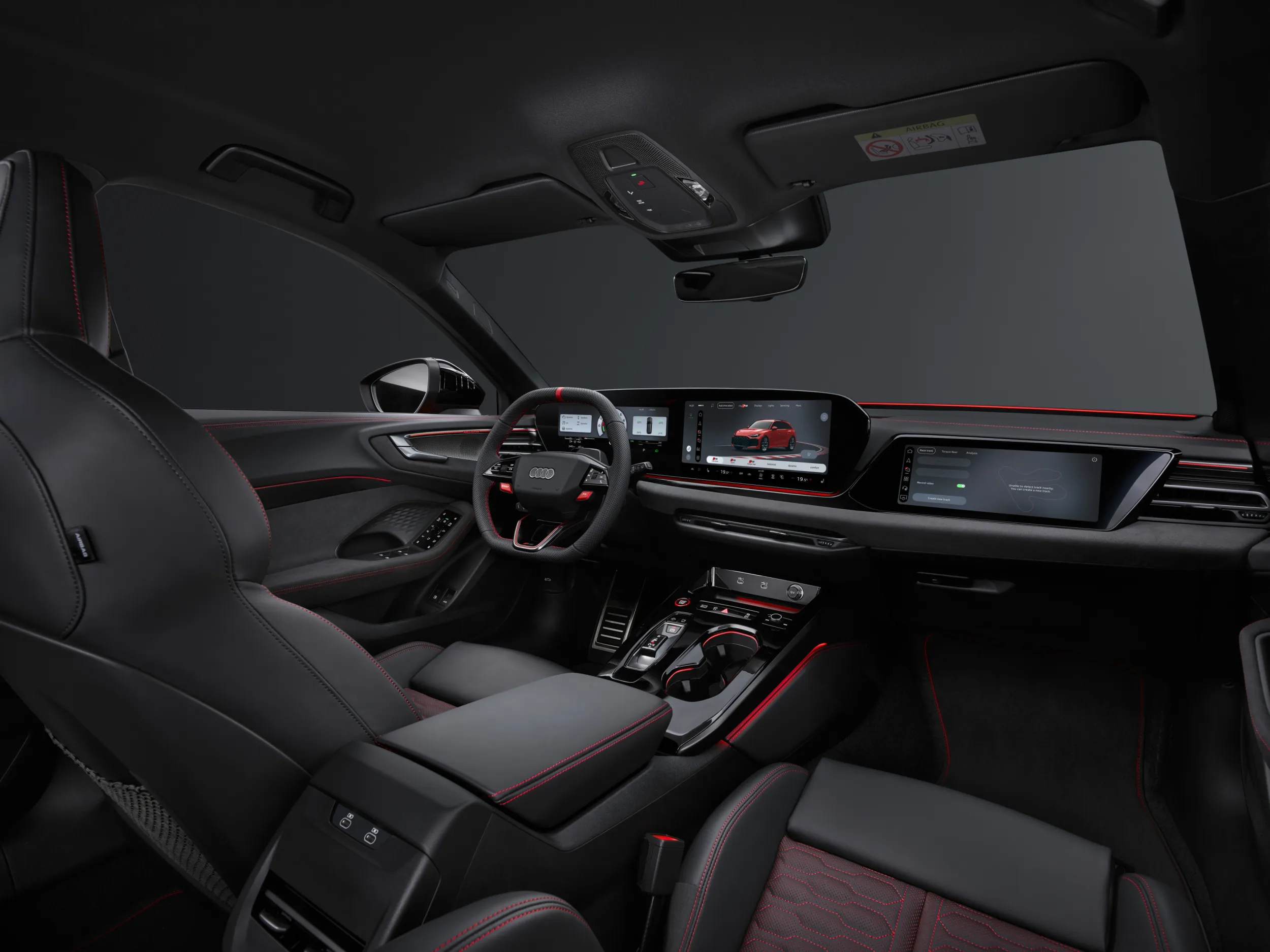
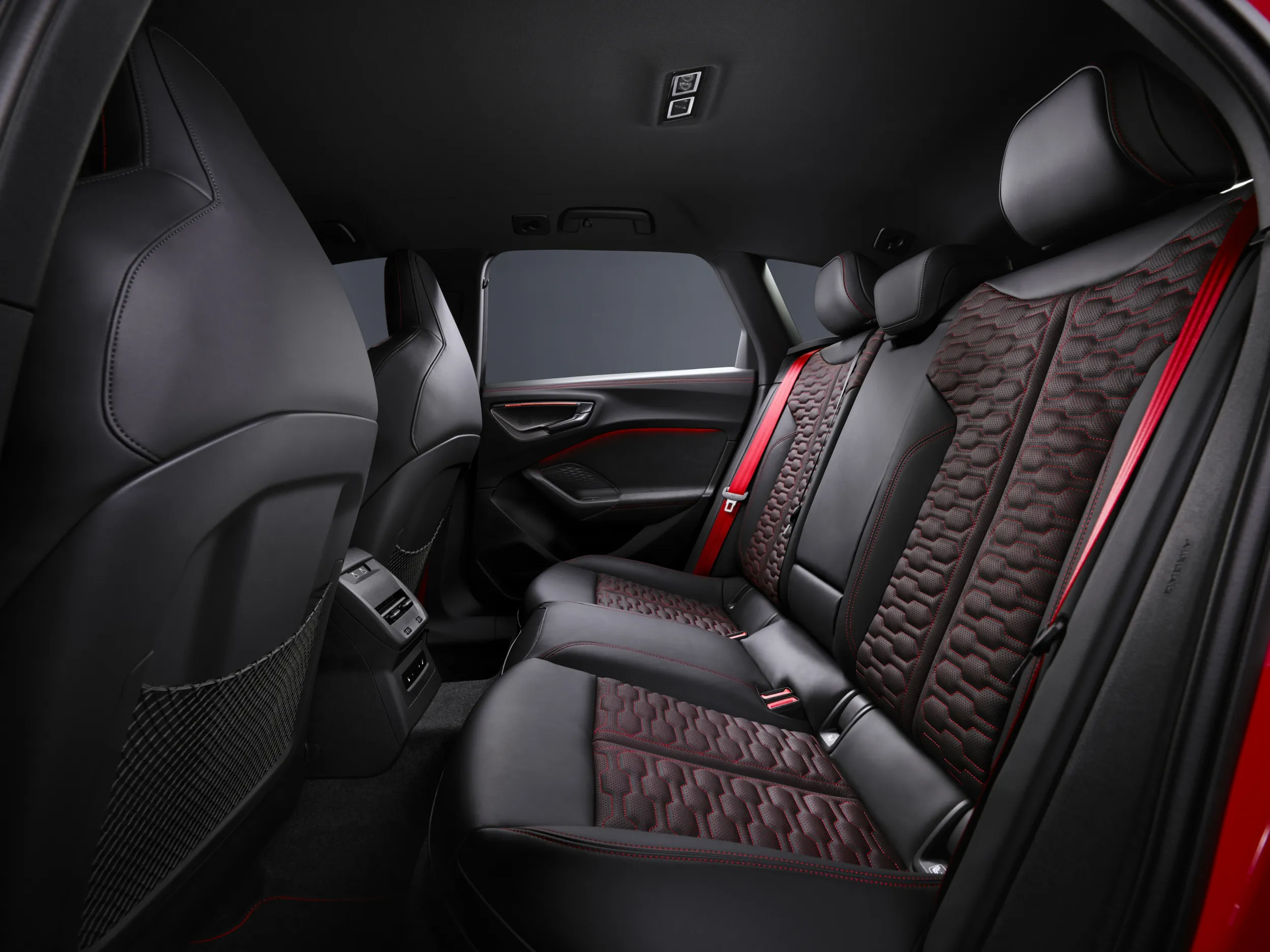
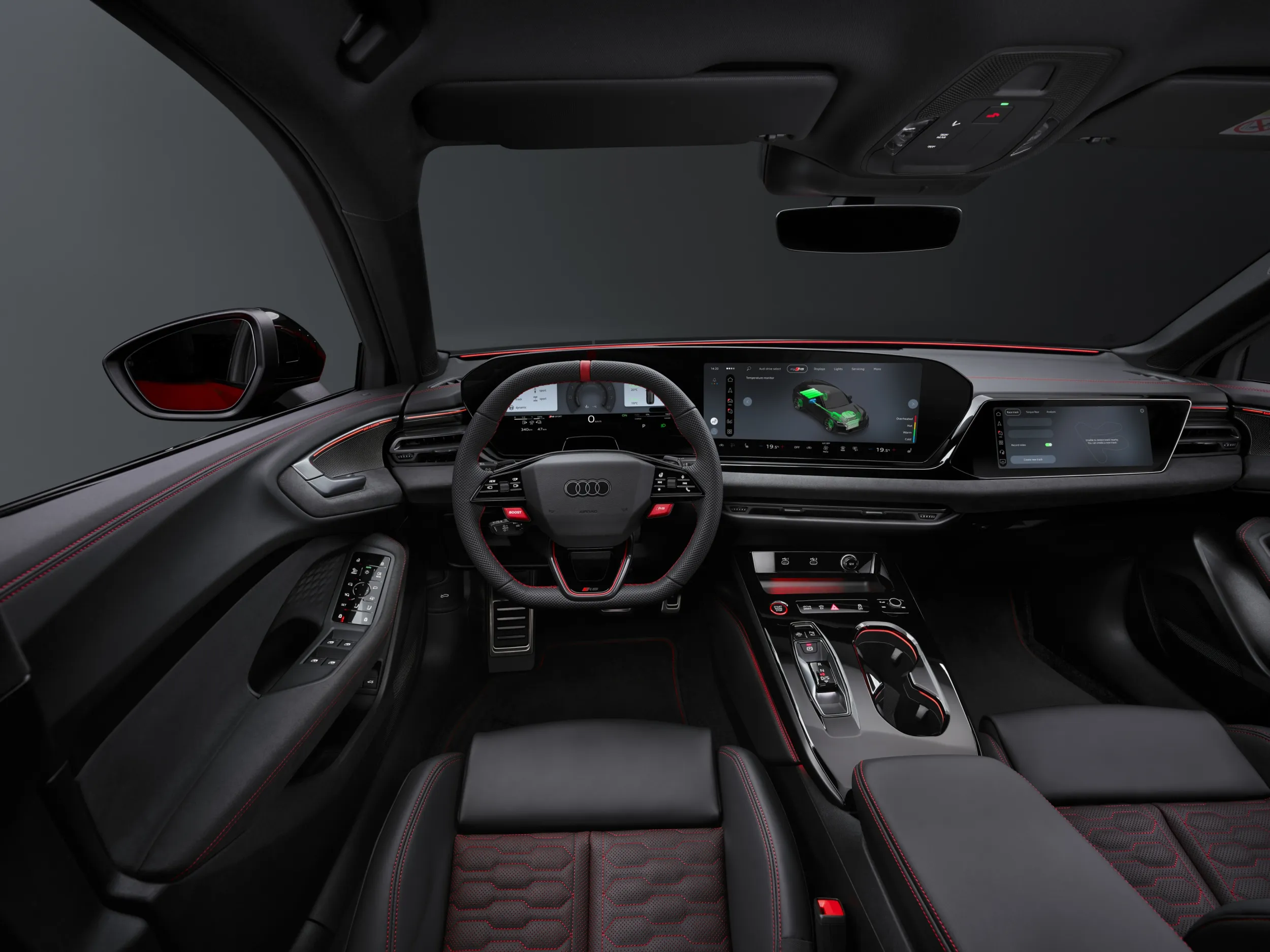
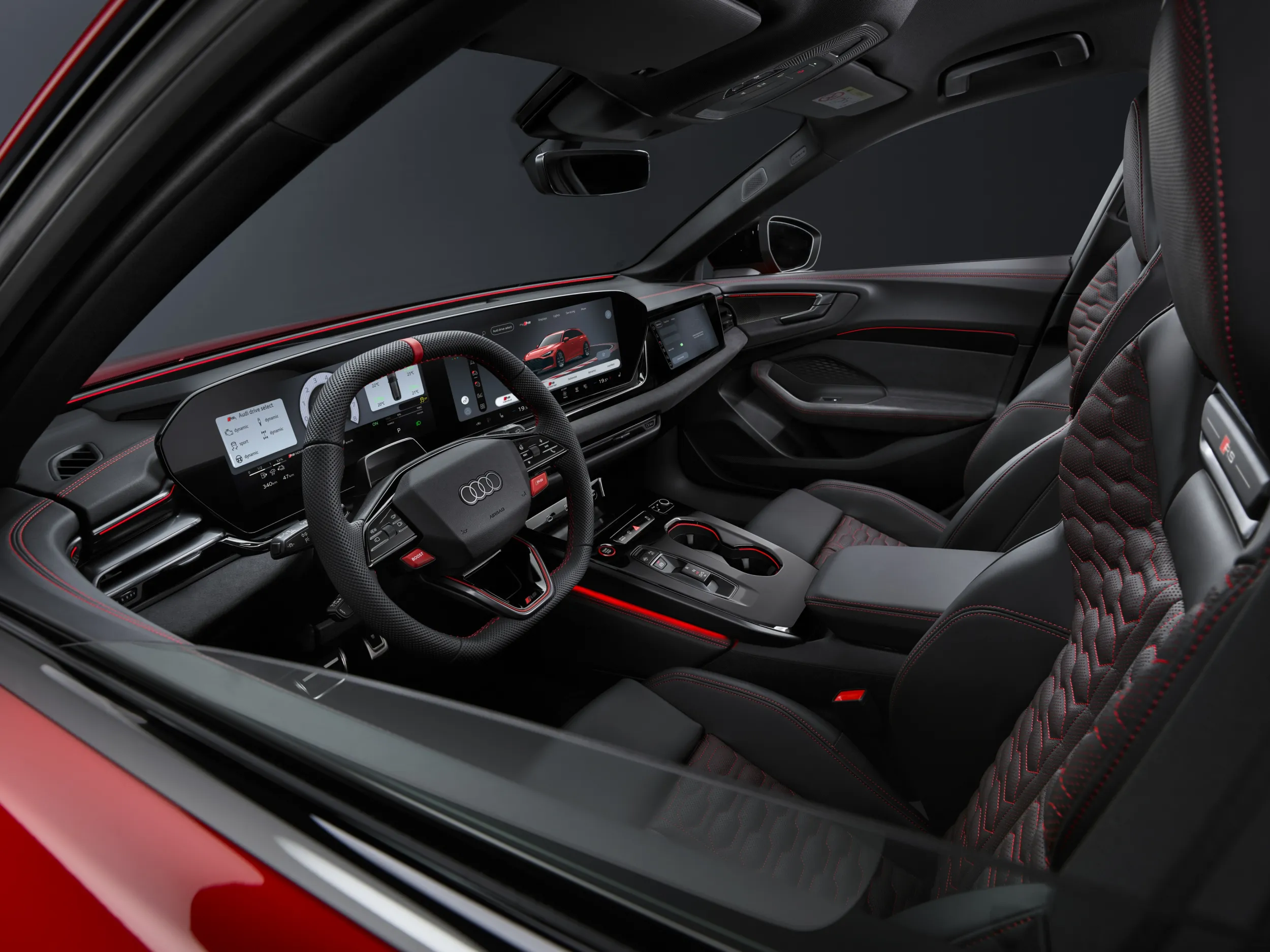
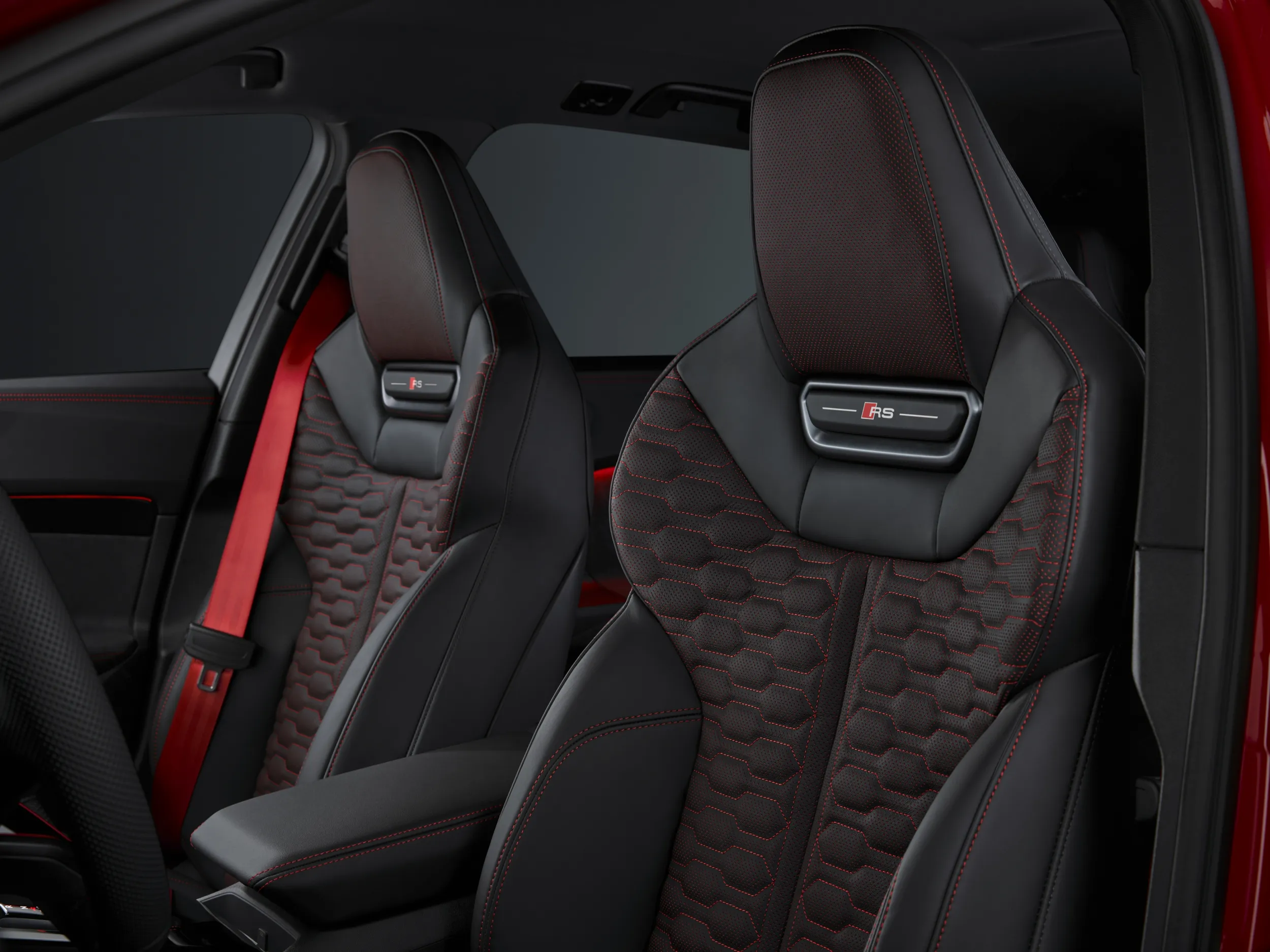
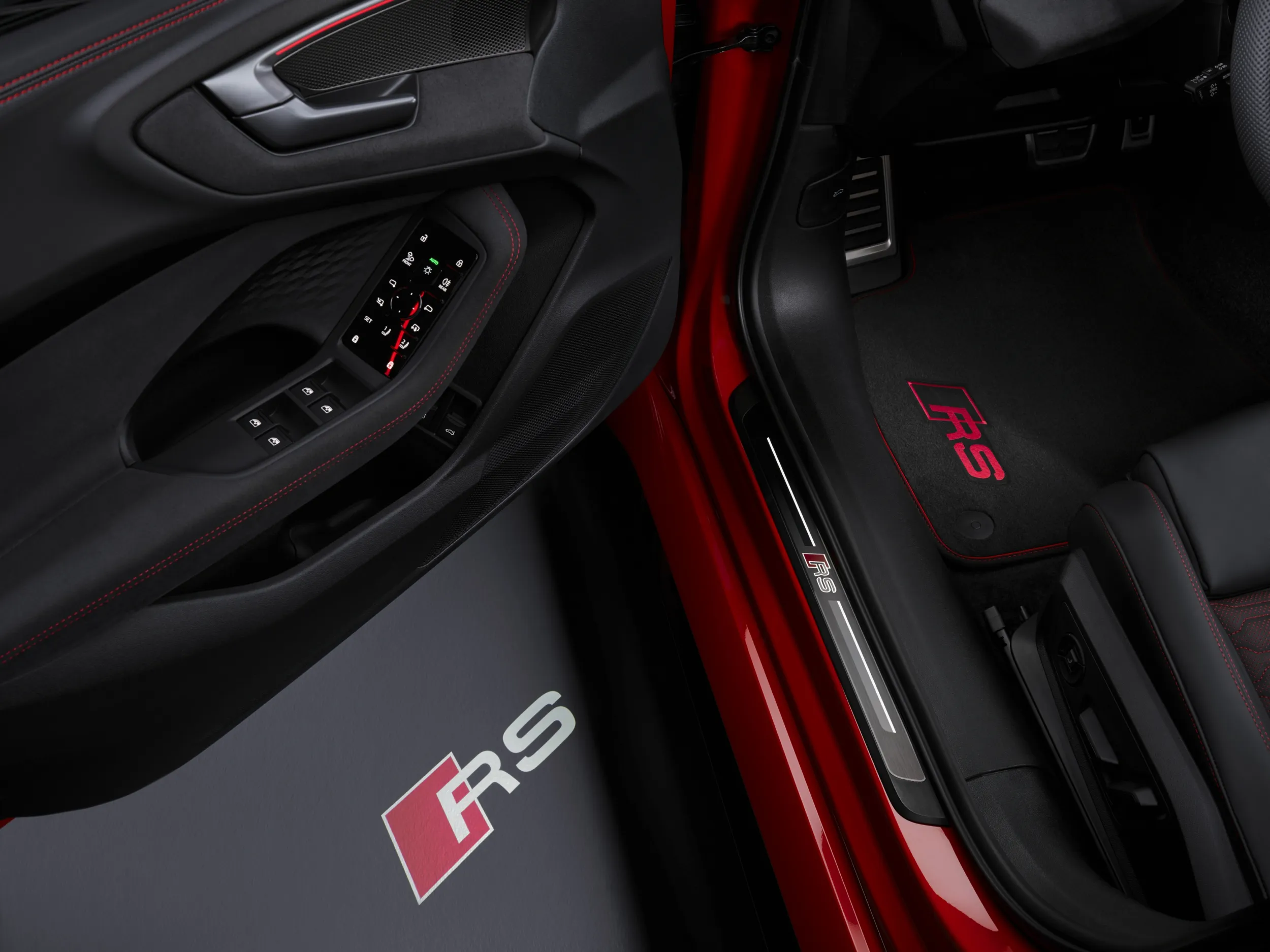
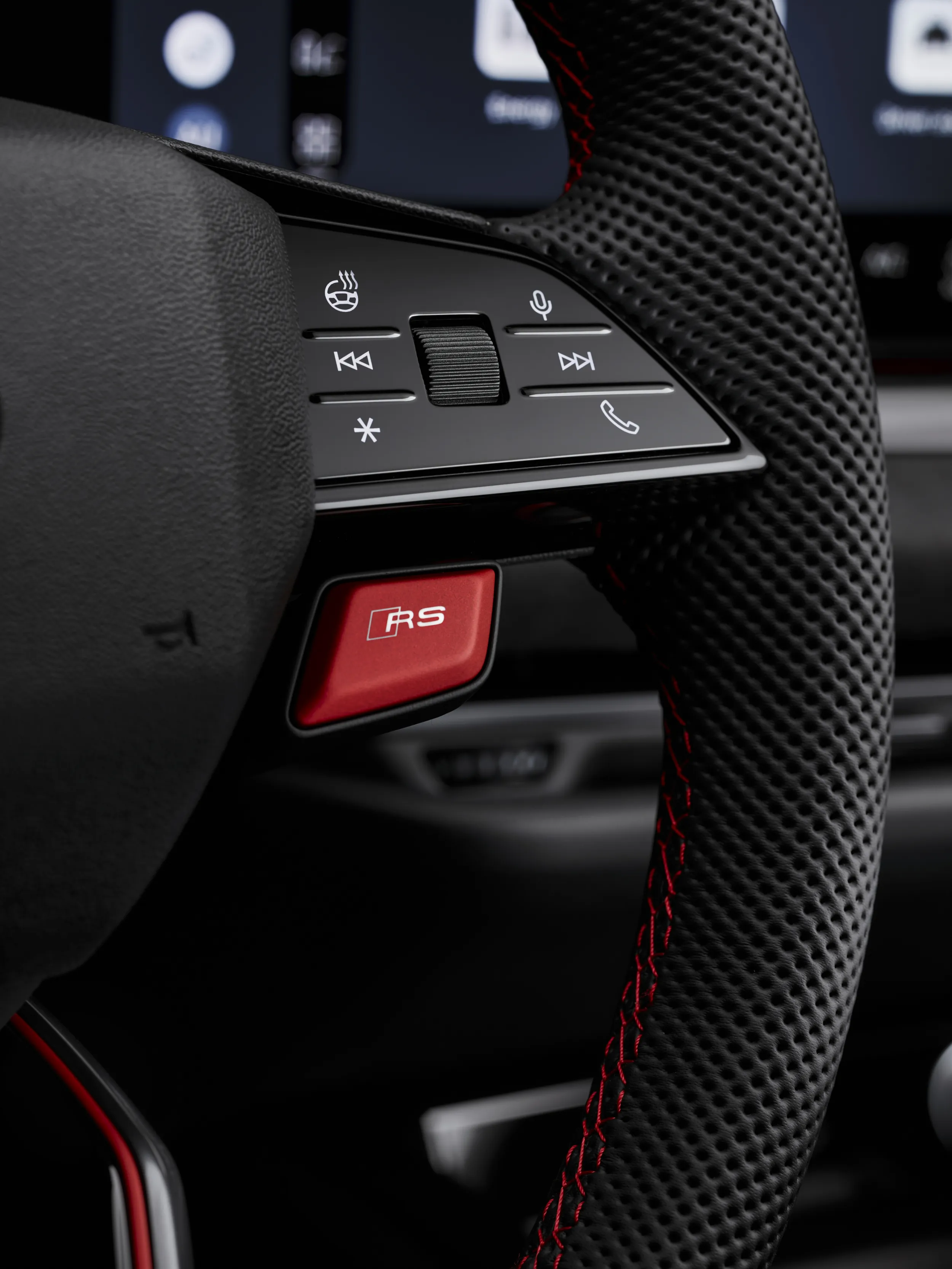
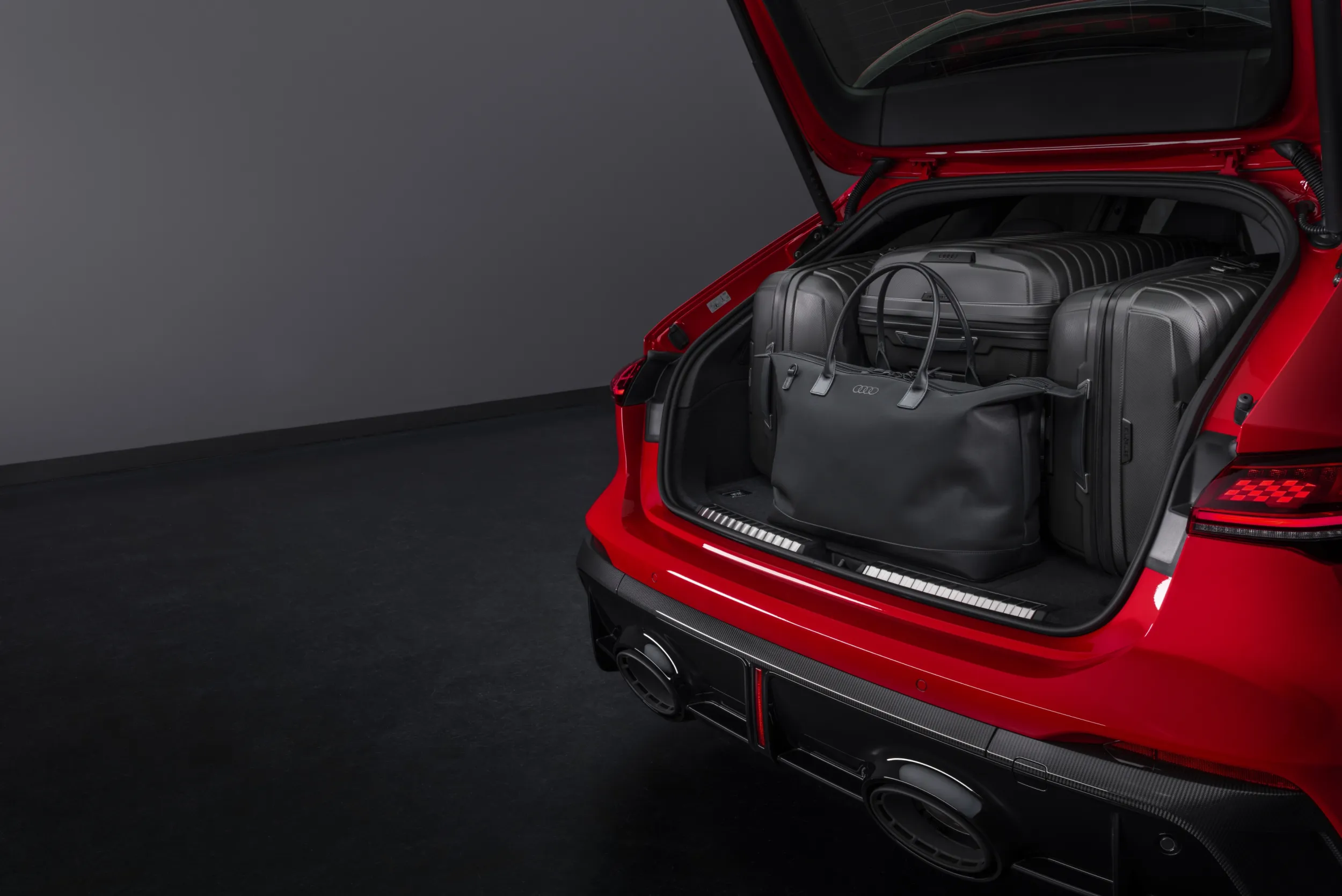
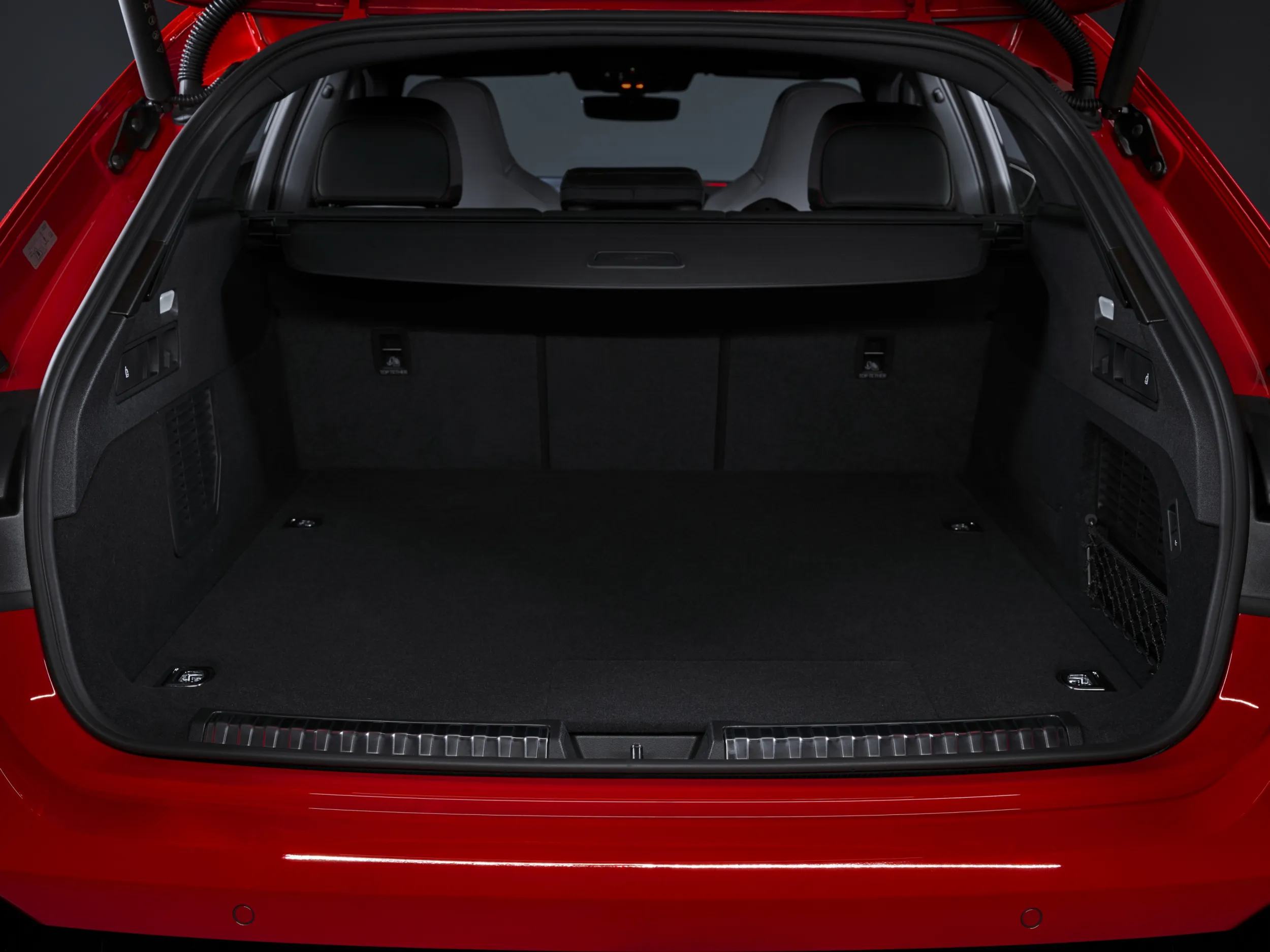
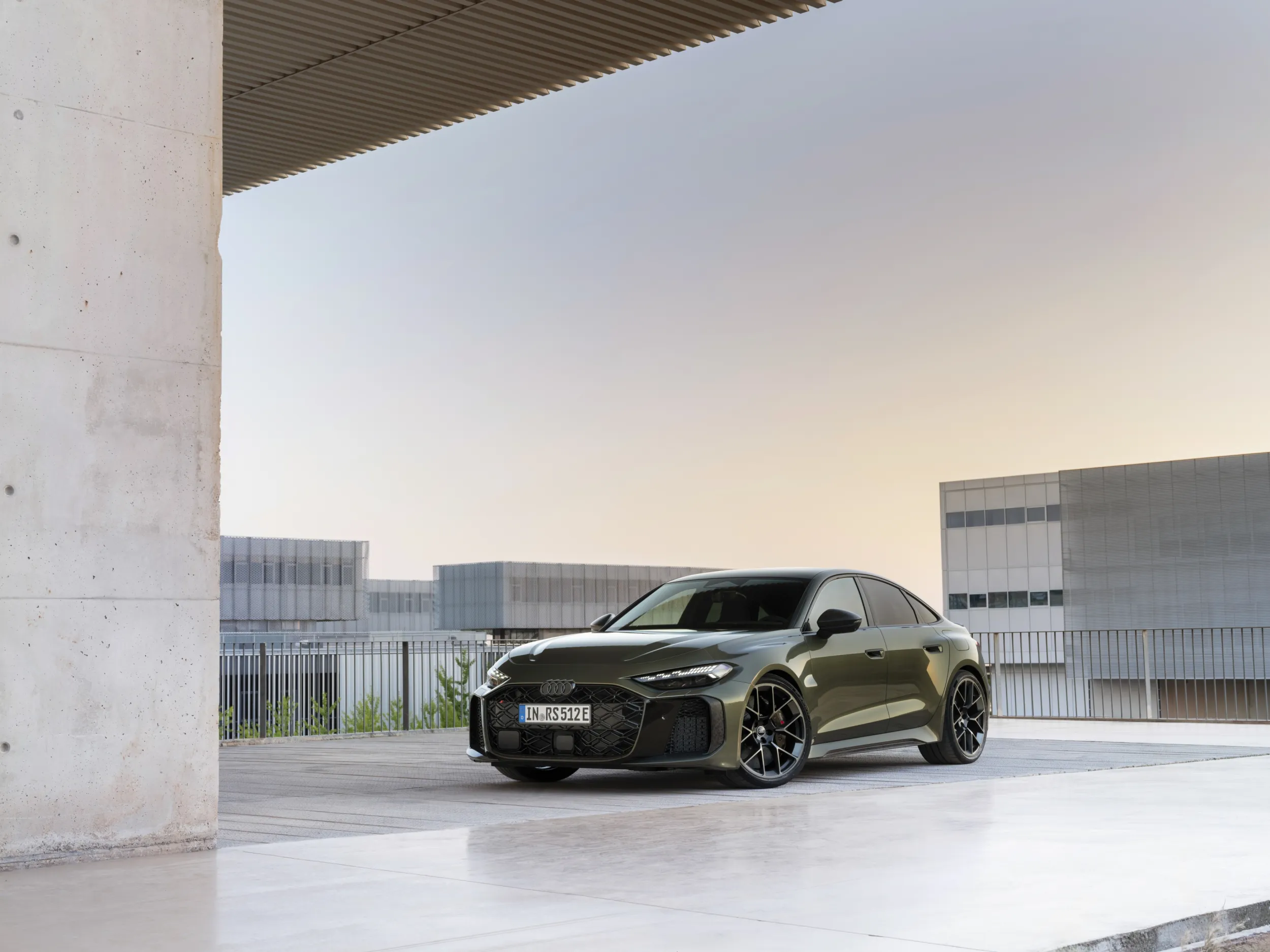
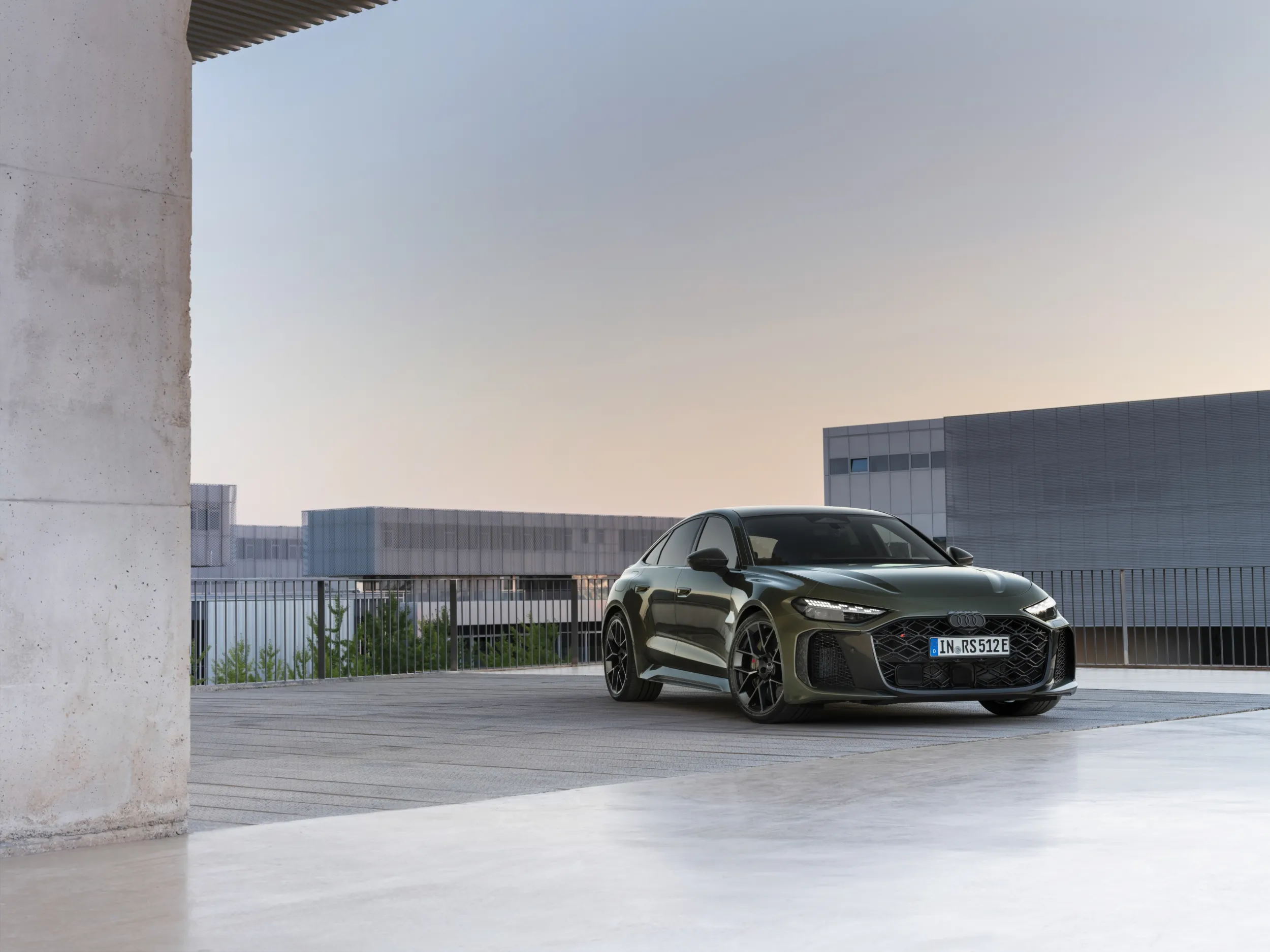
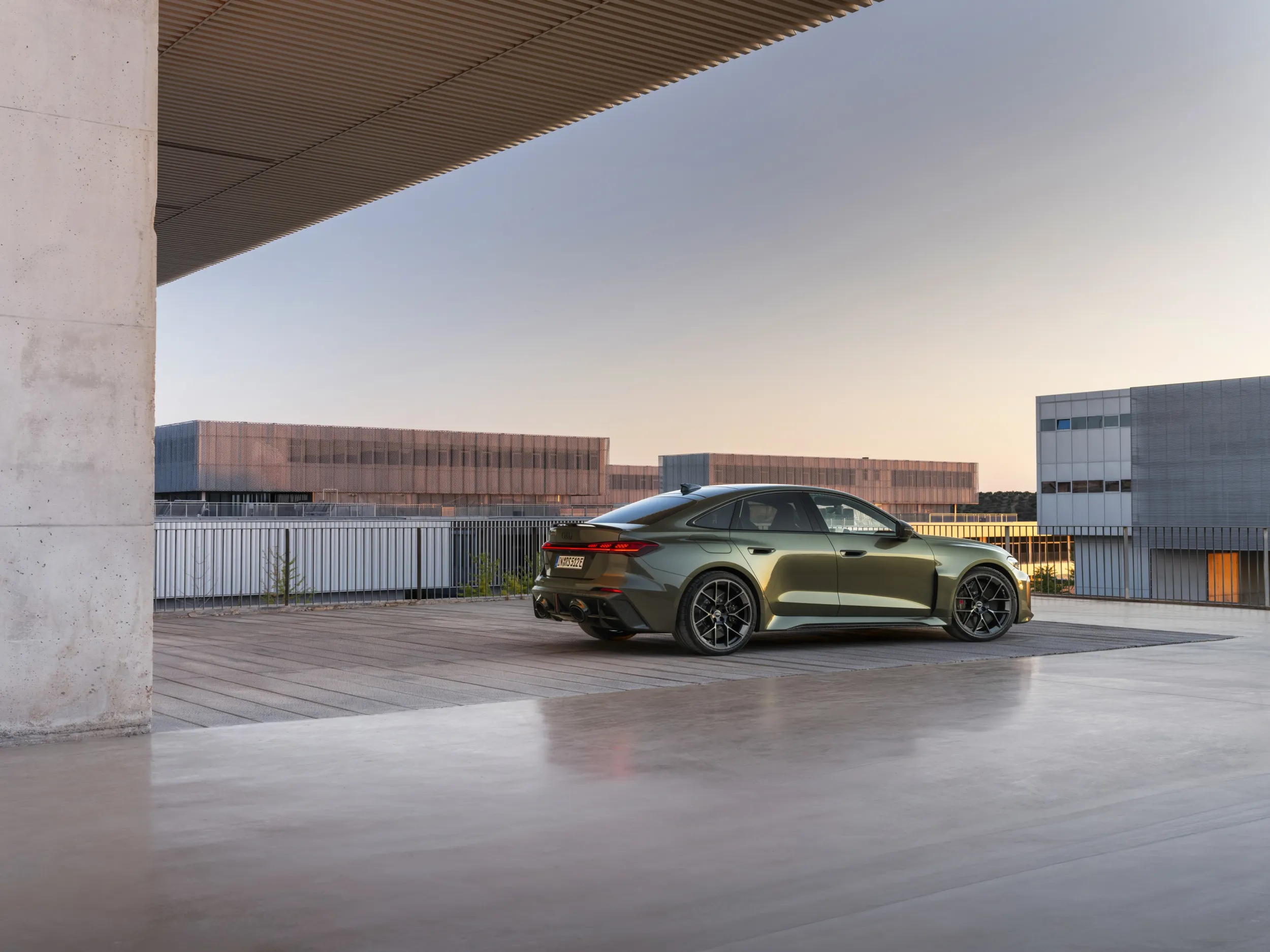
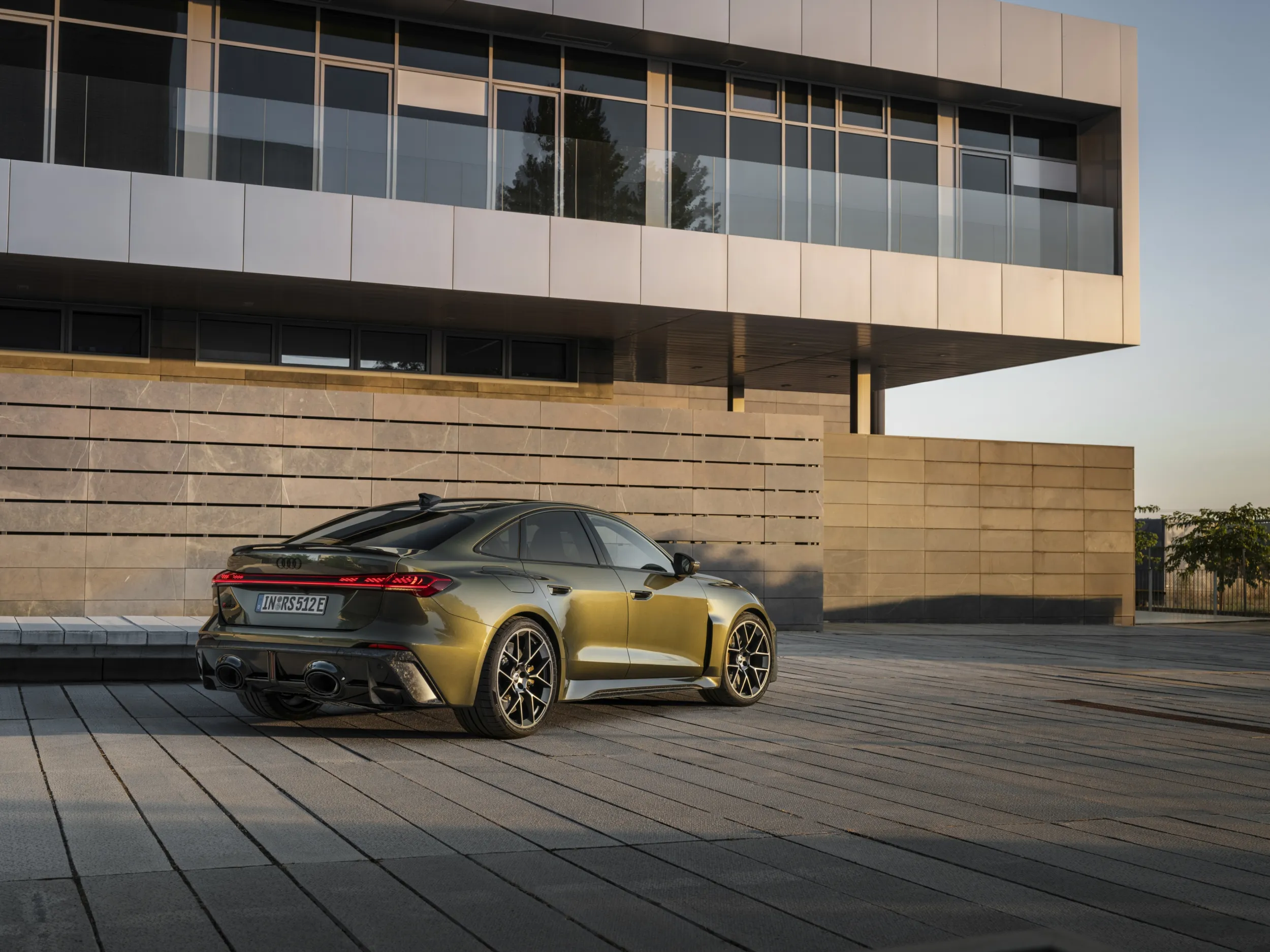
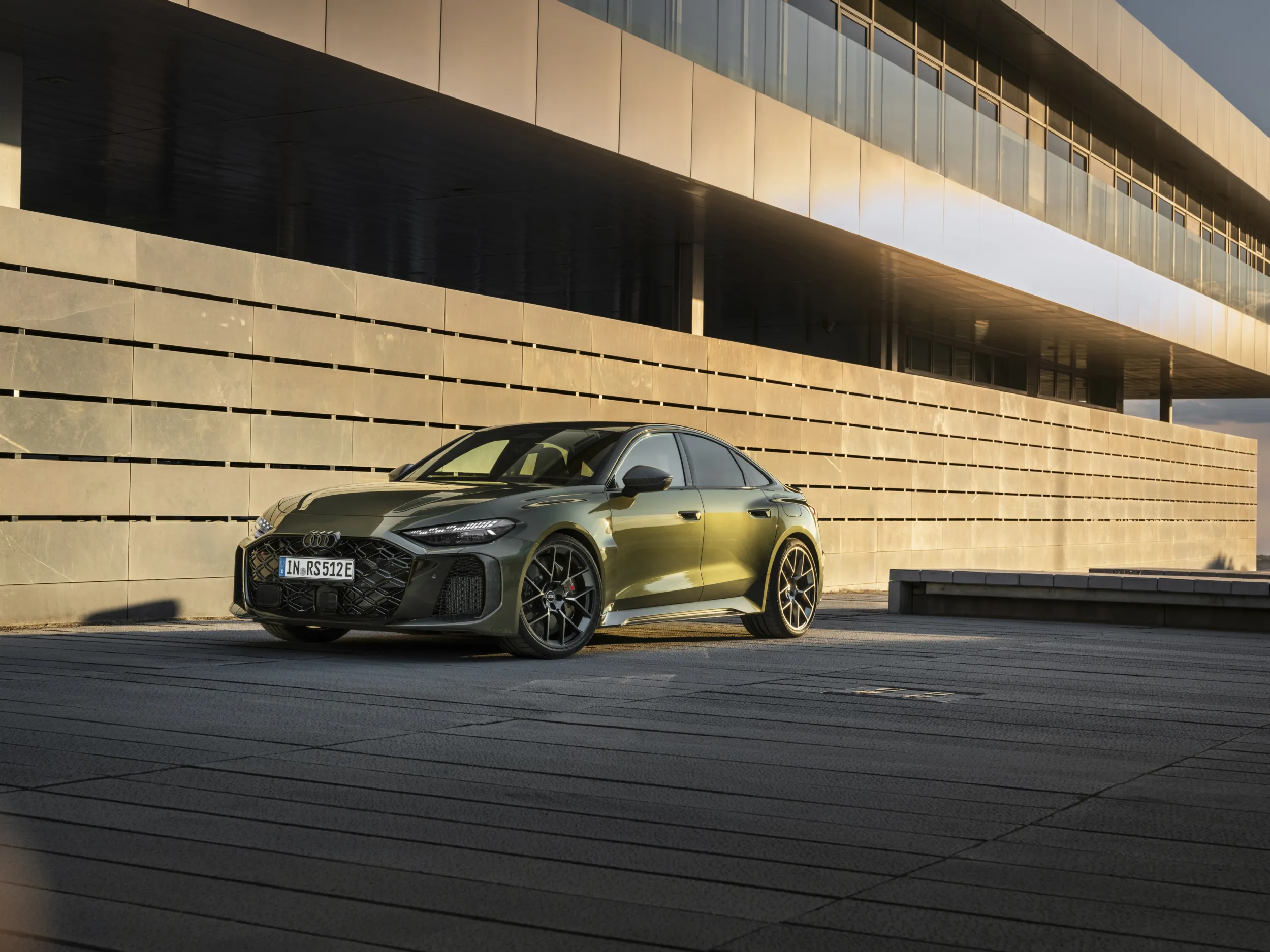
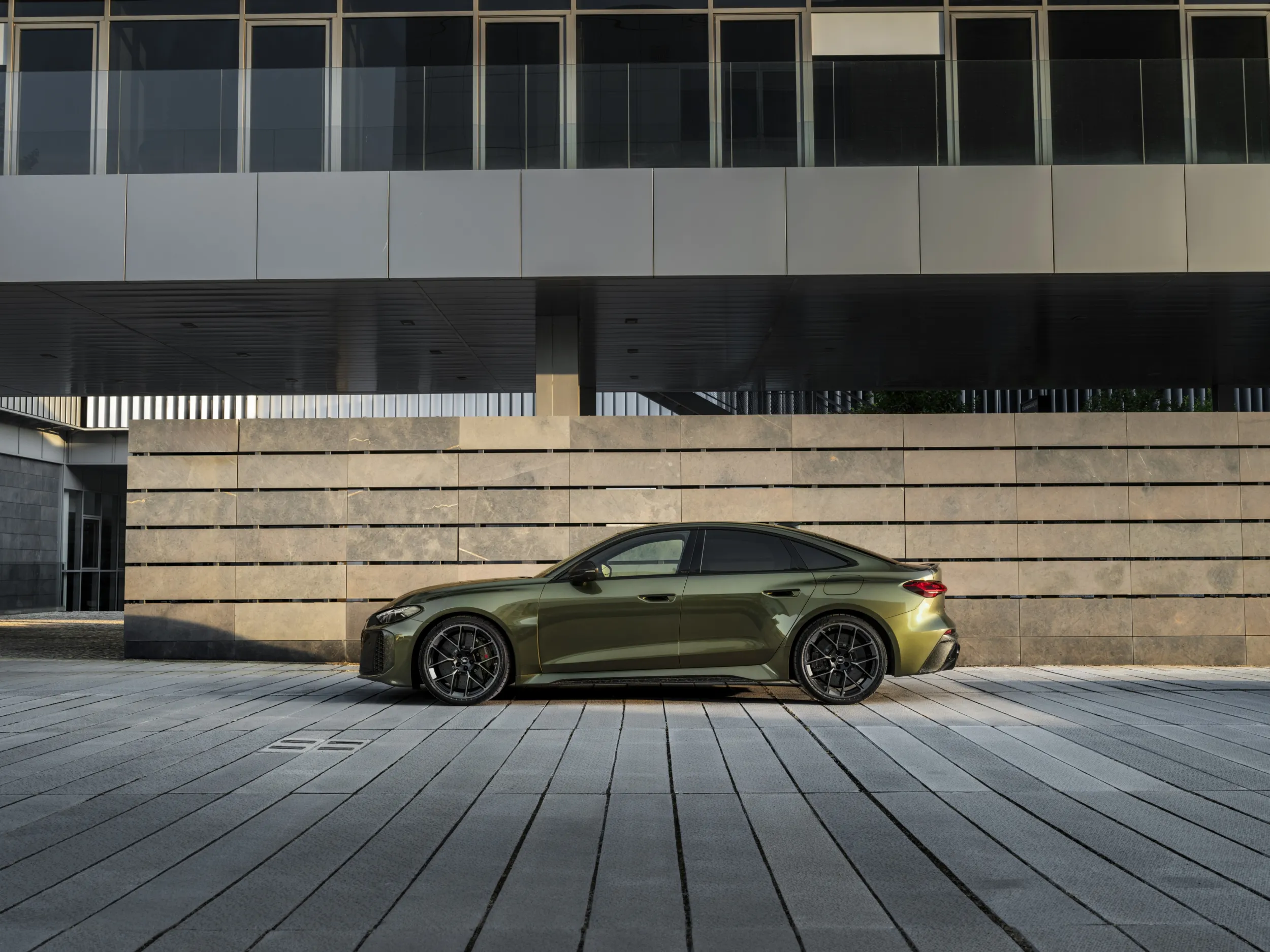
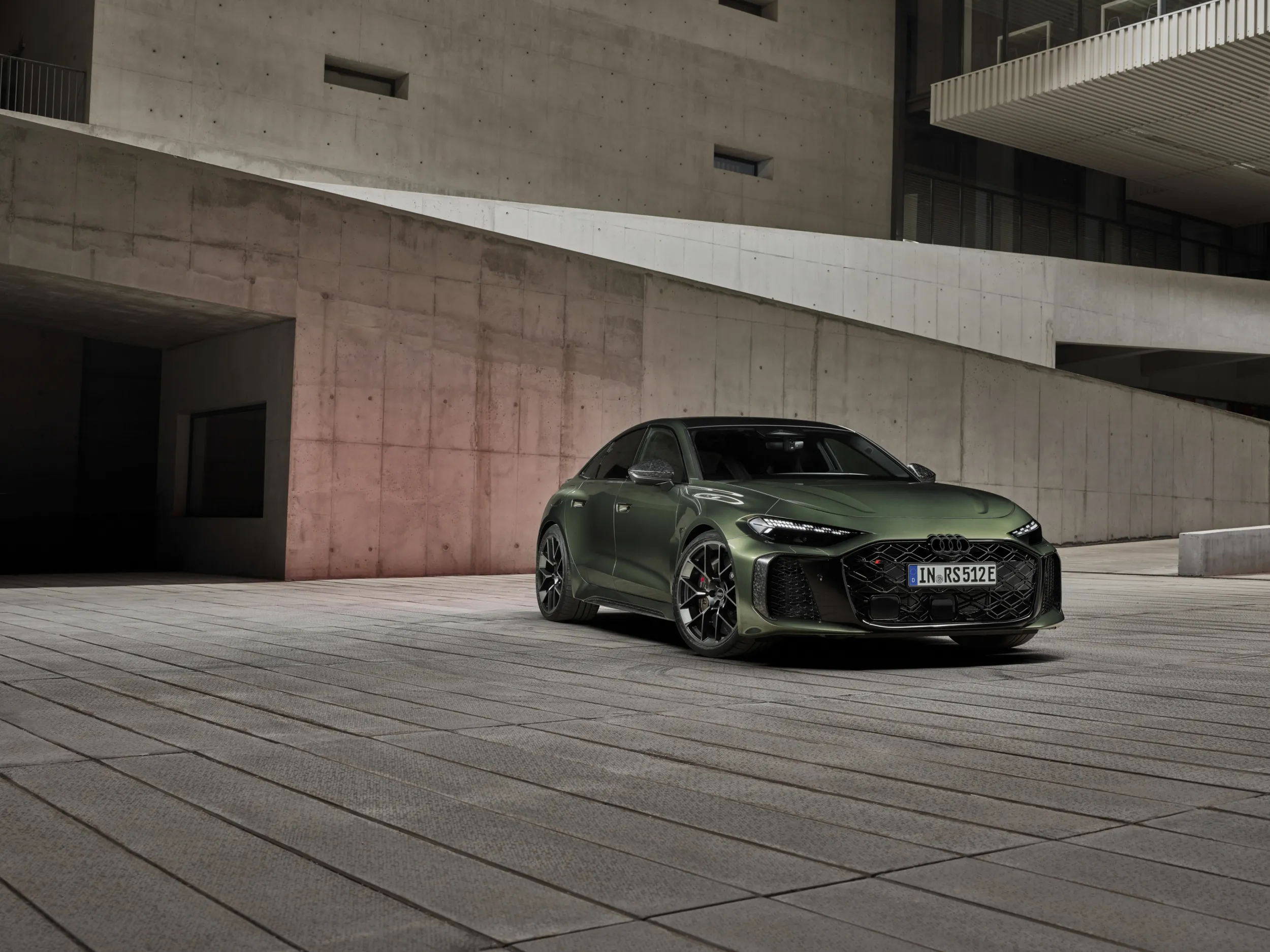
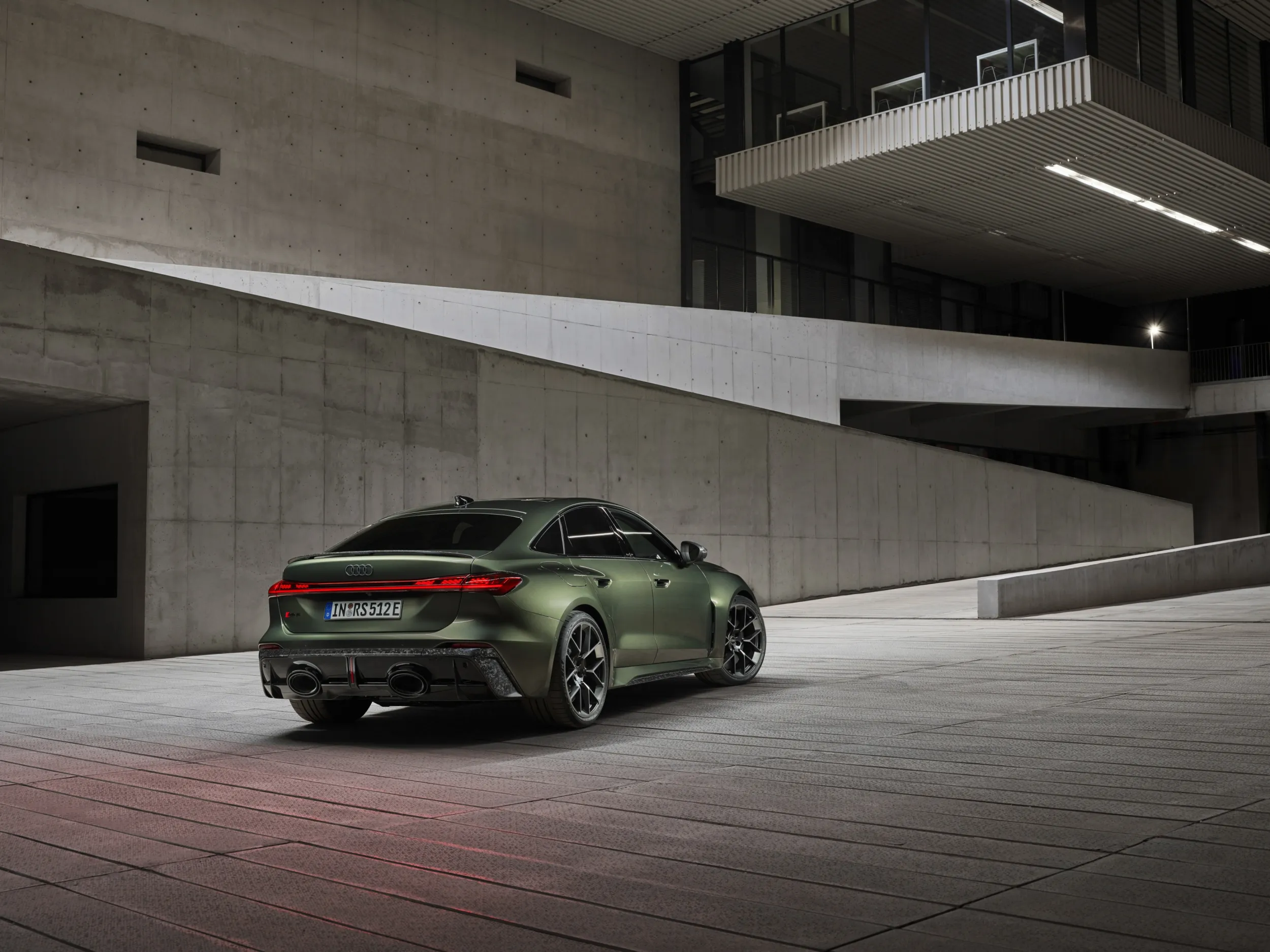
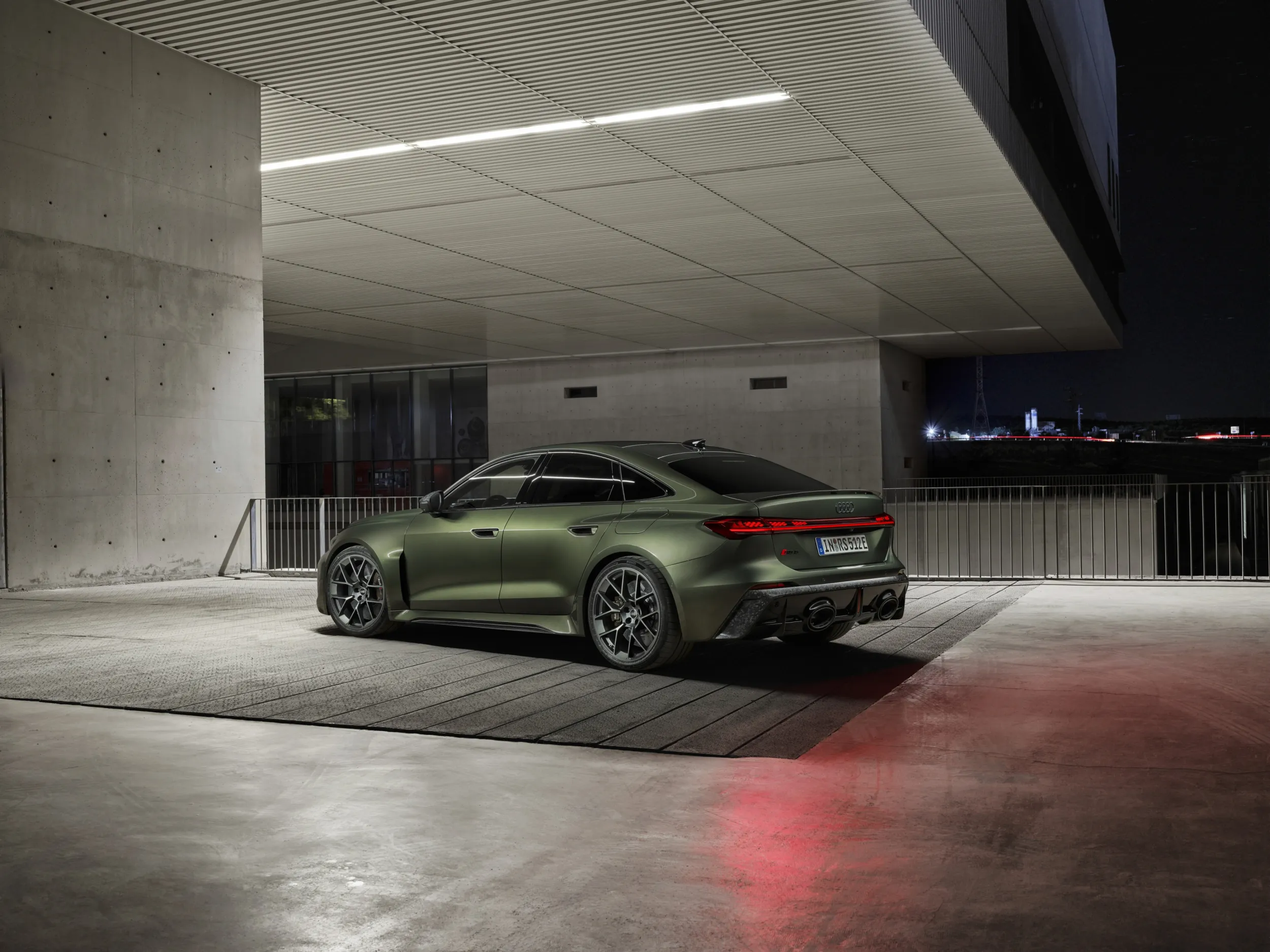
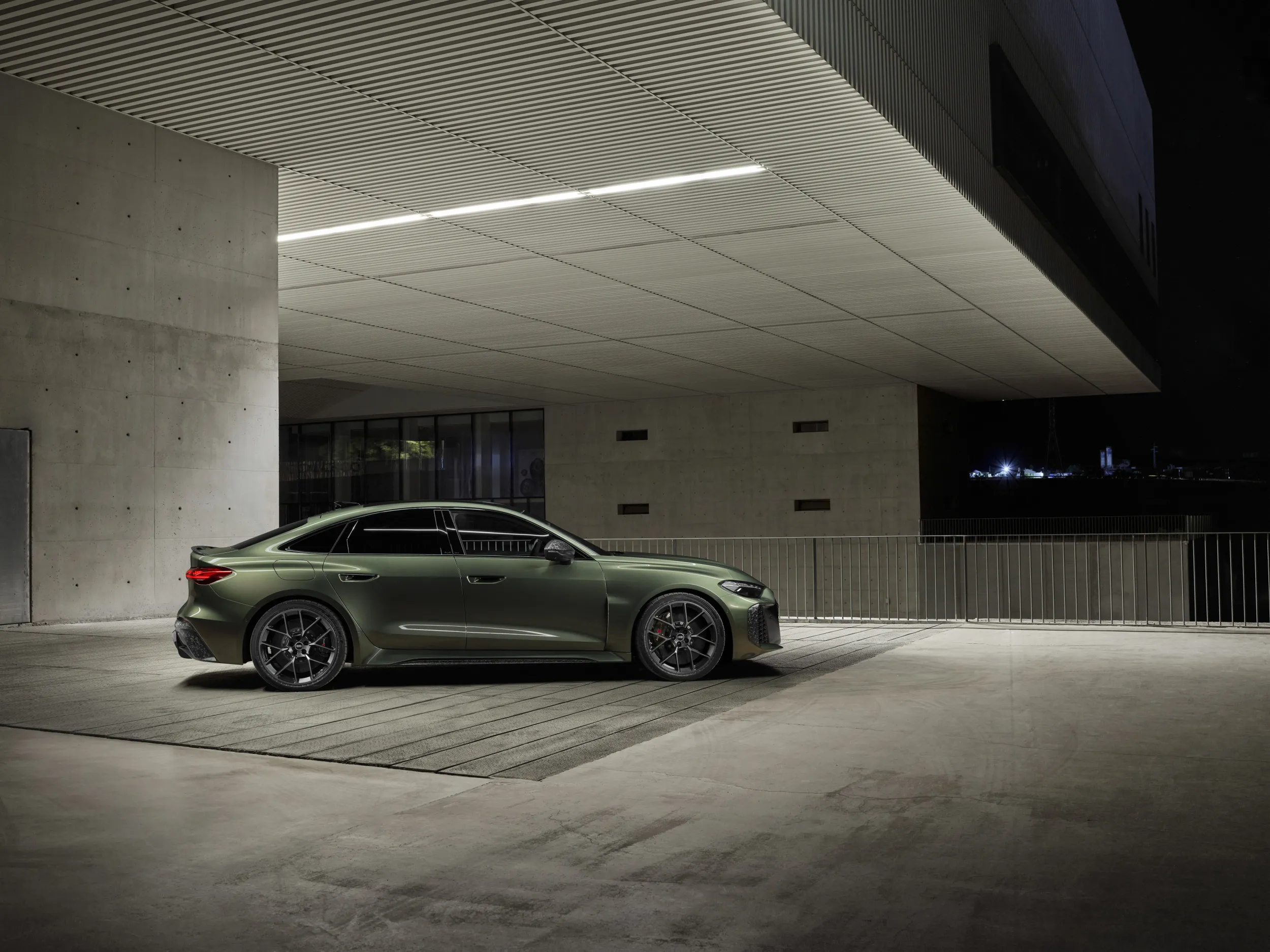
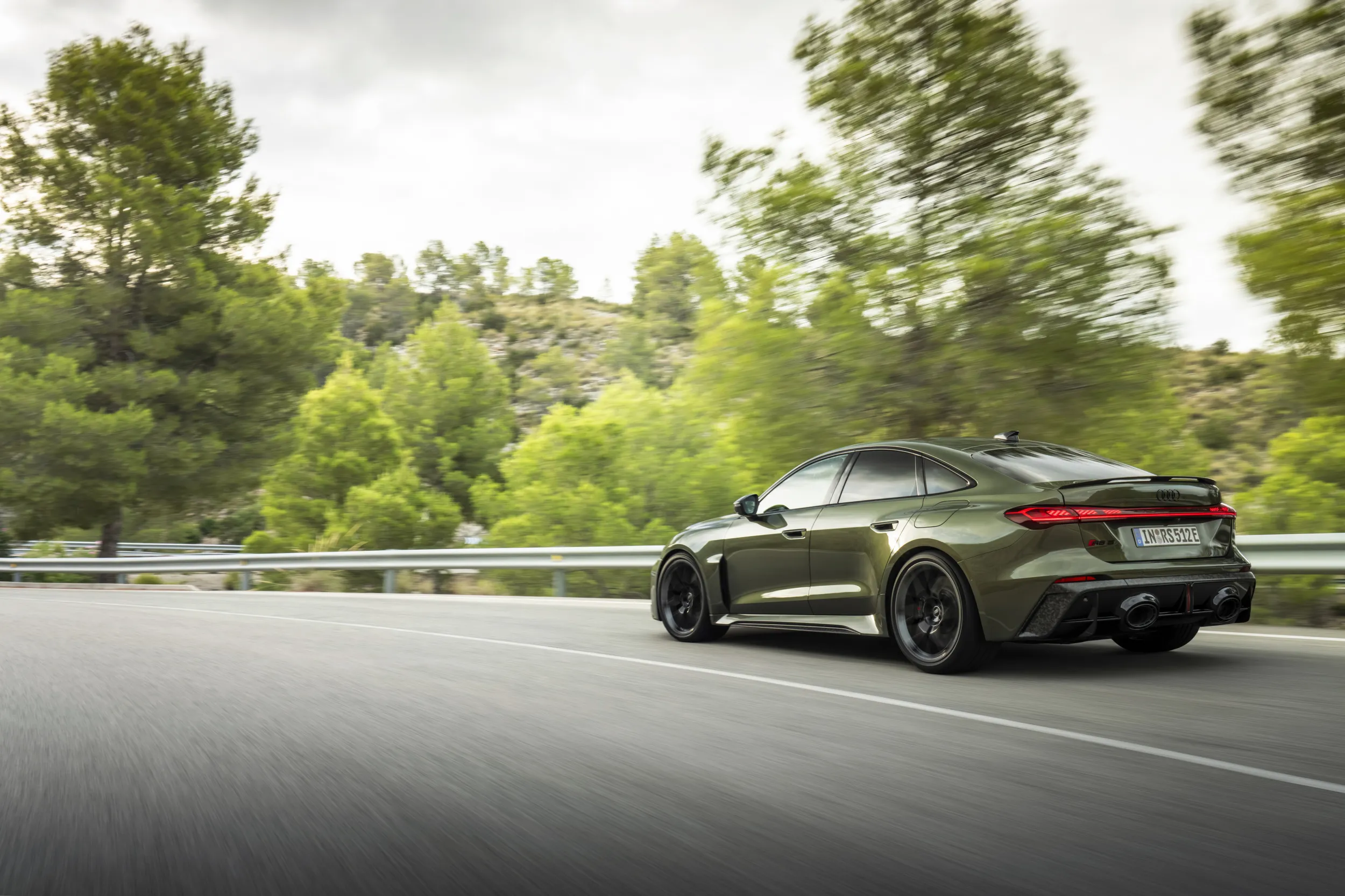
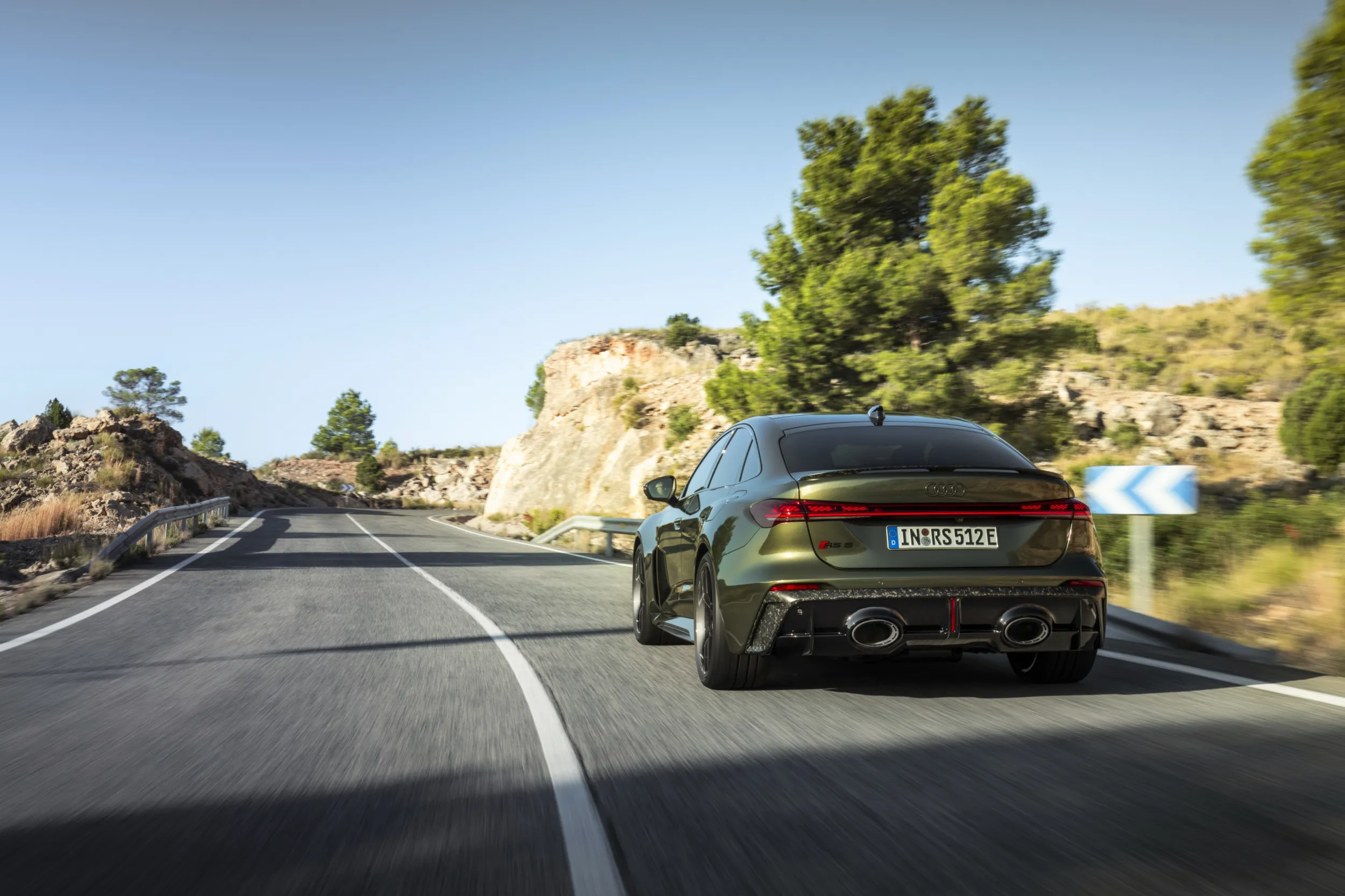
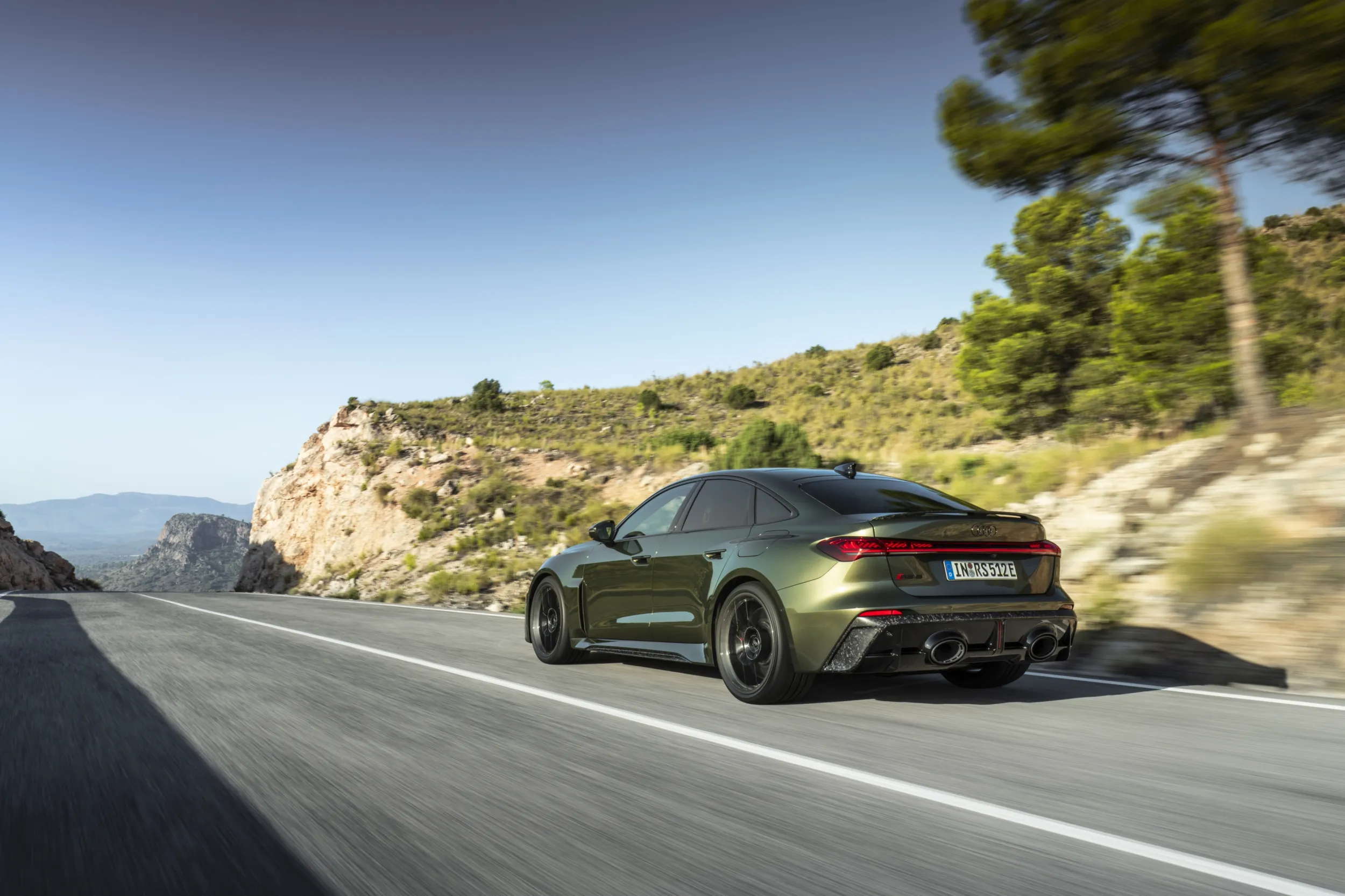
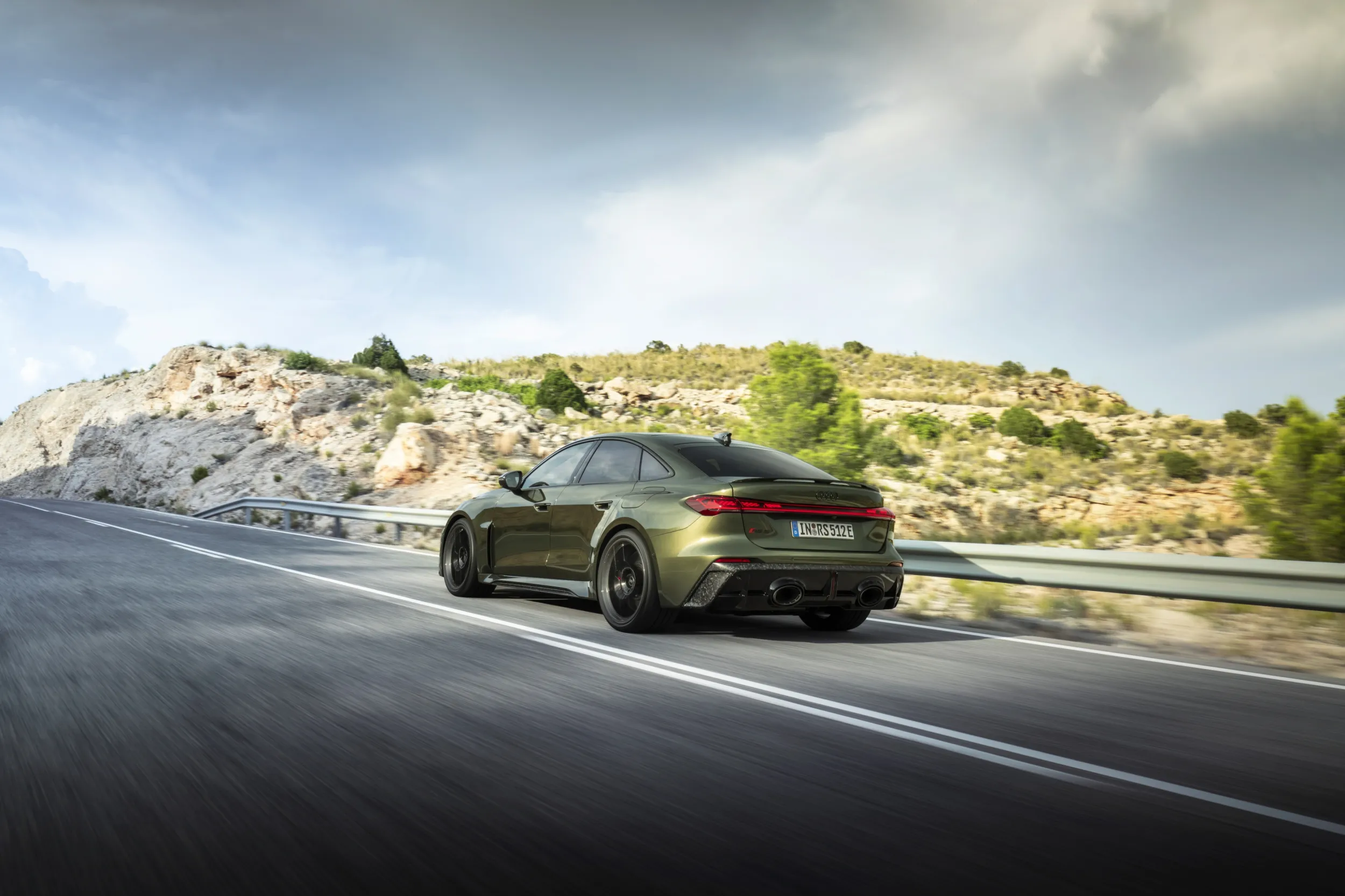
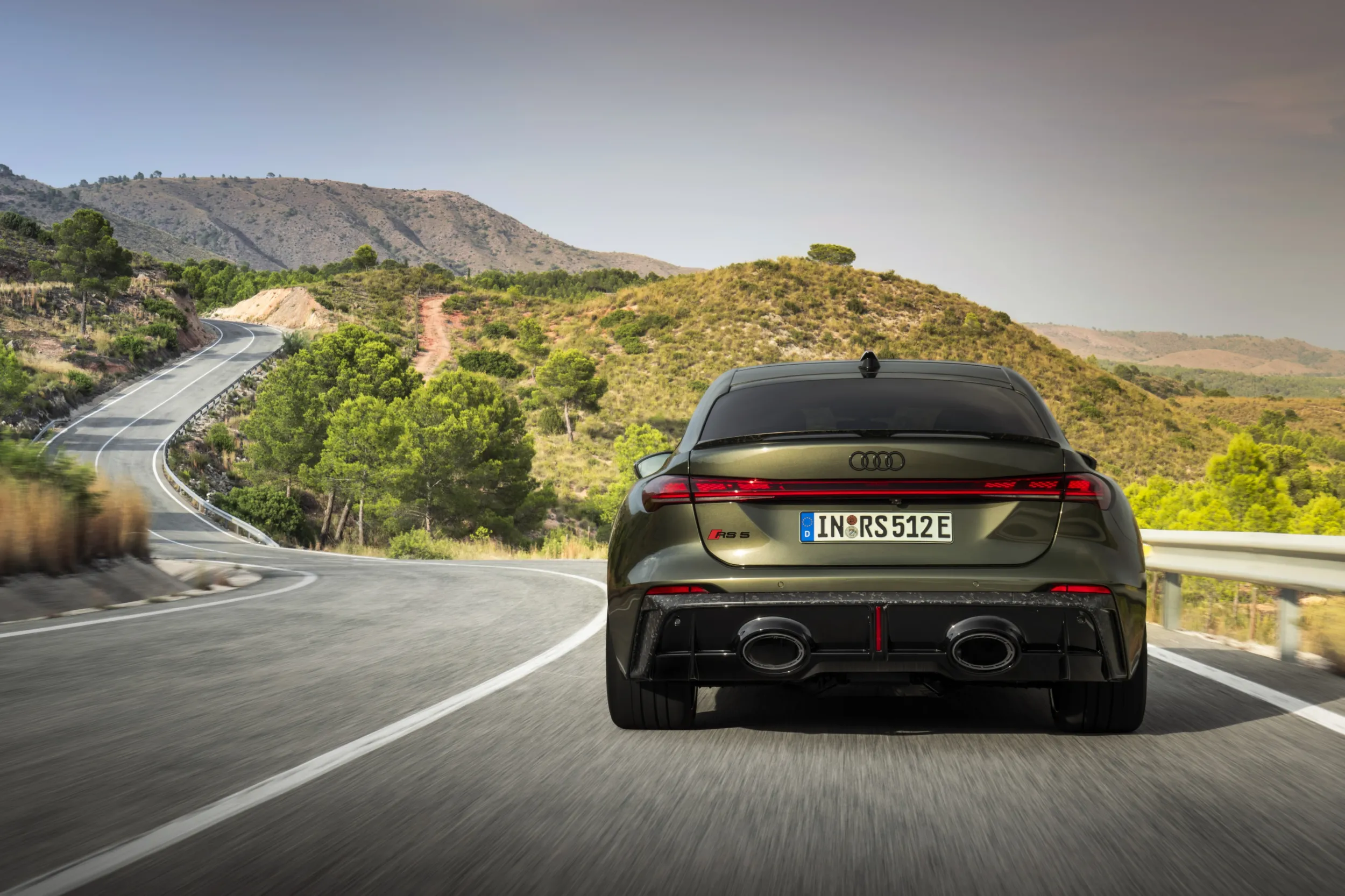
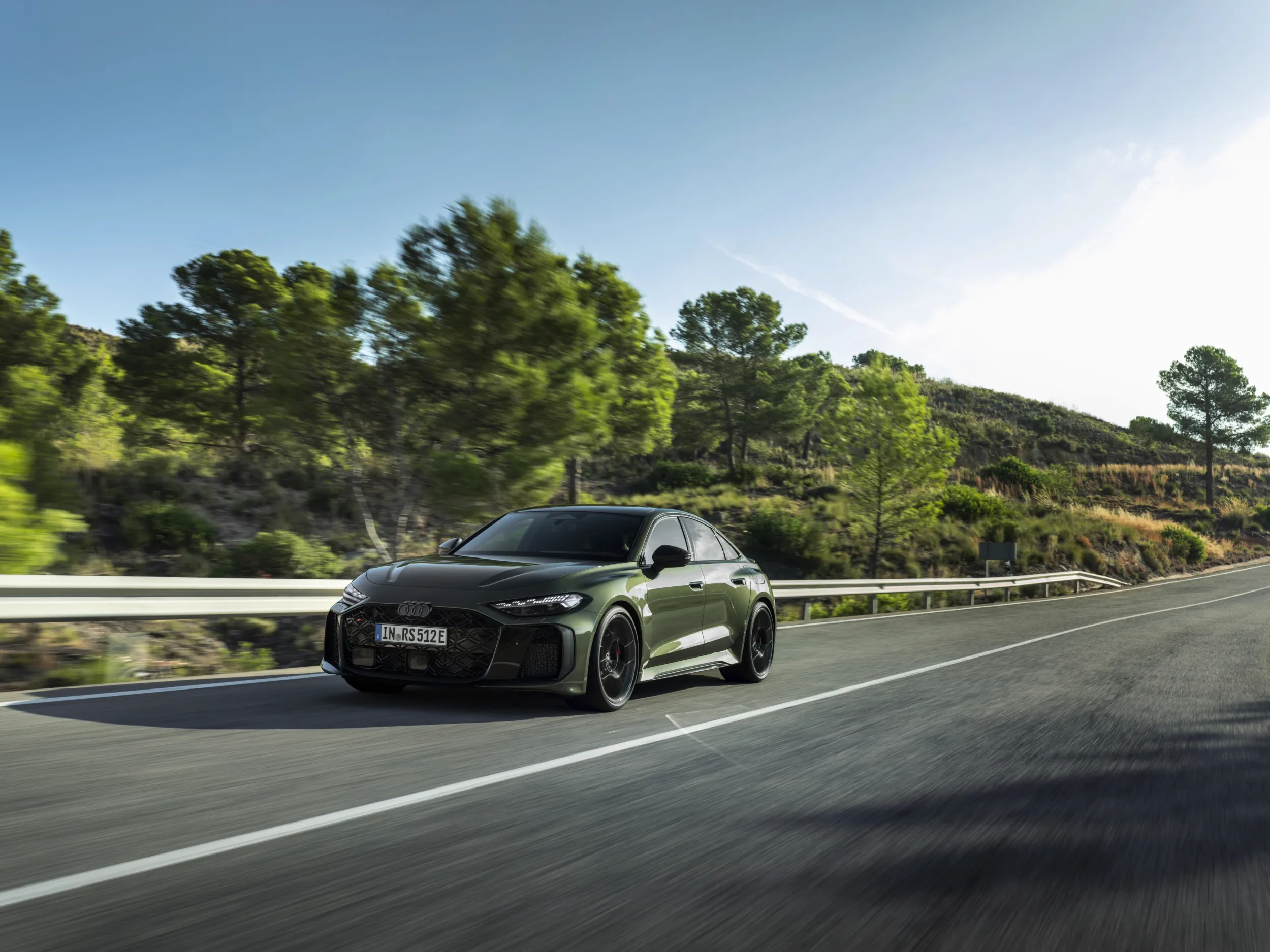
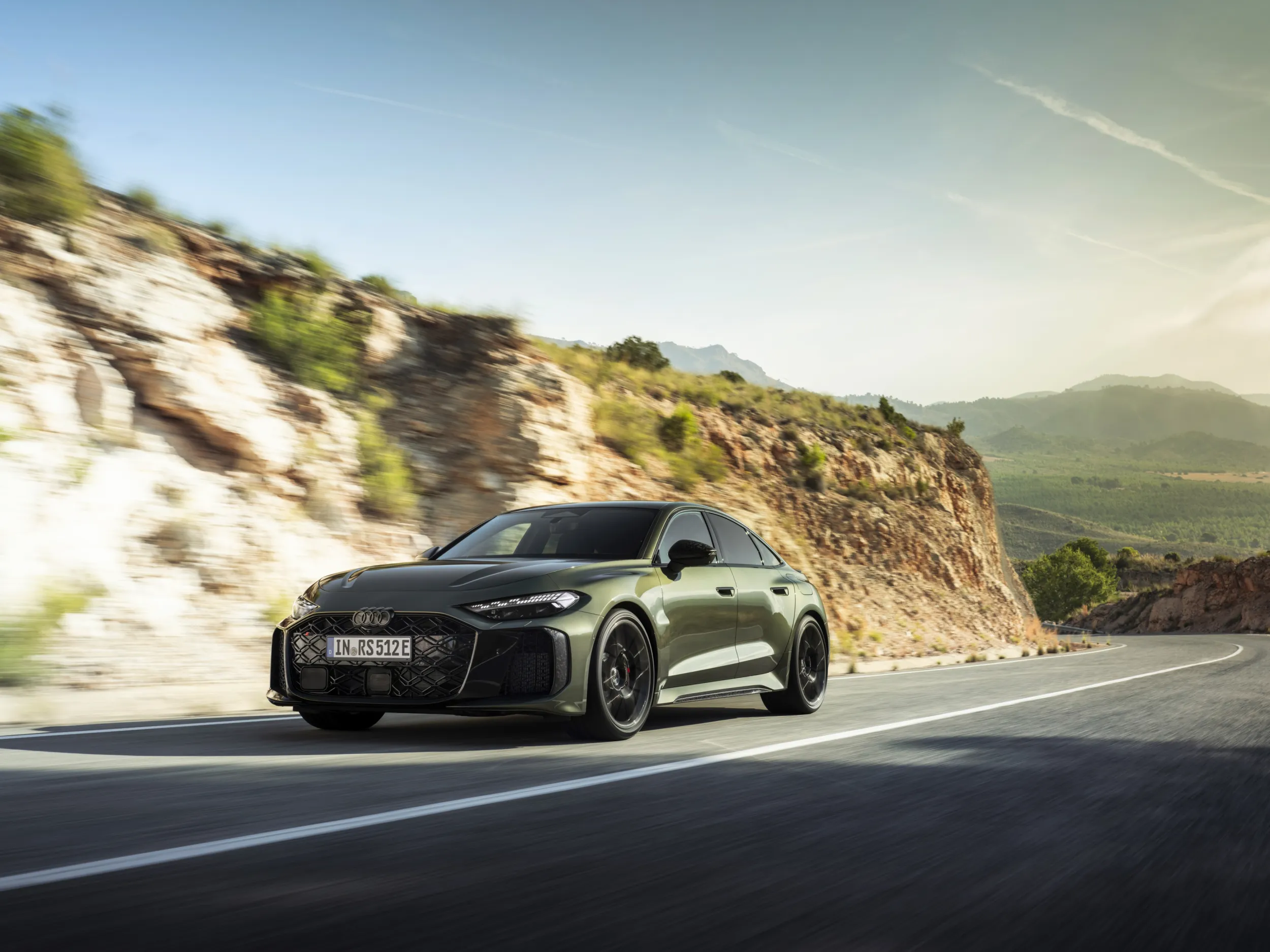
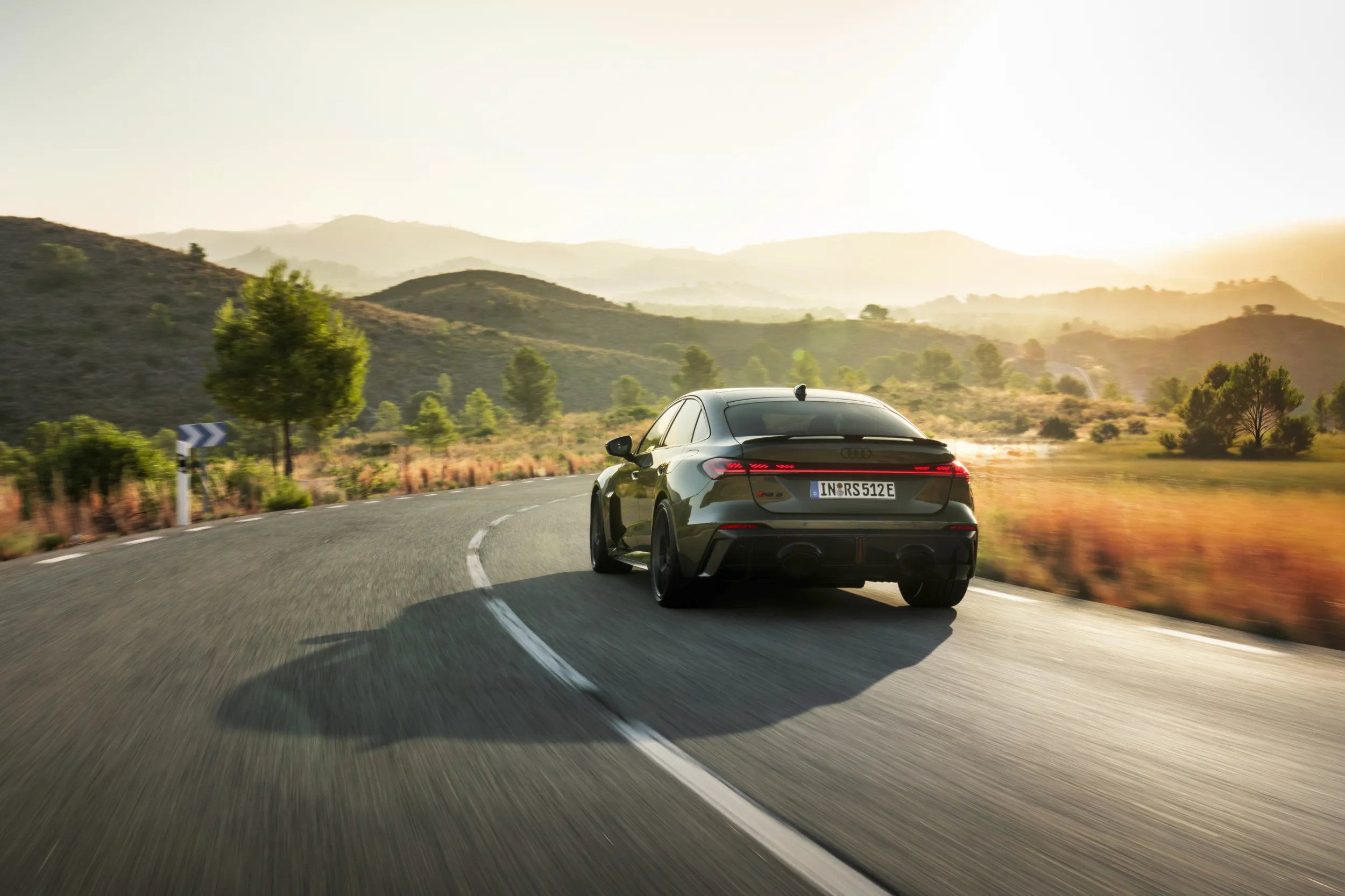
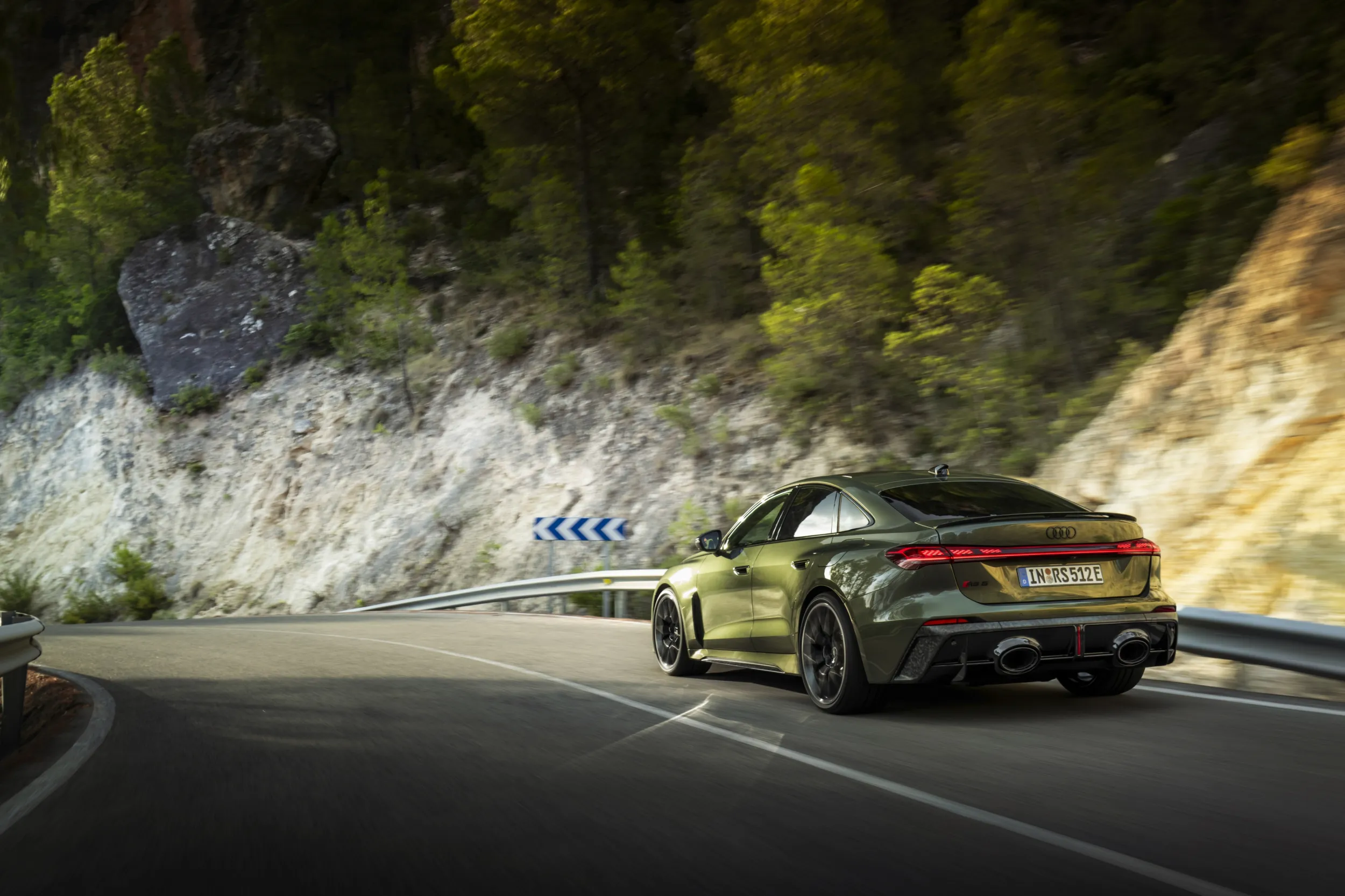
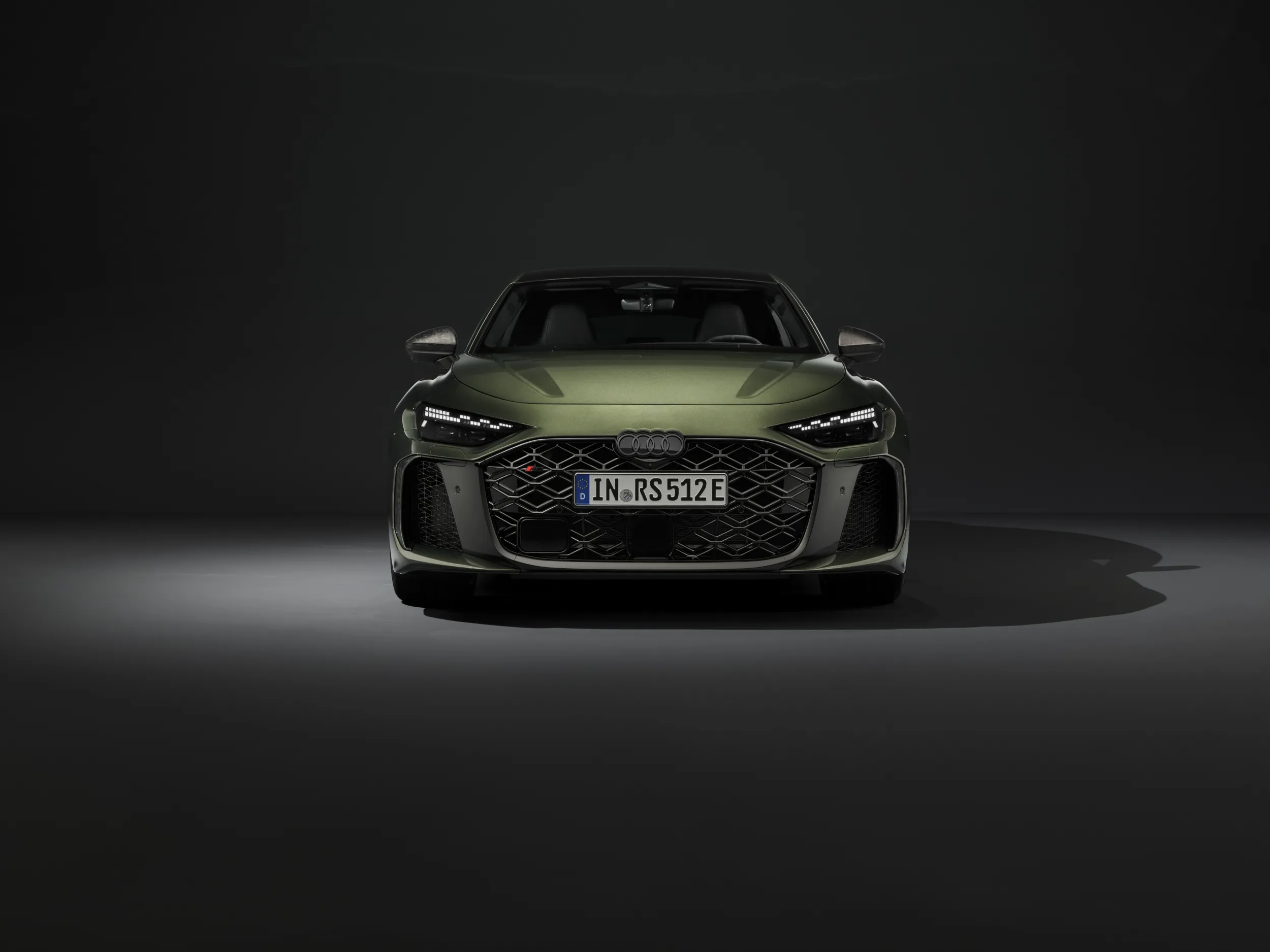
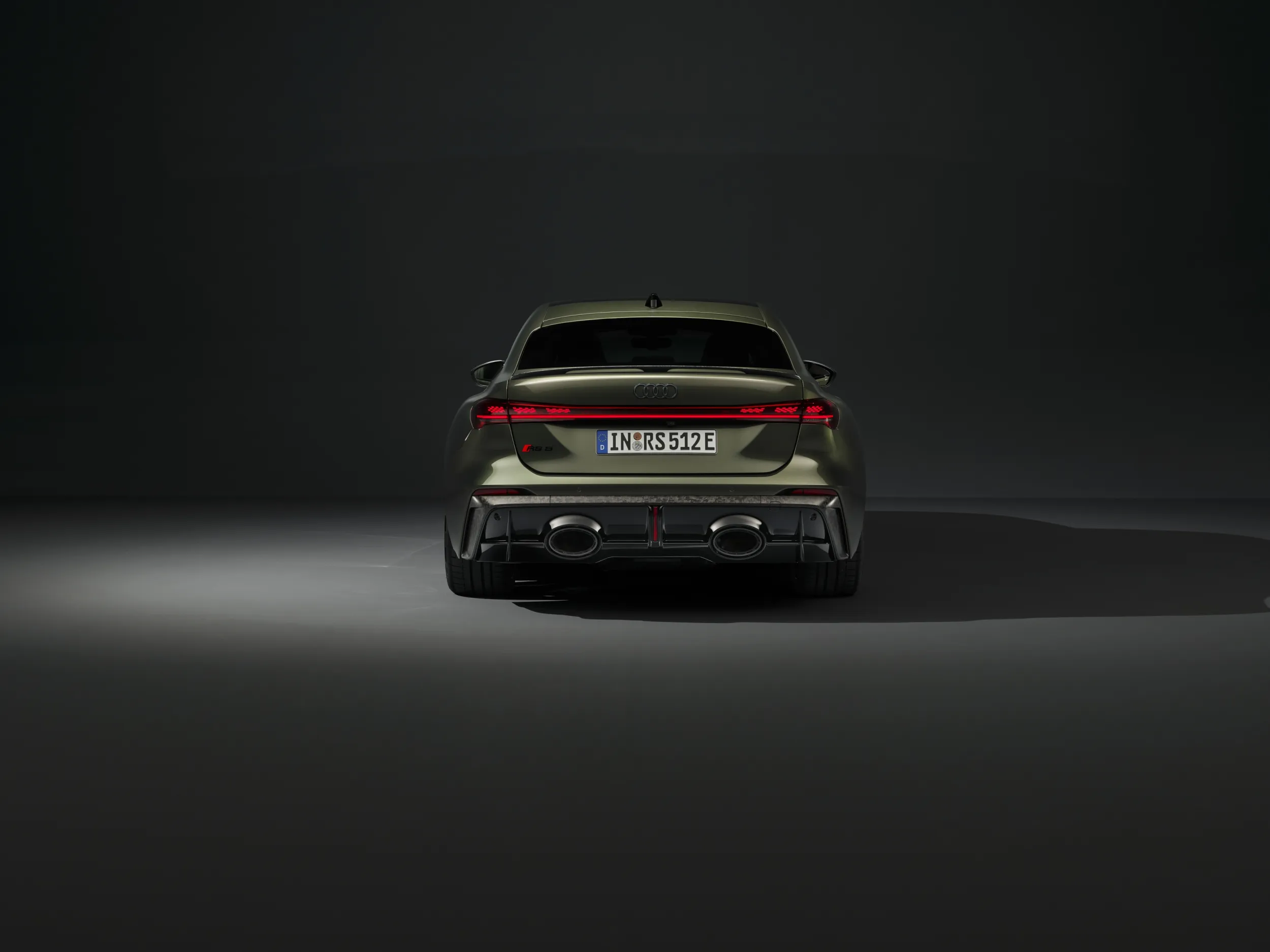
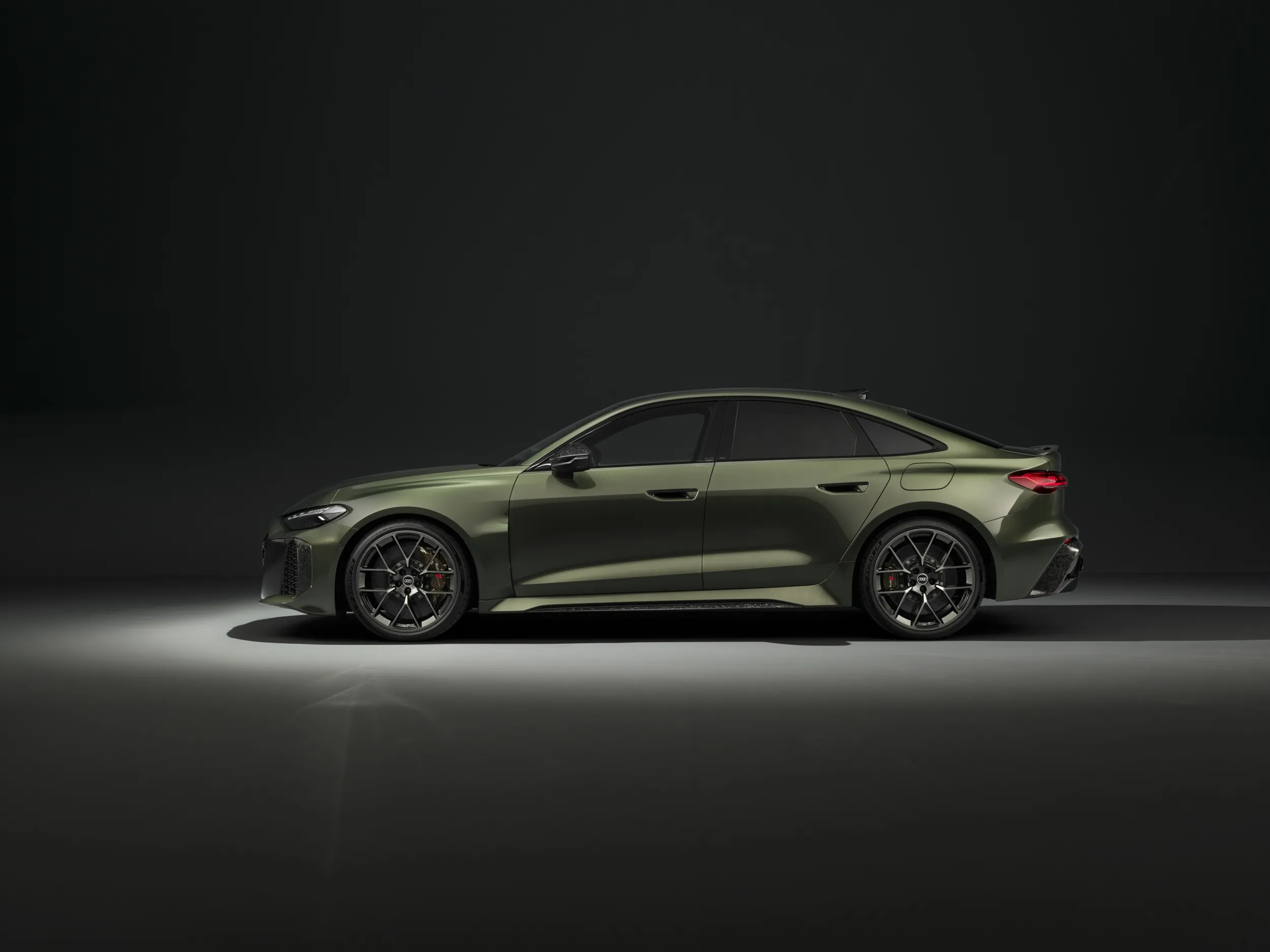
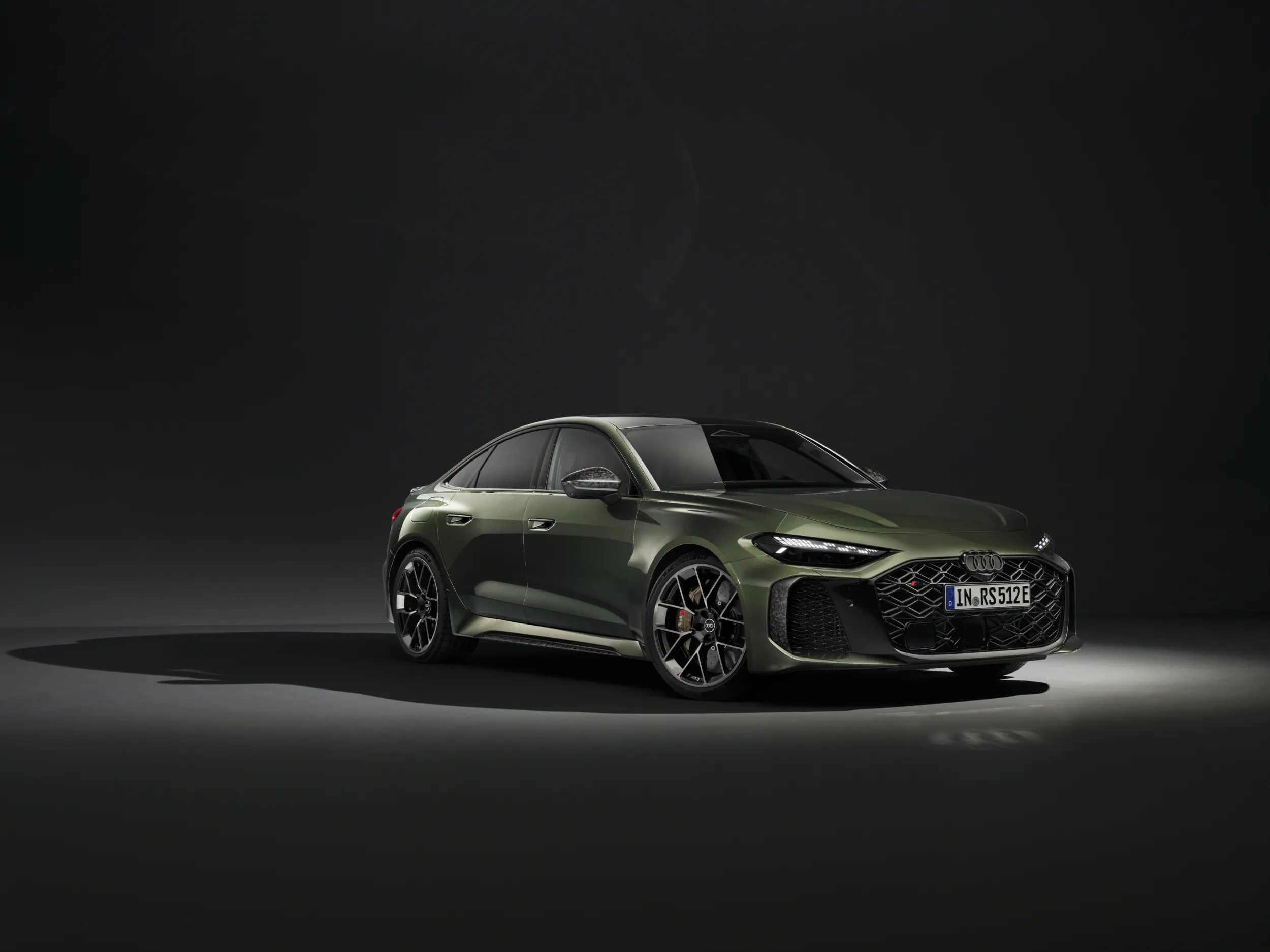
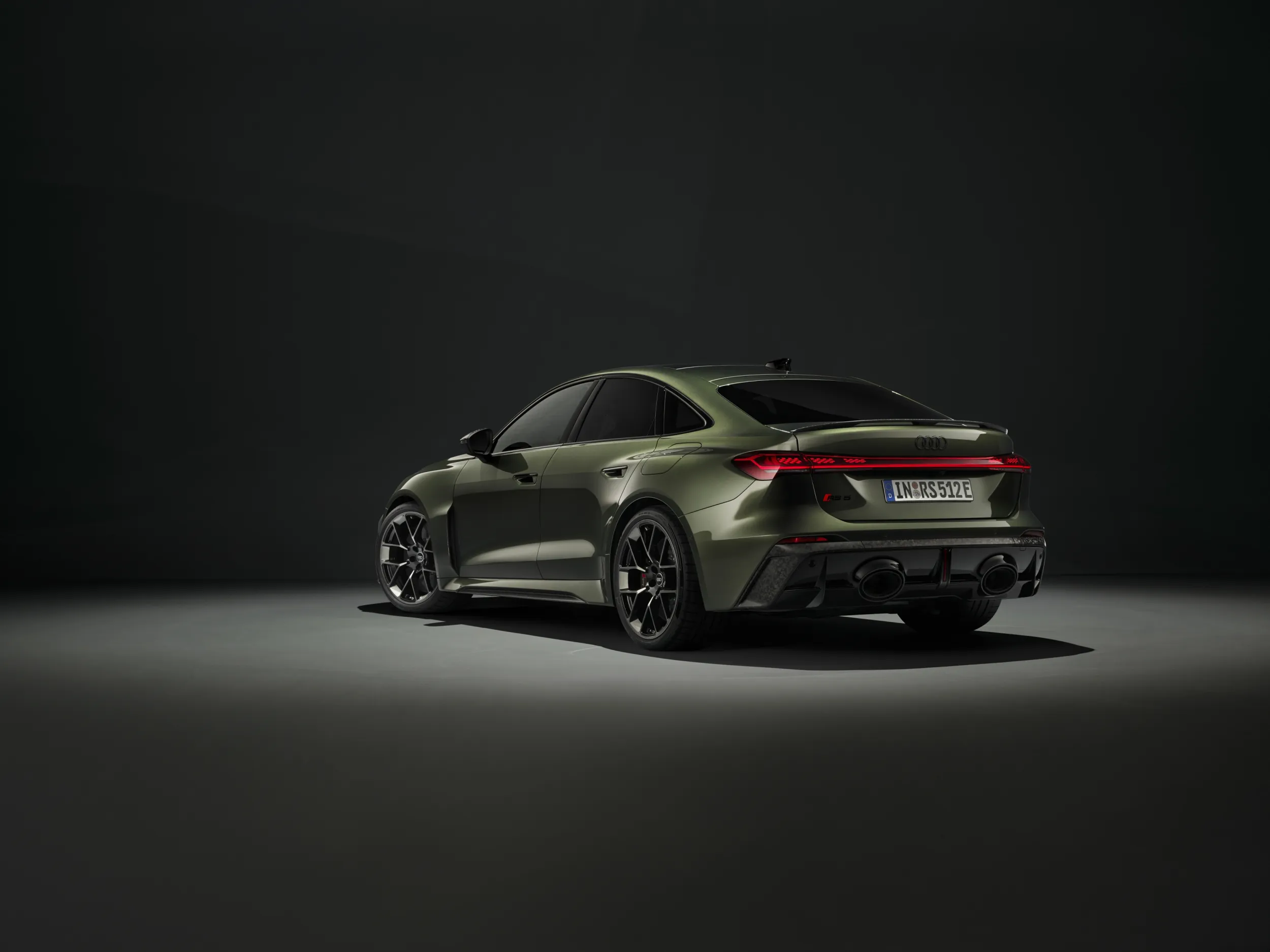
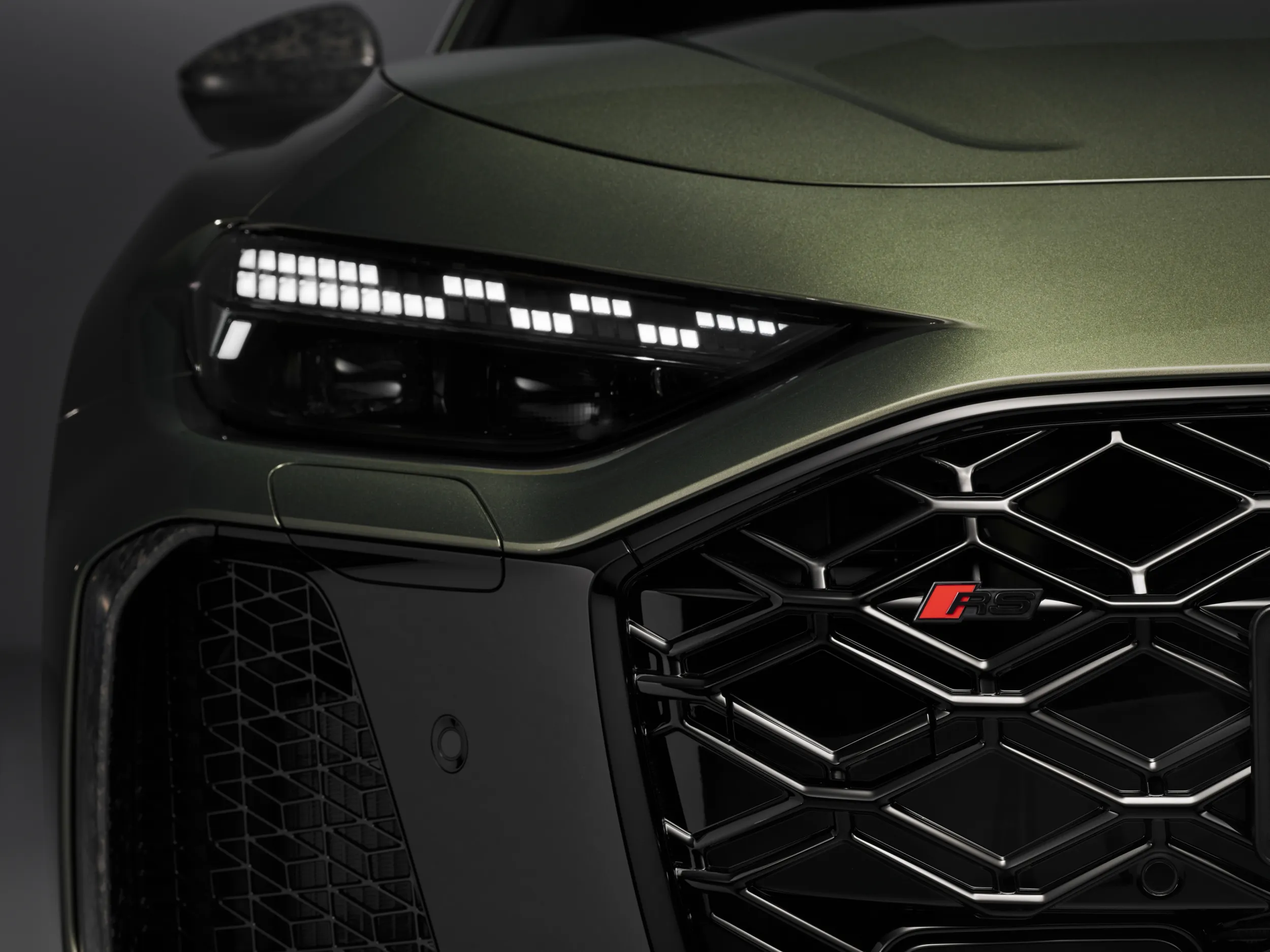
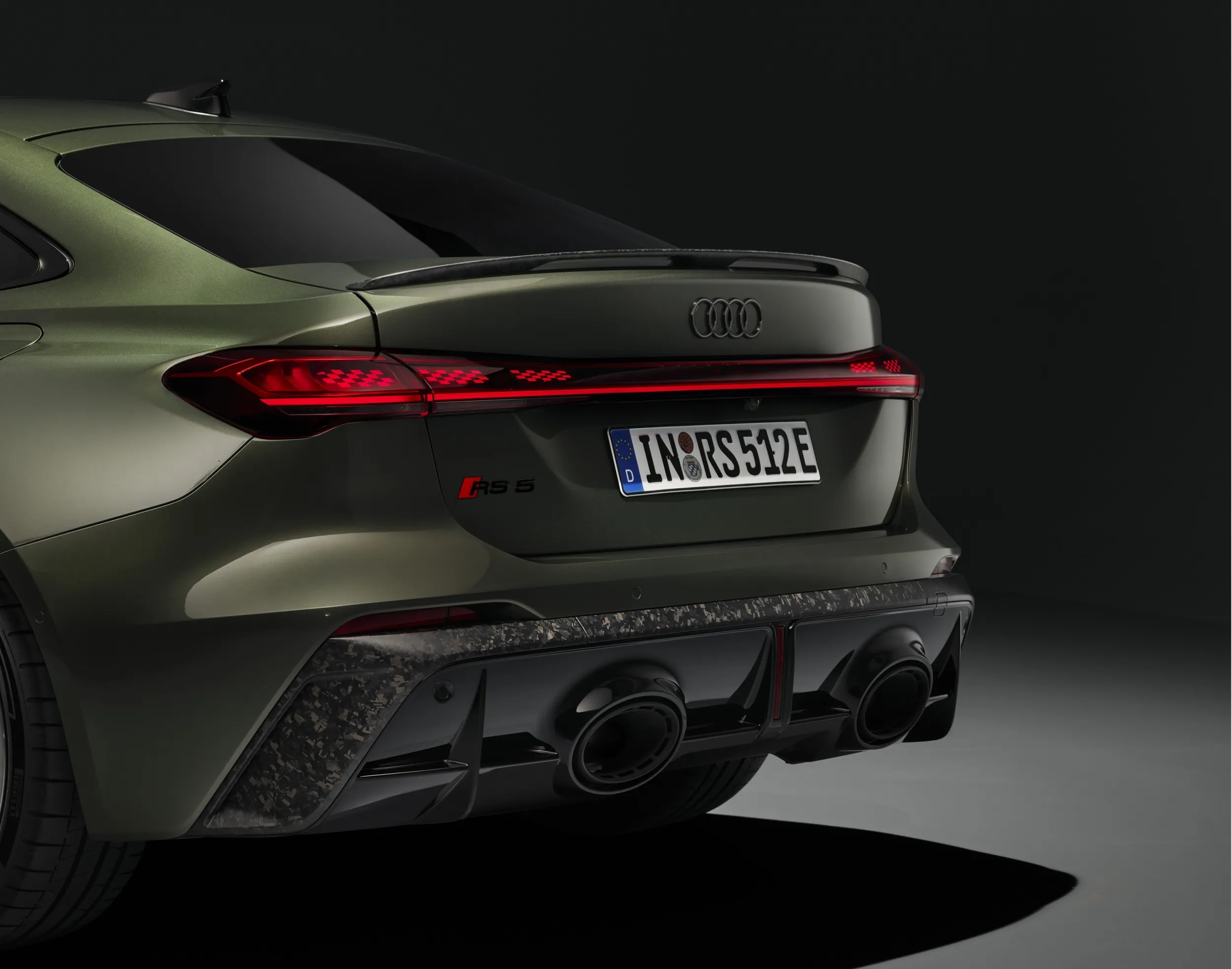
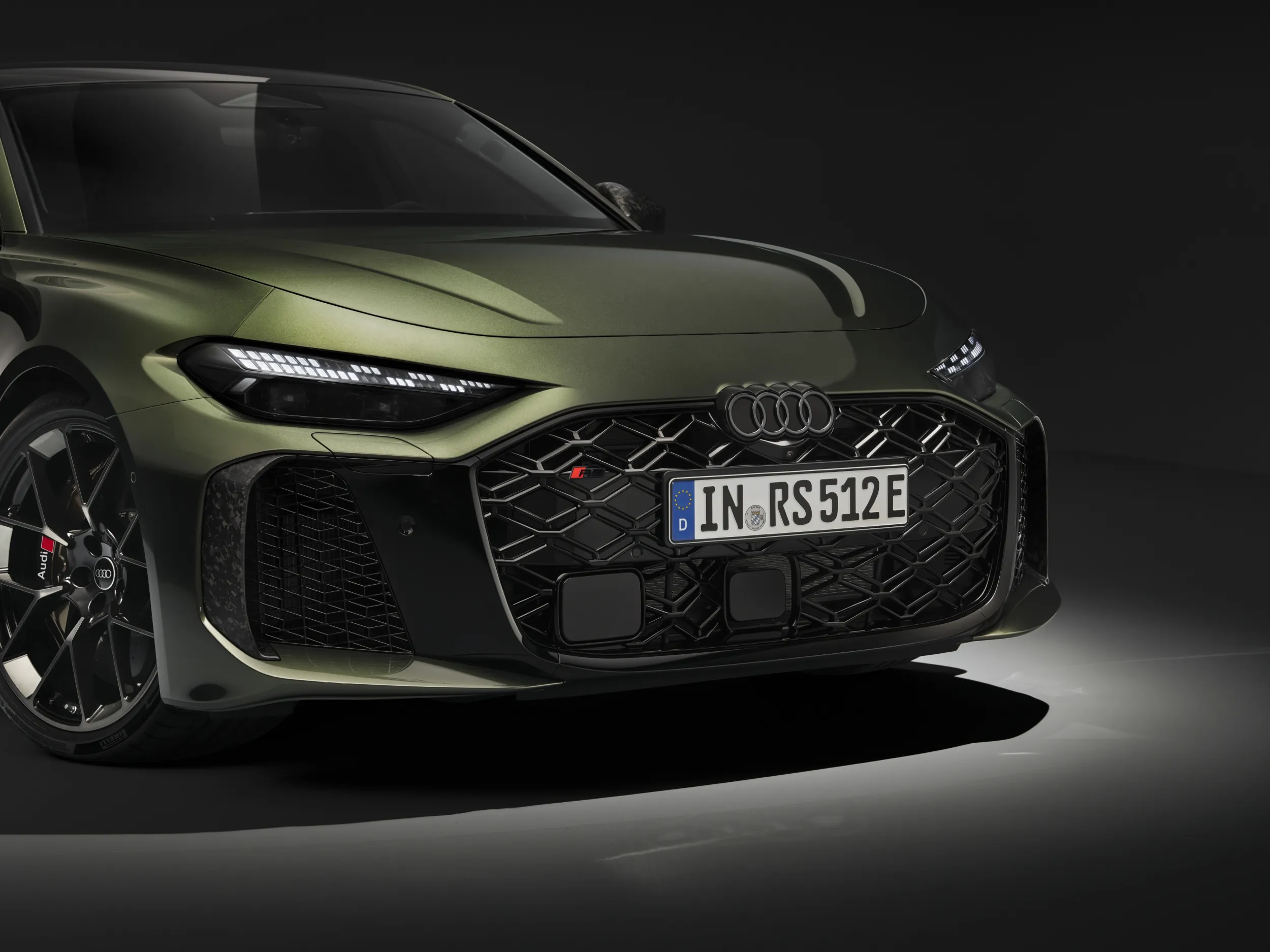
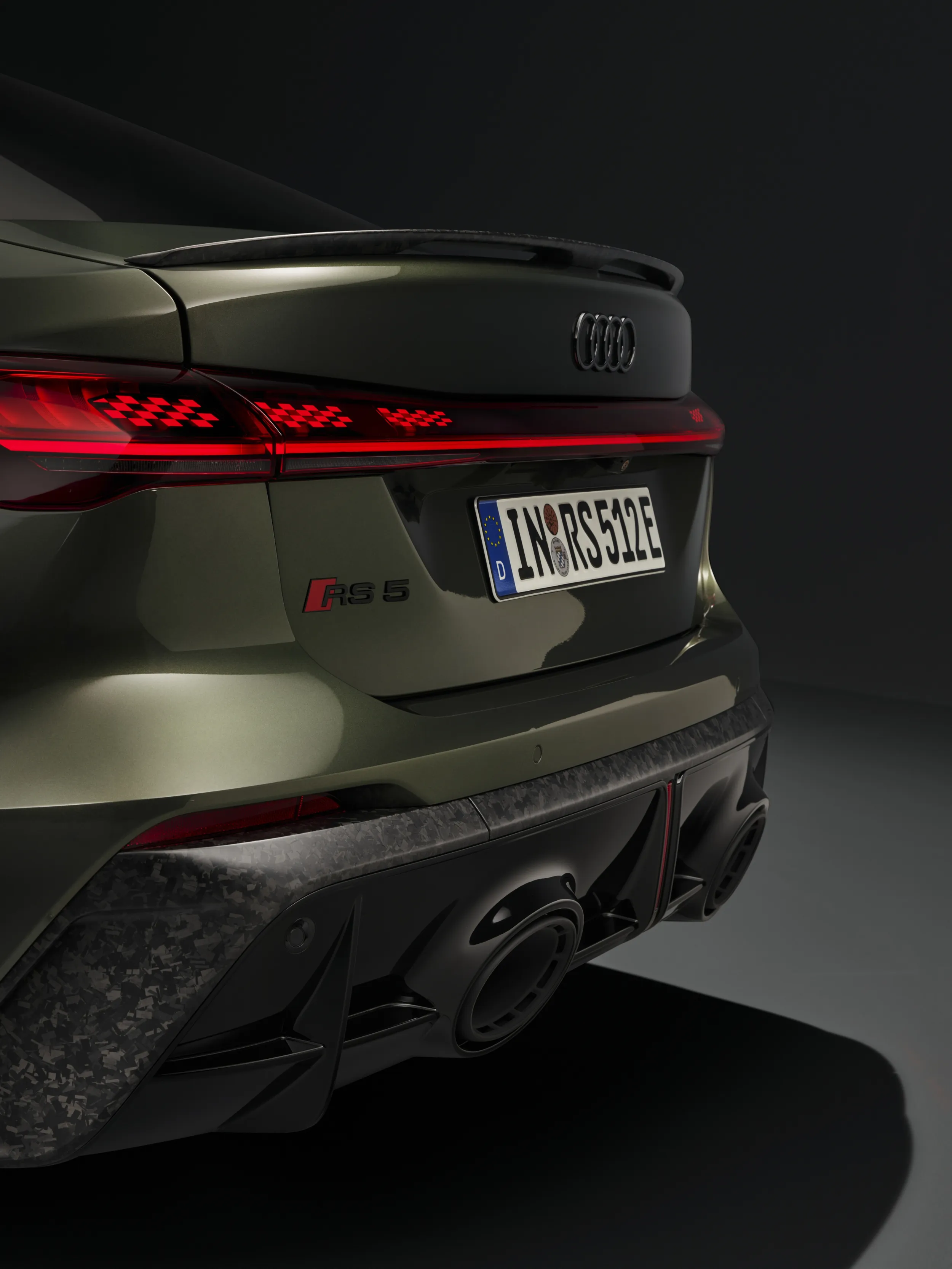
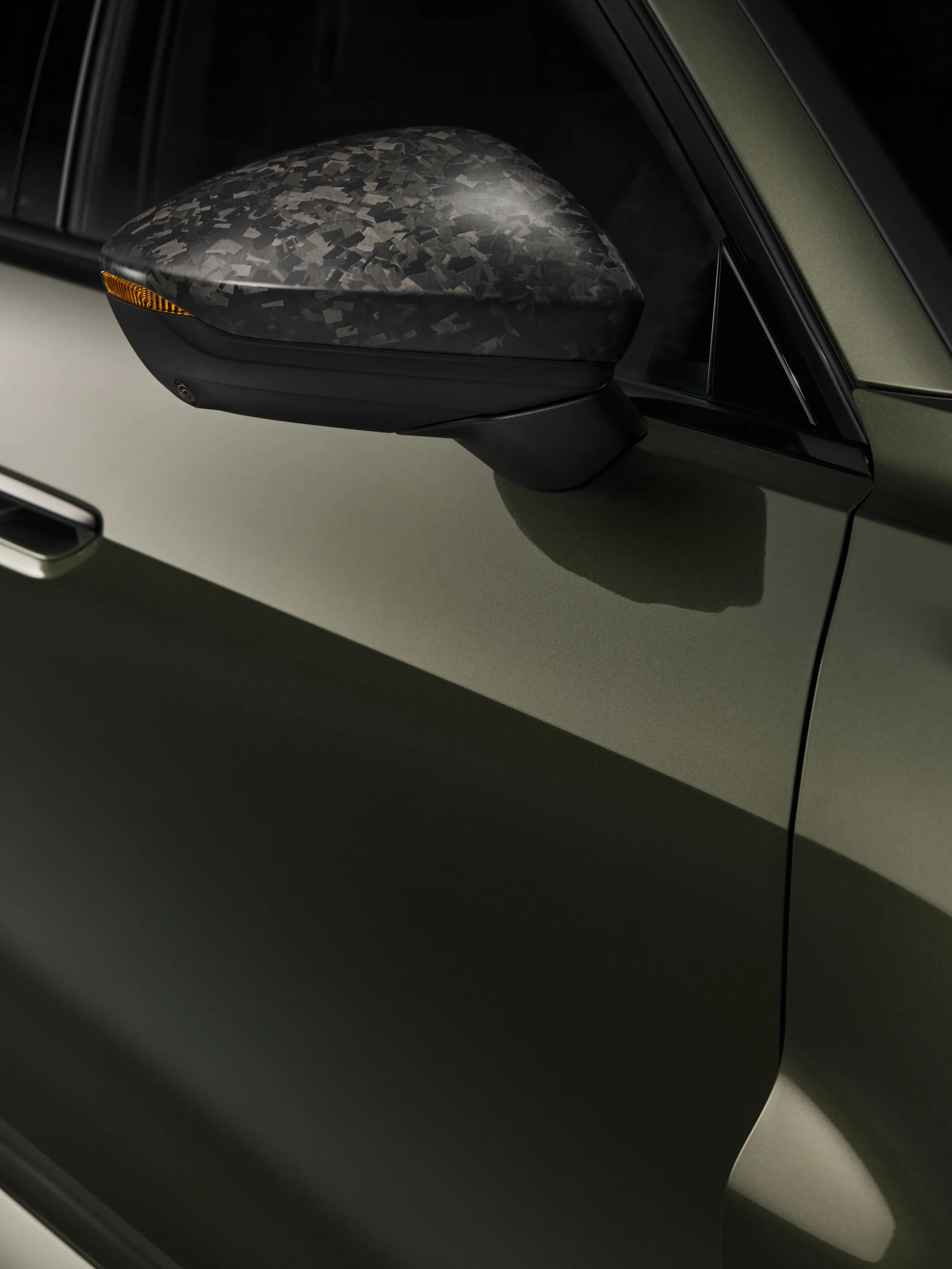
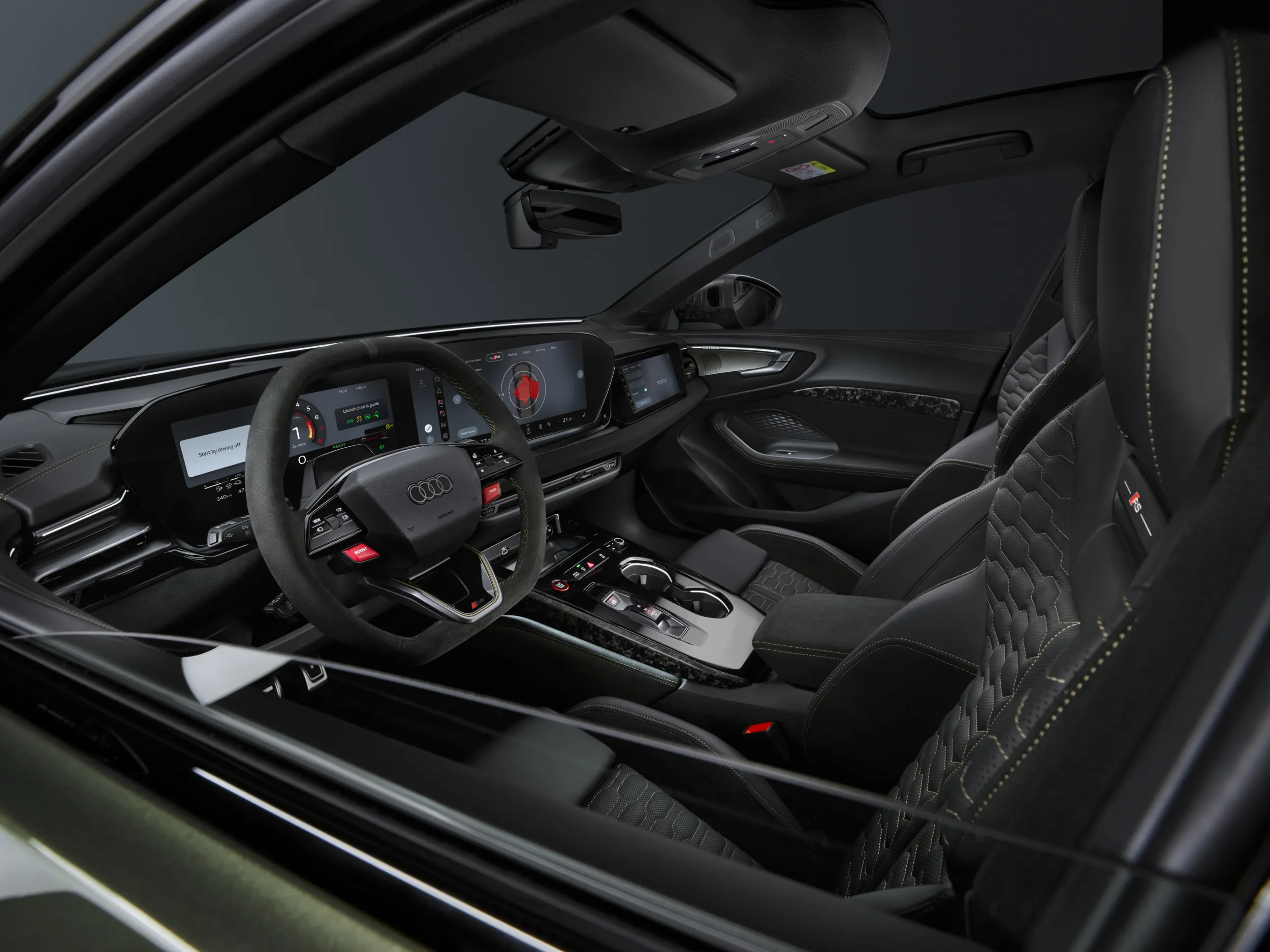
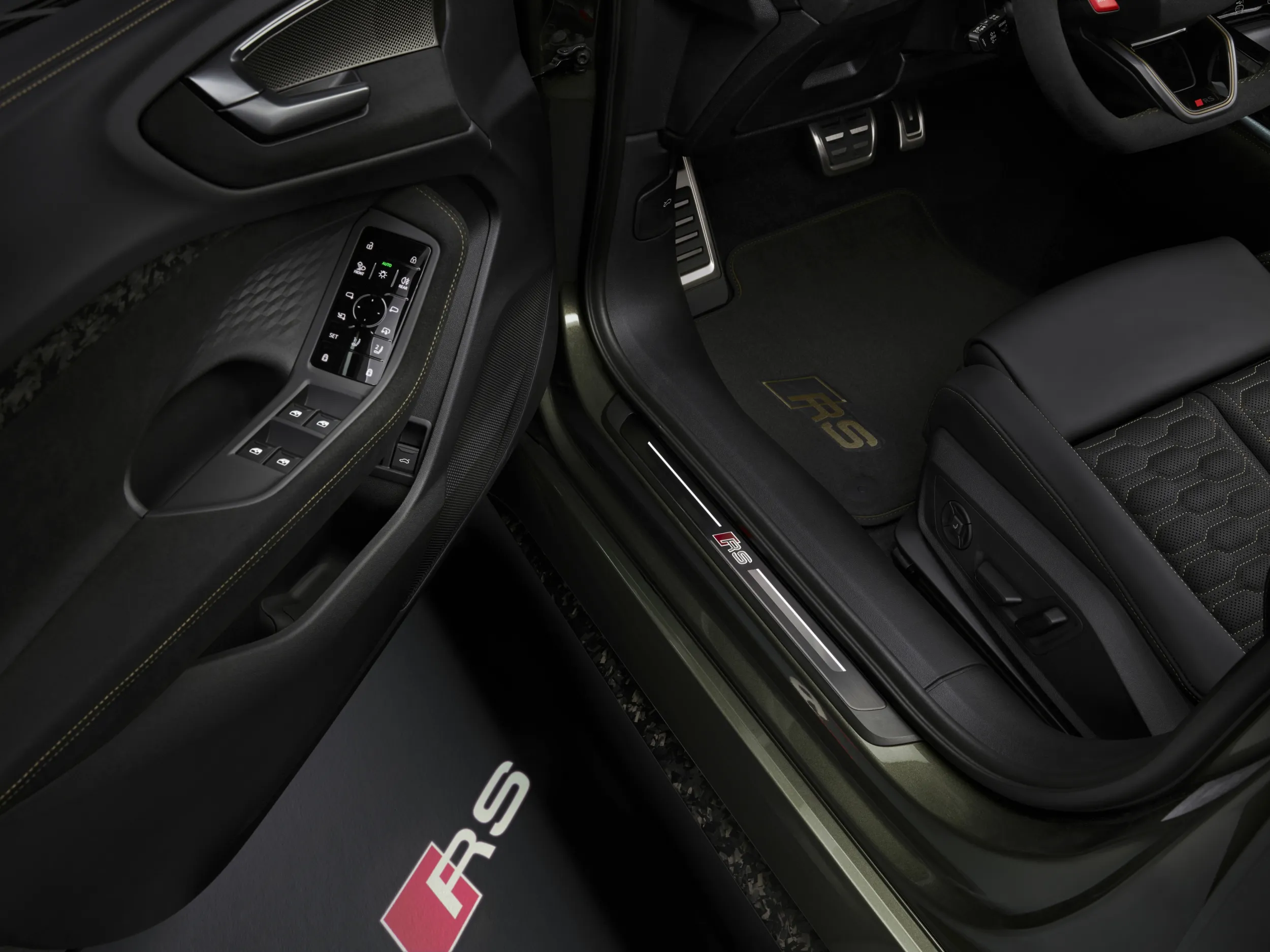
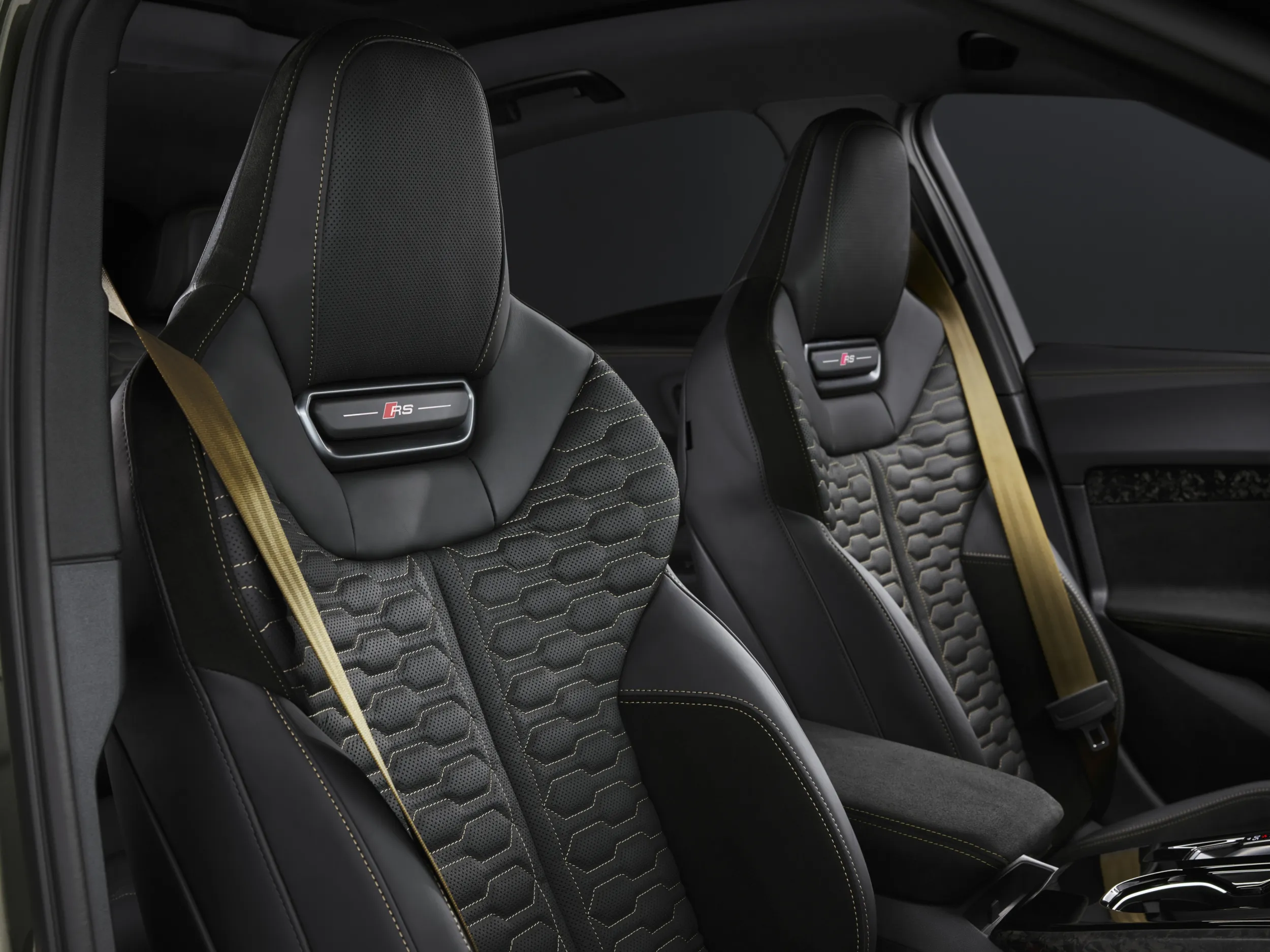
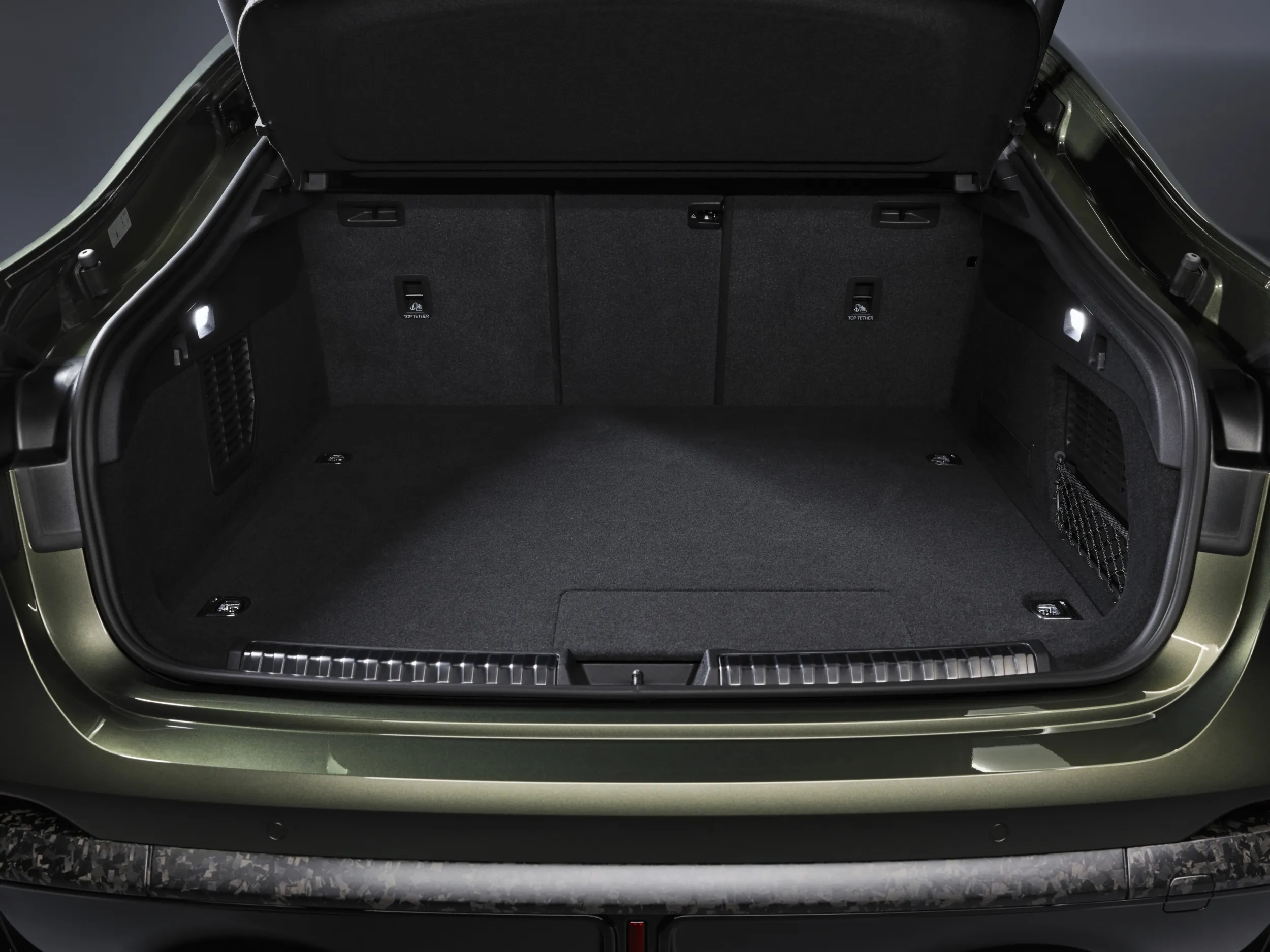
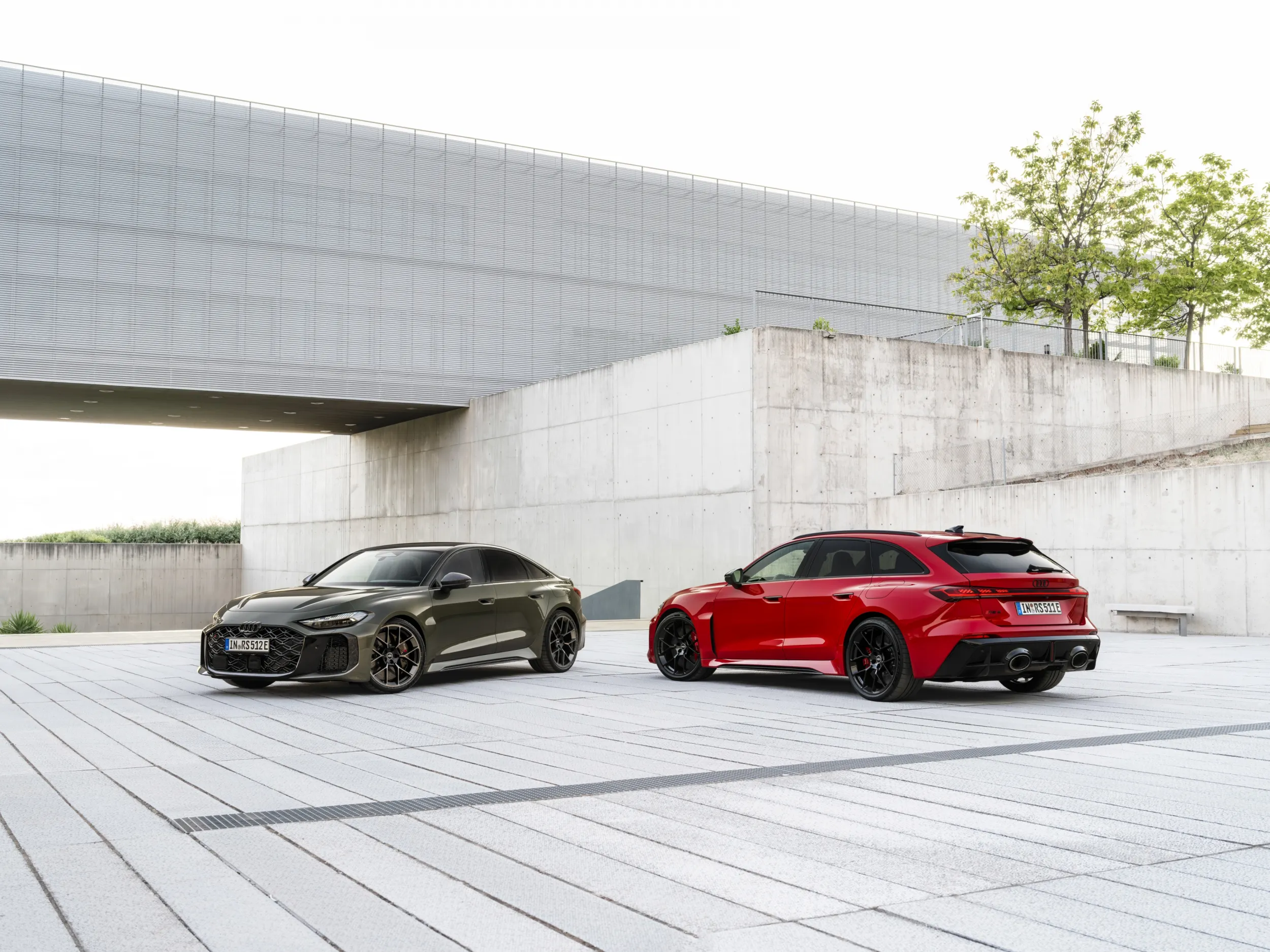
Engineers in Ingolstadt have finally ended the wait. The new generation Audi RS 5 steps into the spotlight as a calculated survival move in a world where emissions rules squeeze traditional performance cars from every angle.
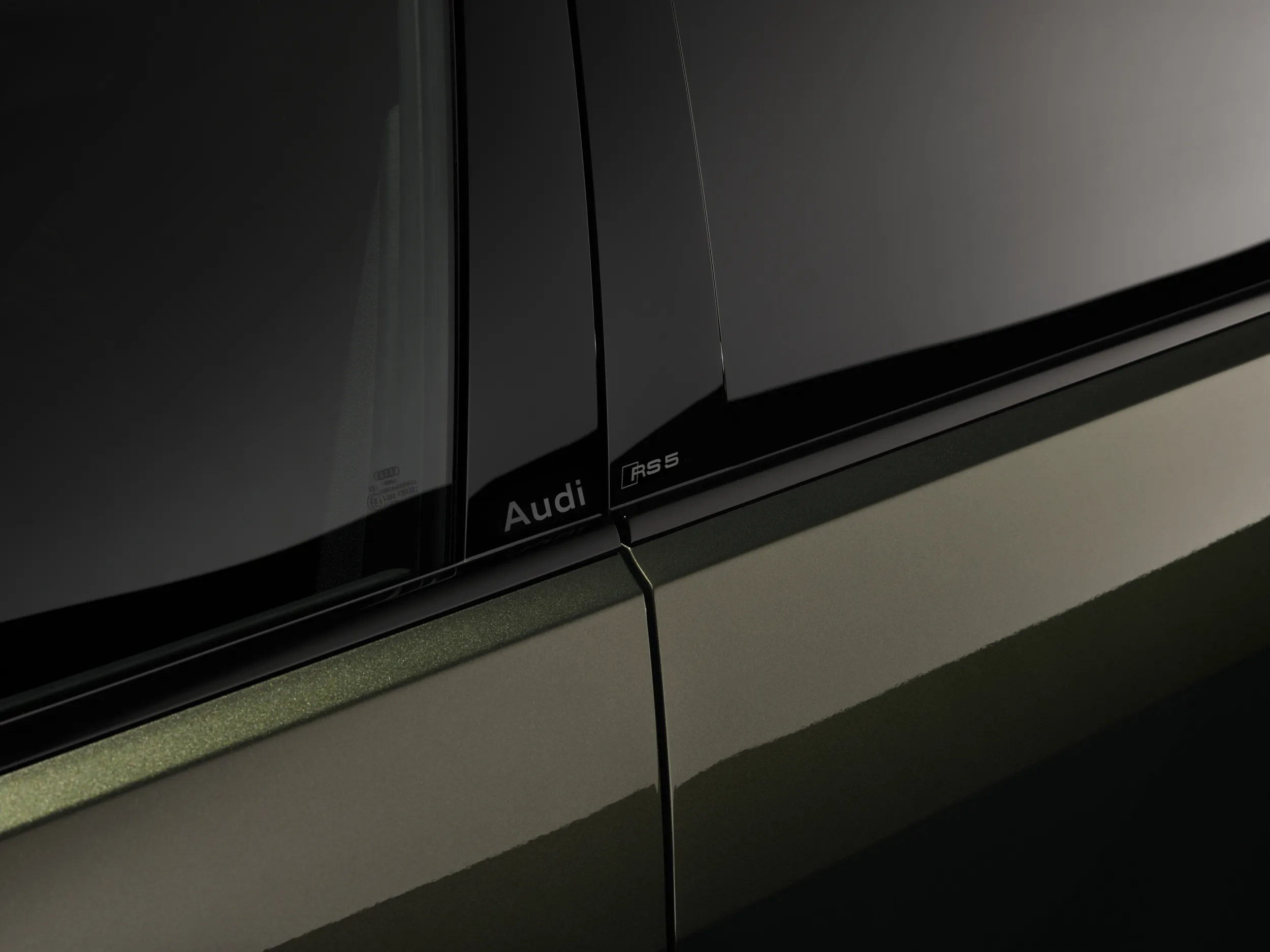
Audi reshuffled its naming logic along the way. The RS 4 badge disappears, replaced by RS 5, while even numbers are now reserved for fully electric models. The irony is hard to miss. To preserve a petrol engine, Audi had to wrap it in batteries and software.
Hybrid power, uncompromised numbers
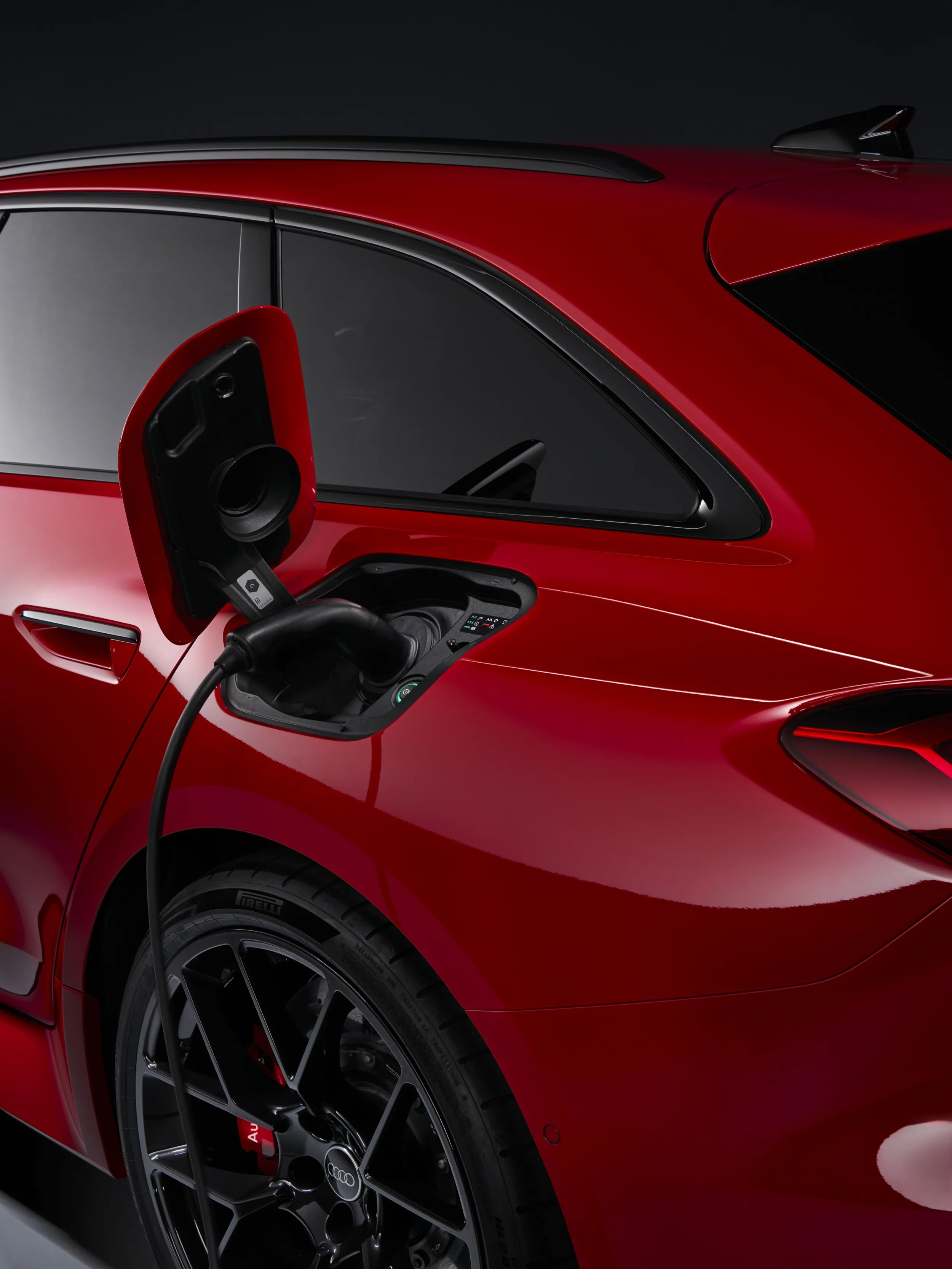
The new RS 5 abandons the idea of a purely combustion driven setup and adopts a plug in hybrid architecture. On paper, that makes it a responsible citizen. In reality, it makes it brutally quick.
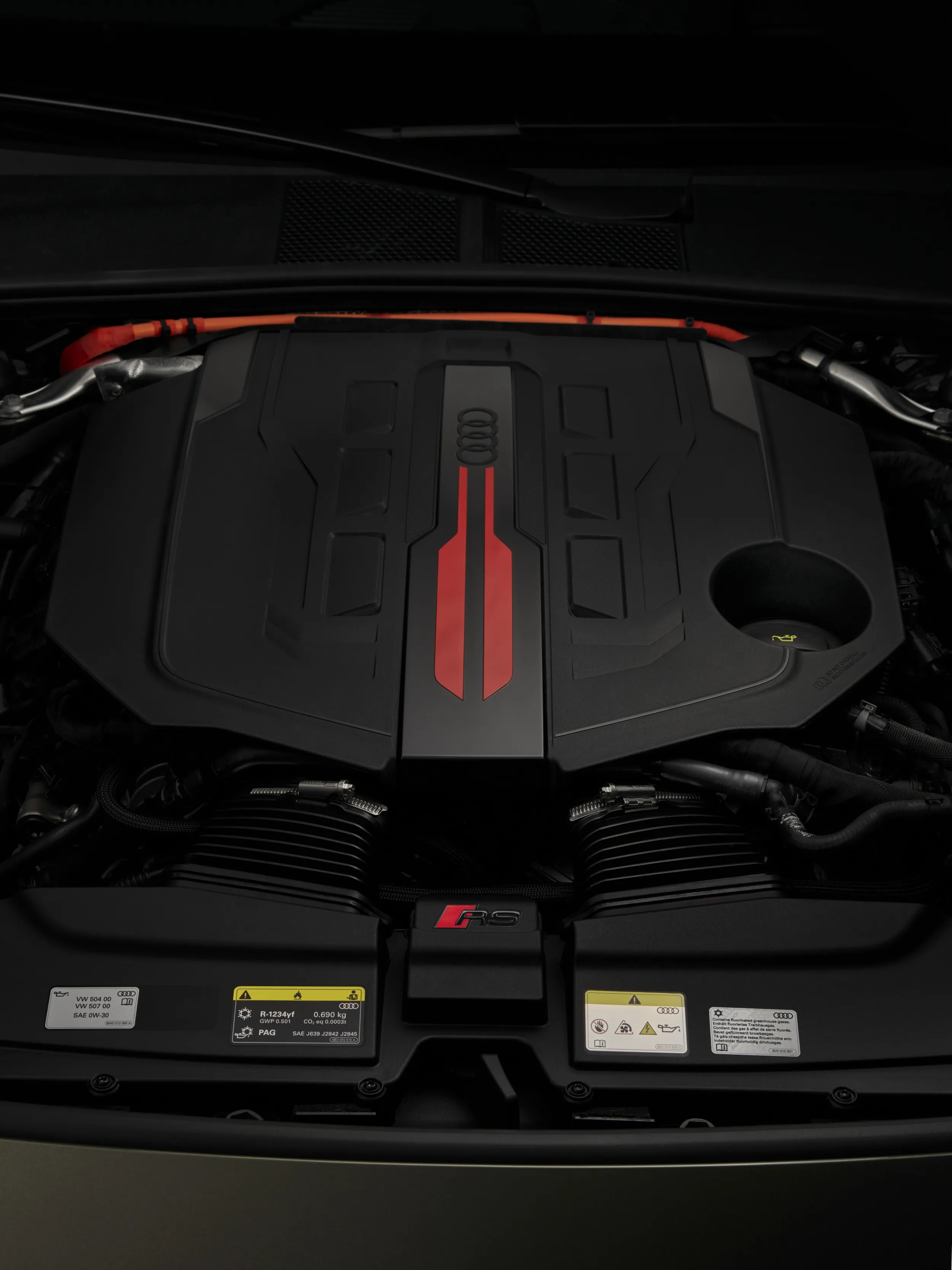
At its core remains a 2.9 litre V6 biturbo. Now it works in tandem with an electric motor, delivering a combined 639 hp and 850 Nm of torque. Against those figures, the outgoing model looks almost restrained.
Quattro all wheel drive channels the output to the road with clinical efficiency. Audi claims 0 to 100 km/h in 3.5 seconds. That places the RS 5 firmly among the fastest cars in its segment, regardless of the extra mass carried by the battery.
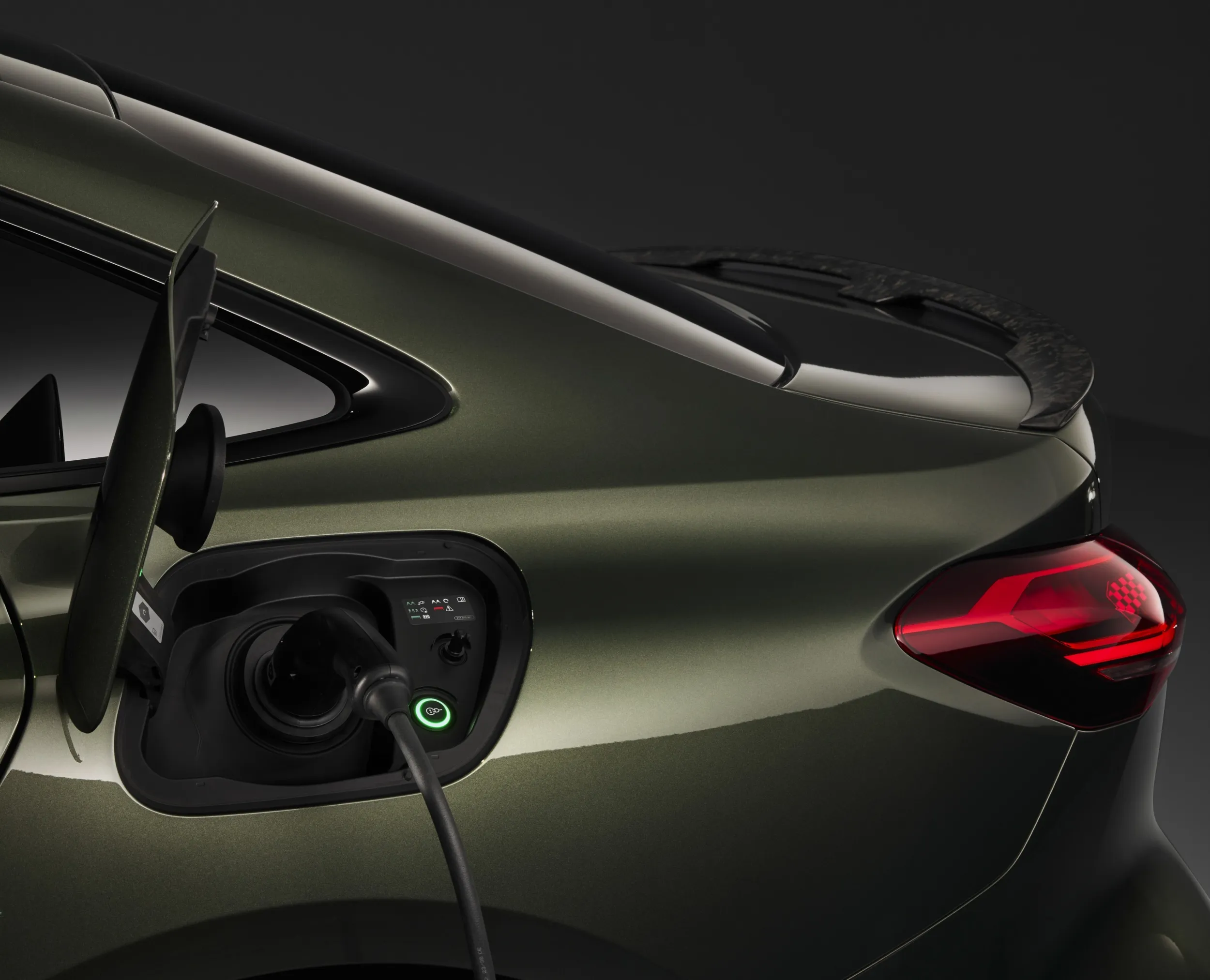
The 20.4 kWh battery allows up to 80 kilometres of electric only driving under ideal conditions. In urban use, the RS 5 can glide silently through traffic, projecting eco conscious virtue before the V6 clears its throat on an open road.
Strategy over nostalgia
Audi’s management understands the landscape. The hybrid system is not there solely to boost performance. It is a nod to regulators, lowering official CO2 figures and keeping the model viable in markets with tightening rules.
Compare the approach with rivals. The BMW M3 still relies on a straight six without electrification. The Mercedes AMG C63 moved to a heavily boosted four cylinder hybrid. Audi splits the difference, retaining the prestige and character of a V6 while adding electric assistance to smooth delivery and satisfy legislation.
In this class, the winner is no longer decided by displacement alone. Software calibration and the harmony between electric motor and combustion engine matter just as much as raw output.
Weight, winter and reality
The battery inevitably adds weight. On broken roads, the suspension must work harder to control the mass. Audi claims it retuned the chassis extensively to maintain composure in corners despite the extra kilograms.
Cold climate performance will depend on how effectively the system manages battery temperature and distributes torque across slippery surfaces. Quattro traditionally performs well in winter conditions, yet the complexity of a plug in hybrid drivetrain introduces new variables.
Pricing will rise accordingly, likely pushing the RS 5 into territory where buyers could consider entirely different investments. In truth, that calculation rarely troubles an RS customer. This is not a rational purchase. It is a statement.
The new RS 5 proves that the internal combustion performance car is not dead. It has simply learned to share the stage with a battery, and in doing so, it may have become faster than ever.
Hybrid power, uncompromised numbers
The new RS 5 abandons the idea of a purely combustion driven setup and adopts a plug in hybrid architecture. On paper, that makes it a responsible citizen. In reality, it makes it brutally quick.
At its core remains a 2.9 litre V6 biturbo. Now it works in tandem with an electric motor, delivering a combined 639 hp and 850 Nm of torque. Against those figures, the outgoing model looks almost restrained.
Quattro all wheel drive channels the output to the road with clinical efficiency. Audi claims 0 to 100 km/h in 3.5 seconds. That places the RS 5 firmly among the fastest cars in its segment, regardless of the extra mass carried by the battery.
The 20.4 kWh battery allows up to 80 kilometres of electric only driving under ideal conditions. In urban use, the RS 5 can glide silently through traffic, projecting eco conscious virtue before the V6 clears its throat on an open road.
Strategy over nostalgia
Audi’s management understands the landscape. The hybrid system is not there solely to boost performance. It is a nod to regulators, lowering official CO2 figures and keeping the model viable in markets with tightening rules.
Compare the approach with rivals. The BMW M3 still relies on a straight six without electrification. The Mercedes AMG C63 moved to a heavily boosted four cylinder hybrid. Audi splits the difference, retaining the prestige and character of a V6 while adding electric assistance to smooth delivery and satisfy legislation.
In this class, the winner is no longer decided by displacement alone. Software calibration and the harmony between electric motor and combustion engine matter just as much as raw output.
Weight, winter and reality
The battery inevitably adds weight. On broken roads, the suspension must work harder to control the mass. Audi claims it retuned the chassis extensively to maintain composure in corners despite the extra kilograms.
Cold climate performance will depend on how effectively the system manages battery temperature and distributes torque across slippery surfaces. Quattro traditionally performs well in winter conditions, yet the complexity of a plug in hybrid drivetrain introduces new variables.
Pricing will rise accordingly, likely pushing the RS 5 into territory where buyers could consider entirely different investments. In truth, that calculation rarely troubles an RS customer. This is not a rational purchase. It is a statement.
The new RS 5 proves that the internal combustion performance car is not dead. It has simply learned to share the stage with a battery, and in doing so, it may have become faster than ever.


