
Peace Descends on the Aurus Factory, Because Perfection Needs No Production
 1/2
1/2
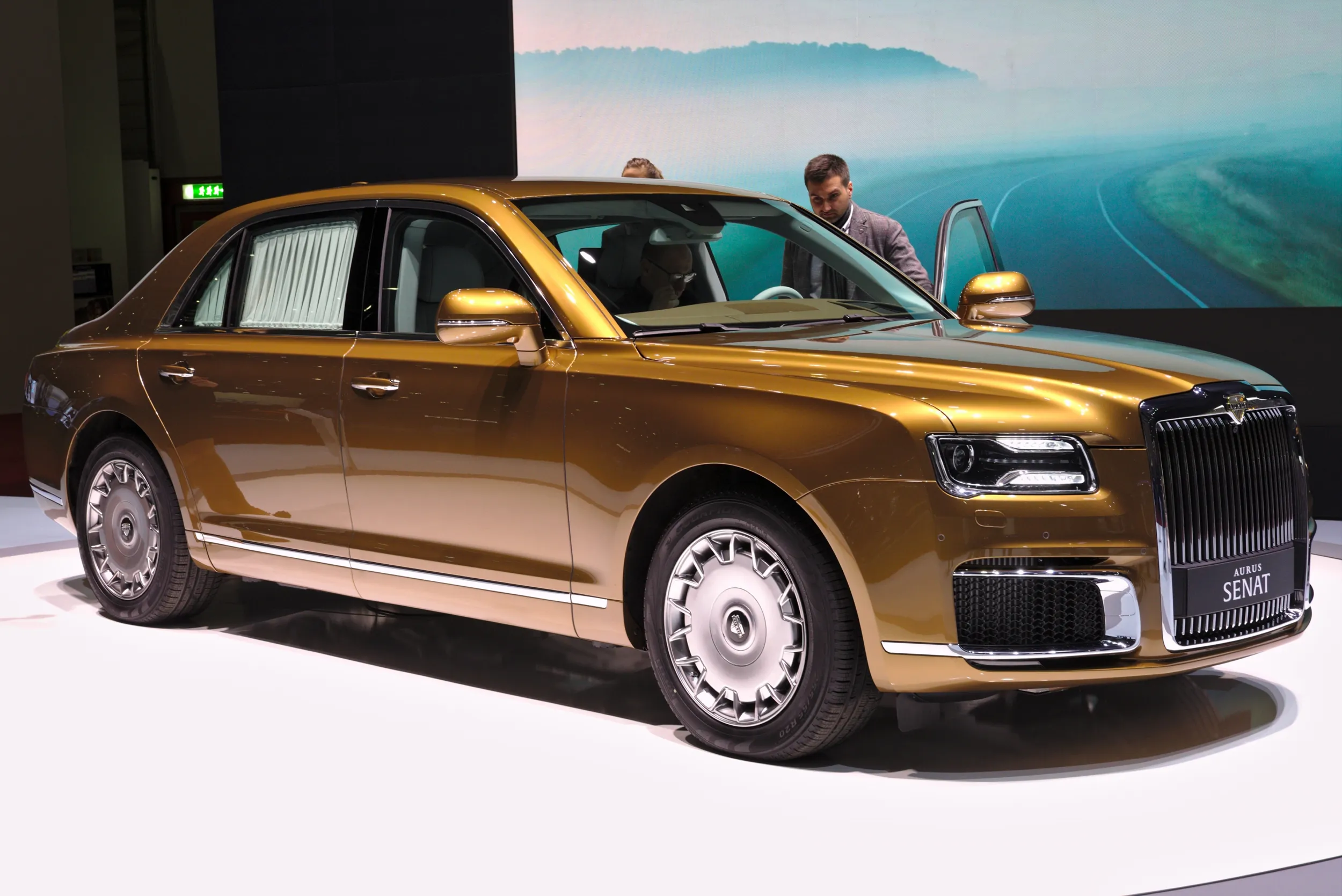
While the global car industry charges ahead at full throttle, one factory in Russia has chosen a more contemplative route. In Elabuga, Tatarstan, the production lines at Aurus fell silent from early February until the end of March. Officially, the pause allows staff to count the seemingly endless aluminium sheets, nuts and bolts from which dreams on wheels are assembled.
The news broke via the Telegram channel Russki Avtomobil, which reported that the Aurus plant had embarked on a long and well earned break. In most corners of the automotive world this would be called a shutdown. In the Aurus universe it resembles strategic meditation, carefully curated under the reassuring term inventory. If it takes two full months to count the nuts, either there are billions of them or the counters are admirably thorough. Employees are taking part in a parallel experiment titled how to live on two thirds of your salary. It offers a crash course in asceticism that sits oddly well with a luxury brand’s philosophy. Luxury, after all, thrives on inaccessibility. Now that principle extends to part of the workforce’s pay packet.
A New Senat, a New Hood, and Plenty of Time
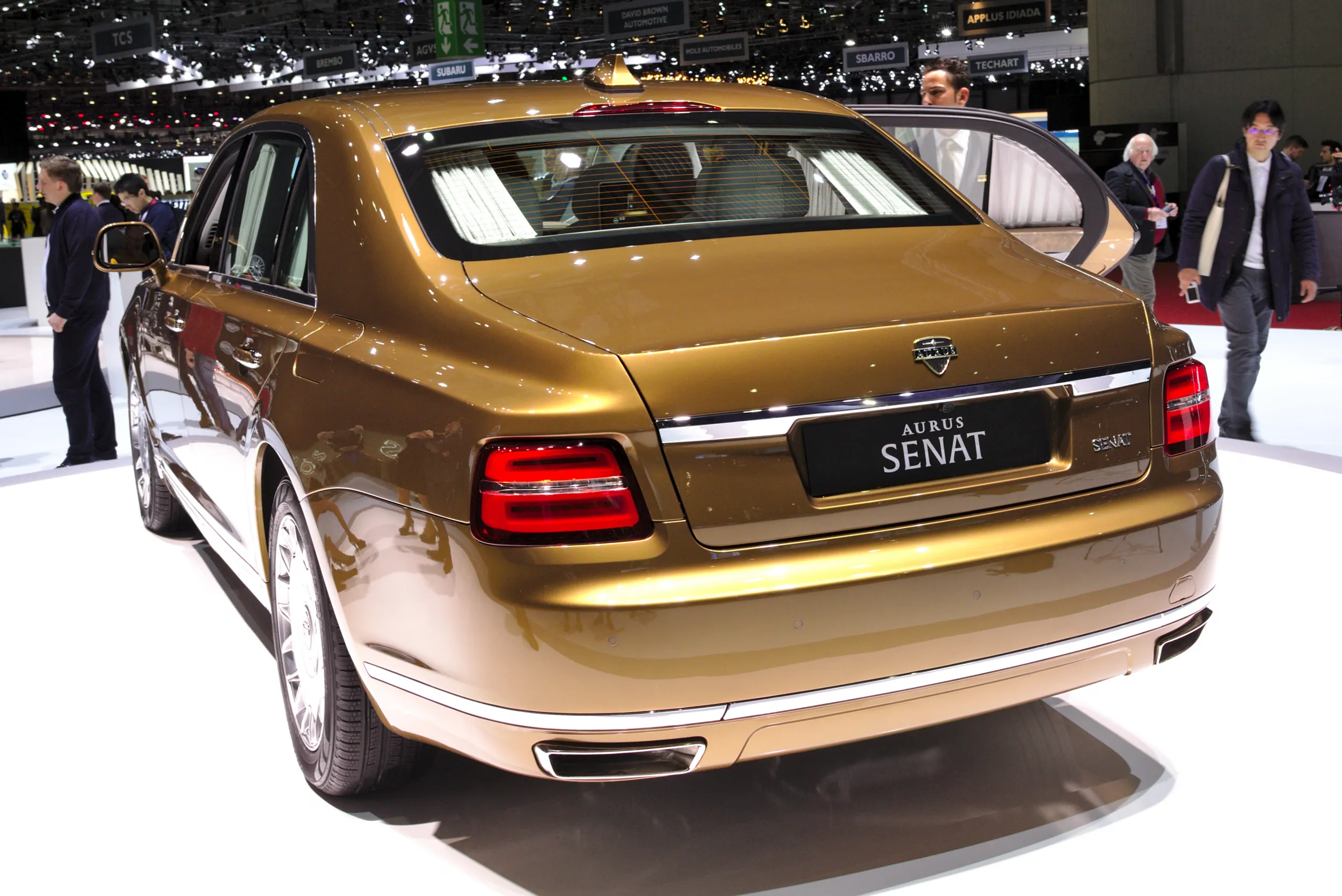
Speculation suggests the pause prepares the line for the updated Senat model, which debuted in 2024. The revised limousine arrived with a new interior and, crucially, an aluminium bonnet. Yes, aluminium. To shave weight, engineers now press the bonnet from aluminium sheet. One can only imagine the scale of technical contemplation required to master this feat, apparently demanding a two month hiatus to ensure the lightweight panel sits properly on the car. Aurus builds its vehicles in two locations. Moscow caters to senior state officials. Elabuga serves ordinary mortals, provided they can afford a car priced at roughly RUB 40,000,000, about €500,000. That places it firmly in the upper reaches of the luxury car market, where exclusivity is a given and value for money is rarely part of the conversation.
Exclusivity Through Inactivity
With the Elabuga factory at a standstill, civilian versions of Aurus models such as the Senat become even more exclusive. When you produce nothing, every existing example instantly qualifies as a rare collector’s item. It is an elegant marketing lock. Scarcity remains luxury’s closest ally. Whispers from less charitable observers suggest a different explanation. Russia’s elite may already own as many limousines as they require, and the broader public does not stretch to half a million euros for a domestic flagship. Others point to build quality that struggles to match the expectations set by the price tag. Even Kim Jong Un, who reportedly received an Aurus as a gesture of diplomatic warmth, returned to a Mercedes within weeks. Beyond Russia’s borders, interest in the brand barely registers. For now, the inventory team in Elabuga can take pride in its mission. Two months should suffice to confirm whether the last Western sourced microchip still sits on a shelf, or whether the next Senat might need to rely on something more mechanical. In a world obsessed with relentless growth, Aurus offers a reminder that sometimes standing still makes the loudest statement.


