
Tesla Model S covers 965,000 km with just one traction battery replacement
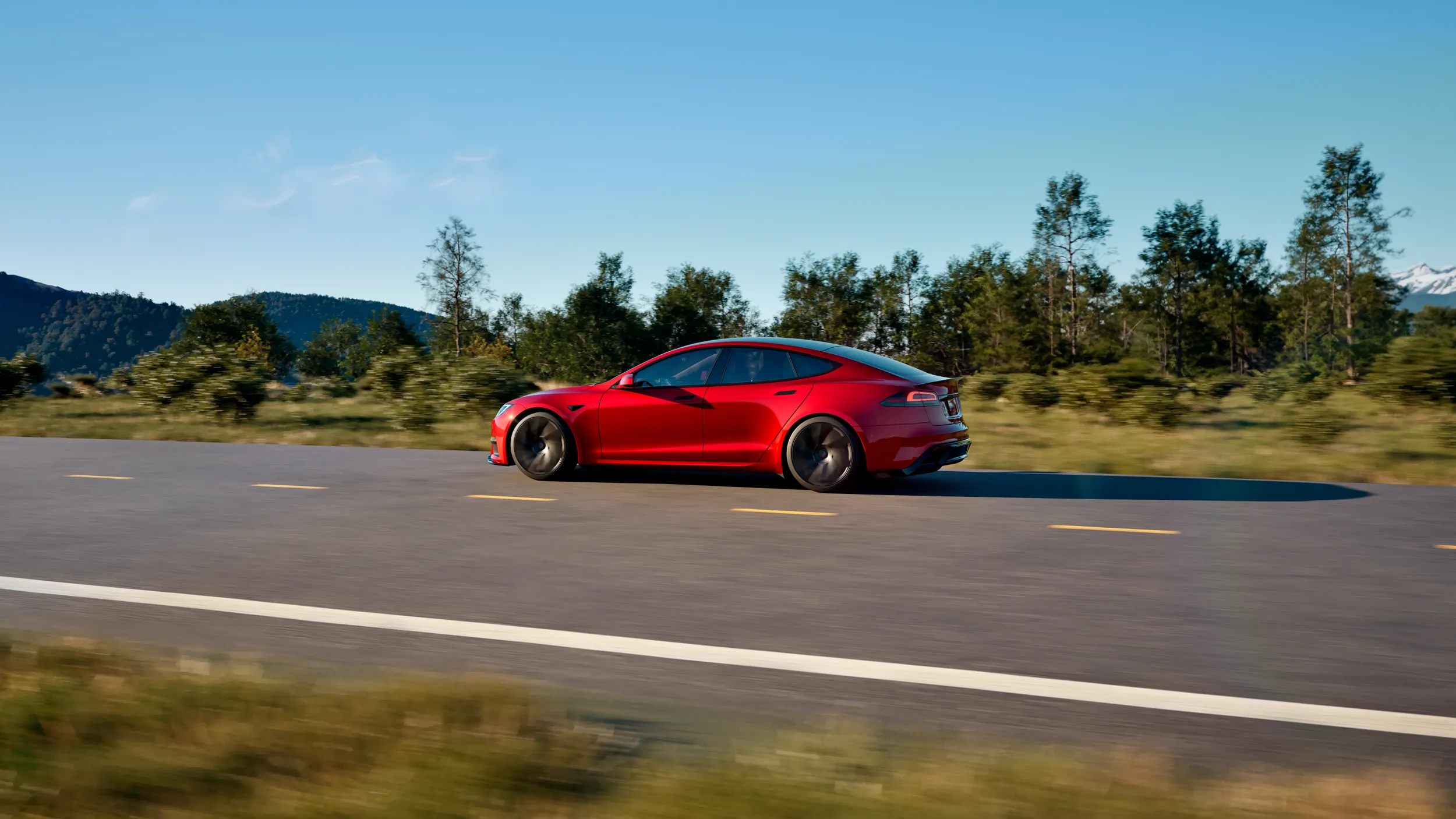
A 2018 Tesla Model S 75D used for passenger transport in Australia has covered 965,606 km in eight years. More remarkably, its original battery lasted 666,666 km, while the owner has only had to replace the brake pads once per axle. This does not prove that every EV can do the same, but it offers a rare look at how an electric car performs after almost one million kilometres.
According to Australian publication The Driven, Nigel Raynard uses the car for a limousine service in the Byron Bay area. Its mileage equates to an average of around 330 km per day, making it not a typical privately used vehicle but one subjected to exceptionally intensive commercial use.
The first battery lasted more than 666,000 km
The Model S began life with a 75 kWh battery. The traction battery displayed a fault message at 666,666 km, and Tesla replaced it under warranty. The car has now covered nearly 300,000 km with its second battery.
Sources differ, however, on the replacement battery’s capacity. The owner mentioned a 90 kWh battery in a recent post, but The Driven reported in 2024 that he declined the paid 90 kWh option and chose the free 75 kWh warranty replacement. It is therefore not sensible to treat the 90 kWh figure as an established fact.
Its usage pattern is even more interesting. According to Raynard’s logs, DC fast charging accounted for 92 per cent of charging sessions. Since the battery replacement, the car’s average energy consumption has been around 18.6 kWh/100 km. One vehicle does not disprove the physics of battery ageing, but this example at least shows that frequent fast charging does not automatically mean a traction battery will fail quickly.
Regeneration saved the brakes, not the entire running gear
Approaching one million kilometres does not mean the car has been maintenance-free. The Model S has received a new air-conditioning system, suspension arms and shock absorbers. The front drive-unit mounts and half-shafts were also replaced recently. According to the owner, a set of tyres lasts between 50,000 and 75,000 km.
Brake wear, by contrast, has been exceptionally low. According to earlier information, Raynard replaced the first front brake pads at around 460,000 km and the rear pads at 770,000 km. The reason is simple: the electric motor slows the car through regenerative braking much of the time, preserving the friction brakes.
This is one of the less glamorous but more important advantages when it comes to an EV’s long-term running costs. The battery may be an expensive component, but in everyday use the burden is spread across several conventional wear items.
Tesla’s current warranty is no longer as generous
Raynard’s case requires one important piece of context for European buyers. In 2018, Tesla offered an eight-year, unlimited-mileage warranty on the battery and drive unit of new Model S and Model X vehicles. This meant that the fault occurring at 666,666 km could still be covered by the warranty.
For the current Model S in Europe, the battery and drive-unit warranty is eight years or 240,000 km, whichever comes first, and Tesla guarantees at least 70 per cent of the battery’s original capacity during that period. Raynard’s experience is therefore not directly comparable with the warranty scenario facing a current Model S owner.
The most valuable aspect of this car is not its record figure. Far more interesting is that almost one million kilometres required replacement of wear items and one traction battery, but not constant powertrain repairs.


