
Electric BMW iX3 outperforms sporty X3 M50 in moose test
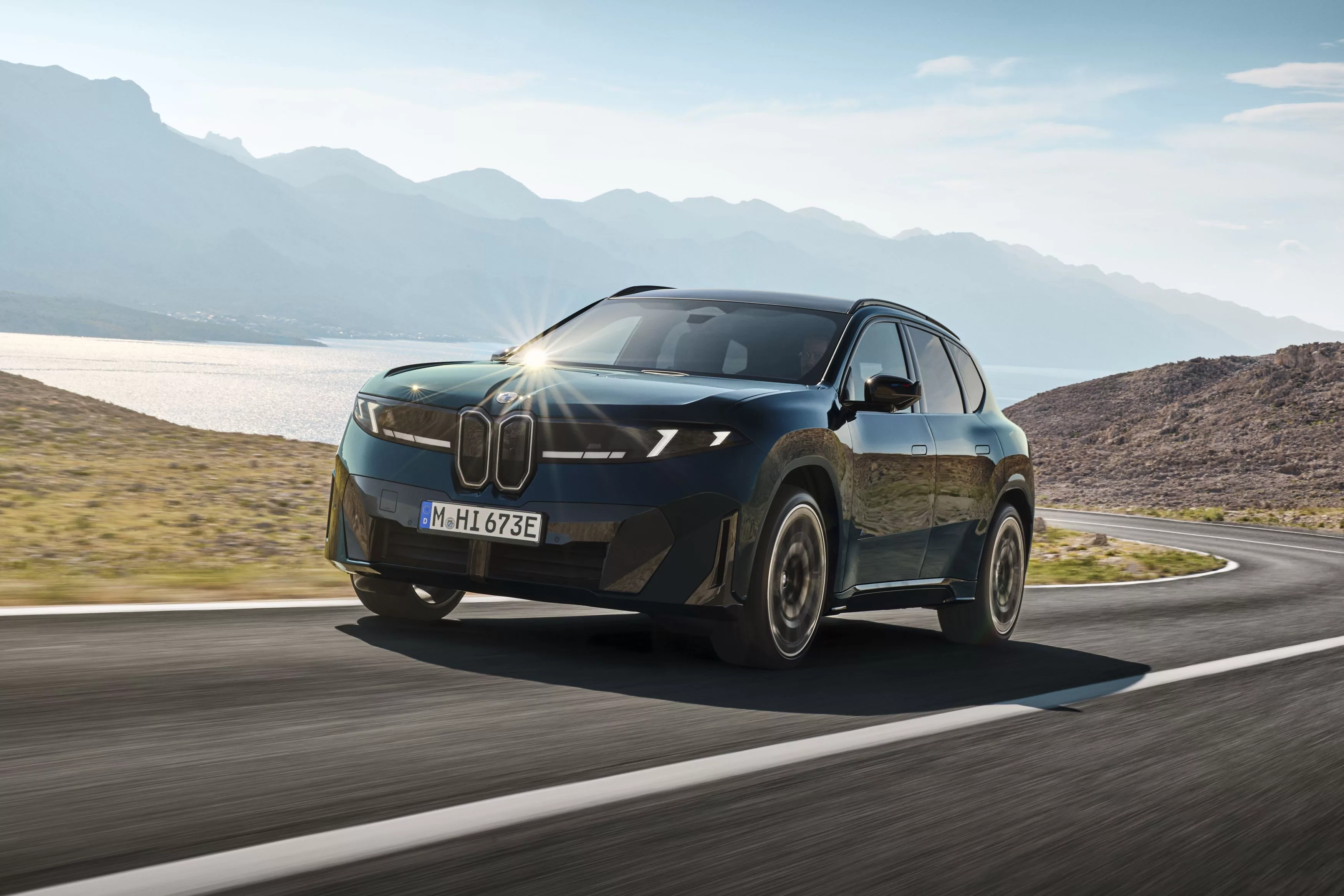
BMW’s new iX3 electric SUV has shown that a large battery and high kerb weight do not necessarily mean poorer handling. In a moose test conducted by Spanish motoring website km77, the iX3 50 xDrive completed the course at 73 km/h, beating the significantly lighter, sportier petrol-powered X3 M50. Its slalom result was even more convincing, with the electric BMW matching the Porsche Macan.
The heavier electric car handled better
Km77 tested the new iX3 50 xDrive, whose twin-motor all-wheel-drive system develops 345 kW and 645 Nm. The test car was fitted with 22-inch wheels and Pirelli P Zero E tyres.
In the moose test, the iX3 completed the abrupt evasive manoeuvre at 73 km/h without touching any cones. The petrol-powered X3 M50 managed a best speed of 69 km/h in the same test.
A difference of 4 km/h is not enormous, but the weight difference between the cars makes the result noteworthy. The electric iX3 weighs more than 200 kg more than its rival.
According to the testers, the iX3 remained better balanced during abrupt changes of direction. It did understeer as it approached its limit, but did so predictably and far more gently than the X3 M50.
With the petrol model, the testers were particularly surprised by the pronounced understeer, which made it harder to return quickly to the original lane.
The iX3 matched the Porsche Macan in the slalom
The electric BMW performed even better in the slalom test, recording a time of 22.7 seconds.
The second-generation petrol-powered Porsche Macan recorded exactly the same time. The electric Mercedes-Benz GLC 400 4Matic EQ was just 0.1 seconds faster.
By comparison, the X3 M50 needed 24 seconds to complete the same slalom course.
The testers praised the iX3’s precise steering feel and well-controlled body movements. There were no unexpected reactions from the rear axle during abrupt changes of direction, and the driver could easily adjust the car’s trajectory.
Neue Klasse shows its true value
The iX3 uses BMW’s new Neue Klasse electric vehicle platform, whose design differs fundamentally from that of the combustion-engined X3.
The 108.7 kWh battery mounted beneath the floor helps keep the centre of gravity low. Together with the new electronic control architecture and chassis tuning, this allows better control of body movements.
This does not mean, however, that electric cars always handle better than combustion-engined models. Suspension geometry, tyres, weight distribution and stability control settings affect the result at least as much as the type of powertrain.
In the BMW iX3, these factors appear to work well together. Nevertheless, the car’s moose test result remained below the 77 km/h threshold, an important benchmark in km77’s tests.
In the European market, the iX3 primarily competes with the electric Mercedes-Benz GLC and Porsche Macan. The BMW’s 345 kW output, WLTP range of up to 805 km and 400 kW charging capability give it a strong technical starting point.
The moose test adds something that specification sheets cannot show: evidence that BMW’s new electric architecture can also deliver good handling.


