
BMW iX5 Hydrogen gets a new hydrogen tank and pushes range to 750 kilometres
 1/7
1/7 


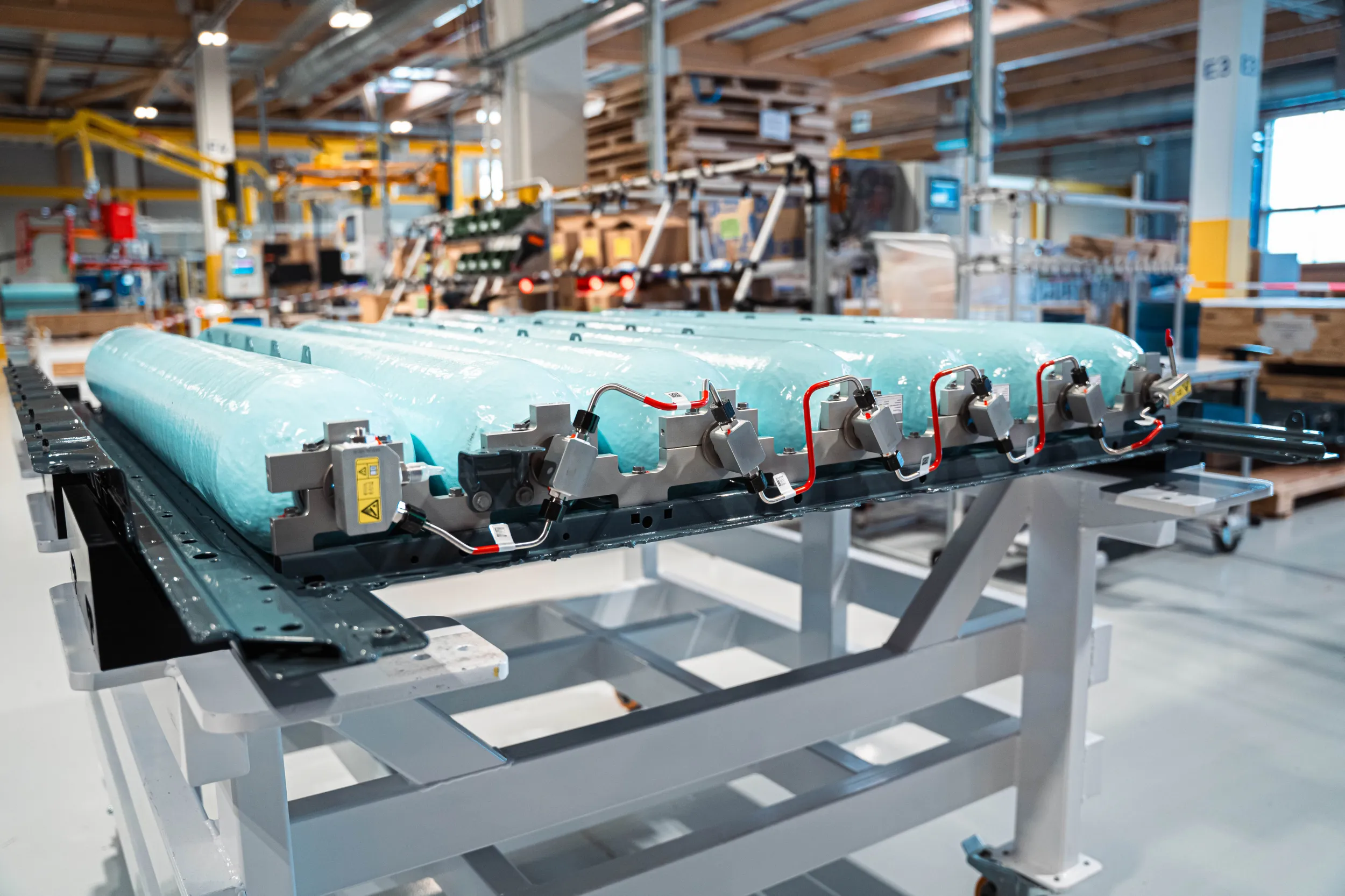
BMW is preparing the production bound iX5 Hydrogen for 2028 with a new “Flat Storage” tank system that stores at least seven kilograms of hydrogen, refuels in under five minutes and promises an estimated range of up to 750 kilometres. The more important part of the story, though, is packaging. BMW says the new setup fits under the X5 floor without sacrificing cabin space and allows the hydrogen version to run down the same production line as the petrol, diesel, plug in hybrid and full electric models.
BMW is not talking about just another hydrogen tank this time. The company is replacing its earlier twin tank layout with a new architecture built around seven carbon fibre reinforced composite high pressure tanks. These are connected in parallel and housed within a strong metal frame. Rather than treating each tank as a separate pressure vessel, BMW combines several chambers into one sealed unit controlled by a central main valve. According to the company, that improves both energy density and packaging flexibility, which rather neatly explains why it has already filed several patent applications around the concept.
The real weight of the announcement lies in how the system fits into the car. BMW says the geometry of the new hydrogen tanks works alongside the Gen6 high voltage battery without eating into passenger space. In other words, the hydrogen X5 should not force the usual compromise in which an alternative powertrain steals boot space, rear seat room or floor height. At the same time, the vehicle structure gives the 700 bar tanks extra mechanical protection, strengthening the safety case as well. BMW is trying to prove a fairly clear point here. A hydrogen X5 should feel like a normal X5 to the customer, not like a piece of laboratory equipment on wheels.
Compared with the current iX5 Hydrogen pilot fleet, the change is substantial. The earlier test car used two 700 bar CFRP tanks with a combined capacity of six kilograms of hydrogen, good for a WLTP range of 504 kilometres. BMW now says the new system raises storage capacity to at least seven kilograms and pushes driving range to as much as 750 kilometres. That suggests the brand is no longer treating hydrogen as a useful demonstration piece. It is trying to answer a much more practical question, namely how to make a fuel cell large SUV feel as effortless in everyday use as a diesel or petrol model.
In March, BMW confirmed that the new X5 will appear in public in summer 2026 and become the first BMW offered with five different powertrains, petrol, diesel, plug in hybrid, battery electric and, from 2028, a hydrogen fuel cell version. That makes the X5 the clearest expression yet of BMW’s technology neutral strategy. The company is not picking one winner here. It is building a single vehicle around several possible market and regulatory outcomes at once.
BMW is not working alone on the fuel cell side either. The new iX5 Hydrogen uses a third generation system developed together with Toyota. Back in 2024, the two companies said they would take that partnership into its next phase, with the aim of bringing a broader range of fuel cell passenger cars to market by 2028. For BMW, that means lower development costs and a faster route to maturity for the technology, while still keeping control of its own driving character, software and product positioning.
That, perhaps, is the more telling part of the whole exercise. BMW is not presenting hydrogen as a romantic alternative to the battery car. It is treating it as one more way to keep the X5 useful, familiar and commercially relevant in a market that still refuses to settle on a single answer.
The real weight of the announcement lies in how the system fits into the car. BMW says the geometry of the new hydrogen tanks works alongside the Gen6 high voltage battery without eating into passenger space. In other words, the hydrogen X5 should not force the usual compromise in which an alternative powertrain steals boot space, rear seat room or floor height. At the same time, the vehicle structure gives the 700 bar tanks extra mechanical protection, strengthening the safety case as well. BMW is trying to prove a fairly clear point here. A hydrogen X5 should feel like a normal X5 to the customer, not like a piece of laboratory equipment on wheels.
Compared with the current iX5 Hydrogen pilot fleet, the change is substantial. The earlier test car used two 700 bar CFRP tanks with a combined capacity of six kilograms of hydrogen, good for a WLTP range of 504 kilometres. BMW now says the new system raises storage capacity to at least seven kilograms and pushes driving range to as much as 750 kilometres. That suggests the brand is no longer treating hydrogen as a useful demonstration piece. It is trying to answer a much more practical question, namely how to make a fuel cell large SUV feel as effortless in everyday use as a diesel or petrol model.
In March, BMW confirmed that the new X5 will appear in public in summer 2026 and become the first BMW offered with five different powertrains, petrol, diesel, plug in hybrid, battery electric and, from 2028, a hydrogen fuel cell version. That makes the X5 the clearest expression yet of BMW’s technology neutral strategy. The company is not picking one winner here. It is building a single vehicle around several possible market and regulatory outcomes at once.
BMW is not working alone on the fuel cell side either. The new iX5 Hydrogen uses a third generation system developed together with Toyota. Back in 2024, the two companies said they would take that partnership into its next phase, with the aim of bringing a broader range of fuel cell passenger cars to market by 2028. For BMW, that means lower development costs and a faster route to maturity for the technology, while still keeping control of its own driving character, software and product positioning.
That, perhaps, is the more telling part of the whole exercise. BMW is not presenting hydrogen as a romantic alternative to the battery car. It is treating it as one more way to keep the X5 useful, familiar and commercially relevant in a market that still refuses to settle on a single answer.


