
Chevrolet Could Turn the Wuling Bingo Pro into an Affordable Electric Hatchback
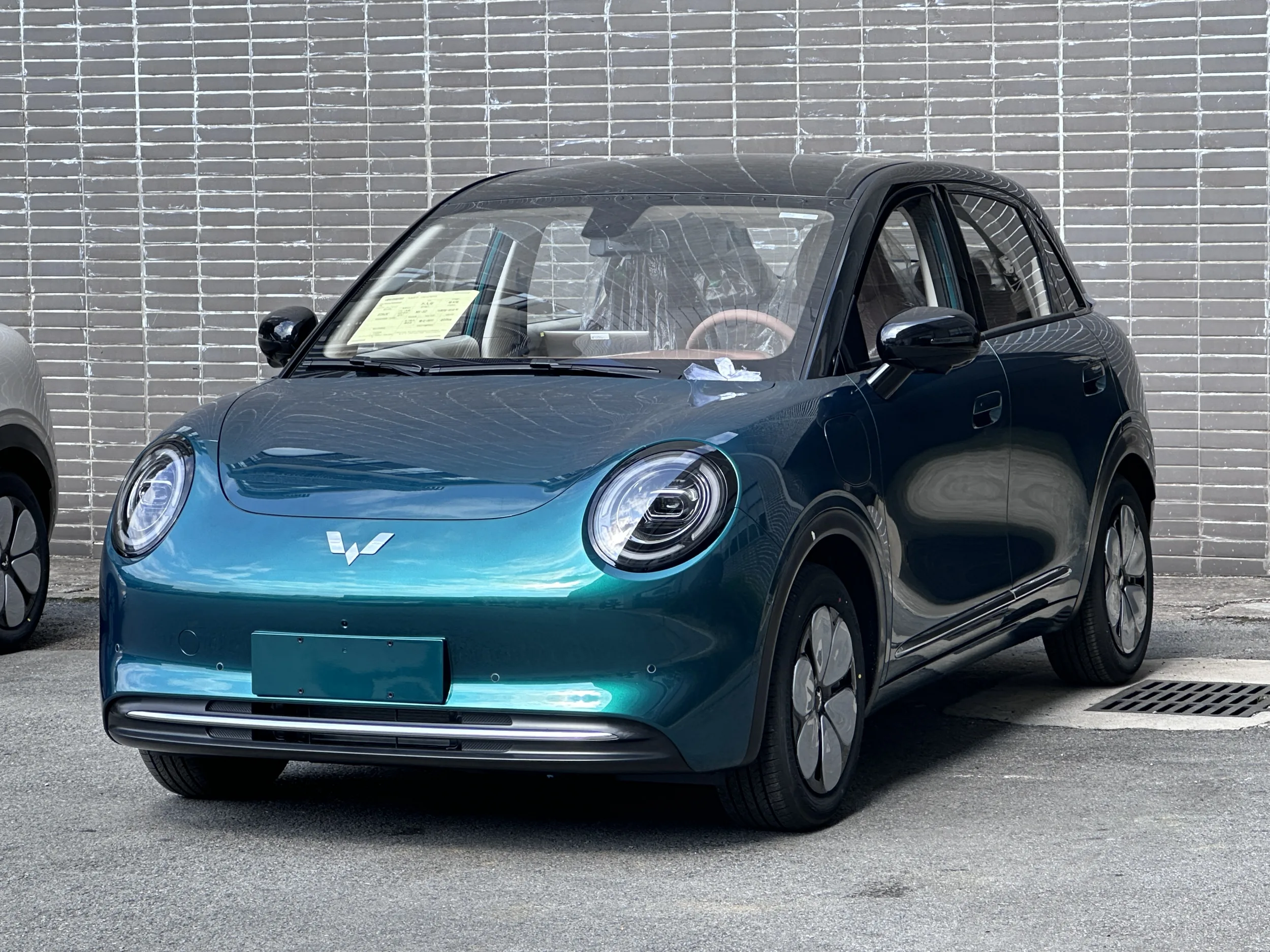
General Motors is considering selling the popular Wuling Bingo Pro under the Chevrolet badge. The roughly four-metre electric hatchback costs less than €10,000 in its home market, offers a choice of two LFP batteries and delivers up to 403 kilometres of CLTC range. For now, however, GM is targeting emerging markets rather than Europe.
GM would choose an existing car rather than develop a new platform
Citing industry sources, GM Authority reports that General Motors is exploring the possibility of licensing the Bingo Pro from its Chinese joint venture, SAIC-GM-Wuling, and adapting it into an affordable Chevrolet EV.
Brazil and Mexico are the main markets under consideration, although the model could also reach other urbanised regions in Latin America, Africa and Asia. Small, affordable cars continue to command a substantial market share in these areas, while the selection of electric vehicles is expanding rapidly.
The project has yet to receive official approval. The Chevrolet version’s name, price, production launch and exact list of markets all remain unknown. GM would probably redesign the front and rear, add Chevrolet badges and give the car a different name from its Wuling counterpart.
This kind of badge engineering is nothing new for the group. The Chevrolet Spark EUV is based on the Baojun Yep Plus, while the confirmed Captiva EV is derived from the Wuling Starlight S. Both come from the same SAIC-GM-Wuling product family.
65 kW and five seats make it a proper car
The Bingo Pro measures 4,050 mm long, 1,758 mm wide and 1,580 mm tall, with a wheelbase of 2,560 mm. It is therefore a five-door, five-seat hatchback rather than a four-seat microcar.
A 65 kW electric motor drives the front wheels and produces 110 Nm of peak torque. Top speed is limited to 130 km/h. Wuling has not published an acceleration figure, but the powertrain is clearly focused on affordability, efficiency and urban driving rather than winning traffic-light drag races.
The boot holds 380 litres with the rear seats in place, expanding to 1,370 litres when they are folded. There is also a 30-litre storage compartment under the bonnet, providing somewhere to stow the charging cables. Those figures give the Bingo Pro enough practicality to serve as a small family’s only car.
Depending on trim level, equipment includes a 12.8-inch central display, an 8.8-inch instrument cluster, a powered tailgate, autonomous emergency braking, automated parking and a so-called 540-degree camera system. Chevrolet may adjust the equipment specification for individual markets.
Two LFP batteries are available in China
Wuling offers the Bingo Pro with 31.9 and 37.9 kWh lithium iron phosphate batteries. The smaller battery delivers 330 km of range on China’s CLTC cycle, while the larger unit raises that figure to 403 km.
The batteries also differ in charging speed. The 31.9 kWh battery uses 1C charging and takes around 35 minutes to go from 30 to 80 per cent. The liquid-cooled 37.9 kWh battery supports 3C charging and completes the same task in 15 minutes. A V2L function can supply external devices with up to 3.3 kW of power.
A range of 403 kilometres sounds almost fanciful for such a small battery, but the CLTC cycle is more generous than Europe’s WLTP procedure. The two figures cannot be compared directly. If the car were homologated for Europe, its official WLTP range would probably be lower, although the manufacturer has yet to publish a corresponding figure.
The BYD Dolphin Surf offers a useful benchmark. It is 60 mm shorter than the Bingo Pro and also uses a 65 kW motor in its entry-level front-wheel-drive version. The European Dolphin Surf Boost combines a 43.2 kWh battery with a WLTP range of up to 322 kilometres. Wuling’s 403 km CLTC figure therefore does not automatically mean that its smaller 37.9 kWh battery would take the car farther in real-world driving.
Chinese prices start at around €7,350
The Bingo Pro went on sale in China in May 2026 in four versions, priced from 56,800 to 70,800 yuan, approximately €7,350–€9,160.
In June alone, SAIC-GM-Wuling sold 21,085 Bingo Pros to Chinese dealers. This would give GM a proven production model that has already attracted genuine market demand. Using it as a starting point could reduce development costs and bring the Chevrolet version to market faster than creating an entirely new model.
The Chevrolet would probably cost more outside China. If GM exported fully built cars from China, the price would also have to cover shipping, local taxes, type approval, compliance with safety regulations, software adaptation, warranties and dealer-network costs. Local assembly could reduce some of those expenses.
The model is not currently destined for Europe
Europe does not feature in the market plans reported so far. Even if the car were eventually sold here, its €7,350 Chinese price would not provide a realistic starting point.
Under the European Union’s tariff rules for Chinese electric vehicles, SAIC-GM-Wuling falls within the SAIC group. EVs manufactured in China by companies in this group are currently subject to a 35.3 per cent countervailing duty. Adding a Chevrolet badge would change neither the manufacturer nor the country of origin.
The Bingo Pro would also require European type approval, WLTP testing, driver-assistance systems that comply with local regulations and potentially additional safety features. A European version would therefore compete with the BYD Dolphin Surf, Leapmotor T03 and Dacia Spring rather than China’s €7,000 electric cars.
Nevertheless, the Bingo Pro demonstrates the scale of the advantage GM gains from its stake in the Chinese joint venture. Instead of developing a new affordable EV from scratch, Chevrolet could take an existing hatchback, attach its gold bowtie and send it to markets where price matters more than the model’s place of birth.
Citing industry sources, GM Authority reports that General Motors is exploring the possibility of licensing the Bingo Pro from its Chinese joint venture, SAIC-GM-Wuling, and adapting it into an affordable Chevrolet EV.
Brazil and Mexico are the main markets under consideration, although the model could also reach other urbanised regions in Latin America, Africa and Asia. Small, affordable cars continue to command a substantial market share in these areas, while the selection of electric vehicles is expanding rapidly.
The project has yet to receive official approval. The Chevrolet version’s name, price, production launch and exact list of markets all remain unknown. GM would probably redesign the front and rear, add Chevrolet badges and give the car a different name from its Wuling counterpart.
This kind of badge engineering is nothing new for the group. The Chevrolet Spark EUV is based on the Baojun Yep Plus, while the confirmed Captiva EV is derived from the Wuling Starlight S. Both come from the same SAIC-GM-Wuling product family.
65 kW and five seats make it a proper car
The Bingo Pro measures 4,050 mm long, 1,758 mm wide and 1,580 mm tall, with a wheelbase of 2,560 mm. It is therefore a five-door, five-seat hatchback rather than a four-seat microcar.
A 65 kW electric motor drives the front wheels and produces 110 Nm of peak torque. Top speed is limited to 130 km/h. Wuling has not published an acceleration figure, but the powertrain is clearly focused on affordability, efficiency and urban driving rather than winning traffic-light drag races.
The boot holds 380 litres with the rear seats in place, expanding to 1,370 litres when they are folded. There is also a 30-litre storage compartment under the bonnet, providing somewhere to stow the charging cables. Those figures give the Bingo Pro enough practicality to serve as a small family’s only car.
Depending on trim level, equipment includes a 12.8-inch central display, an 8.8-inch instrument cluster, a powered tailgate, autonomous emergency braking, automated parking and a so-called 540-degree camera system. Chevrolet may adjust the equipment specification for individual markets.
Two LFP batteries are available in China
Wuling offers the Bingo Pro with 31.9 and 37.9 kWh lithium iron phosphate batteries. The smaller battery delivers 330 km of range on China’s CLTC cycle, while the larger unit raises that figure to 403 km.
The batteries also differ in charging speed. The 31.9 kWh battery uses 1C charging and takes around 35 minutes to go from 30 to 80 per cent. The liquid-cooled 37.9 kWh battery supports 3C charging and completes the same task in 15 minutes. A V2L function can supply external devices with up to 3.3 kW of power.
A range of 403 kilometres sounds almost fanciful for such a small battery, but the CLTC cycle is more generous than Europe’s WLTP procedure. The two figures cannot be compared directly. If the car were homologated for Europe, its official WLTP range would probably be lower, although the manufacturer has yet to publish a corresponding figure.
The BYD Dolphin Surf offers a useful benchmark. It is 60 mm shorter than the Bingo Pro and also uses a 65 kW motor in its entry-level front-wheel-drive version. The European Dolphin Surf Boost combines a 43.2 kWh battery with a WLTP range of up to 322 kilometres. Wuling’s 403 km CLTC figure therefore does not automatically mean that its smaller 37.9 kWh battery would take the car farther in real-world driving.
Chinese prices start at around €7,350
The Bingo Pro went on sale in China in May 2026 in four versions, priced from 56,800 to 70,800 yuan, approximately €7,350–€9,160.
In June alone, SAIC-GM-Wuling sold 21,085 Bingo Pros to Chinese dealers. This would give GM a proven production model that has already attracted genuine market demand. Using it as a starting point could reduce development costs and bring the Chevrolet version to market faster than creating an entirely new model.
The Chevrolet would probably cost more outside China. If GM exported fully built cars from China, the price would also have to cover shipping, local taxes, type approval, compliance with safety regulations, software adaptation, warranties and dealer-network costs. Local assembly could reduce some of those expenses.
The model is not currently destined for Europe
Europe does not feature in the market plans reported so far. Even if the car were eventually sold here, its €7,350 Chinese price would not provide a realistic starting point.
Under the European Union’s tariff rules for Chinese electric vehicles, SAIC-GM-Wuling falls within the SAIC group. EVs manufactured in China by companies in this group are currently subject to a 35.3 per cent countervailing duty. Adding a Chevrolet badge would change neither the manufacturer nor the country of origin.
The Bingo Pro would also require European type approval, WLTP testing, driver-assistance systems that comply with local regulations and potentially additional safety features. A European version would therefore compete with the BYD Dolphin Surf, Leapmotor T03 and Dacia Spring rather than China’s €7,000 electric cars.
Nevertheless, the Bingo Pro demonstrates the scale of the advantage GM gains from its stake in the Chinese joint venture. Instead of developing a new affordable EV from scratch, Chevrolet could take an existing hatchback, attach its gold bowtie and send it to markets where price matters more than the model’s place of birth.


