Chinese court sets legal precedent for crashes involving semi autonomous systems
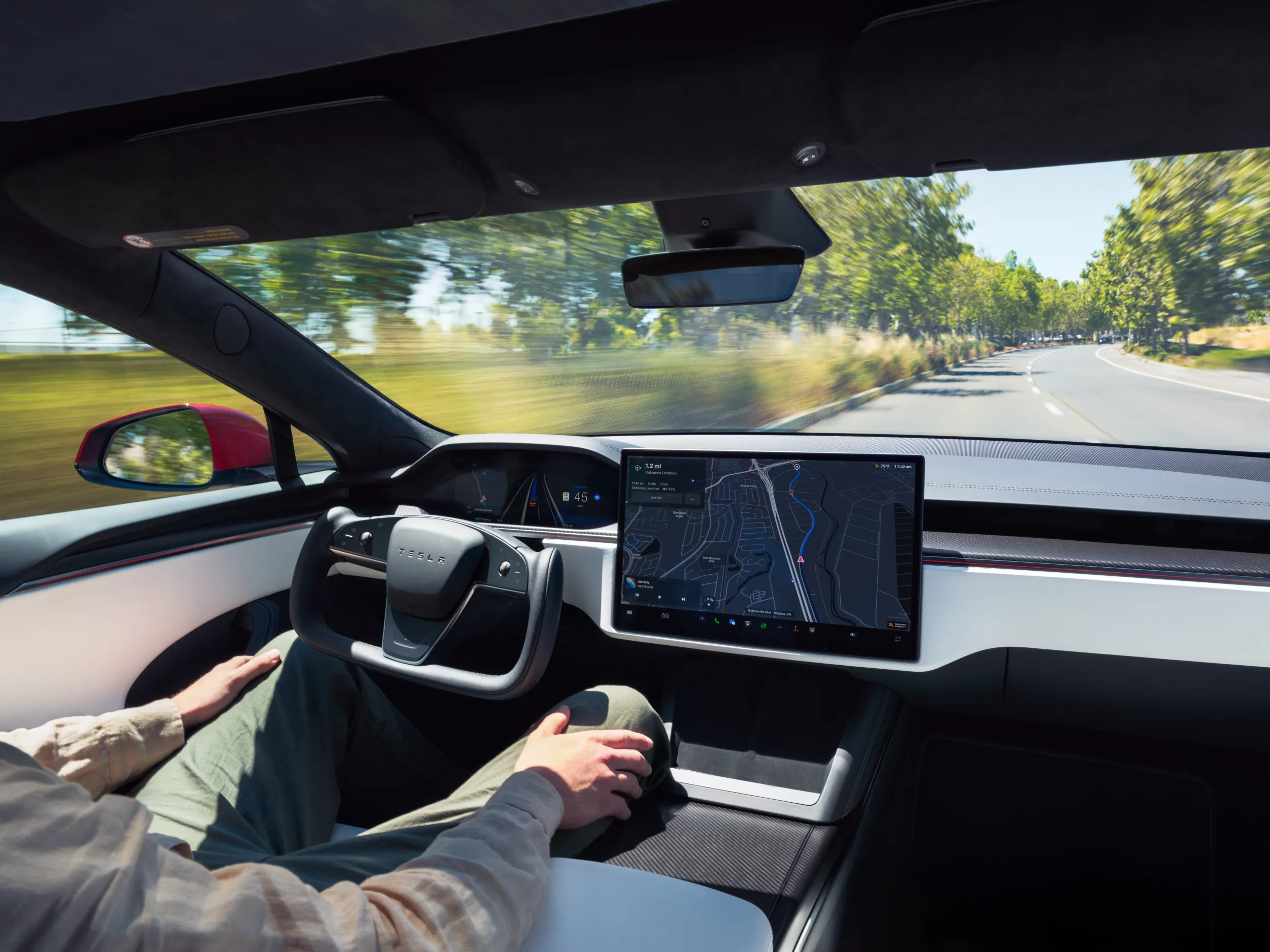
A Chinese court has delivered a landmark ruling that clarifies liability boundaries in accidents involving semi autonomous driving systems. The case, brought by a Tesla owner after a collision with roadworks signage, forces technology companies and insurers to reassess their risk models. The court’s conclusion was unambiguous. Responsibility remains with the human driver, not the software.
The accident occurred when the vehicle’s driver assistance system failed to correctly identify a static obstacle in the lane. The owner sought to hold Tesla accountable, arguing that the system’s shortcomings contributed directly to the crash.
The court disagreed.
Level 2 means driver responsibility
Judges determined that Tesla’s user manual and on screen warnings clearly explain the limitations of its Level 2 driver assistance features. Under internationally recognised definitions, Level 2 systems assist with steering and acceleration but require continuous driver supervision.
The ruling emphasised that such systems remain supportive tools. They do not replace the driver. If the driver fails to monitor the road or intervene in time, liability stays with the person behind the wheel.
This distinction becomes clearer when compared with higher autonomy levels.
Mercedes-Benz, for example, accepts legal responsibility for faults in its Drive Pilot system under defined conditions at Level 3. At that level, the manufacturer assumes liability within a specific operational domain.
By contrast, companies such as Waymo operate Level 4 robotaxi services, where no human intervention is expected. In those cases, the service provider bears responsibility for system performance.
The Chinese court underlined that Tesla’s system does not fall into either category.
Strategic implications for manufacturers
The decision shields carmakers from a wave of potential lawsuits linked to driver assistance failures, at least while their systems remain classified as Level 2. It reinforces a conservative legal framework that separates advanced driver assistance from true autonomy.
For Tesla and its chief executive Elon Musk, who has repeatedly promised full self driving capability, the ruling underscores the gap between marketing ambition and legal reality. Until vehicles reach certified higher autonomy levels, the burden of vigilance remains with drivers.
The implications extend beyond Tesla. Major Chinese manufacturers such as Geely and SAIC Motor can now integrate increasingly sophisticated driver assistance systems with greater legal certainty. As long as the systems are positioned and classified as Level 2, courts are likely to interpret failures through the lens of driver responsibility.
Insurance and market stability
For insurers, the ruling offers clarity. If system limitations are clearly communicated and the technology remains assistive rather than autonomous, existing liability models do not require immediate overhaul. Premium calculations can continue to treat such incidents as driver related rather than product liability cases.
That reduces financial pressure on manufacturers, who might otherwise have had to factor large scale litigation risk into vehicle pricing.
The broader message is measured rather than revolutionary. Autonomous driving may advance rapidly in engineering terms, but the legal framework evolves cautiously. In China, at least for now, the law draws a firm line. Assistance does not equal autonomy. And as long as that line holds, the human driver remains the final authority and the final point of blame.
The court disagreed.
Level 2 means driver responsibility
Judges determined that Tesla’s user manual and on screen warnings clearly explain the limitations of its Level 2 driver assistance features. Under internationally recognised definitions, Level 2 systems assist with steering and acceleration but require continuous driver supervision.
The ruling emphasised that such systems remain supportive tools. They do not replace the driver. If the driver fails to monitor the road or intervene in time, liability stays with the person behind the wheel.
This distinction becomes clearer when compared with higher autonomy levels.
Mercedes-Benz, for example, accepts legal responsibility for faults in its Drive Pilot system under defined conditions at Level 3. At that level, the manufacturer assumes liability within a specific operational domain.
By contrast, companies such as Waymo operate Level 4 robotaxi services, where no human intervention is expected. In those cases, the service provider bears responsibility for system performance.
The Chinese court underlined that Tesla’s system does not fall into either category.
Strategic implications for manufacturers
The decision shields carmakers from a wave of potential lawsuits linked to driver assistance failures, at least while their systems remain classified as Level 2. It reinforces a conservative legal framework that separates advanced driver assistance from true autonomy.
For Tesla and its chief executive Elon Musk, who has repeatedly promised full self driving capability, the ruling underscores the gap between marketing ambition and legal reality. Until vehicles reach certified higher autonomy levels, the burden of vigilance remains with drivers.
The implications extend beyond Tesla. Major Chinese manufacturers such as Geely and SAIC Motor can now integrate increasingly sophisticated driver assistance systems with greater legal certainty. As long as the systems are positioned and classified as Level 2, courts are likely to interpret failures through the lens of driver responsibility.
Insurance and market stability
For insurers, the ruling offers clarity. If system limitations are clearly communicated and the technology remains assistive rather than autonomous, existing liability models do not require immediate overhaul. Premium calculations can continue to treat such incidents as driver related rather than product liability cases.
That reduces financial pressure on manufacturers, who might otherwise have had to factor large scale litigation risk into vehicle pricing.
The broader message is measured rather than revolutionary. Autonomous driving may advance rapidly in engineering terms, but the legal framework evolves cautiously. In China, at least for now, the law draws a firm line. Assistance does not equal autonomy. And as long as that line holds, the human driver remains the final authority and the final point of blame.


