
Car dealer faces at least €1.65m bill over hidden 2% fee
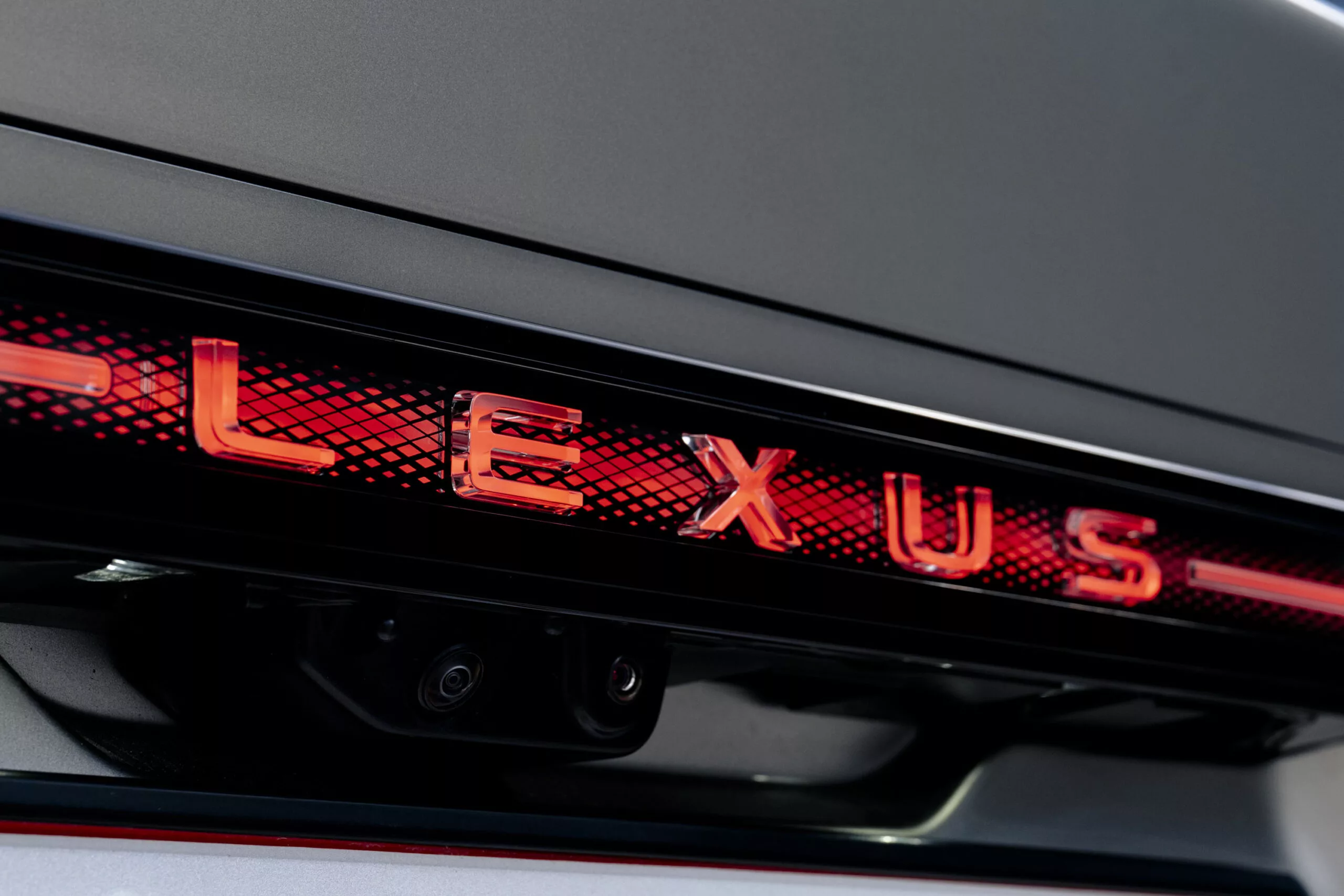
A 2% surcharge may look small enough in a contract to escape close scrutiny. Multiplied by the price of a BMW or Lexus, however, it quickly reaches four figures. An investigation in New York State found that local auto group DARCARS presented such a fee as a sales commission, even though the money did not go to the salesperson, the charge was not mandatory and customers received virtually nothing in return. Two dealerships will now refund more than €1.03 million to customers, while DARCARS will pay a further roughly €615,000 penalty.
One complaint lifted the lid on the scheme
The New York State Attorney General’s Office began investigating DARCARS Lexus in February 2022. It was prompted by a customer complaint after a “sales commission” of more than €615 appeared in the buyer’s purchase agreement without having been clearly disclosed before the transaction.
Investigators found that DARCARS Lexus began charging the 2% fee in October 2021. DARCARS BMW adopted the same practice in August 2022. The dealerships added the fee as a pre-printed line item in sales and lease agreements. Although the contracts stated that the fee was not required by law, sales staff did not clearly tell customers that they could buy or lease the vehicle without paying it.
The matter became even more embarrassing when customers asked what they were actually paying for. According to New York investigators, employees described it, among other things, as a standard dealer fee or claimed that the money went to compensate the salesperson. Both explanations were false. In some cases, employees justified the charge by citing dealership costs and employee commissions.
DARCARS Lexus and DARCARS BMW were meanwhile advertising vehicles online at prices that excluded the 2% surcharge. This made the offers appear cheaper than rivals’ prices, but the final price rose when the sales agreement was signed. The Attorney General’s Office estimates that the dealerships made millions this way.
“Assurance” was essentially an expensive loyalty voucher
The 2% commission was not the only issue. The company also added an aftermarket package called DARCARS Assurance to contracts, giving customers the impression that it was mandatory when buying or leasing a vehicle.
One service in the package promised a credit of up to roughly €2,200 towards an insurance deductible if the vehicle was declared a total loss. The catch lay in the terms: the customer could use the benefit only if they bought or leased their next vehicle from the same dealership within 60 days. There was no immediate payout after an accident; in effect, it was a discount voucher for the next transaction.
Such add-on packages are exceptionally profitable in car sales, because before arriving at a dealership, customers usually compare the vehicle’s price rather than 10 potential line items at the end of a finance agreement. As the margin on the vehicle sale itself becomes increasingly transparent, financing, warranties, protection packages and other extras allow a dealer to build profit back into the transaction. In investigators’ view, DARCARS crossed that line because customers were not given an honest picture of what was voluntary.
Refunds exceed €1 million, with a penalty on top
Under the settlement, the Lexus dealership will refund approximately €785,000 to customers charged the sales commission between 23 October 2021 and 30 May 2022. Together, the two dealerships will also pay roughly €248,000 in other compensation.
Of that amount, approximately €103,000 will go to customers who complained about DARCARS Assurance, and around €145,000 to people who reported the misleading sales commission to the authorities. Customers who paid the same fees later may submit separate claims, meaning the final total of refunds could rise into the millions of euros.
In addition to the refunds, DARCARS will pay a penalty of roughly €615,000. The refunds identified so far and the penalty therefore mean a bill of at least approximately €1.65 million for the company. The amounts were converted into euros at the exchange rate of 28 September 2026.
The settlement requires the company to stop charging the sales commission and to clearly disclose all fees and additional services in future. The company may no longer sell DARCARS Assurance or a similar package at any of its New York dealerships. Sales, finance, marketing and advertising staff must complete annual fair trading practices training.
The same game would also be risky in Europe
European Union consumer protection rules are based on a fairly simple principle: buyers must be shown the total price, including taxes and foreseeable mandatory additional charges. The EU Consumer Rights Directive also requires a customer’s explicit consent to payments added to the price of the main transaction. A consumer may be entitled to a refund for an additional service slipped into a contract by default.
There is even a directly relevant ruling from the Court of Justice of the European Union. In case C-476/14, the court found that if a customer must inevitably pay the cost of delivering a car from the manufacturer to the dealer, the seller must include it in the advertised sale price. In other words, a price tag that looks attractive in search results and only swells at the counter is not a particularly clever business model under European regulations.
The DARCARS case is therefore more interesting than another story about disreputable “dealer fees”. It shows how profitable a small percentage can be at the end of a major transaction, and how quickly add-on selling becomes a problem when customers can no longer tell which part of the price is mandatory and which is voluntary.


