
Electric car enthusiasm cools as the world looks back to combustion engines
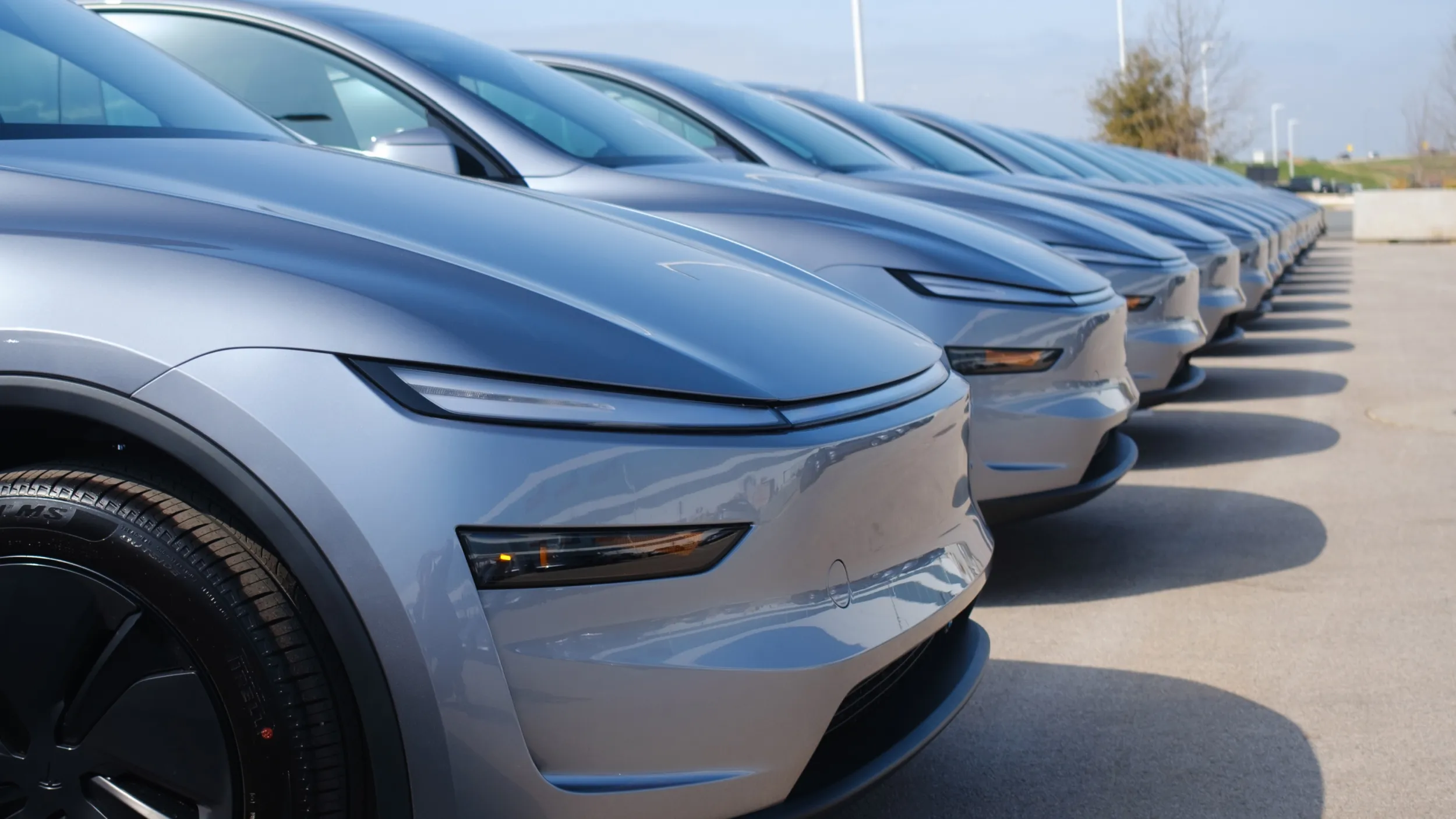
Not long ago the electric car felt like an almost inevitable next step. Now buyers are taking a more sober view. Several outlets, citing fresh data from consultancy EY, report that global interest in electric vehicles is fading, while the number of people favouring cars with internal combustion engines is rising. The shift did not emerge in a vacuum, but against a backdrop of political signals and uncertain promises.
According to the EY survey, nearly half of respondents plan to buy a combustion powered car within the next two years. That figure rose by 13 percent in a single year. Electric vehicles moved in the opposite direction. Their share fell by 10 percent, settling at just 14 percent.
Hybrid cars also lost some of their earlier appeal. Only 16 percent of respondents now see a hybrid as their next vehicle, a drop of five percent compared with last year. The overall picture looks less like steady transition and more like a partial reversal.
The study highlighted another telling number. Thirty six percent of people who previously considered buying an electric car either abandoned the idea or postponed it indefinitely. This does not amount to outright resistance to electrification. Instead, it reflects a decision to wait until the situation becomes clearer.
EY pointed to political developments in the United States and the European Union as key reasons behind the change in sentiment. Signals from these regions have made consumers question whether a full shift to electric cars will happen at the promised pace, or even at all.
The European Union is also weighing a five year delay to its ban on the sale of new cars with internal combustion engines. That would push the originally planned 2035 deadline to 2040. Such steps do not necessarily signal hostility towards electric vehicles, but they do alter the rules of the game. Consumers pick up on this quickly and adjust their expectations even faster.
The cooling of the electric car market suggests that technological change does not respond to regulation and slogans alone. Buyers weigh price, infrastructure and political consistency. When messages become vague, purchasing decisions turn cautious. Electric cars are not going away, but their path to mass adoption now looks slower and far more uneven than many were willing to admit just a year ago.
Hybrid cars also lost some of their earlier appeal. Only 16 percent of respondents now see a hybrid as their next vehicle, a drop of five percent compared with last year. The overall picture looks less like steady transition and more like a partial reversal.
The study highlighted another telling number. Thirty six percent of people who previously considered buying an electric car either abandoned the idea or postponed it indefinitely. This does not amount to outright resistance to electrification. Instead, it reflects a decision to wait until the situation becomes clearer.
EY pointed to political developments in the United States and the European Union as key reasons behind the change in sentiment. Signals from these regions have made consumers question whether a full shift to electric cars will happen at the promised pace, or even at all.
The European Union is also weighing a five year delay to its ban on the sale of new cars with internal combustion engines. That would push the originally planned 2035 deadline to 2040. Such steps do not necessarily signal hostility towards electric vehicles, but they do alter the rules of the game. Consumers pick up on this quickly and adjust their expectations even faster.
The cooling of the electric car market suggests that technological change does not respond to regulation and slogans alone. Buyers weigh price, infrastructure and political consistency. When messages become vague, purchasing decisions turn cautious. Electric cars are not going away, but their path to mass adoption now looks slower and far more uneven than many were willing to admit just a year ago.


