
The electric car revolution meets reality, why Excel beat ideology
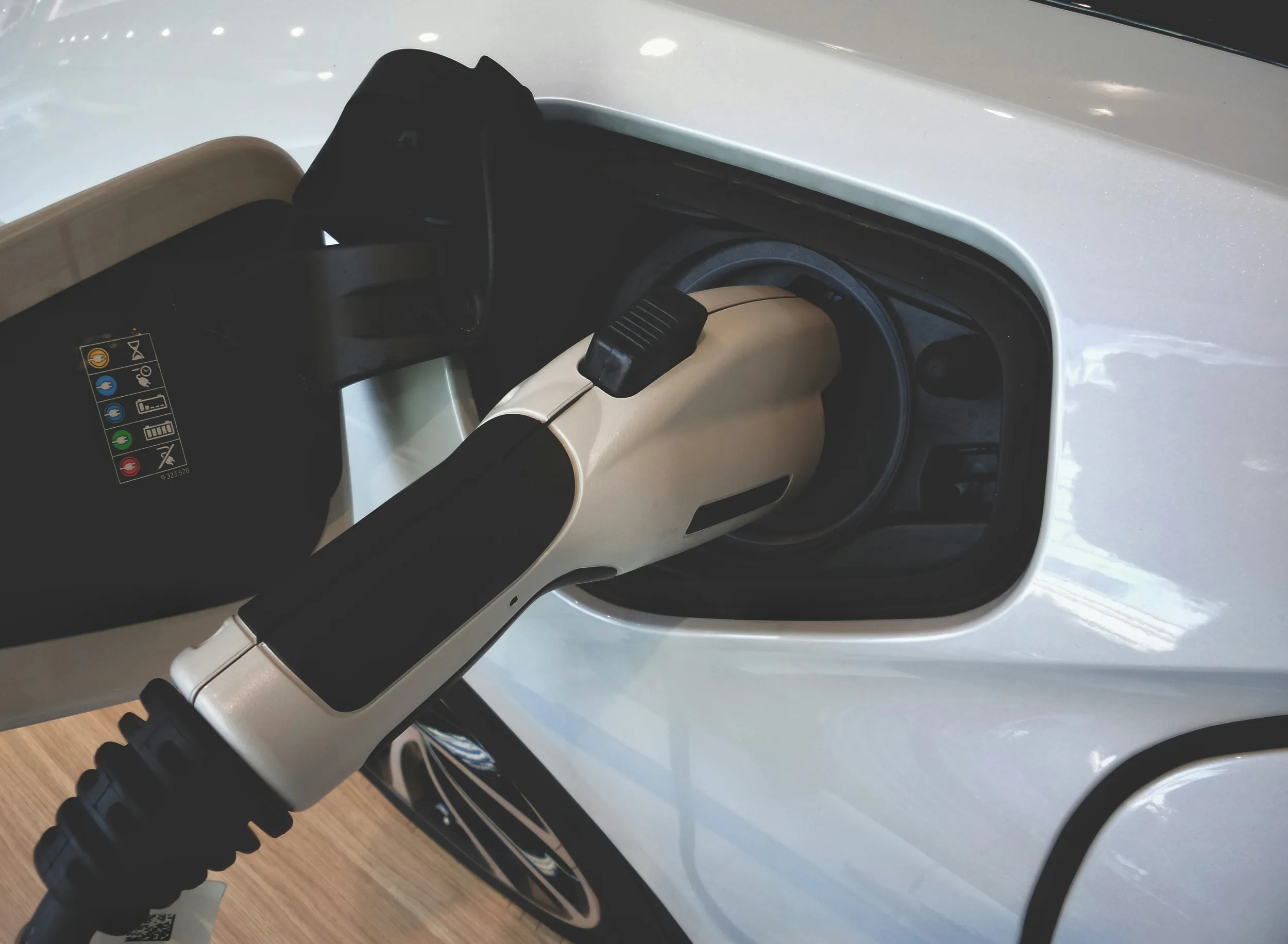
Only a few years ago, every automotive press conference opened with the same incantation. Total electrification. The inevitable death of the internal combustion engine. The future, we were told, was settled.
At the start of 2026, the mood looks very different. The slogans have faded, the applause has stopped, and car makers are back where they always end up, staring at Excel spreadsheets and adjusting strategy to fit the market rather than the manifesto.
A mass market reality check
The shift did not arrive with a bang. It crept in quietly. Manufacturers that once promised to go fully electric by the end of the decade now speak of flexible production and adapting to market conditions.
The basic fact is hard to escape. Electric car sales are growing, but not at the pace assumed by investments measured in billions. The mass market remains cautious because ordinary buyers do not purchase strategy documents. They buy cars. When residual values fall faster than expected and winter range fails to match brochure figures, purchases get postponed. For manufacturers, that is the nightmare scenario, idle factories and capital tied up with no return.
Sports car identity problem
A symbolic moment came when even Porsche, long a totem of automotive self confidence, started asking uncomfortable questions. The reassessment of the electric 718 programme showed that technical excellence does not automatically translate into emotional value.
The electric sports car faces three stubborn obstacles:
First, mass. Batteries add weight, dulling the lightness and immediacy that define the genre.
Second, cooling. Sustained high performance demands complex and expensive thermal systems.
Third, margin. Prices drift into territory where customers start questioning what, exactly, makes the car unique.
Curiously, Porsche’s hybrid models, including the Cayenne and Panamera, are selling better than ever. Customers are not rejecting technology. They are choosing solutions that expand freedom rather than impose limits.
When mathematics overrules ideology
Money eventually speaks with a volume that ideology cannot drown out. Industry giants such as Ford and General Motors reported vast losses in their electric divisions. Early on, those losses were framed as the price of future scale. That scale, however, has taken longer to arrive.
At the same time, pressure from low cost Chinese electric cars is intensifying, while political support schemes look increasingly uncertain. Investors do not reward good intentions. They reward predictability. As a result, several manufacturers now confirm that combustion engines and hybrids will remain in production longer than planned. These are the models that generate the cash needed to fund the next phase of development.
A more adult approach to mobility
What is unfolding is not the collapse of the electric car, but its normalisation. Electric vehicles are finding their natural home where they work best, in urban environments and in the hands of drivers with predictable routines. Hybrid technology remains an essential bridge for many others, and for some it may well be the final destination.
The car industry has entered a more grown up phase. It is no longer trying to save the world with loss making products that customers do not truly want. Instead, it is building cars people can afford, understand and choose willingly. Now that the blinding glare of revolution has dimmed, the electric car finally looks like a credible and lasting part of everyday traffic rather than a belief system on wheels.
A mass market reality check
The shift did not arrive with a bang. It crept in quietly. Manufacturers that once promised to go fully electric by the end of the decade now speak of flexible production and adapting to market conditions.
The basic fact is hard to escape. Electric car sales are growing, but not at the pace assumed by investments measured in billions. The mass market remains cautious because ordinary buyers do not purchase strategy documents. They buy cars. When residual values fall faster than expected and winter range fails to match brochure figures, purchases get postponed. For manufacturers, that is the nightmare scenario, idle factories and capital tied up with no return.
Sports car identity problem
A symbolic moment came when even Porsche, long a totem of automotive self confidence, started asking uncomfortable questions. The reassessment of the electric 718 programme showed that technical excellence does not automatically translate into emotional value.
The electric sports car faces three stubborn obstacles:
First, mass. Batteries add weight, dulling the lightness and immediacy that define the genre.
Second, cooling. Sustained high performance demands complex and expensive thermal systems.
Third, margin. Prices drift into territory where customers start questioning what, exactly, makes the car unique.
Curiously, Porsche’s hybrid models, including the Cayenne and Panamera, are selling better than ever. Customers are not rejecting technology. They are choosing solutions that expand freedom rather than impose limits.
When mathematics overrules ideology
Money eventually speaks with a volume that ideology cannot drown out. Industry giants such as Ford and General Motors reported vast losses in their electric divisions. Early on, those losses were framed as the price of future scale. That scale, however, has taken longer to arrive.
At the same time, pressure from low cost Chinese electric cars is intensifying, while political support schemes look increasingly uncertain. Investors do not reward good intentions. They reward predictability. As a result, several manufacturers now confirm that combustion engines and hybrids will remain in production longer than planned. These are the models that generate the cash needed to fund the next phase of development.
A more adult approach to mobility
What is unfolding is not the collapse of the electric car, but its normalisation. Electric vehicles are finding their natural home where they work best, in urban environments and in the hands of drivers with predictable routines. Hybrid technology remains an essential bridge for many others, and for some it may well be the final destination.
The car industry has entered a more grown up phase. It is no longer trying to save the world with loss making products that customers do not truly want. Instead, it is building cars people can afford, understand and choose willingly. Now that the blinding glare of revolution has dimmed, the electric car finally looks like a credible and lasting part of everyday traffic rather than a belief system on wheels.


