
Van and Truck of the Year Are Both Electric as Renault and Volvo Take Top Honours in Hannover
 1/6
1/6
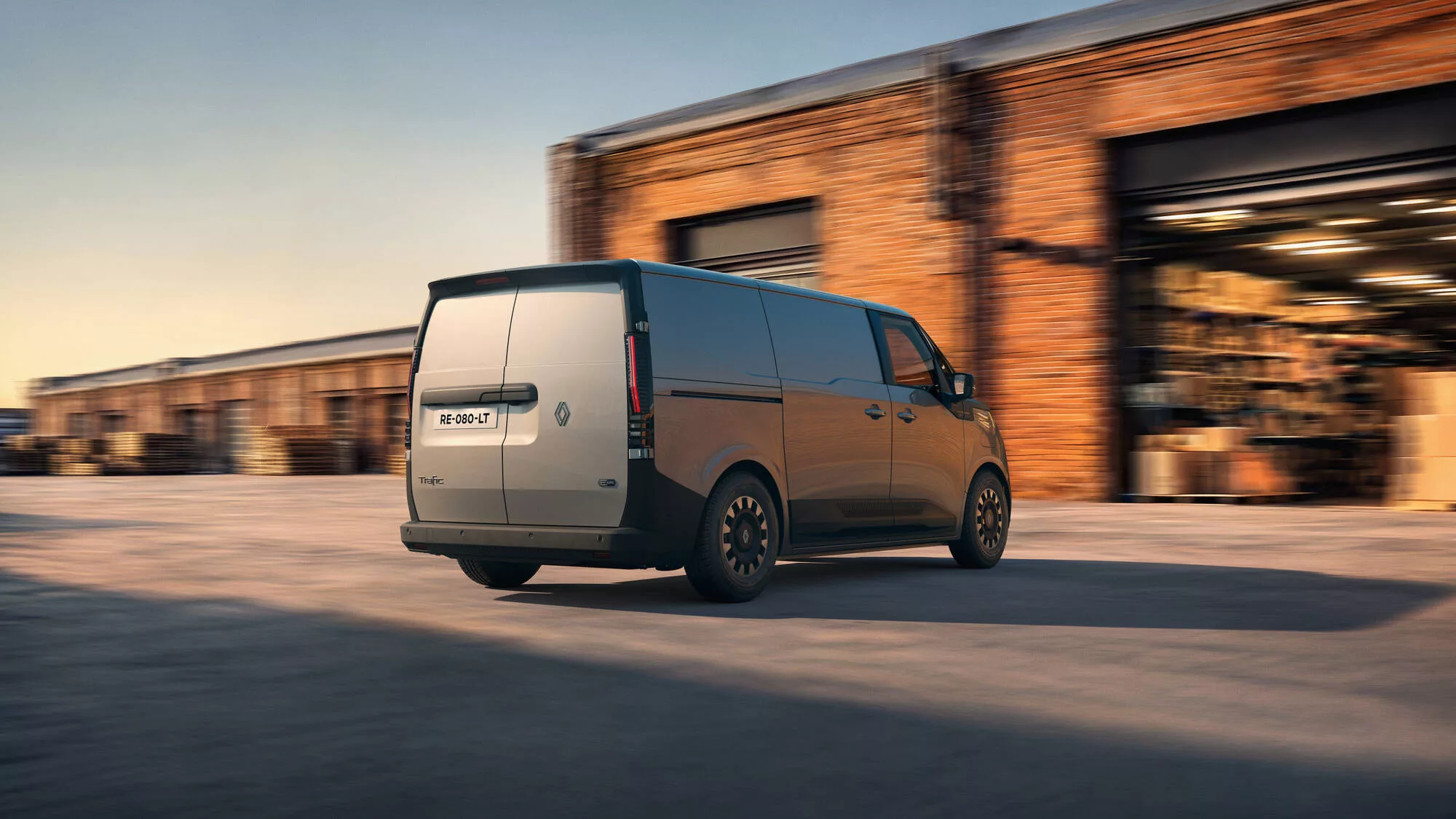
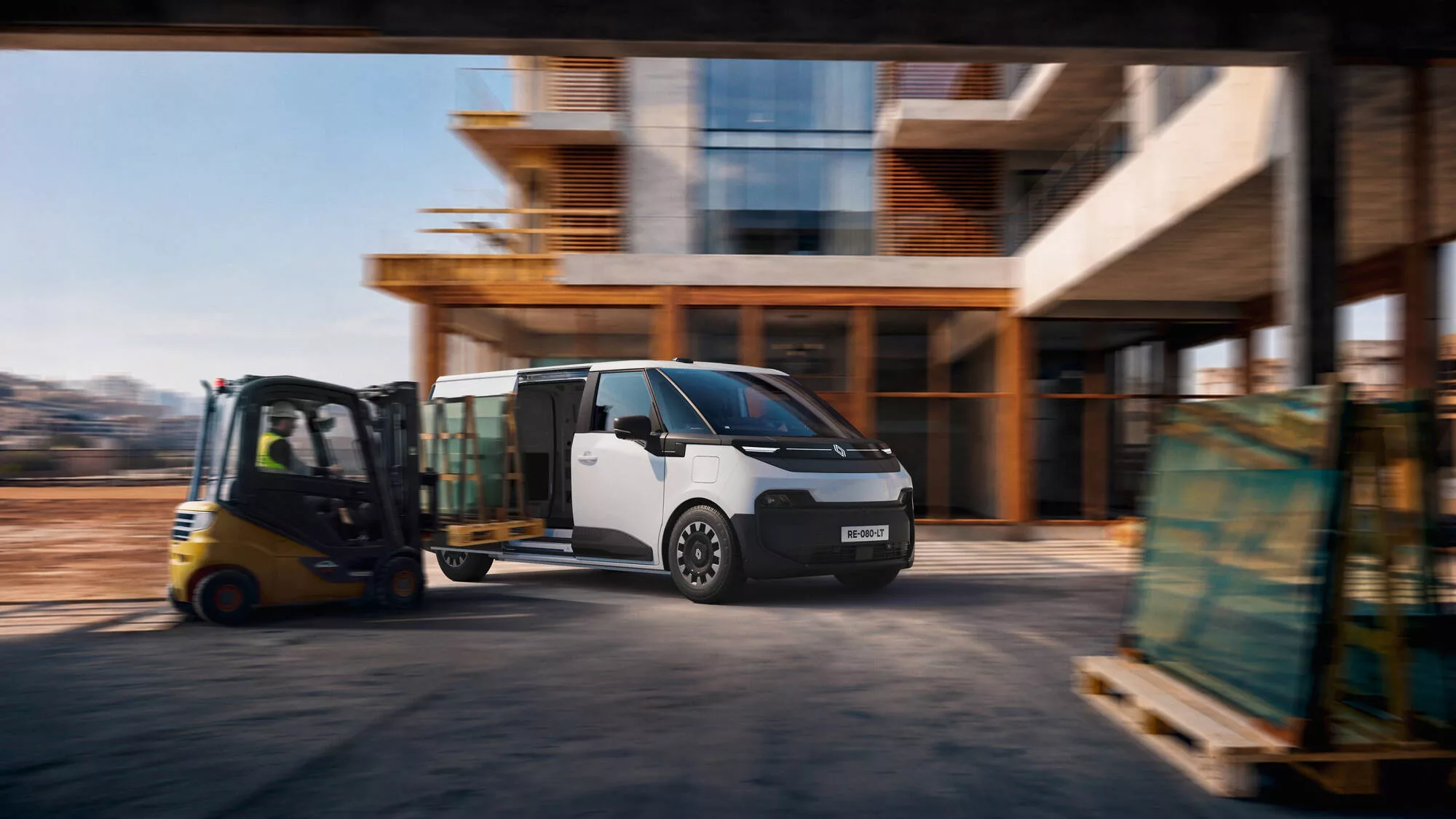
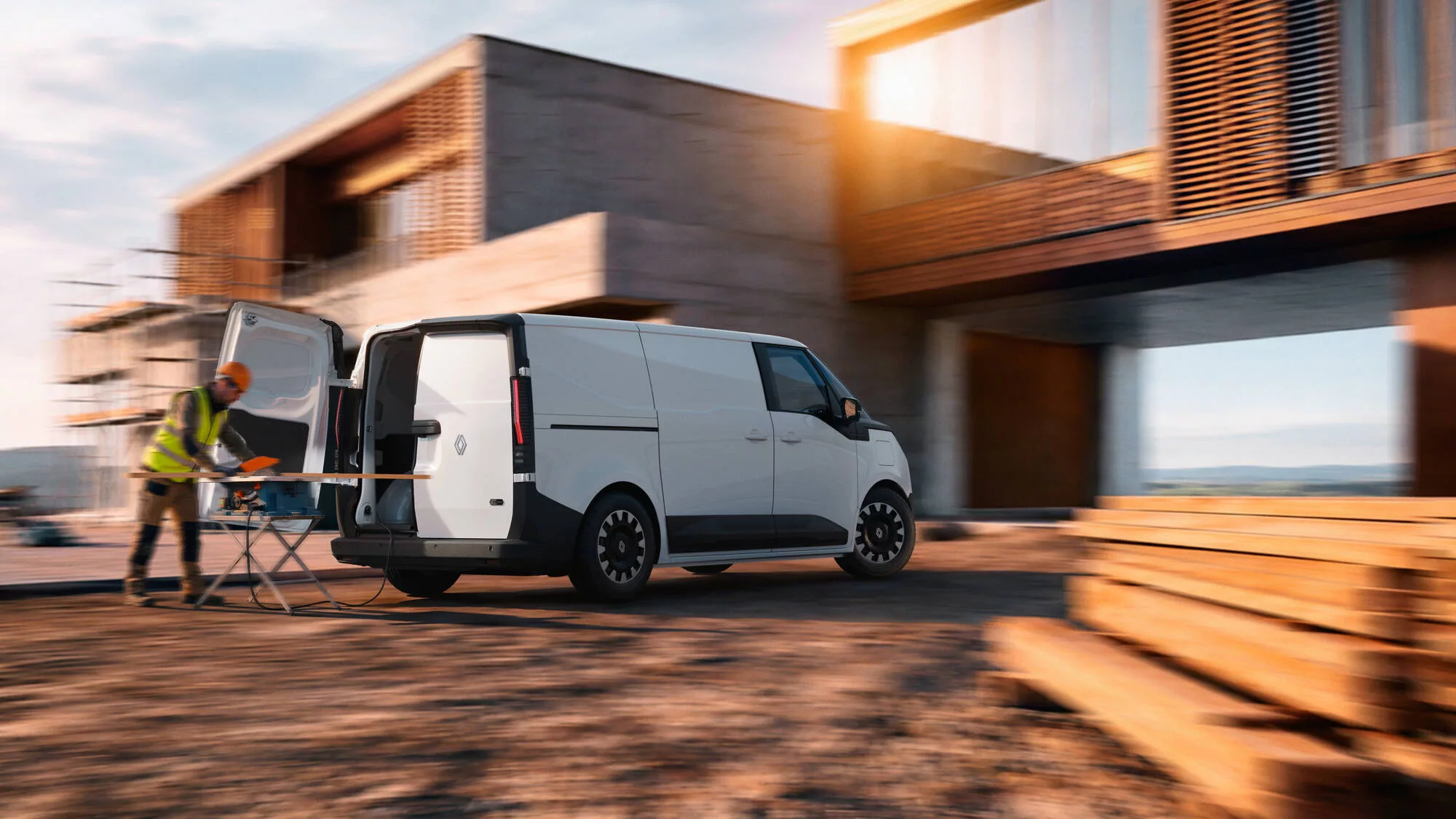
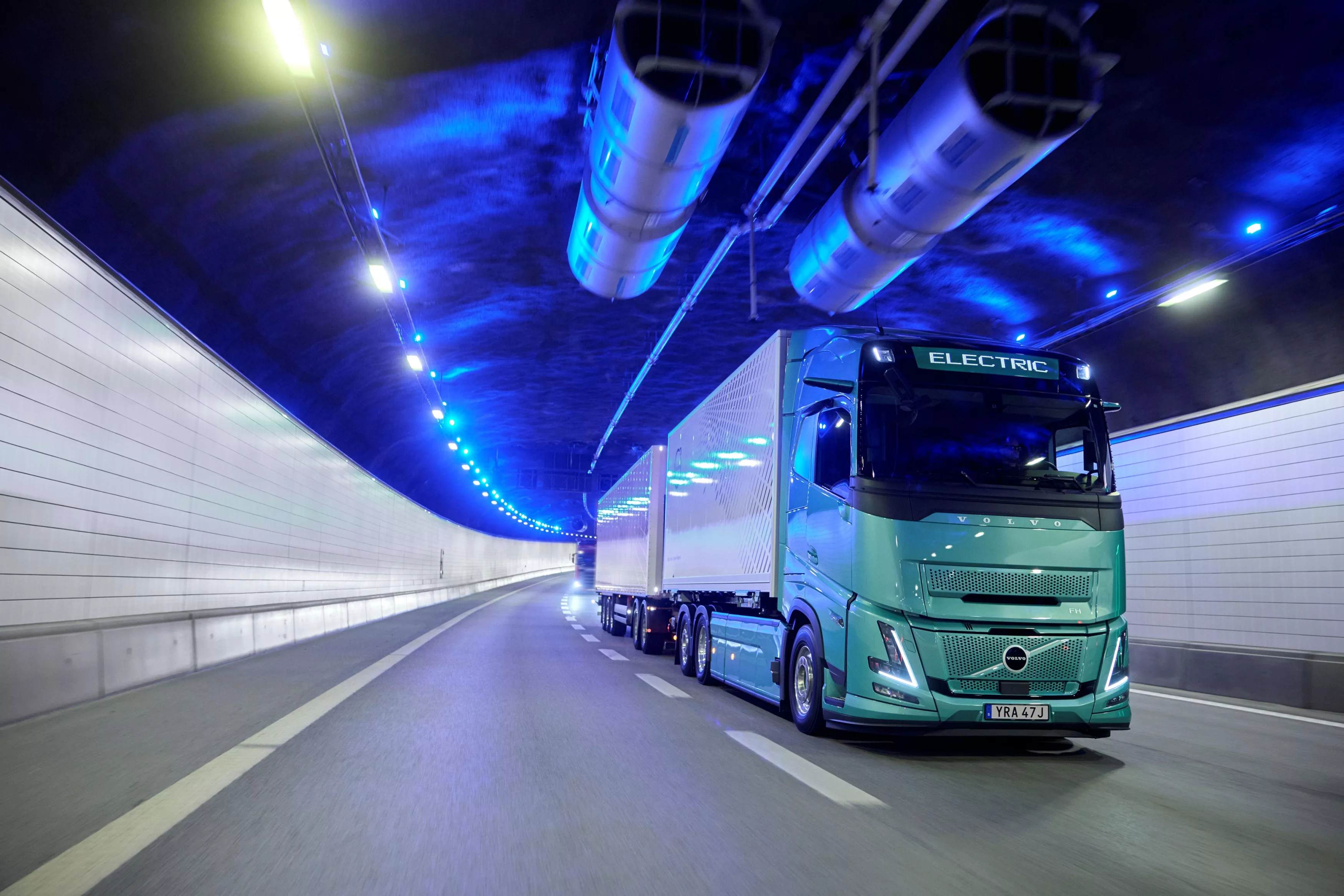

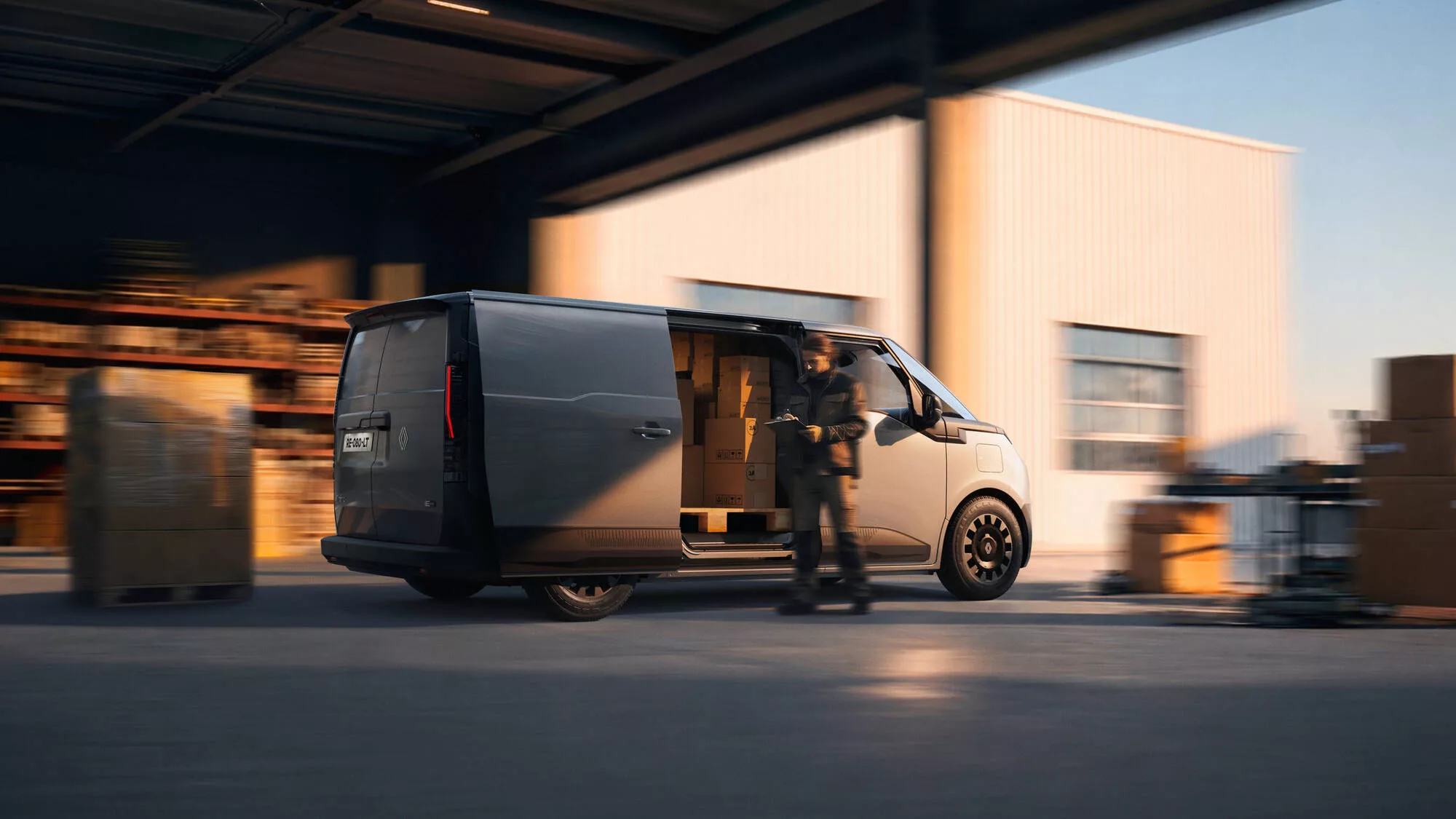
The winners of the two most important annual awards in Europe’s commercial vehicle industry both use electric powertrains. The new Renault Trafic Van E-Tech Electric won the International Van of the Year 2027 title, while International Truck of the Year 2027 went to Volvo Trucks’ new range of electric trucks. Both awards were presented at IAA Transportation in Hannover.
The result shows quite clearly where Europe’s commercial vehicle industry is heading. Electric power is no longer winning only in the urban van category. In Volvo’s case, the same technology now extends to heavy trucks with a range of up to 700 km.
Renault wins unanimous jury vote
The new Trafic Van E-Tech Electric was the unanimous choice of the 26-member International Van of the Year jury. Stellantis ProOne’s new compact van came second, while the Farizon V7E and Volkswagen Caddy Cargo shared third place.
This time, the jury was particularly impressed by the technology. The fourth-generation Trafic uses an 800 V electrical system and a software-defined vehicle (SDV) architecture. According to Renault Estonia’s press material, its range is up to 470 km, although this figure has yet to be confirmed. The van’s turning circle is just 10.3 metres.
Technical data published by the award organiser adds a 150 kW electric motor, 345 Nm of torque, a payload of up to 1.25 tonnes, 5.8 m³ of cargo space and a trailer of up to 2 tonnes.
Volvo wins with an entire model range
In the heavy-truck category, the winner was not a single specific model this time, but Volvo’s new electric range: the FH Electric, FM Electric, FMX Electric and FH Aero Electric.
The 24-member International Truck of the Year jury awarded Volvo 86 points. Its rivals included the Ford Trucks F-Max, Iveco S-eWay Tractor, MAN eTGM and Mercedes-Benz eArocs 400.
Volvo’s strength was the breadth of its applications. According to the manufacturer, the long-haul version of the FH Aero Electric can travel up to 700 km on a single charge, while the next-generation FH, FM and FMX Electric Versatile models can cover up to 470 km. The same electric model family therefore covers regional haulage, long-distance transport, distribution work and construction.
Electric power is no longer an experiment for the juries
The Trafic shows how an electric van can become a software-defined work tool, with its 800 V architecture intended to reduce charging time and downtime. Volvo applies the same logic in a far heavier class, where a range of up to 700 km is already beginning to compete with the operating cycles of conventional long-haul transport.
Even more telling is the history of the heavy-truck award. Volvo’s victory means that a battery-electric truck has won the International Truck of the Year title for the fourth consecutive year. The Volvo FH Electric won in 2024, the Mercedes-Benz eActros 600 in 2025, the DAF XD and XF Electric in 2026, and now Volvo’s new electric range.
In European transport, the biggest question around electrification is therefore no longer whether sufficiently capable vans and trucks can be built. Actual competitiveness is increasingly determined by purchase price, energy consumption, the charging network, downtime and total cost of ownership, or TCO.


