
The Diesel Myth Thaws in the Face of Arctic Reality
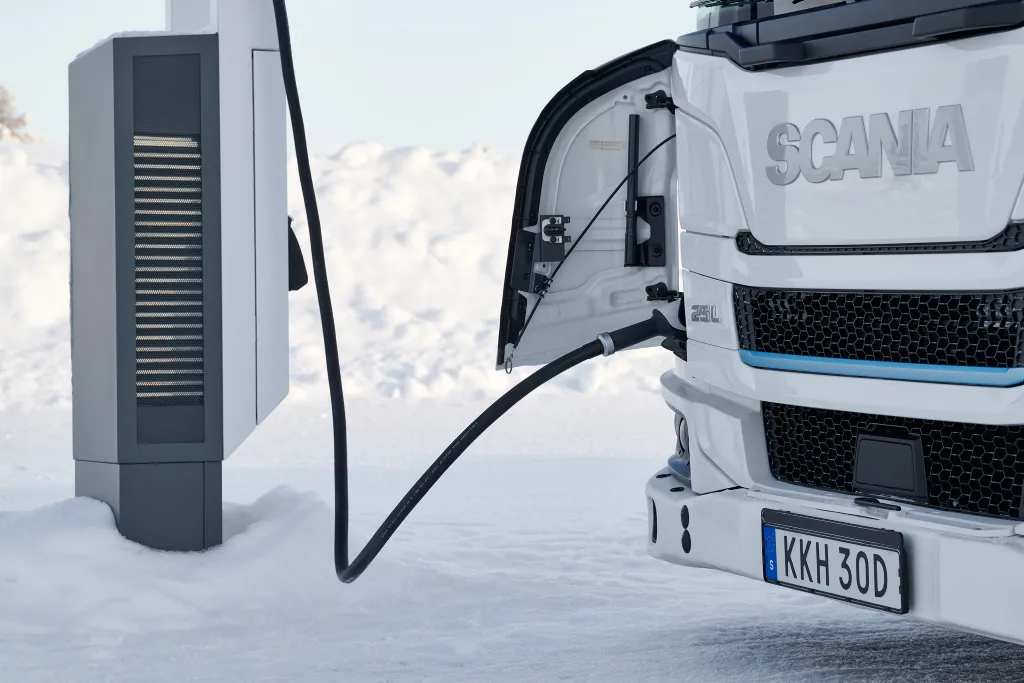
Winter and electric vehicles have long been a topic of debate, sparking more heat than a standard heat pump. The favorite refrain of skeptics—"just wait until the deep freeze hits"—is currently being dismantled by a cold, hard dose of reality. Recent studies conducted in Alaska and Nordic research laboratories reveal a surprising truth: even as thermometers plunge toward minus forty, electric vehicles are not just surviving; they are proving to be significantly more efficient and cost-effective than their diesel counterparts.
For decades, diesel was crowned the undisputed king of harsh conditions. However, the reality is that internal combustion engines waste a staggering amount of time and energy simply keeping themselves alive in the cold. When you factor in the tedious idling required for warming up, the power draw of block heaters, and the inevitable maintenance headaches that come with freezing temperatures, the fuel consumption spreadsheets paint a rather grim picture. An electric vehicle, by contrast, is ready for an immediate start. While battery capacity does indeed shrink in bitter frost, modern thermal management software and pre-conditioning systems have been refined to the point where the cost per kilometer remains substantially lower than that of liquid-fuel competitors.
Research confirms that this advantage is most pronounced in high-intensity commercial fleets. Last-mile delivery couriers and taxi drivers, who must remain on the road when everyone else stays under the covers, stand to gain the most from going electric. The data shows that diesel vehicles in extreme conditions spend a significant portion of their operating hours merely generating heat to prevent stalling, whereas electric cars direct their energy toward purposeful movement. Even when accounting for cabin heating, the total operating costs for EVs stayed lower because the inherent efficiency of an electric motor remains light-years ahead of the internal combustion process.
Naturally, the laws of physics have not been repealed; an electric car left outside without pre-heating can lose up to a third of its range. Yet, in professional journalism and real-world economic accounting, we look at the holistic picture rather than a single isolated figure. In that broader view, diesel is fading away like an inefficient and temperamental relic that requires too much coddling just to get moving. Winter driving is evolving into a technological duel where clever engineering and smart software are decisively outclassing raw mechanical force and fossil fuels.
Research confirms that this advantage is most pronounced in high-intensity commercial fleets. Last-mile delivery couriers and taxi drivers, who must remain on the road when everyone else stays under the covers, stand to gain the most from going electric. The data shows that diesel vehicles in extreme conditions spend a significant portion of their operating hours merely generating heat to prevent stalling, whereas electric cars direct their energy toward purposeful movement. Even when accounting for cabin heating, the total operating costs for EVs stayed lower because the inherent efficiency of an electric motor remains light-years ahead of the internal combustion process.
Naturally, the laws of physics have not been repealed; an electric car left outside without pre-heating can lose up to a third of its range. Yet, in professional journalism and real-world economic accounting, we look at the holistic picture rather than a single isolated figure. In that broader view, diesel is fading away like an inefficient and temperamental relic that requires too much coddling just to get moving. Winter driving is evolving into a technological duel where clever engineering and smart software are decisively outclassing raw mechanical force and fossil fuels.


