
EU Steps Back from 2035 Ban on New Petrol and Diesel Cars
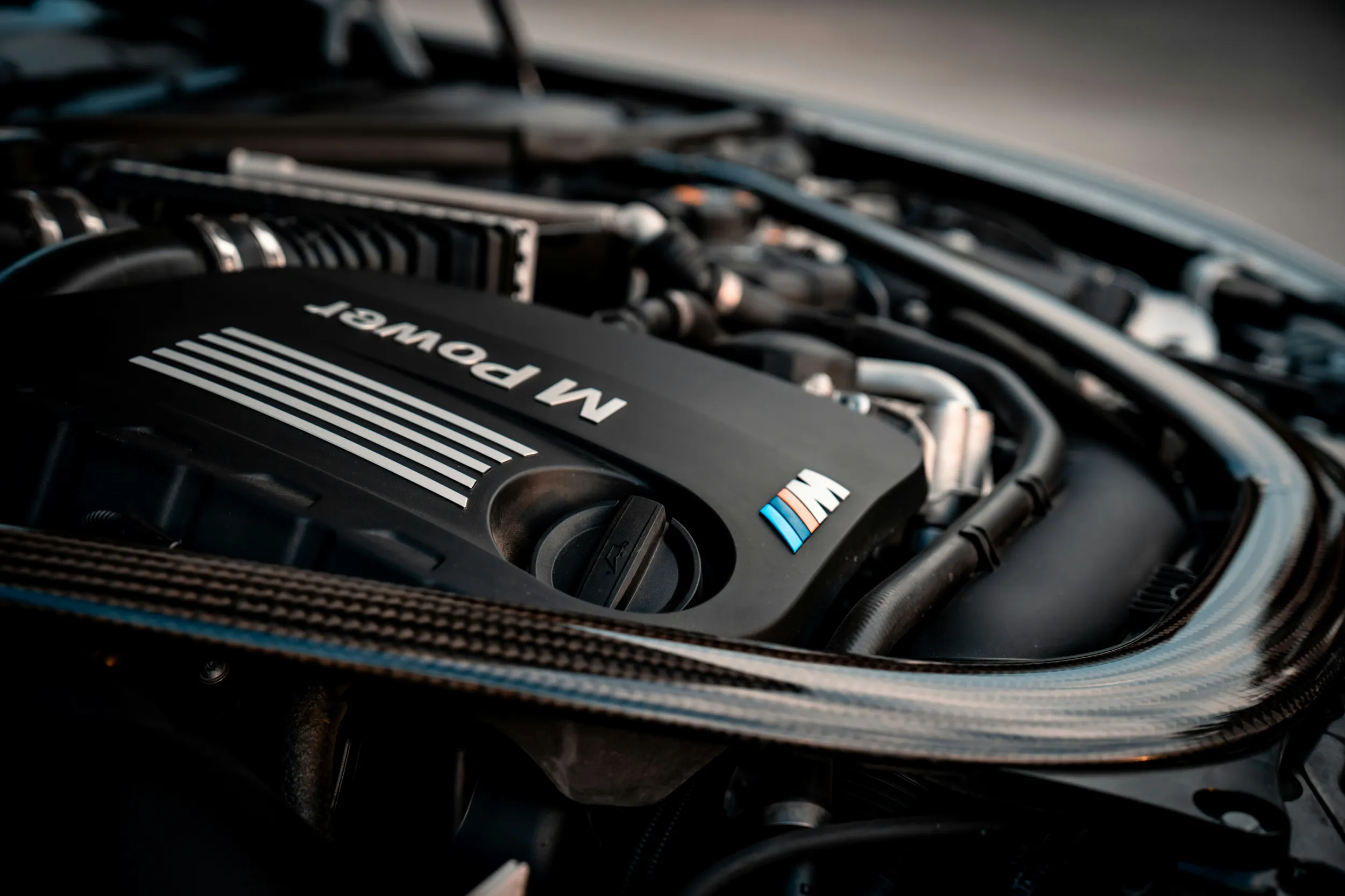
The European Union is preparing to soften its long planned ban on the sale of new internal combustion engine cars from 2035. On Tuesday, the European Commission proposed abandoning the outright prohibition in favour of a less absolute target, requiring carmakers to cut fleet emissions by 90 percent rather than reaching zero.
Under the revised approach, limited sales of petrol and diesel cars would still be possible after 2035, provided manufacturers offset the resulting emissions through other measures. These include the use of biofuels and synthetic e fuels, which Brussels now sees as part of a more flexible transition rather than a loophole.
According to the European Commission, the proposal reflects a pragmatic compromise that takes account of industrial realities and market conditions. The original zero emissions mandate left little room for technological diversity and placed heavy pressure on parts of the automotive sector struggling with investment costs, charging infrastructure and uneven consumer demand for electric vehicles.
The new framework aims to maintain the direction of travel while allowing manufacturers more freedom in how they reach climate targets. In practical terms, it acknowledges that combustion engines, when paired with low carbon fuels, may still play a limited role beyond the middle of the next decade.
The proposed changes must still secure approval from the European Parliament and EU member states. Debate is likely, as the original 2035 ban became a symbolic centrepiece of the bloc’s climate strategy.
Even so, the message is already clear. Internal combustion engines will not vanish overnight from the European car market in 2035. Instead, their future now looks constrained rather than conclusively sealed, shaped by emissions accounting rather than outright prohibition.
According to the European Commission, the proposal reflects a pragmatic compromise that takes account of industrial realities and market conditions. The original zero emissions mandate left little room for technological diversity and placed heavy pressure on parts of the automotive sector struggling with investment costs, charging infrastructure and uneven consumer demand for electric vehicles.
The new framework aims to maintain the direction of travel while allowing manufacturers more freedom in how they reach climate targets. In practical terms, it acknowledges that combustion engines, when paired with low carbon fuels, may still play a limited role beyond the middle of the next decade.
The proposed changes must still secure approval from the European Parliament and EU member states. Debate is likely, as the original 2035 ban became a symbolic centrepiece of the bloc’s climate strategy.
Even so, the message is already clear. Internal combustion engines will not vanish overnight from the European car market in 2035. Instead, their future now looks constrained rather than conclusively sealed, shaped by emissions accounting rather than outright prohibition.


