
European Heritage Remains King: China’s Elite Still Wary of Domestic Luxury
China’s automotive giants might be orchestrating a global takeover of the mass market, but when the conversation shifts to true high-end luxury, vehicles commanding price tags north of one million yuan, the landscape remains stubbornly traditional. The sales data from 2025 serves as a sobering reality check for anyone betting on a domestic coup at the top of the food chain. Despite the technological onslaught from local brands, China’s ultra-wealthy continue to vote with their wallets for European prestige, leaving domestic contenders in the rearview mirror.
In a staggering display of brand loyalty, the top twenty luxury models in China featured only two domestic entries, both of which belong to the same lineage: the BYD Yangwang U8 series.
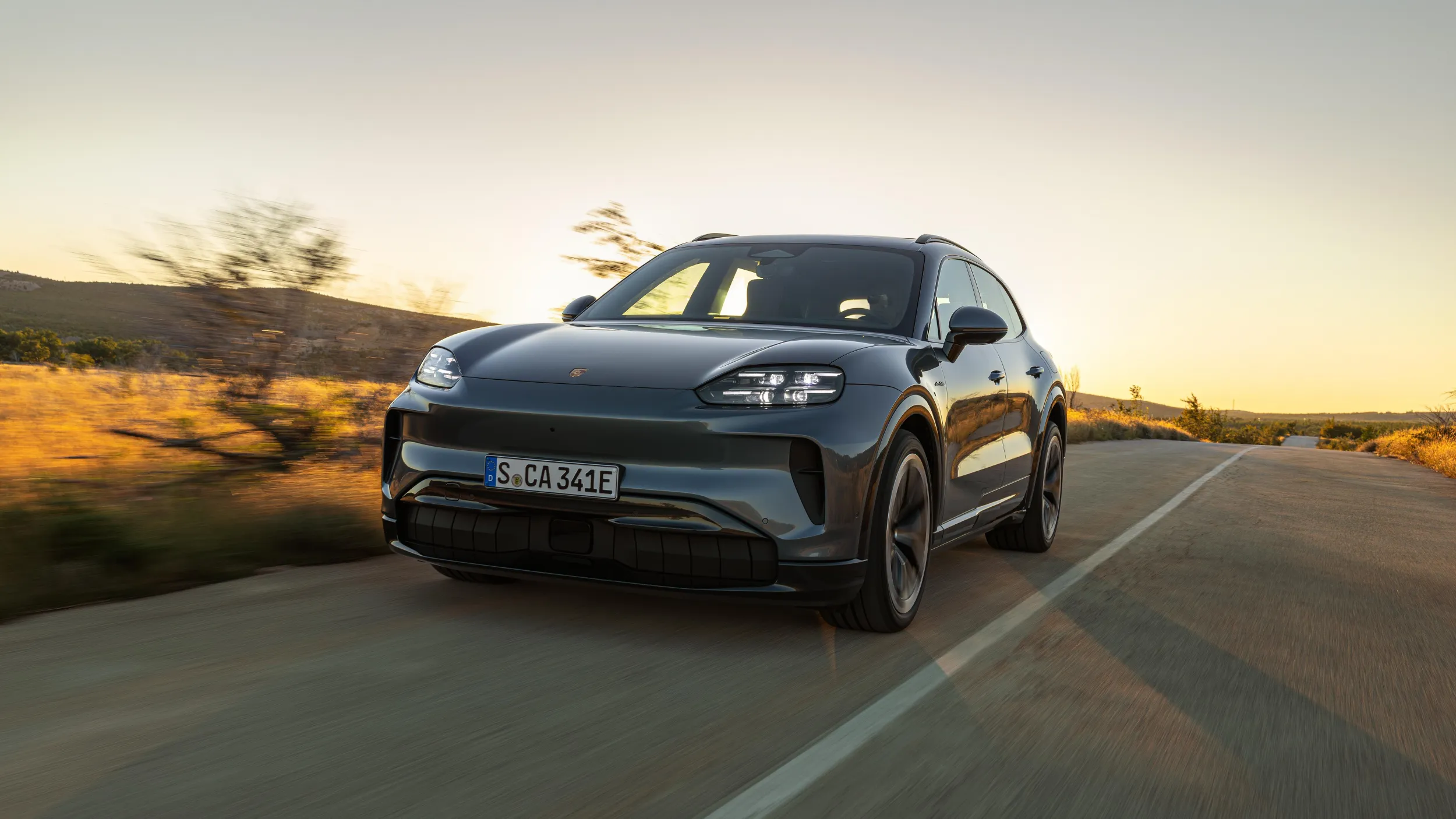
The summit of the leaderboard is occupied by a familiar titan, the Porsche Cayenne, followed closely by the Range Rover and the Land Rover Defender. This trio forms the "holy trinity" of the current luxury market, with sales figures for each ranging between 15,800 and 17,200 units. Completing the top five are the Porsche Panamera and the Mercedes-Maybach S-Class. This hierarchy reaffirms that for the Chinese elite, true status is still measured by German engineering and British ruggedness rather than the mere number of digital displays in the cabin.
BYD’s ambitious Yangwang U8 and its extended U8L variant were the sole defenders of local pride, scraping into 16th and 15th place respectively. However, the quantitative gap is immense. The most popular domestic luxury SUV moved eleven times fewer units than the market leading Cayenne. It appears that even a vehicle capable of floating on water or performing 360-degree tank turns cannot yet offset decades of established brand heritage.
While the titans at the top hold their ground, the broader premium segment is feeling a distinct chill. The average transaction price for premium vehicles in China dipped to 358,000 yuan in 2025, down from 376,000 yuan the previous year. This downward trend suggests that even the most prestigious marques are being dragged into a ruthless price war to protect their market share amidst growing economic headwinds.
Interestingly, Japanese luxury continues to hold its niche, with the Lexus LM minivan and LS sedan maintaining their appeal for those seeking old-school refinement. Ultimately, 2025 has proven that the Chinese luxury sector remains a European fortress. For domestic brands to truly disrupt this space, they must look beyond technological gimmicks. They need to cultivate the emotional resonance and intangible prestige required to lure a billionaire out of a Maybach. For now, that road looks long and heavily guarded by the stalwarts of Stuttgart and Solihull.
The summit of the leaderboard is occupied by a familiar titan, the Porsche Cayenne, followed closely by the Range Rover and the Land Rover Defender. This trio forms the "holy trinity" of the current luxury market, with sales figures for each ranging between 15,800 and 17,200 units. Completing the top five are the Porsche Panamera and the Mercedes-Maybach S-Class. This hierarchy reaffirms that for the Chinese elite, true status is still measured by German engineering and British ruggedness rather than the mere number of digital displays in the cabin.
BYD’s ambitious Yangwang U8 and its extended U8L variant were the sole defenders of local pride, scraping into 16th and 15th place respectively. However, the quantitative gap is immense. The most popular domestic luxury SUV moved eleven times fewer units than the market leading Cayenne. It appears that even a vehicle capable of floating on water or performing 360-degree tank turns cannot yet offset decades of established brand heritage.
While the titans at the top hold their ground, the broader premium segment is feeling a distinct chill. The average transaction price for premium vehicles in China dipped to 358,000 yuan in 2025, down from 376,000 yuan the previous year. This downward trend suggests that even the most prestigious marques are being dragged into a ruthless price war to protect their market share amidst growing economic headwinds.
Interestingly, Japanese luxury continues to hold its niche, with the Lexus LM minivan and LS sedan maintaining their appeal for those seeking old-school refinement. Ultimately, 2025 has proven that the Chinese luxury sector remains a European fortress. For domestic brands to truly disrupt this space, they must look beyond technological gimmicks. They need to cultivate the emotional resonance and intangible prestige required to lure a billionaire out of a Maybach. For now, that road looks long and heavily guarded by the stalwarts of Stuttgart and Solihull.


