
Formula 1 makes engines more powerful but solves its fuel problem simply by shortening races
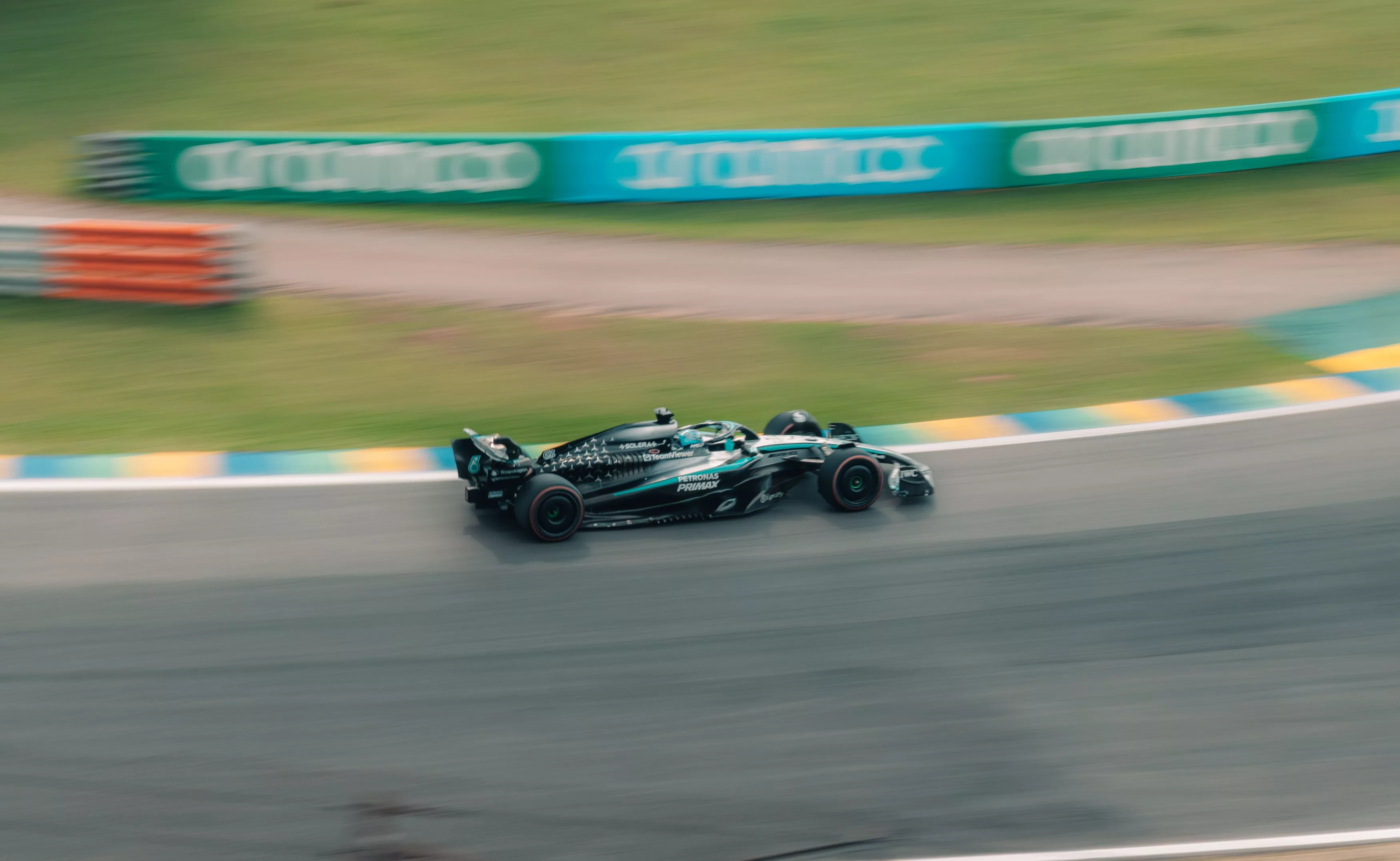
Formula 1 has found an absurdly simple way to solve one problem with its 2026 power units. In 2027, the internal combustion engine will receive more power and fuel, but rather than building a larger tank, Grands Prix will be shortened. Instead of at least 305 km, they will run to 290 km.
F1 approved the change on 21 September in London. In practice, two or three laps will disappear from most rounds. The change still requires final approval from the FIA World Motor Sport Council.
More petrol, fewer kilometres
The reason lies in the power units introduced this year. For 2027, F1 will raise the internal combustion engine’s maximum output from 400 kW to 420 kW and increase the permitted fuel energy flow by five per cent to achieve this. In 2028, the internal combustion engine is expected to reach 450 kW, while fuel flow will rise by 13 per cent compared with the current level. At the same time, the role of the electric powertrain will be reduced.
This creates a fairly basic problem: higher fuel consumption and a race of the same length would require more fuel.
One option would be to increase the size of the tank. However, that would mean changing the design of the current cars and would add costs. F1 chose the cheaper solution and will cut the race distance by 15 km.
So races are not being shortened to make Formula 1 somehow especially economical. On the contrary, the internal combustion engine will be allowed to use more energy per kilometre, but fewer kilometres will be raced to keep the amount of fuel under control.
The 305 km tradition comes to an end
Under the current rules, a Grand Prix runs for at least as many full laps as are needed to exceed 305 km. Monaco is the exception, with its 260 km distance. In 2027, the standard threshold will fall to 290 km.
Fifteen kilometres may not sound dramatic, but on a five-kilometre circuit, for example, it means three laps disappearing. Strategically, the change could affect tyre use, the timing of pit stops and how long drivers have to regain positions.
There is some irony, of course, in the fact that Formula 1, which has become technically more complex than ever, is solving one power-unit problem with a method anyone can understand: if there is not enough petrol to make it to the end, bring the finish line closer.


