
Geely aims to charge an EV in four minutes, as 2.2 MW makes today’s fast chargers look rather slow
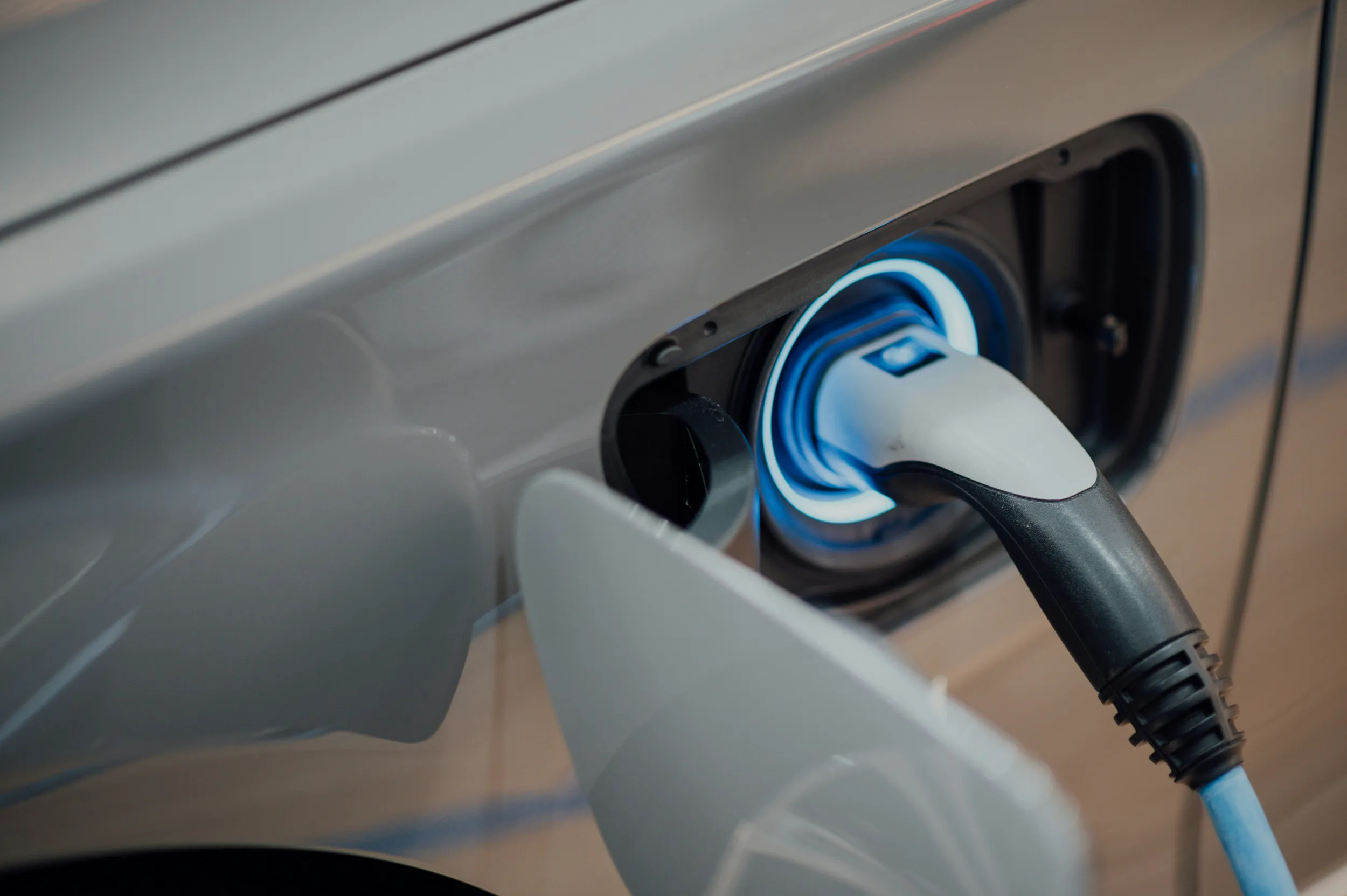
Geely is preparing to demonstrate 2.2 MW EV charging, making even BYD’s 1.5 MW Flash Charging look rather modest by comparison. The Chinese automotive group promises four-minute charging with the new technology, but one important detail is still missing ahead of today’s official presentation: Geely has not said what percentage of the battery will actually be charged in those four minutes.
This matters because a charger’s maximum output alone is far from a complete measure of an EV’s charging speed. A 2,200 kW peak is impressive, but the more interesting question will be how long the battery can sustain that level of power.
BYD’s record lasted about half a year
Geely is taking direct aim at BYD. The latter unveiled its second-generation Blade Battery and Flash Charging system in March, delivering up to 1,500 kW through a single connector.
BYD says a compatible vehicle’s battery can be charged from 10% to 70% in five minutes, and from 10% to 97% in nine minutes. Even at -30°C, charging from 20% to 97% should take 12 minutes.
Geely’s 2,200 kW would exceed BYD’s peak output by around 47%. That does not automatically mean charging times will be 47% shorter, because charging power declines as the state of charge rises, while cell chemistry, temperature and cooling become decisive factors.
In other words, 2.2 MW is an excellent number for a poster. The charging curve will show whether it is also excellent technology.
Megawatt charging is no longer new to Geely
Geely is not starting entirely from scratch. The group has already built 1.5 MW charging points, while newer Zeekr models use a 900 V electrical architecture. The next generation of technology is moving towards 1,000 V.
Higher voltage helps reduce current at the same power level, but 2.2 MW still represents an exceptional load for both the car and the charging station. At this level of power, simply using a thicker cable is no longer enough. It requires liquid cooling, highly effective battery thermal management and a fundamental rethink of the charging site’s energy infrastructure.
In theory, 2,200 kW means that nearly 147 kWh of energy could be transferred to the car in four minutes at full power. That will naturally not happen in a real vehicle, because charging power is not constant throughout the session. The calculation nevertheless shows the scale that the charging race among Chinese manufacturers has reached.
There is not yet much use for 2.2 MW in Europe
From a European perspective, the figures are almost comical. Many current 800 V EVs already consider 250-350 kW charging a very good result. Geely is talking about peak output six to nine times higher.
The bottleneck therefore shifts from the car to the charging station. A single 2.2 MW charging session may require more power than a small commercial building, and using several such chargers simultaneously would force stations to use local battery buffers and powerful grid connections.
BYD is already addressing the same issue with charging stations equipped with energy storage, and plans to deploy 20,000 Flash Chargers in China by the end of 2026. Its European expansion has also begun. Geely must now show not only a faster charger, but also how to make 2.2 MW available in the real world at a reasonable price.
The EV charging race has therefore reached a strange point. Only a few years ago, the industry was debating whether 350 kW was necessary at all. Now Geely is preparing to demonstrate 2,200 kW, and the main question is no longer whether the car can charge quickly enough. The question is whether the power grid can keep up with the car.


