
Genesis GV60 Magma, 650 bhp, new suspension and a clear move onto BMW M and AMG turf
 1/5
1/5
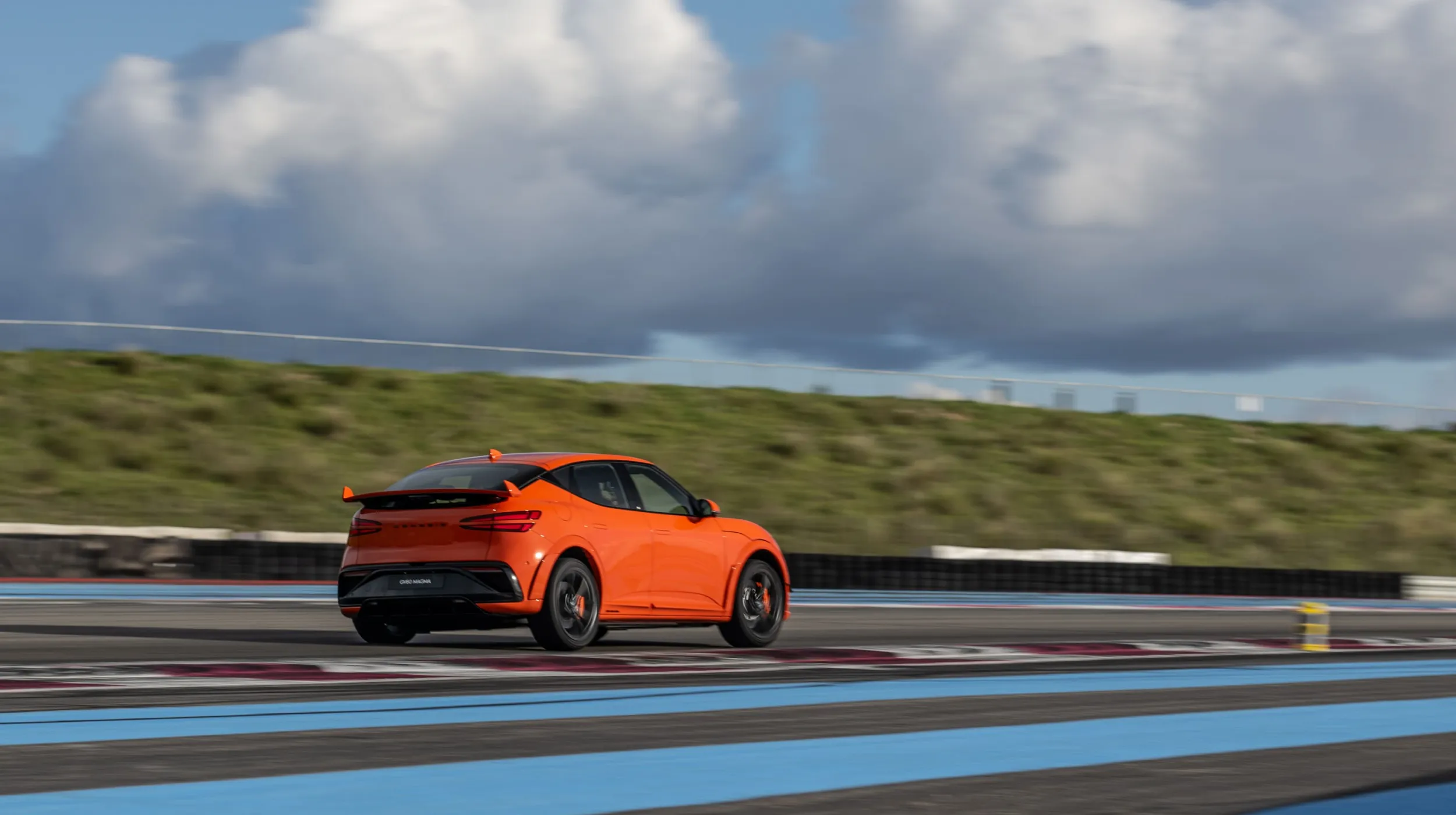
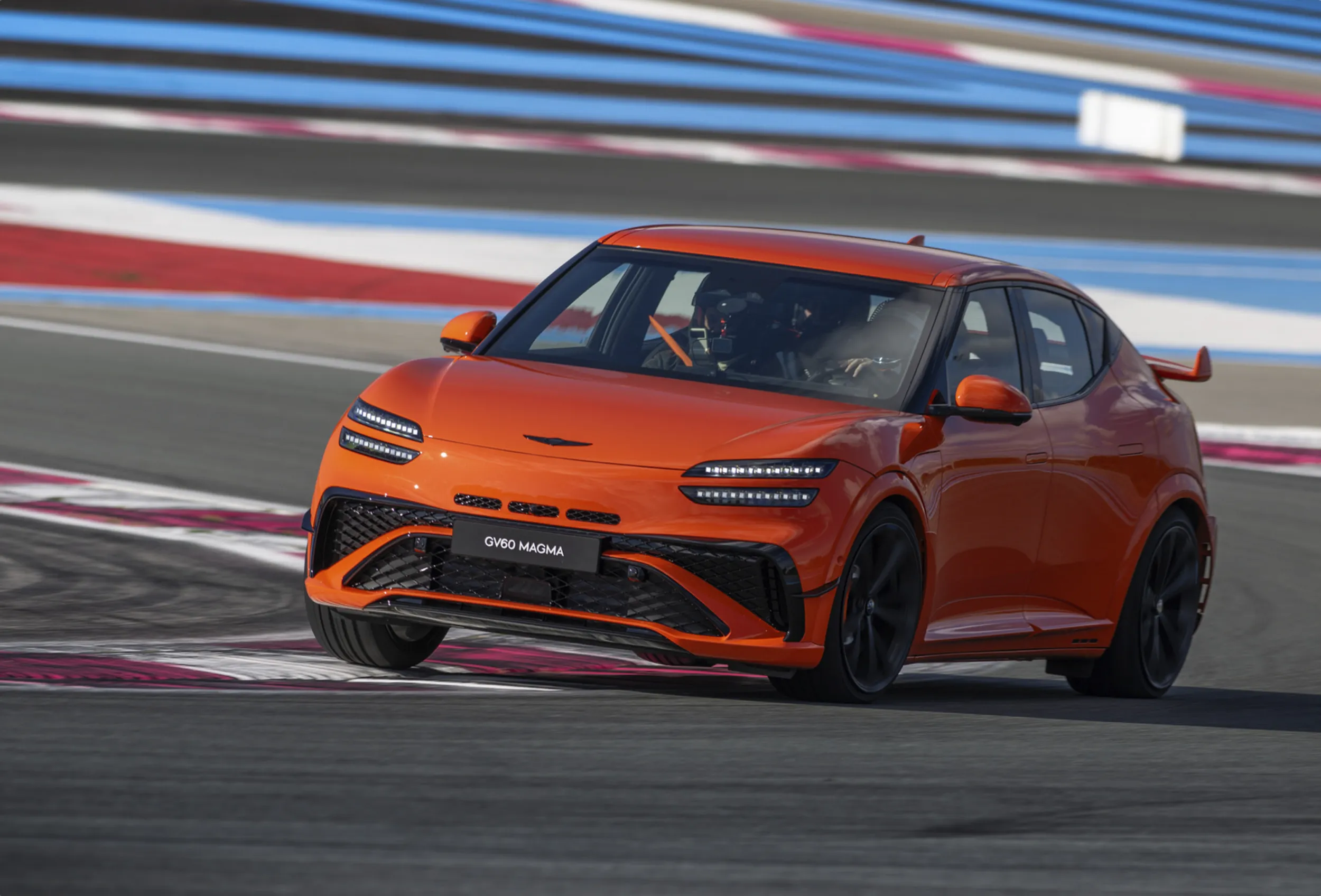
Genesis has published the full technical detail behind the GV60 Magma and made one thing quite clear. This is not merely a quicker GV60. Its engineers reworked the powertrain control logic, suspension geometry, bodyshell stiffness and brakes to create something meant to persuade both the luxury car buyer and the performance EV customer. More important still is what the car represents. The GV60 Magma is the first Genesis Magma model to reach full production, which means the Koreans are effectively building their own M, AMG and RS style performance brand.
The numbers put the GV60 Magma straight at the top of the Genesis tree. The company says peak output from the two electric motors reaches 650 bhp in Boost mode, with 790 Nm of torque. The sprint from 0 to 100 km/h takes 3.4 seconds, 0 to 200 km/h takes 10.9 seconds and top speed stands at 264 km/h. Genesis is keen to point out that this makes it the most powerful model in the range and also the fastest electric car the brand has produced.
The more interesting part lies in how it gets there. Genesis did not stop at a bigger burst of power. The engineers rewrote the control logic for the power electronics, extending Boost mode from 10 seconds to 15, while also adding two Magma specific settings, Sprint and GT, to the five mode driving menu. They even altered the feel of the accelerator pedal itself, varying pedal resistance according to drive mode and throttle position to give the driver finer control in situations where big electric torque can otherwise feel a little too immediate. It is the sort of detail that tells you exactly where the brand’s engineers are aiming. They are not simply building a fast EV, they are trying to create a distinct Genesis performance character.
The suspension and bodyshell give the project its real technical substance. Genesis redesigned the lower control arms, dropping the front roll centre from 122.3 mm to 41.6 mm and the rear from 169.6 mm to 80.1 mm. The company says that delivers a 10 per cent increase in vertical load on the tyre and more than an 18 per cent improvement in cornering performance. An extra 20 weld points and L shaped braces around the wheel arches lift torsional rigidity by 9.7 per cent. In practice, that means Genesis is not selling the GV60 Magma as a straight line number alone. It is trying to raise the car’s dynamic quality to the point where it can cope with repeated hard use while still feeling properly refined, as a luxury badge ought to.
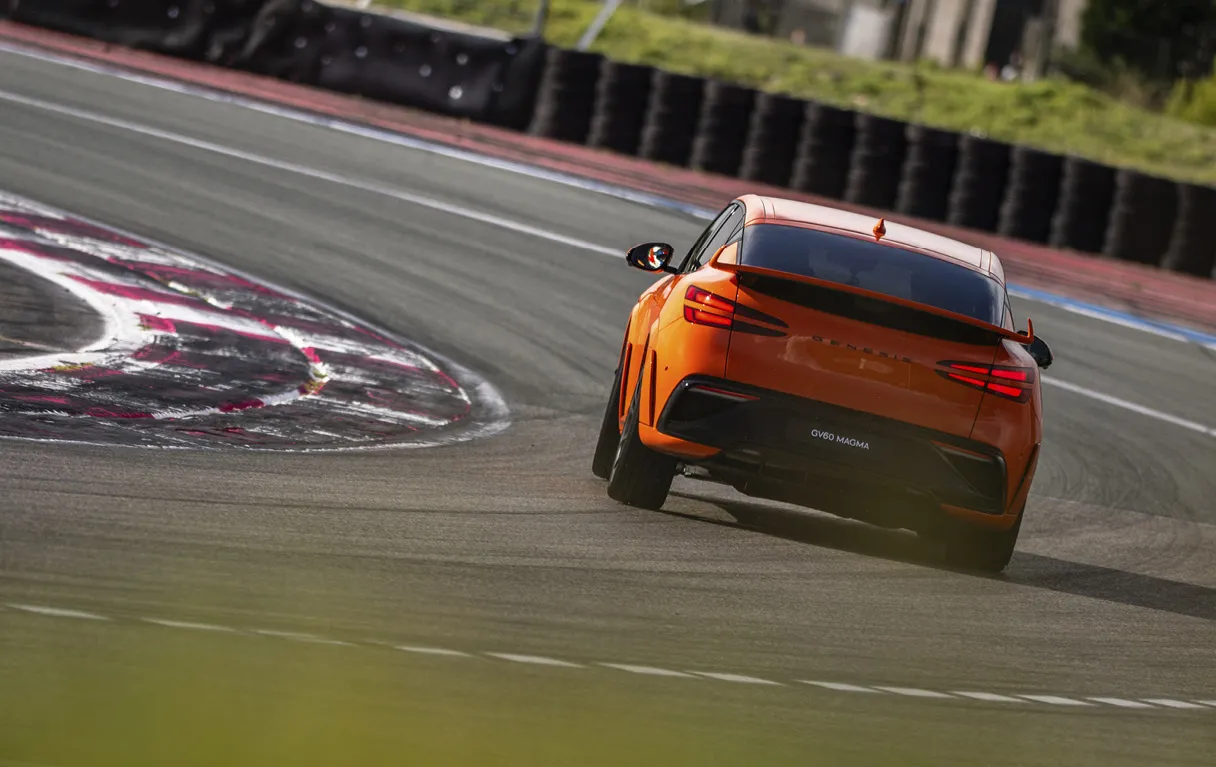
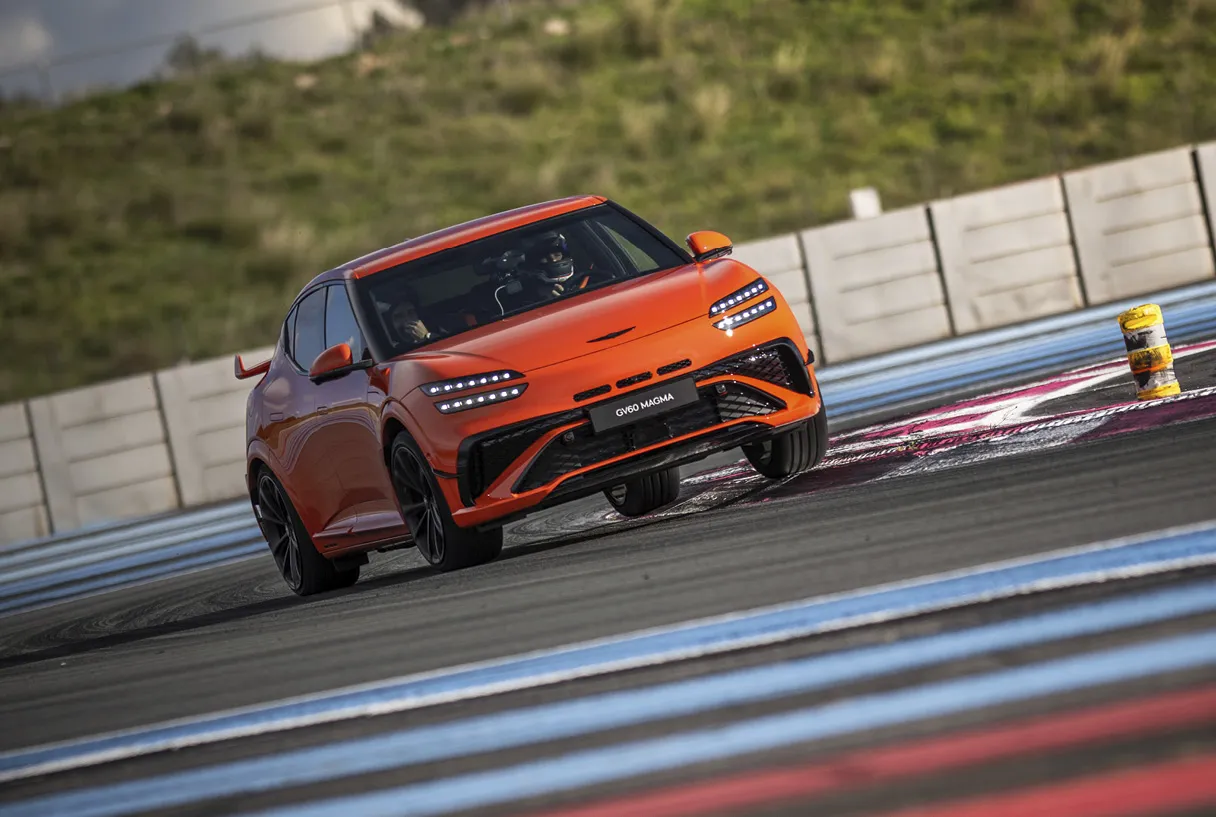
The rest of the chassis package points in the same direction. The GV60 Magma gets 21 inch forged wheels, 275 mm tyres, a track widened by 50 mm, ride height lowered by 20 mm, adaptive ECS suspension, end of travel control, Hydro G front bushings and 400 mm front brake discs. Genesis also adds a broader aerodynamic package designed to cut drag, improve cooling and increase stability at speed. That matters, because it sets the Magma apart from rivals that rely mostly on headline power. This car is trying to build a credible whole, one that should feel convincing on circuit as well as in a spec sheet.
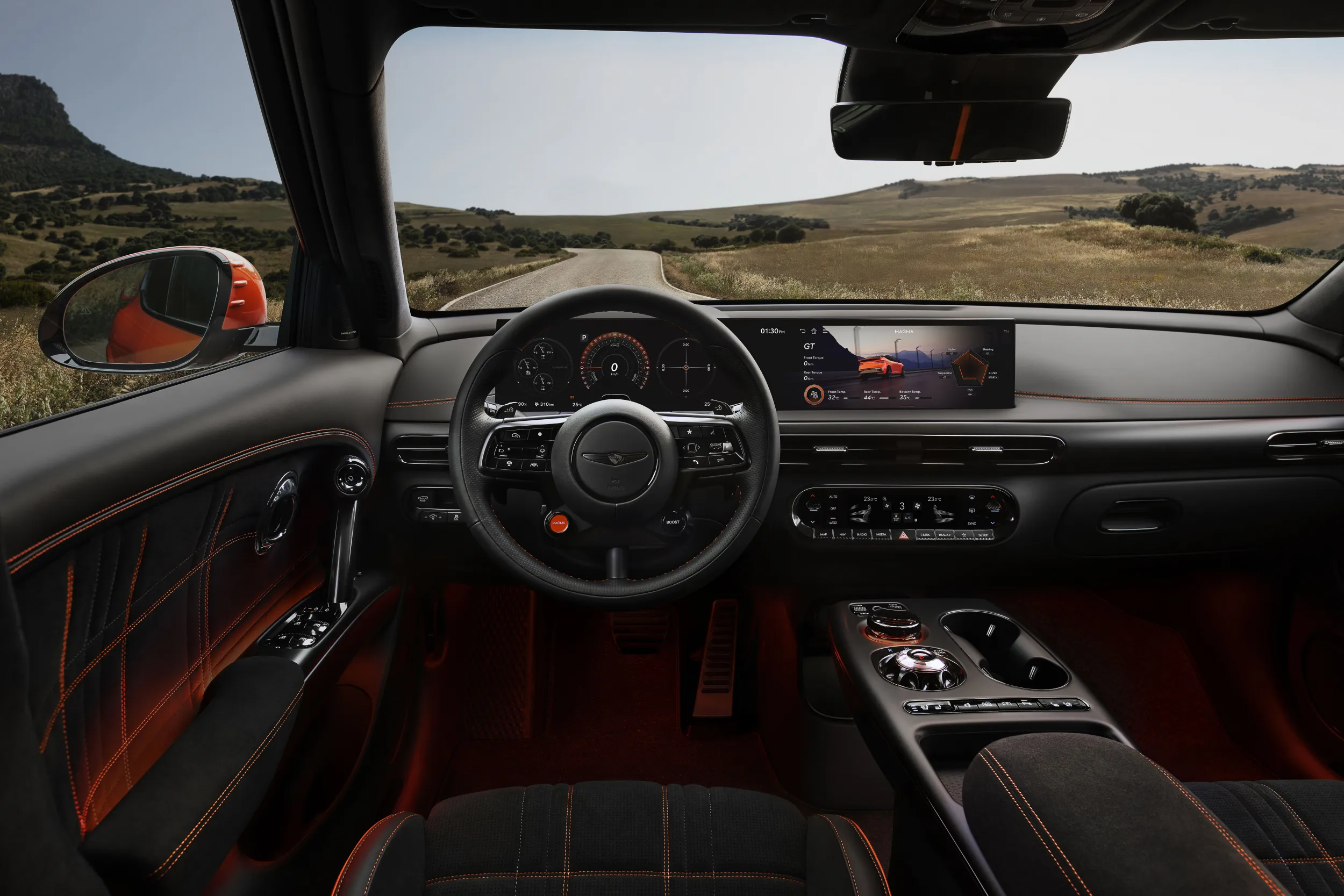
Yet Genesis has not thrown everyday usability overboard. United Kingdom specification confirms an 84 kWh battery and a 10 to 80 per cent charging time of 18 minutes. Inside, the focal point is a connected 27 inch display setup, while laminated glass, additional seals and a dedicated sound architecture work to keep noise under control. That is where the GV60 Magma’s position comes into focus. It does not want to be a raw drift toy. It wants to be a fast, luxurious electric crossover that feels equally at home on the commute, on the motorway and at a track day.
The Magma programme was launched in March 2024 with the aim of creating a performance version of every Genesis, and the GV60 Magma is the first proper production model to carry that plan into the real world. That means Genesis is now testing whether luxury buyers will take a Korean performance division as seriously as BMW M, Mercedes AMG or Audi Sport. The brand does not have decades of heritage to lean on here, so it must build credibility quickly and very publicly. The technical thoroughness of the GV60 Magma suggests the Koreans understood that challenge perfectly well.
The next test comes in the market itself. In at least the United Kingdom, Genesis expects first deliveries in the second half of 2026. If the GV60 Magma can convince buyers that luxury and performance still belong together in the electric era, Magma could become the halo that lifts the whole brand. If it ends up as no more than an impressive niche exercise, the programme starts to look like an expensive image project. On the evidence so far, the first outcome looks entirely plausible. Genesis is not merely adding another fast EV to the range, it is trying to build a new identity around it.
The more interesting part lies in how it gets there. Genesis did not stop at a bigger burst of power. The engineers rewrote the control logic for the power electronics, extending Boost mode from 10 seconds to 15, while also adding two Magma specific settings, Sprint and GT, to the five mode driving menu. They even altered the feel of the accelerator pedal itself, varying pedal resistance according to drive mode and throttle position to give the driver finer control in situations where big electric torque can otherwise feel a little too immediate. It is the sort of detail that tells you exactly where the brand’s engineers are aiming. They are not simply building a fast EV, they are trying to create a distinct Genesis performance character.
The suspension and bodyshell give the project its real technical substance. Genesis redesigned the lower control arms, dropping the front roll centre from 122.3 mm to 41.6 mm and the rear from 169.6 mm to 80.1 mm. The company says that delivers a 10 per cent increase in vertical load on the tyre and more than an 18 per cent improvement in cornering performance. An extra 20 weld points and L shaped braces around the wheel arches lift torsional rigidity by 9.7 per cent. In practice, that means Genesis is not selling the GV60 Magma as a straight line number alone. It is trying to raise the car’s dynamic quality to the point where it can cope with repeated hard use while still feeling properly refined, as a luxury badge ought to.
The rest of the chassis package points in the same direction. The GV60 Magma gets 21 inch forged wheels, 275 mm tyres, a track widened by 50 mm, ride height lowered by 20 mm, adaptive ECS suspension, end of travel control, Hydro G front bushings and 400 mm front brake discs. Genesis also adds a broader aerodynamic package designed to cut drag, improve cooling and increase stability at speed. That matters, because it sets the Magma apart from rivals that rely mostly on headline power. This car is trying to build a credible whole, one that should feel convincing on circuit as well as in a spec sheet.
Yet Genesis has not thrown everyday usability overboard. United Kingdom specification confirms an 84 kWh battery and a 10 to 80 per cent charging time of 18 minutes. Inside, the focal point is a connected 27 inch display setup, while laminated glass, additional seals and a dedicated sound architecture work to keep noise under control. That is where the GV60 Magma’s position comes into focus. It does not want to be a raw drift toy. It wants to be a fast, luxurious electric crossover that feels equally at home on the commute, on the motorway and at a track day.
The Magma programme was launched in March 2024 with the aim of creating a performance version of every Genesis, and the GV60 Magma is the first proper production model to carry that plan into the real world. That means Genesis is now testing whether luxury buyers will take a Korean performance division as seriously as BMW M, Mercedes AMG or Audi Sport. The brand does not have decades of heritage to lean on here, so it must build credibility quickly and very publicly. The technical thoroughness of the GV60 Magma suggests the Koreans understood that challenge perfectly well.
The next test comes in the market itself. In at least the United Kingdom, Genesis expects first deliveries in the second half of 2026. If the GV60 Magma can convince buyers that luxury and performance still belong together in the electric era, Magma could become the halo that lifts the whole brand. If it ends up as no more than an impressive niche exercise, the programme starts to look like an expensive image project. On the evidence so far, the first outcome looks entirely plausible. Genesis is not merely adding another fast EV to the range, it is trying to build a new identity around it.


