
Germany Reopens the Subsidy Tap: New EV Grants Will Not Discriminate Against Chinese Brands
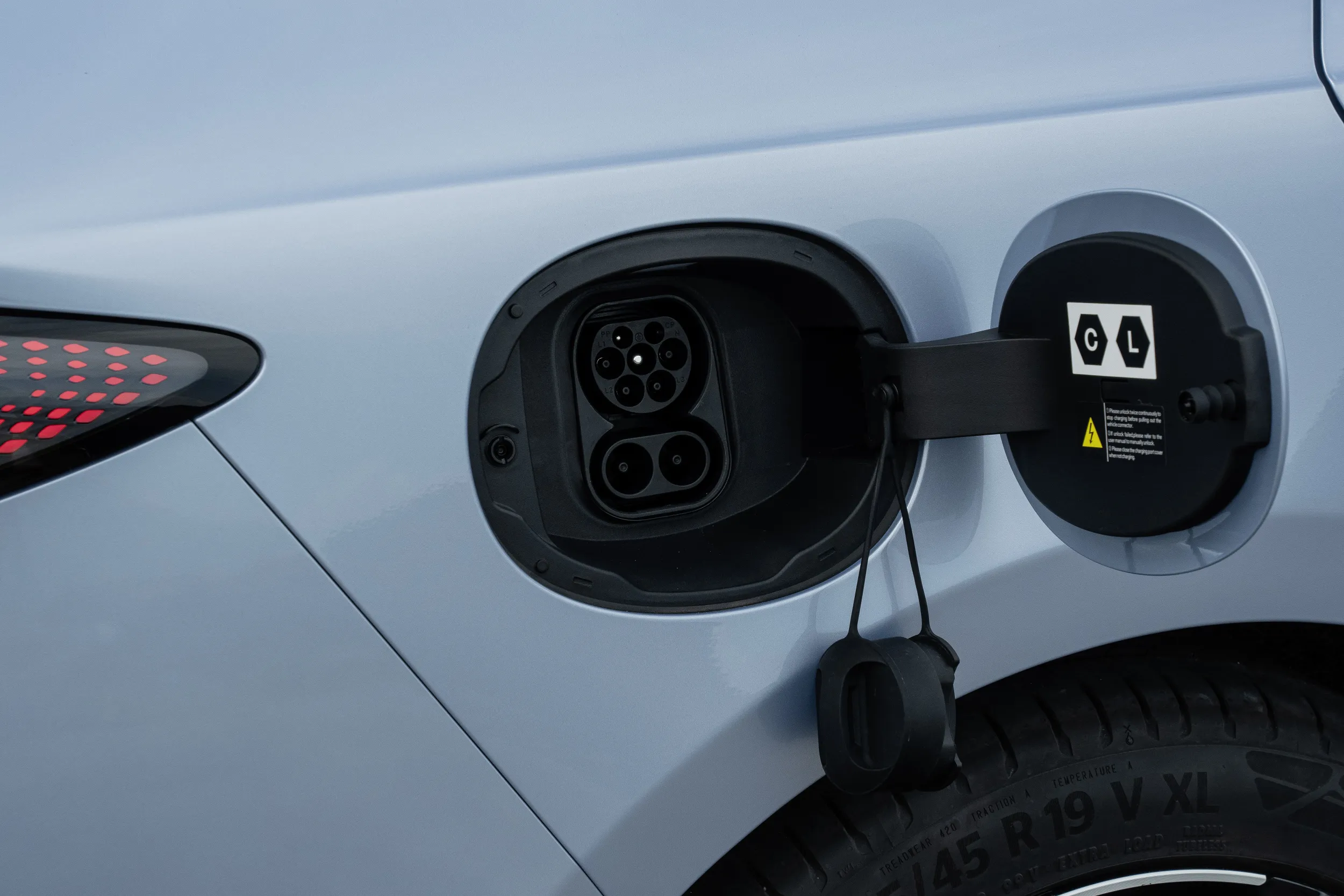
The German government has decided to revive its electric vehicle subsidy program, allocating a substantial three billion euros to the cause. In a surprising move that contrasts with several neighboring countries attempting to shield their markets from cheap Chinese imports, Berlin announced that the new incentives will also apply to Chinese brands. This decision has sparked significant debate in both political and automotive circles, but German Environment Minister Karsten Schneider remained steadfast, stating that German automakers are resilient enough to face the competition head-on.
The new subsidy scheme, which is set to run until 2029, primarily targets low- and middle-income households. Grant amounts vary between €1,500 and €6,000, depending on household income and the number of children. While France and the UK have implemented rules that de facto exclude Chinese-made battery electric vehicles (BEVs), Germany has opted for pragmatism. The goal is to put approximately 800,000 new EVs on the road, an objective that is difficult to achieve without the affordable models that German manufacturers currently lack in their lineups.
In an interesting twist, range-extender electric vehicles (REEVs) have also been added to the list of eligible vehicles, a move intended to alleviate the "range anxiety" of buyers worried about charging infrastructure. Although the official application window opens in May 2026, the subsidy can be claimed retroactively for all new registrations starting from January 1, 2026. Berlin’s message is clear: the priority is to revitalize a stagnating auto market and accelerate the green transition—even if it means rolling out the red carpet for BYD or MG right in the backyard of Volkswagen and BMW.
In an interesting twist, range-extender electric vehicles (REEVs) have also been added to the list of eligible vehicles, a move intended to alleviate the "range anxiety" of buyers worried about charging infrastructure. Although the official application window opens in May 2026, the subsidy can be claimed retroactively for all new registrations starting from January 1, 2026. Berlin’s message is clear: the priority is to revitalize a stagnating auto market and accelerate the green transition—even if it means rolling out the red carpet for BYD or MG right in the backyard of Volkswagen and BMW.


