
GM’s Bitter Reality Check: The Plug-in Hybrid is a Tax Hedge, Not a Lifestyle
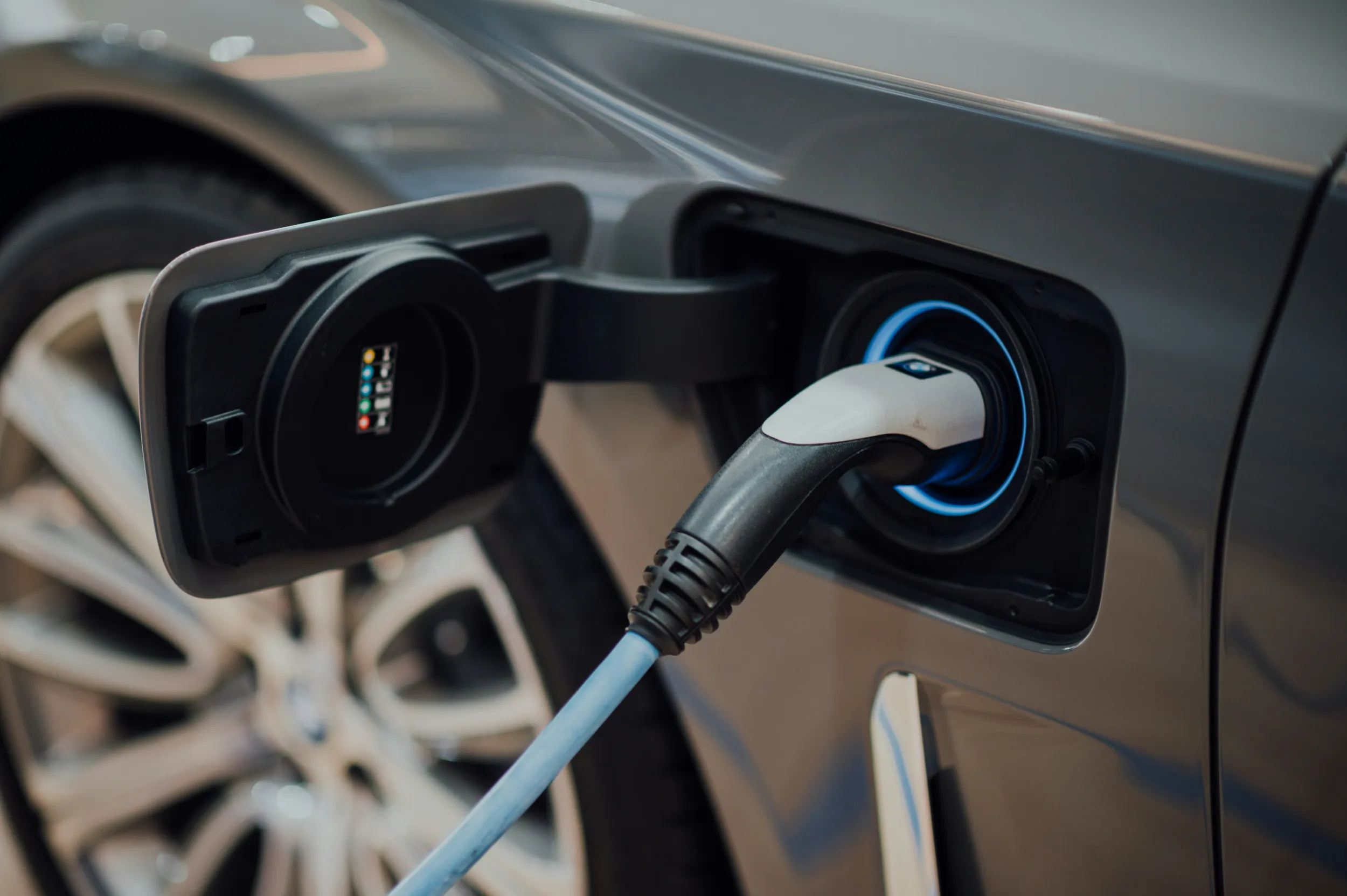
For years, the plug-in hybrid (PHEV) has been marketed as the ultimate bridge—a seamless transition between the internal combustion era and a fully electrified future. However, a fresh analysis from General Motors has unceremoniously pulled back the curtain, confirming what skeptics have long suspected: a vast number of these owners never actually bother to plug their vehicles in. Instead, the petrol sloshes in the tank while the expensive battery pack hitches a ride as mere dead weight, turning the entire "green" concept into something of a farce.
The data from GM reveals that a significant portion of PHEV owners treat their cars exactly like traditional combustion vehicles. The reasons are a mix of pragmatic hurdles and pure convenience-driven apathy, ranging from a lack of home charging infrastructure to a simple refusal to wrestle with a cable every evening. The result is a scenario where real-world fuel consumption and emission levels are light-years away from the idealistic figures promised by glossy brochures and tax incentive spreadsheets. It is an assertive reminder that technology alone cannot save the planet if the end-user is unwilling to lift a finger.
The situation is made particularly ironic by the fact that plug-in hybrids are inherently more complex and costly to manufacture than either pure EVs or standard petrol cars. They carry the burden of two full-scale powertrains: a combustion engine with its fuel system and an electric motor with a heavy battery. When the latter is ignored, the owner is left steering a heavy, inefficient machine that often consumes more fuel than a lightweight petrol equivalent. GM’s findings suggest that for many, the primary purchase driver was not a passion for the environment, but rather a government subsidy or the legal right to bypass traffic in a high-occupancy lane.
This report serves as a cold shower for policymakers and manufacturers who hoped hybrids would pave the road to an electric utopia. If owners refuse to plug in even when the capability sits right in their driveway, it raises the question of whether this intermediate step is worth the investment. GM appears to be taking its own findings to heart, increasingly pivoting toward fully electric platforms where the user has no choice but to engage with the grid. It seems that halfway solutions remain exactly that, half-hearted, whenever the human element is left out of the equation.
The situation is made particularly ironic by the fact that plug-in hybrids are inherently more complex and costly to manufacture than either pure EVs or standard petrol cars. They carry the burden of two full-scale powertrains: a combustion engine with its fuel system and an electric motor with a heavy battery. When the latter is ignored, the owner is left steering a heavy, inefficient machine that often consumes more fuel than a lightweight petrol equivalent. GM’s findings suggest that for many, the primary purchase driver was not a passion for the environment, but rather a government subsidy or the legal right to bypass traffic in a high-occupancy lane.
This report serves as a cold shower for policymakers and manufacturers who hoped hybrids would pave the road to an electric utopia. If owners refuse to plug in even when the capability sits right in their driveway, it raises the question of whether this intermediate step is worth the investment. GM appears to be taking its own findings to heart, increasingly pivoting toward fully electric platforms where the user has no choice but to engage with the grid. It seems that halfway solutions remain exactly that, half-hearted, whenever the human element is left out of the equation.


