
GWM's 80 kWh Battery: Turning Hybrids into Near-Electric Vehicles
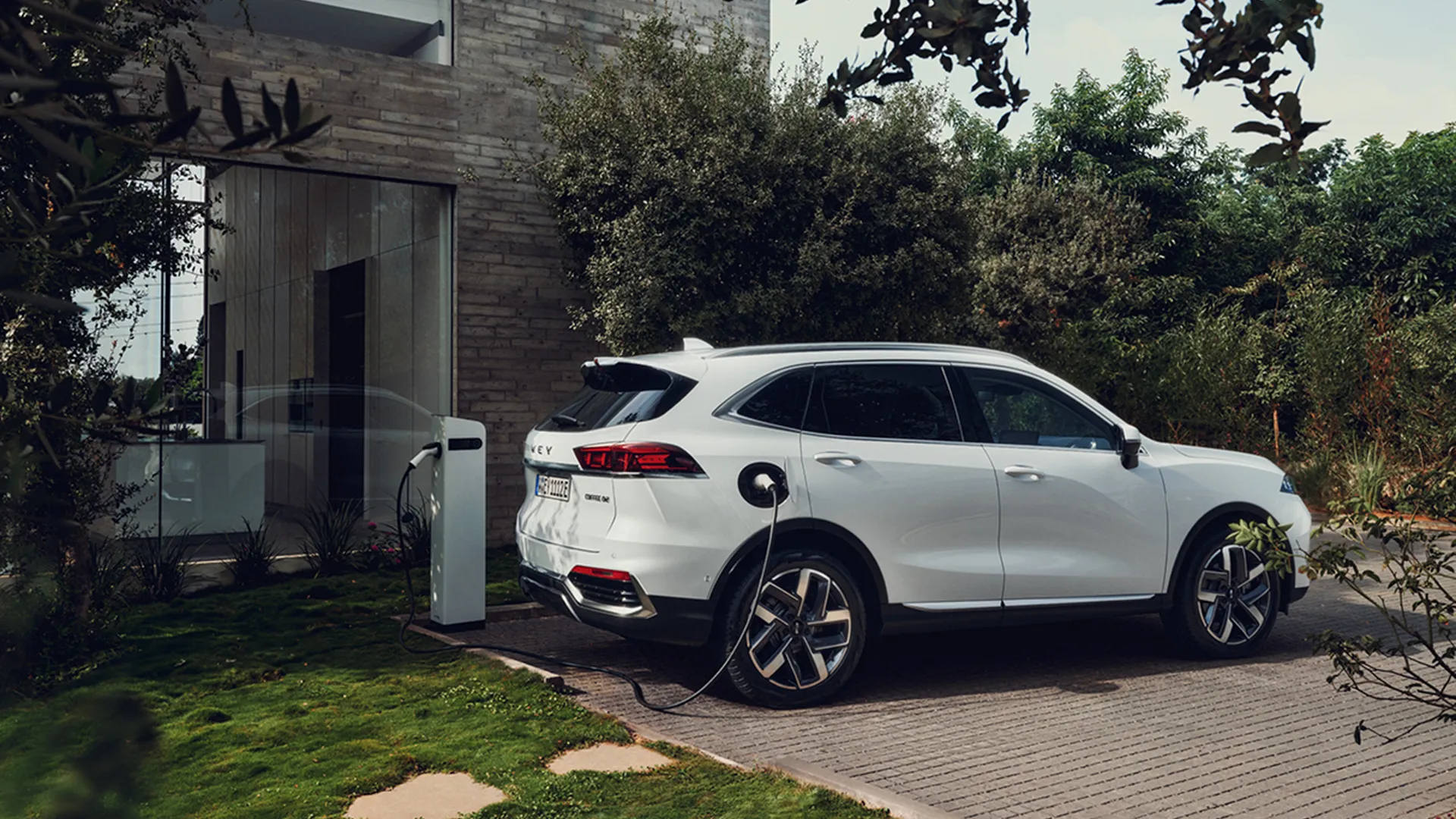
Chinese automotive giant Great Wall Motor (GWM), together with its subsidiary Svolt, has decided to completely rewrite the rules for hybrid cars by announcing the creation of a new-generation battery pack with a capacity reaching 80 kWh. This is a figure that puts many fully electric cars to shame—for comparison, the Long Range version of the Tesla Model Y operates with a similar capacity. GWM’s message is clear: the line between a pure electric vehicle and a plug-in hybrid is becoming so thin that the internal combustion engine is becoming more of a psychological safety net than a daily necessity.
Unveiled at the Svolt Battery Day in January 2026, this new "Fortress 2.0" battery is based on high-nickel chemistry, which has allowed for increased energy density without causing the car's weight to spiral out of control. This technological leap promises hybrids an electric-only range of over 400 kilometers, meaning the average driver could visit a gas station only once a year when heading on a holiday trip. Even more impressive is the charging speed; GWM claims that thanks to new 6C ultra-fast charging graphite technology, it takes less than ten minutes to charge the battery from ten to eighty percent. This is a speed that makes even a coffee break at a station feel too long, provided the infrastructure can support such power.
The first models expected to hit the roads with this massive battery include representatives from GWM's luxury brand Wey and the robust Tank 800 Hi4-Z SUV. Chinese automakers seem to have realized that consumers' greatest fear remains a dead battery, and the best way to alleviate this is to offer a hybrid that behaves like a top-tier electric car 99% of the time. GWM is not alone in this race, as similar plans have been noted in the Xiaomi and Leapmotor camps, but Great Wall's move is currently the most concrete and aggressive.
It appears we are entering an era where a hybrid no longer signifies a small auxiliary motor and modest fuel savings, but rather brutal electric capability backed by a gasoline engine when needed. With its 80 kWh battery, Great Wall Motor has set the bar at a height where traditional European manufacturers will find it difficult to keep pace without completely redesigning their platforms. The only question remains whether such a massive battery in a hybrid car is a technological triumph or a sign that we are still not quite ready to let go of the fuel hose for good.
The first models expected to hit the roads with this massive battery include representatives from GWM's luxury brand Wey and the robust Tank 800 Hi4-Z SUV. Chinese automakers seem to have realized that consumers' greatest fear remains a dead battery, and the best way to alleviate this is to offer a hybrid that behaves like a top-tier electric car 99% of the time. GWM is not alone in this race, as similar plans have been noted in the Xiaomi and Leapmotor camps, but Great Wall's move is currently the most concrete and aggressive.
It appears we are entering an era where a hybrid no longer signifies a small auxiliary motor and modest fuel savings, but rather brutal electric capability backed by a gasoline engine when needed. With its 80 kWh battery, Great Wall Motor has set the bar at a height where traditional European manufacturers will find it difficult to keep pace without completely redesigning their platforms. The only question remains whether such a massive battery in a hybrid car is a technological triumph or a sign that we are still not quite ready to let go of the fuel hose for good.


