
Honda and GM Pull the Plug on Hydrogen Joint Venture
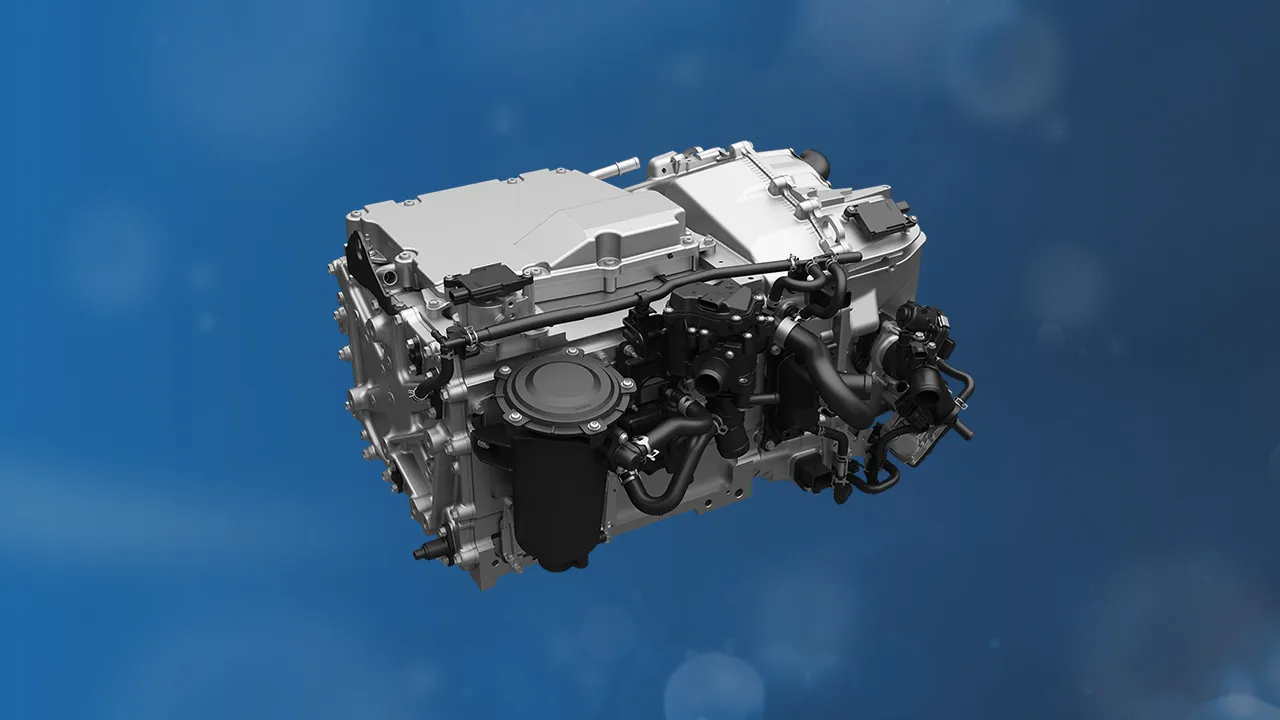
In the high-stakes arena of automotive alliances, grand promises often lead to quiet exits. The ambitious partnership between Honda and General Motors, once hailed as the catalyst for a hydrogen revolution, has become the latest casualty of market reality. After a decade of intensive engineering and billions in investment, the two industrial titans have decided to wind down their joint fuel cell production. By the end of 2026, the assembly lines at their shared Michigan facility will fall silent, marking a definitive end to their dreams of mass-market hydrogen dominance.
This saga began nearly ten years ago with a bold vision to make fuel cell technology both affordable and reliable. While the collaboration did yield technical fruit, most notably the sophisticated system powering the Honda CR-V e:FCEV, the market response has been a deafening silence. Despite the engineering prowess involved, hydrogen vehicles remain exotic rarities. Even in tech-forward hubs like California or Japan, the refueling infrastructure is so sparse that owning one remains an exercise in logistical frustration rather than a leap into the future.
The dissolution of the partnership does not mean a total surrender, at least not according to the official communiqués. Honda intends to keep the flame flickering on its own, perhaps hoping to eventually discover a silver bullet that can give hydrogen an edge over battery electric vehicles. General Motors, however, has opted for a more pragmatic path. The Americans are shifting their momentum toward where the actual revenue lies: battery chemistry and the rapid expansion of their EV portfolio. GM executives have been candid, noting that while hydrogen is a beautiful vision, it currently lacks any real market viability.
Ultimately, this corporate divorce felt inevitable. When a technology fails to prove its worth over a decade and the supporting infrastructure never leaves the blueprint stage, even the most prestigious badges cannot save it. The FCSM joint venture will likely be remembered as a textbook example of how engineering enthusiasm can be crushed by harsh economic truths. The "age of hydrogen," which has been just around the corner for decades, will have to wait in the wings a little longer.
The dissolution of the partnership does not mean a total surrender, at least not according to the official communiqués. Honda intends to keep the flame flickering on its own, perhaps hoping to eventually discover a silver bullet that can give hydrogen an edge over battery electric vehicles. General Motors, however, has opted for a more pragmatic path. The Americans are shifting their momentum toward where the actual revenue lies: battery chemistry and the rapid expansion of their EV portfolio. GM executives have been candid, noting that while hydrogen is a beautiful vision, it currently lacks any real market viability.
Ultimately, this corporate divorce felt inevitable. When a technology fails to prove its worth over a decade and the supporting infrastructure never leaves the blueprint stage, even the most prestigious badges cannot save it. The FCSM joint venture will likely be remembered as a textbook example of how engineering enthusiasm can be crushed by harsh economic truths. The "age of hydrogen," which has been just around the corner for decades, will have to wait in the wings a little longer.


