
Hyundai Ioniq enters a new orbit in China, as Venus and Earth hint at a bigger shift
 1/8
1/8
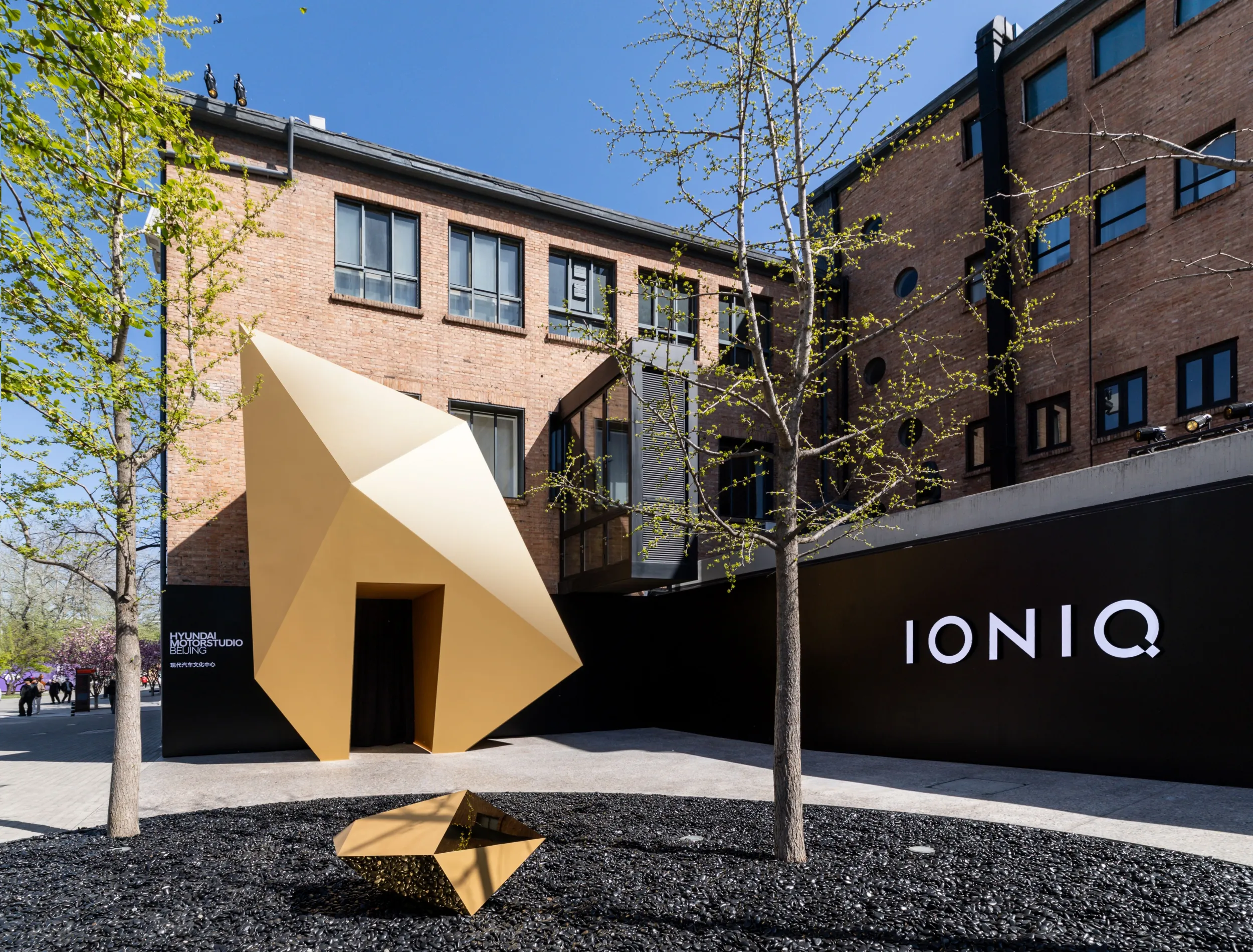
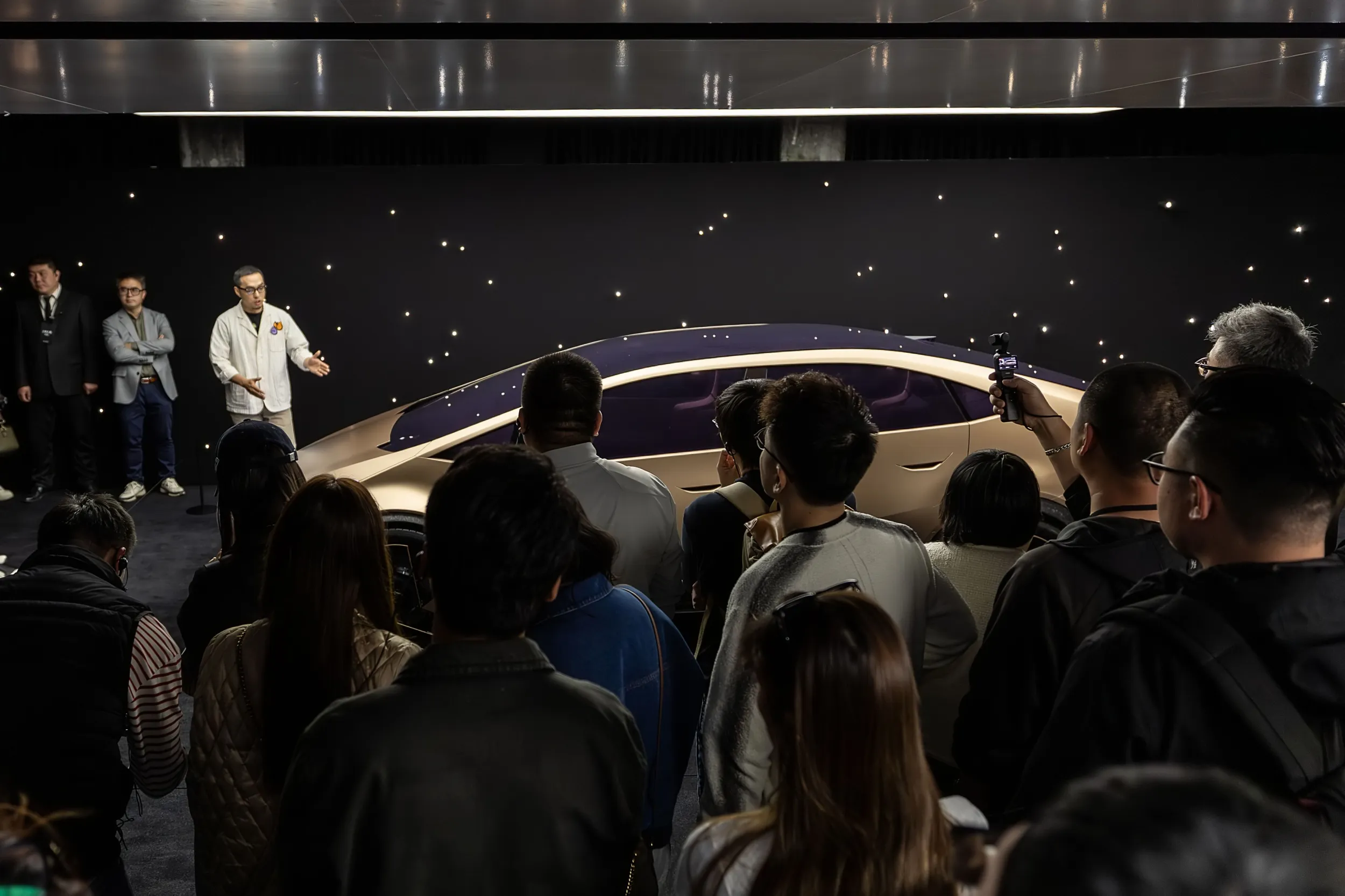
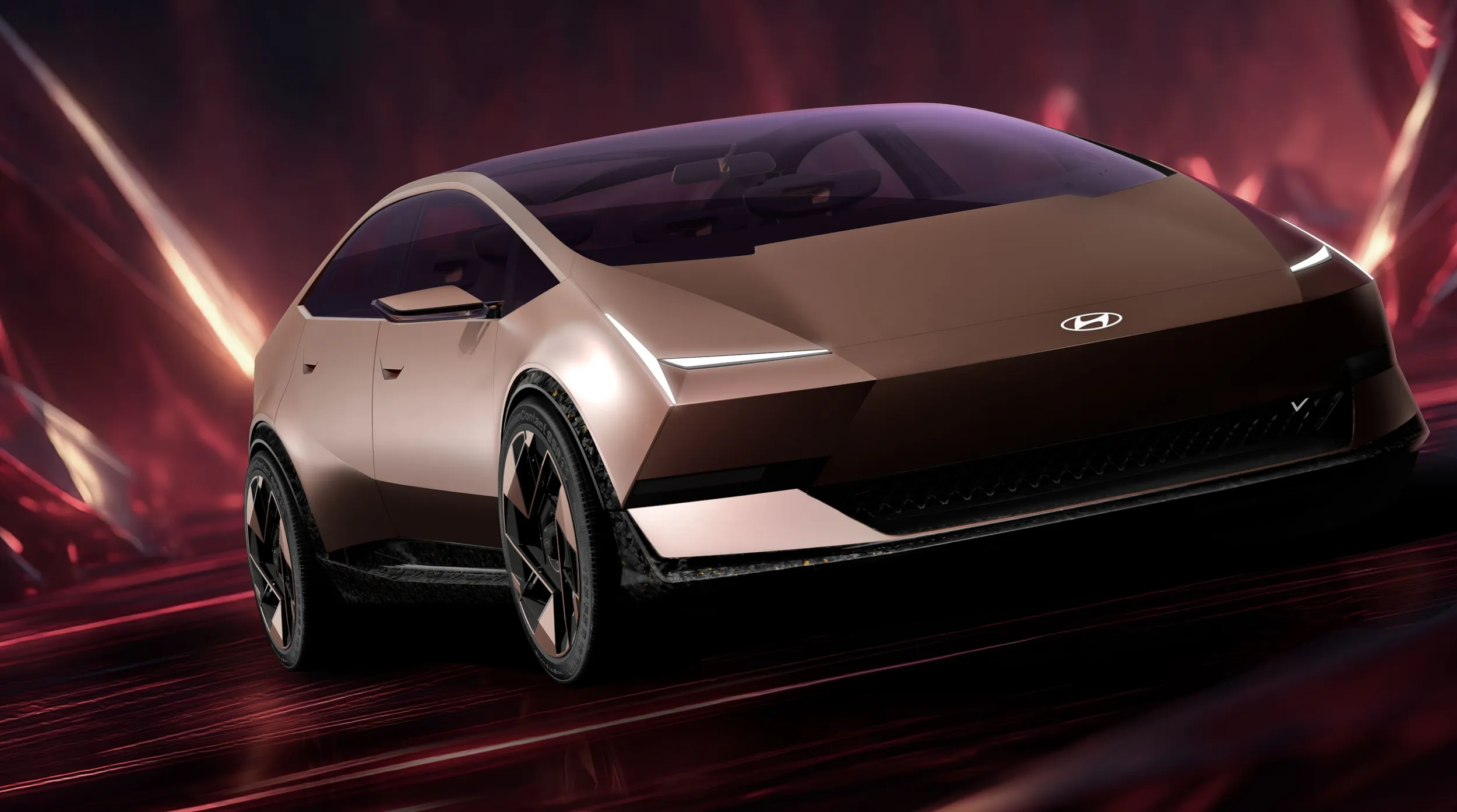
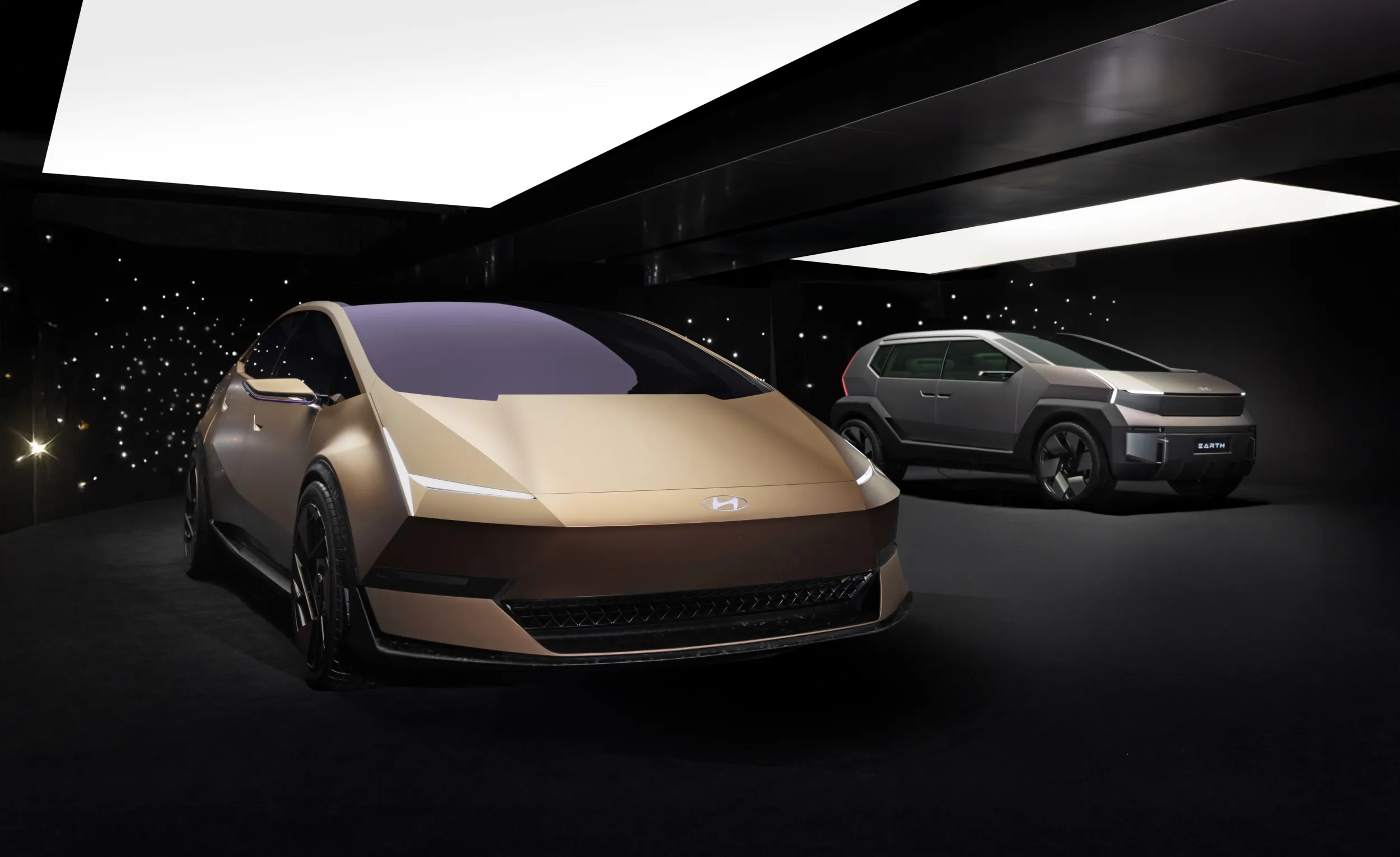
Hyundai no longer wants Ioniq in China to mean little more than the name on a handful of electric cars. The unveiling of Venus and Earth in Beijing made one thing clear: Hyundai is turning Ioniq into a standalone EV brand for the Chinese market, with models meant to orbit the customer like planets around the sun. It sounds grand, almost cosmic. This time, though, the company offered more than stage graphics and marketing poetry. It also showed two fairly concrete signposts for where it wants to go next.
Ioniq becomes a universe of its own in China
Hyundai has officially launched Ioniq in China as a fully electric brand in its own right, tying it to a broader mobility experience rather than simply lining up a few new cars under a familiar badge. The company said it had spent years preparing the move specifically for the Chinese market, drawing on local technologies and partnerships while keeping hold of Hyundai’s usual talking points around safety and quality. The planet themed naming was not the result of a whimsical afternoon in the branding department. It forms part of a new logic in which the customer sits at the centre and the cars revolve around them. Carmakers do occasionally like to explain the universe as if they designed it themselves, but in China’s EV market even a big brand needs a fresh narrative.
Two concepts, two very different roles
Venus goes after emotion and saloon style
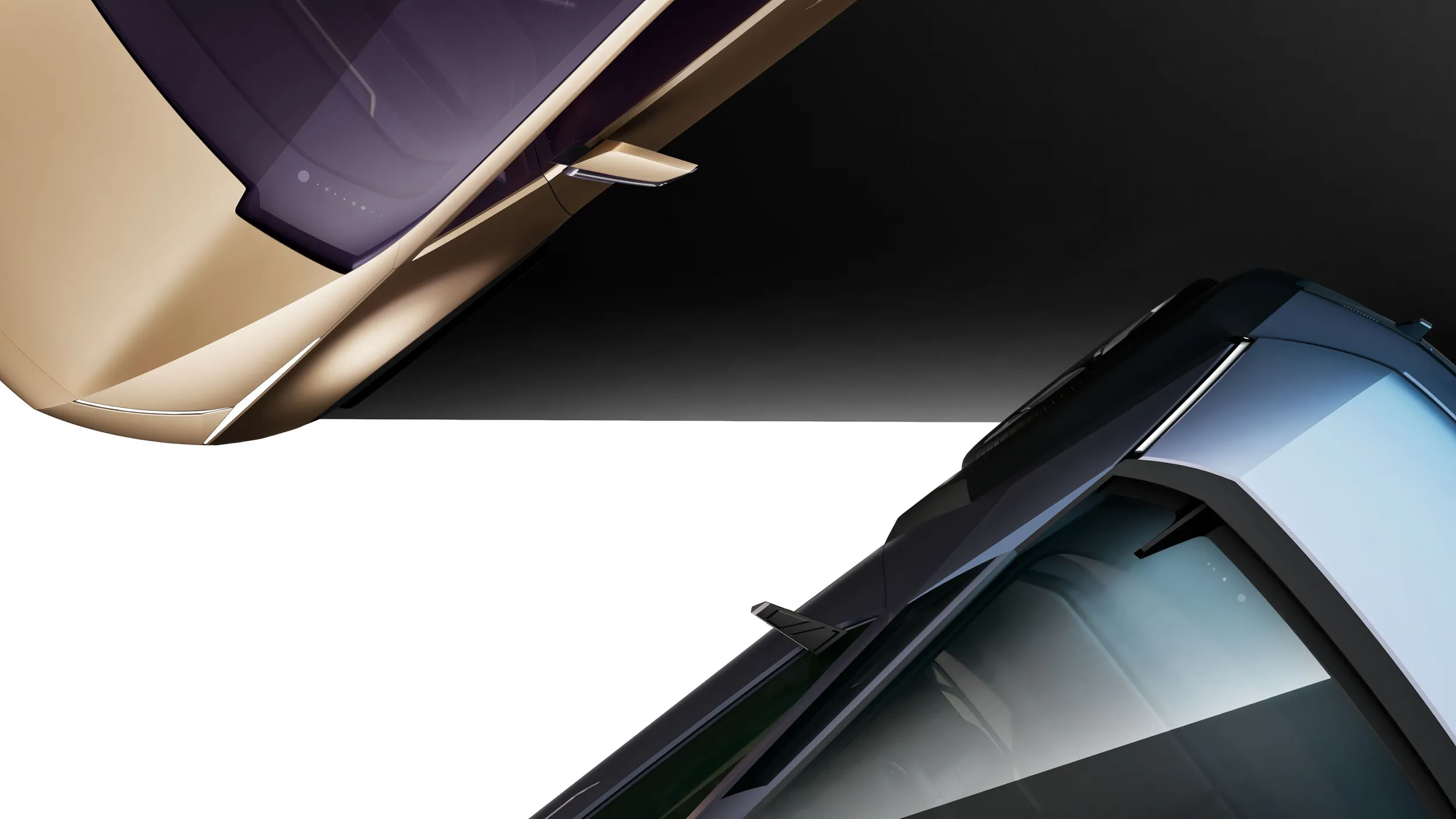
The Venus Concept is Hyundai’s idea of a modern saloon that wants to feel both bold and timeless. The official description talks about a gold body, one strong signature line, a light roof structure and a transparent spoiler. Inside, the cabin focuses on the driver, using layered ambient lighting, contrasting materials and even a small character called Lumi. It all sounds a little like the design team was finally allowed to let its imagination onto the table, but at least the result has its own identity.
Earth plays a more practical hand
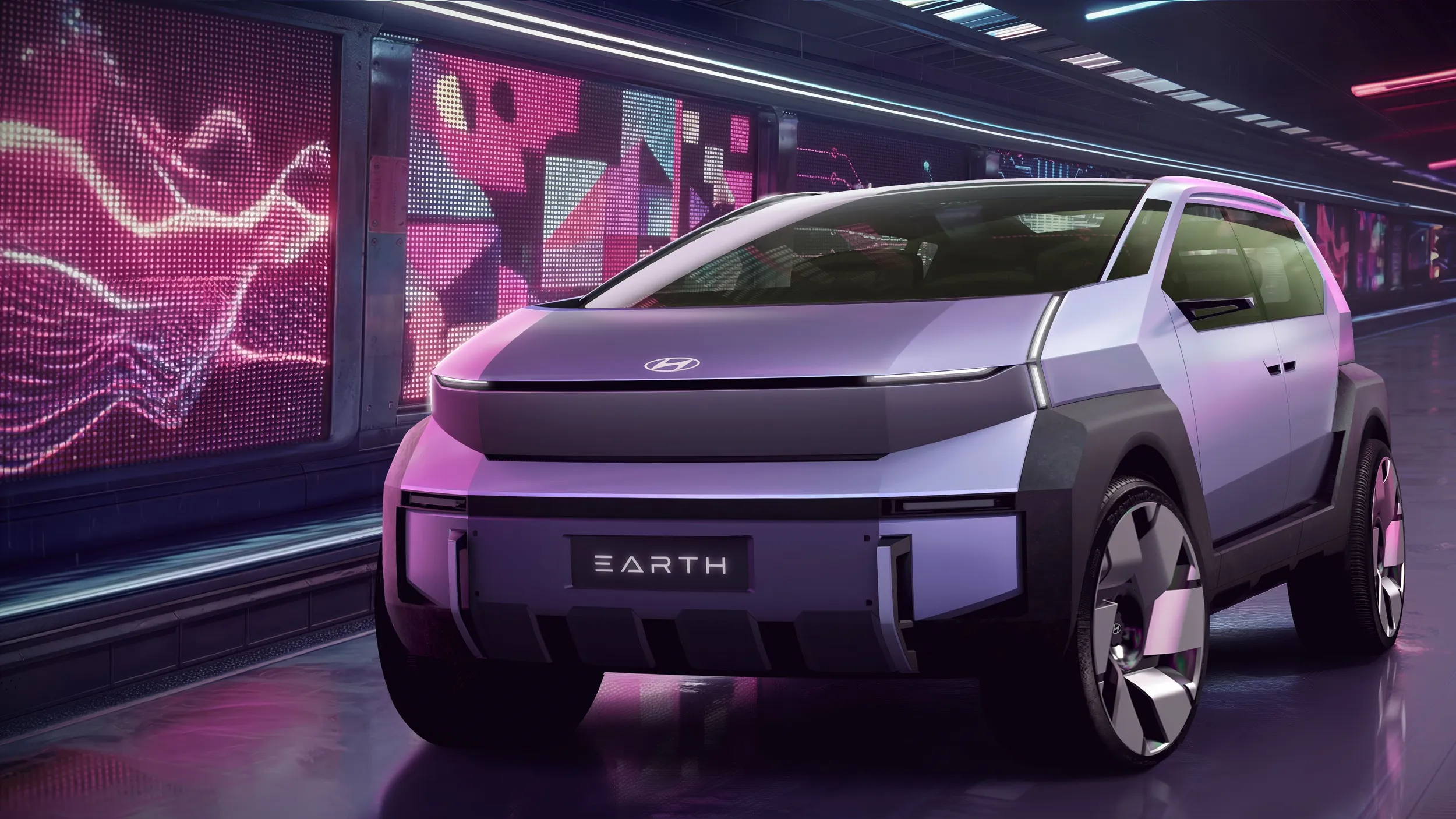
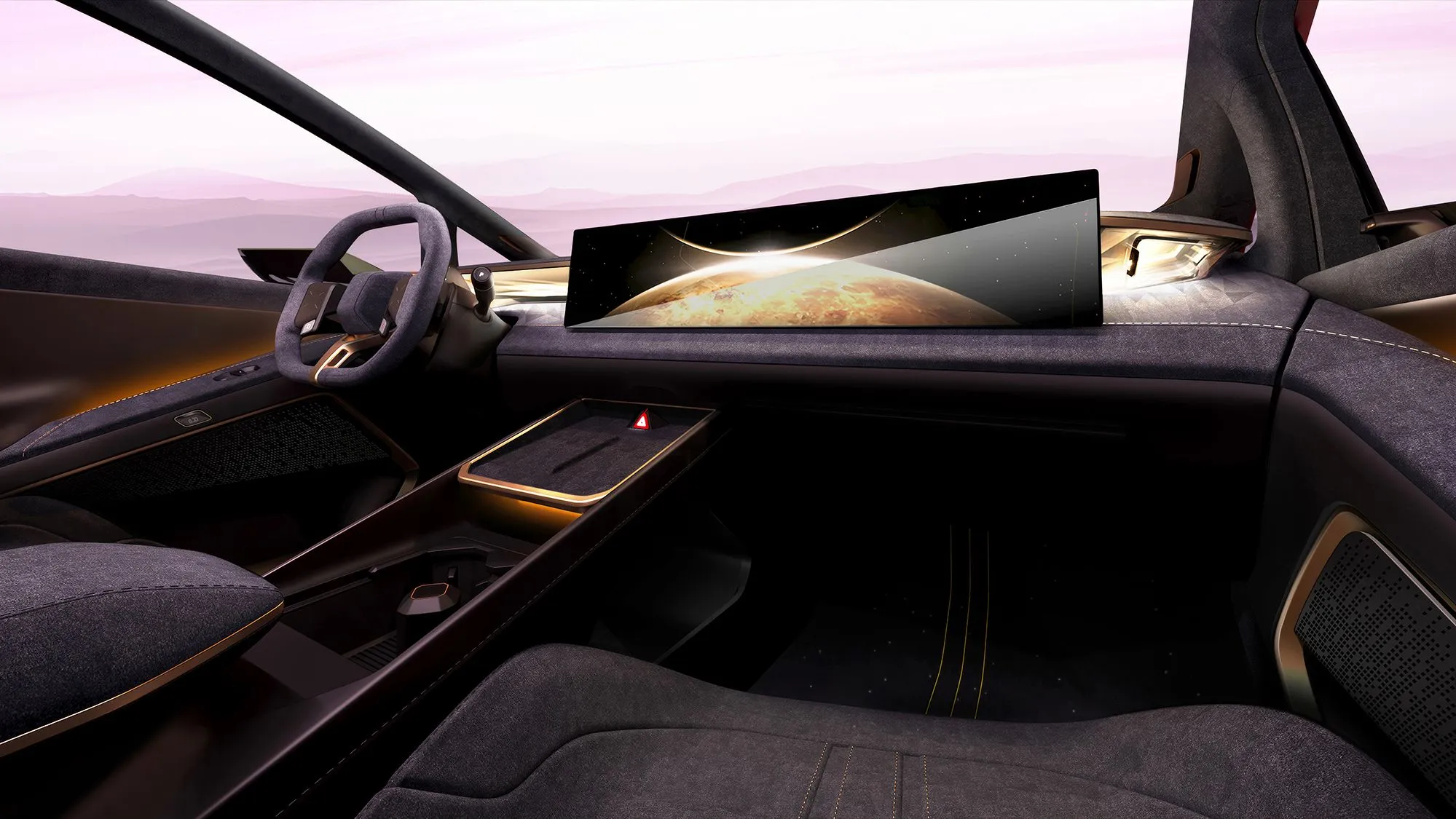
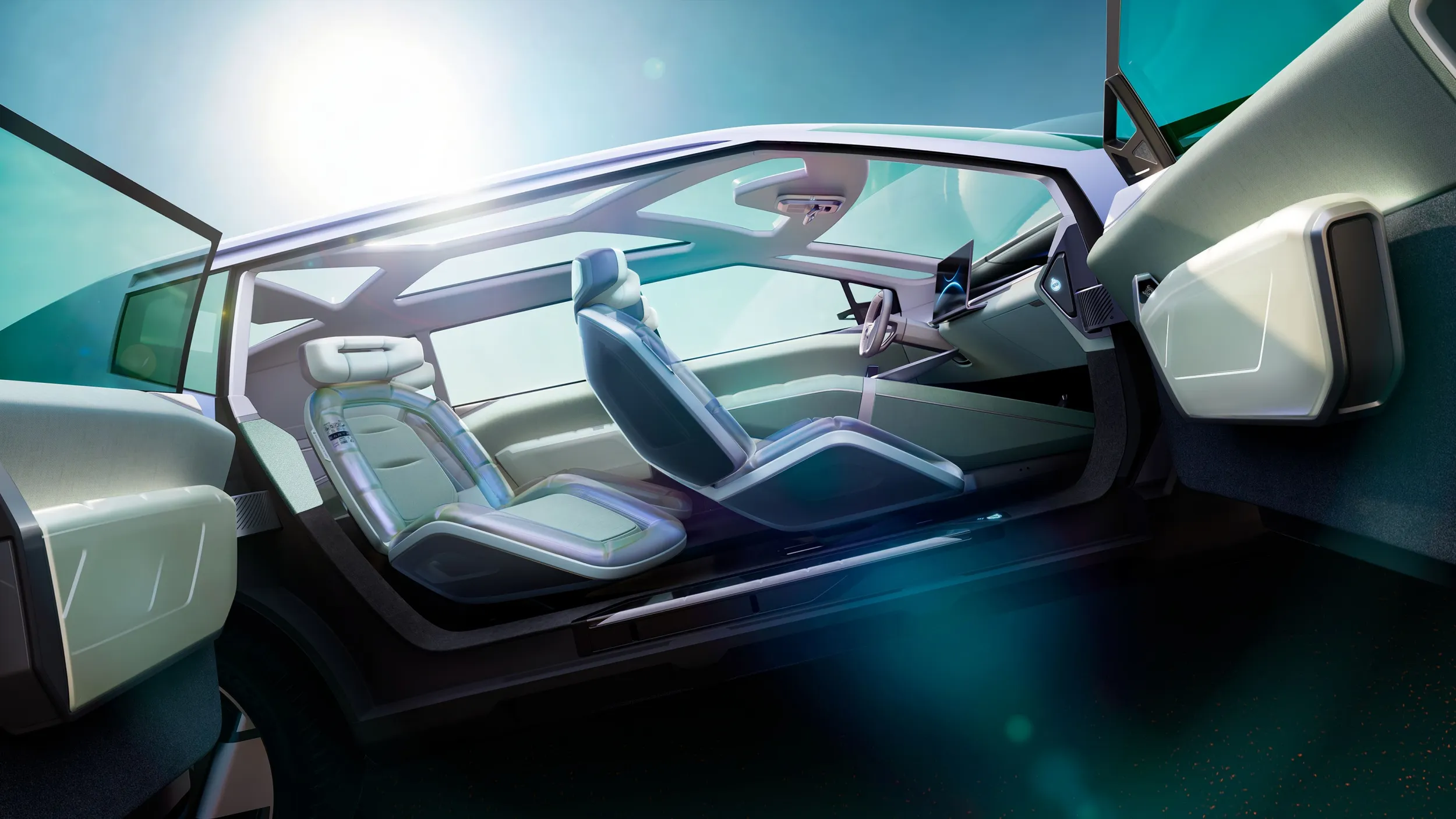
The Earth Concept heads in a different direction. Hyundai describes it as a family SUV that blends sharp edges, sculpted surfaces and a tougher overall look. Inside, it promises a calm, airy cabin, lighting inspired by nature and subtle references to Beijing. This part of the story sounds far more grounded, which is no bad thing. Every electric brand needs more than a showpiece. It also needs something you could plausibly drive to the shops.
The design language may be shifting
Hyundai’s official material does not announce the end of the pixel era with any great fanfare, but other coverage suggests the teasers point to a simpler, more angular lighting signature than before. That would imply Hyundai is beginning to ease away from the pixel heavy look that made Ioniq models so easy to spot. In other words, the company is not throwing its old identity out of the window. It is, however, turning it to face a different direction.
The change may not stop with China
The Beijing reveal does not look like an isolated experiment. Back in March, Hyundai Europe said it would unveil the Ioniq 3 at Milan Design Week, describing it as the next step in the brand’s evolving design direction.
What Hyundai’s Ioniq pivot says about the market
In China, the electric car market no longer rewards brands for simply showing up with a global playbook and a well known badge. Competition is forcing manufacturers to localise more aggressively and differentiate more clearly. Against that backdrop, Hyundai’s new China specific Ioniq strategy feels less like a whim and more like necessity. In the world’s biggest EV market, old confidence on its own no longer gets you very far.
Hyundai has officially launched Ioniq in China as a fully electric brand in its own right, tying it to a broader mobility experience rather than simply lining up a few new cars under a familiar badge. The company said it had spent years preparing the move specifically for the Chinese market, drawing on local technologies and partnerships while keeping hold of Hyundai’s usual talking points around safety and quality. The planet themed naming was not the result of a whimsical afternoon in the branding department. It forms part of a new logic in which the customer sits at the centre and the cars revolve around them. Carmakers do occasionally like to explain the universe as if they designed it themselves, but in China’s EV market even a big brand needs a fresh narrative.
Two concepts, two very different roles
Venus goes after emotion and saloon style
The Venus Concept is Hyundai’s idea of a modern saloon that wants to feel both bold and timeless. The official description talks about a gold body, one strong signature line, a light roof structure and a transparent spoiler. Inside, the cabin focuses on the driver, using layered ambient lighting, contrasting materials and even a small character called Lumi. It all sounds a little like the design team was finally allowed to let its imagination onto the table, but at least the result has its own identity.
Earth plays a more practical hand
The Earth Concept heads in a different direction. Hyundai describes it as a family SUV that blends sharp edges, sculpted surfaces and a tougher overall look. Inside, it promises a calm, airy cabin, lighting inspired by nature and subtle references to Beijing. This part of the story sounds far more grounded, which is no bad thing. Every electric brand needs more than a showpiece. It also needs something you could plausibly drive to the shops.
The design language may be shifting
Hyundai’s official material does not announce the end of the pixel era with any great fanfare, but other coverage suggests the teasers point to a simpler, more angular lighting signature than before. That would imply Hyundai is beginning to ease away from the pixel heavy look that made Ioniq models so easy to spot. In other words, the company is not throwing its old identity out of the window. It is, however, turning it to face a different direction.
The change may not stop with China
The Beijing reveal does not look like an isolated experiment. Back in March, Hyundai Europe said it would unveil the Ioniq 3 at Milan Design Week, describing it as the next step in the brand’s evolving design direction.
What Hyundai’s Ioniq pivot says about the market
In China, the electric car market no longer rewards brands for simply showing up with a global playbook and a well known badge. Competition is forcing manufacturers to localise more aggressively and differentiate more clearly. Against that backdrop, Hyundai’s new China specific Ioniq strategy feels less like a whim and more like necessity. In the world’s biggest EV market, old confidence on its own no longer gets you very far.


