
New Hyundai Tucson sets South Korean order record as hybrid outsells petrol version
 1/14
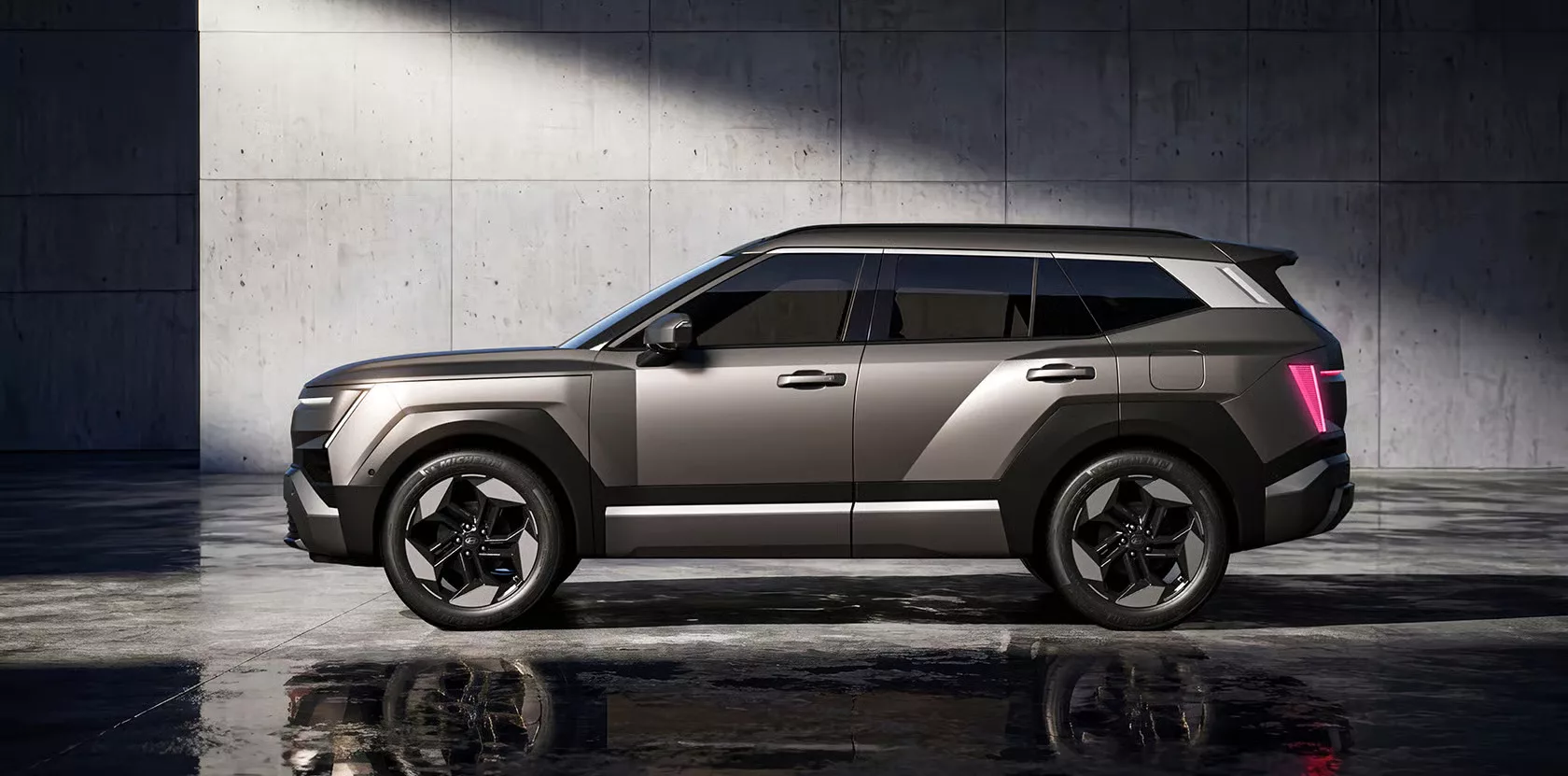
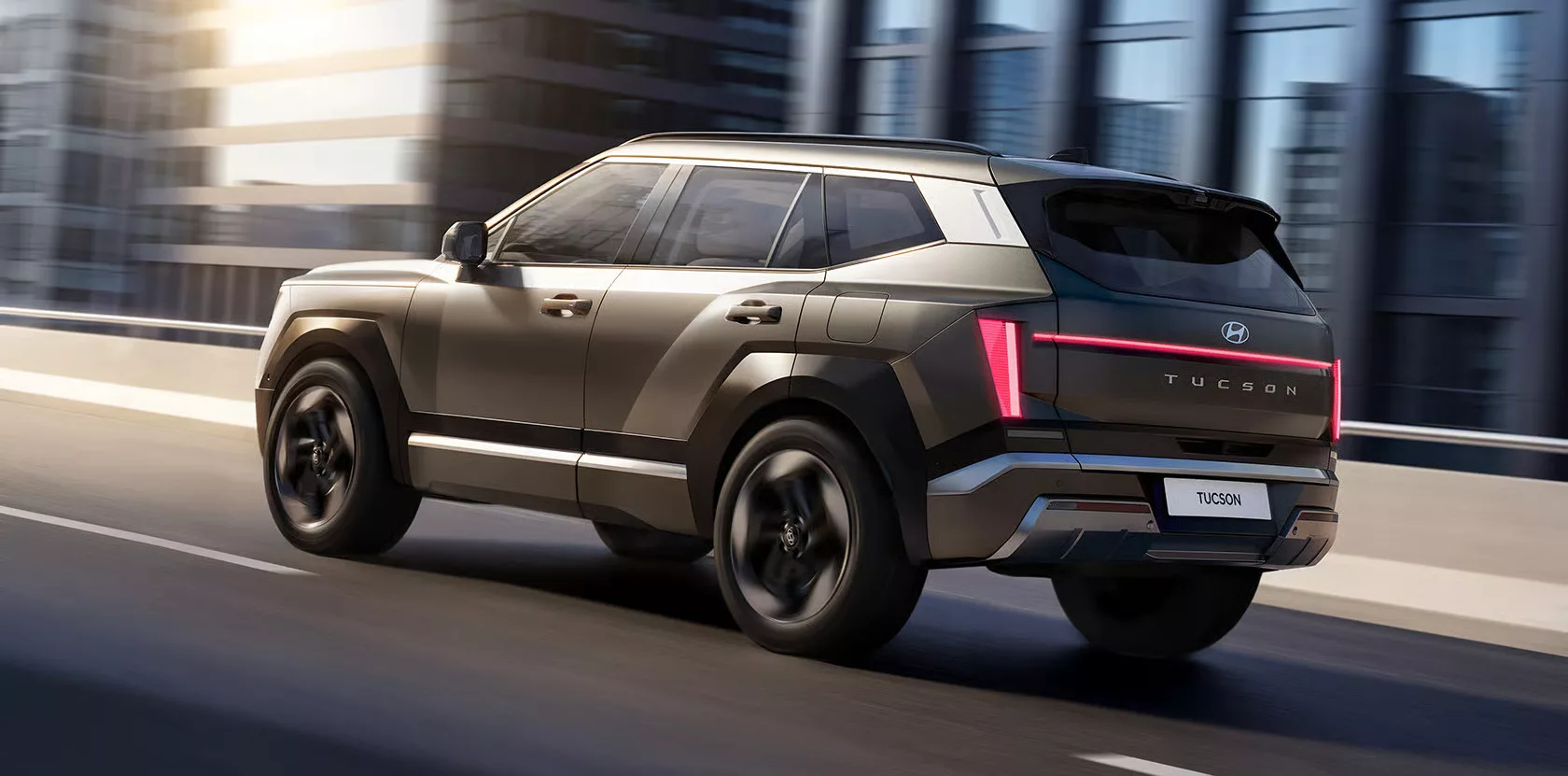
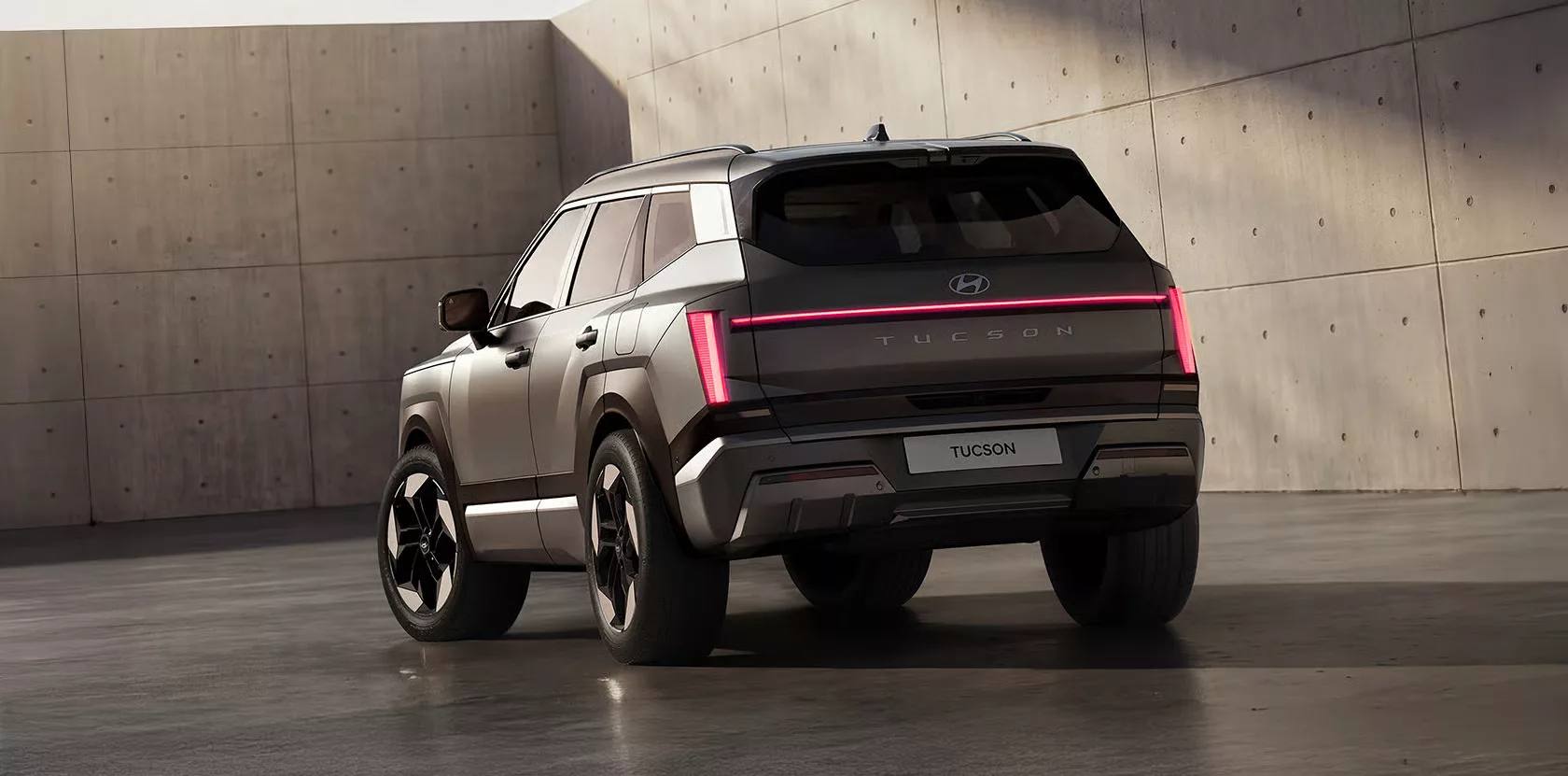
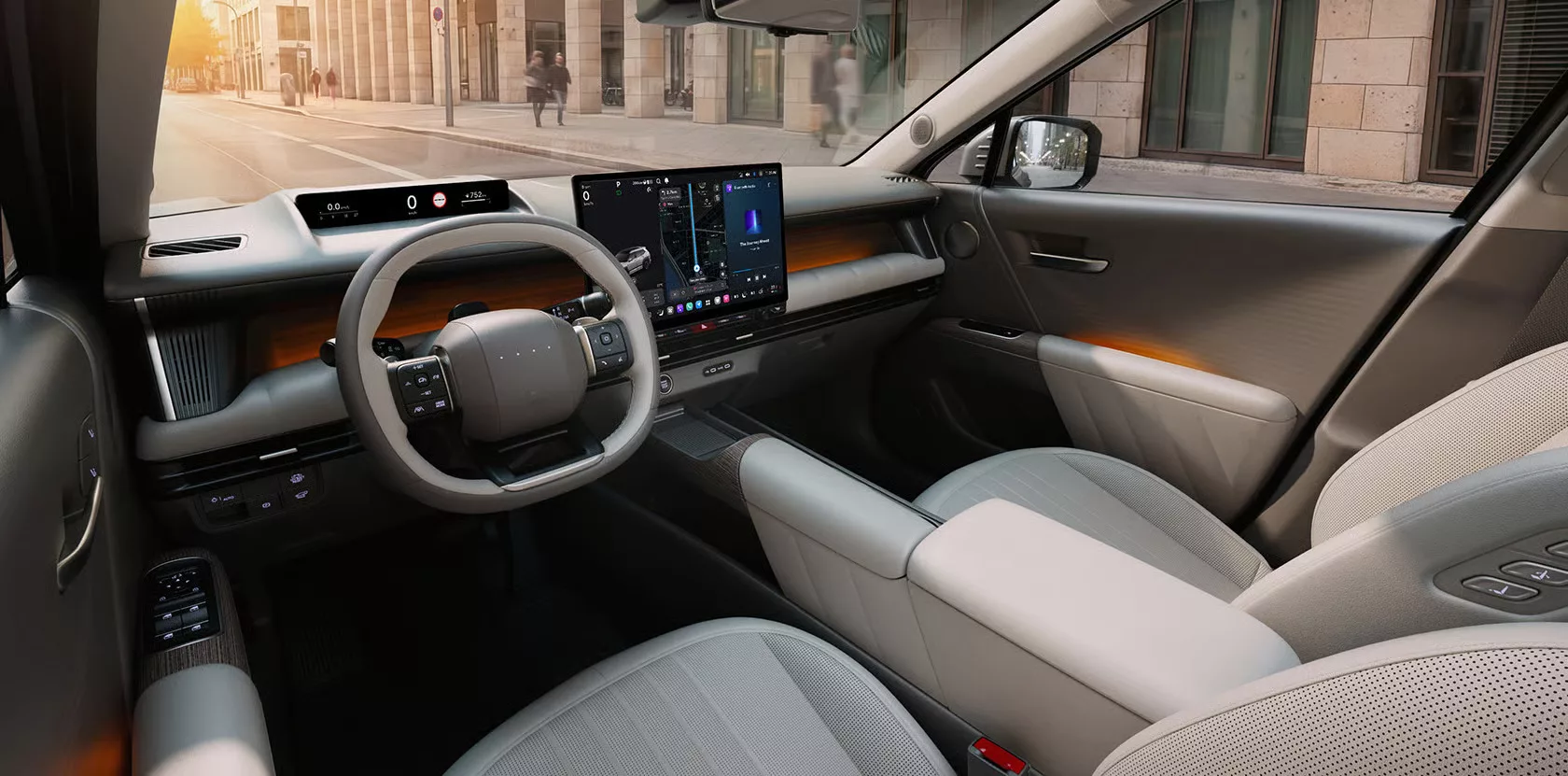
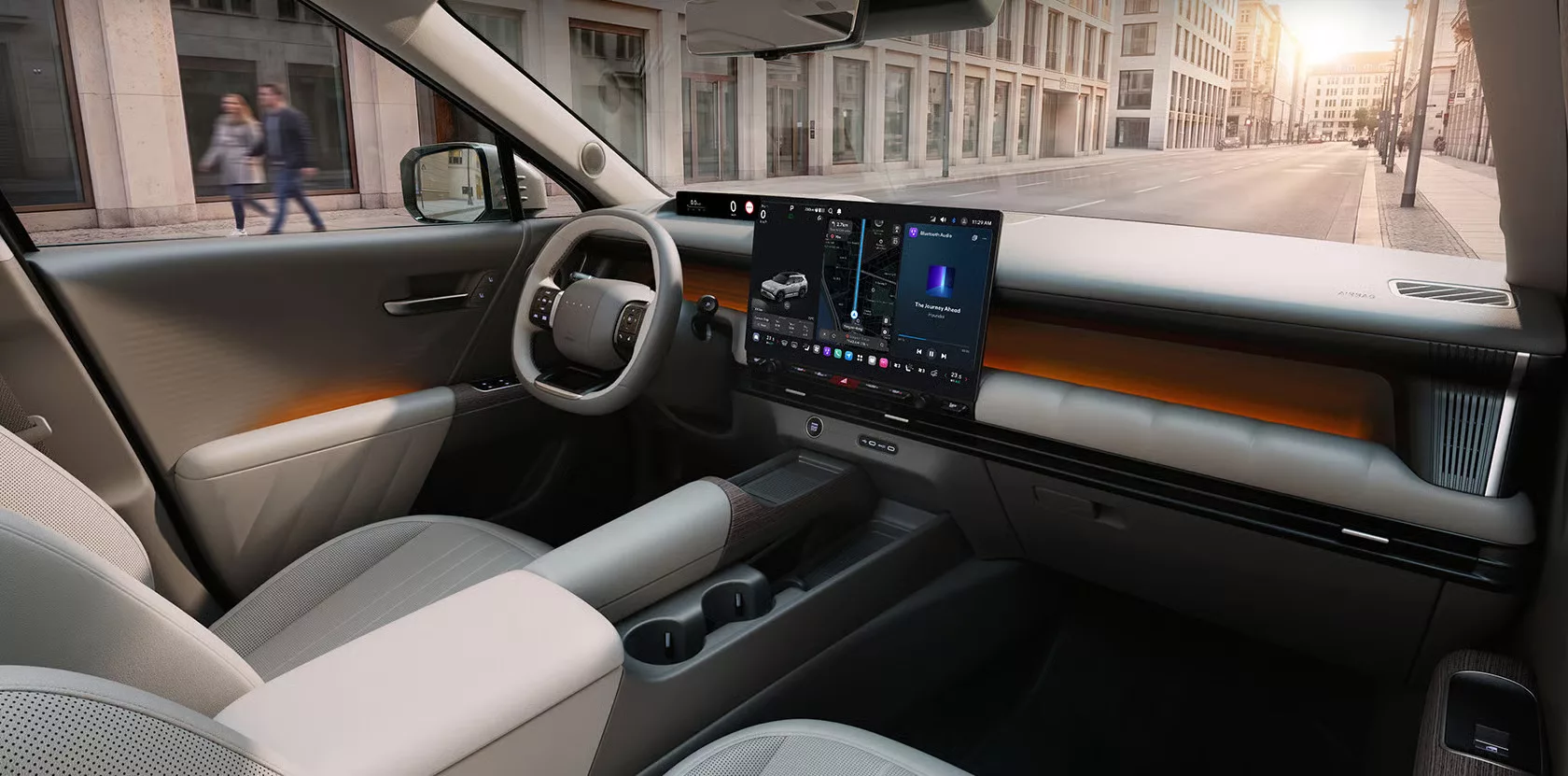
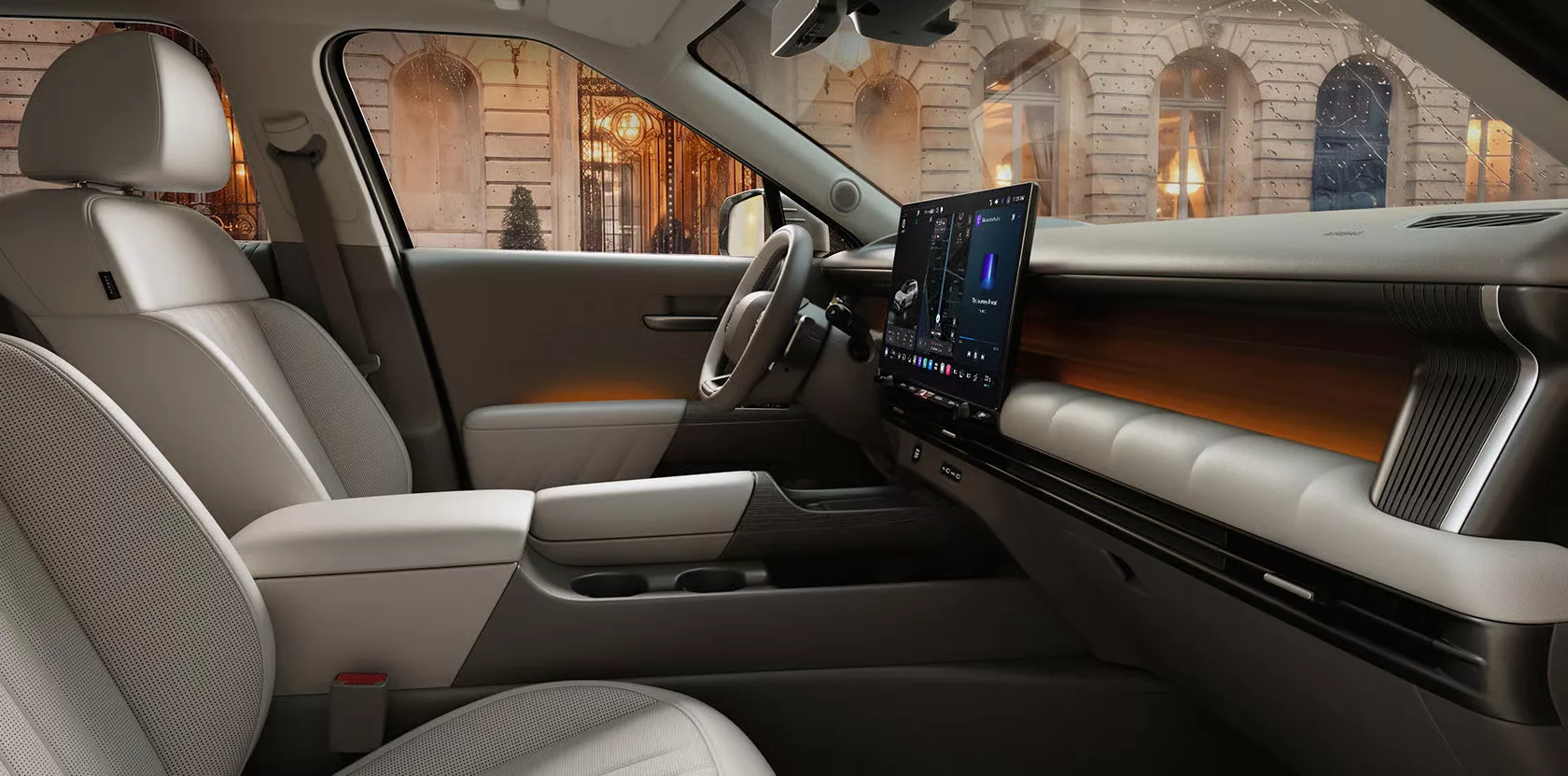
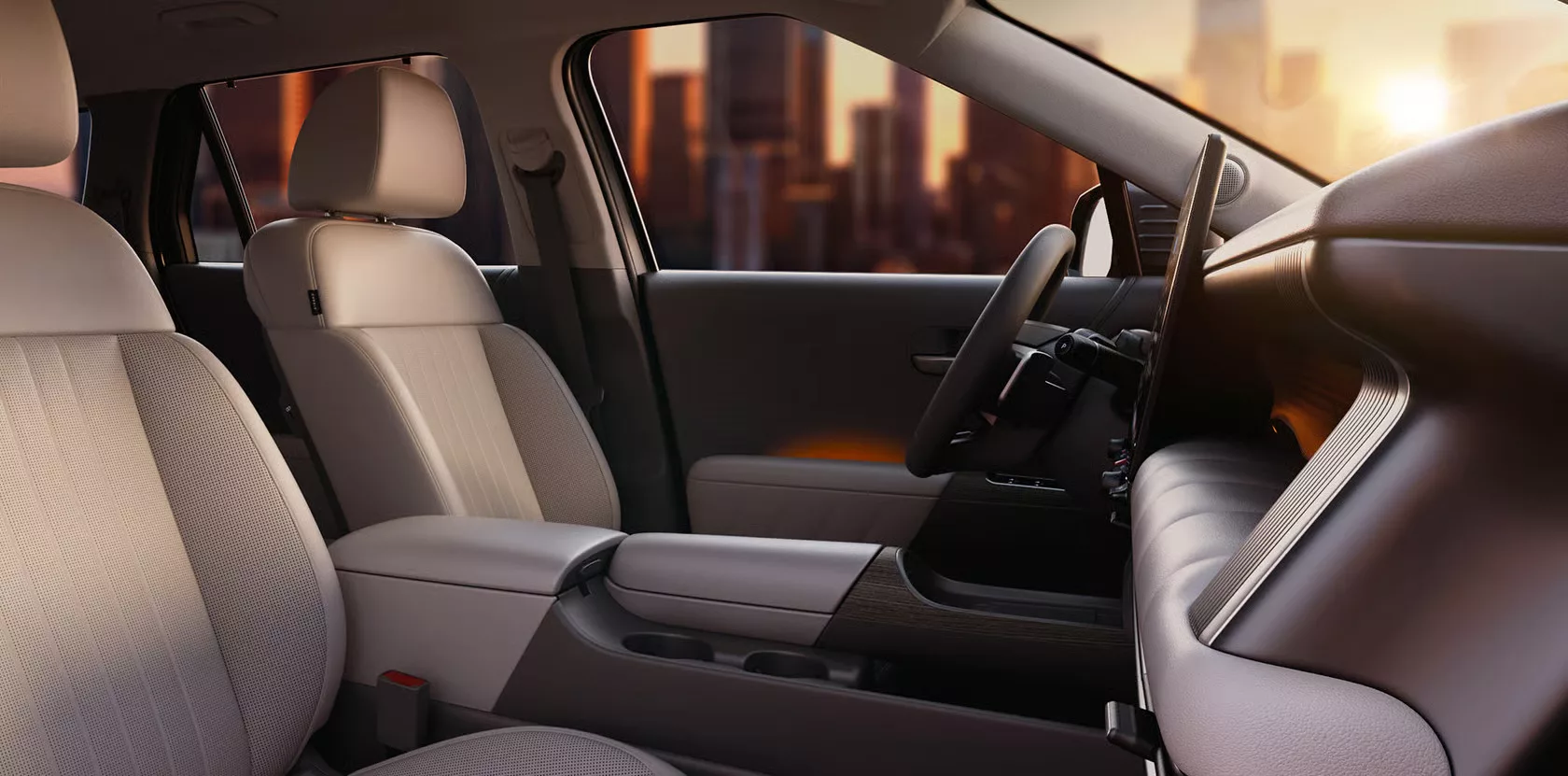
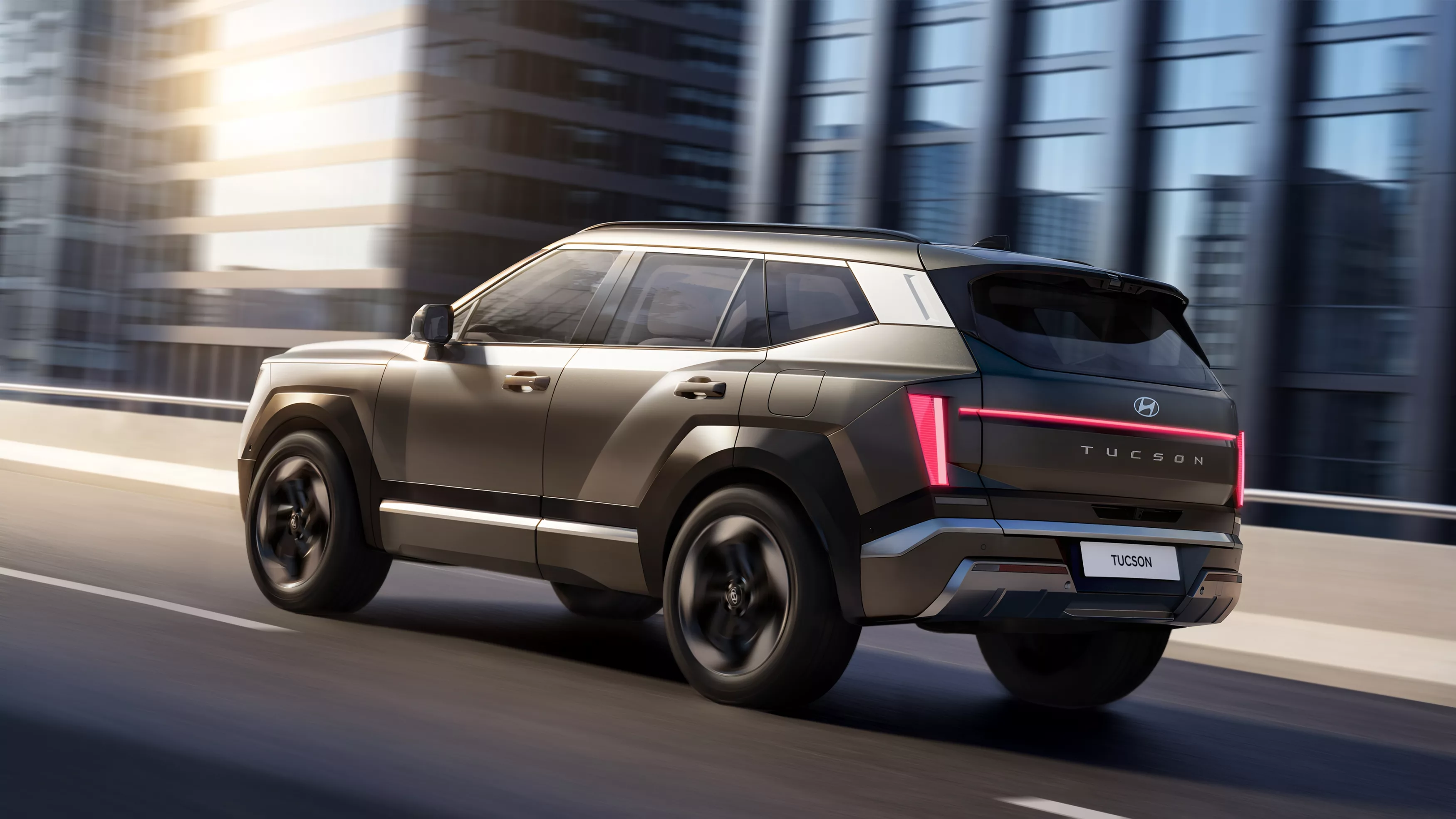
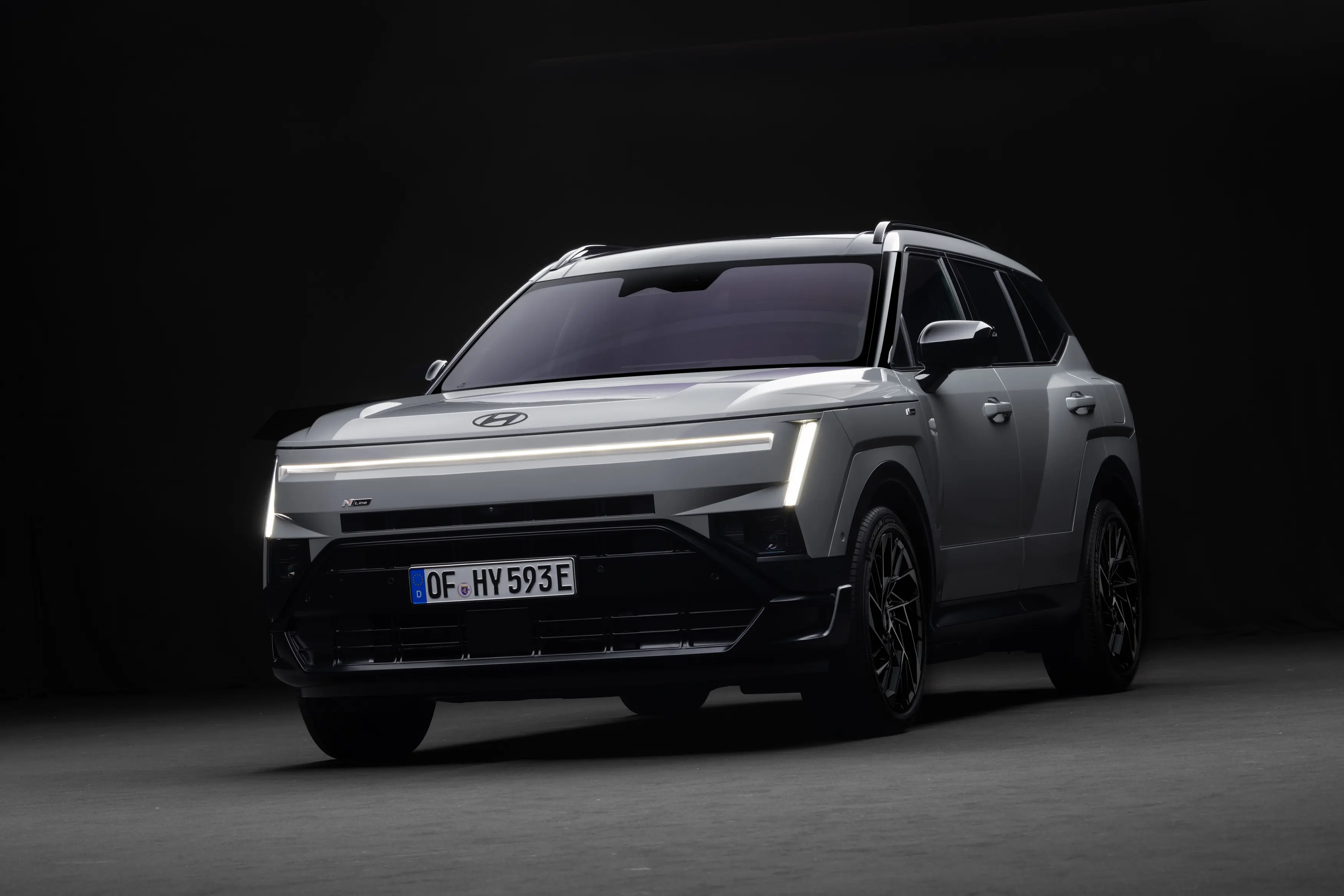
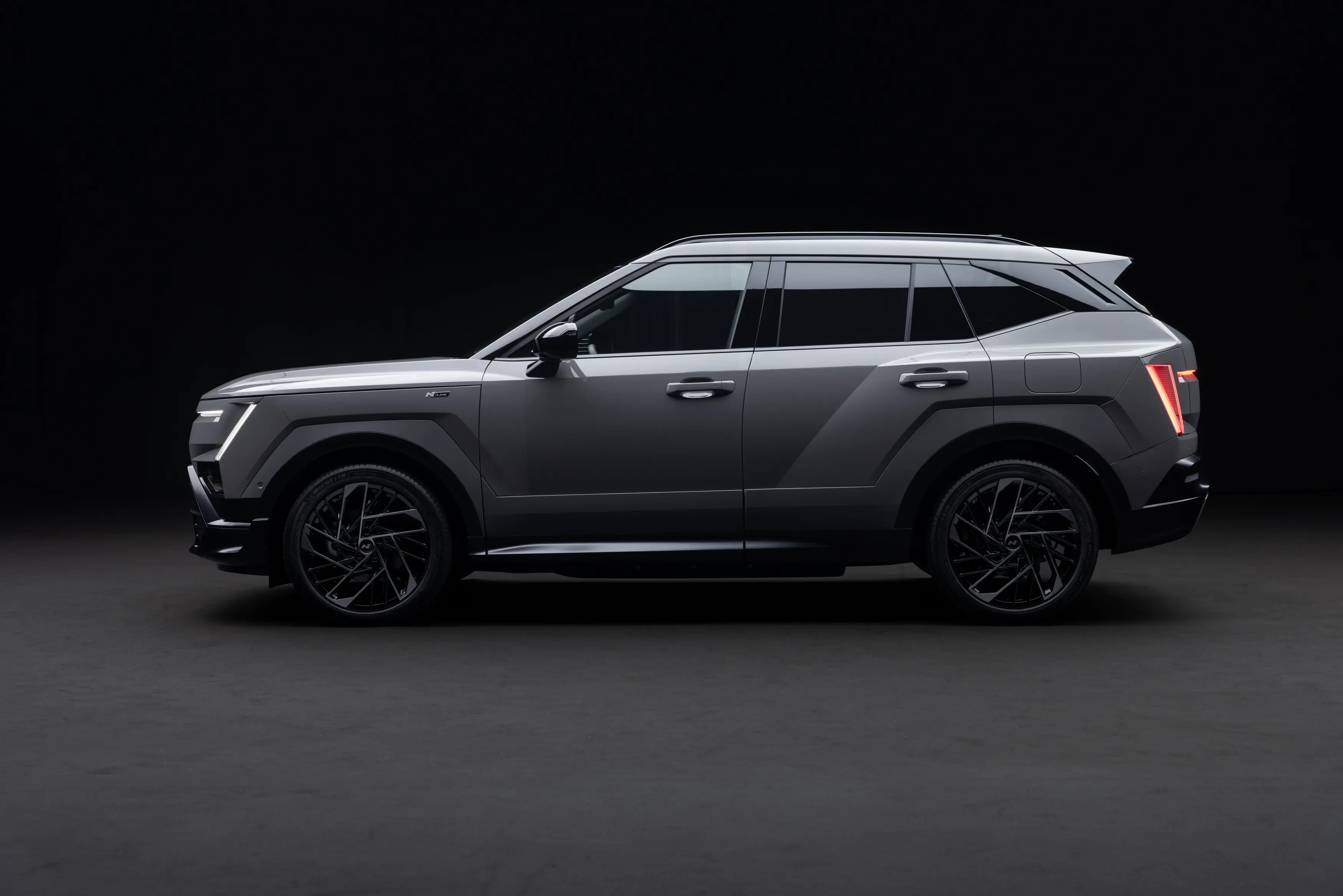
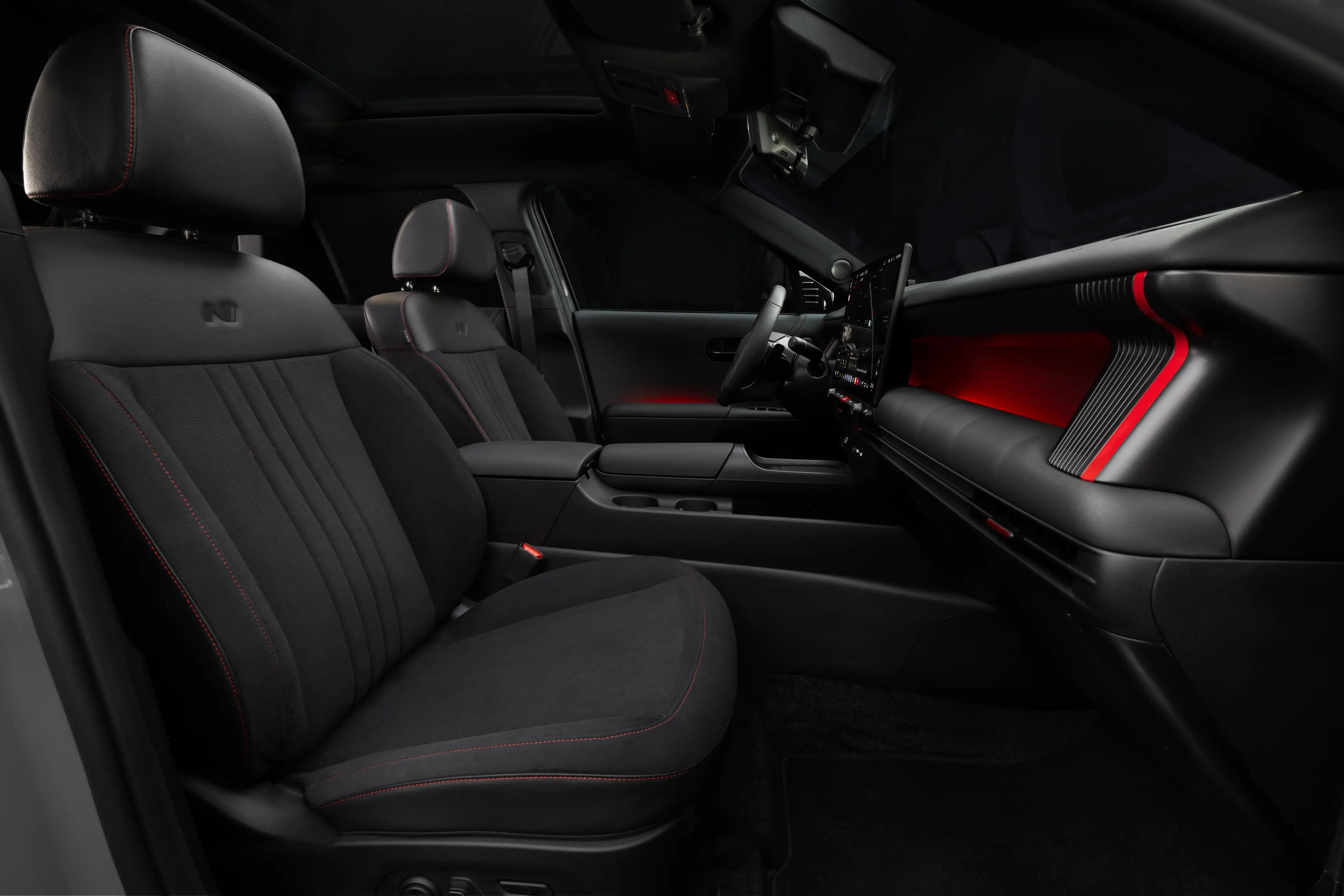
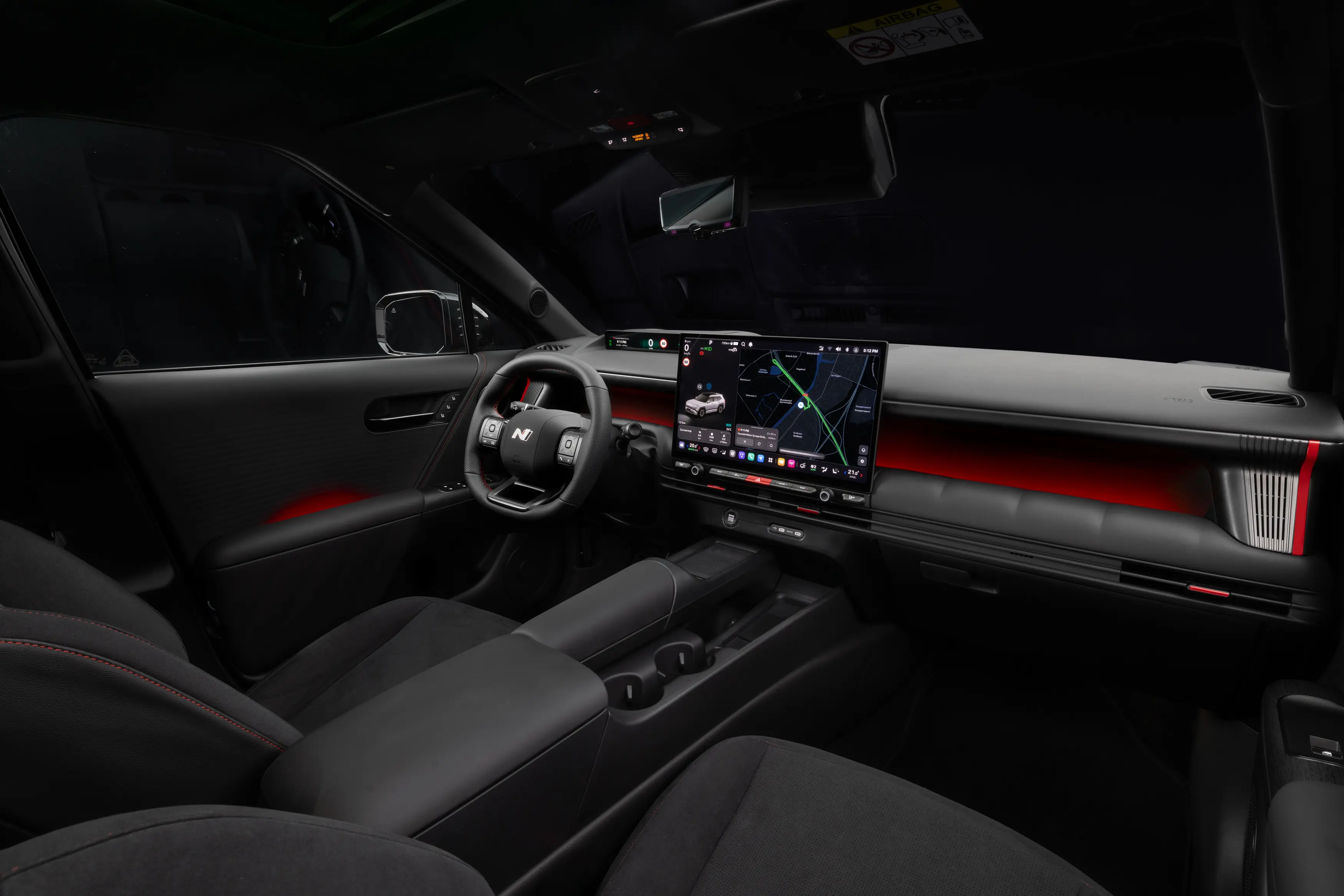
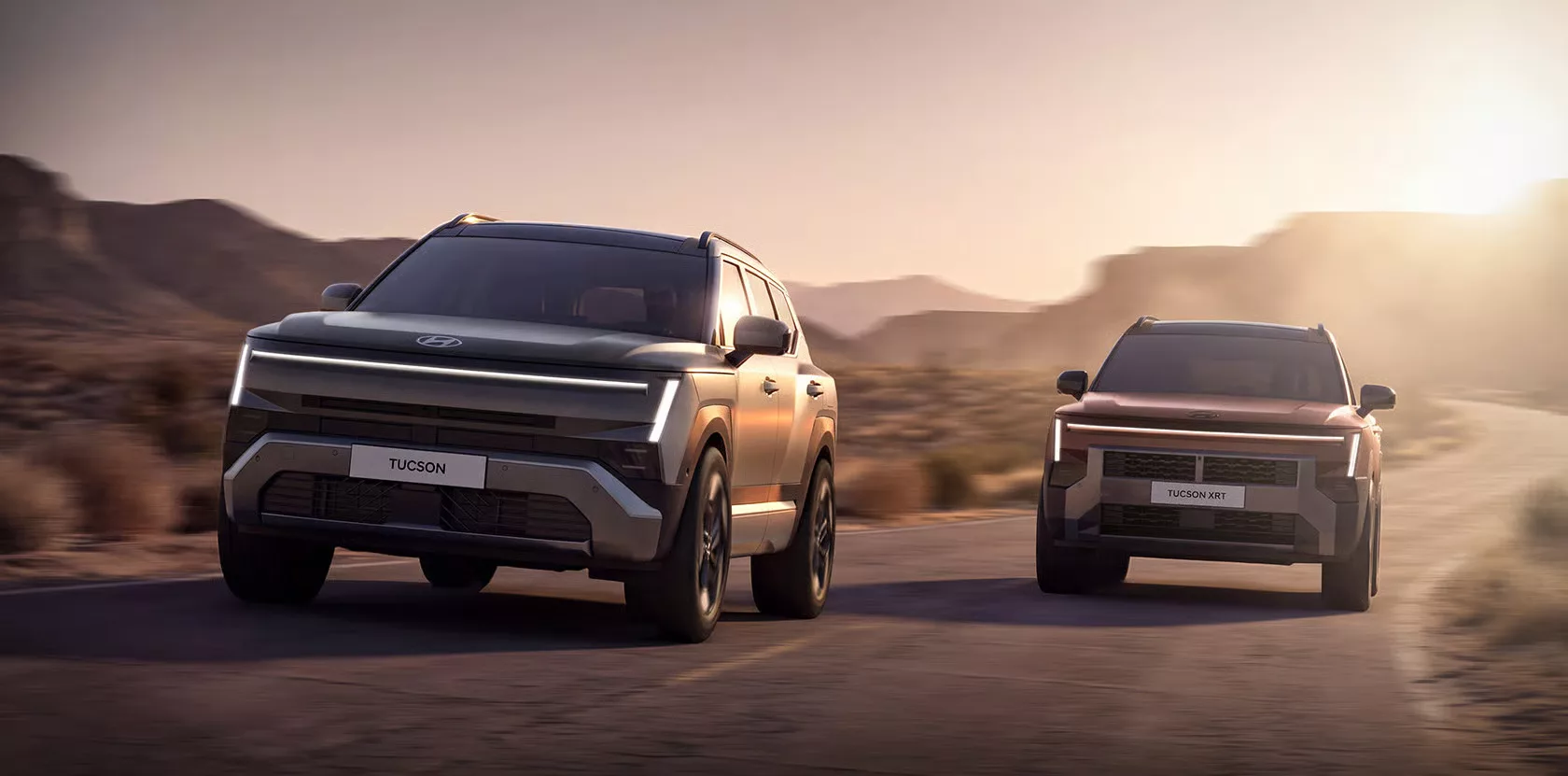
Hyundai’s fifth-generation Tucson has gone on sale in South Korea with a record result. It attracted 15,045 orders in the first 24 hours, beating its predecessor’s debut by nearly 39 per cent. Buyers’ powertrain choices are even more telling: for the first time in Tucson history, most customers preferred the hybrid to the conventional petrol version, despite the new model costing significantly more than its predecessor.
Hybrid takes the lead for the first time
According to Hyundai, the new Tucson surpassed the record set by the fourth-generation model in September 2020, when it attracted 10,842 orders on its first day.
The hybrid Tucson was chosen by 55% of customers, compared with a hybrid share of 48% for the previous generation. Buyers therefore now see the electrified powertrain more as their preferred choice than as a more expensive alternative.
The trim-level breakdown is also interesting. The most expensive Inspiration trim was chosen by 44% of buyers, compared with 29% for the previous generation. The entry-level H-Pick accounted for 33% of customers and the mid-range Exclusive for 22%.
The more rugged-looking XRT attracted just one per cent of orders. At least in the domestic market, chunkier protective cladding and more muscular styling do not appear to hold much sway with buyers.
The record order total indicates strong initial interest, but does not yet amount to the same number of cars delivered to customers.
More powerful hybrid uses less fuel
The new Tucson’s South Korean range comprises two powertrains based on a 1.6-litre turbocharged petrol engine.
The conventional petrol version now develops 142 kW and 265 Nm. Power has increased by around 10 kW, while Hyundai has replaced the previous seven-speed dual-clutch transmission with an eight-speed automatic.
The hybrid’s combined output has risen to 180 kW, around 7 kW more than its predecessor. Hyundai has also improved regenerative braking and aerodynamics, achieving average fuel consumption of 5.7 l/100 km on the Korean test cycle. That figure applies to the front-wheel-drive version with 17-inch wheels and cannot be compared directly with European WLTP figures.
Completely redesigned after six years, the Tucson also has a larger body. The Korean version has grown by 60 mm in length and 40 mm in width, with a 30 mm increase in wheelbase. Boot capacity is now 645 litres, while the rear doors’ opening angle has increased from 73 to 83 degrees.
Hyundai has strengthened the monocoque body, revised the suspension mounting points and improved sound insulation.
Higher prices have not deterred buyers so far
In South Korea, the petrol Tucson starts at approximately €21,100. Hyundai is asking at least €24,300 for the hybrid, with the latter price including local tax incentives.
The entry-level price has risen by around a tenth compared with its predecessor. However, Hyundai has made several previously extra-cost features standard.
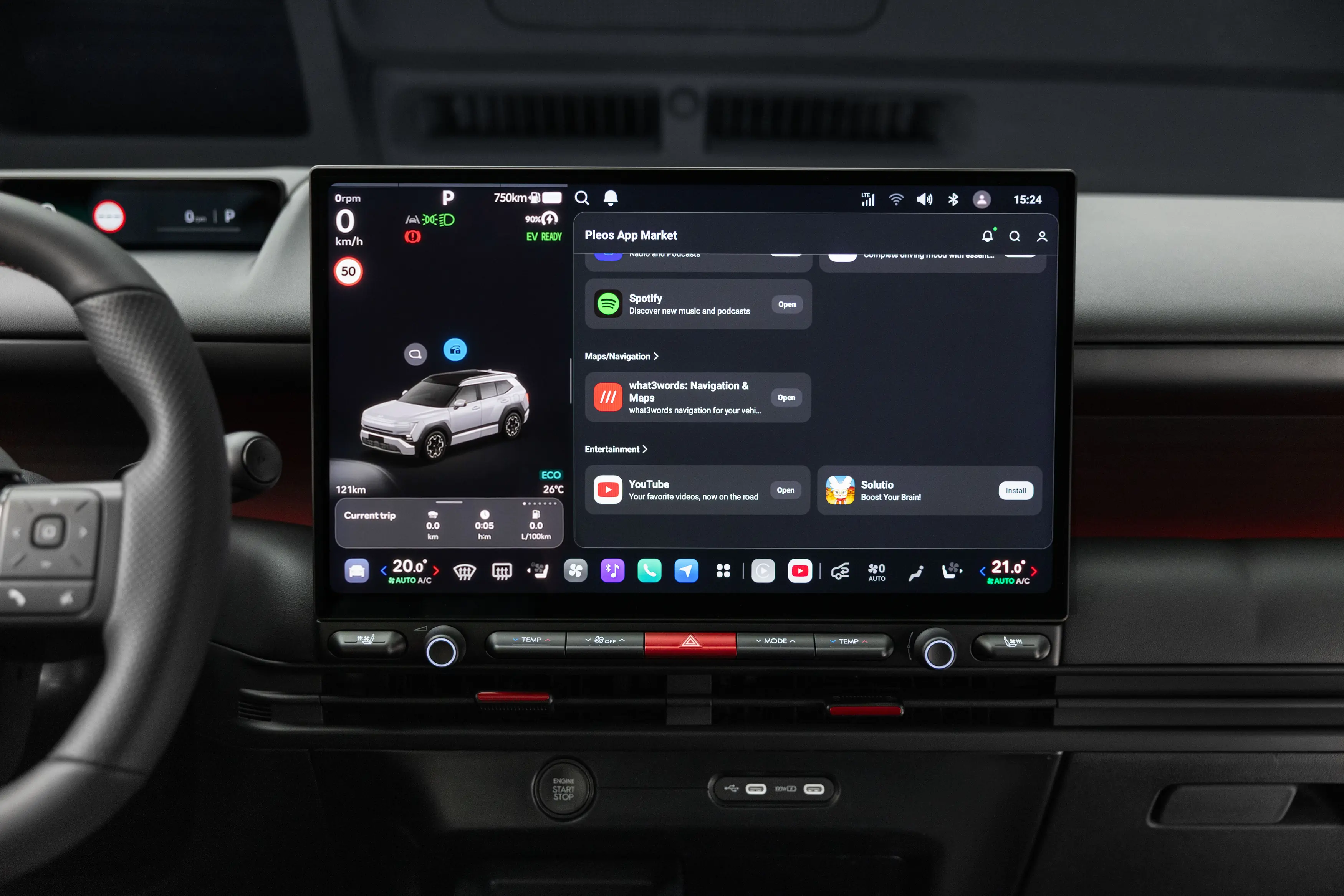
Even the cheapest Tucson offers the Pleos Connect infotainment system, nine airbags, surround-view cameras, parking assistance systems and an expanded suite of driver assistance systems.
The top-spec version adds a 17-inch central display, enhanced highway driving assistance and two wireless phone chargers.
Initial order figures suggest that a large proportion of Korean buyers place greater importance on more generous equipment than on the higher price.
Tucson faces RAV4 and Tiguan in Europe
The new Tucson is also an important model for Europe. Hyundai unveiled the European version at the Paris Motor Show in October and will begin sales in 2027.
The European Tucson differs from the Korean model in both dimensions and powertrains. For European buyers, Hyundai will offer a 180 kW full hybrid and a 215 kW plug-in hybrid, whose 17.1 kWh battery provides an electric range of up to 81 km, according to preliminary figures. The European version offers up to 695 litres of boot space under the VDA measurement standard.
Production will take place at Hyundai’s Czech plant, and prices have not yet been announced.
The Tucson’s main rivals remain the Toyota RAV4, Volkswagen Tiguan and Kia Sportage. All three offer strong competition, so a successful sales launch in South Korea does not automatically guarantee the same result in Europe.
Price will be the new generation’s biggest test. Hyundai must demonstrate that more powerful hybrids, a roomier cabin and more generous equipment justify the price increase outside its domestic market as well.


