
Lamborghini brings back the 2+2 grand tourer
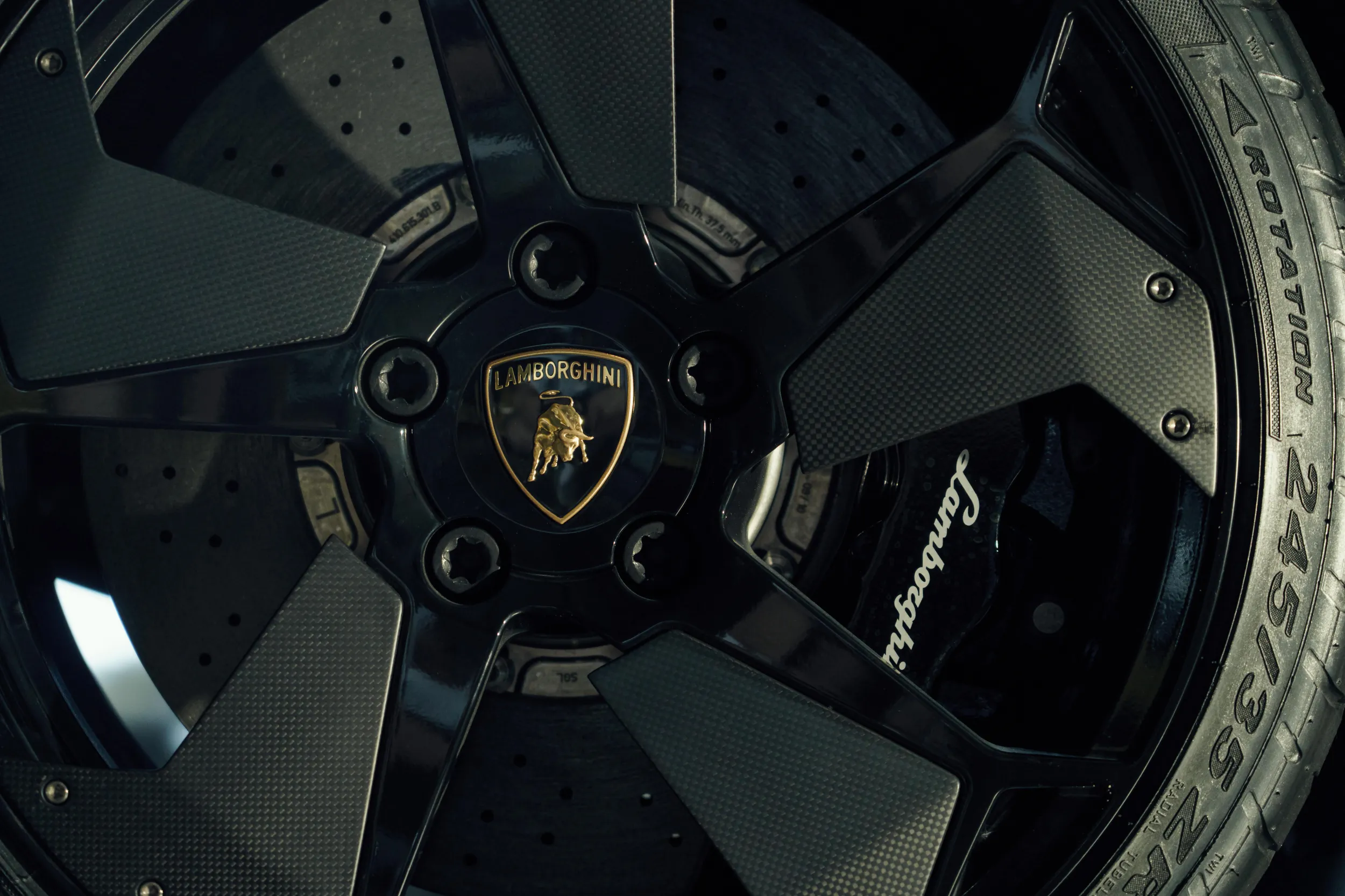
Stephan Winkelmann said at Sebring that Lamborghini’s “missing model” is a two door 2+2 grand tourer, and that it should reach the market before the end of the decade.
Lamborghini is preparing a fourth model, and in the process it ruled out both a small SUV and a saloon. In an interview published by Road & Track, Winkelmann put it with unusual bluntness: the marque is missing “a grand touring car. A 2 door 2+2.” The important caveat is that Lamborghini still has not revealed an official model name, final body style or powertrain.
The idea of a return to the roots works well enough, but the history is not quite as tidy as the headline suggests. Lamborghini’s first production car, the 350 GT, debuted in 1964, yet the company’s own history classes it as a 2+1 rather than a 2+2. Production reached 150 cars, plus two Spider versions. The true 2+2 lineage began with the 400 GT in 1966, which Lamborghini itself describes as a foundation for future models, and continued through the Jarama and the Espada. The Jarama also marked the brand’s last front engined V12 2+2 chapter. So this is less a return to one specific car and more a return to Lamborghini’s early GT philosophy.
That distinction matters, because the company’s future plans have already shifted once. In its 2024 Direzione Cor Tauri strategy, Lamborghini said it would launch its first full electric model in 2028, a plan signposted by the 2023 Lanzador, an electric Ultra GT 2+2 concept with dual motor all wheel drive and more than one megawatt of peak power. Now Winkelmann says the electric idea is still alive, but it will not reach the market before 2030.
That leaves the field wide open for something more pragmatic. The Lanzador was already framed as a 2+2 Ultra GT, Road & Track describes the same broad body logic, and Car and Driver portrays the new fourth model as a grand tourer due before the decade is out. In practice, the most likely outcome now looks like a plug in hybrid GT, one that keeps some of the Lanzador’s packaging and positioning logic while stepping away from the commercial risk of a full electric car.
It is not hard to see why Lamborghini would make that call. The company delivered a record 10,747 cars in 2025, completed the hybridisation of its core range and described itself as the only maker of luxury super sports cars with a fully hybrid production line up. The same official statement also noted that the Temerario order book already covered roughly 12 months. In that sort of position, Lamborghini does not need another small SUV chasing volume or a saloon dragged into a pricing war. It needs a high margin fourth model that fills the space between the supercars and the Urus, broadening the client base without diluting exclusivity.
Lamborghini seems to have worked out that, in 2026, wealthy buyers are far more willing to spend money on hybrid performance than on an expensive full electric experiment. A 2+2 grand tourer gives the brand a way to monetise its history, make use of hybrid technology it already has and delay the full electric moment without forcing the market to comply. If Sant’Agata can keep the design low enough, dramatic enough and unmistakably Lamborghini, this fourth model may prove to be something better than a compromise. It could end up as one of the most important profit projects of the next decade.
The idea of a return to the roots works well enough, but the history is not quite as tidy as the headline suggests. Lamborghini’s first production car, the 350 GT, debuted in 1964, yet the company’s own history classes it as a 2+1 rather than a 2+2. Production reached 150 cars, plus two Spider versions. The true 2+2 lineage began with the 400 GT in 1966, which Lamborghini itself describes as a foundation for future models, and continued through the Jarama and the Espada. The Jarama also marked the brand’s last front engined V12 2+2 chapter. So this is less a return to one specific car and more a return to Lamborghini’s early GT philosophy.
That distinction matters, because the company’s future plans have already shifted once. In its 2024 Direzione Cor Tauri strategy, Lamborghini said it would launch its first full electric model in 2028, a plan signposted by the 2023 Lanzador, an electric Ultra GT 2+2 concept with dual motor all wheel drive and more than one megawatt of peak power. Now Winkelmann says the electric idea is still alive, but it will not reach the market before 2030.
That leaves the field wide open for something more pragmatic. The Lanzador was already framed as a 2+2 Ultra GT, Road & Track describes the same broad body logic, and Car and Driver portrays the new fourth model as a grand tourer due before the decade is out. In practice, the most likely outcome now looks like a plug in hybrid GT, one that keeps some of the Lanzador’s packaging and positioning logic while stepping away from the commercial risk of a full electric car.
It is not hard to see why Lamborghini would make that call. The company delivered a record 10,747 cars in 2025, completed the hybridisation of its core range and described itself as the only maker of luxury super sports cars with a fully hybrid production line up. The same official statement also noted that the Temerario order book already covered roughly 12 months. In that sort of position, Lamborghini does not need another small SUV chasing volume or a saloon dragged into a pricing war. It needs a high margin fourth model that fills the space between the supercars and the Urus, broadening the client base without diluting exclusivity.
Lamborghini seems to have worked out that, in 2026, wealthy buyers are far more willing to spend money on hybrid performance than on an expensive full electric experiment. A 2+2 grand tourer gives the brand a way to monetise its history, make use of hybrid technology it already has and delay the full electric moment without forcing the market to comply. If Sant’Agata can keep the design low enough, dramatic enough and unmistakably Lamborghini, this fourth model may prove to be something better than a compromise. It could end up as one of the most important profit projects of the next decade.


