
Lamborghini Temerario GT3 heads to Sebring as a full factory development
 1/9
1/9
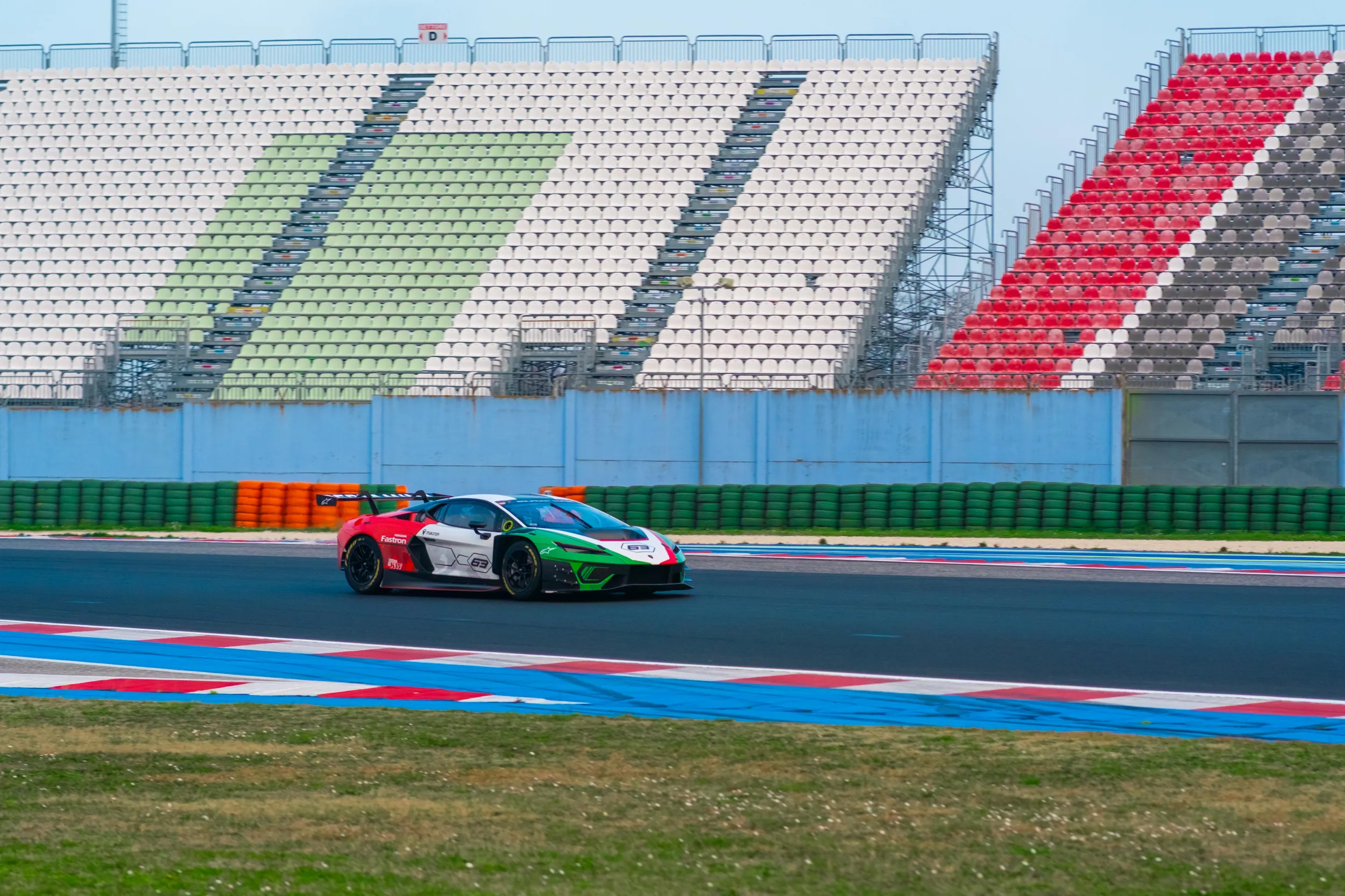
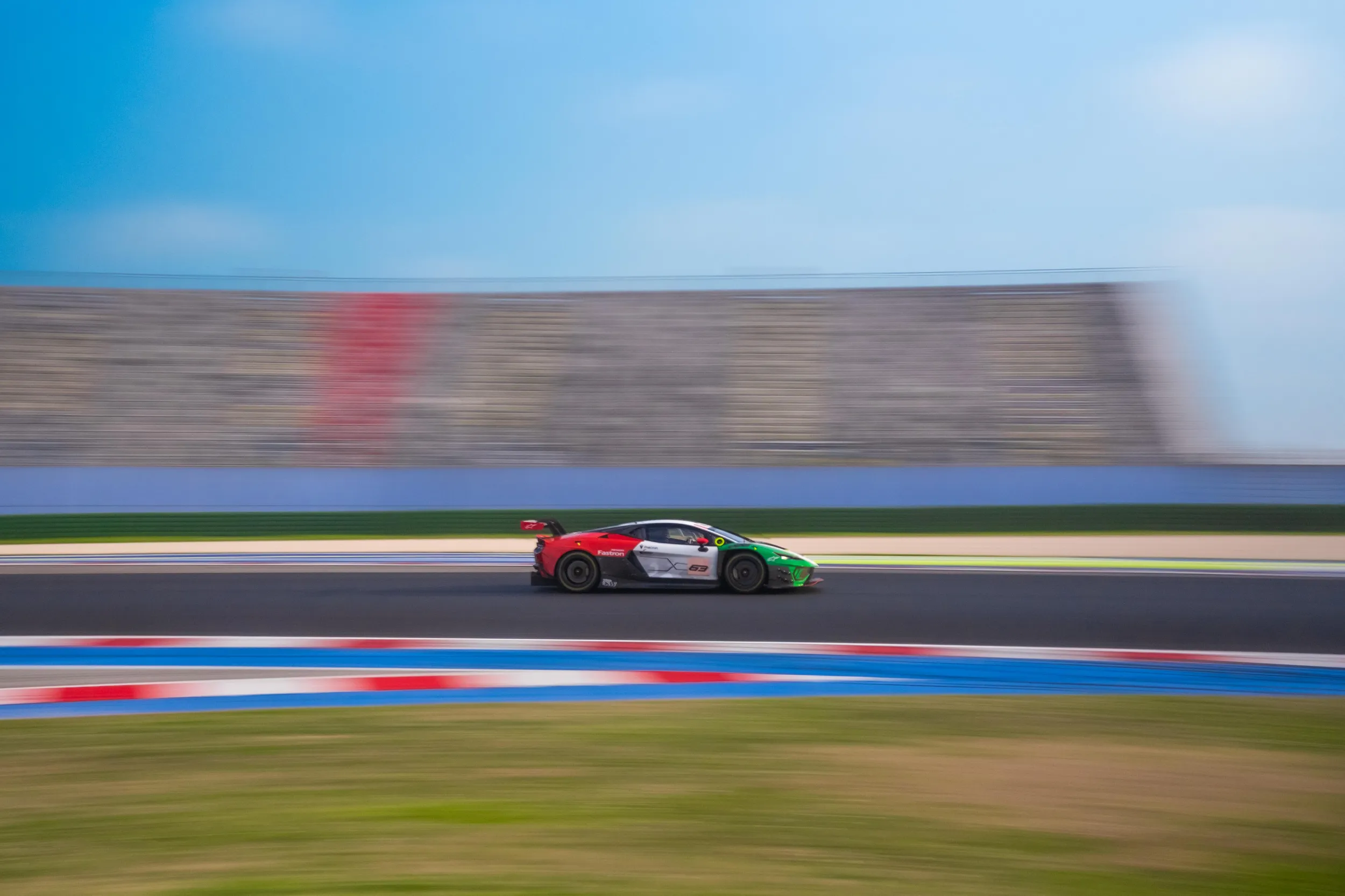
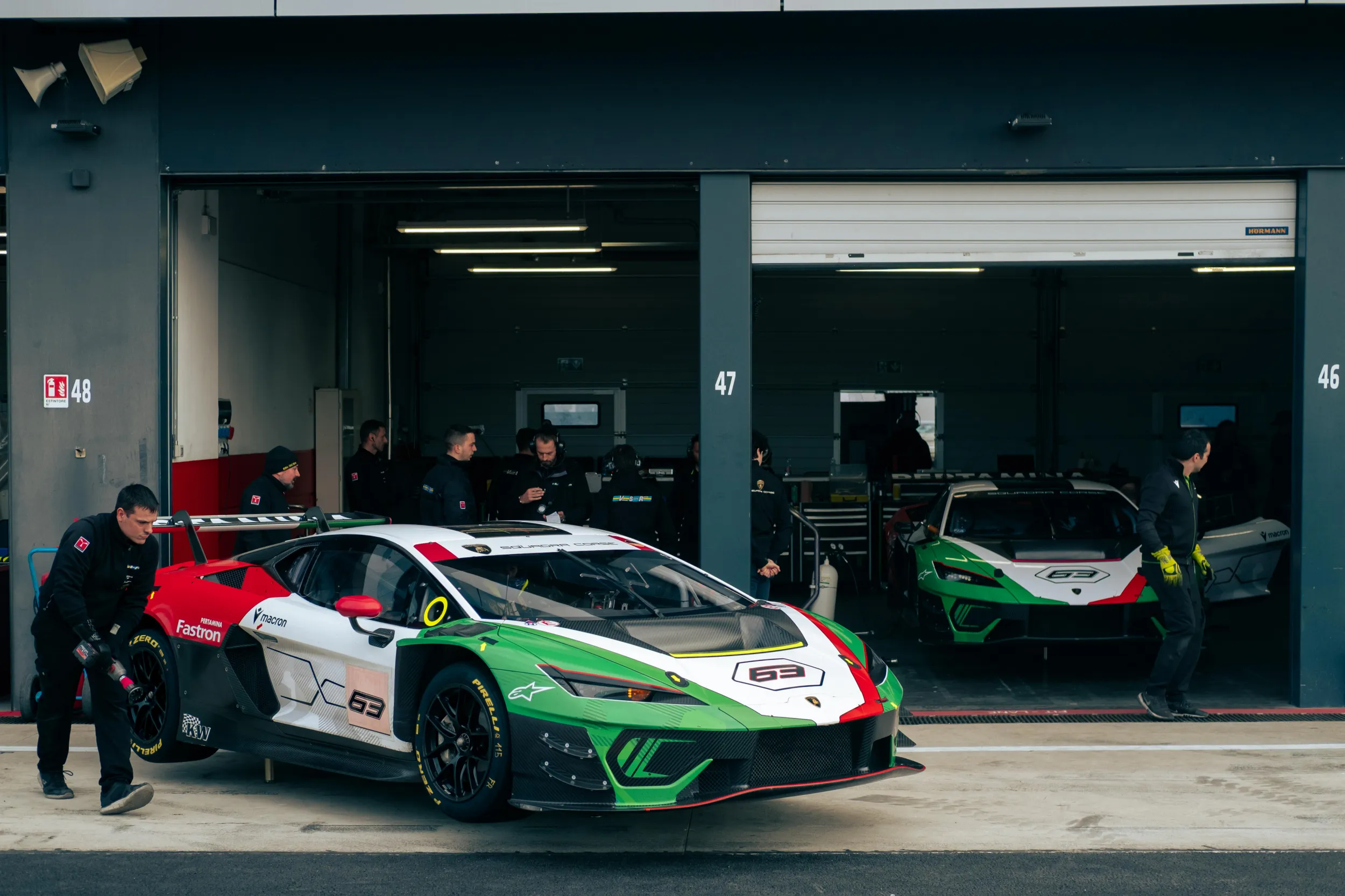
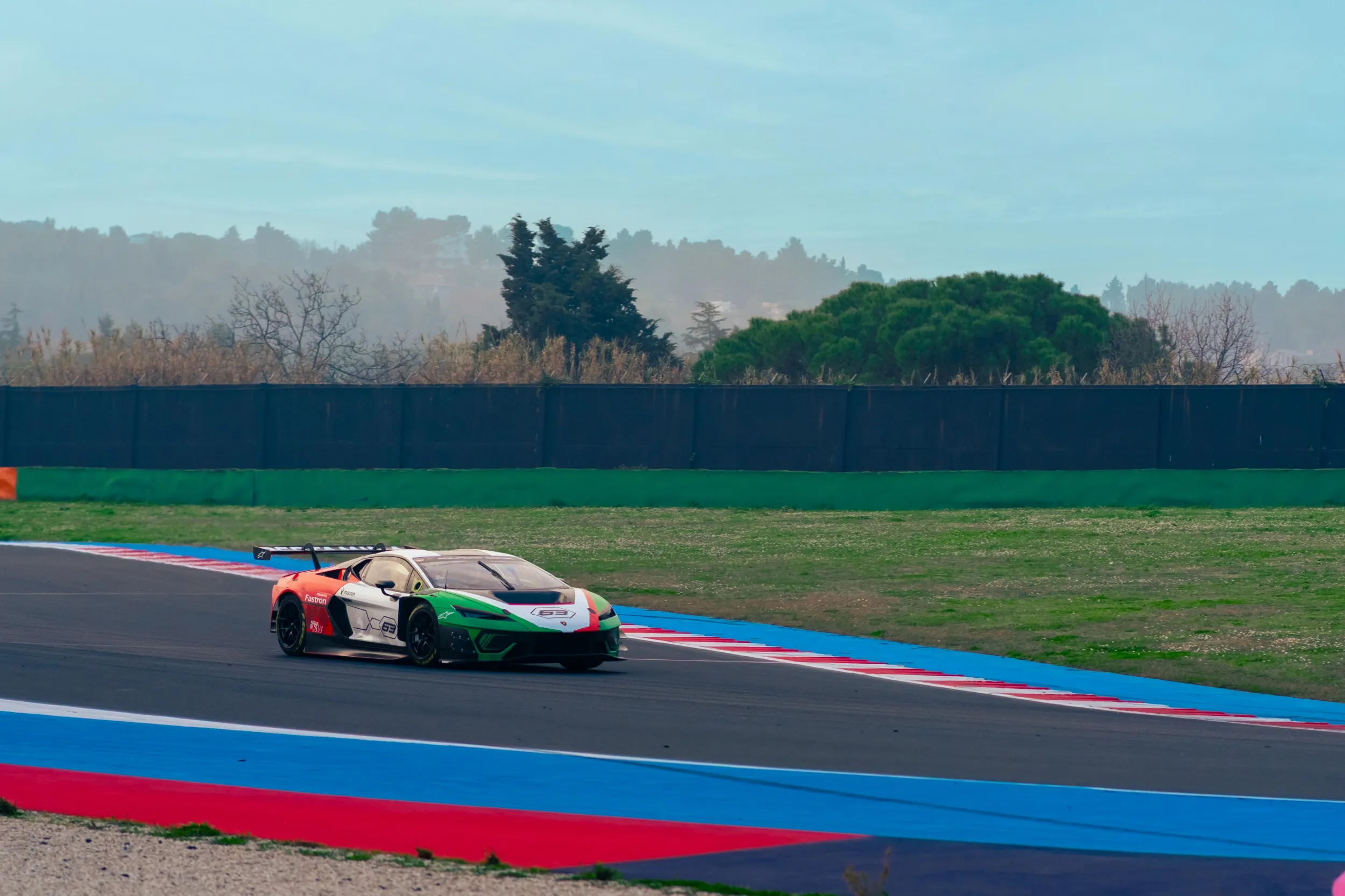
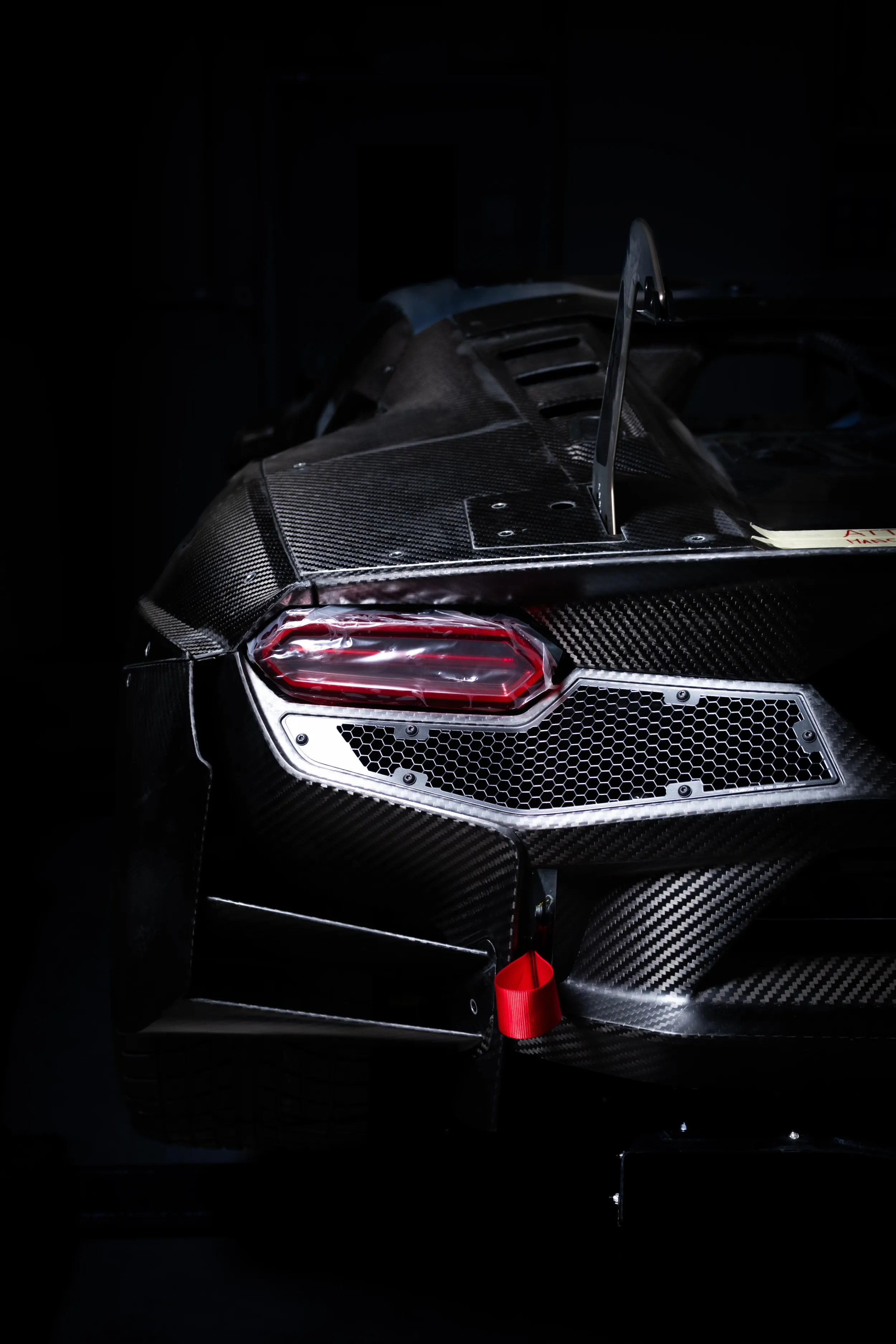
The Lamborghini Temerario GT3 will make its debut at the 2026 12 Hours of Sebring, and it marks a significant shift for the company. For the first time, Lamborghini designed, developed and built a GT3 race car entirely in house, from the very beginning.
In its early years, Lamborghini never tied itself especially closely to motorsport. Ferruccio Lamborghini saw racing as a risk rather than a useful tool for shaping the image of a road car brand. That picture looks rather different now. GT racing grew more complex, more technical and far more dependent on factory backing, especially for customers who buy these cars to use them properly, which is to say on track.
The foundations of that change were laid in 2013, when Lamborghini created its Squadra Corse division. The Gallardo Super Trofeo and GT3 programmes opened the door to modern customer racing, but they still leaned on outside partners.
The Temerario GT3 moves things on. Unlike its predecessors, the race car was developed alongside the road car from an early stage. The two share the same basic structure, but the competition version does without the hybrid system. Lamborghini therefore does not treat the new GT3 simply as a derivative of the road going model. It sees it as a separate track project in its own right.
A new V8, and a clear focus on durability
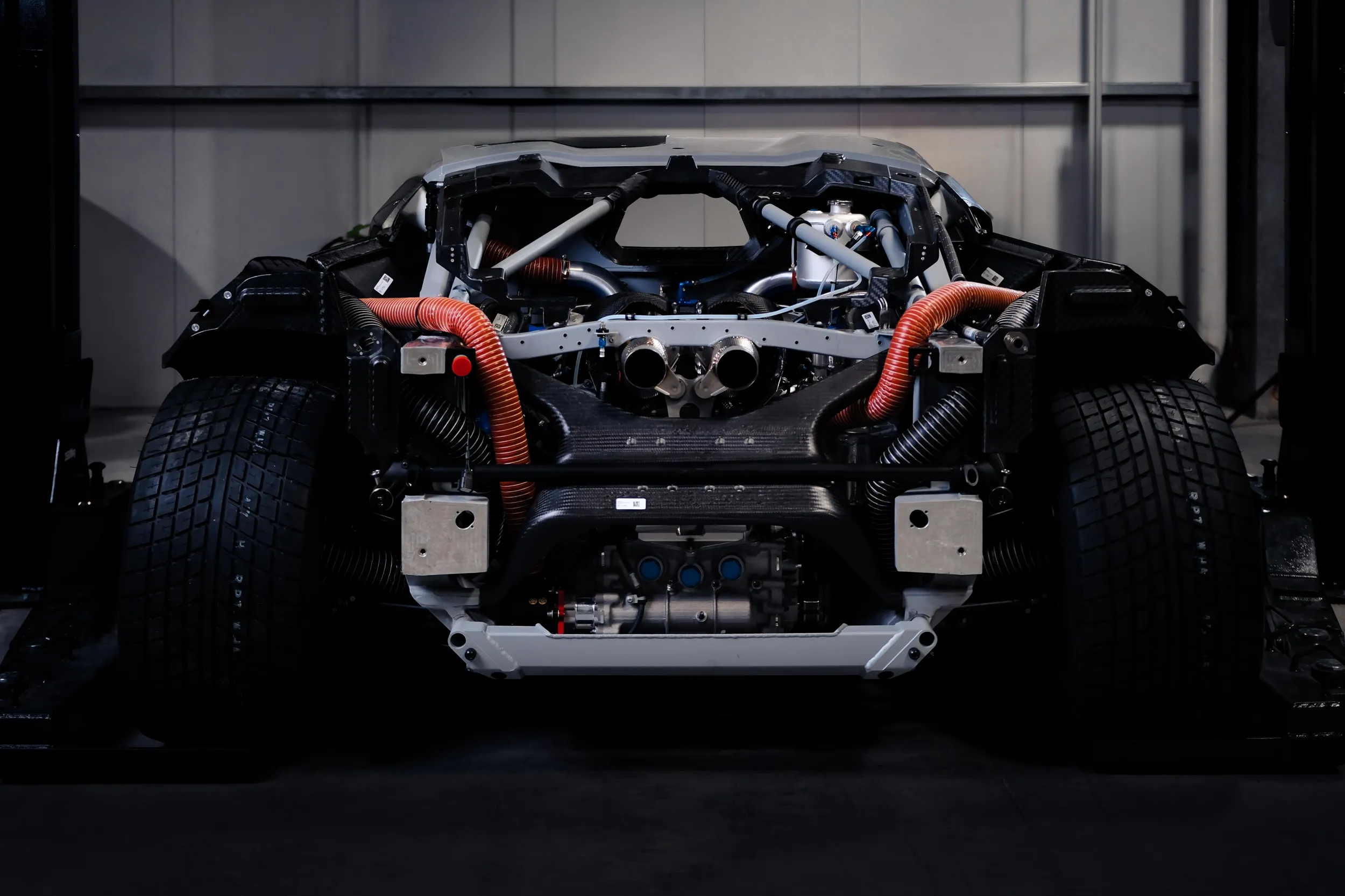
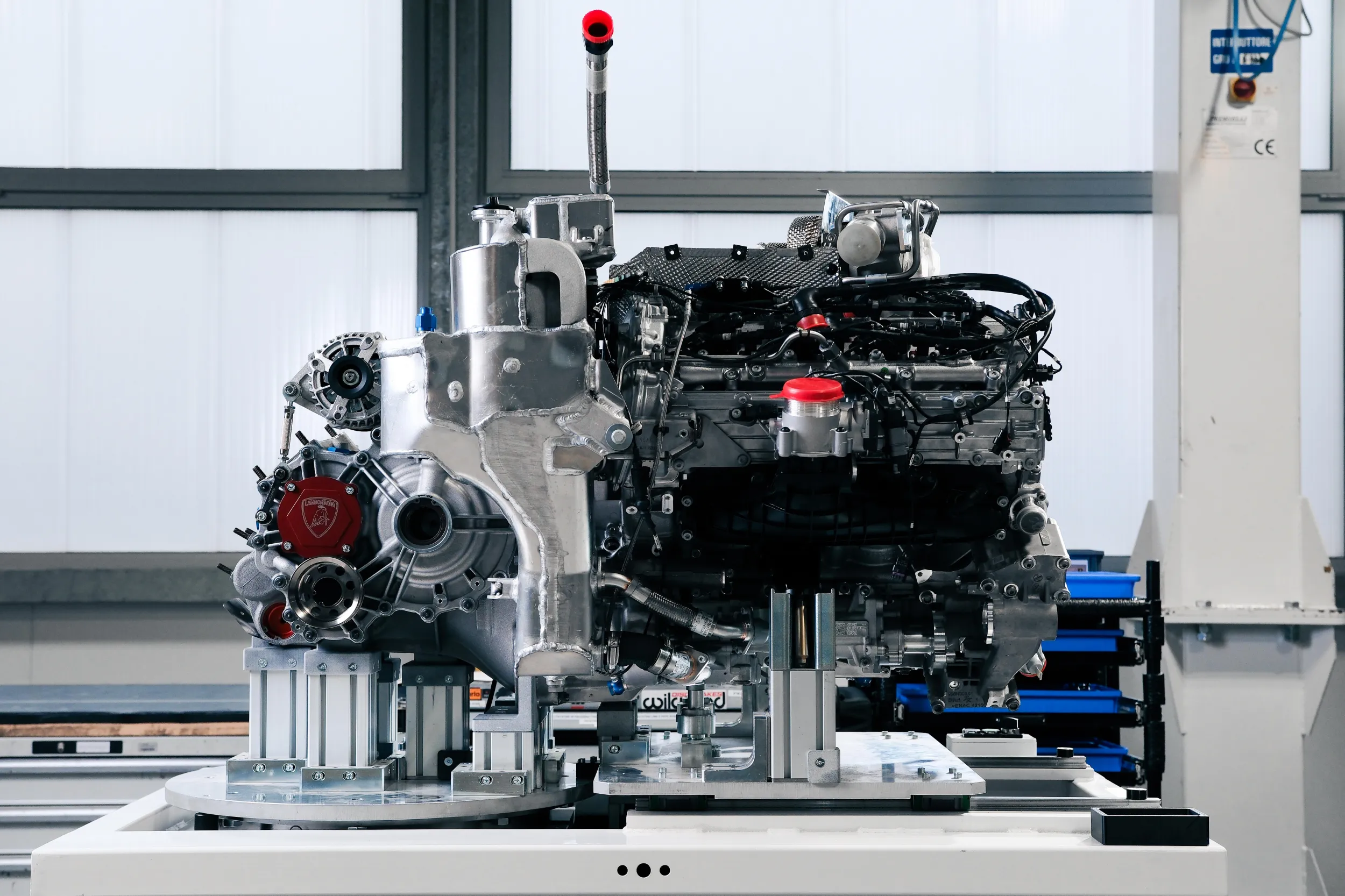
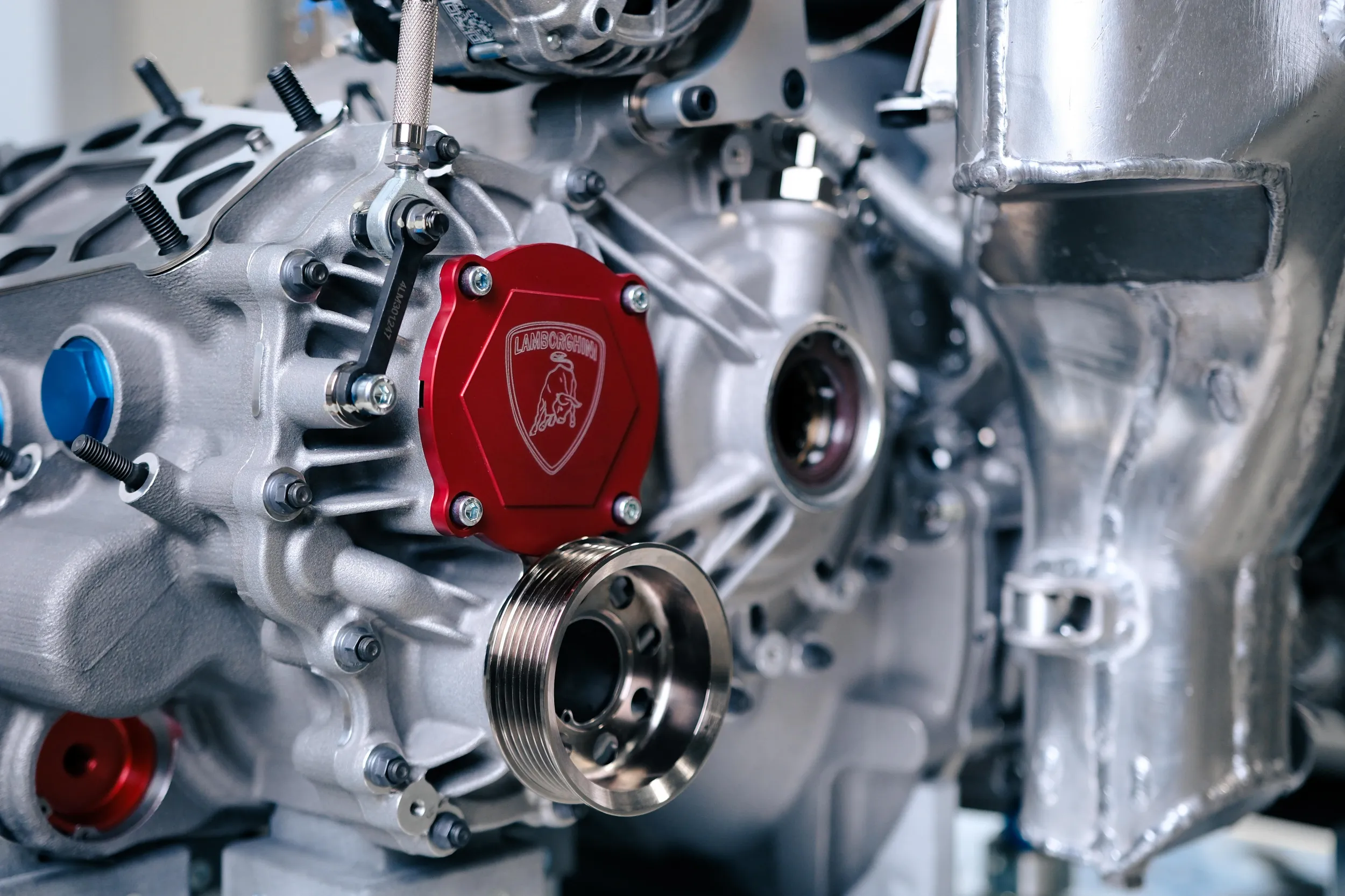
The Temerario GT3 uses a new generation 4.0 litre twin turbo V8. Engineers who worked on the road car version of the engine also took part in setting up the race car. Lamborghini says that shortened the development process and gave the team a better understanding of how the engine behaves across very different forms of use.
According to the project leaders, Lamborghini focused not only on outright pace, but also on serviceability and ease of use in endurance racing. That matters particularly for customer teams, where success depends on more than lap time alone. Quick access to technical components, simpler set up and dependable running all count for a great deal once the race settles into its long, punishing rhythm.
Race cars get their own production area
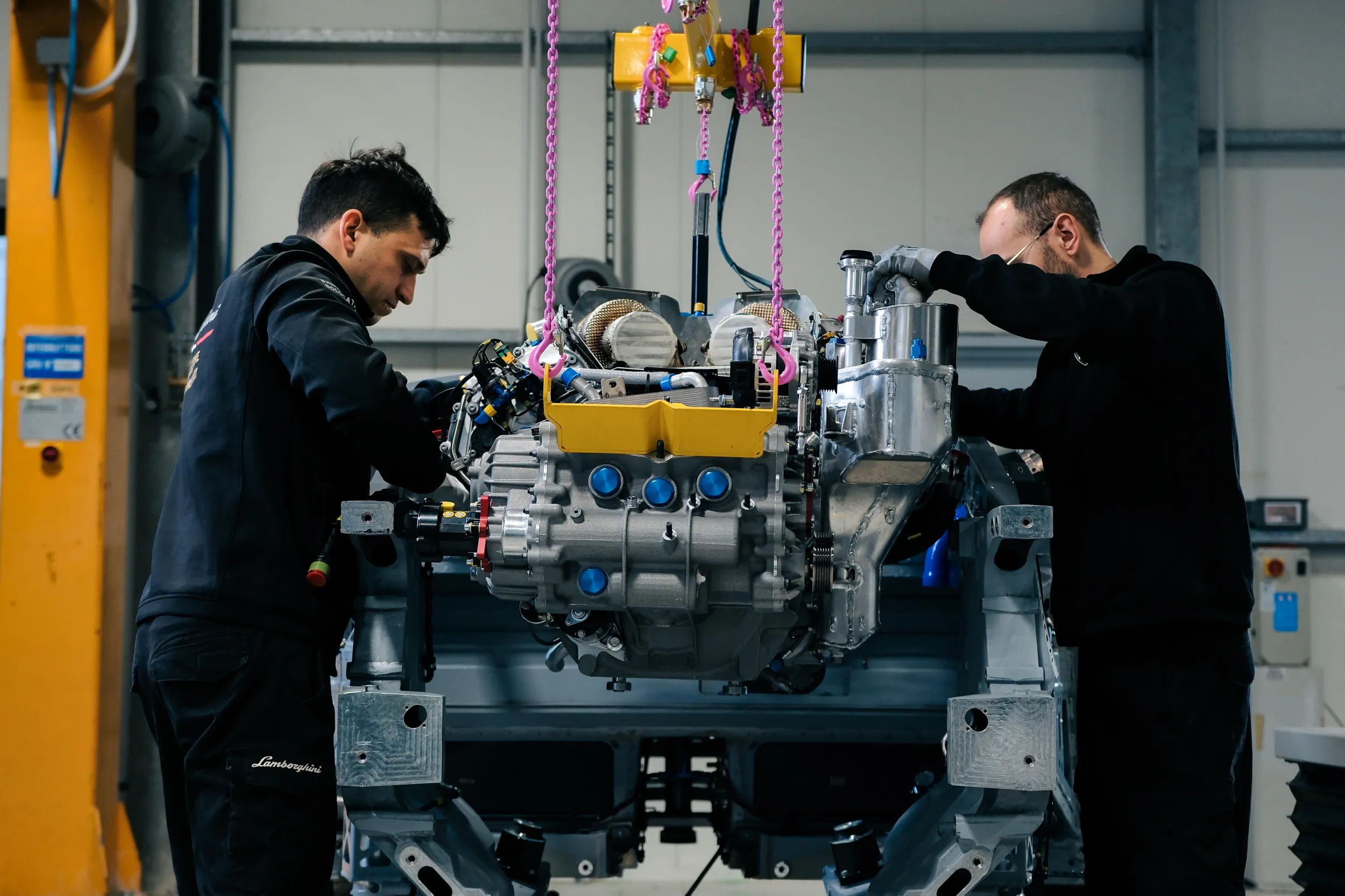
For the first time, Lamborghini also moved race car production into a dedicated facility in Sant’Agata Bolognese. The new area uses five modular stations and can assemble both GT3 and Super Trofeo cars. The company says this gives it full control over the quality process and reduces its reliance on the road car production lines.
The only element still shared with road car manufacturing is the initial assembly of the V8 engine. After that, the unit moves into a separate motorsport process, where it receives the changes required for racing duty.
It is a tidy summary of where Lamborghini now stands. Once, racing sat at arm’s length from the brand. Now it is built into the plan, the factory and, increasingly, the identity.
The foundations of that change were laid in 2013, when Lamborghini created its Squadra Corse division. The Gallardo Super Trofeo and GT3 programmes opened the door to modern customer racing, but they still leaned on outside partners.
The Temerario GT3 moves things on. Unlike its predecessors, the race car was developed alongside the road car from an early stage. The two share the same basic structure, but the competition version does without the hybrid system. Lamborghini therefore does not treat the new GT3 simply as a derivative of the road going model. It sees it as a separate track project in its own right.
A new V8, and a clear focus on durability
The Temerario GT3 uses a new generation 4.0 litre twin turbo V8. Engineers who worked on the road car version of the engine also took part in setting up the race car. Lamborghini says that shortened the development process and gave the team a better understanding of how the engine behaves across very different forms of use.
According to the project leaders, Lamborghini focused not only on outright pace, but also on serviceability and ease of use in endurance racing. That matters particularly for customer teams, where success depends on more than lap time alone. Quick access to technical components, simpler set up and dependable running all count for a great deal once the race settles into its long, punishing rhythm.
Race cars get their own production area
For the first time, Lamborghini also moved race car production into a dedicated facility in Sant’Agata Bolognese. The new area uses five modular stations and can assemble both GT3 and Super Trofeo cars. The company says this gives it full control over the quality process and reduces its reliance on the road car production lines.
The only element still shared with road car manufacturing is the initial assembly of the V8 engine. After that, the unit moves into a separate motorsport process, where it receives the changes required for racing duty.
It is a tidy summary of where Lamborghini now stands. Once, racing sat at arm’s length from the brand. Now it is built into the plan, the factory and, increasingly, the identity.


