
New Lexus ES goes on sale in Europe with hybrid and two electric powertrains
 1/36
1/36
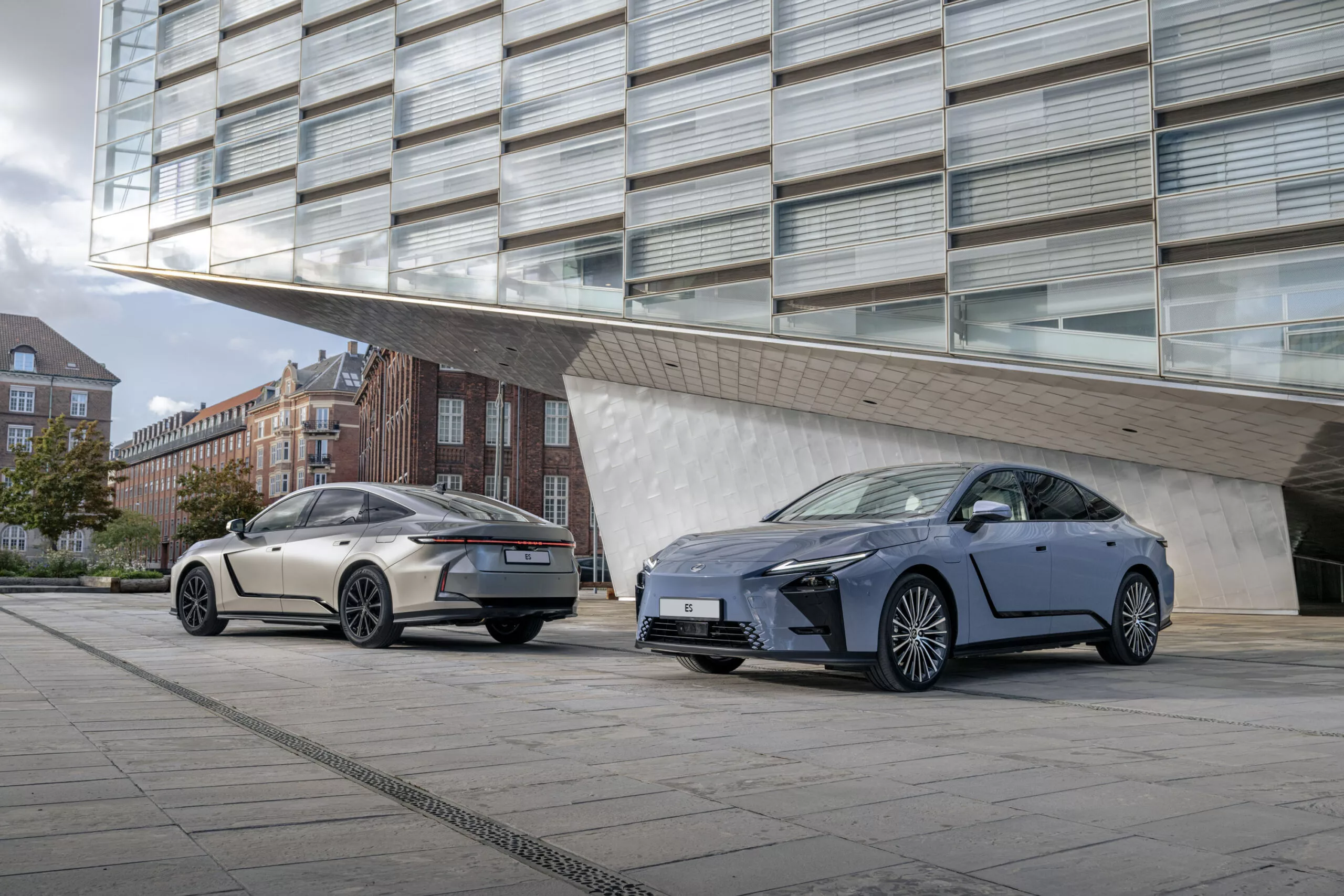
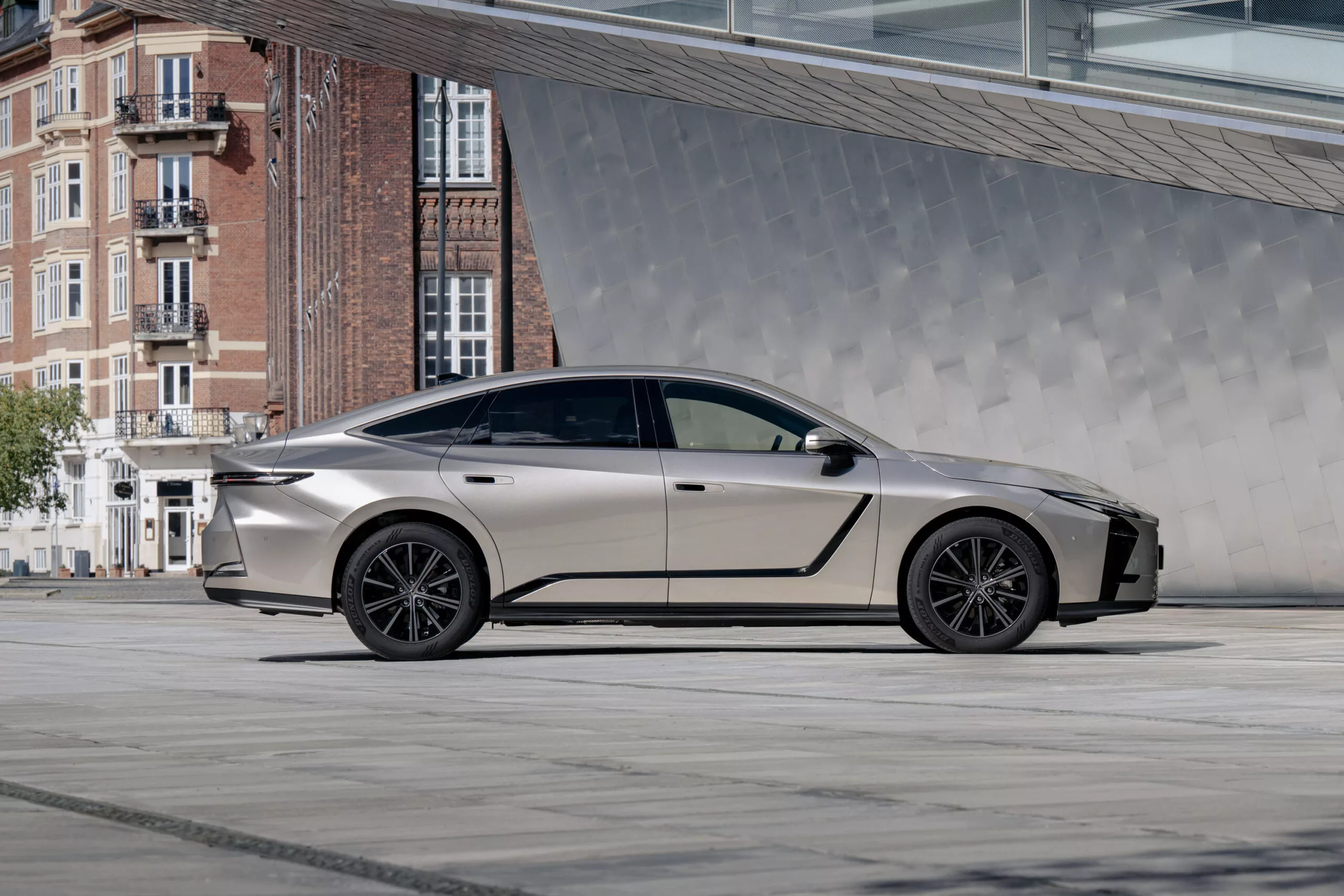
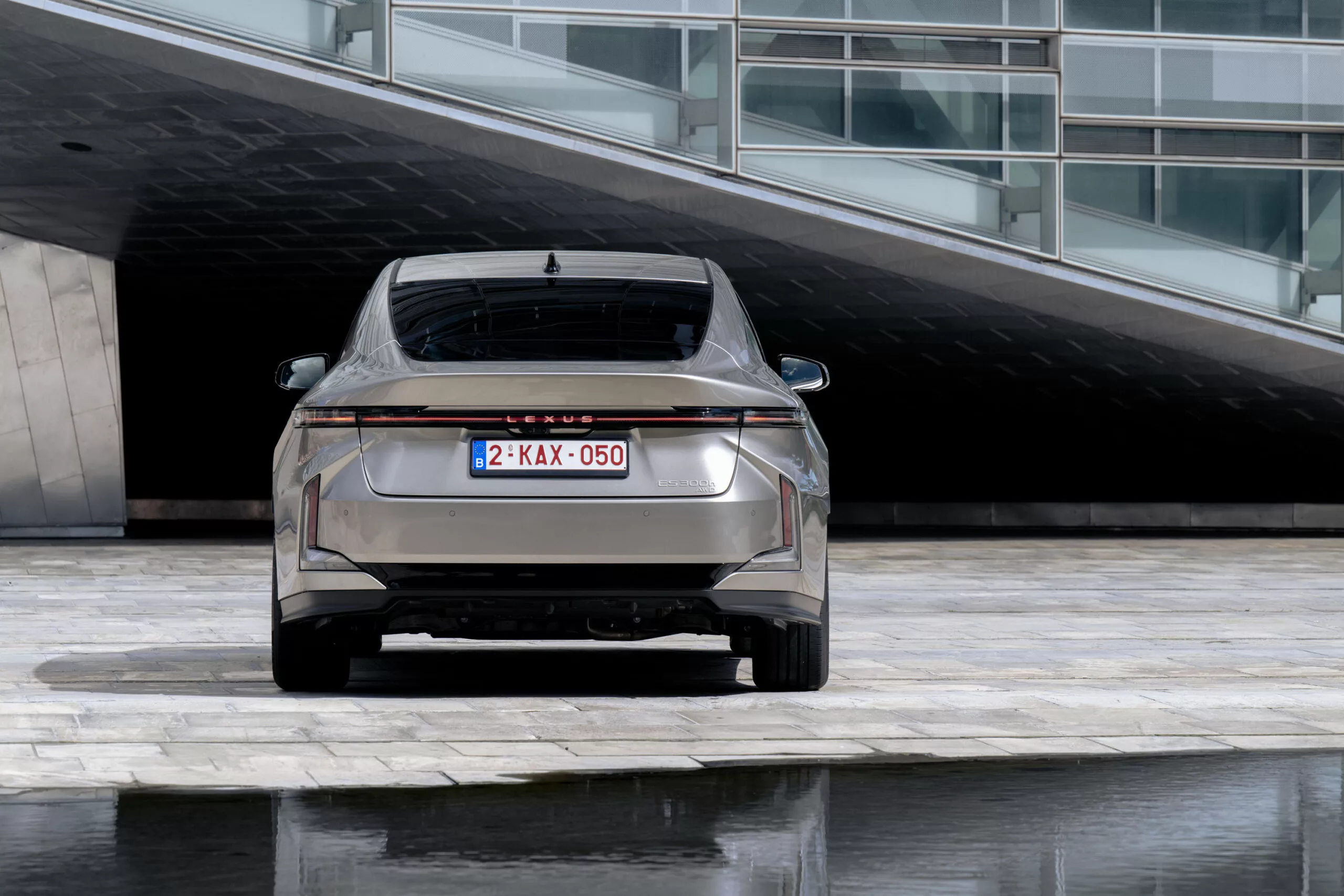
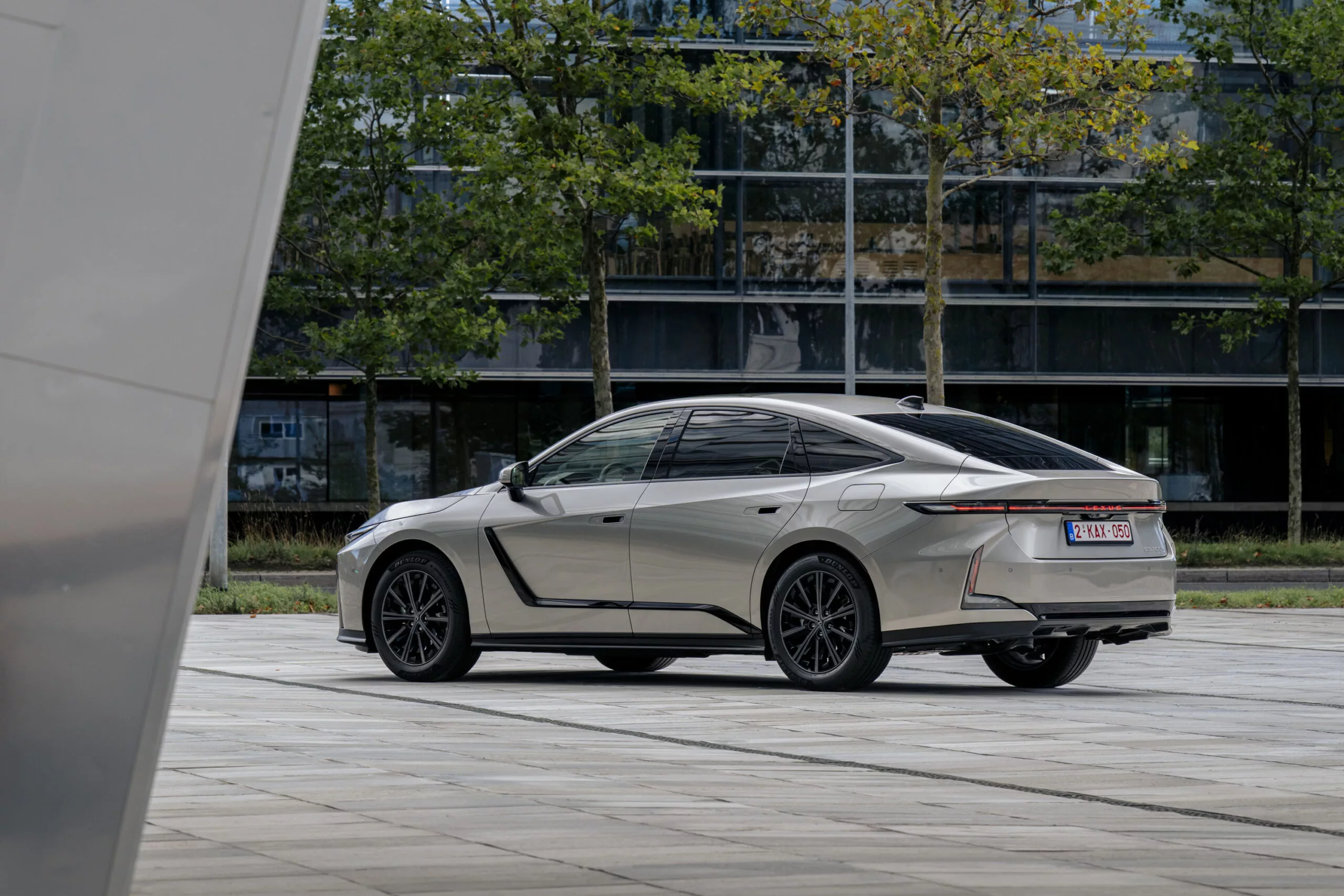
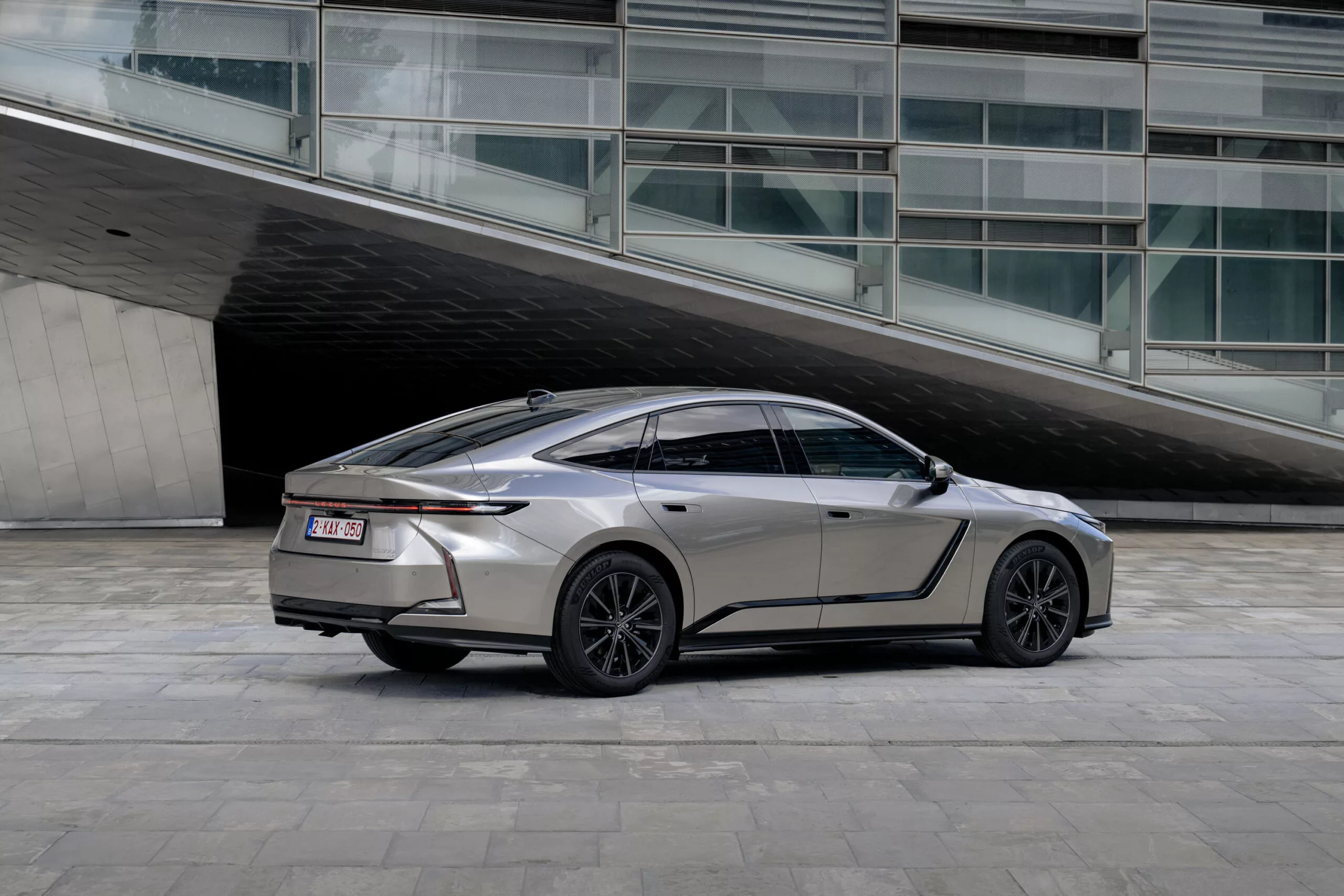
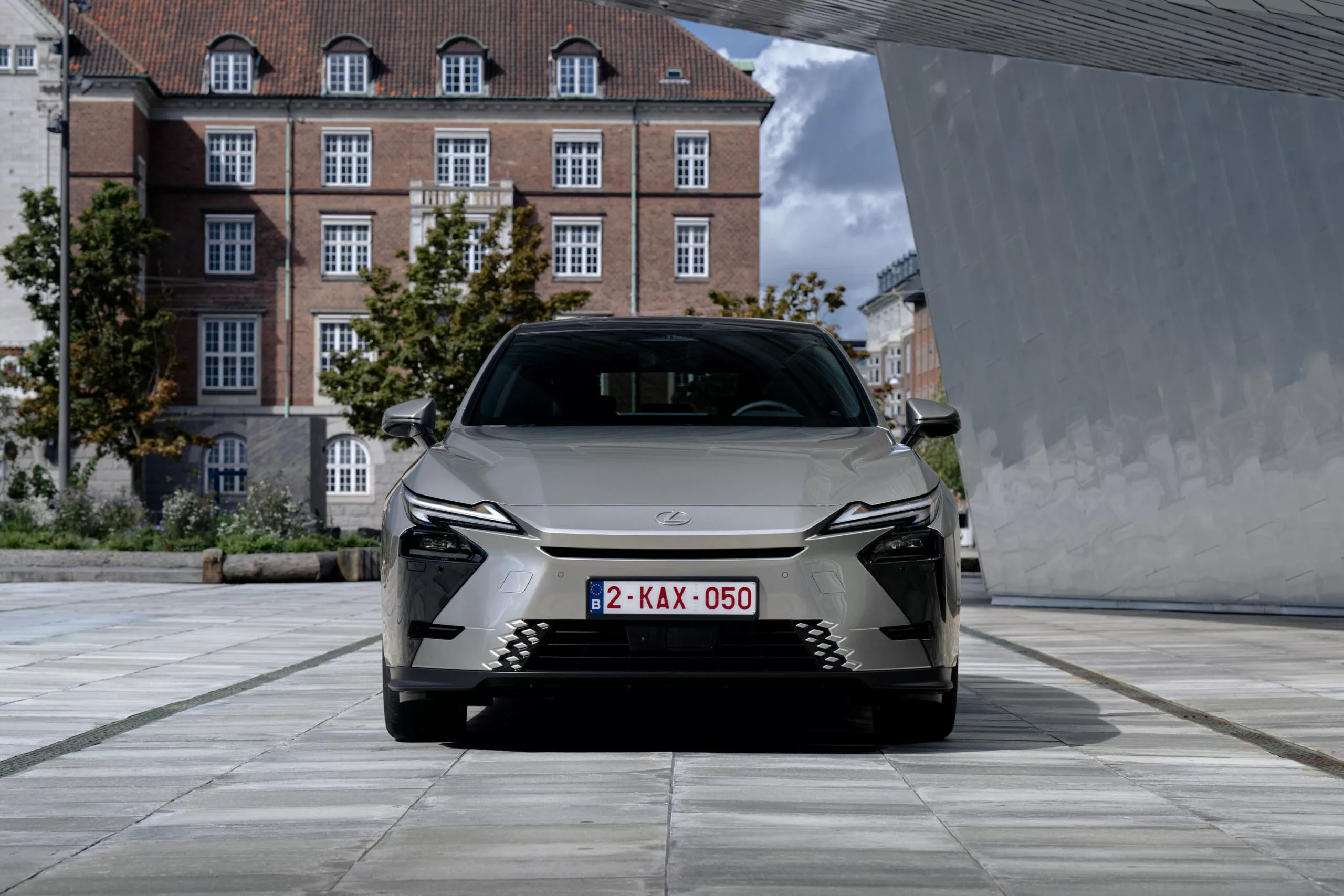
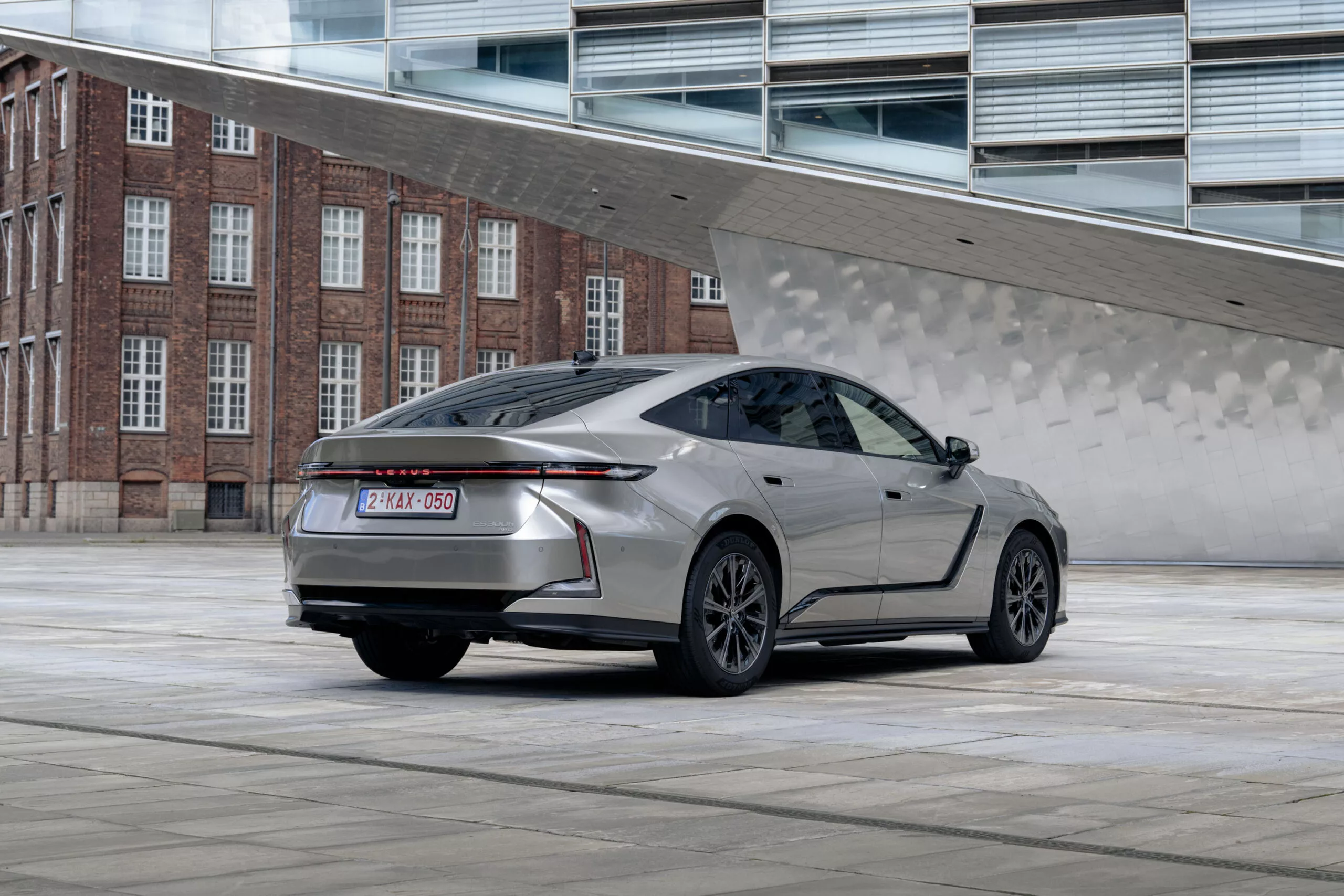
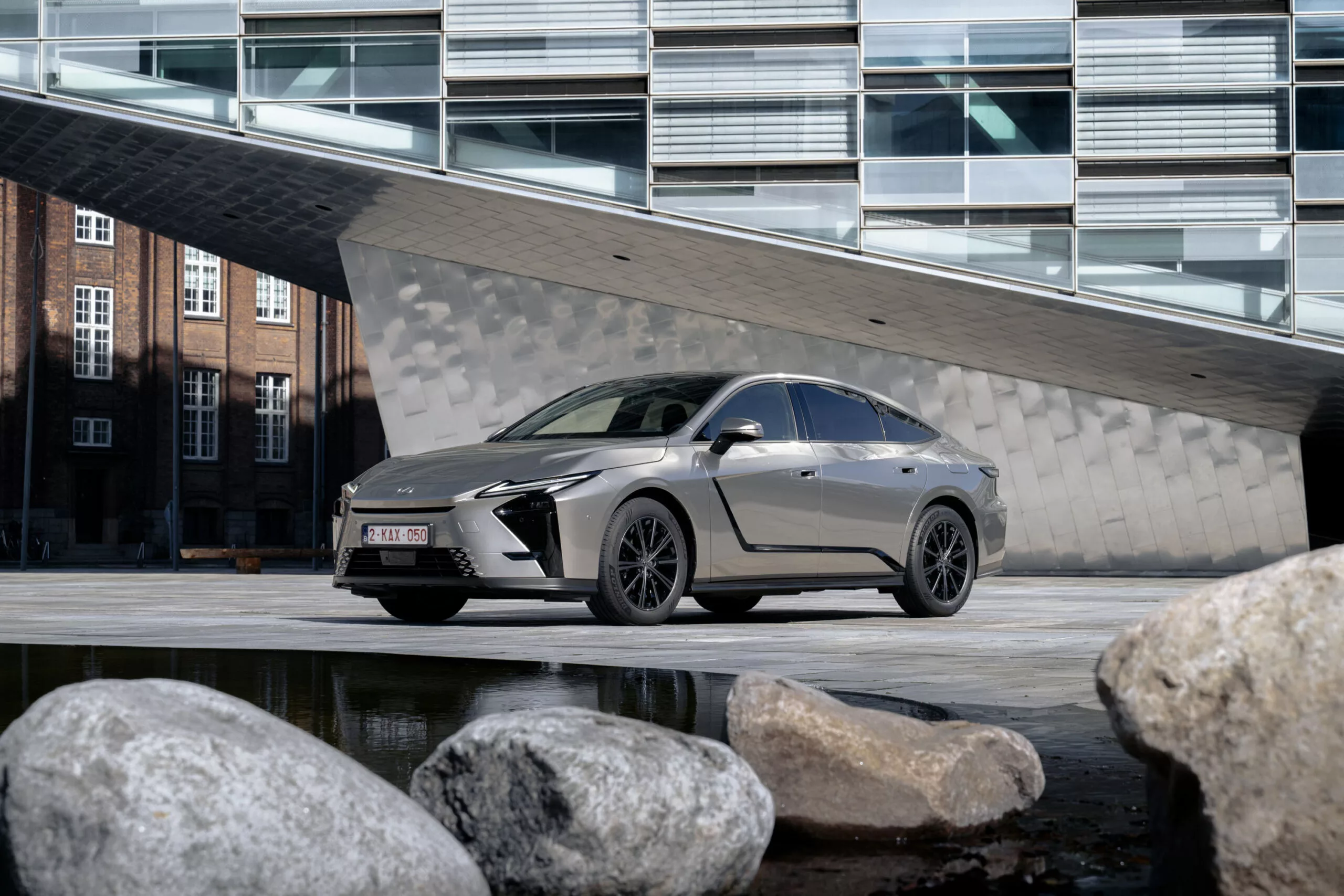
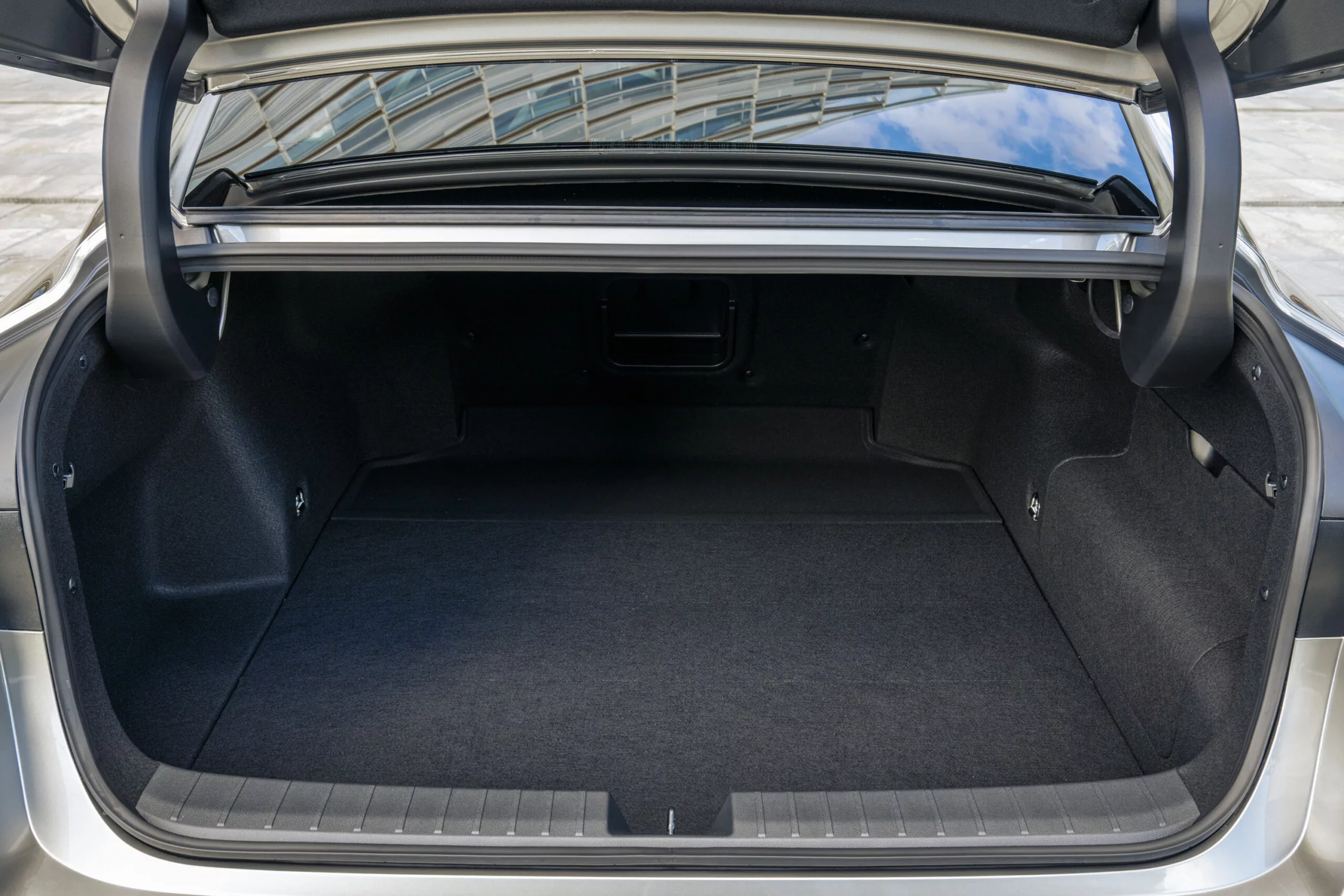
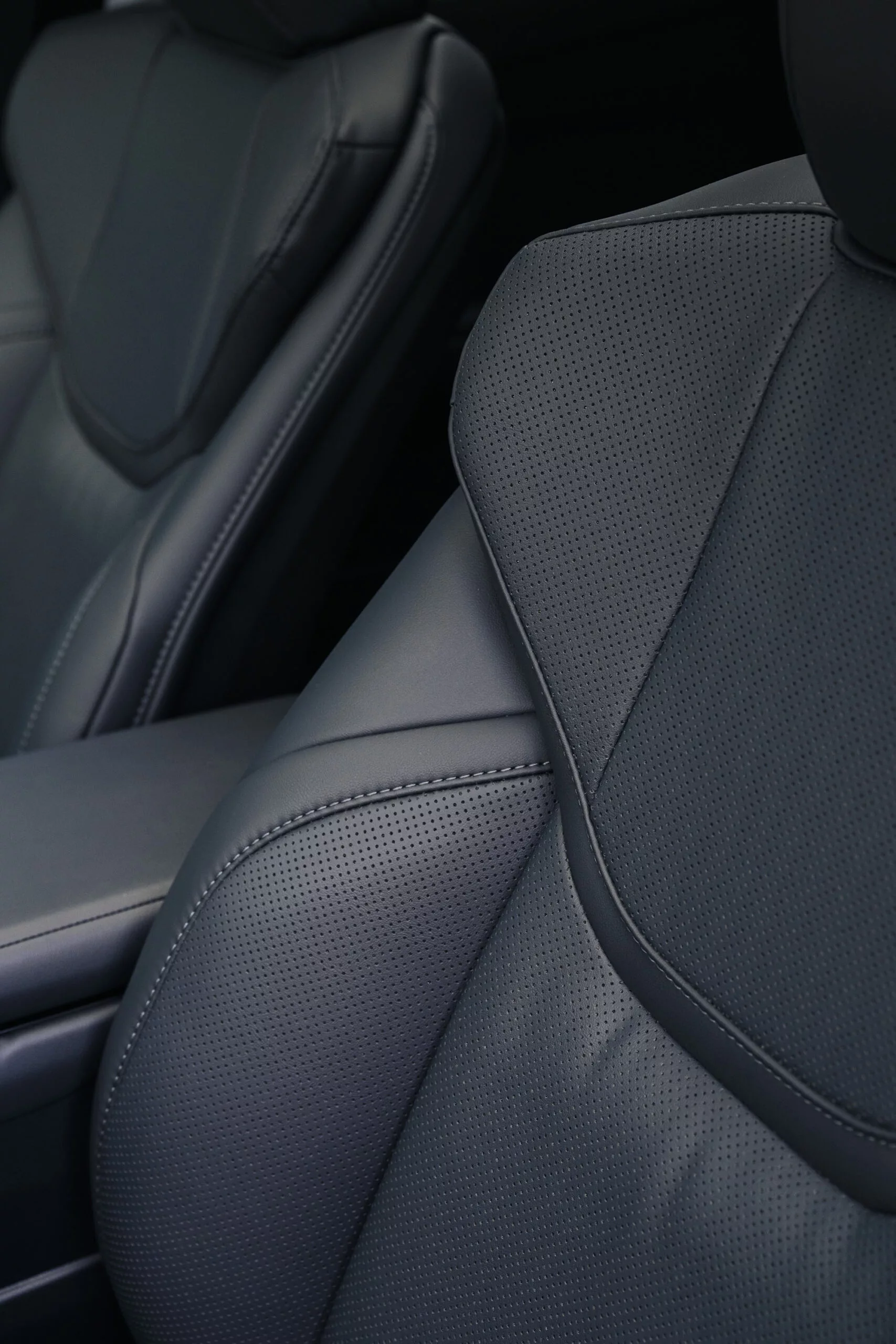
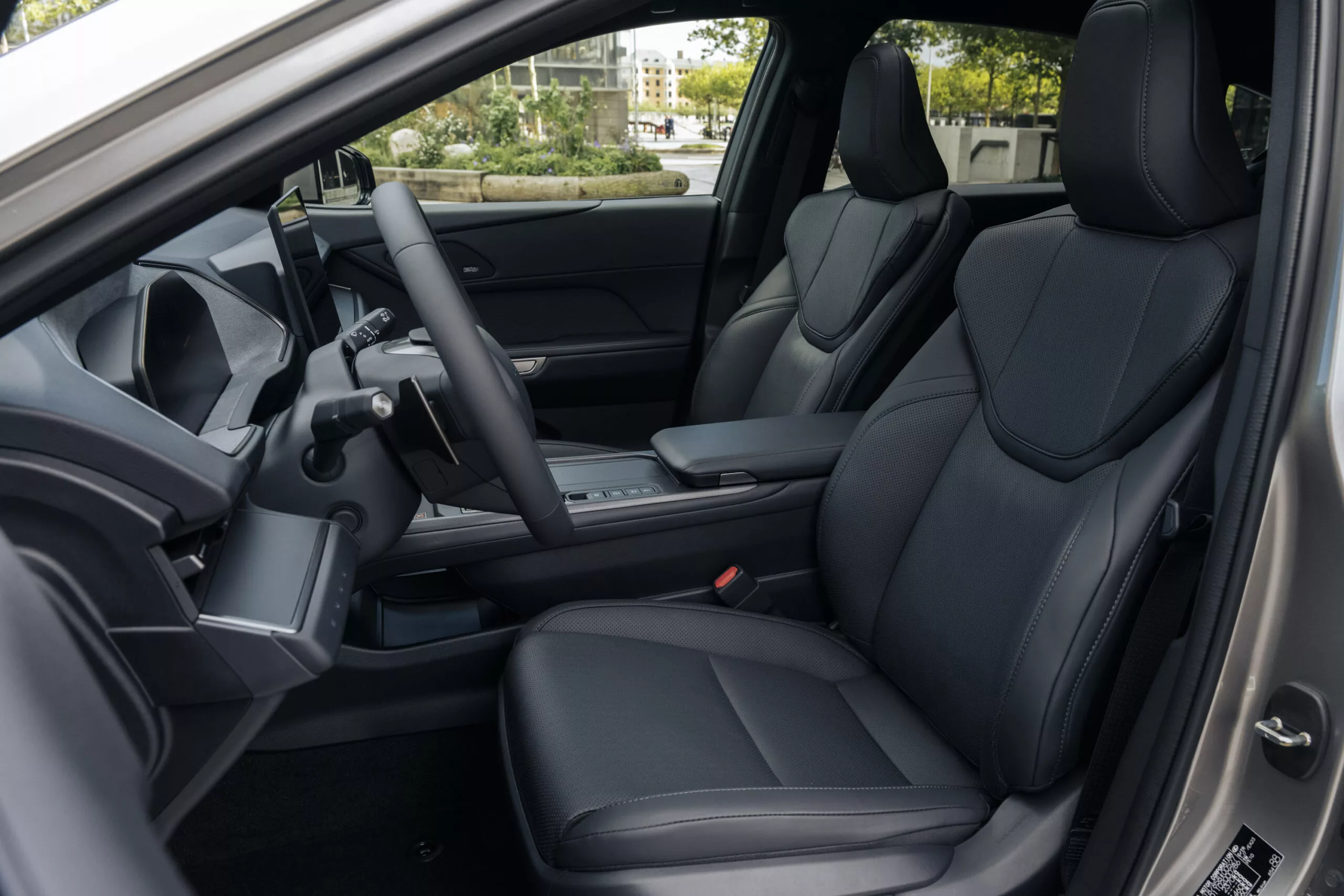
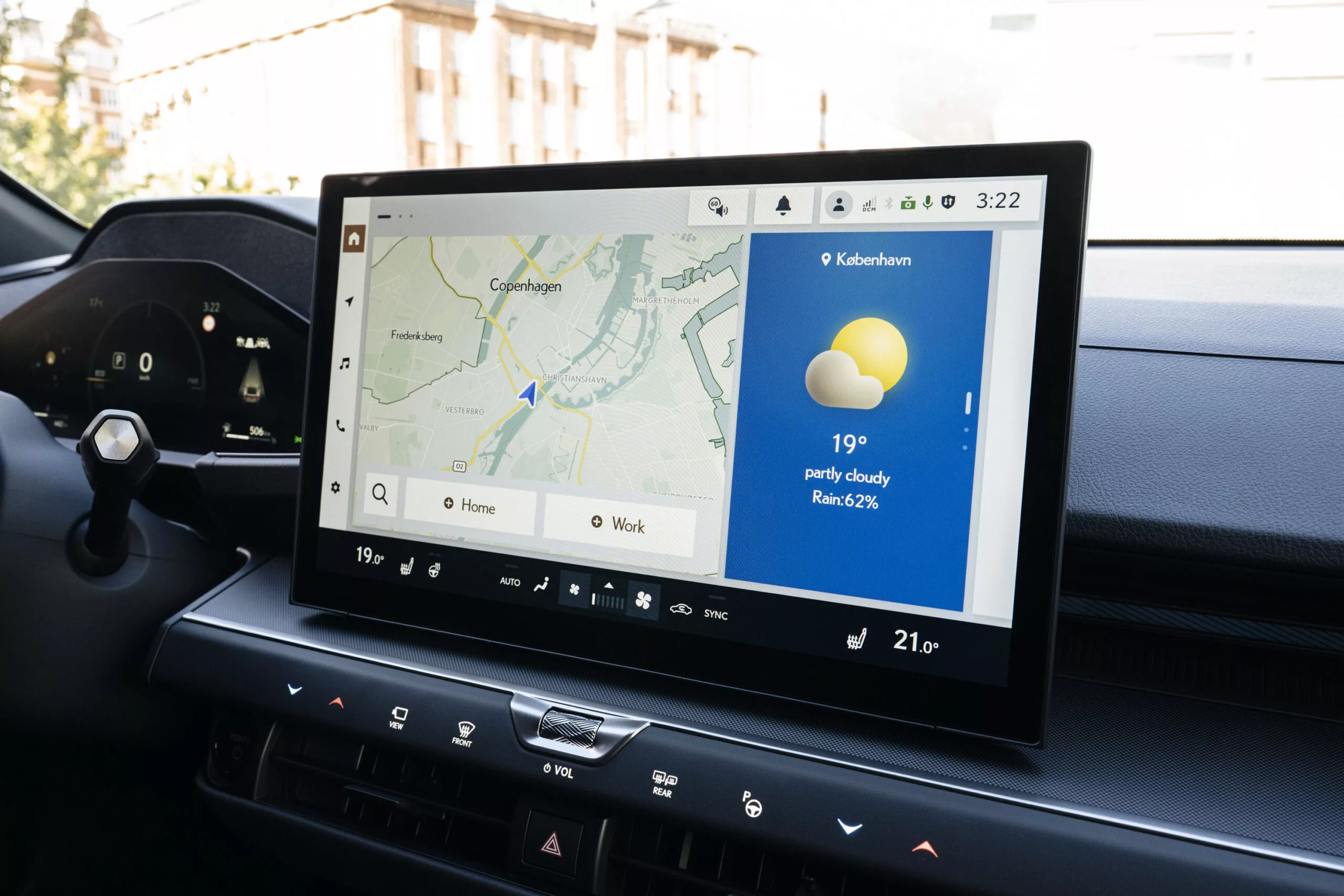
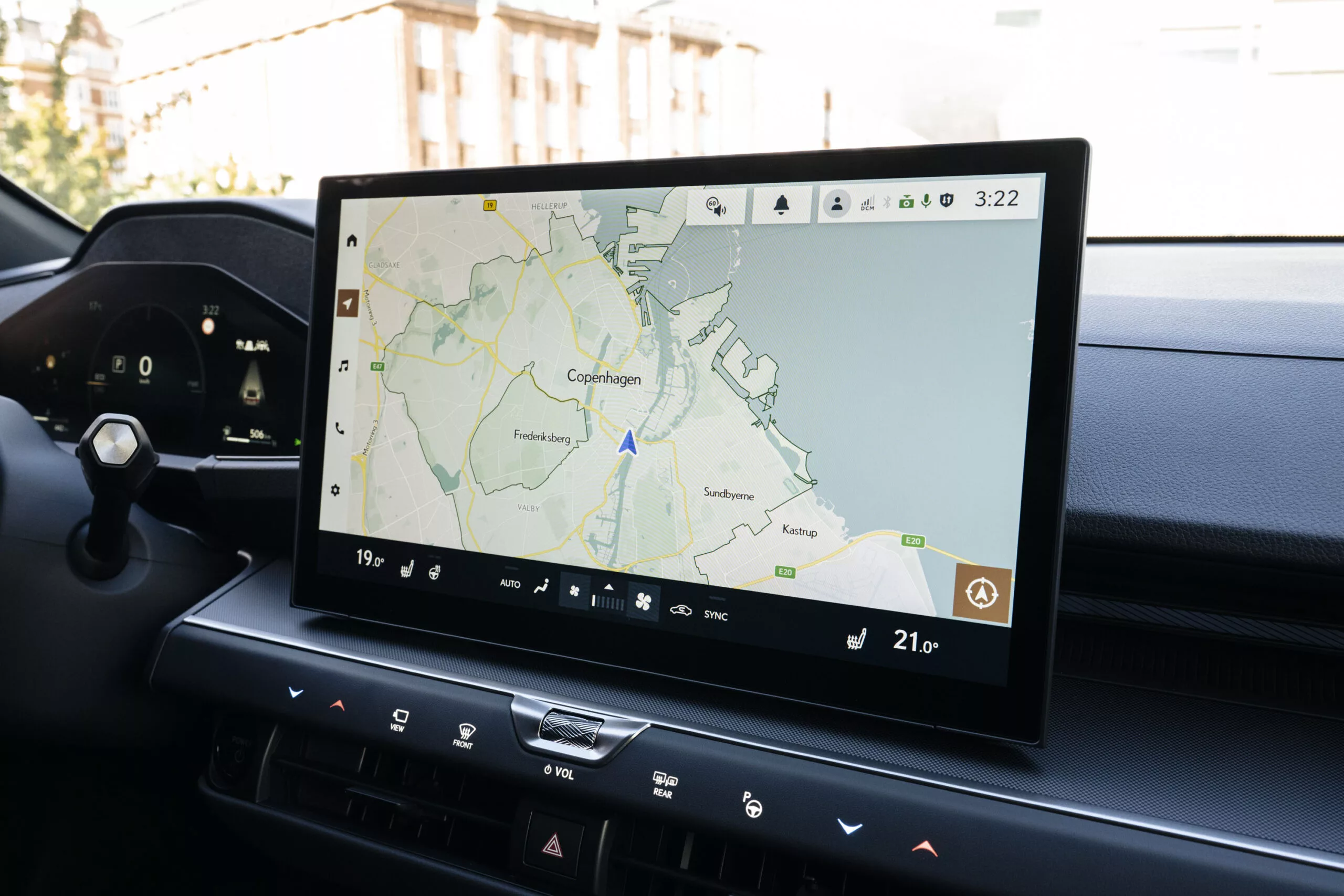
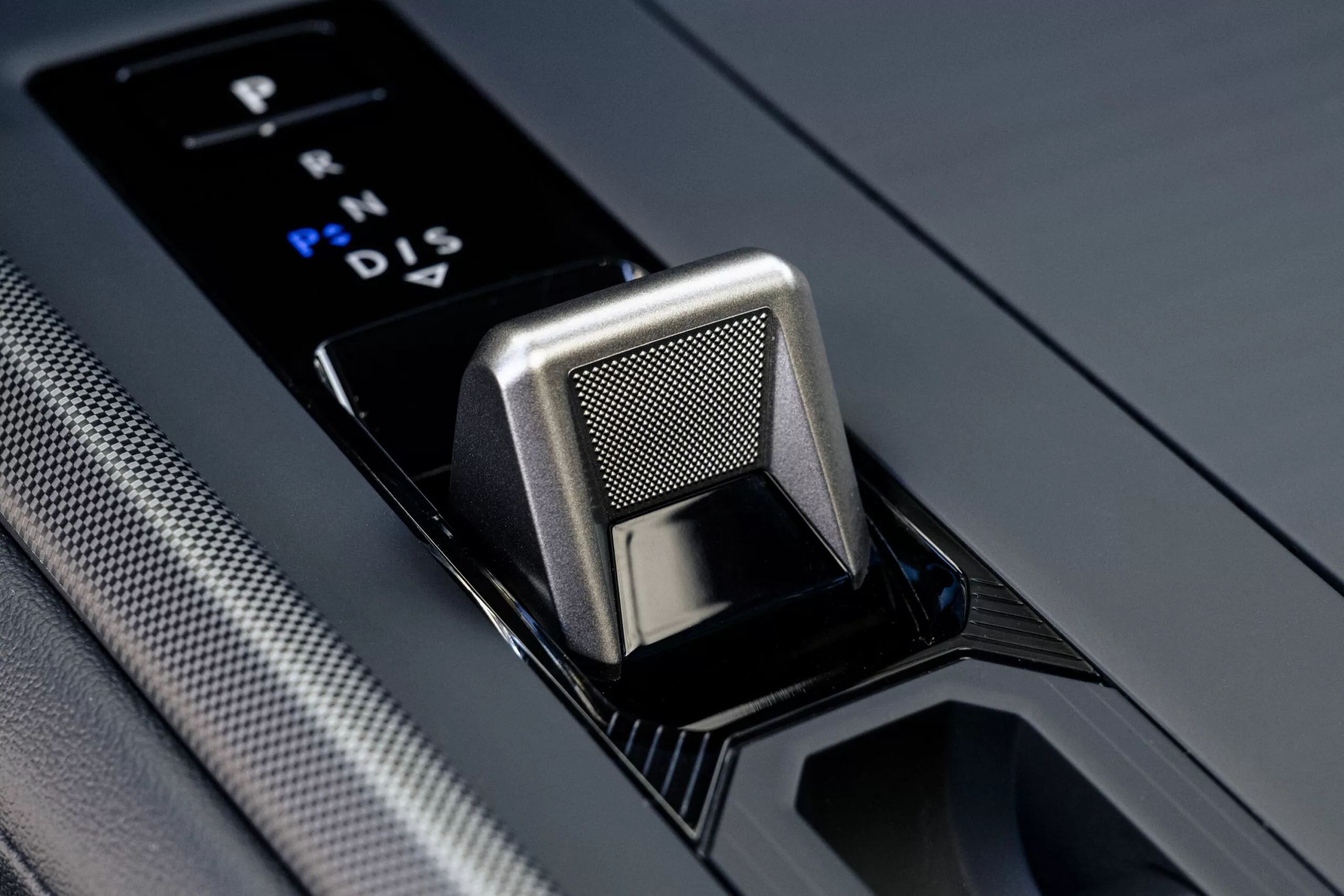
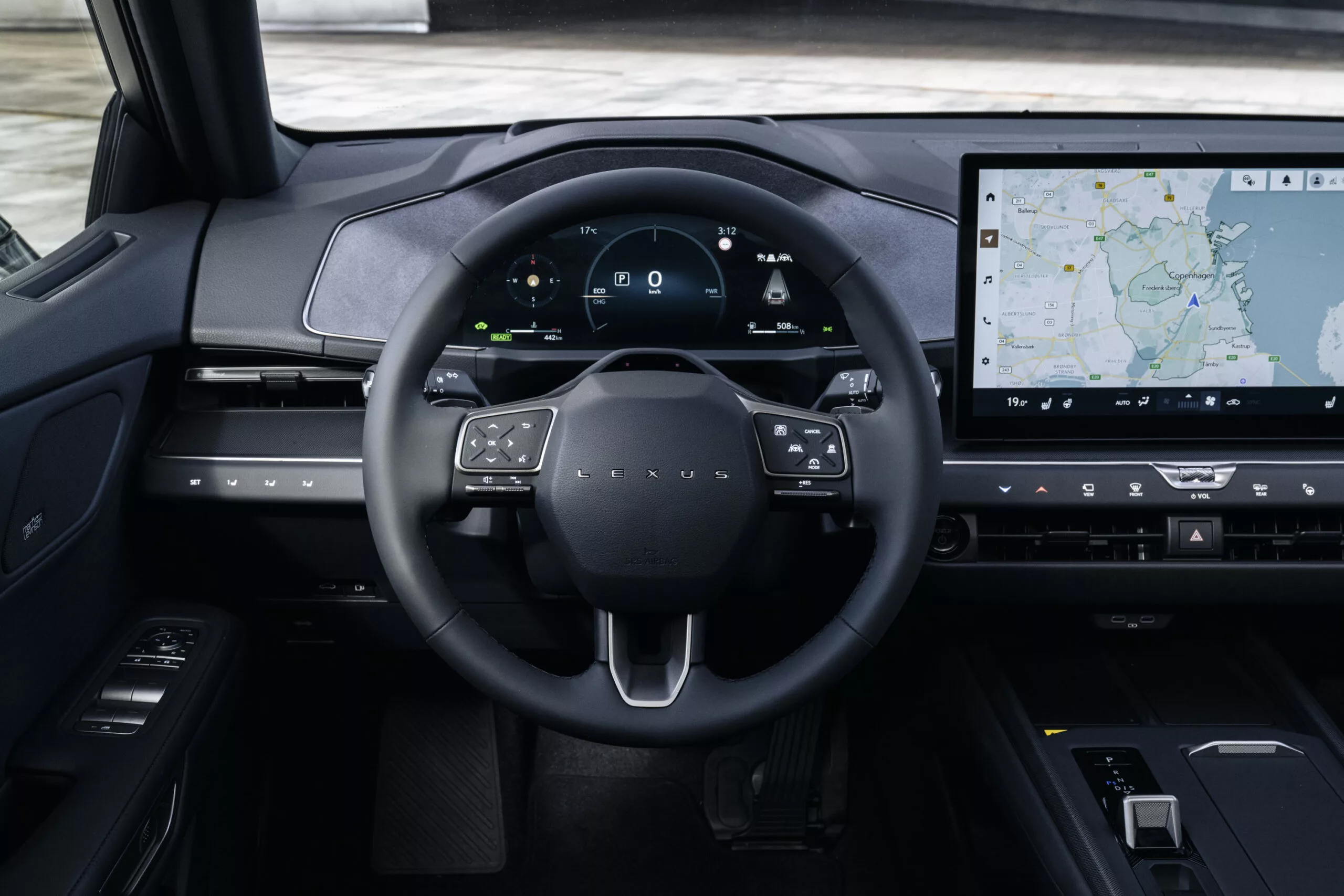
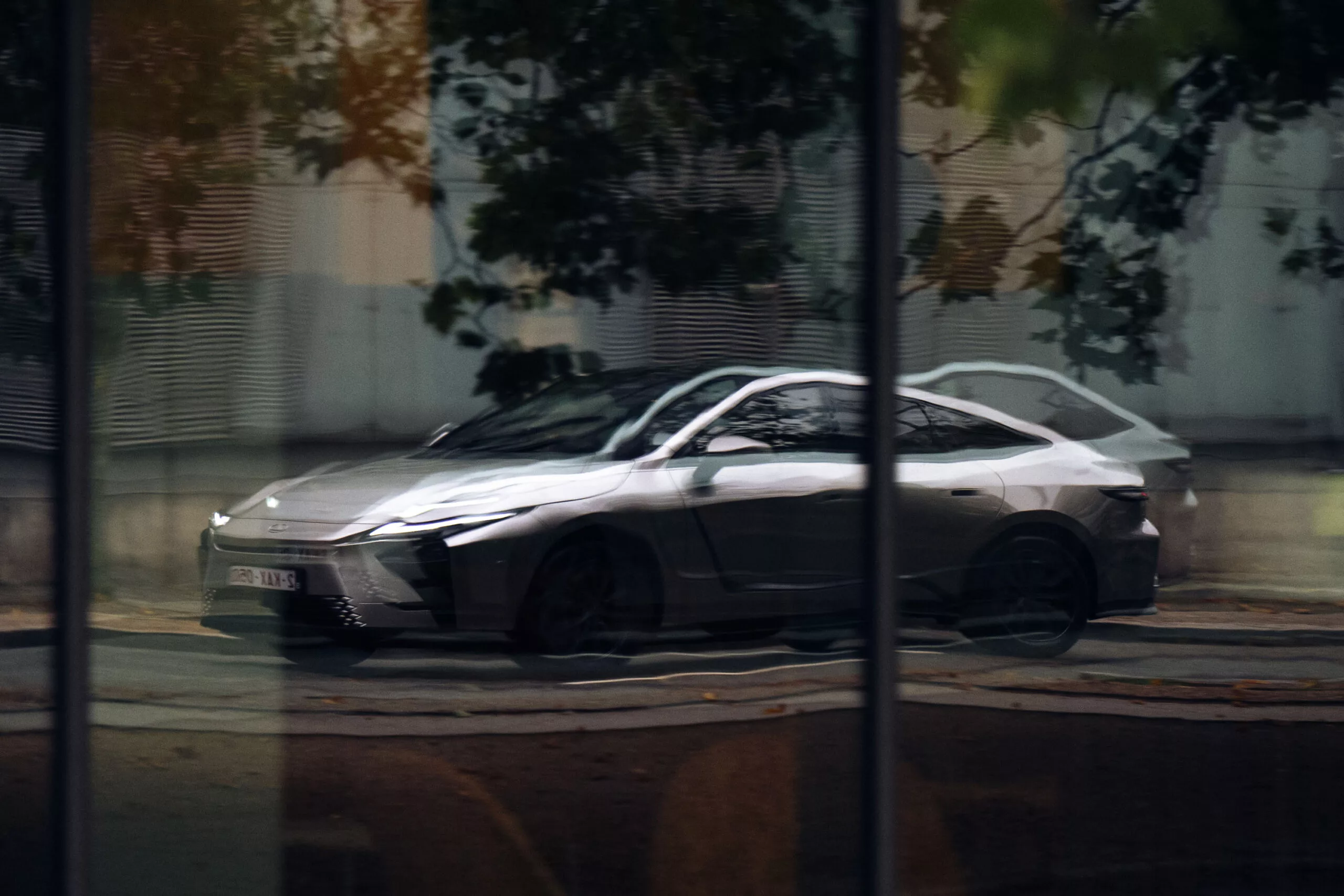
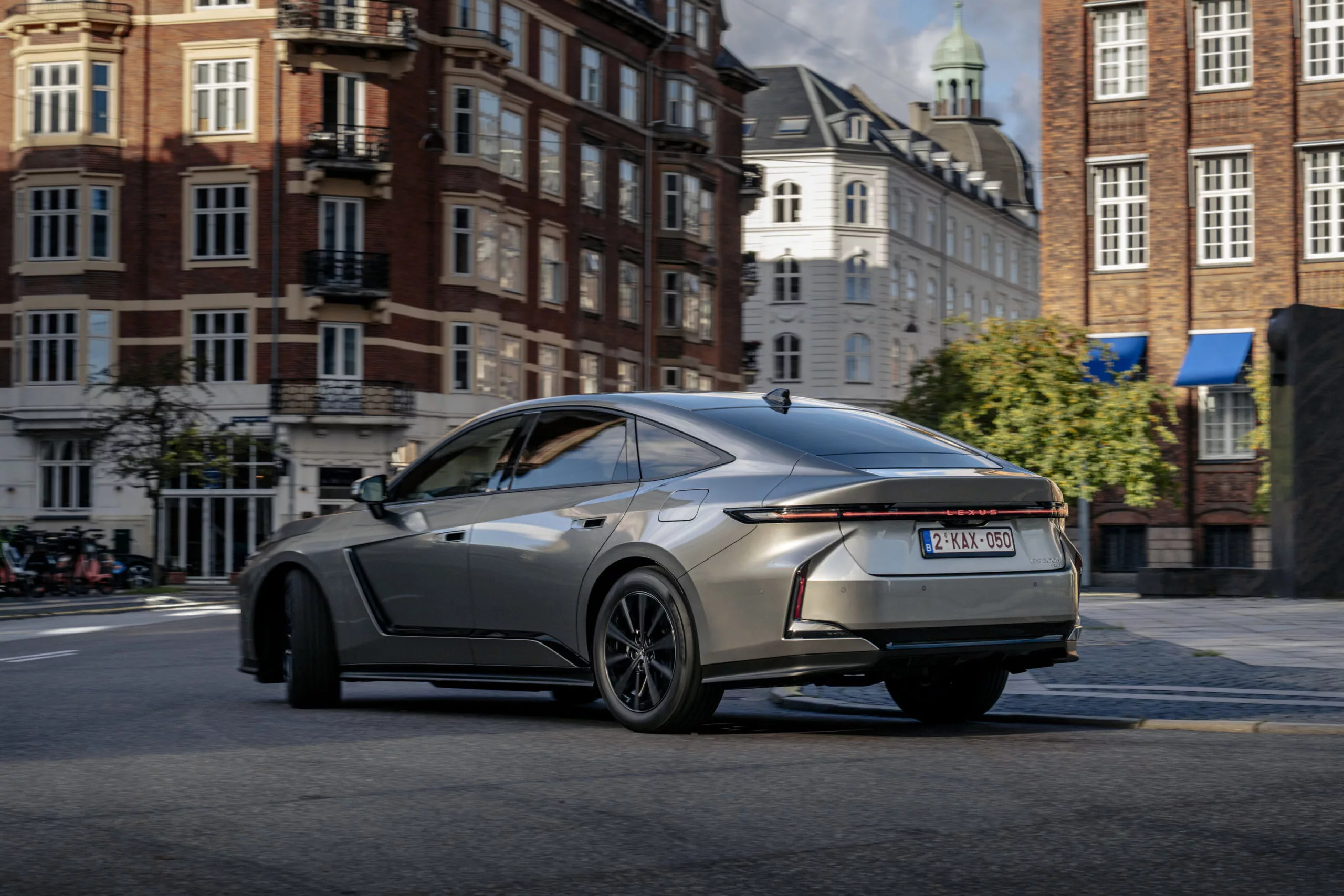
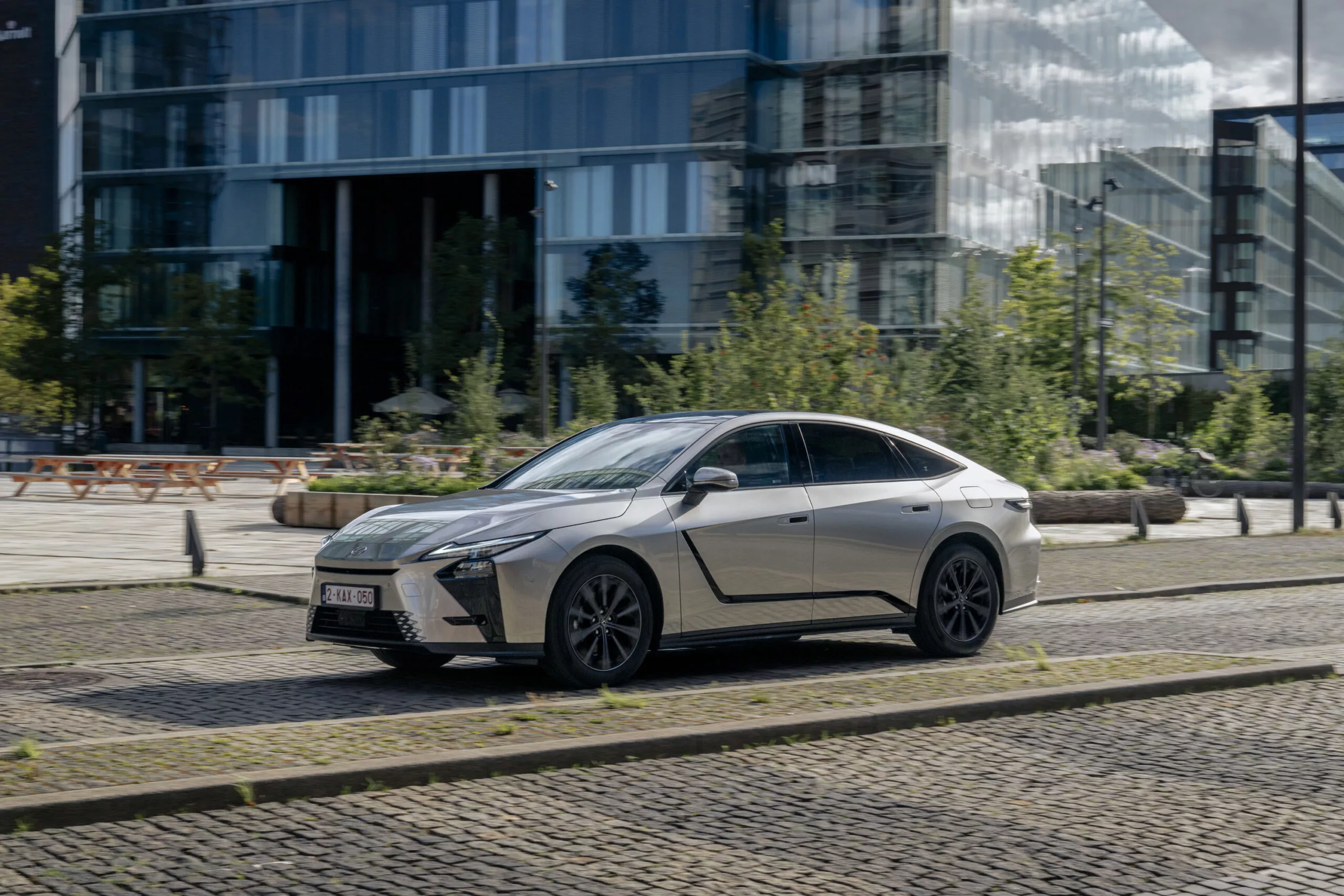
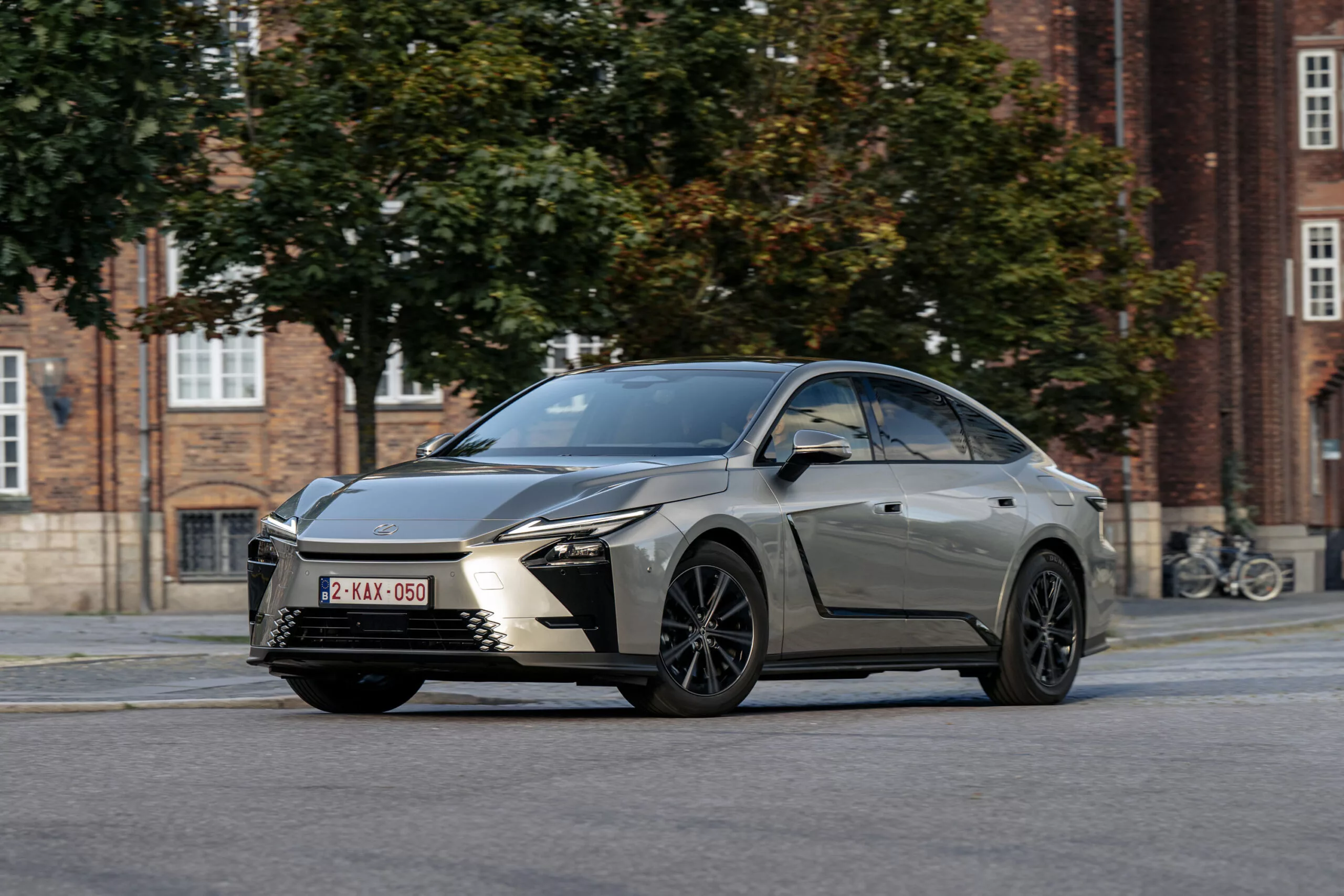
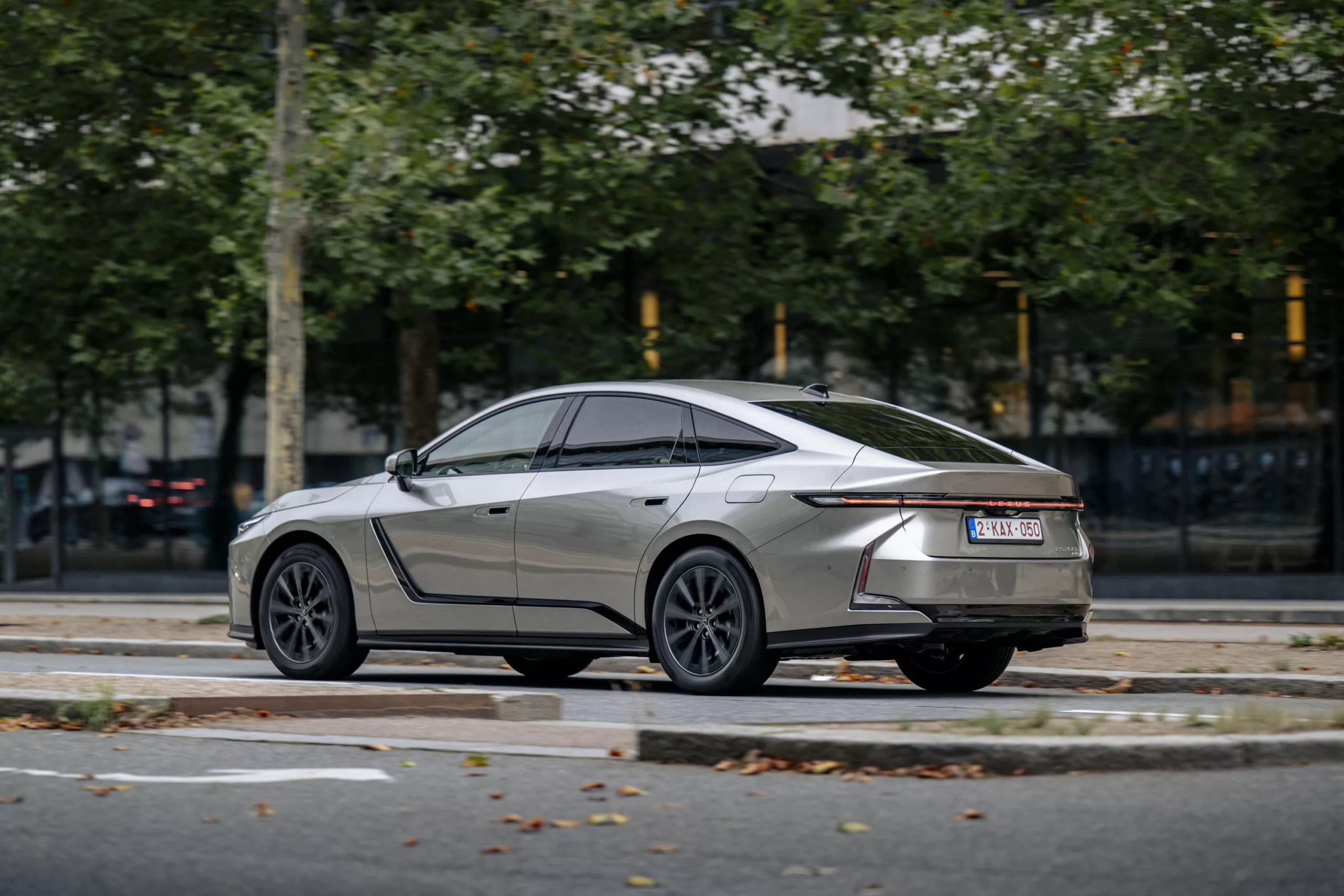
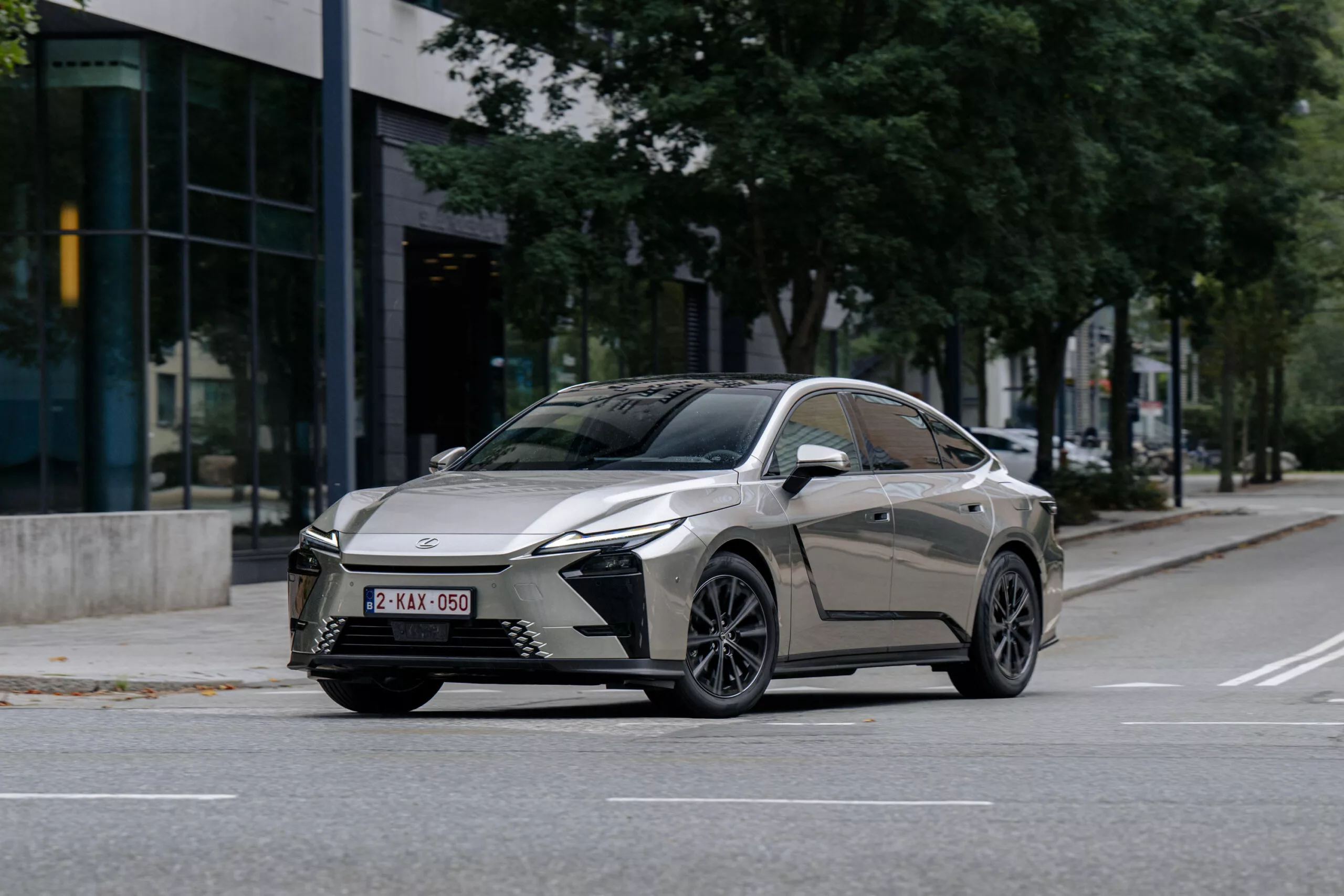
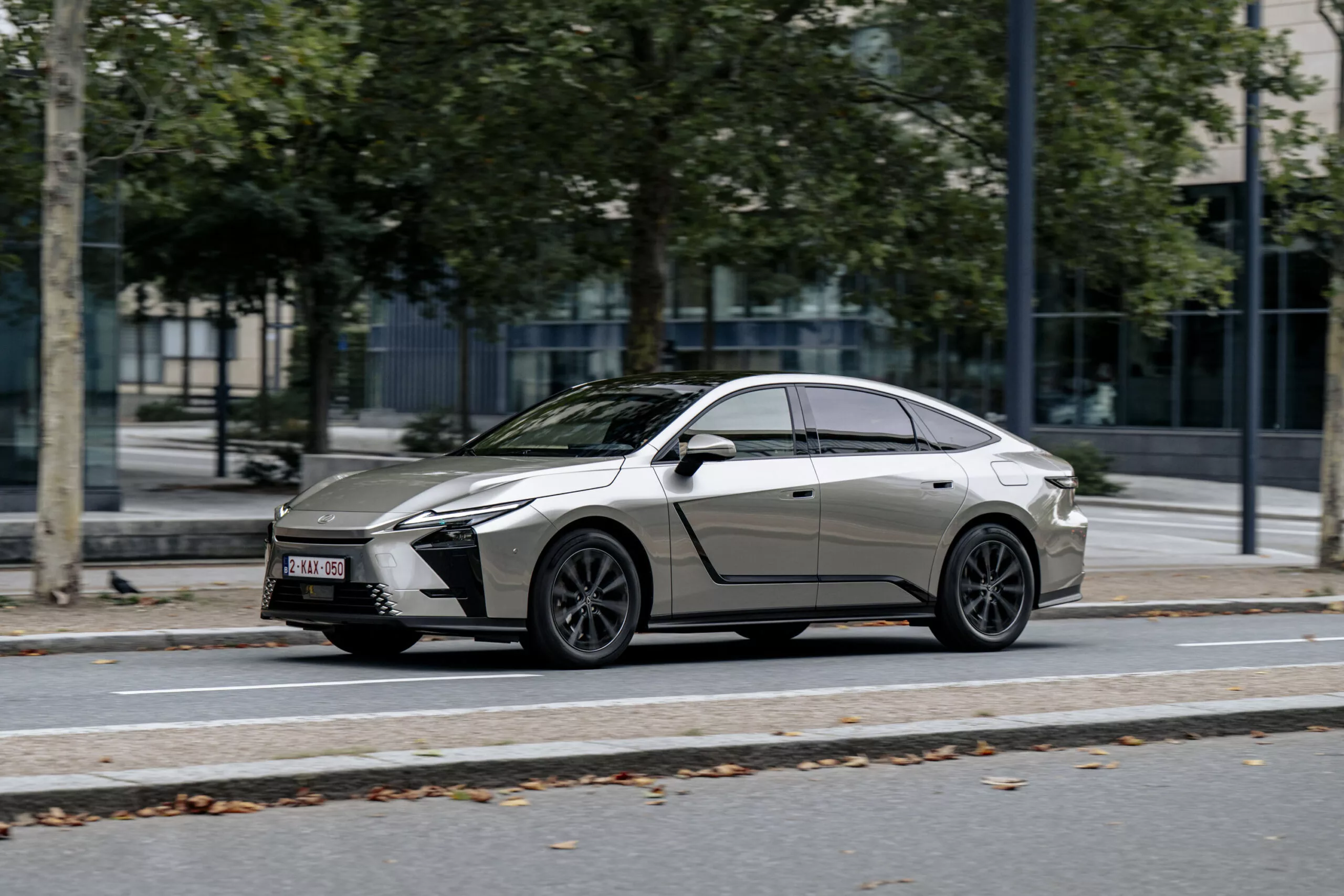
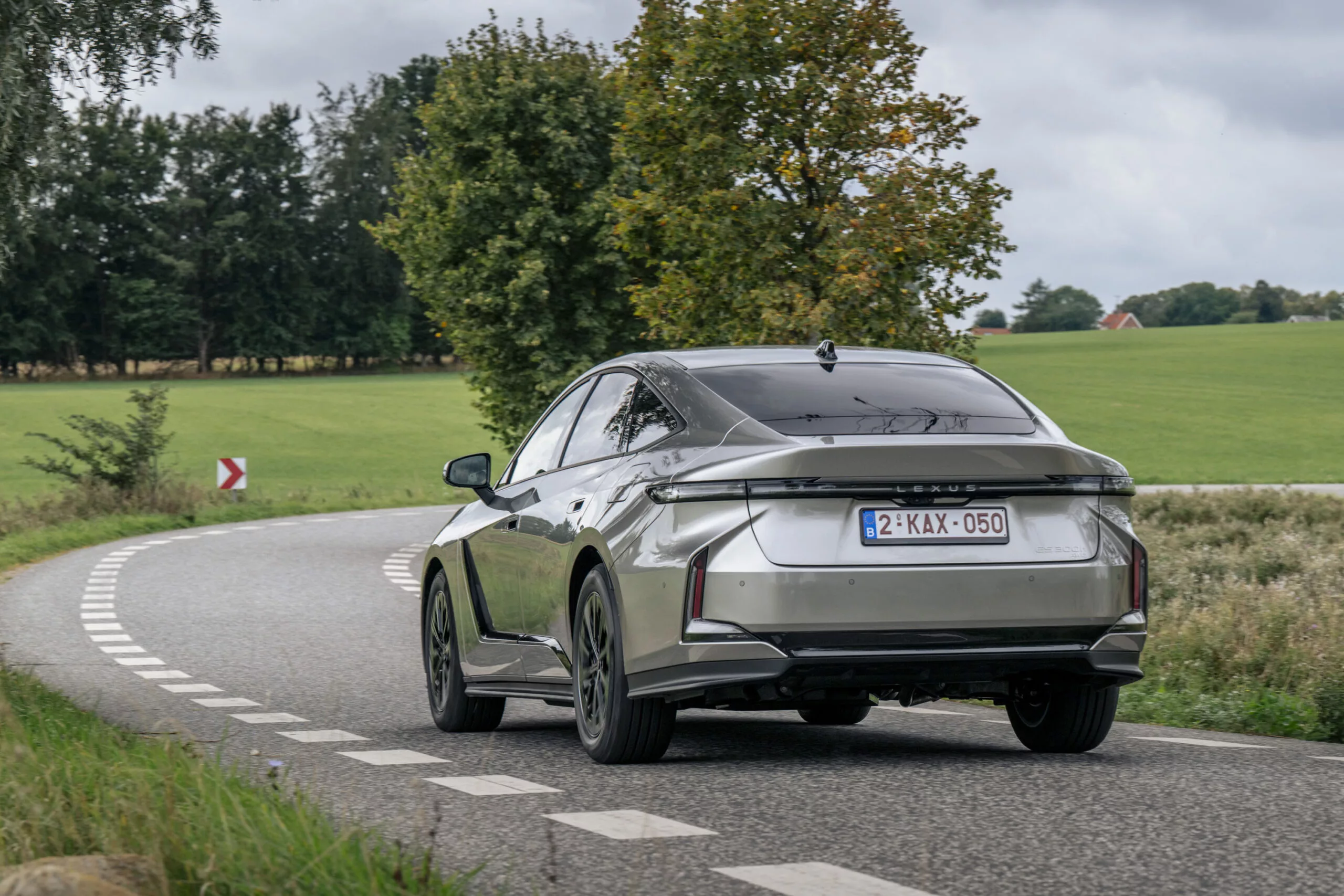
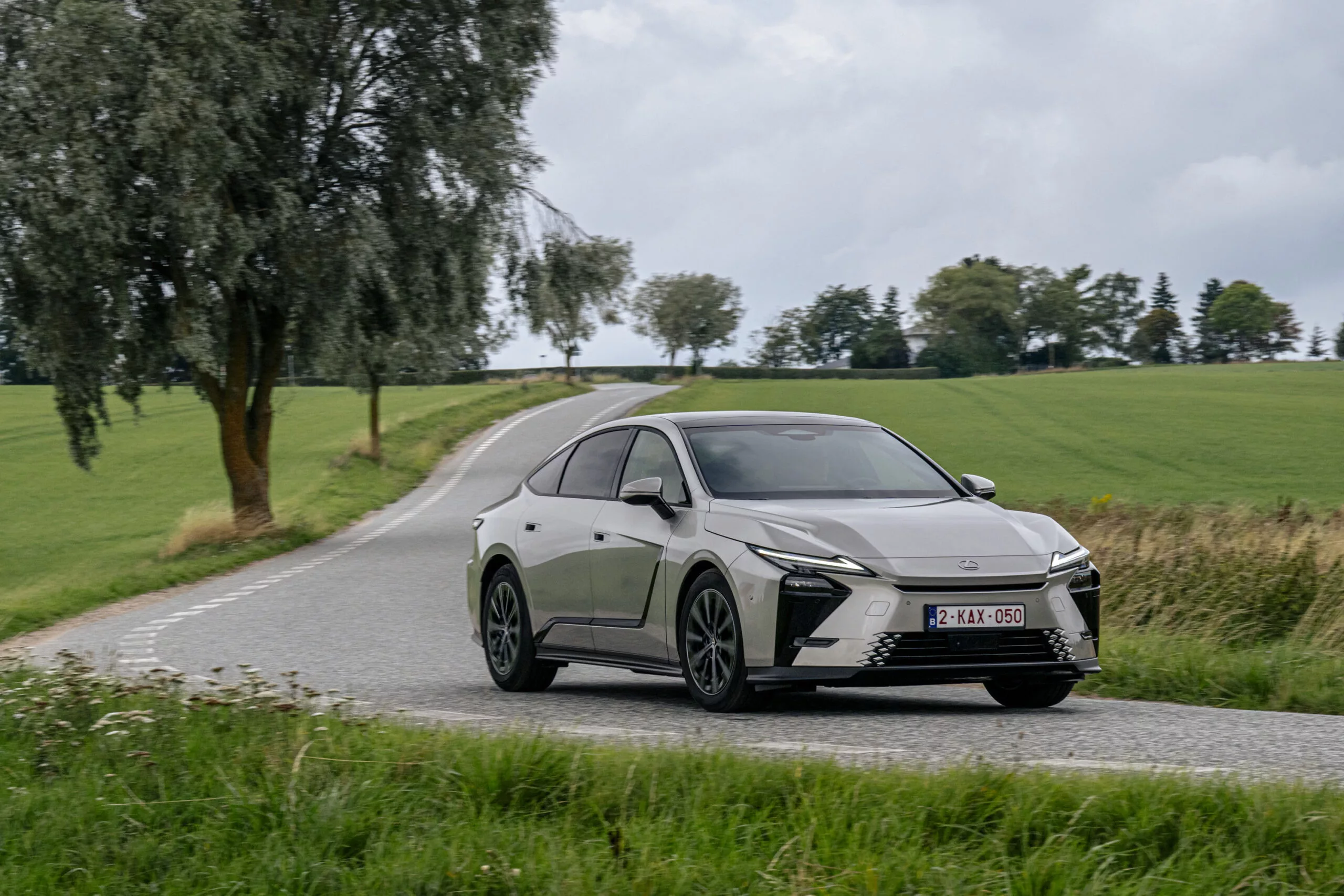
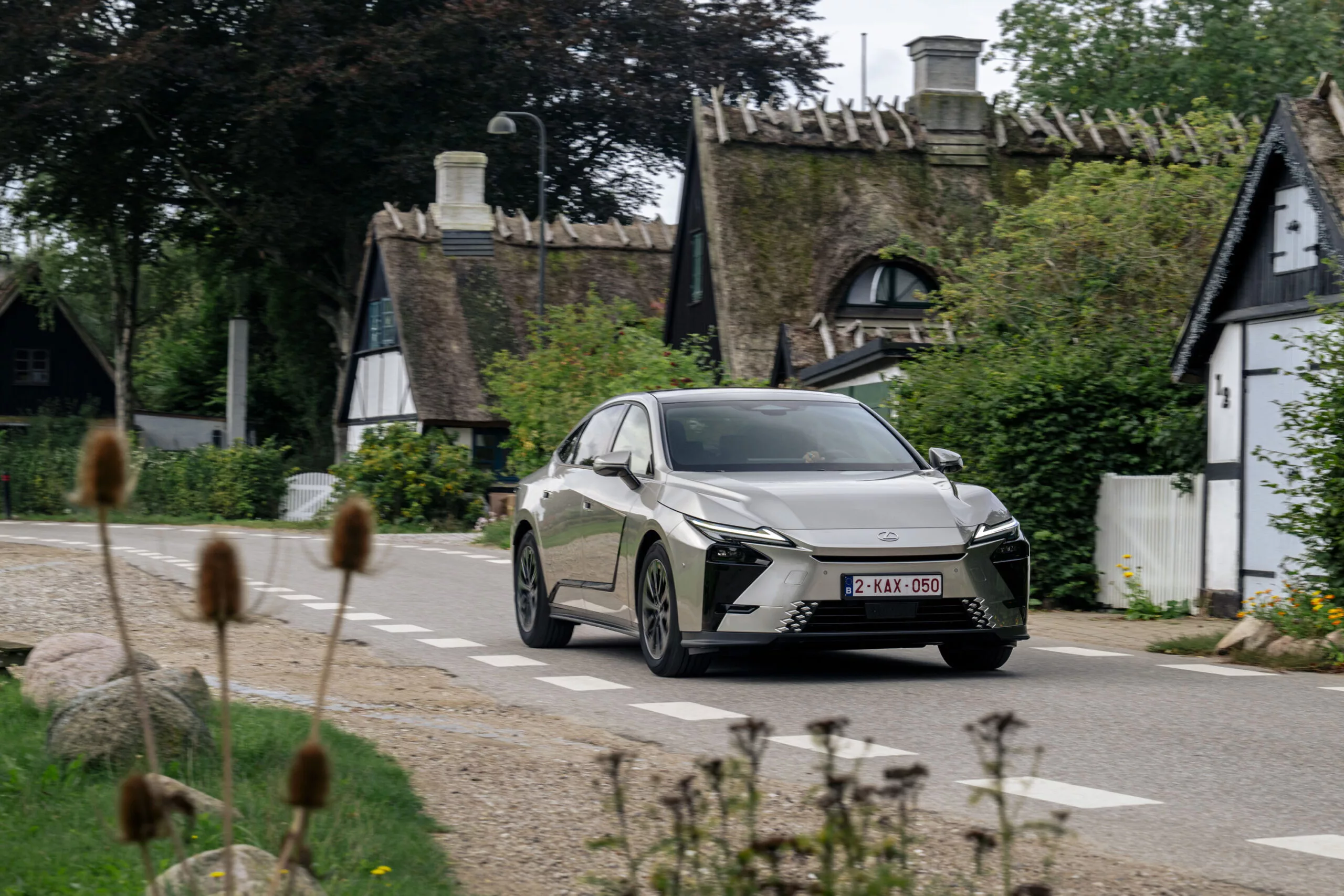
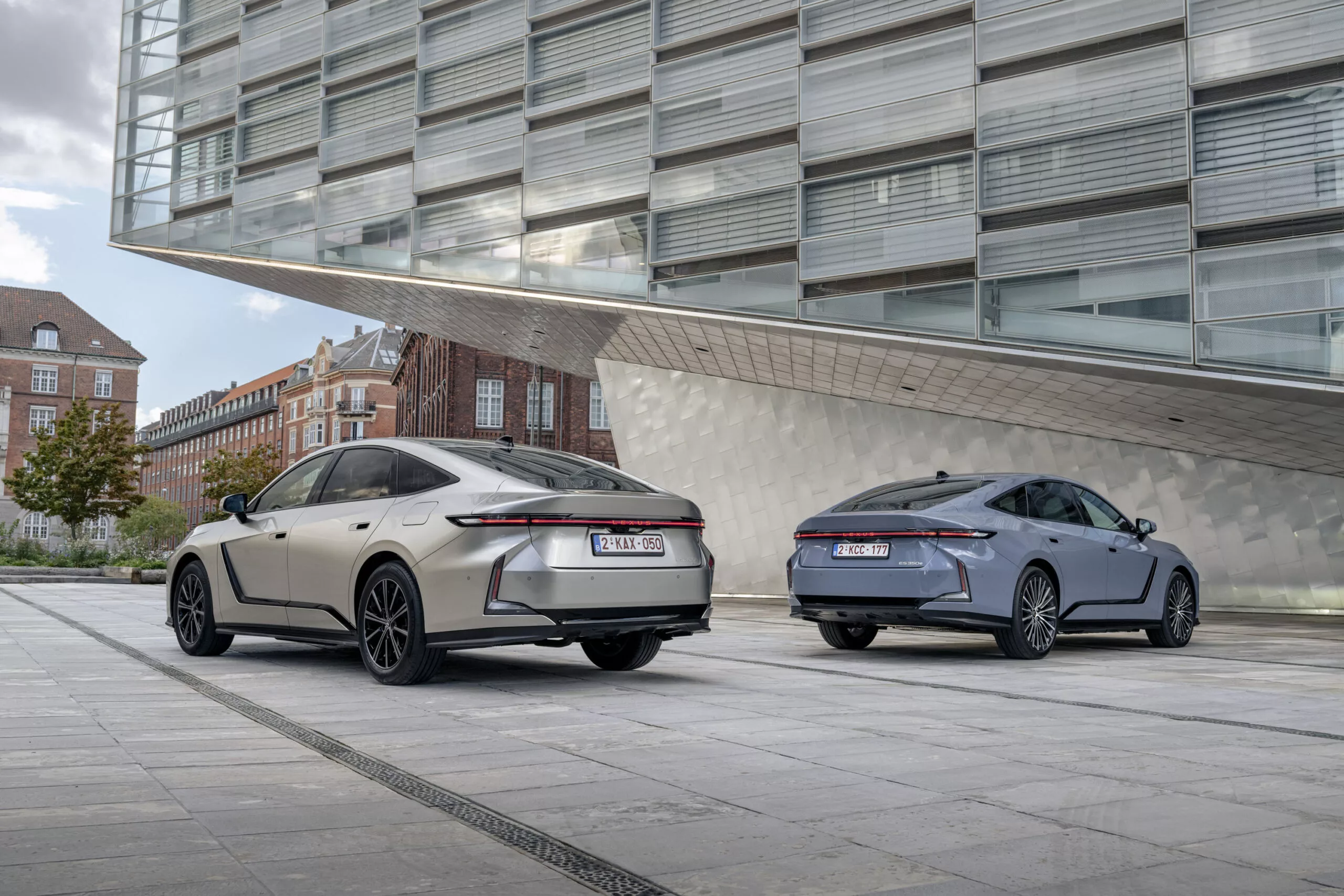
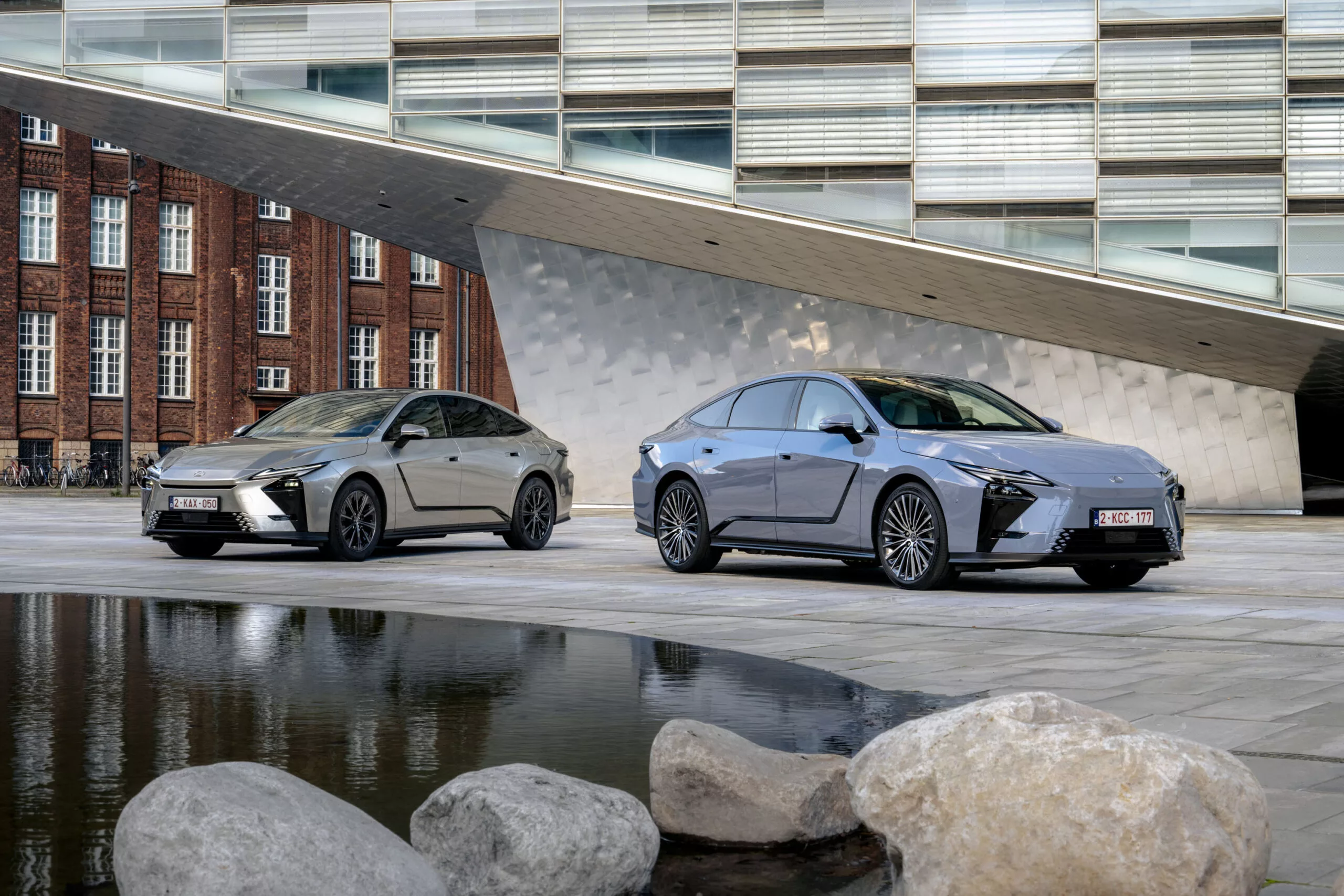
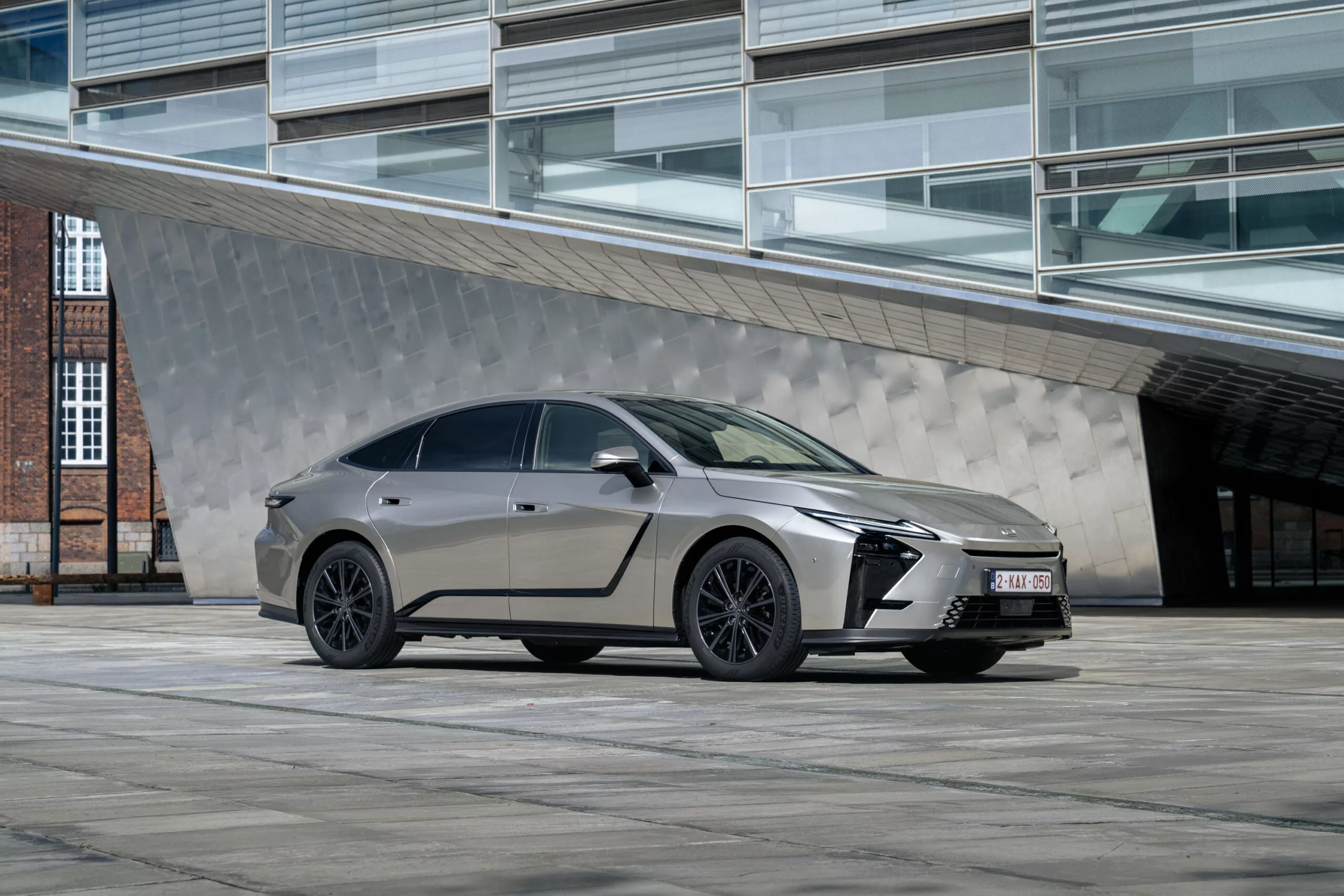
The eighth-generation Lexus ES will go on sale in Europe with a considerably broader choice of powertrains than before. Alongside a new-generation hybrid, Lexus will offer the model as a fully electric vehicle for the first time. European prices start at €61,500 and, interestingly, the least expensive hybrid and electric car cost exactly the same.
The new ES is an important model for Lexus, as it has until now been a conventional petrol-electric hybrid saloon. The same model line now offers three electrified powertrains: the ES 300h hybrid, the rear-wheel-drive ES 350e electric vehicle and the all-wheel-drive ES 500e.
The hybrid gets all-wheel drive for the first time
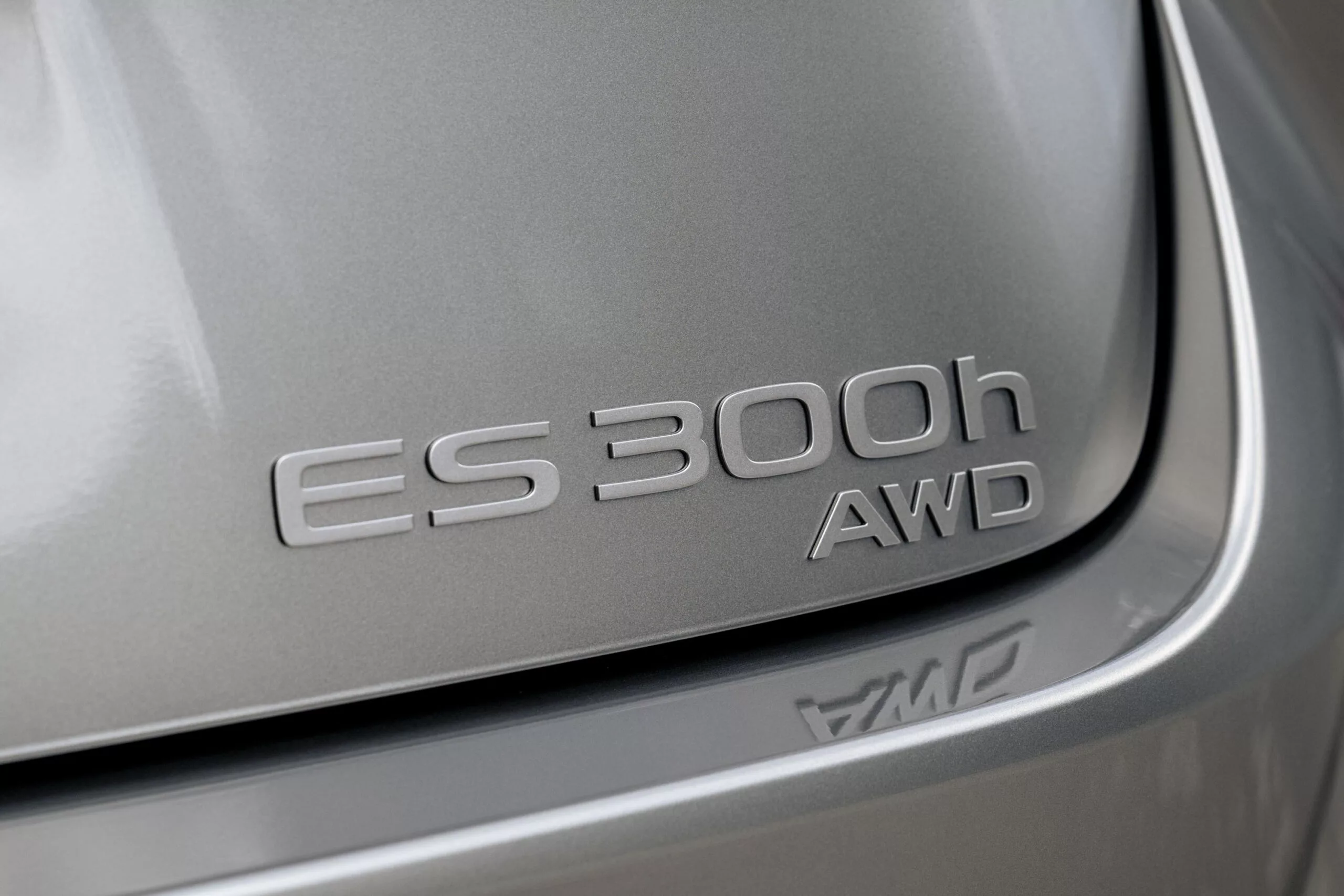
The ES 300h uses Lexus’s sixth-generation hybrid system. At its heart is a 2.5-litre four-cylinder petrol engine paired with a new transmission and a lithium-ion battery that is smaller and lighter than before.
Total system output is 148 kW. An important update is E-Four electric all-wheel drive, which Lexus has not previously offered on the ES. In Spain, the front-wheel-drive ES 300h is priced from €61,500, while the all-wheel-drive version starts at €64,500.
The electric ES offers up to 530 km of range
The ES 350e uses a 77 kWh battery and front-wheel drive. Its electric motor produces 165 kW, while WLTP range reaches up to around 530 kilometres, depending on the version.
The ES 500e adds a second electric motor on the rear axle and DIRECT4 all-wheel drive. System output rises to 252 kW. The greater power and all-wheel drive reduce range, but make the 500e a distinctly sportier alternative in the line-up.
In Europe, the ES 350e starts at €61,500, while the ES 500e costs at least €66,100. The range-topping electric ES 350e OMOTENASHI+ is priced at €78,500.
The ES shifts from being a driver’s car towards rear-seat luxury
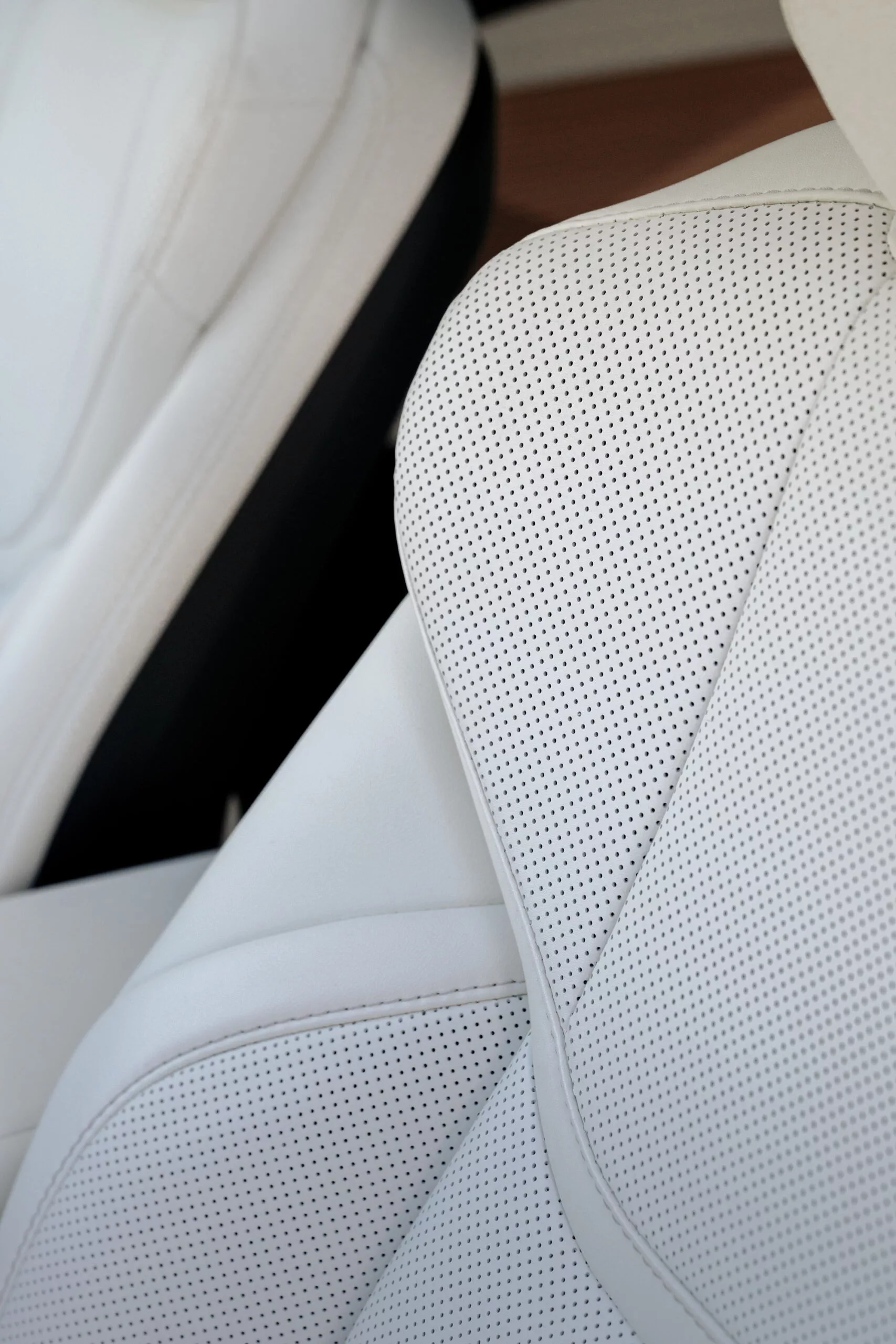
The new generation is larger than before, and Lexus is placing greater emphasis on rear-seat passenger comfort. In OMOTENASHI+ specification, the right-rear passenger gets a seat with a footrest, the front passenger seat can be folded forward to create more legroom, and the seats offer up to five massage programmes.
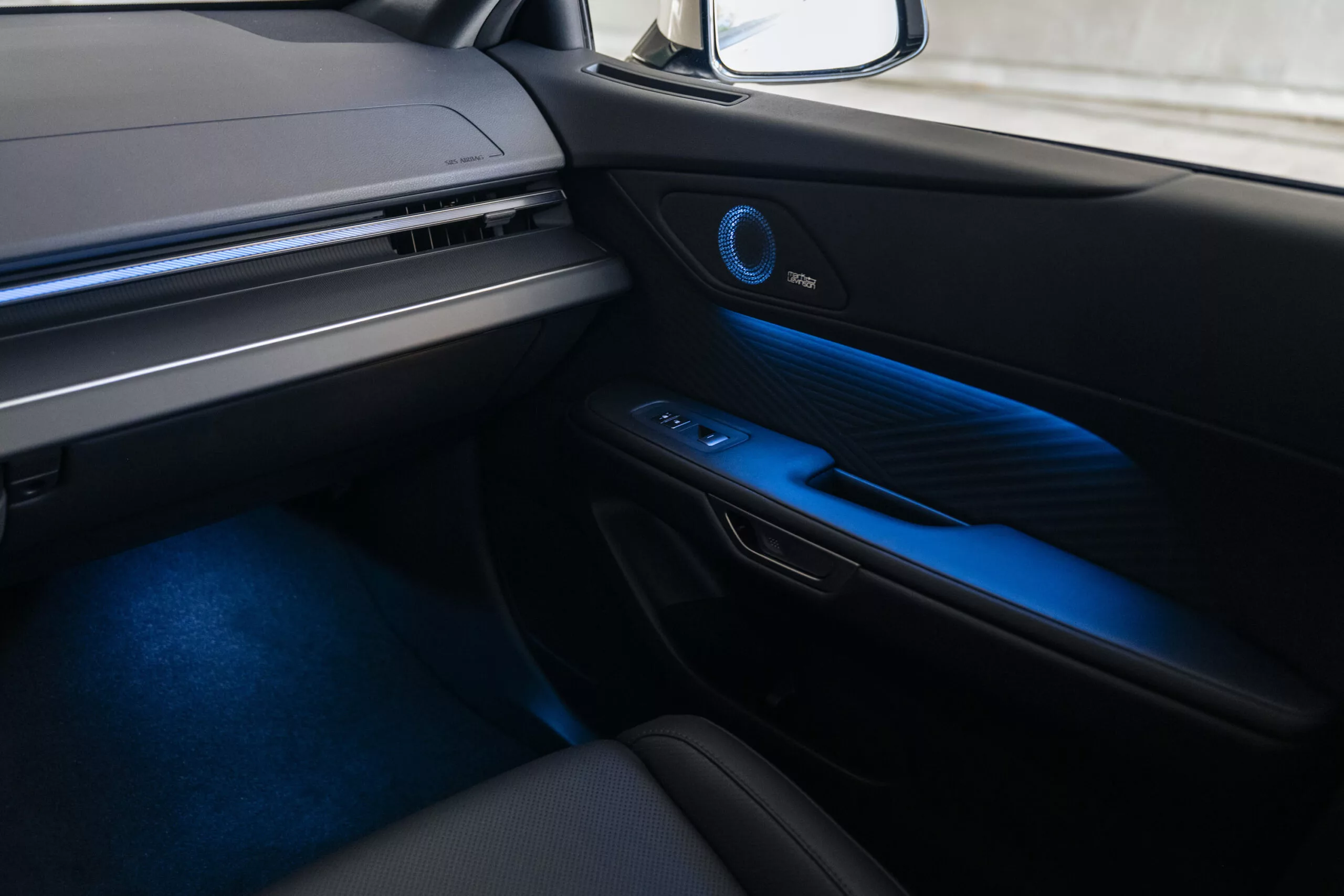
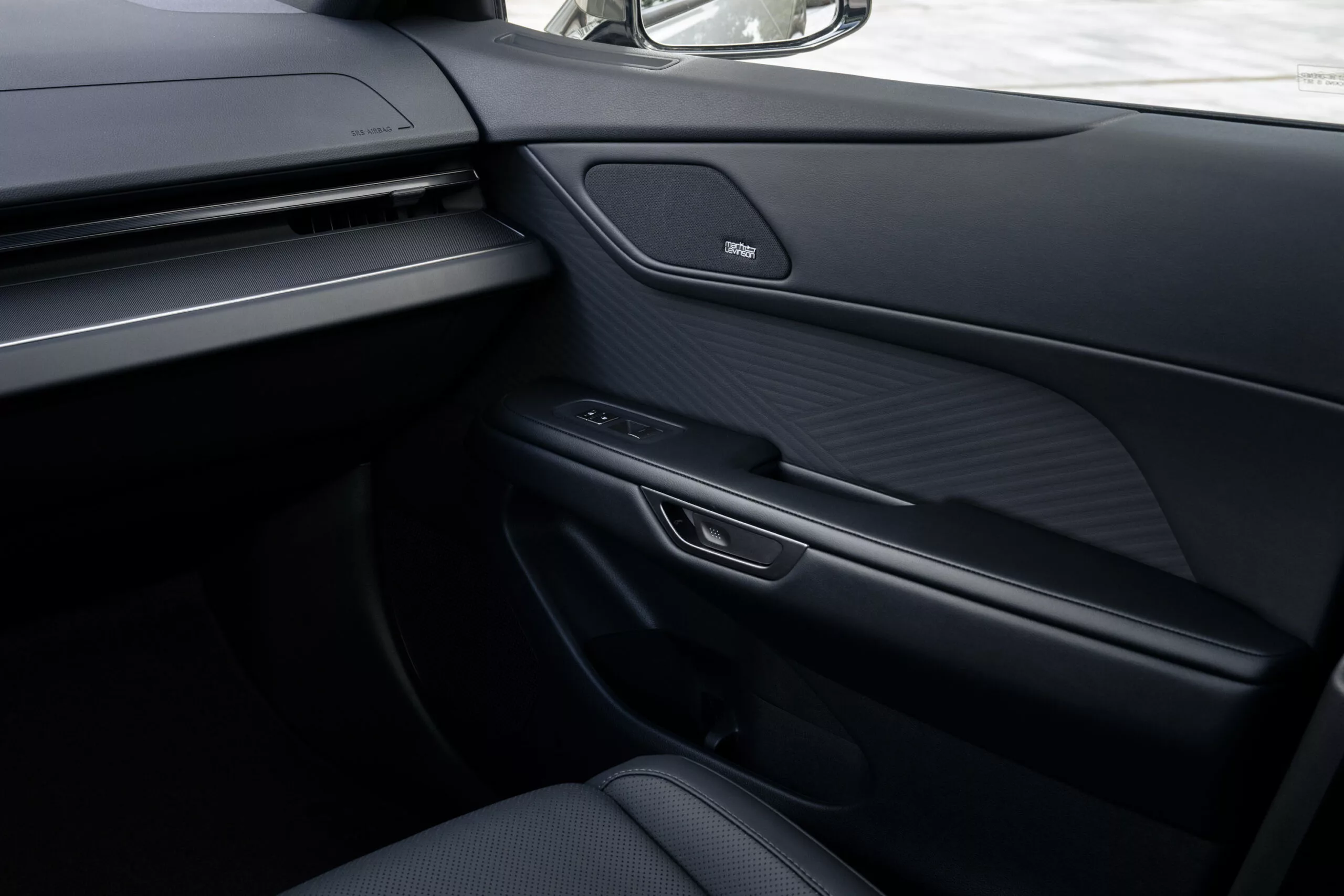
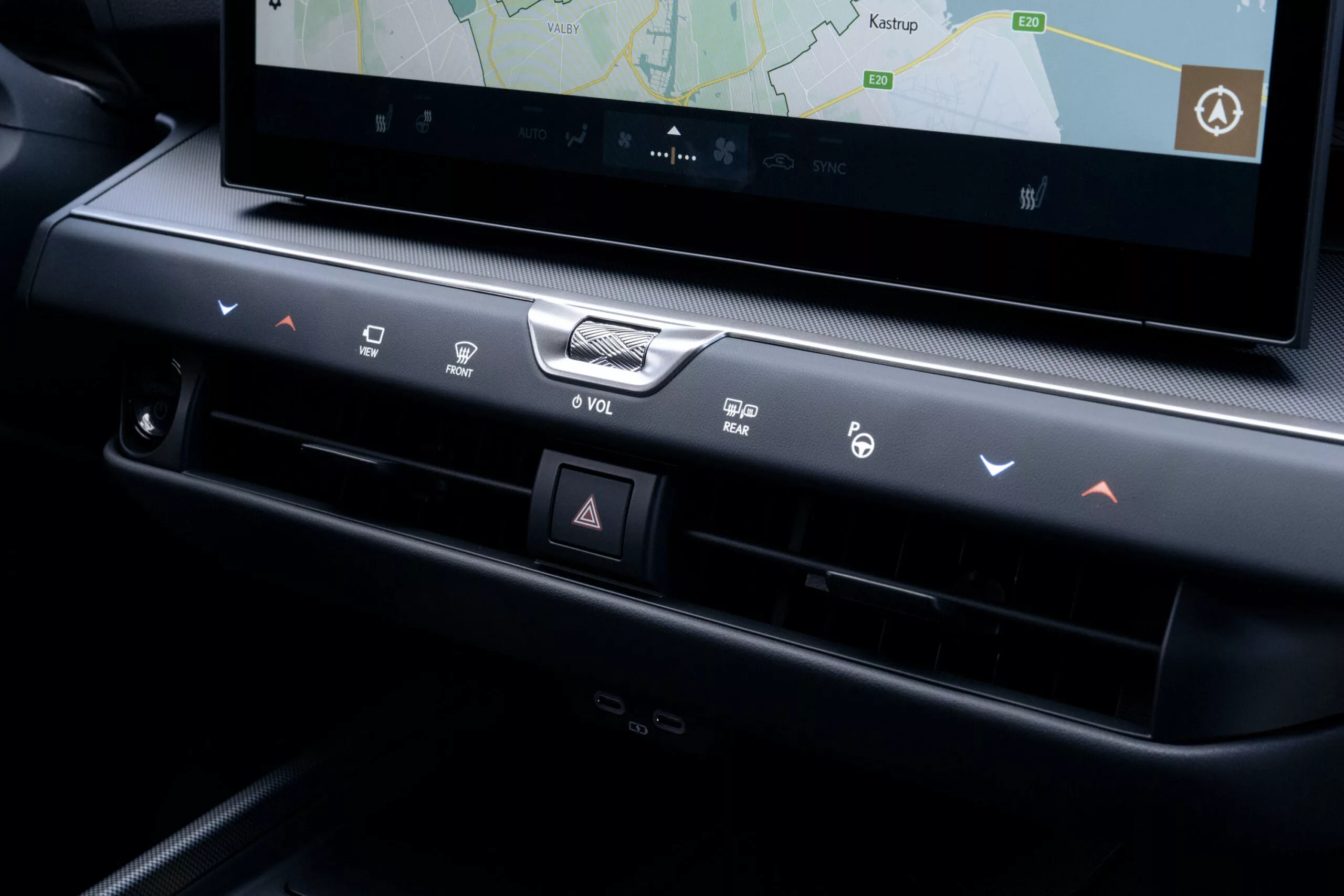
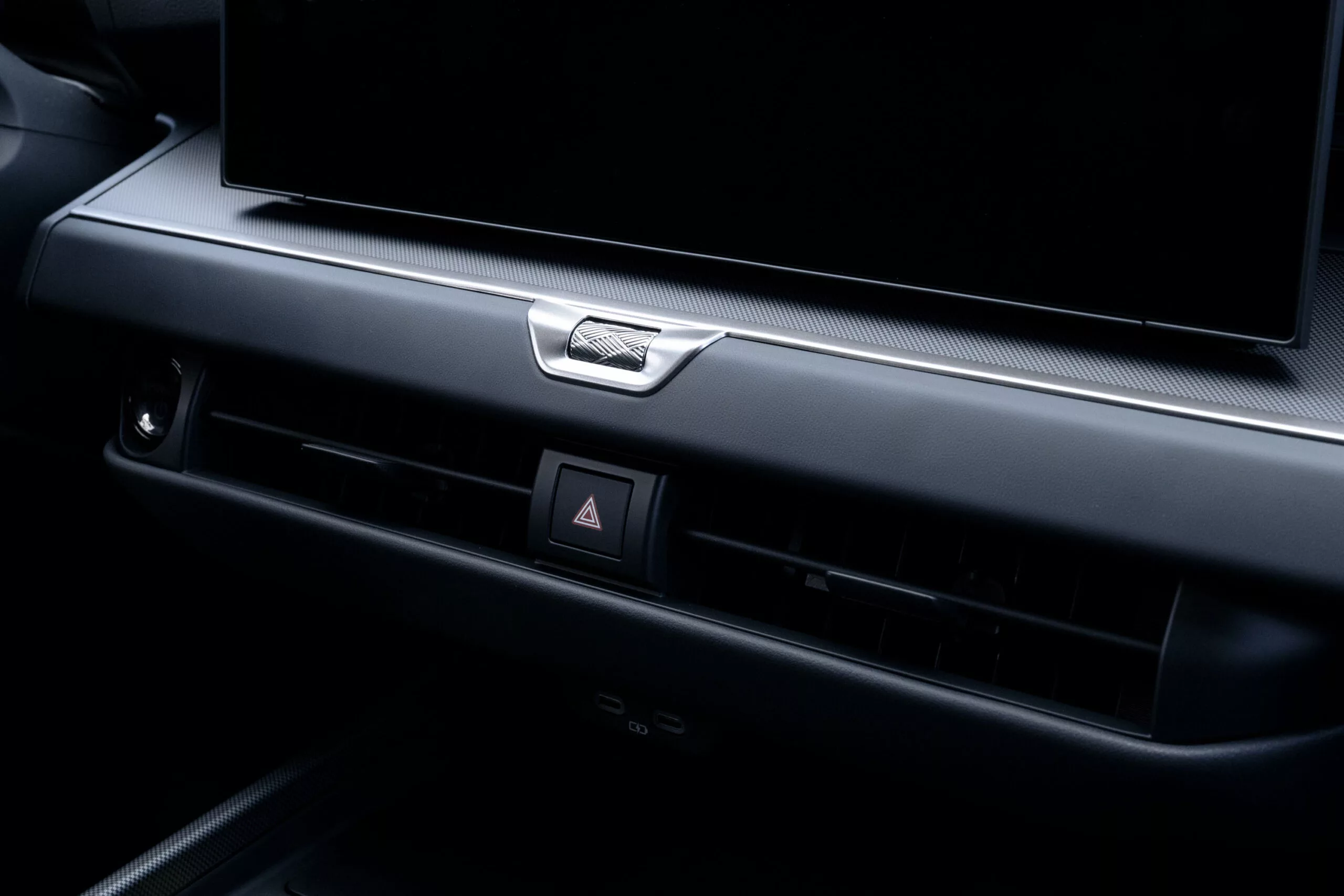
The cabin centres on a 14-inch multimedia display, while the driver gets a 12.3-inch digital instrument cluster. Higher trim levels add a 17-speaker Mark Levinson audio system, a digital rear-view mirror, a 360-degree camera system and adaptive suspension.
All versions receive Lexus Safety System+ 4.0 driver-assistance systems.
In Europe, the ES now takes on rivals from two classes
The addition of the electric ES 350e and 500e significantly changes the model’s position. Lexus no longer competes only with hybrid versions of the Mercedes-Benz E-Class, BMW 5 Series and Audi A6. The electric versions must also compete for buyers’ attention with the BMW i5, Mercedes-Benz EQE and Audi A6 e-tron.
Lexus is approaching this contest with a different strategy from the German manufacturers. With the ES, customers can choose between a hybrid and a fully electric powertrain within the same model. The identical €61,500 starting price in Spain makes the choice particularly interesting, as Lexus does not charge extra for the electric car over the hybrid, at least at the entry level.


