
Li Auto Pivots to Survival Mode as the Chinese EV Darling Shuts One Hundred Showrooms
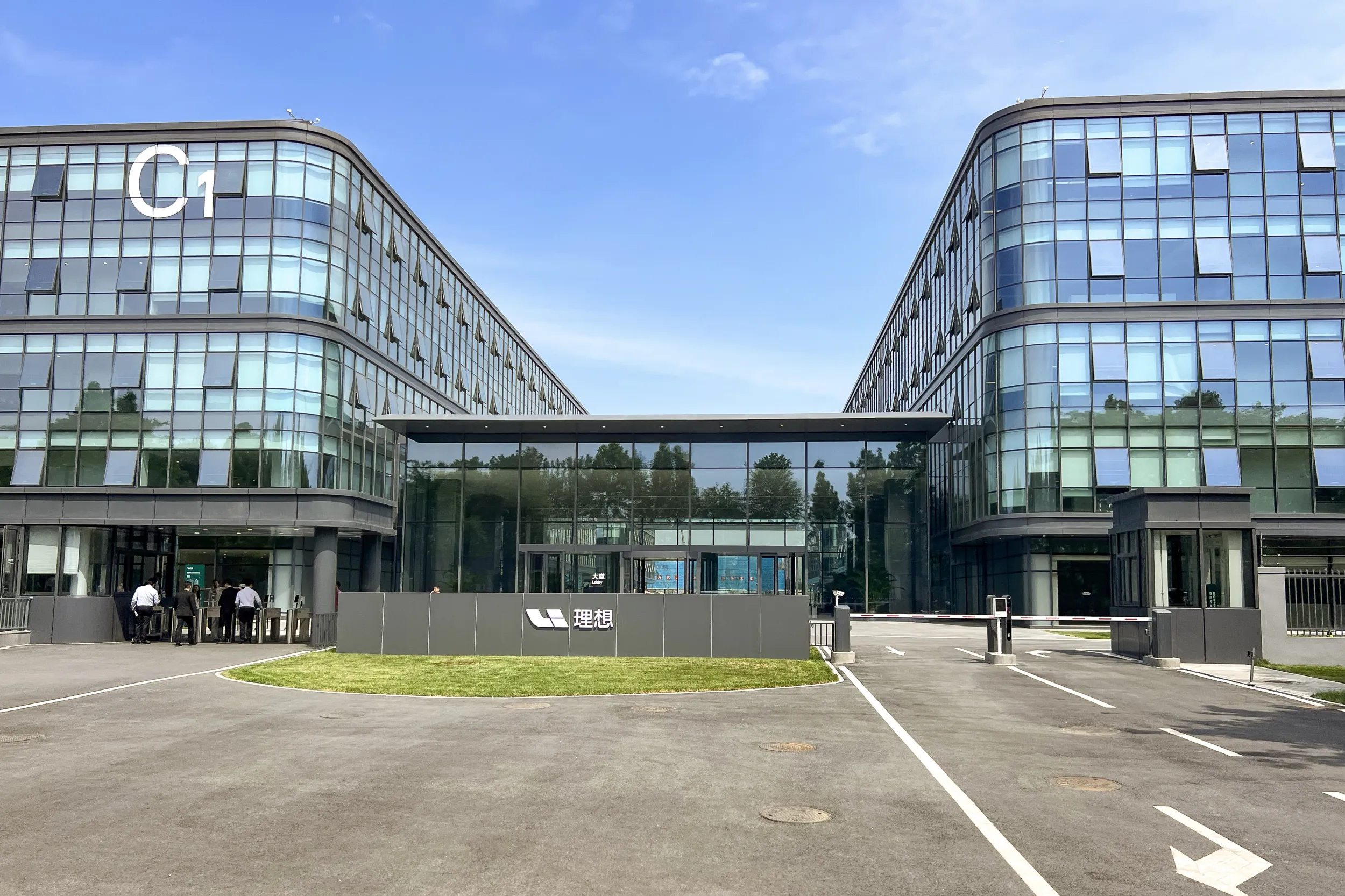
Li Auto, the recent wunderkind of the Chinese automotive landscape often referred to as Lixiang, has reached a turning point where aggressive expansion must give way to a rigorous course in survival. The company has announced plans to shutter approximately one hundred showrooms and sales points across its home market. This decision is far from a mere cosmetic adjustment; it is a pragmatic response to a cooling market and the harsh reality that its ambitious sales targets for 2025 have remained a distant dream.
Currently, Li Auto operates a network of roughly 900 sales outlets in China, more than half of which are under direct corporate control. While local social media was recently buzzing with rumors of an even larger wave of layoffs and mass closures, the manufacturer has moved to clarify its position. The closures will primarily target underperforming locations, such as those situated in luxury shopping malls within major metropolises where astronomical rents can no longer be justified by the stagnant sales figures.
A Reality Check for the Electric Sector
The setback for Li Auto serves as a significant signal for the entire Chinese electric vehicle sector. Last year, the brand managed to move nearly 406,000 vehicles, a figure that might seem impressive on paper but actually represented only 63 percent of its stated goals. This serves as a sobering lesson that even the most cutting edge technology cannot save a firm if operational costs outpace consumer interest.
Interestingly, Li Auto is not alone in navigating this crisis. The luxury icon Porsche is reportedly undergoing a similar diet in China, with plans to potentially reduce its dealership footprint by nearly half by the end of 2026. This indicates a broader shift where the Chinese market is transforming from an aristocratic land of plenty into a ruthless battlefield where only those who master their cost base will survive.
Ultimately, this move by Li Auto signals that the aggressive "burn cash and conquer" strategy is being replaced by a laser focus on actual profitability. The era of the free lunch and bottomless state subsidies has passed. For automakers, every square meter of floor space and every employee is now being weighed against the bottom line, as efficiency becomes the only currency that matters in an increasingly unforgiving market.
A Reality Check for the Electric Sector
The setback for Li Auto serves as a significant signal for the entire Chinese electric vehicle sector. Last year, the brand managed to move nearly 406,000 vehicles, a figure that might seem impressive on paper but actually represented only 63 percent of its stated goals. This serves as a sobering lesson that even the most cutting edge technology cannot save a firm if operational costs outpace consumer interest.
Interestingly, Li Auto is not alone in navigating this crisis. The luxury icon Porsche is reportedly undergoing a similar diet in China, with plans to potentially reduce its dealership footprint by nearly half by the end of 2026. This indicates a broader shift where the Chinese market is transforming from an aristocratic land of plenty into a ruthless battlefield where only those who master their cost base will survive.
Ultimately, this move by Li Auto signals that the aggressive "burn cash and conquer" strategy is being replaced by a laser focus on actual profitability. The era of the free lunch and bottomless state subsidies has passed. For automakers, every square meter of floor space and every employee is now being weighed against the bottom line, as efficiency becomes the only currency that matters in an increasingly unforgiving market.


