
Mercedes-Benz gave the EQS a thorough overhaul
 1/5
1/5
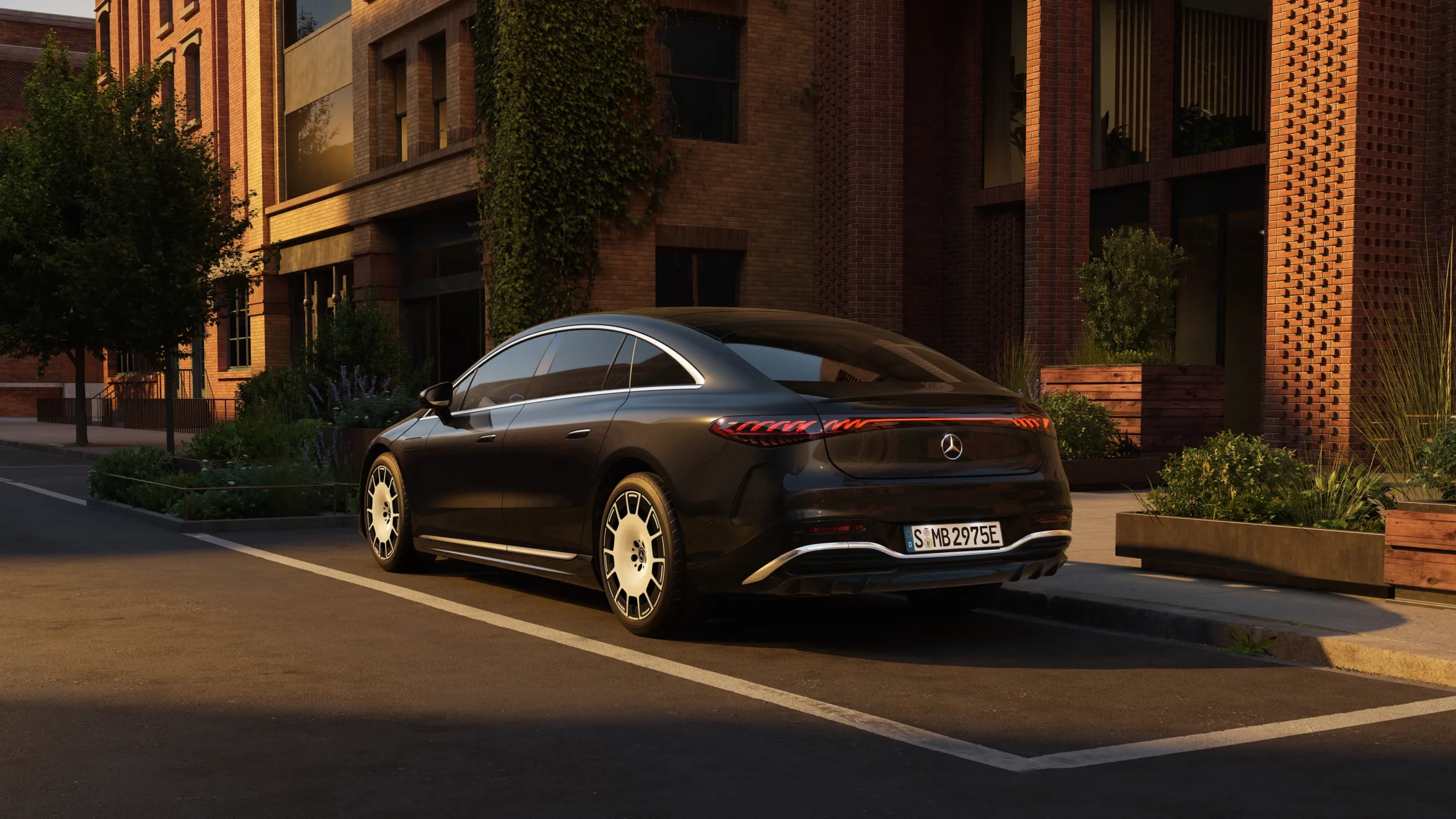
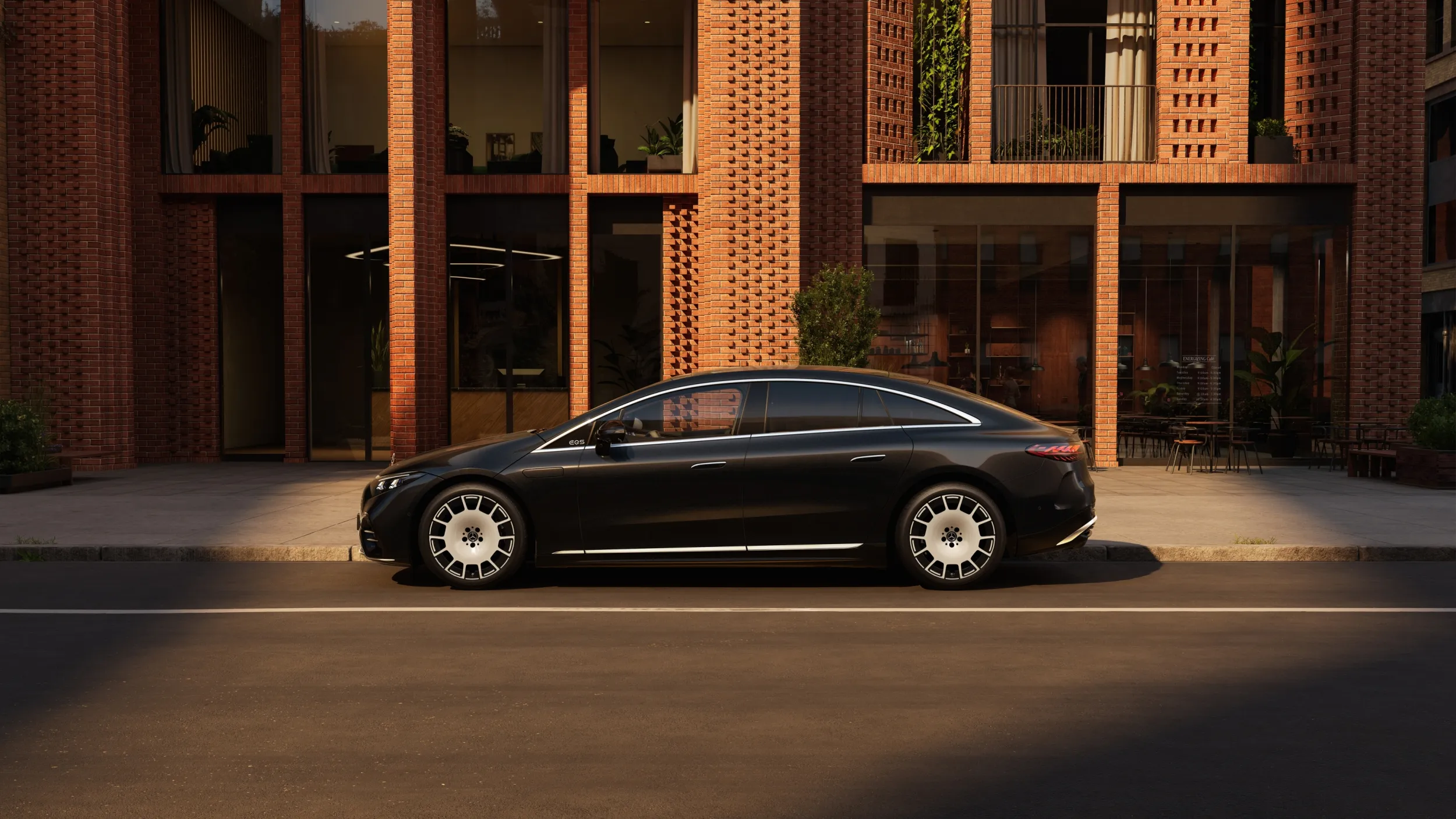
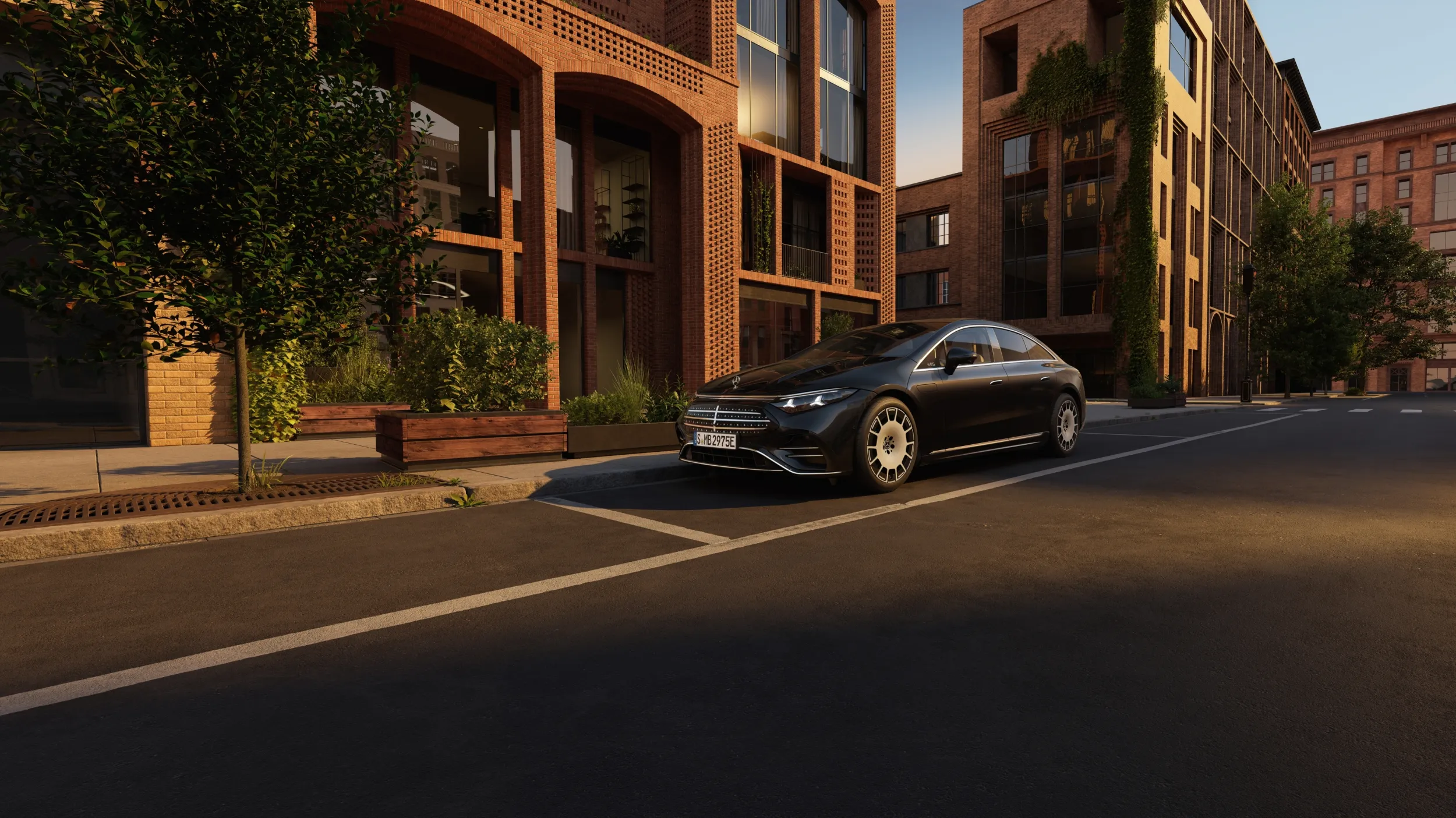
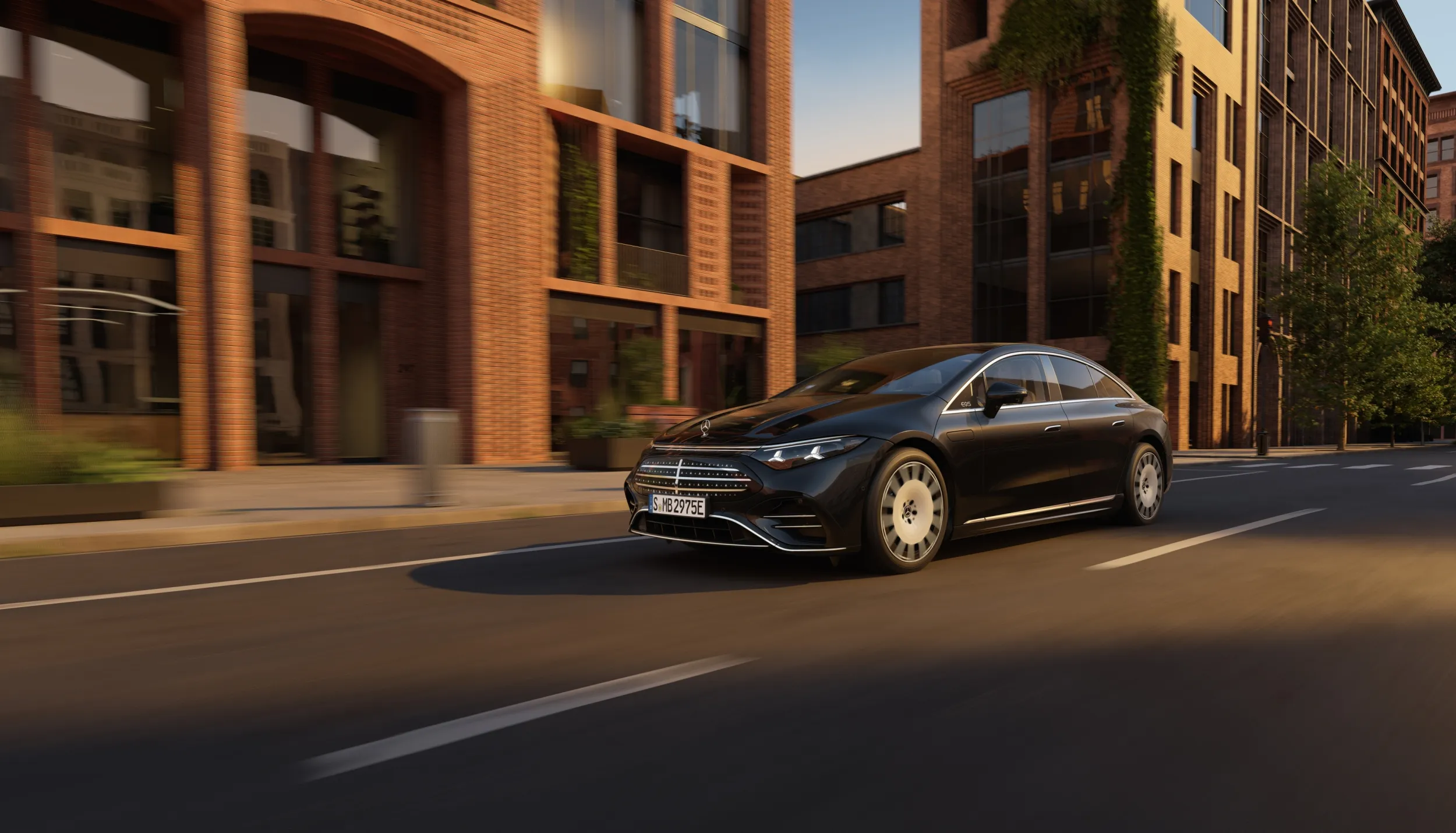
Mercedes-Benz did not settle for the usual mid life refresh with the EQS. It effectively rebuilt its electric flagship. The updated EQS gets an 800 volt electrical architecture, a larger 122 kWh battery, new electric drivetrains and a WLTP range of up to 926 kilometres. In other words, Mercedes is no longer merely fixing weak spots. It is trying to restore the EQS to its intended place as a technological benchmark in a segment where top end electric saloons must justify both their price and their purpose.
The revised EQS arrives with four powertrain versions, and order books are already open in Germany with prices ranging from €94,400 to €134,700. At the centre of the technical changes sits the move from the previous 400 volt system to an 800 volt architecture, a shift that lifts charging speed, overall efficiency and the car’s broader technological credibility in one stroke. Mercedes says that more than a quarter of the vehicle’s components are new, updated or substantially refined.
The most telling figure is the range. According to Mercedes-Benz, the new EQS 450+ can cover up to 926 kilometres on the WLTP cycle, roughly 13 per cent more than before. That sends a strong message in the luxury EV class, because the EQS originally built its identity around efficiency and long distance ability. Now Mercedes is trying to reclaim that promise.
Charging capability moves in the same direction. Mercedes says the new EQS supports DC charging at up to 350 kW and can add as much as 320 kilometres of WLTP range in 10 minutes. For 400 volt chargers, the company also added intelligent control systems designed to bring fast charging to a broader infrastructure network, not just the newest and most capable locations.
Mercedes did far more than swap the battery. The update also includes new in house developed electric motors and a two speed rear axle transmission intended to improve both acceleration and efficiency at higher speeds. That makes the EQS a much more mature technical product than the outgoing version, which was often criticised for offering futuristic aerodynamics without always delivering the same convincing driving experience and product image as the conventional S Class.
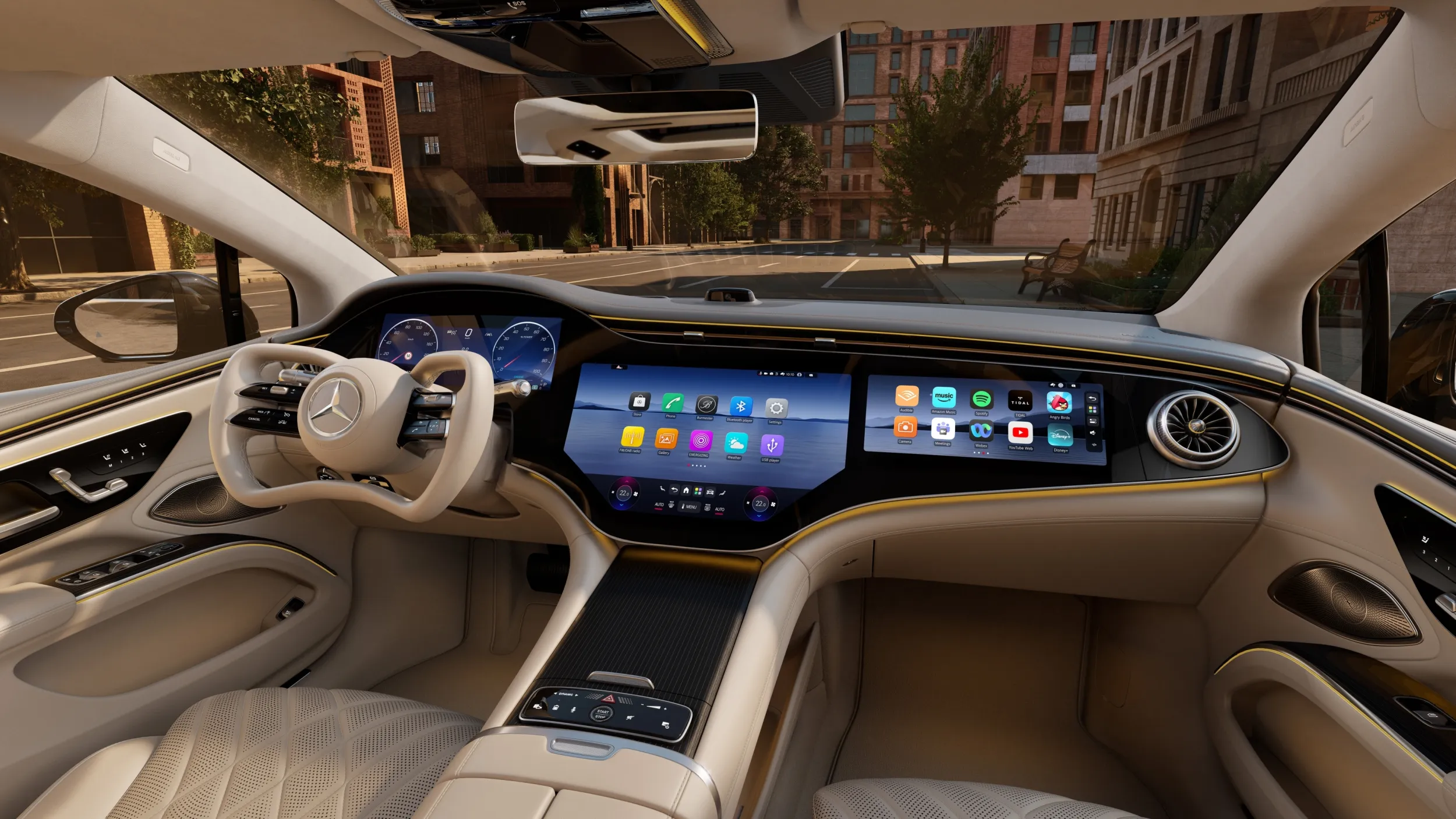
The design changes are modest on the outside, but strategically precise. The car gets a new front end, a powerdome bonnet and revised lights. Inside, the MBUX Hyperscreen remains standard, but it is now joined by features that Mercedes increasingly reserves for its most expensive machinery, steer by wire, a new steering wheel and heated seat belts. That makes the intention fairly clear. Mercedes no longer wants to sell the EQS simply as a different kind of electric car, but as a technological luxury object carrying the same status as the brand’s traditional flagships.
Mercedes has already admitted that the EQS’s futuristic shape, and its rather abrupt break from the aesthetics of the classic luxury saloon, did not have the market effect it expected. This time the company is trying to improve the car from the inside out, more range, more charging capability, more software, more luxury. It is a rational move, because an expensive electric flagship now has to justify itself through emotion, engineering and everyday usability all at once. The EQS update suggests Mercedes understood the lesson.
The revised line up includes the EQS 450+, EQS 500 4MATIC and EQS 580 4MATIC, with the new 500 slot helping to bridge the gap more logically between the entry point and the flagship model. That move suggests Mercedes wants to position the EQS not just as a technology showcase, but as a mature model family with a clearer price ladder and a better structured choice for buyers.
The broader point matters most. The new EQS shows that the first chapter of luxury car electrification is already over. It is no longer enough to launch a quiet, aerodynamic large saloon and call it progress. The next phase demands complete superiority, a high energy density battery, faster charging, better software, a more polished user experience and technology that still stands out even when rivals offer similar range. With the EQS, Mercedes is now trying to prove it can set the standard again. If the market responds, this may finally become the car it was meant to be from the start, an electric interpretation of the S Class, rather than an ambitious detour.
The most telling figure is the range. According to Mercedes-Benz, the new EQS 450+ can cover up to 926 kilometres on the WLTP cycle, roughly 13 per cent more than before. That sends a strong message in the luxury EV class, because the EQS originally built its identity around efficiency and long distance ability. Now Mercedes is trying to reclaim that promise.
Charging capability moves in the same direction. Mercedes says the new EQS supports DC charging at up to 350 kW and can add as much as 320 kilometres of WLTP range in 10 minutes. For 400 volt chargers, the company also added intelligent control systems designed to bring fast charging to a broader infrastructure network, not just the newest and most capable locations.
Mercedes did far more than swap the battery. The update also includes new in house developed electric motors and a two speed rear axle transmission intended to improve both acceleration and efficiency at higher speeds. That makes the EQS a much more mature technical product than the outgoing version, which was often criticised for offering futuristic aerodynamics without always delivering the same convincing driving experience and product image as the conventional S Class.
The design changes are modest on the outside, but strategically precise. The car gets a new front end, a powerdome bonnet and revised lights. Inside, the MBUX Hyperscreen remains standard, but it is now joined by features that Mercedes increasingly reserves for its most expensive machinery, steer by wire, a new steering wheel and heated seat belts. That makes the intention fairly clear. Mercedes no longer wants to sell the EQS simply as a different kind of electric car, but as a technological luxury object carrying the same status as the brand’s traditional flagships.
Mercedes has already admitted that the EQS’s futuristic shape, and its rather abrupt break from the aesthetics of the classic luxury saloon, did not have the market effect it expected. This time the company is trying to improve the car from the inside out, more range, more charging capability, more software, more luxury. It is a rational move, because an expensive electric flagship now has to justify itself through emotion, engineering and everyday usability all at once. The EQS update suggests Mercedes understood the lesson.
The revised line up includes the EQS 450+, EQS 500 4MATIC and EQS 580 4MATIC, with the new 500 slot helping to bridge the gap more logically between the entry point and the flagship model. That move suggests Mercedes wants to position the EQS not just as a technology showcase, but as a mature model family with a clearer price ladder and a better structured choice for buyers.
The broader point matters most. The new EQS shows that the first chapter of luxury car electrification is already over. It is no longer enough to launch a quiet, aerodynamic large saloon and call it progress. The next phase demands complete superiority, a high energy density battery, faster charging, better software, a more polished user experience and technology that still stands out even when rivals offer similar range. With the EQS, Mercedes is now trying to prove it can set the standard again. If the market responds, this may finally become the car it was meant to be from the start, an electric interpretation of the S Class, rather than an ambitious detour.


