
Mercedes-Benz crashes two moving CLAs to put EV battery to a serious test
 1/16
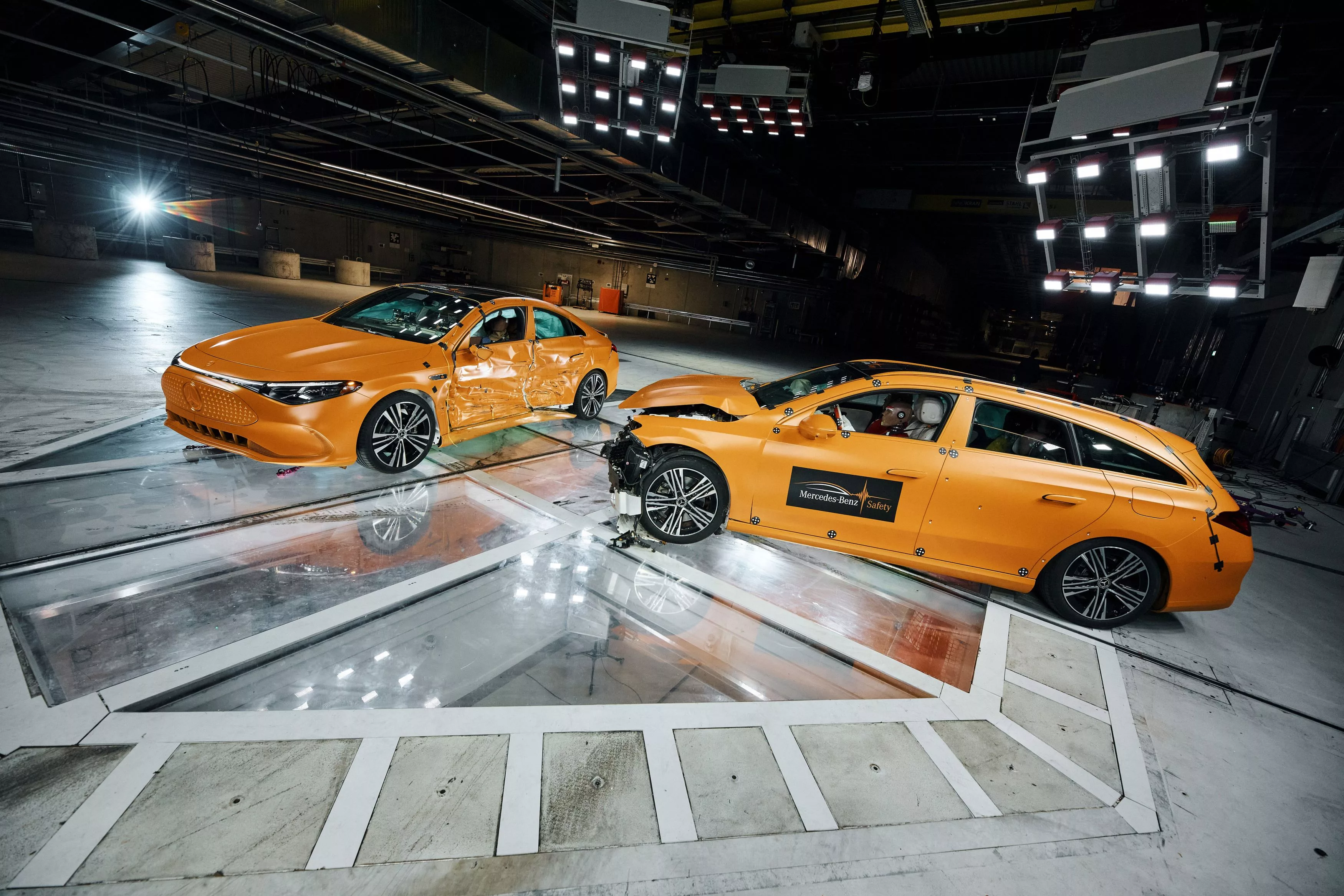
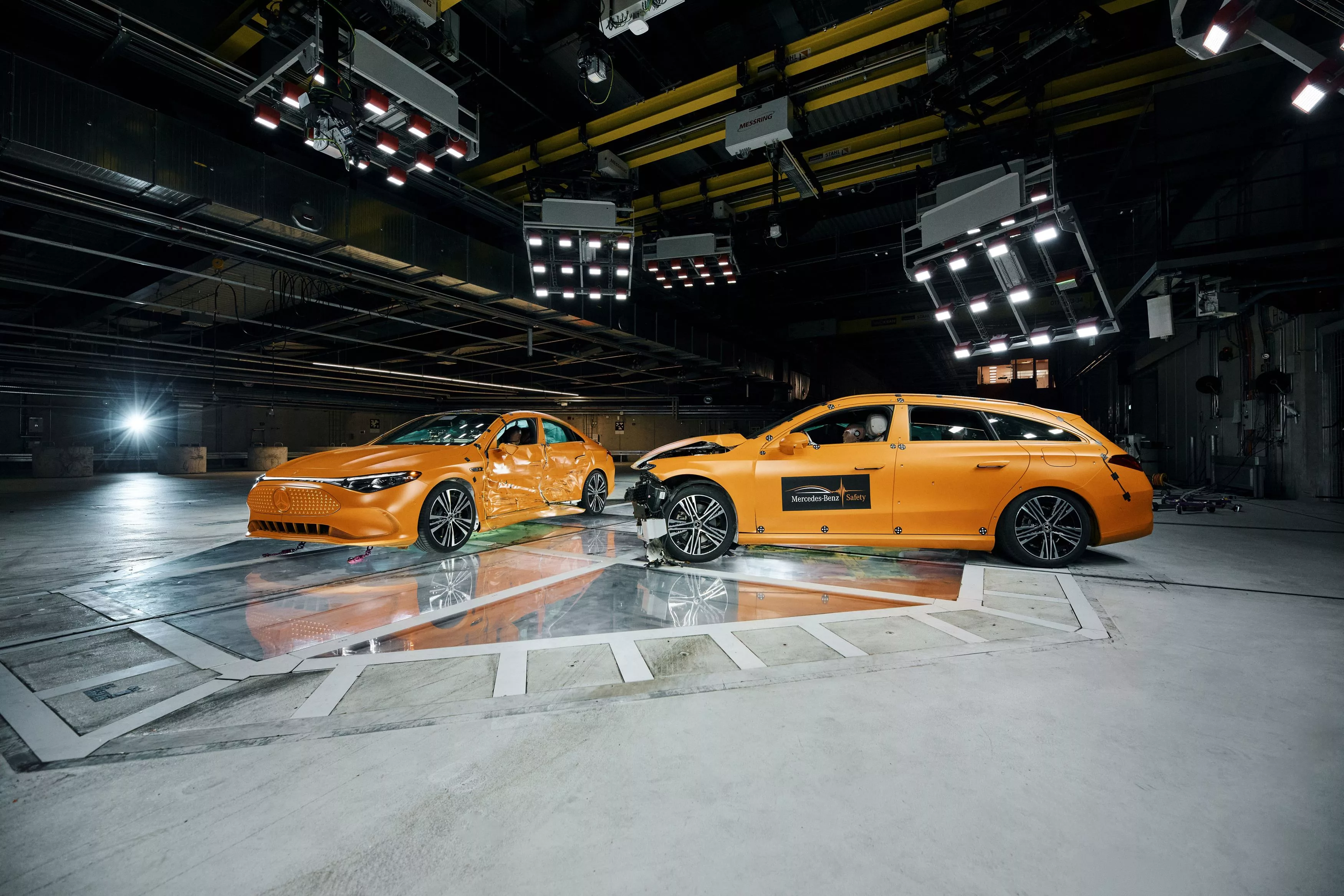
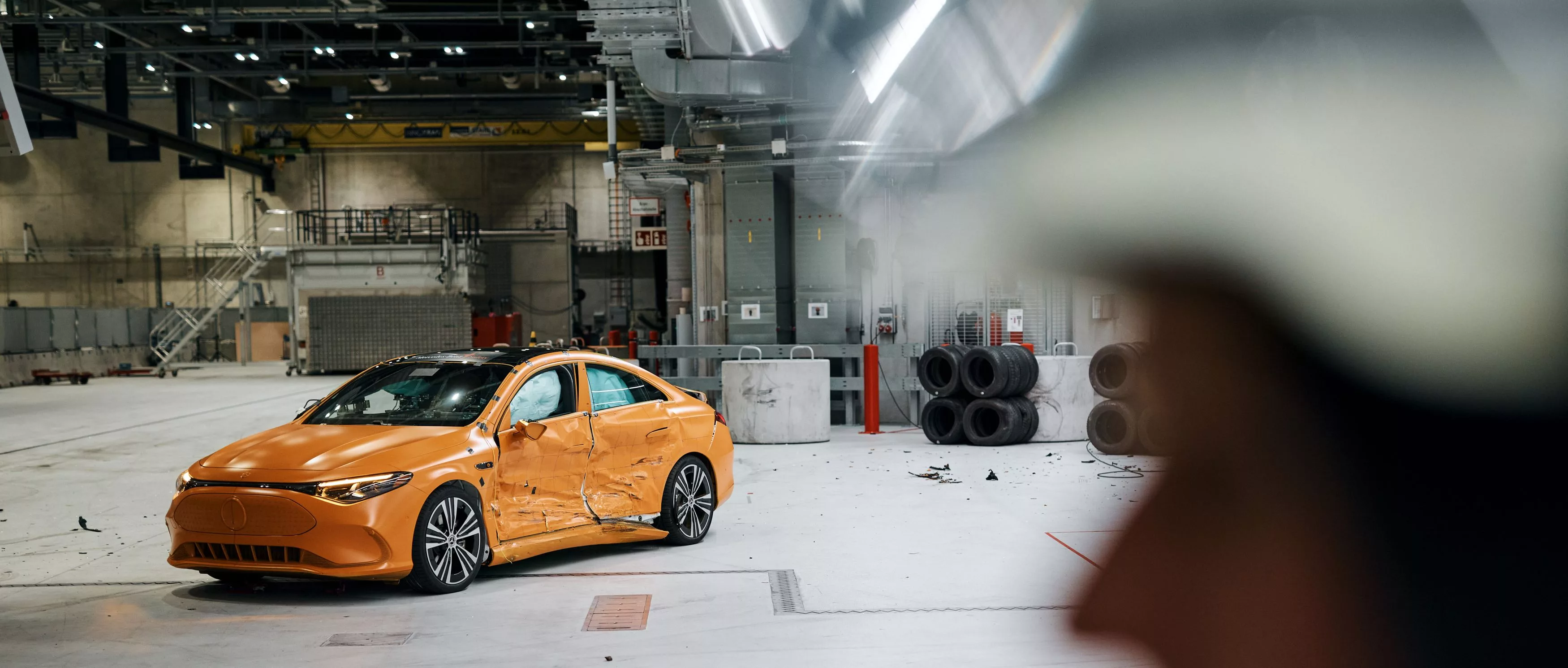
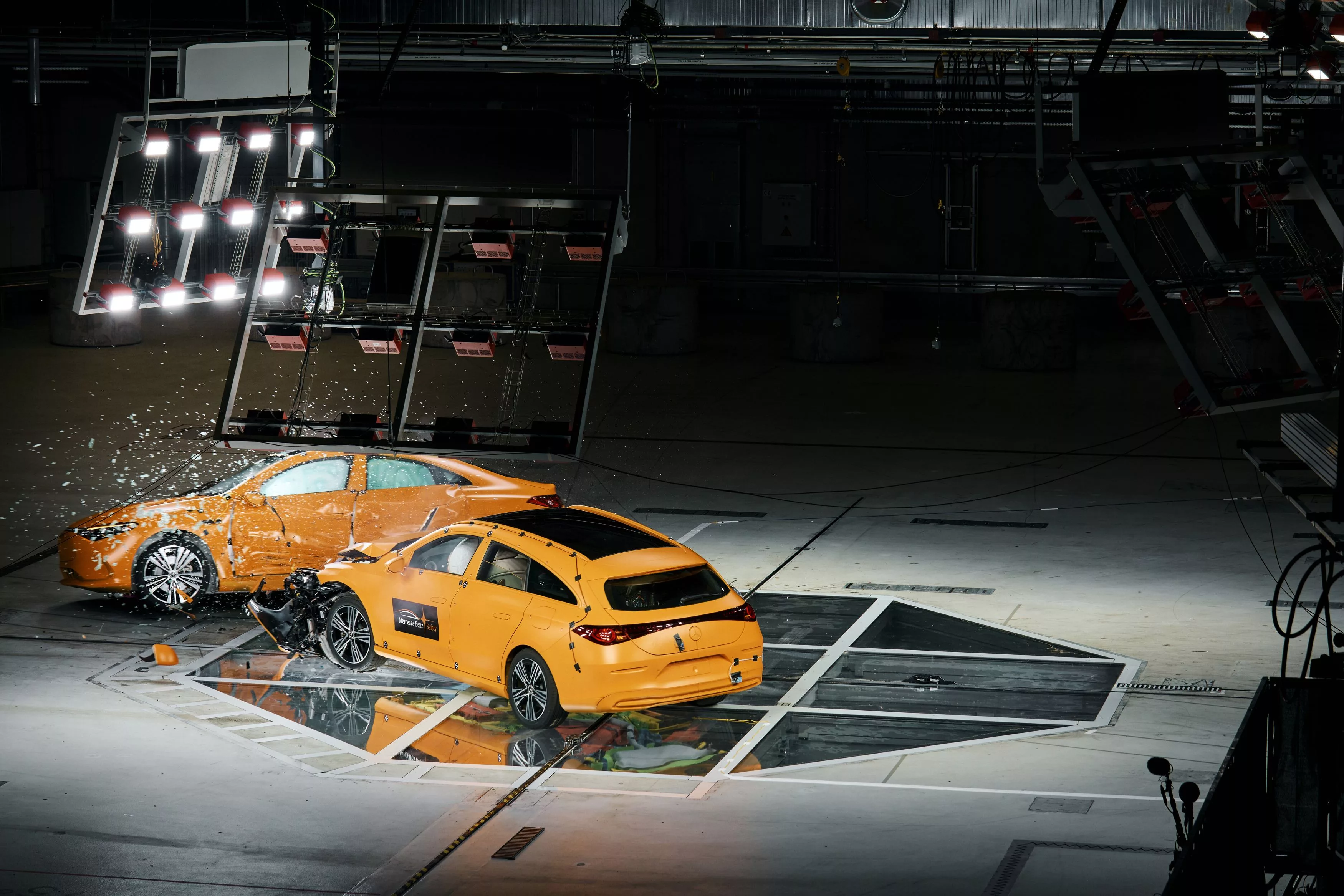
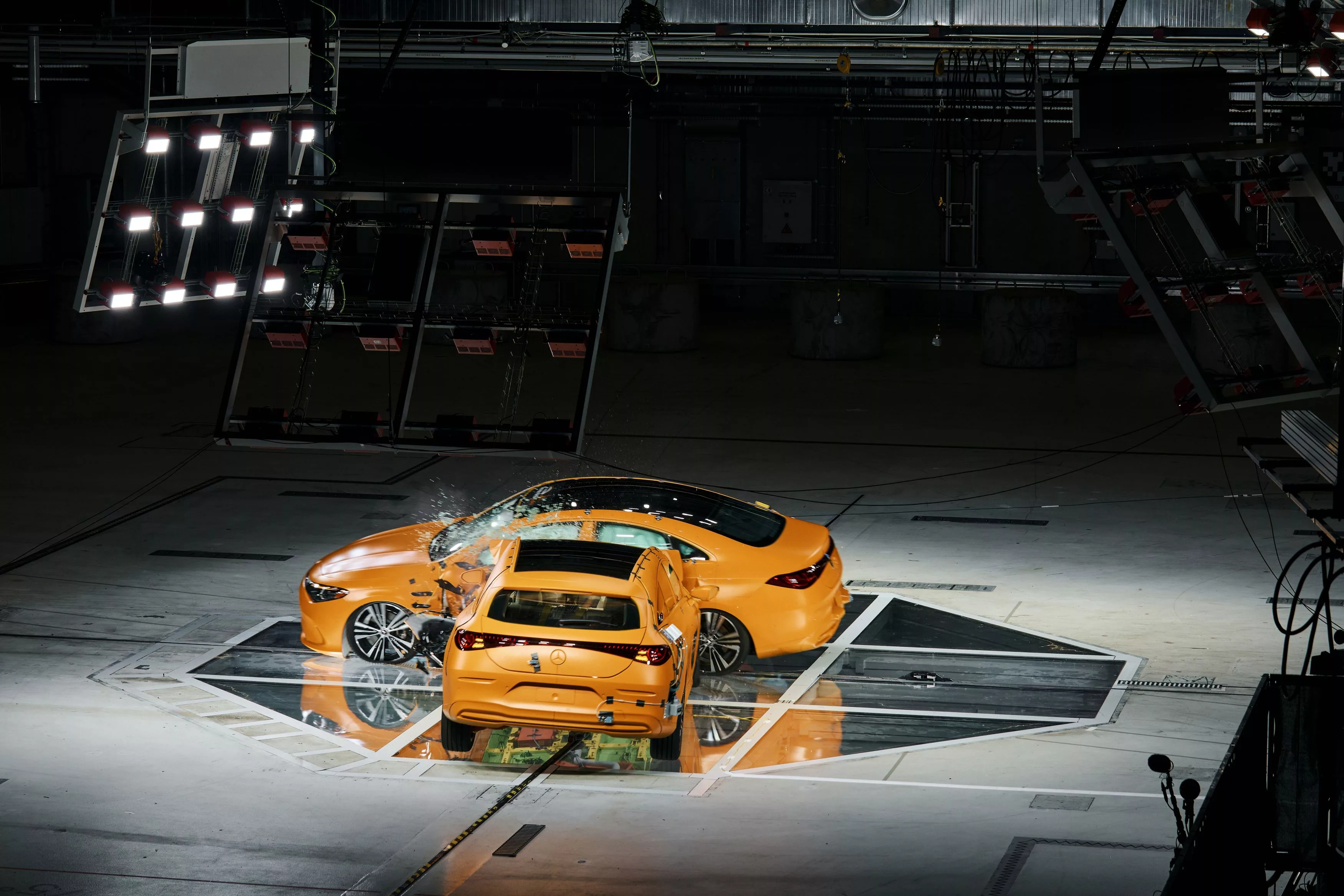
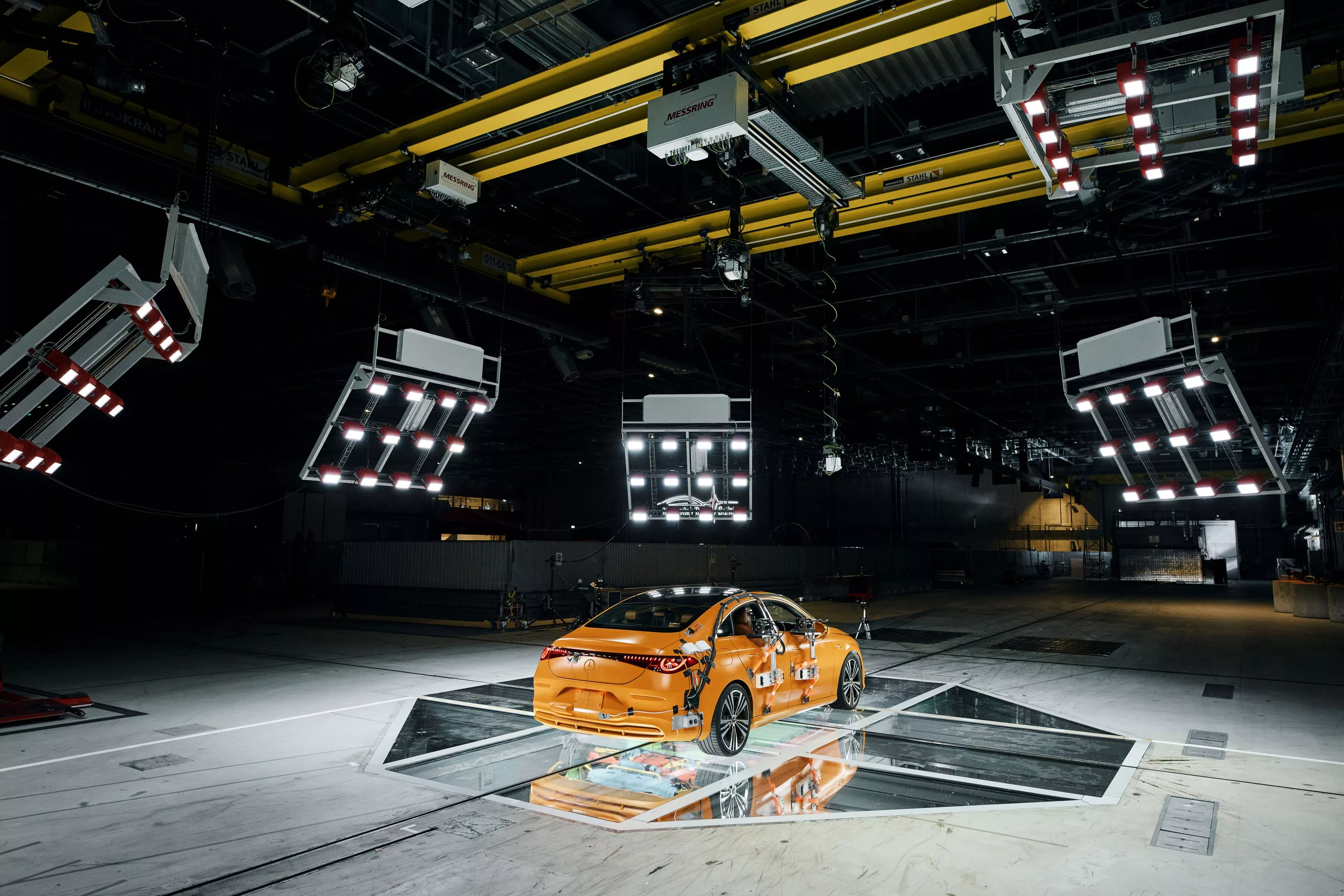
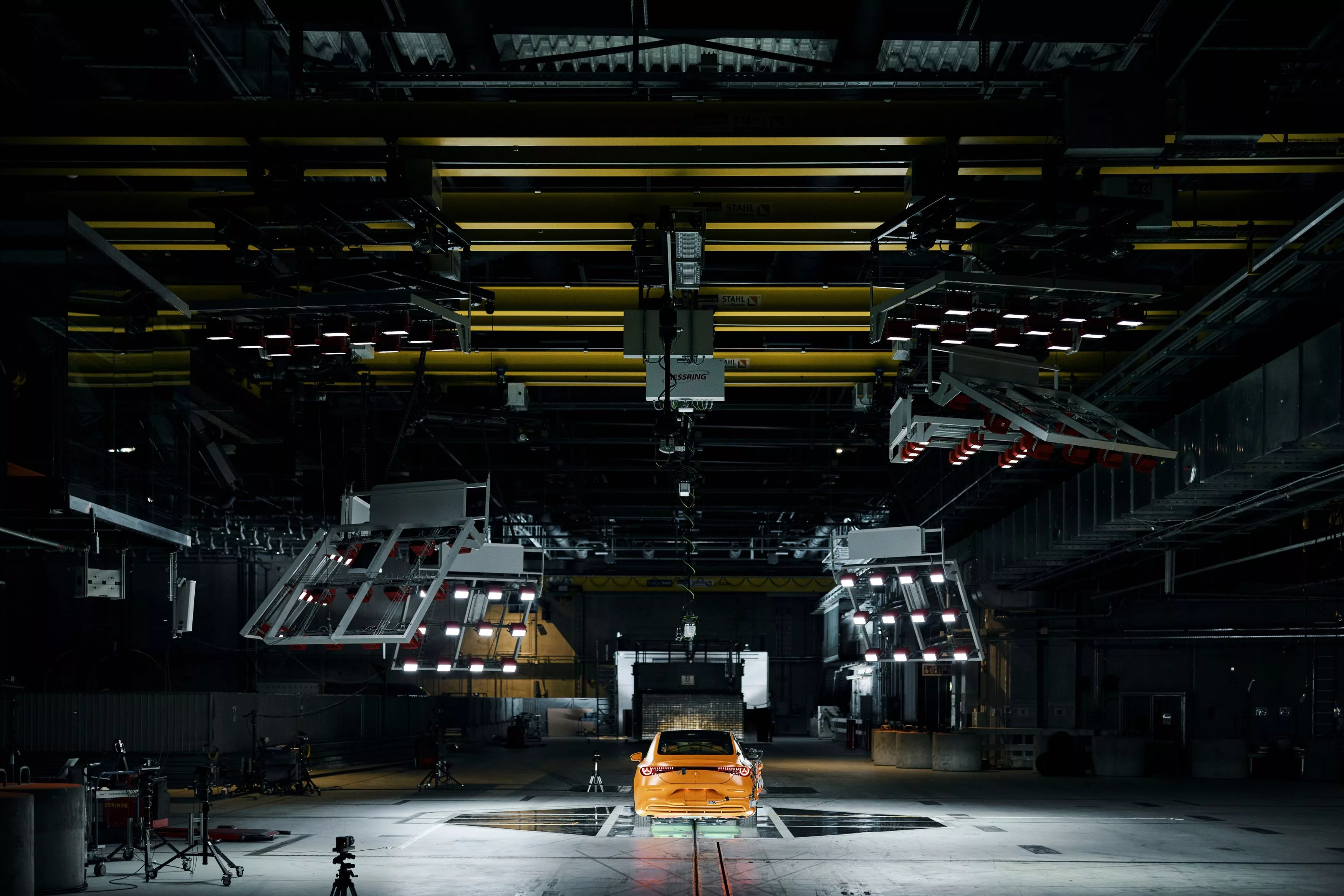
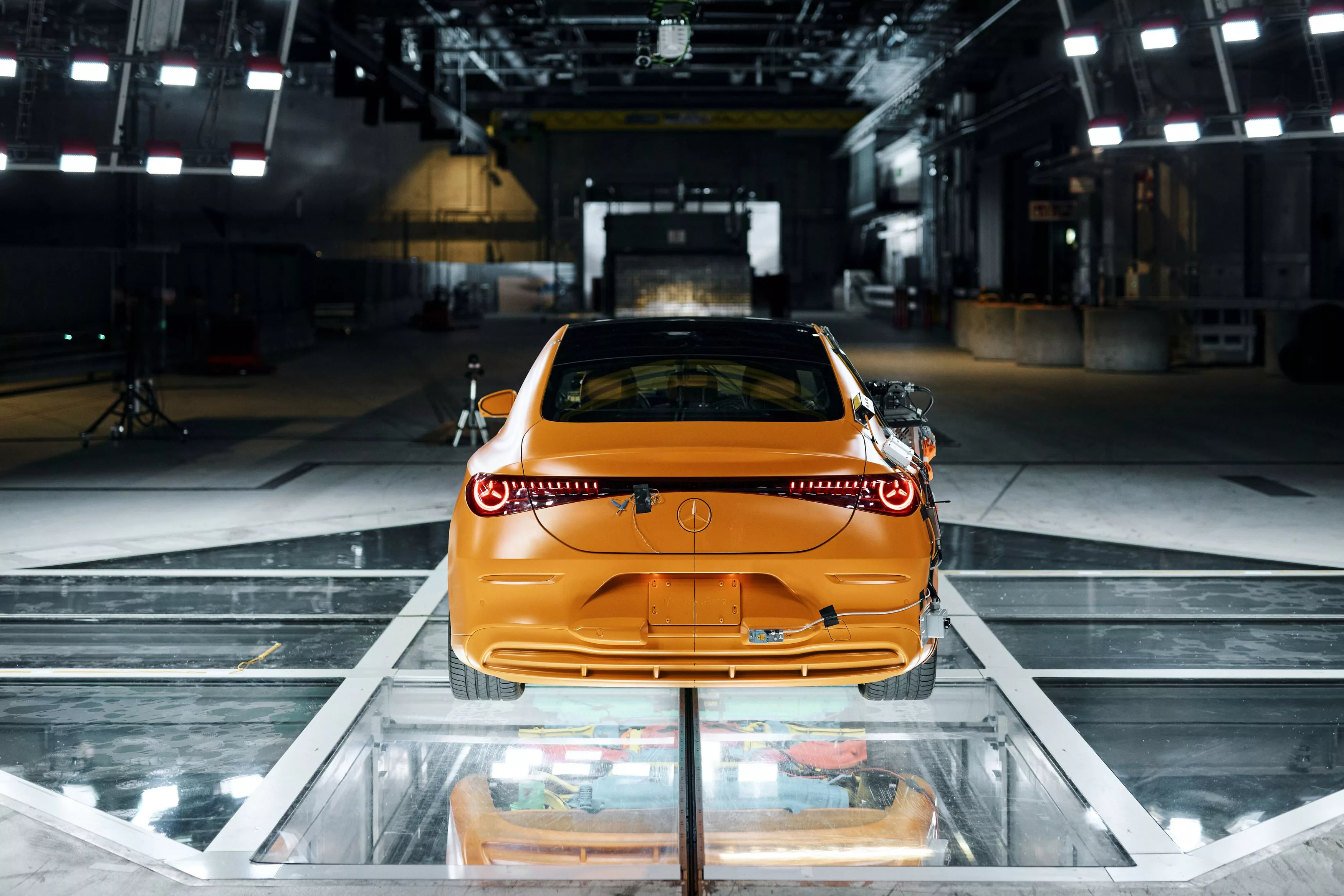
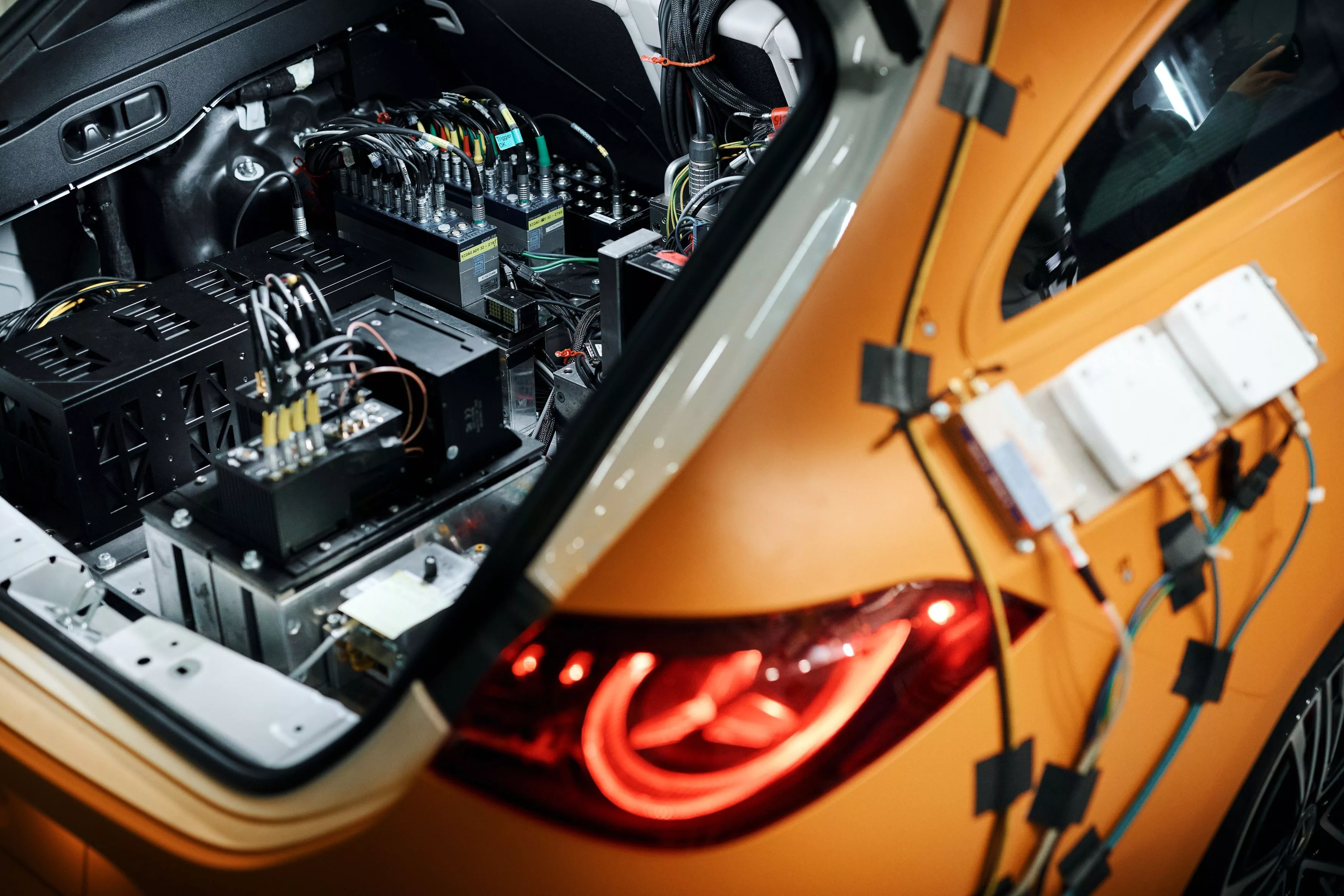

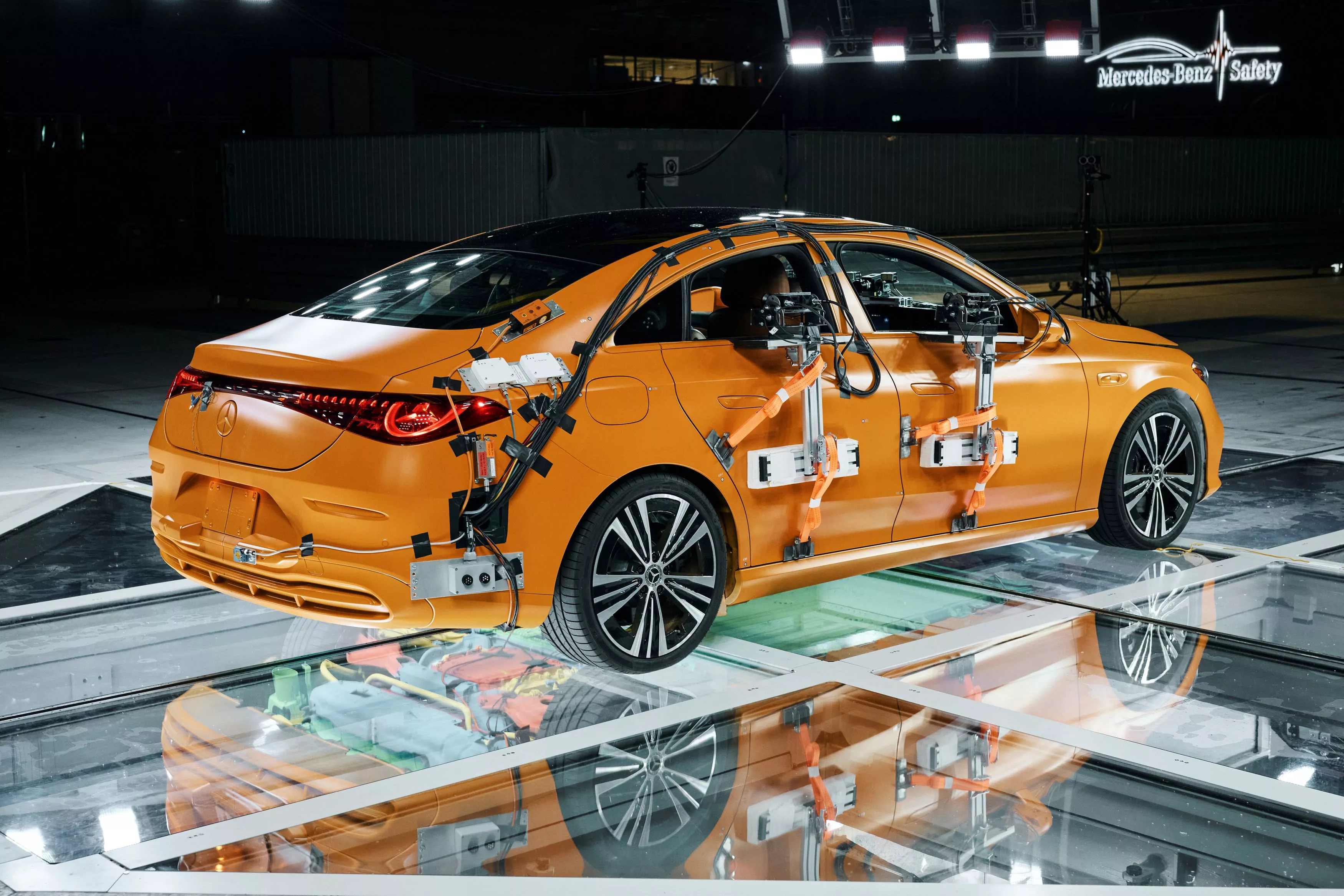
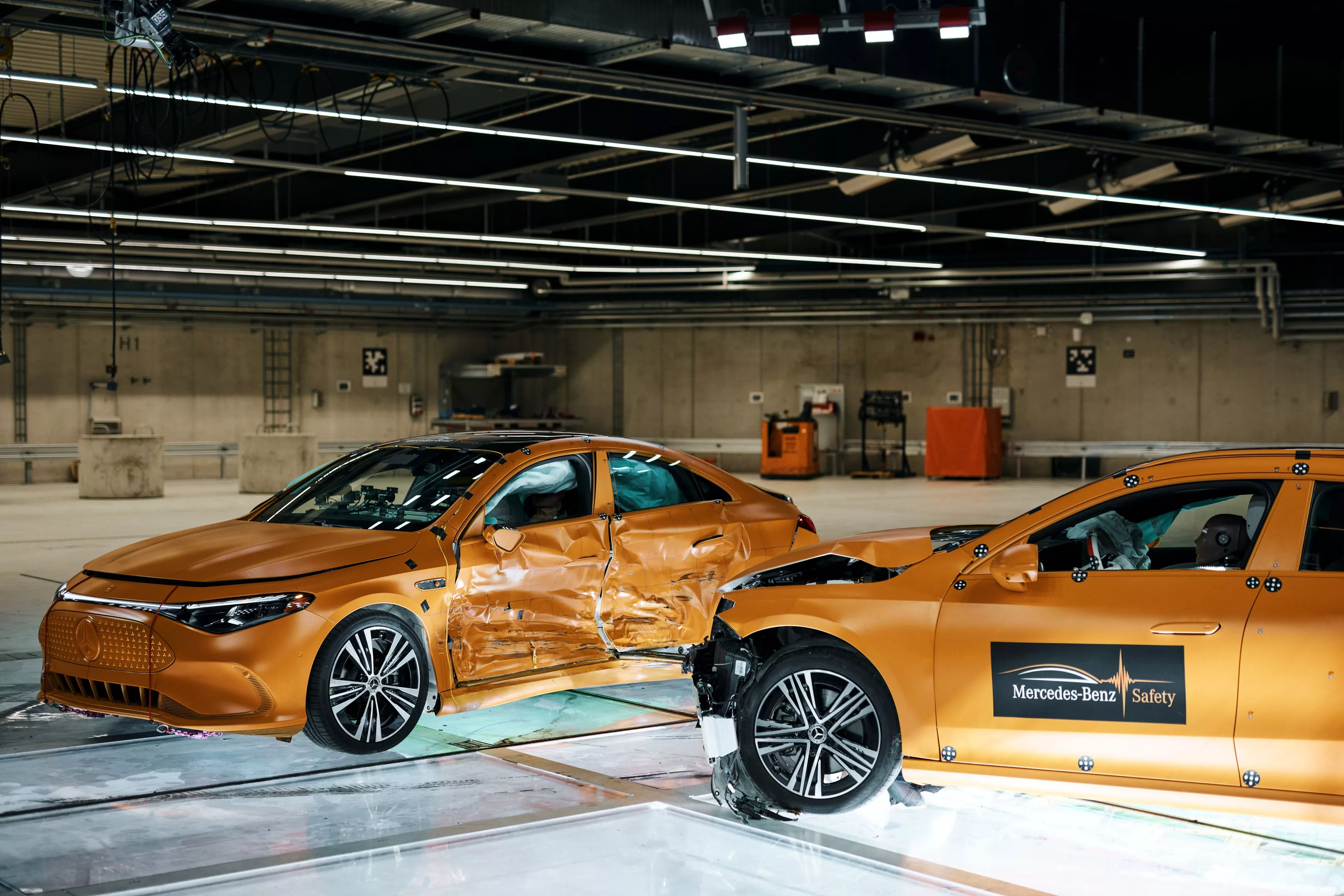
Mercedes-Benz staged an unusual crash test in which two CLAs, each weighing more than two tonnes and travelling at 56 km/h, collided at a junction. A CLA Shooting Brake with an electrified powertrain struck the driver’s side of an all-electric CLA. Despite the severe impact, both cars retained the integrity of their passenger-compartment protective structures, and the electric car’s high-voltage battery remained intact.
Two cars, eight dummies and one severe collision
On 20 October, Mercedes-Benz staged the world’s first public high-speed side-impact crash test involving two moving production cars at its safety centre in Sindelfingen.
To replicate a severe junction crash, engineers directed a CLA Shooting Brake into the driver’s side of an electric CLA at a right angle. Neither car braked before the collision.
According to official information from Mercedes-Benz, the chosen speed represents the upper end of severe junction crashes. A side impact presents a particularly difficult challenge because, unlike at the front of a car, there is very little space between the door and the occupants to absorb impact energy. An electric car also needs to protect its underfloor high-voltage battery.
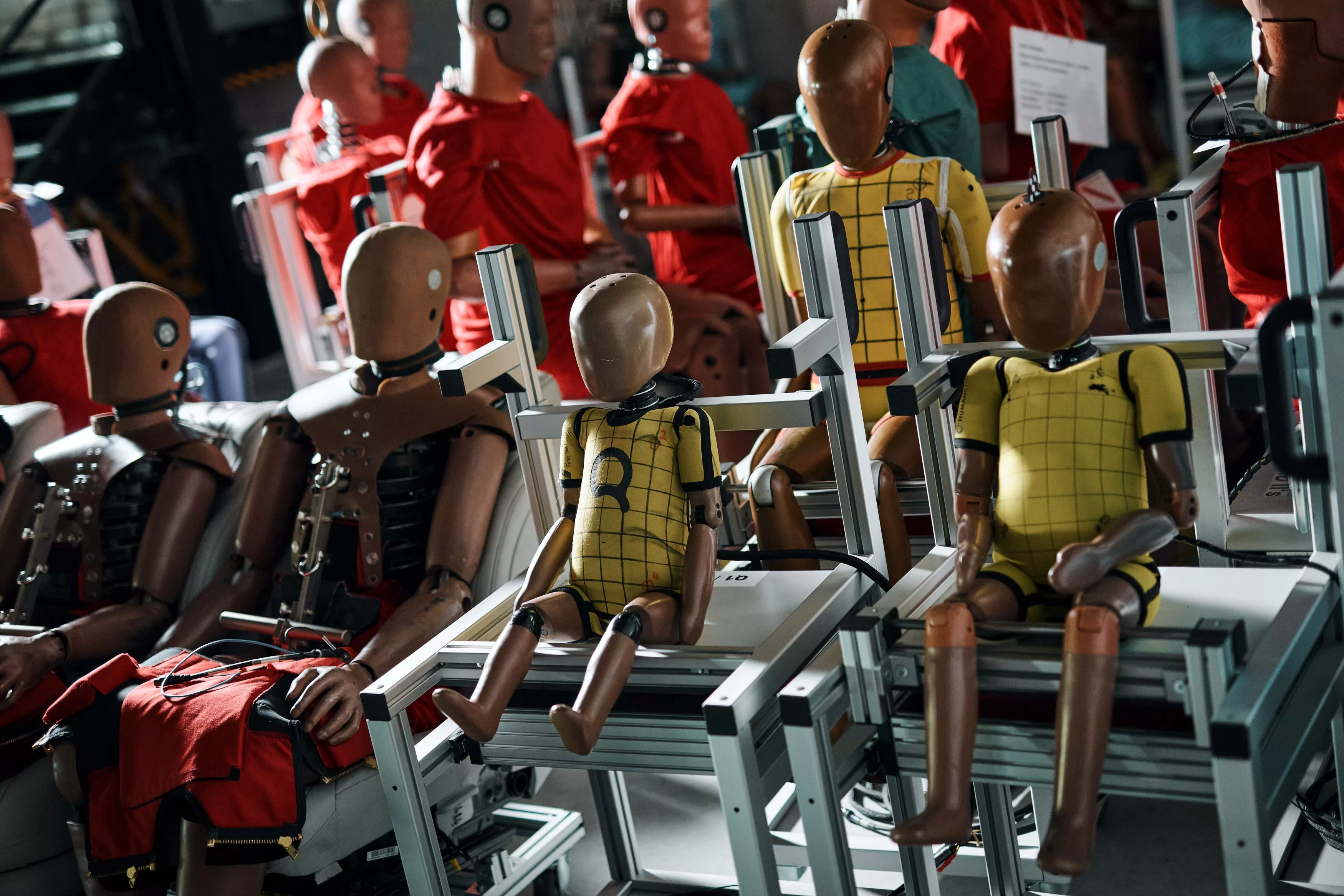
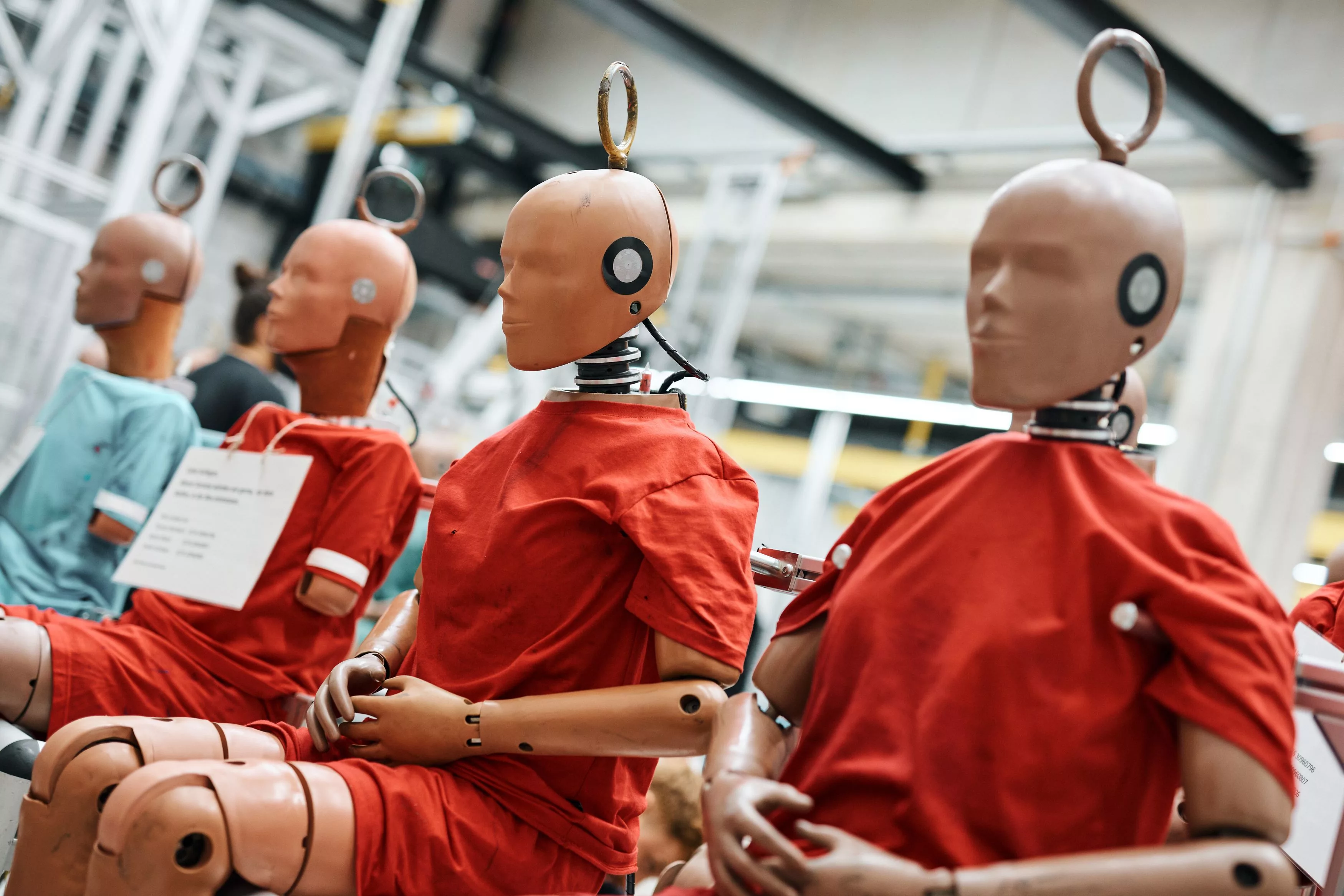
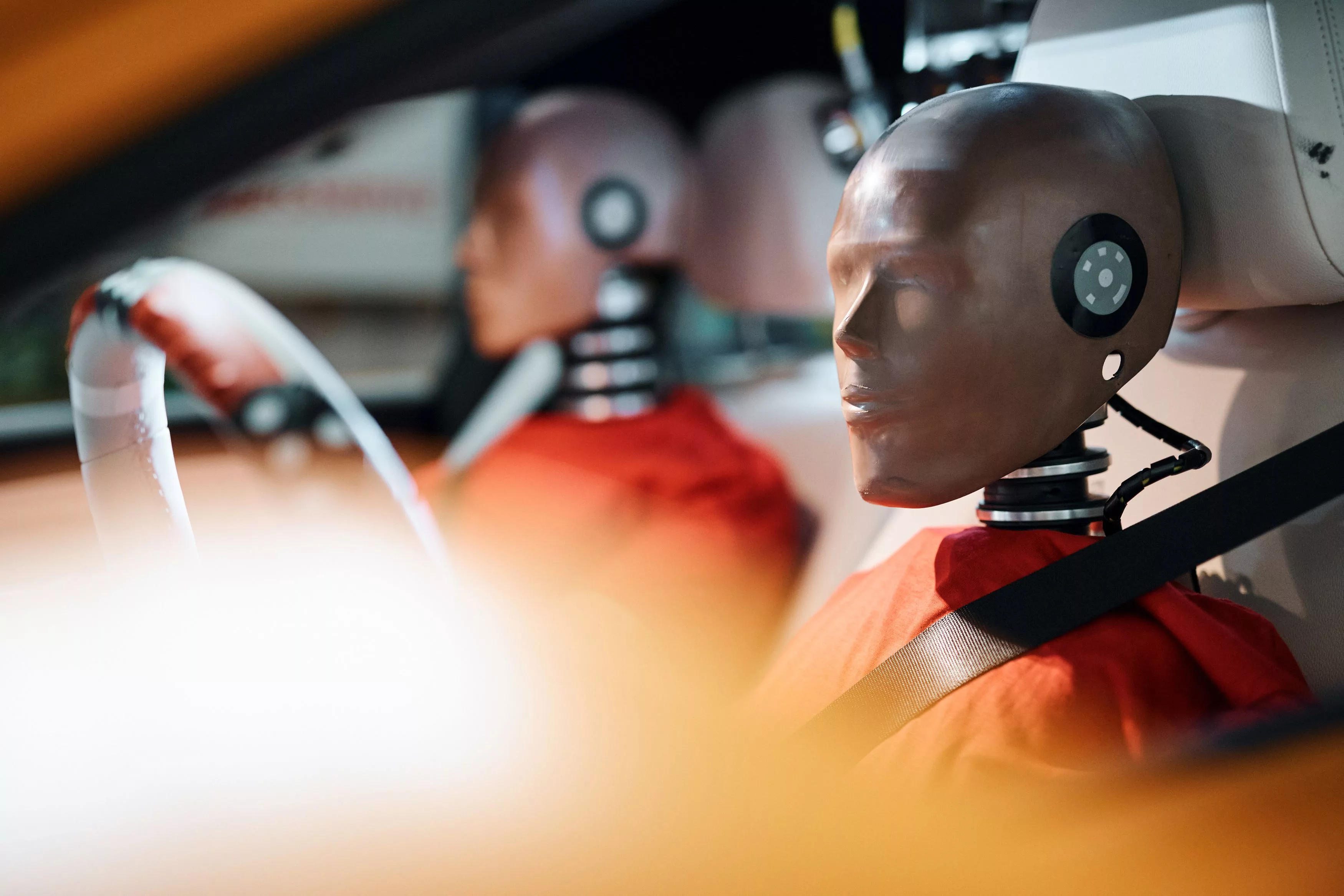
Each car carried four crash-test dummies, representing a total of four adults and four children. Engineers monitored up to 150 measurement points per dummy to assess crash loads and potential injuries.
The results showed that the loads measured on all eight dummies remained below biomechanical thresholds. According to Mercedes-Benz, this indicates a low risk of serious or life-threatening injuries.
A standard Euro NCAP test does not replicate this situation
Euro NCAP uses mobile test barriers with deformable elements and fixed poles in side-impact testing. The Mercedes-Benz experiment differed from the standard methodology because both vehicles involved in the collision were moving, and their structures influenced each other’s deformation.
A collision between two real cars allows an assessment of situations that standardised tests do not precisely replicate. However, a demonstration staged by one manufacturer is not comparable to the comprehensive assessment programme of an independent safety test.
The new CLA had already demonstrated its safety credentials. Euro NCAP awarded the electric model five stars in 2025 and named it the year’s best car among all those assessed. It scored 94% for adult occupant protection, 89% for child occupant protection, 93% for vulnerable road user protection and 85% for safety assist.
By comparison, the Volkswagen T-Roc, which also earned five stars, scored 91% for adult occupant protection and 87% for child occupant protection.
Electric car’s battery undamaged by the impact
The test was particularly important for the electric CLA. Its high-voltage battery sits beneath the vehicle’s floor, and a severe side impact can damage both the battery housing and its internal components.
Mercedes-Benz confirmed that the battery structure retained its integrity. This shows that the electric car’s protective systems can also withstand a situation in which another heavy vehicle strikes the body from the side.
The test also confirms that electric vehicle safety cannot be assessed solely on battery protection. The passenger compartment’s resistance to deformation, airbag operation and the limitation of forces acting on occupants’ bodies are equally important.
New system will send crash information to emergency responders
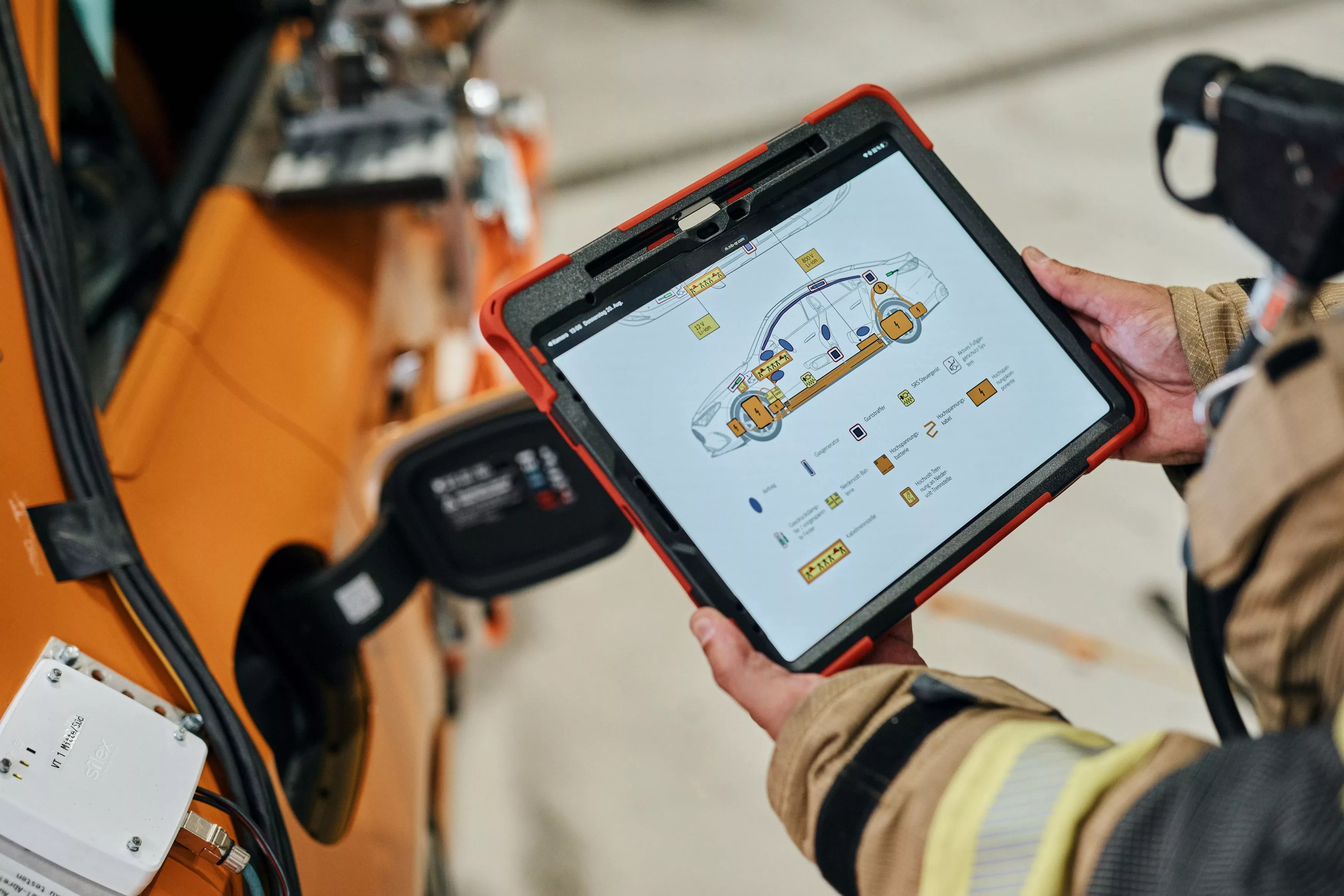
Alongside the crash test, Mercedes-Benz also introduced its new Rescue Intelligence system, which the company plans to roll out gradually from 2027.
The system allows emergency services to receive information about the vehicle and the crash while still on their way to the scene. Depending on the situation and technical capabilities, responders may be able to see the number of occupants, the status of airbags and seat belts, which doors are open, the battery temperature and the status of the high-voltage system.
Such a system could prove particularly valuable in electric vehicle crashes, where responders need to take high-voltage components and possible battery damage into account.
Mercedes-Benz’s next challenge is to make these data available in practice to emergency services in different countries. In the European market, the system’s practical value depends on how quickly local emergency call centres and emergency services can integrate with the new data exchange.


