
Mercedes threatens to close two plants in Germany
 1/8
1/8
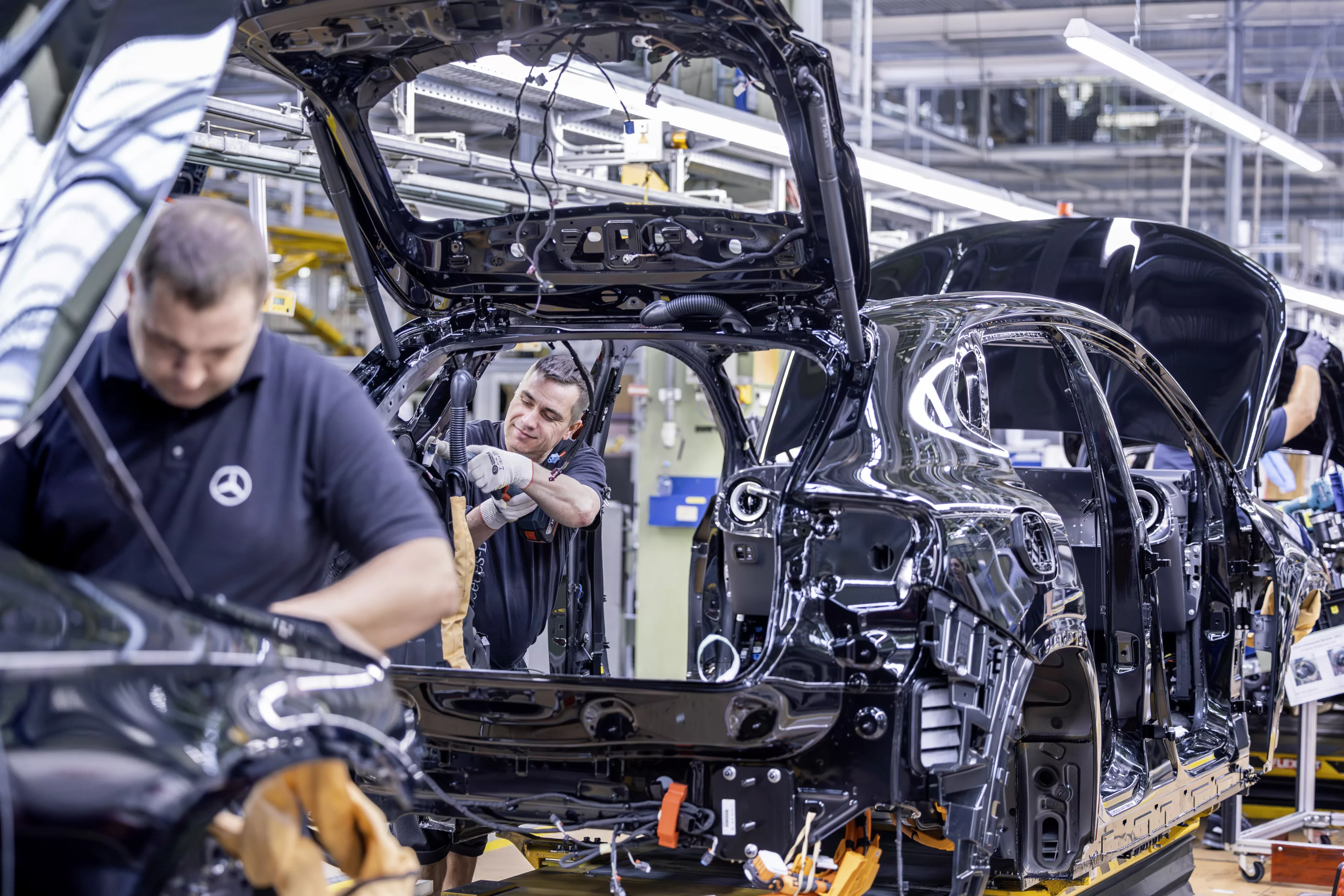
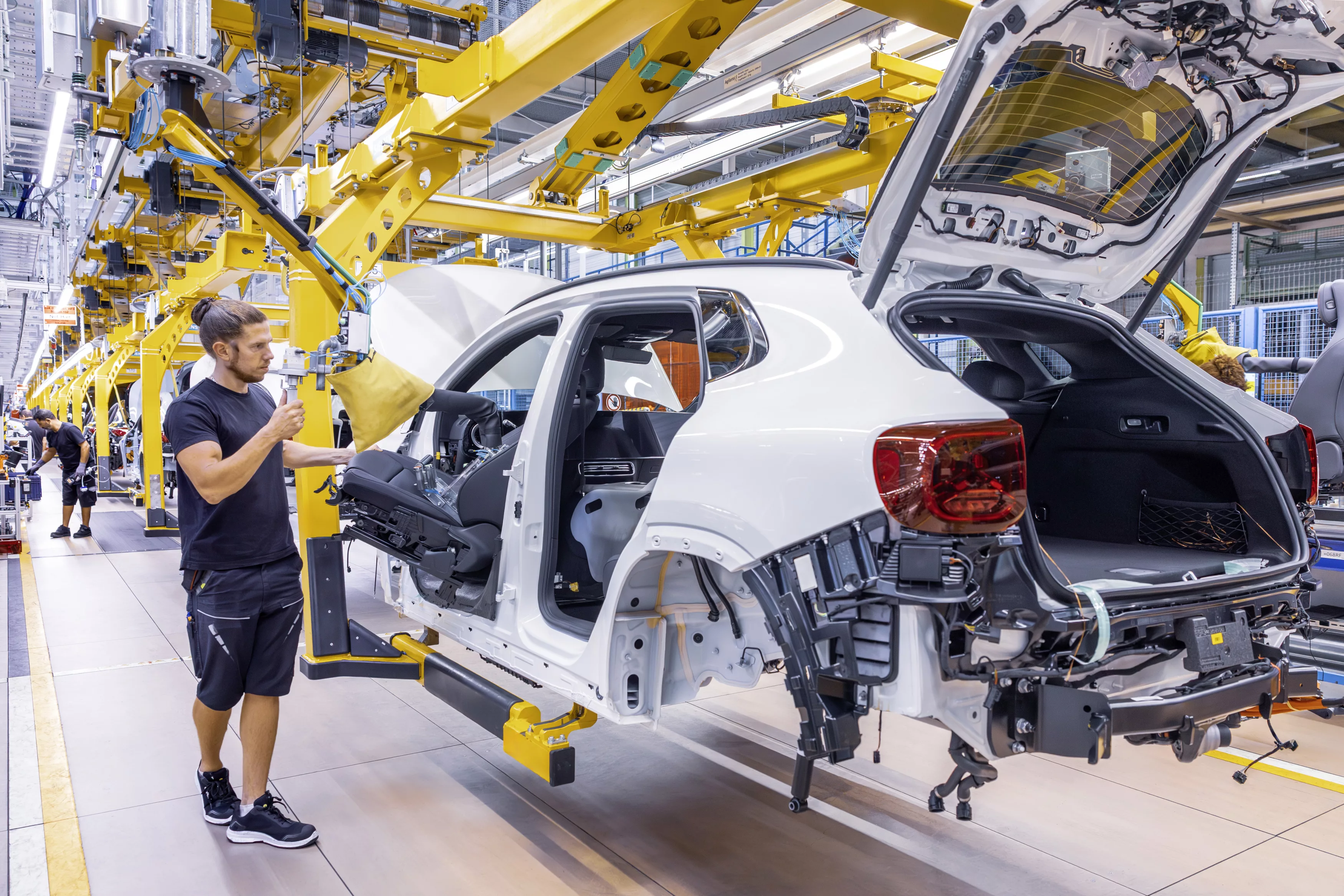
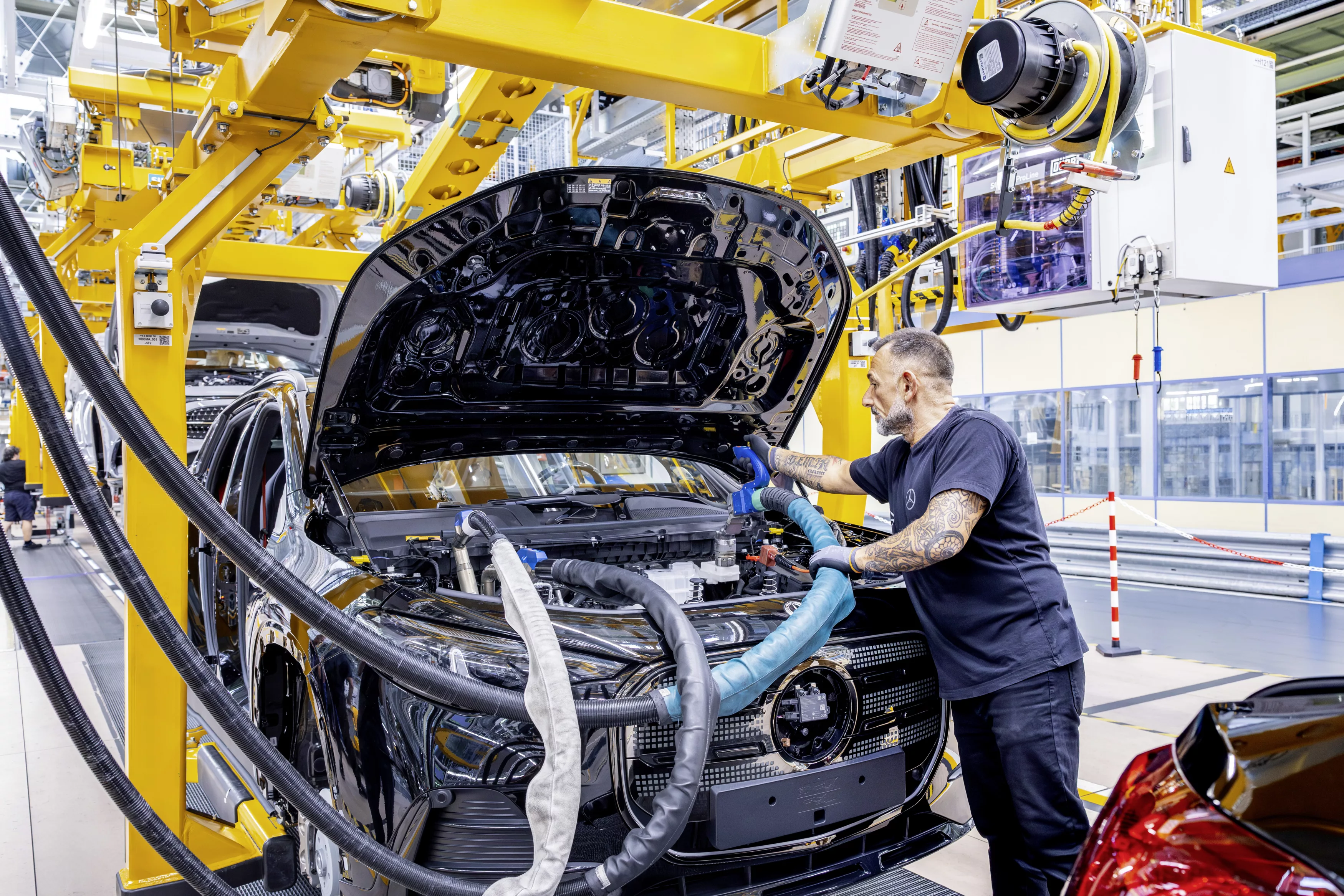
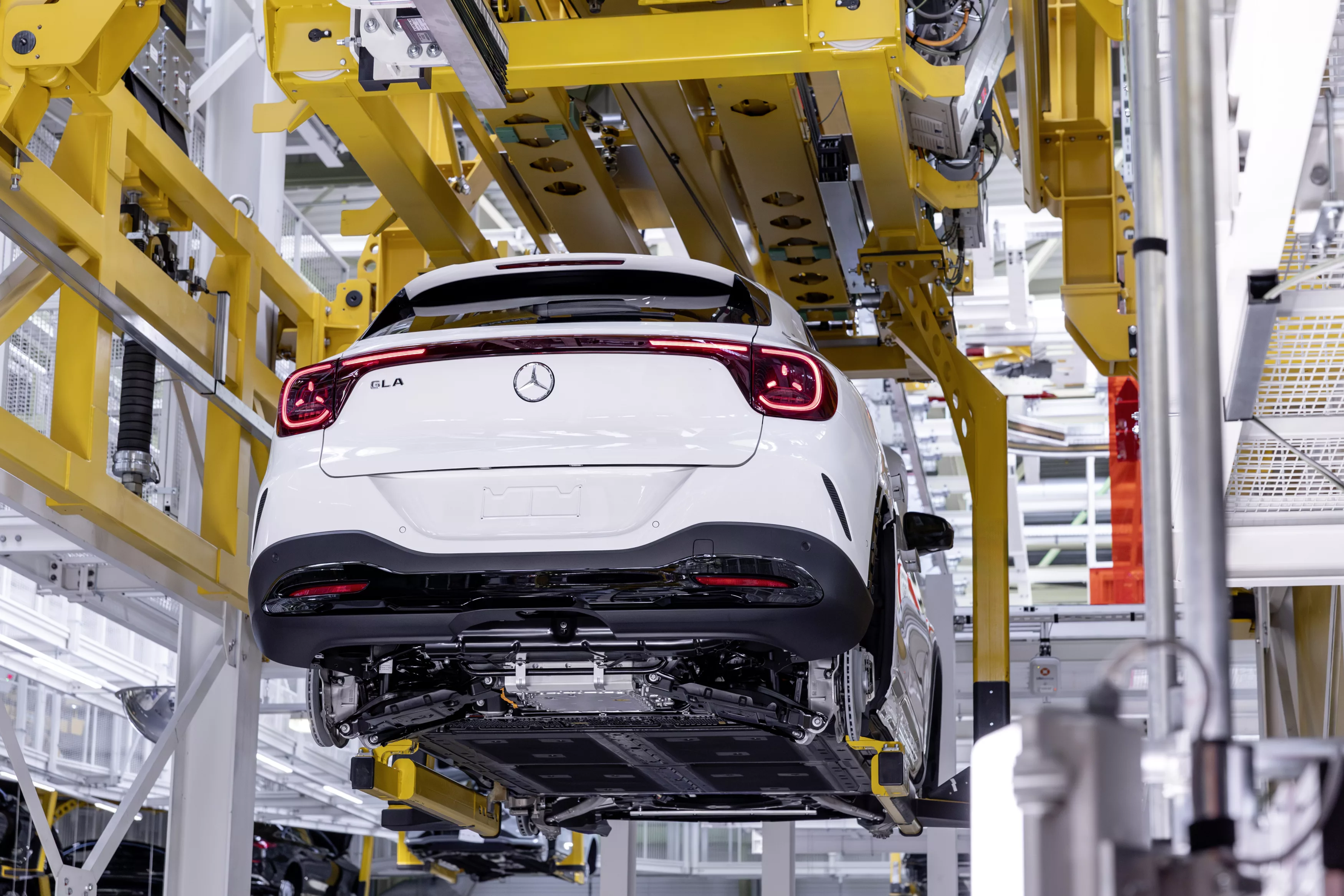
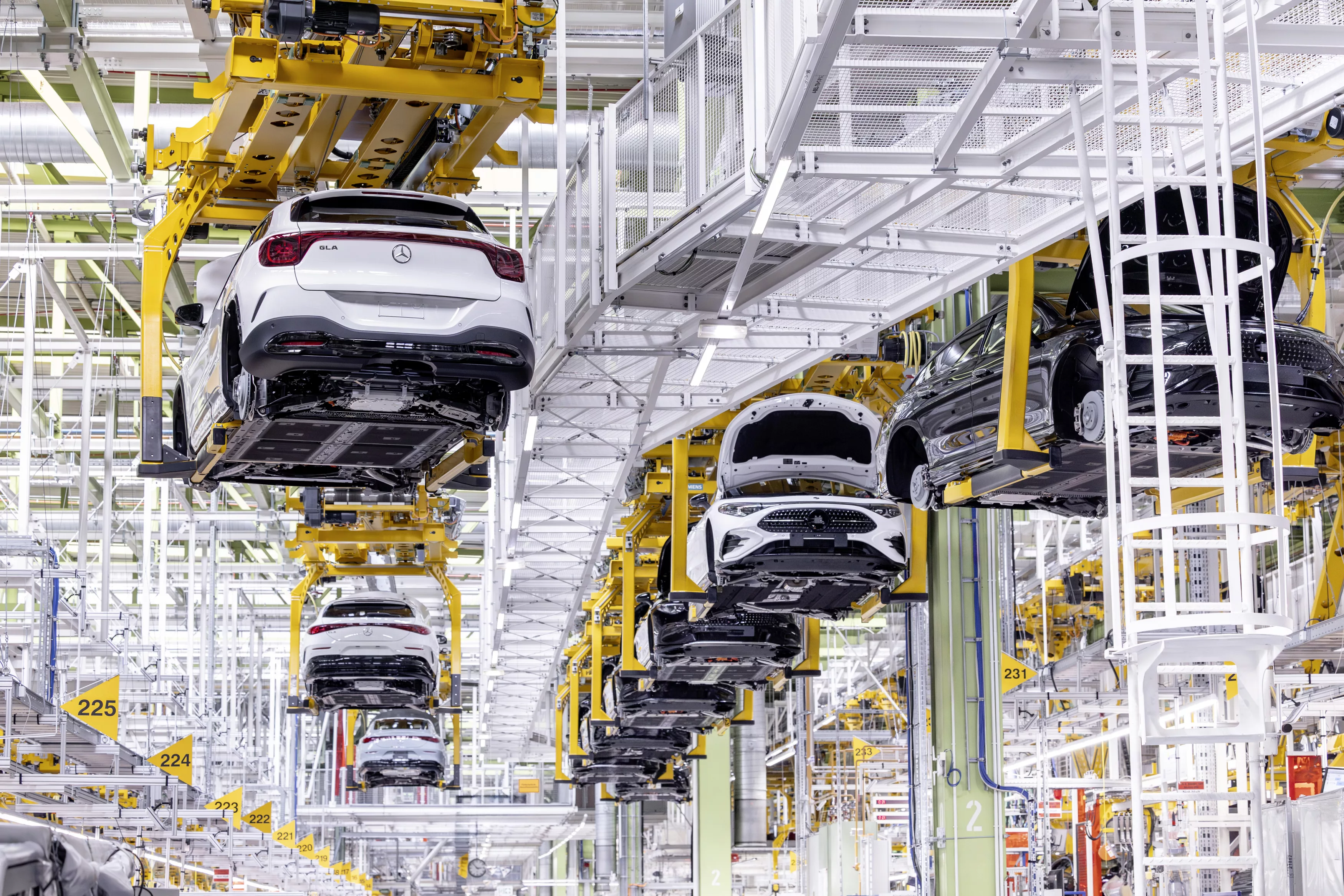
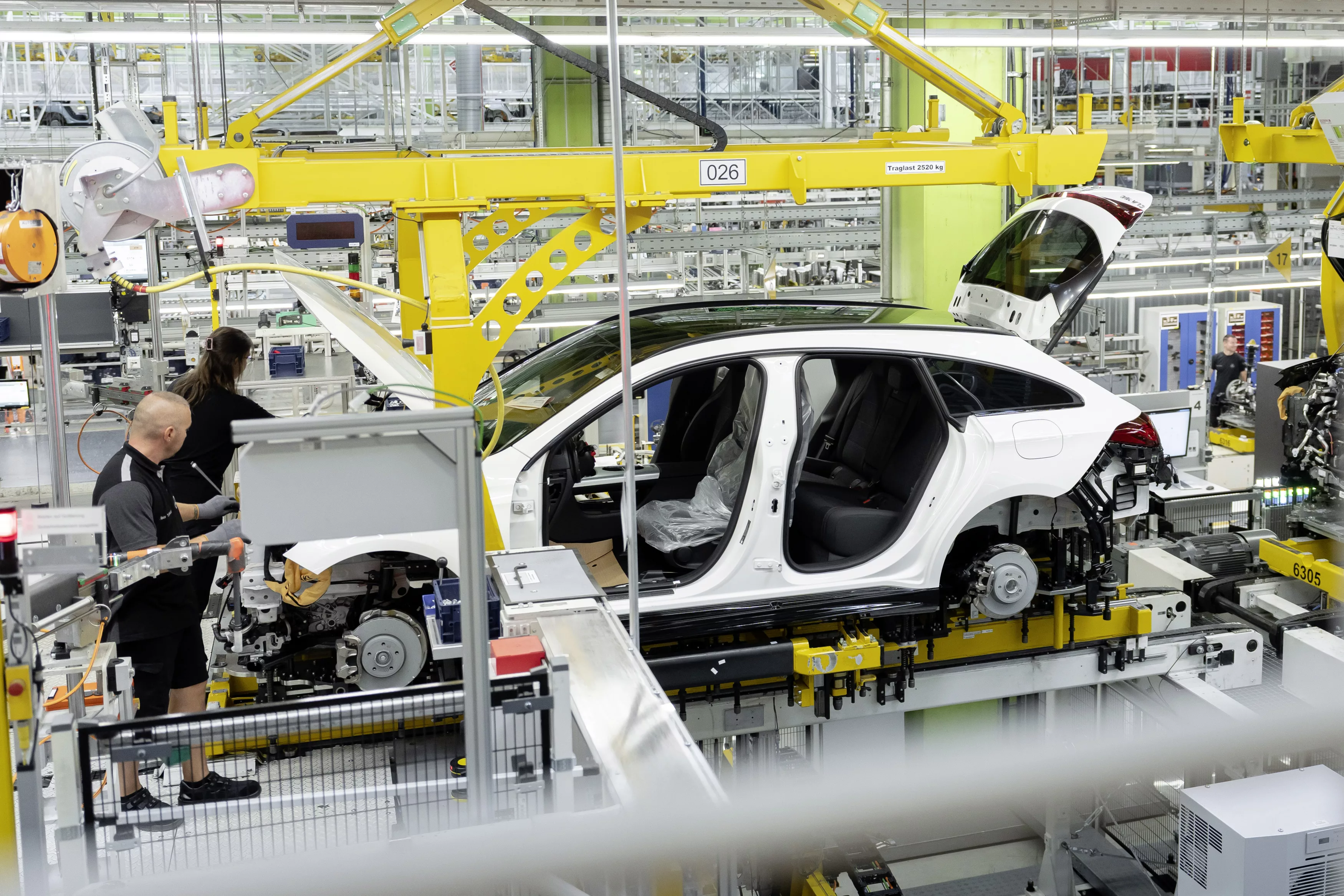
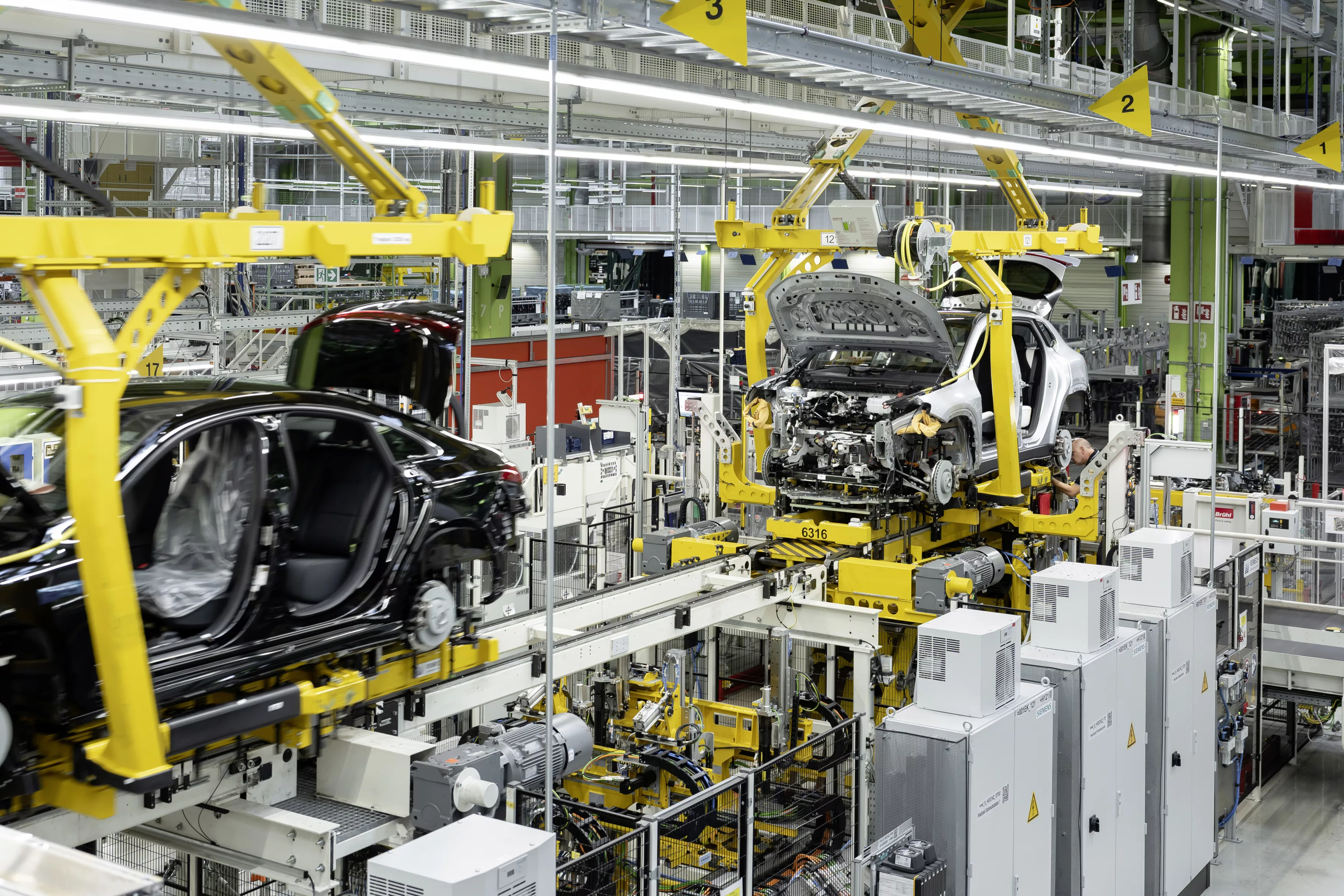
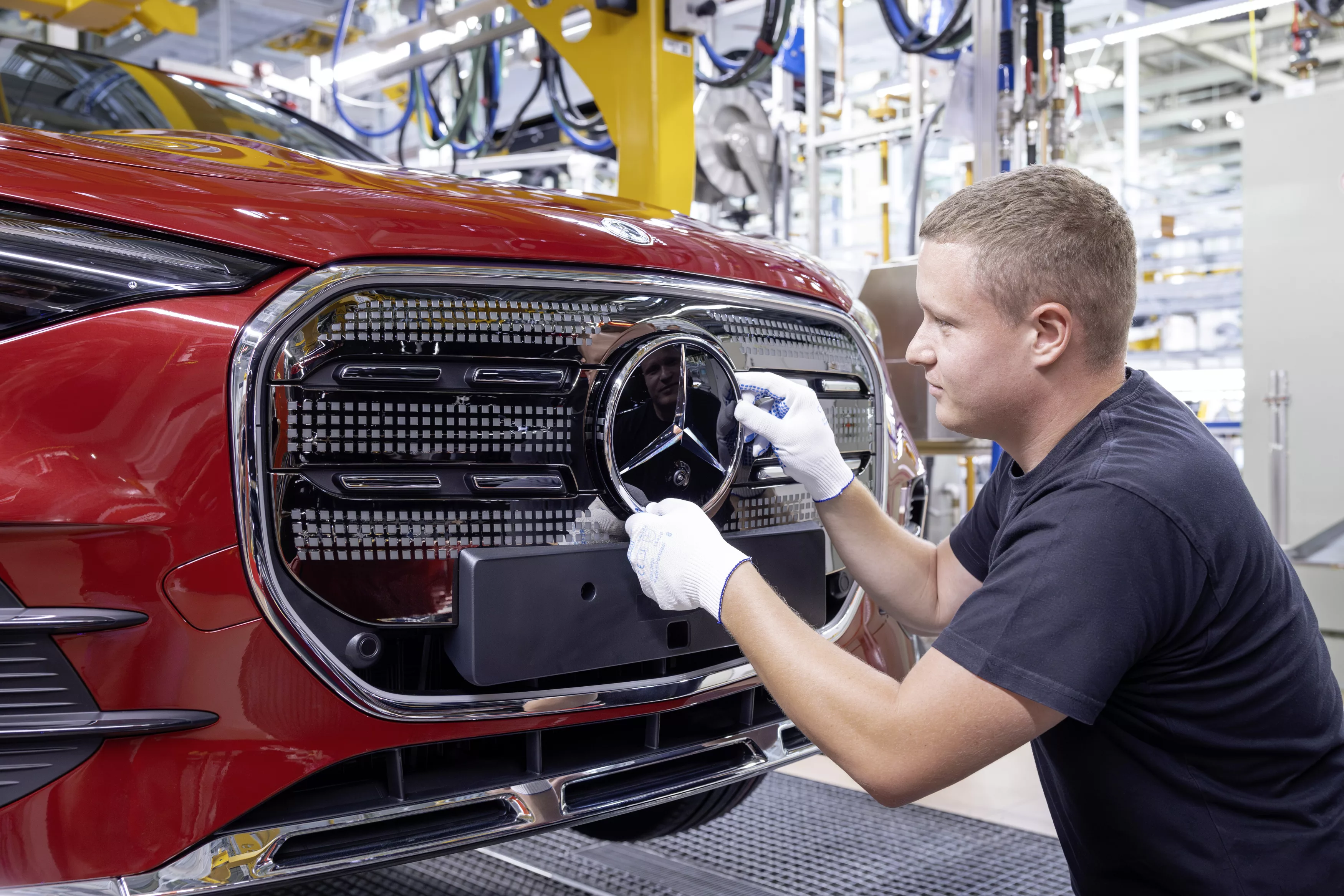
Mercedes-Benz is pressuring its German workforce to cut costs and has put a rather uncomfortable option on the table: if production does not become cheaper, the company could close one vehicle assembly plant and one powertrain plant. As recently as 2025, Mercedes said it was not planning any plant closures in Germany.
No decision has yet been made and no specific plants have been named. Michael Schiebe, Mercedes-Benz’s head of production, issued the warning at a staff meeting at the Sindelfingen plant. The company’s official goal remains to retain all production sites in Germany, but management is now explicitly making that conditional on lower labour costs.
Mercedes wants 38 hours instead of 35
German labour costs are at the centre of the dispute. Mercedes is negotiating with employee representatives to extend the working week from 35 to 38 hours without a corresponding pay rise.
Reducing special payments is also under discussion. According to Handelsblatt, management has warned that without an agreement, the company could move even more production from Germany to lower-cost countries.
Mercedes says outright that production in Germany is not sufficiently competitive at current cost levels. Employee representatives, meanwhile, see raising the possibility of plant closures as a pressure tactic in the negotiations.
And as a pressure tool, it naturally works very well. Three unpaid extra hours a week seem considerably more appealing when the alternative put on the table is the loss of an entire plant.
Production costs are around 70 per cent lower in Hungary
Mercedes has previously put figures on the issue. According to the company’s 2025 Capital Market Day materials, production input costs at its Kecskemét plant in Hungary are around 70 per cent lower than in Germany.
It is not difficult to understand why Mercedes is investing there. This year, the Kecskemét plant gained two new body and assembly halls, a new paint shop, a second press shop and a battery assembly line. The plant’s area increased from 200 hectares to 440 hectares, and production capacity could rise to 400,000 cars a year.
At the same time, Mercedes is reducing production capacity across the group. By 2028, it is expected to fall to around 2.2 million cars a year. Under the current plan, Germany would retain production capacity for approximately 900,000 cars.
So this is not just about working hours. Mercedes is shifting its manufacturing network to locations where building the same car costs less.
The old model of Germany’s automotive industry is creaking
Mercedes is not alone in facing this problem. German carmakers and suppliers are cutting jobs at a time when the European market is growing sluggishly, Chinese manufacturers are pushing down prices, and the transition to electric vehicles still requires major investment.
Mercedes also wants to restore its adjusted return on sales for passenger cars to 8-10 per cent over the medium term. To achieve this, the company is reducing fixed and variable costs, investment and production capacity.
For Germany, the situation is more than uncomfortable. A premium car may carry a three-pointed star on its bonnet and advertising may speak of Stuttgart engineering, but in an Excel spreadsheet, Sindelfingen is ultimately still competing with Kecskemét.
For now, there is no reason to write that Mercedes is closing two plants in Germany. However, it is significant that the company is prepared to openly put that possibility on the table in negotiations with employees.
Just a year and a half ago, Mercedes told investors that no plant closures were planned in Germany. Now, whether that same promise holds depends on how much Germans can reduce the cost of producing their cars.


