
Mercedes-Benz eCitaro claims up to 600 km range with new battery generation
 1/3
1/3
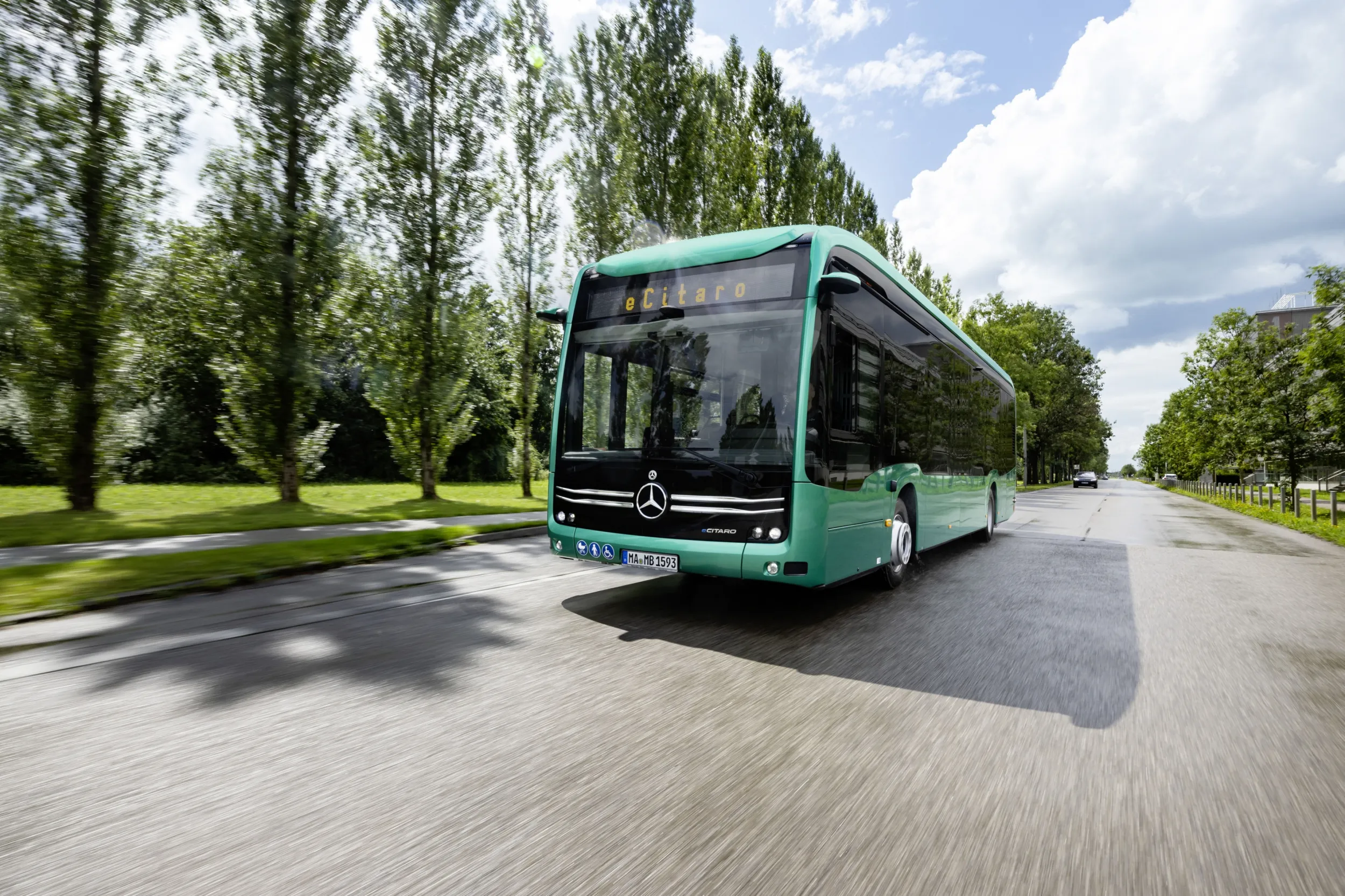
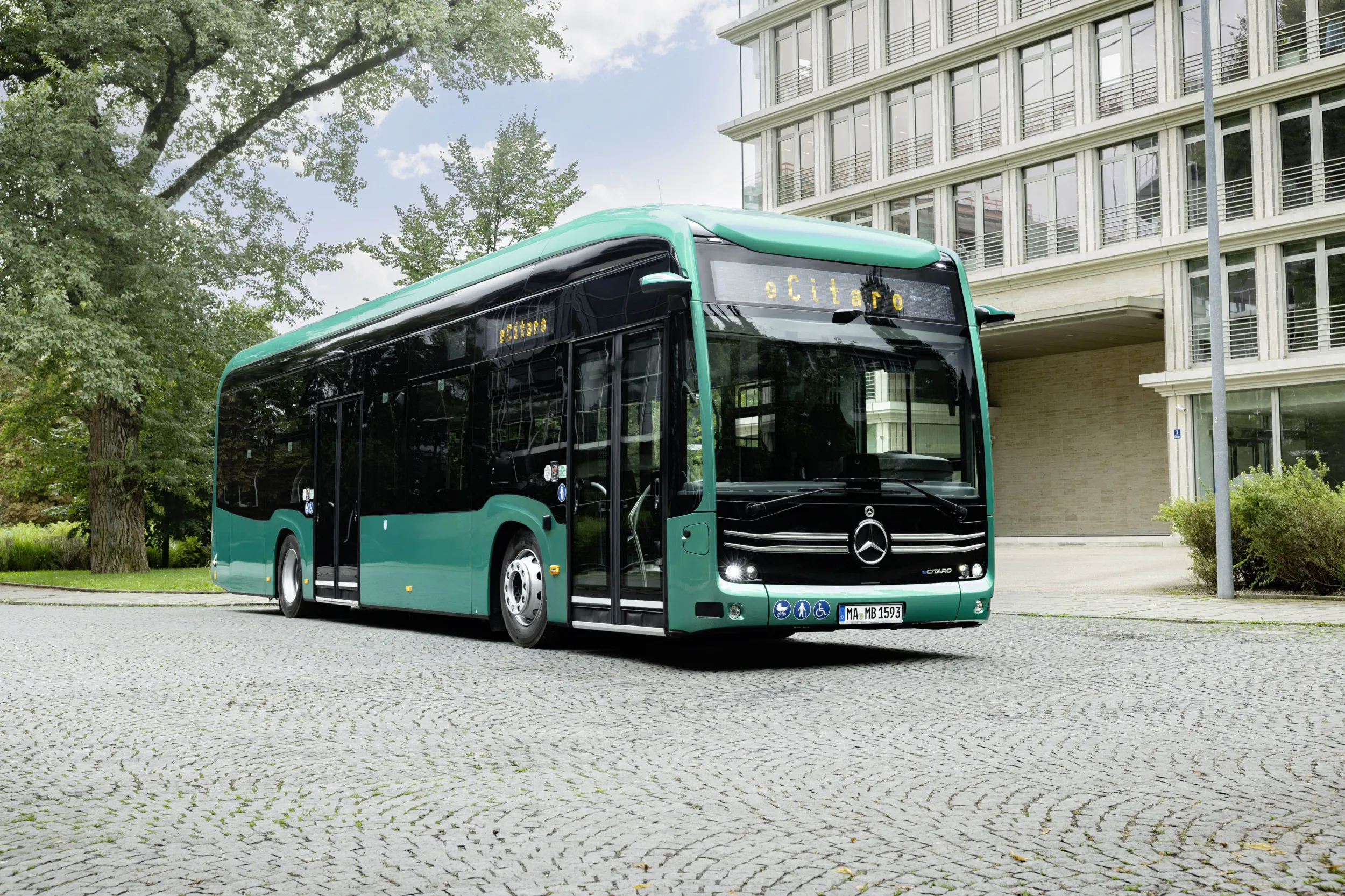
Mercedes-Benz has unveiled a new generation of the eCitaro, and the headline figure is hard to ignore. Up to 600 kilometres on a single charge.
For city transport operators long sceptical about full electrification, that number changes the tone of the conversation.
NMC4 replaces NMC3
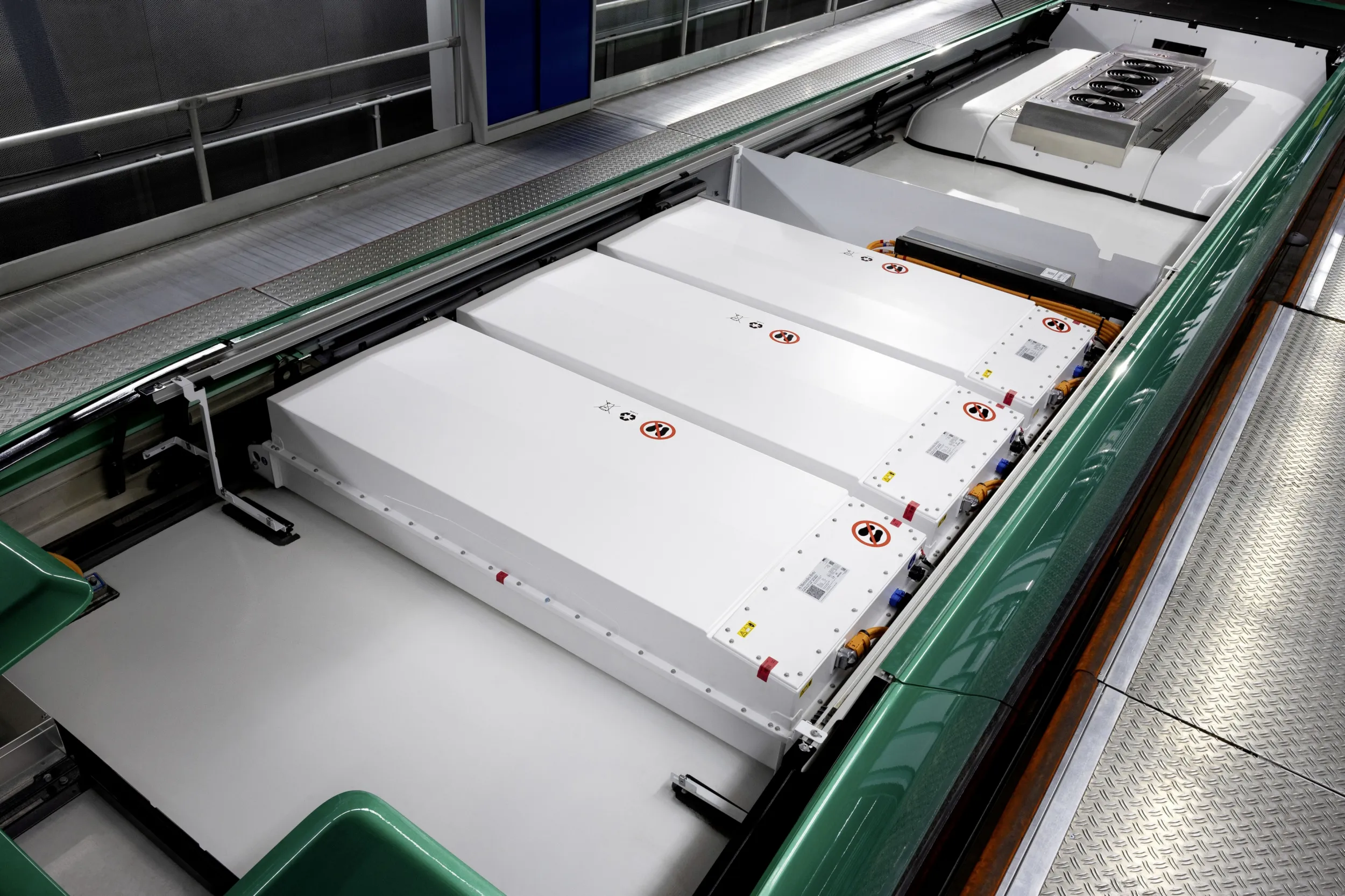
At the heart of the update sits a new lithium nickel manganese cobalt battery generation known as NMC4. It replaces the previous NMC3 packs and squeezes more energy into the same physical space.
Energy density rises by 13 percent. Where a single module previously stored 98 kWh, it now holds 111 kWh. The packaging remains unchanged, but the usable capacity grows.
In its maximum configuration, the standard eCitaro can cover up to 600 kilometres between charges. Even the articulated version, which carries more weight and passengers, manages up to 450 kilometres.
For an urban bus, those figures shift the operational equation.
A full shift without charging
Daimler Buses backs the new battery system with a 10 year warranty, extendable to 15 years under a service agreement. That longevity matters more to procurement departments than to marketing teams.
A 600 kilometre range means a bus can complete a full day’s duty cycle without topping up during the shift. Operators no longer need charging points at every terminal stop. Infrastructure costs fall. Urban clutter reduces. Planning becomes simpler.
Even in harsh winter conditions, when cold weather can cut usable capacity by up to 40 percent, the eCitaro would still retain over 350 kilometres of practical range. For most city routes, that remains sufficient to keep services running reliably through February frost.
A strategic move in a global contest
Mercedes-Benz is not acting in isolation. Chinese manufacturers continue to expand aggressively in the electric bus sector, often competing on price.
With NMC4, Daimler signals that European engineering still aims to compete on quality, durability and long term operating economics rather than headline discounts. Higher energy density within existing packaging demonstrates incremental but meaningful innovation.
For city authorities weighing tenders, predictable costs and long battery life carry more weight than acceleration figures ever will. A 15 year warranty option improves financial forecasting and reduces risk for taxpayers.
The beginning of the end for diesel buses
The eCitaro’s new range does not merely improve specifications. It addresses one of the final psychological barriers to electrifying public transport: range anxiety at fleet level.
If a city bus can reliably operate all day without mid shift charging, the internal combustion engine loses one of its last operational advantages.
Mercedes-Benz has raised the bar. Rivals will now need to respond not with press releases, but with comparable endurance on real urban routes.
NMC4 replaces NMC3
At the heart of the update sits a new lithium nickel manganese cobalt battery generation known as NMC4. It replaces the previous NMC3 packs and squeezes more energy into the same physical space.
Energy density rises by 13 percent. Where a single module previously stored 98 kWh, it now holds 111 kWh. The packaging remains unchanged, but the usable capacity grows.
In its maximum configuration, the standard eCitaro can cover up to 600 kilometres between charges. Even the articulated version, which carries more weight and passengers, manages up to 450 kilometres.
For an urban bus, those figures shift the operational equation.
A full shift without charging
Daimler Buses backs the new battery system with a 10 year warranty, extendable to 15 years under a service agreement. That longevity matters more to procurement departments than to marketing teams.
A 600 kilometre range means a bus can complete a full day’s duty cycle without topping up during the shift. Operators no longer need charging points at every terminal stop. Infrastructure costs fall. Urban clutter reduces. Planning becomes simpler.
Even in harsh winter conditions, when cold weather can cut usable capacity by up to 40 percent, the eCitaro would still retain over 350 kilometres of practical range. For most city routes, that remains sufficient to keep services running reliably through February frost.
A strategic move in a global contest
Mercedes-Benz is not acting in isolation. Chinese manufacturers continue to expand aggressively in the electric bus sector, often competing on price.
With NMC4, Daimler signals that European engineering still aims to compete on quality, durability and long term operating economics rather than headline discounts. Higher energy density within existing packaging demonstrates incremental but meaningful innovation.
For city authorities weighing tenders, predictable costs and long battery life carry more weight than acceleration figures ever will. A 15 year warranty option improves financial forecasting and reduces risk for taxpayers.
The beginning of the end for diesel buses
The eCitaro’s new range does not merely improve specifications. It addresses one of the final psychological barriers to electrifying public transport: range anxiety at fleet level.
If a city bus can reliably operate all day without mid shift charging, the internal combustion engine loses one of its last operational advantages.
Mercedes-Benz has raised the bar. Rivals will now need to respond not with press releases, but with comparable endurance on real urban routes.


