
The next Audi A8 will carry Porsche genes
Change is blowing through Ingolstadt. Audi’s flagship A8, quietly phased out in its current D5 form, prepares for a return around 2030. This time, the brand will not rely solely on batteries and bold promises of all electric purity.
Instead, the next generation Audi A8 will share its technical foundation with Porsche, adopting the MSB platform also used by the Porsche Panamera. The move signals a strategic recalibration rather than a retreat.
From front bias to rear driven intent
Previous A8 generations leaned on architectures with a strong front wheel drive orientation. The switch to Porsche’s Modularer Standardantriebsbaukasten changes the character fundamentally.
MSB is a rear wheel drive focused platform engineered for longitudinal engines and high performance applications. In practical terms, this means better weight distribution, sharper dynamics and the ability to accommodate more potent powertrains.
Audi is effectively abandoning the idea of turning the A8 into a purely electric flagship in the short term. Instead, it will blend combustion and electrification in a way that aligns more closely with market demand.
Combustion survives, hybrid leads
The new A8 will reportedly feature advanced plug in hybrid systems. These PHEV variants promise electric silence in urban traffic and the sustained muscle of V6 or even V8 petrol engines on the motorway.
For luxury buyers, that combination remains attractive. Instant torque and zero emission commuting satisfy regulation and taxation concerns, while long range capability preserves the grand touring brief.
MSB also brings Porsche engineered chassis components. Expect adaptive suspension systems and rear axle steering tuned for precision rather than mere comfort. The next A8 aims to be more than a rolling lounge. It intends to respond with the measured sharpness normally associated with Stuttgart.
Design shaped by the Grandsphere vision
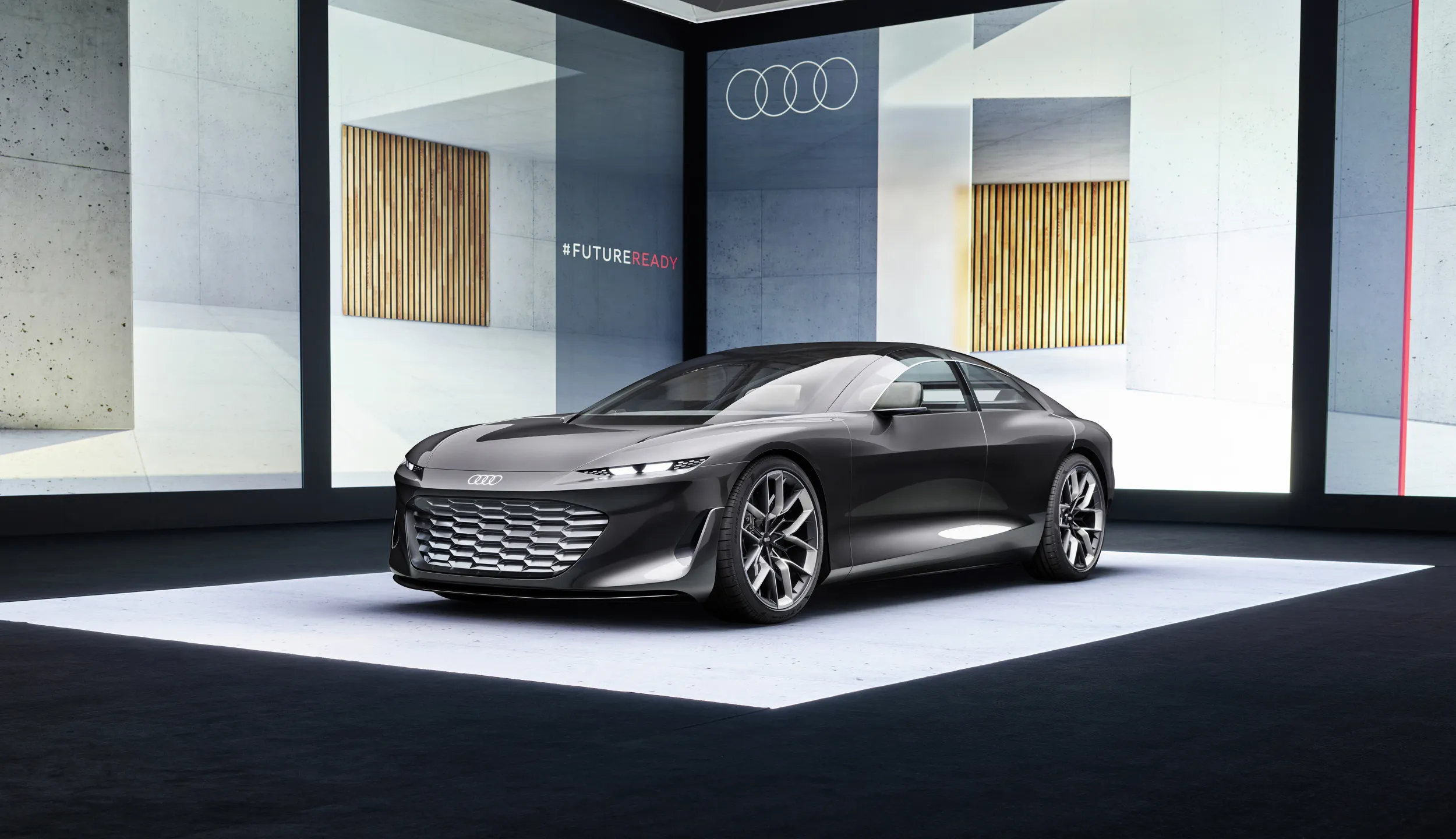
Although Audi keeps official images under wraps, the Grandsphere concept offers a clear indication of direction. A long wheelbase, flowing roofline and minimalist surface treatment suggest a sedan that blends classical proportions with futuristic restraint.
The production gap of three to four years between the outgoing D5 and the 2030 successor reflects deliberate patience. Audi would rather step back temporarily from the upper luxury segment than offer technology it considers strategically outdated.
In a market where six figure price tags are standard, customers expect freedom. Freedom to cross Europe without lengthy charging stops. Freedom to choose between electric efficiency and combustion endurance.
A calculated extension of combustion life
By anchoring the new A8 to the Porsche MSB platform, Audi extends the lifespan of internal combustion engines at the top of its range. This is not defiance of electrification. It is a recognition that transition periods demand flexibility.
Given evolving tax frameworks across Europe, a sophisticated plug in hybrid may prove the most pragmatic route into the luxury class by 2030. Pure electric remains politically desirable. Hybrid may remain commercially sensible.
In its next chapter, the Audi A8 will not be an electric manifesto. It will be a carefully balanced statement of intent, shaped as much by Porsche’s engineering discipline as by Ingolstadt’s ambition.
From front bias to rear driven intent
Previous A8 generations leaned on architectures with a strong front wheel drive orientation. The switch to Porsche’s Modularer Standardantriebsbaukasten changes the character fundamentally.
MSB is a rear wheel drive focused platform engineered for longitudinal engines and high performance applications. In practical terms, this means better weight distribution, sharper dynamics and the ability to accommodate more potent powertrains.
Audi is effectively abandoning the idea of turning the A8 into a purely electric flagship in the short term. Instead, it will blend combustion and electrification in a way that aligns more closely with market demand.
Combustion survives, hybrid leads
The new A8 will reportedly feature advanced plug in hybrid systems. These PHEV variants promise electric silence in urban traffic and the sustained muscle of V6 or even V8 petrol engines on the motorway.
For luxury buyers, that combination remains attractive. Instant torque and zero emission commuting satisfy regulation and taxation concerns, while long range capability preserves the grand touring brief.
MSB also brings Porsche engineered chassis components. Expect adaptive suspension systems and rear axle steering tuned for precision rather than mere comfort. The next A8 aims to be more than a rolling lounge. It intends to respond with the measured sharpness normally associated with Stuttgart.
Design shaped by the Grandsphere vision
Although Audi keeps official images under wraps, the Grandsphere concept offers a clear indication of direction. A long wheelbase, flowing roofline and minimalist surface treatment suggest a sedan that blends classical proportions with futuristic restraint.
The production gap of three to four years between the outgoing D5 and the 2030 successor reflects deliberate patience. Audi would rather step back temporarily from the upper luxury segment than offer technology it considers strategically outdated.
In a market where six figure price tags are standard, customers expect freedom. Freedom to cross Europe without lengthy charging stops. Freedom to choose between electric efficiency and combustion endurance.
A calculated extension of combustion life
By anchoring the new A8 to the Porsche MSB platform, Audi extends the lifespan of internal combustion engines at the top of its range. This is not defiance of electrification. It is a recognition that transition periods demand flexibility.
Given evolving tax frameworks across Europe, a sophisticated plug in hybrid may prove the most pragmatic route into the luxury class by 2030. Pure electric remains politically desirable. Hybrid may remain commercially sensible.
In its next chapter, the Audi A8 will not be an electric manifesto. It will be a carefully balanced statement of intent, shaped as much by Porsche’s engineering discipline as by Ingolstadt’s ambition.


