
Refreshed Mercedes Benz GLE brings more screens, MB.OS, and finally a bit more actual car
 1/30
1/30
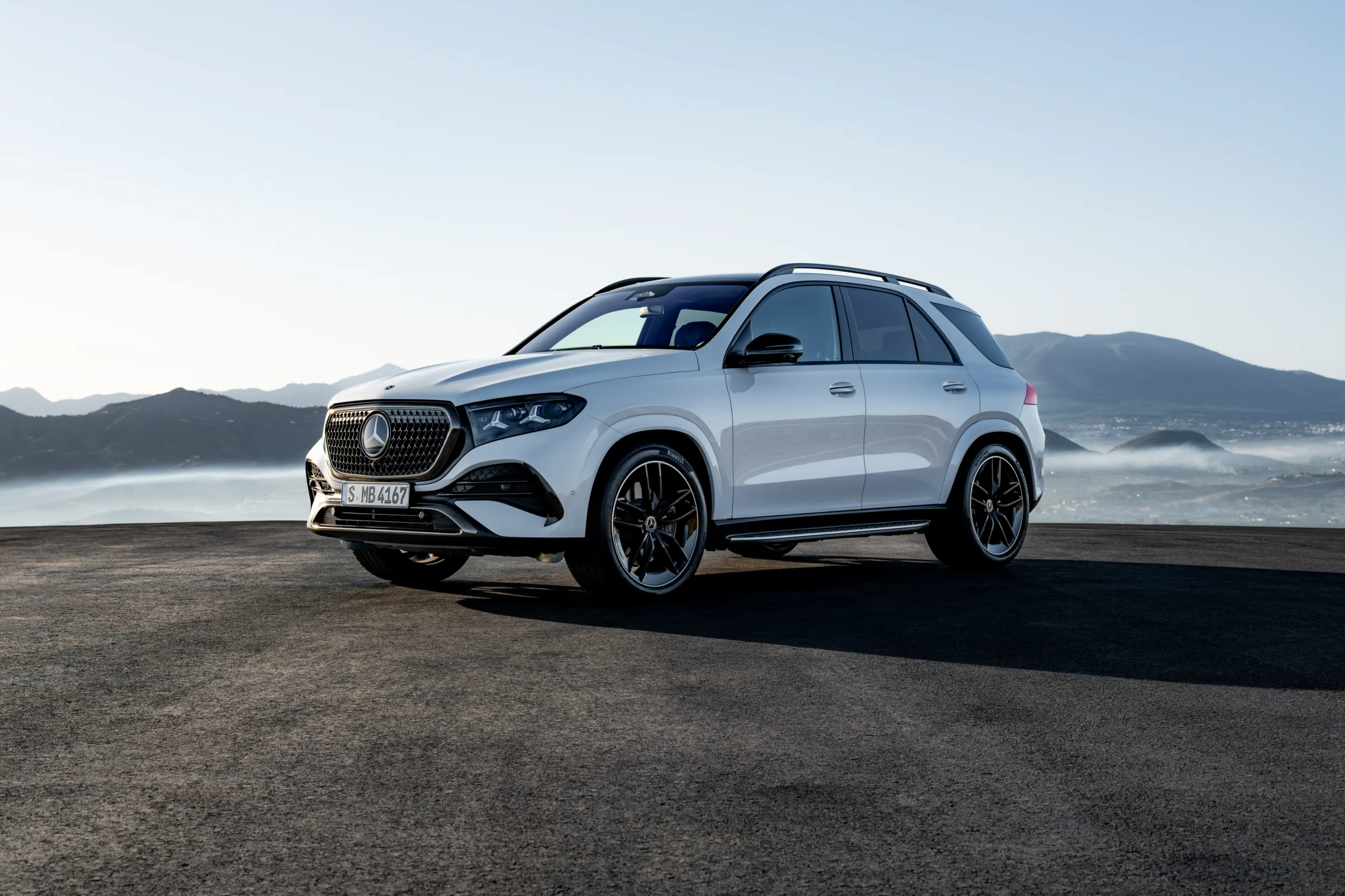
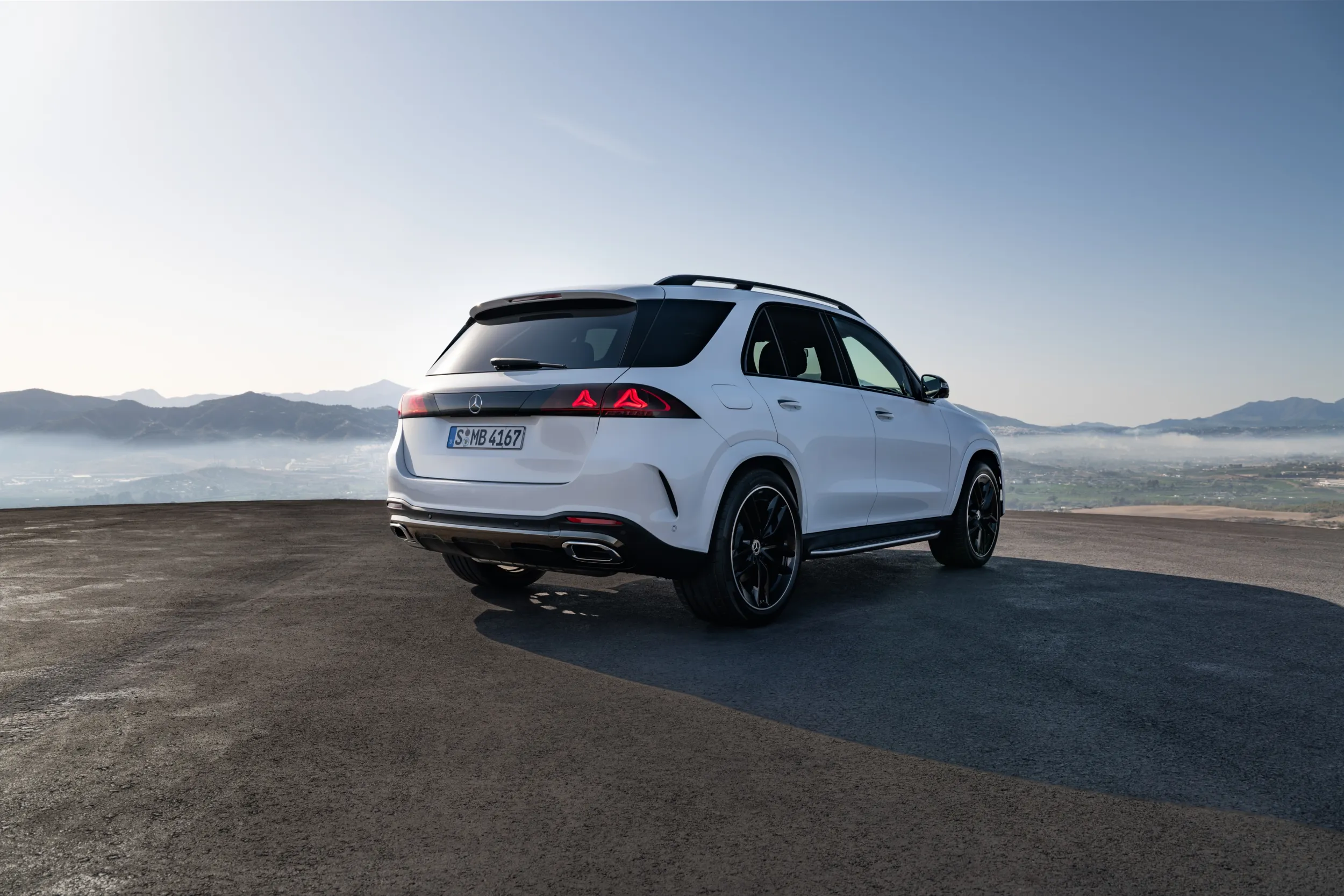
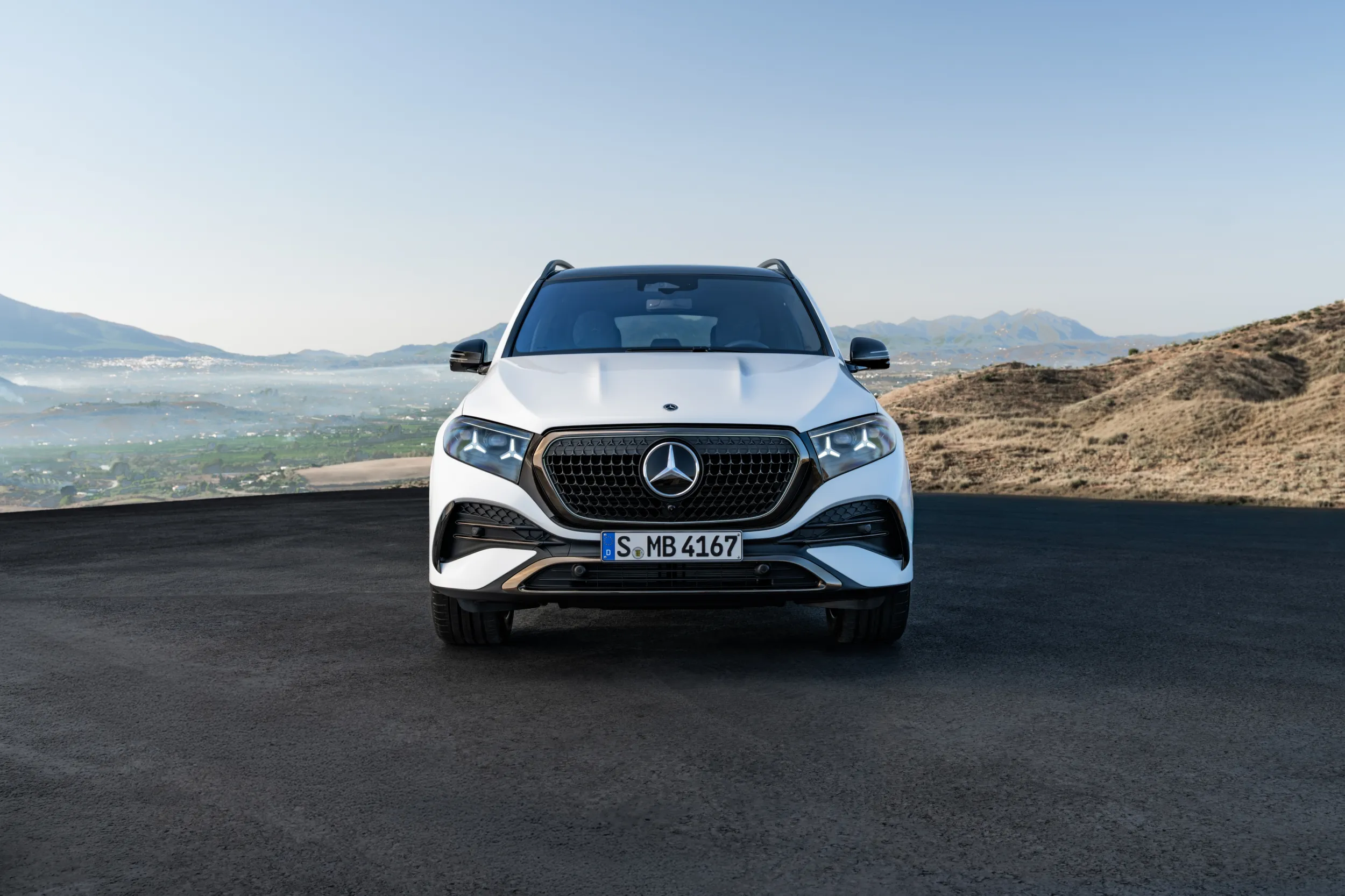
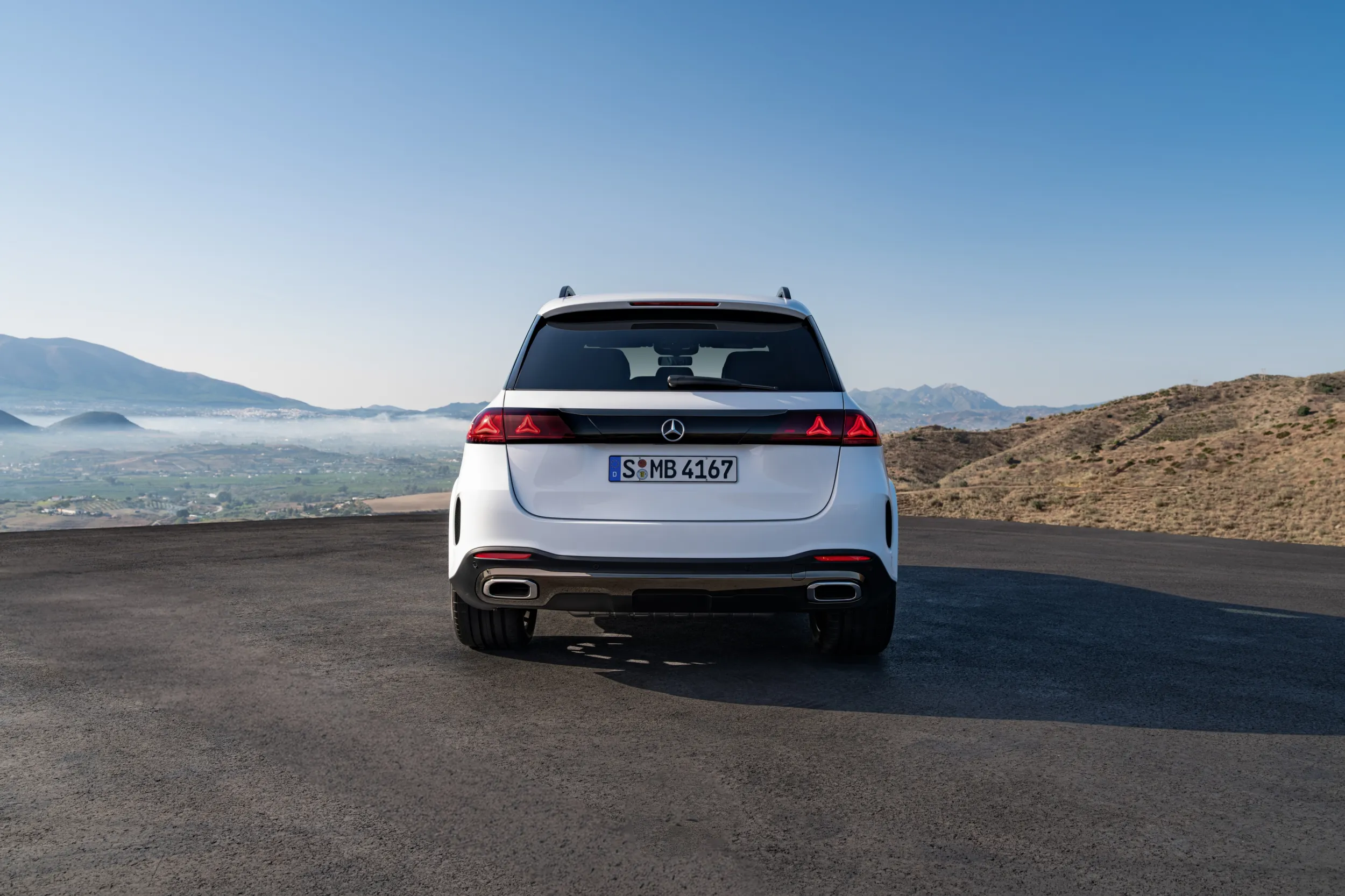
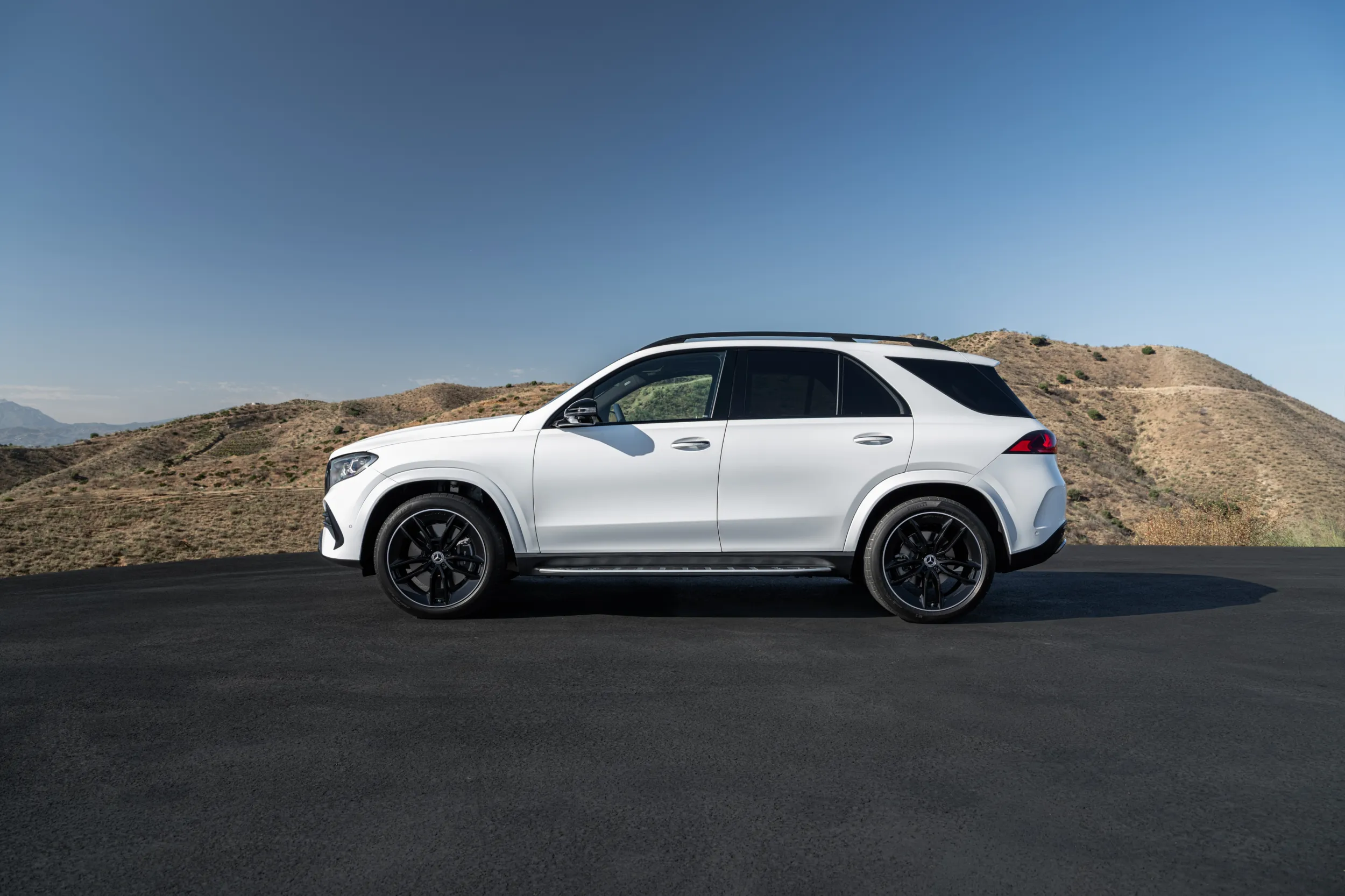
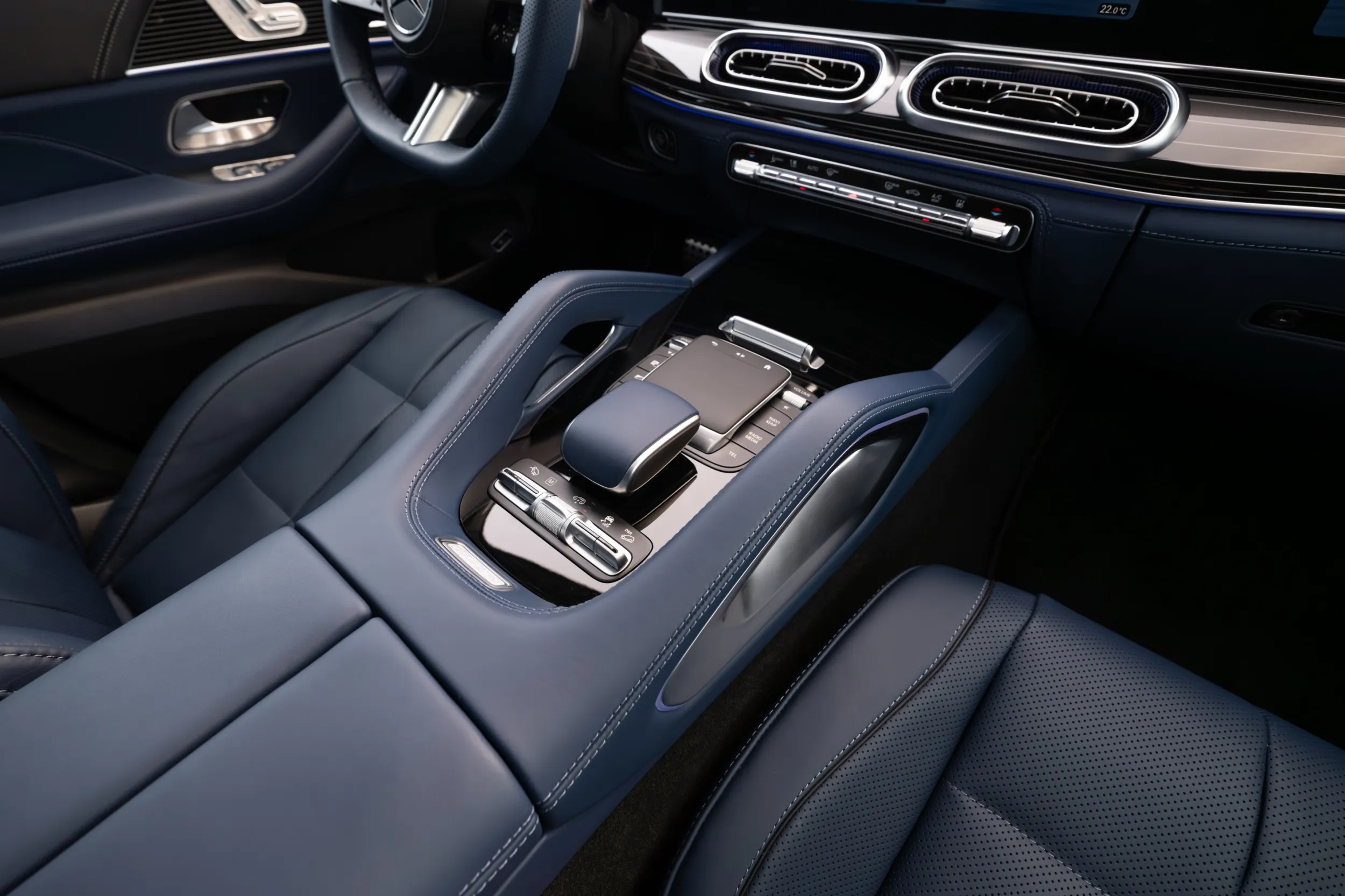
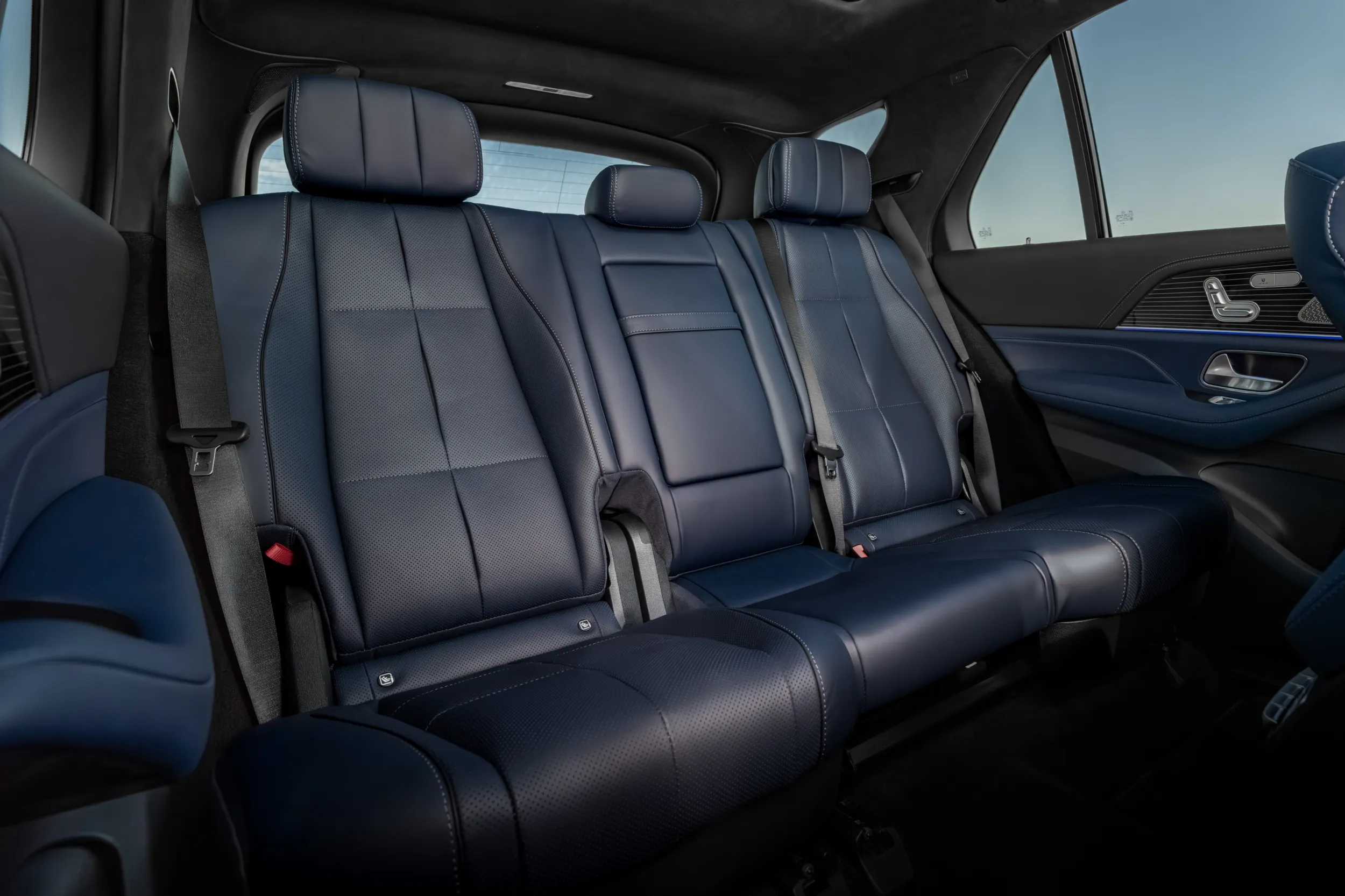
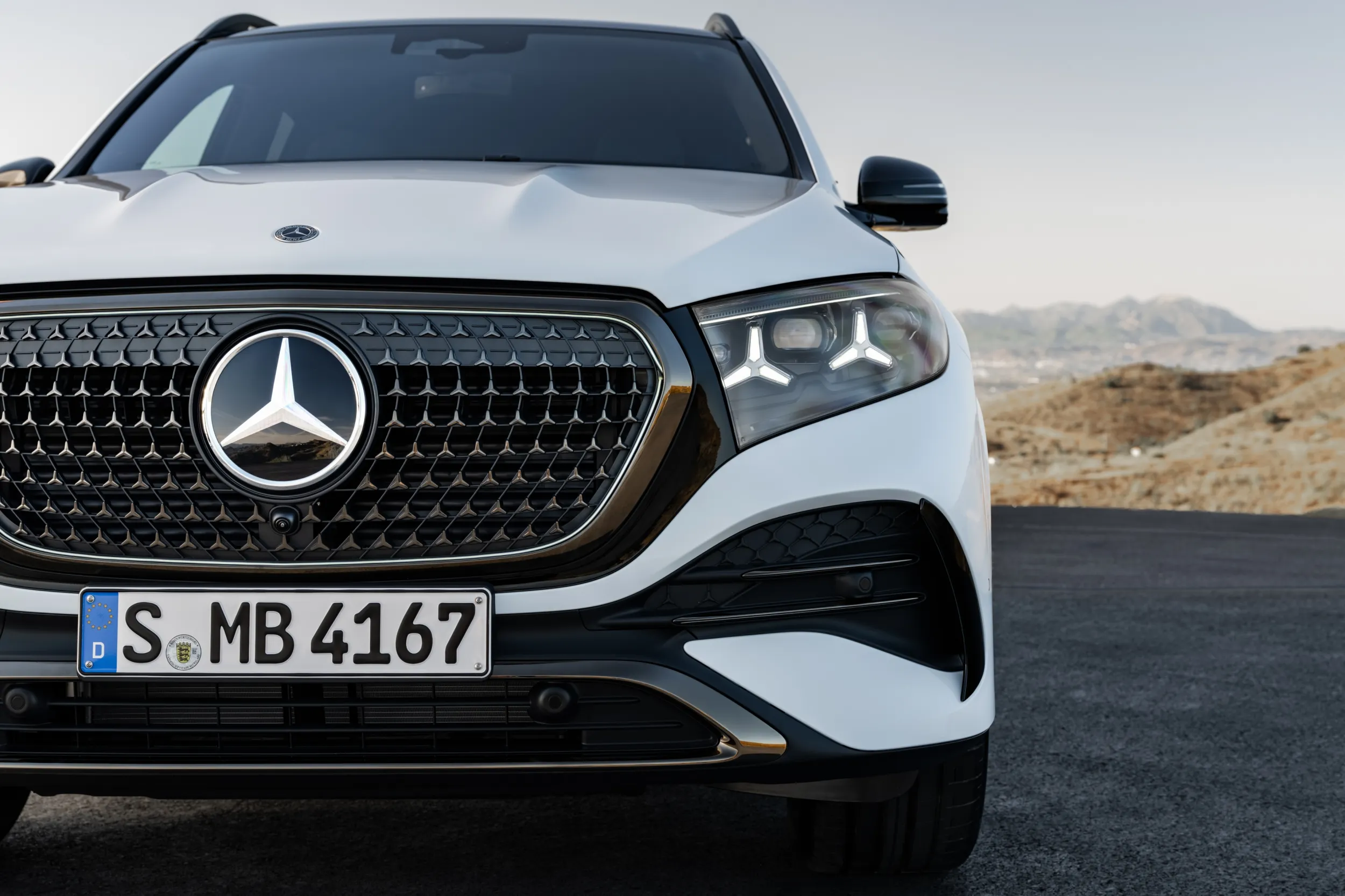
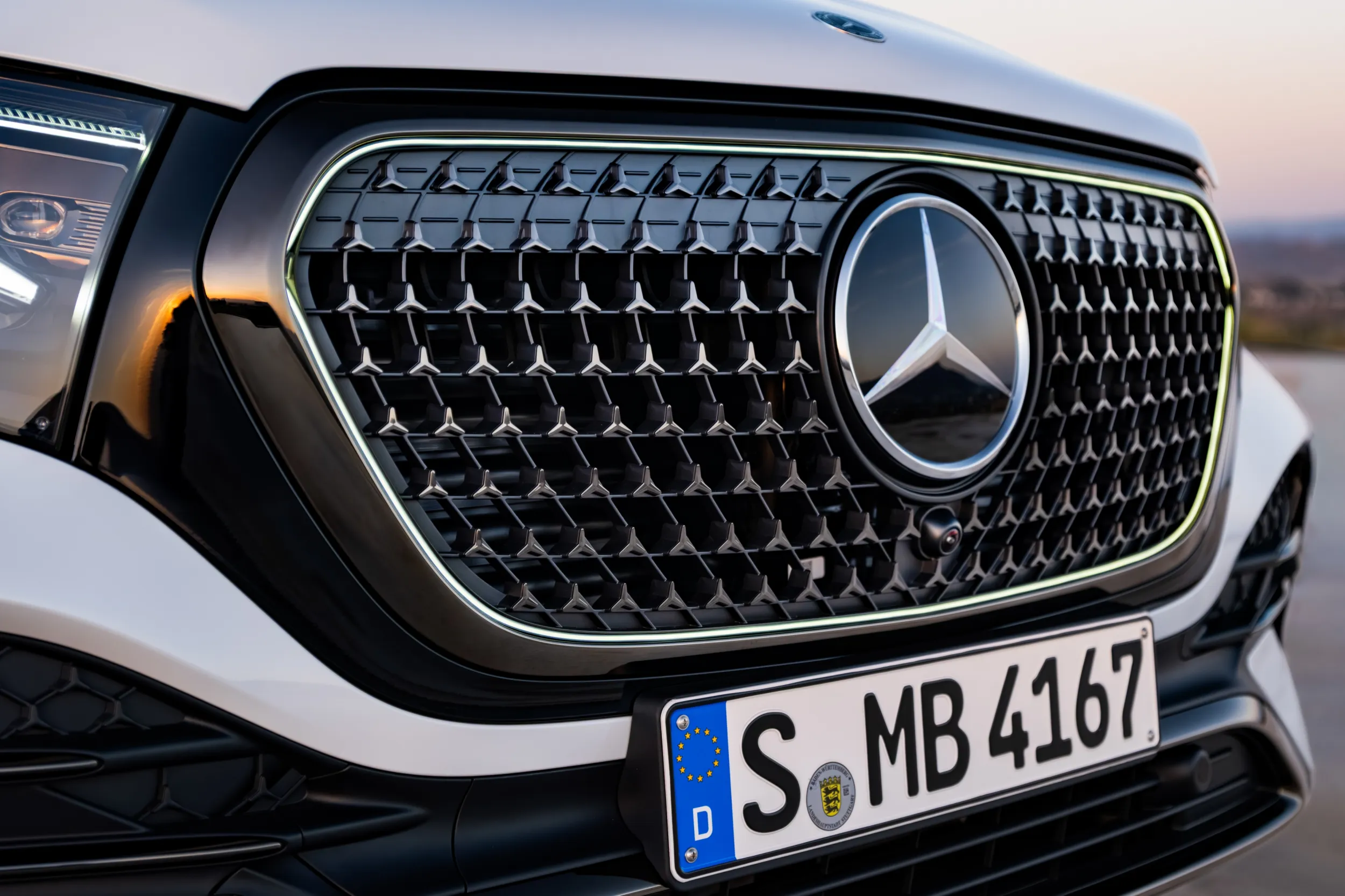
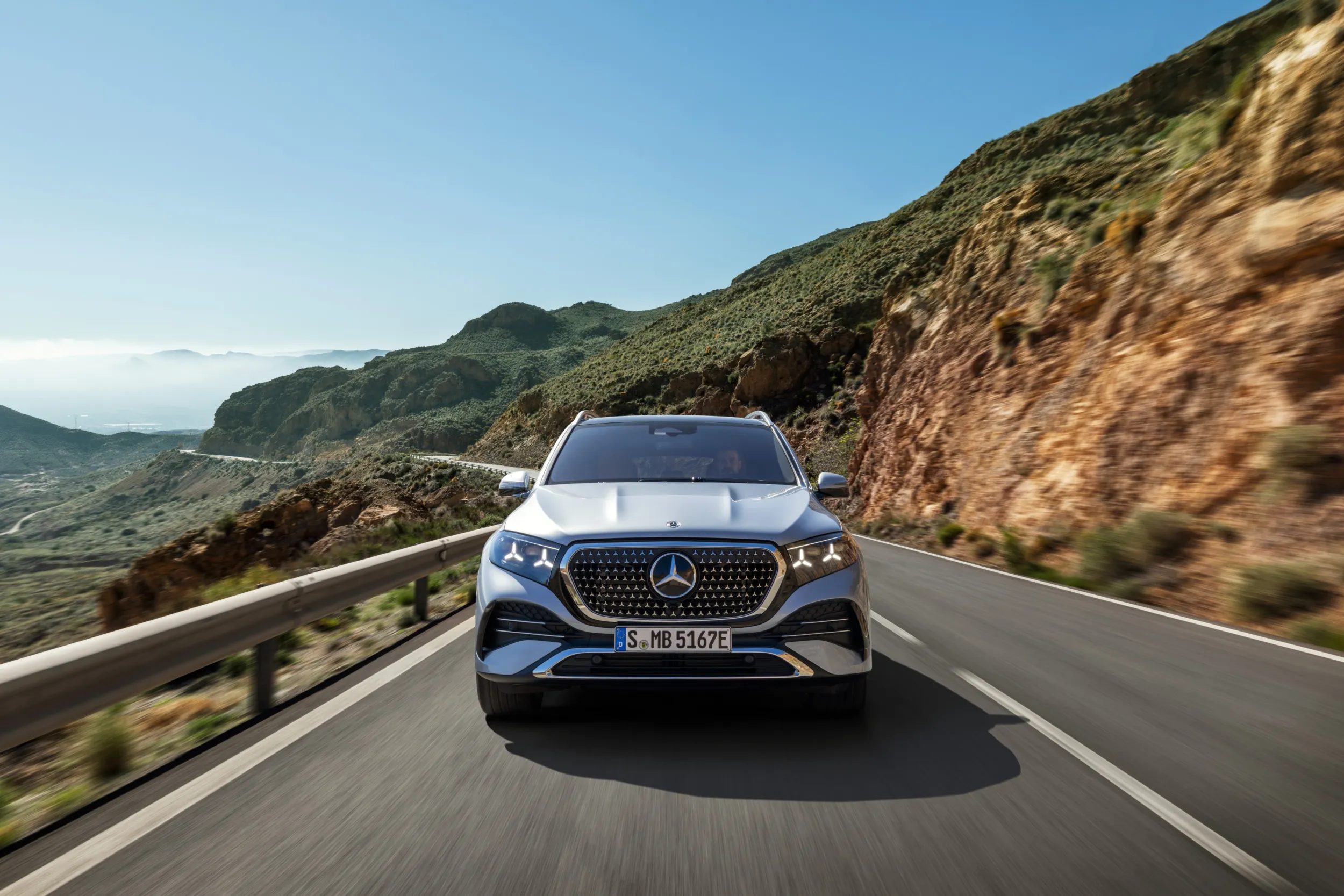
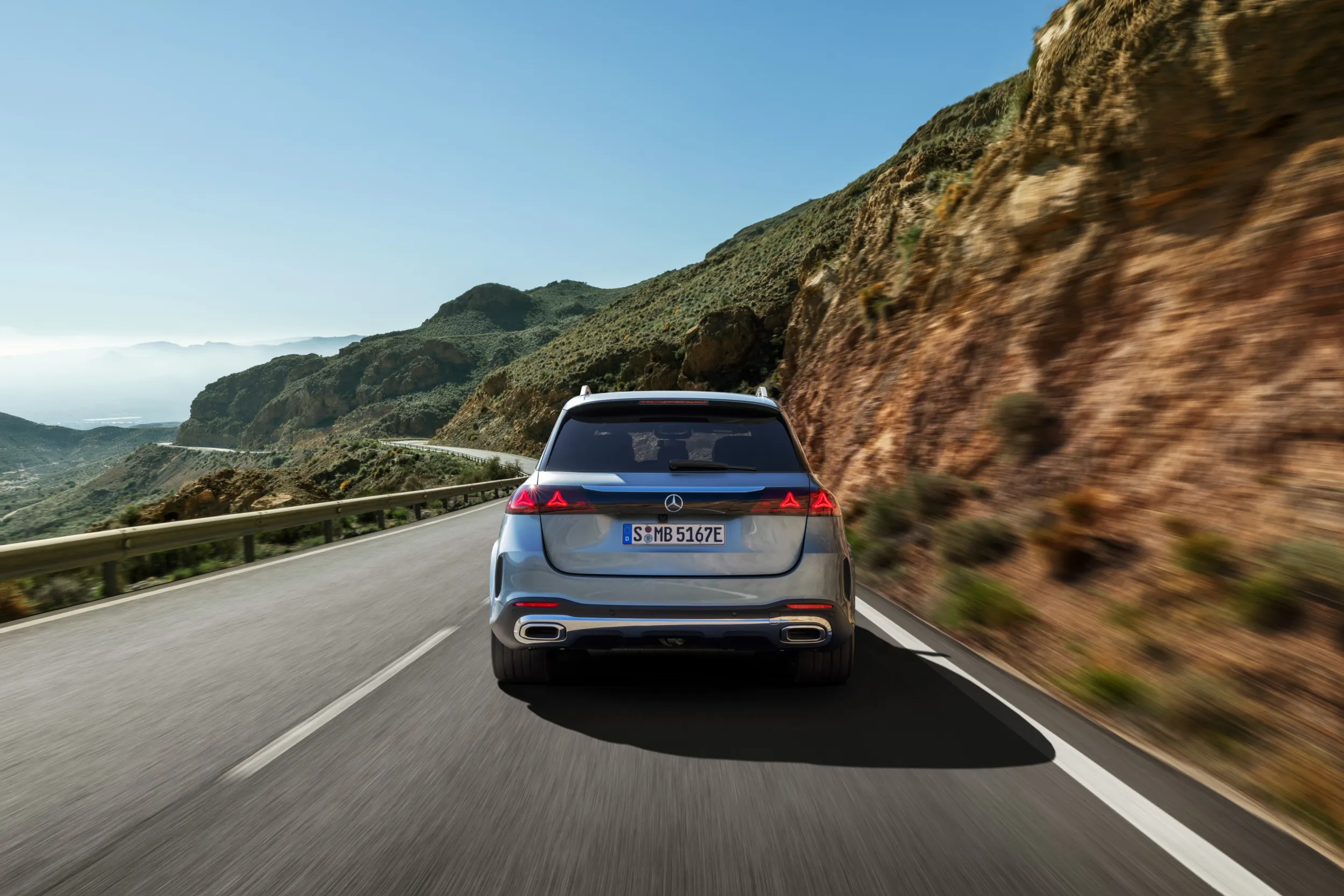
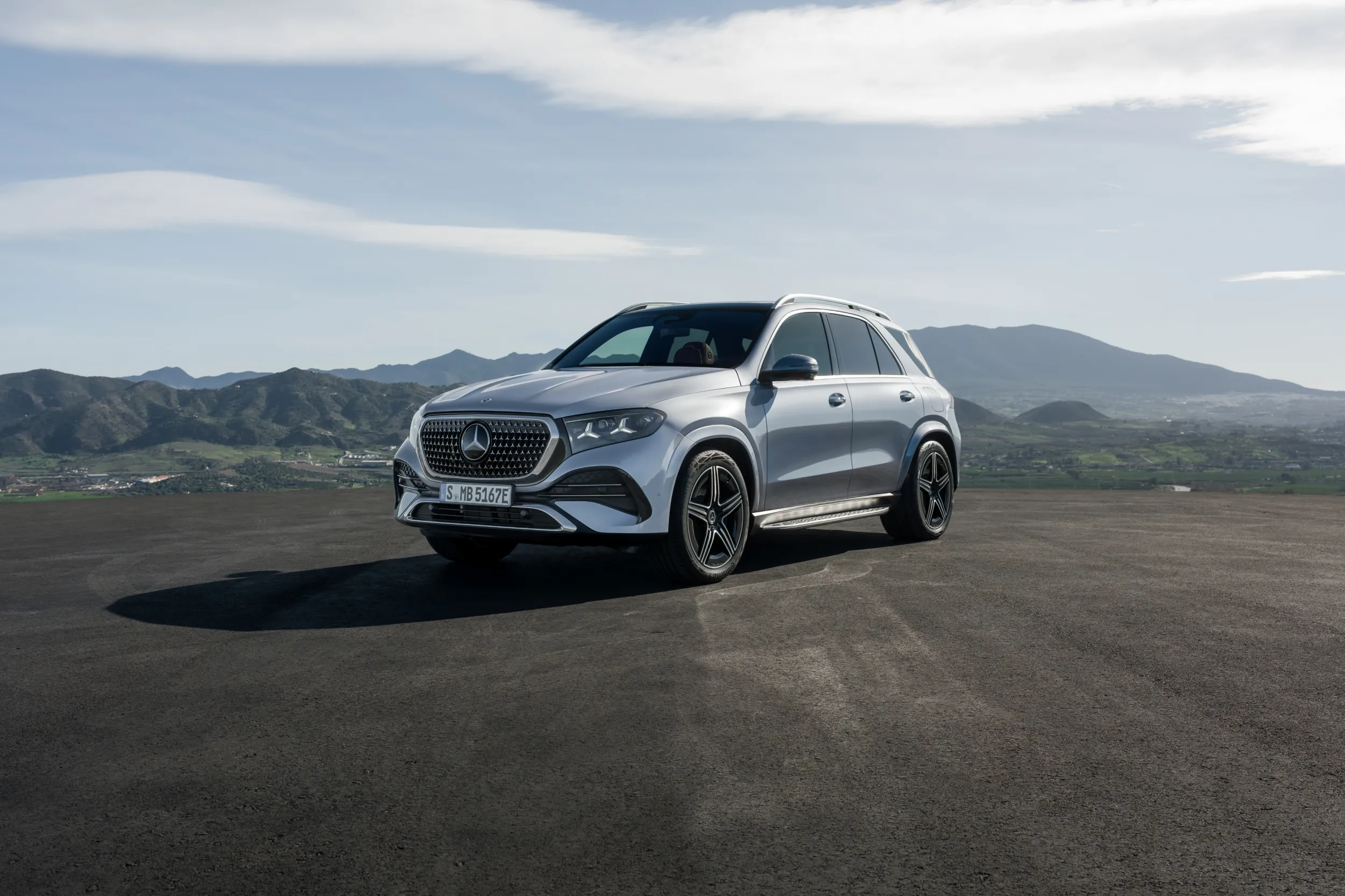
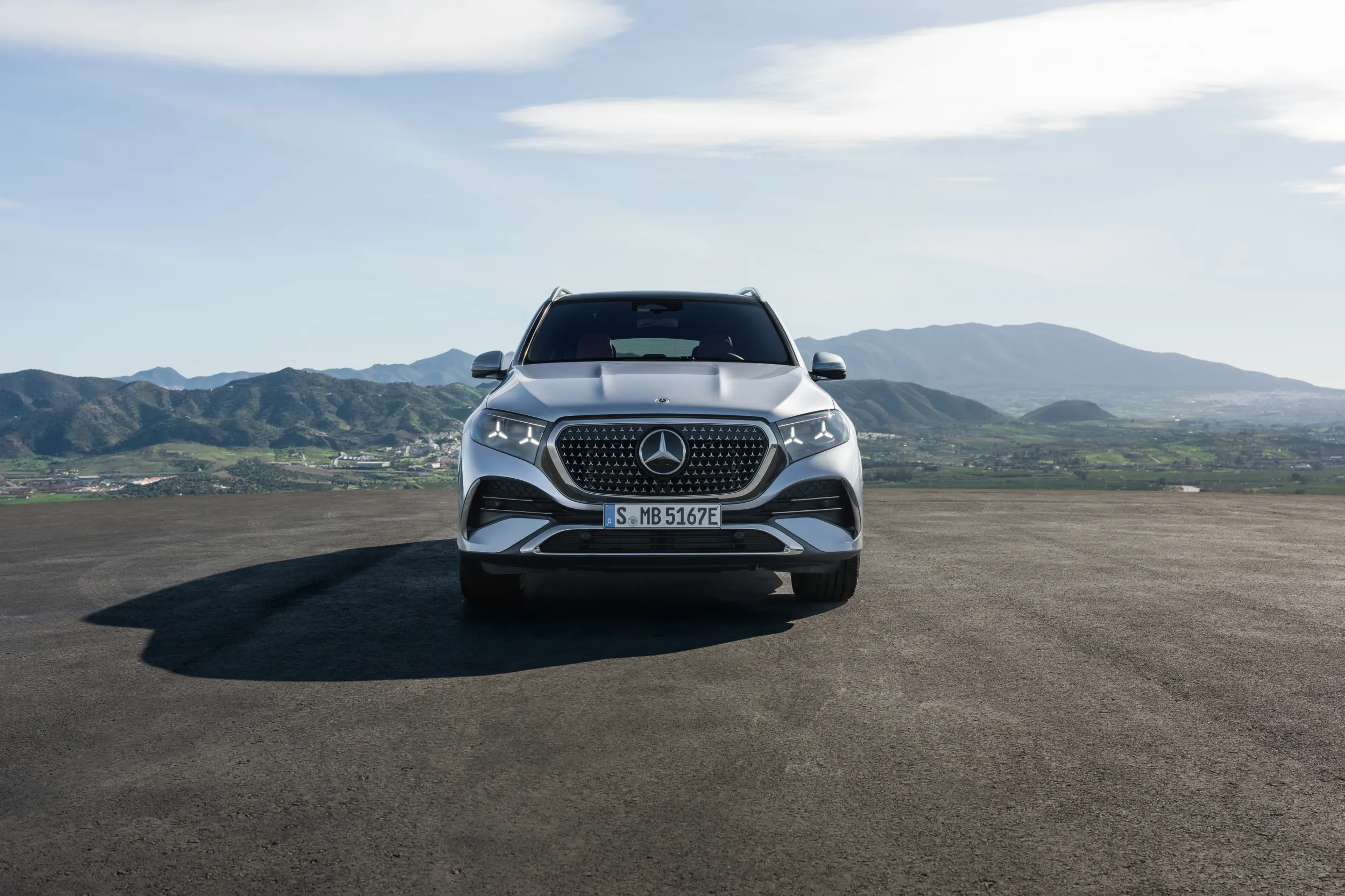
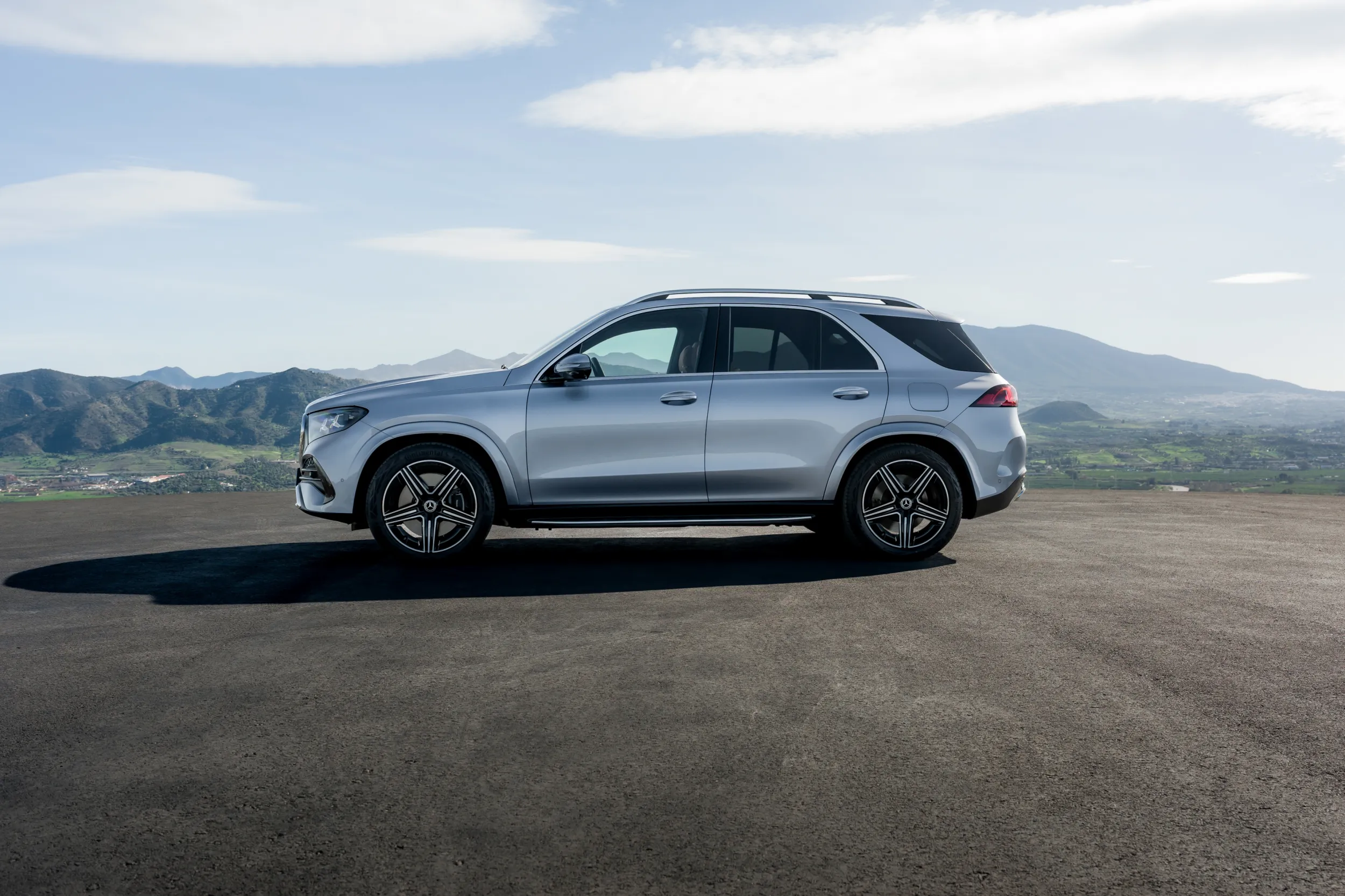
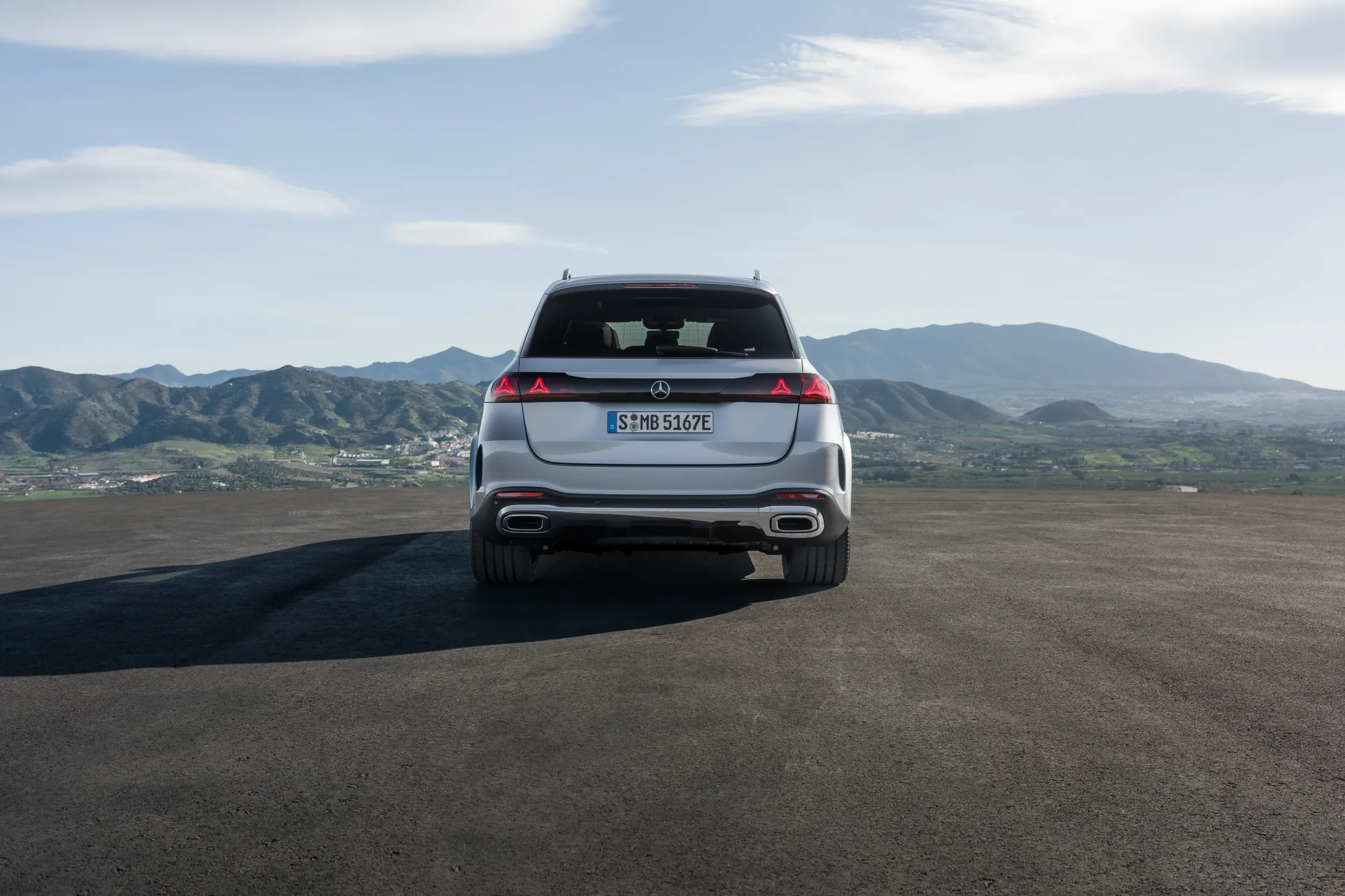
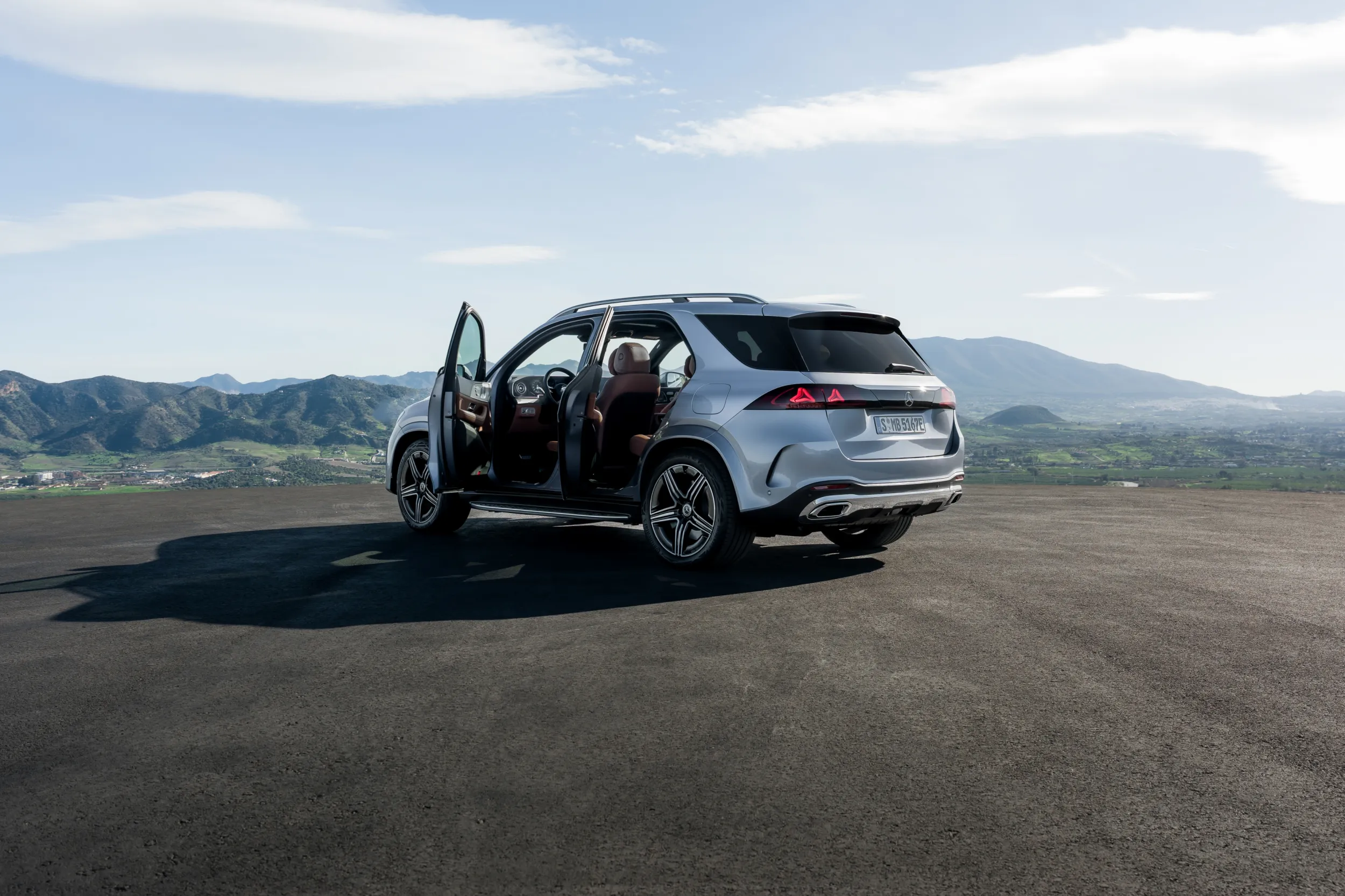
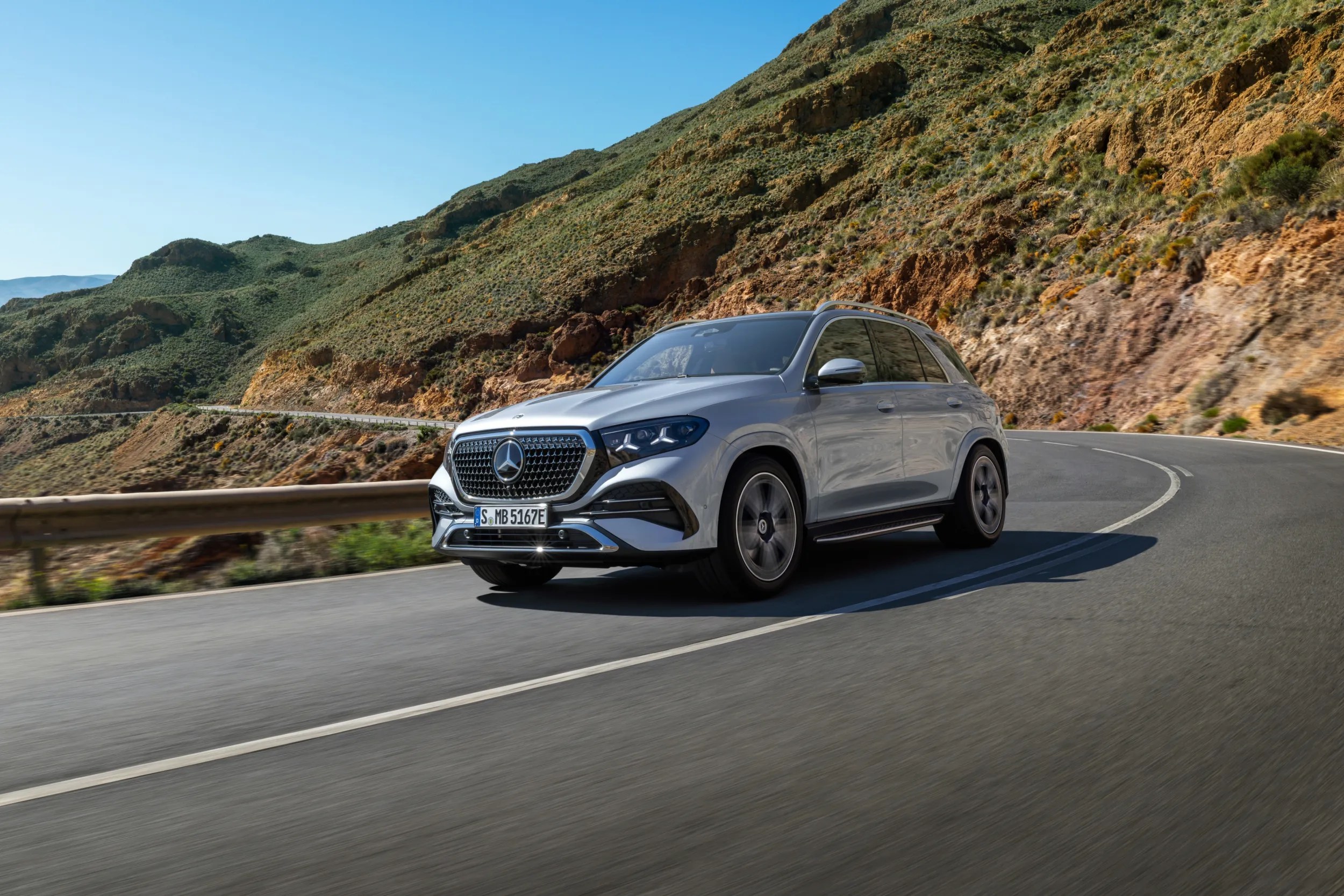
Mercedes Benz revealed the updated GLE family yesterday, covering the GLE, GLE Coupé and AMG GLE 53e HYBRID. The factory talks about roughly 3,000 new or revised components, which lifts this refresh well above the level of the usual cosmetic midlife tidy up. The result is a luxury SUV with more software, more substance in its powertrains and a more carefully polished sense of comfort.
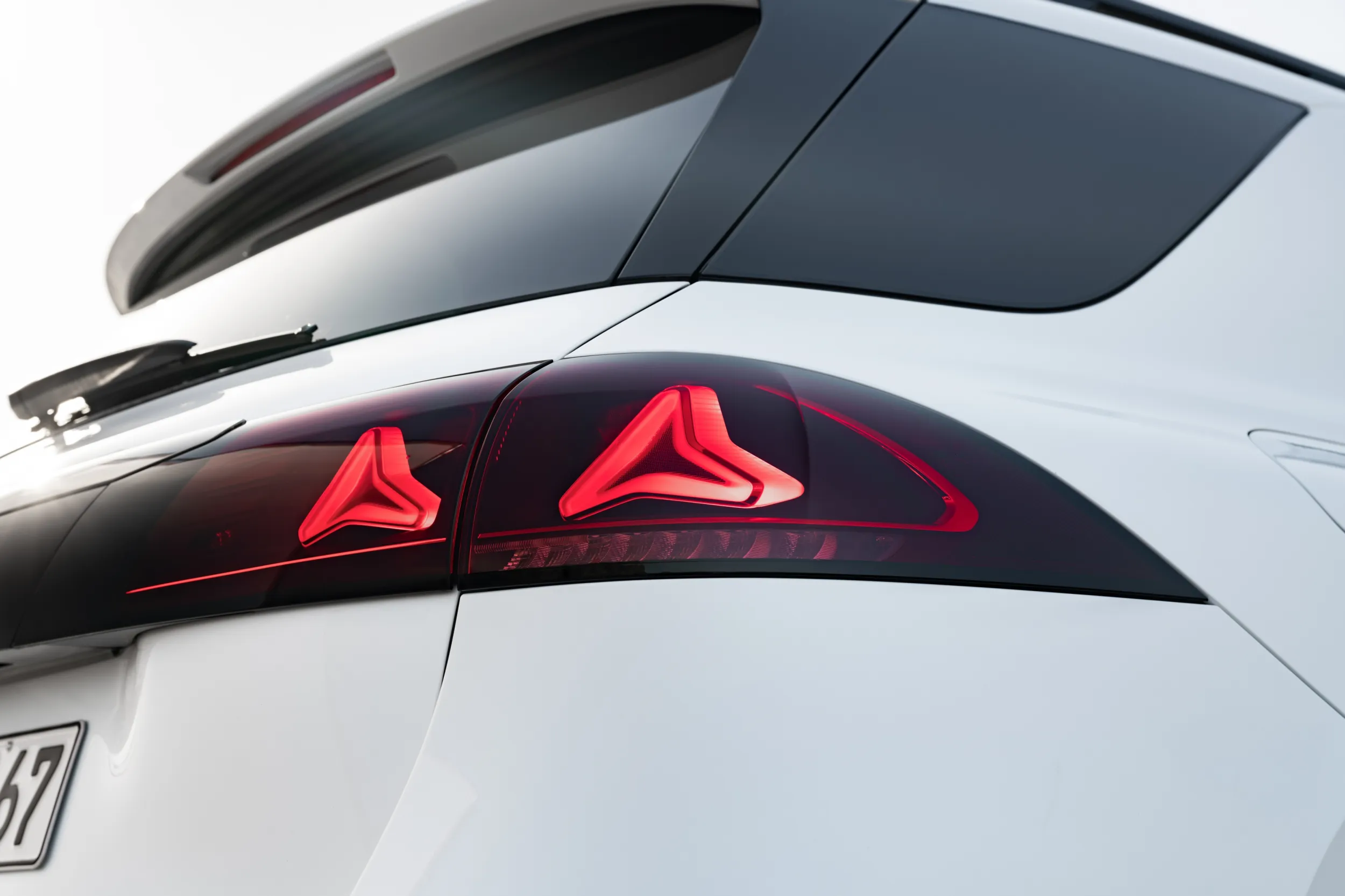
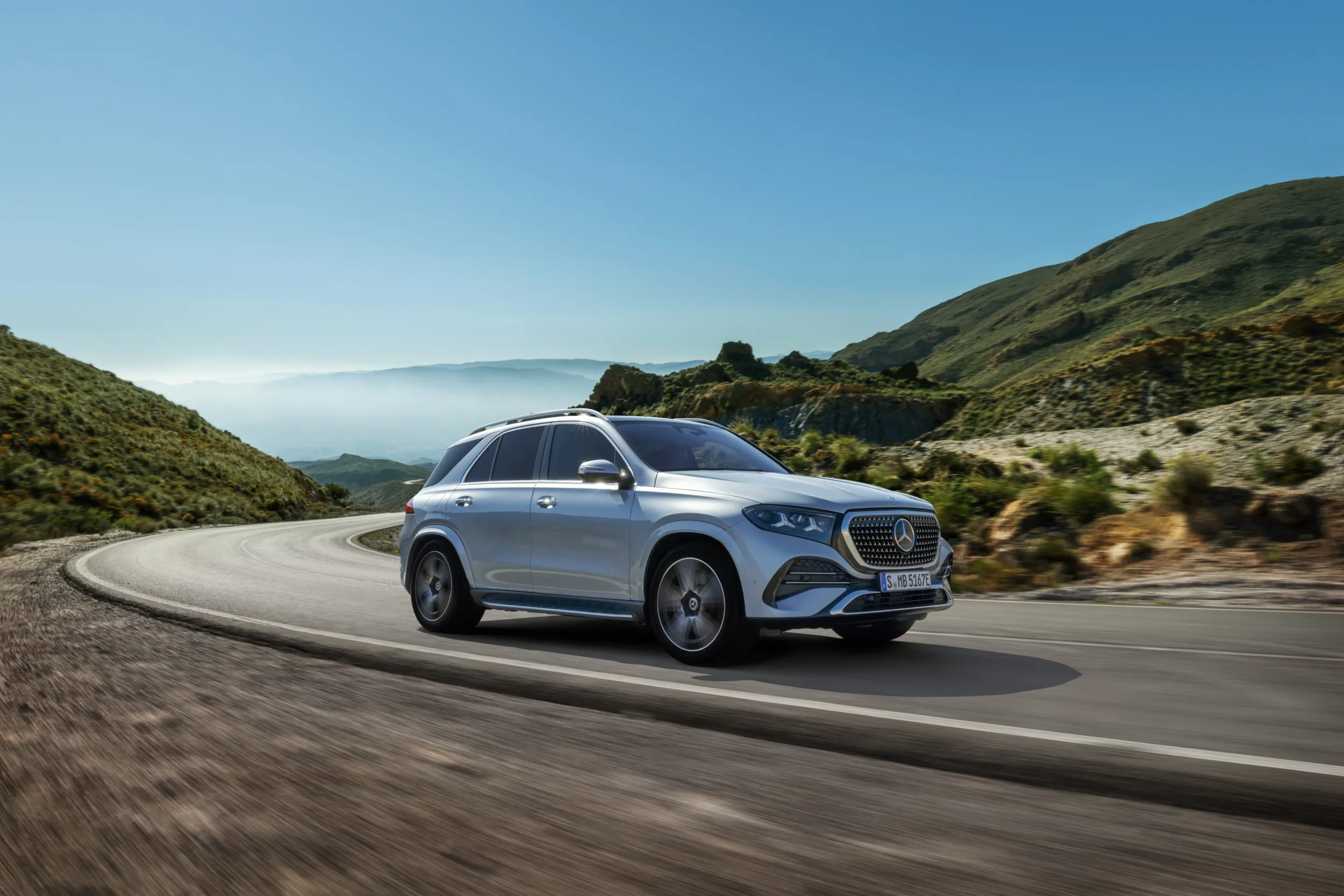
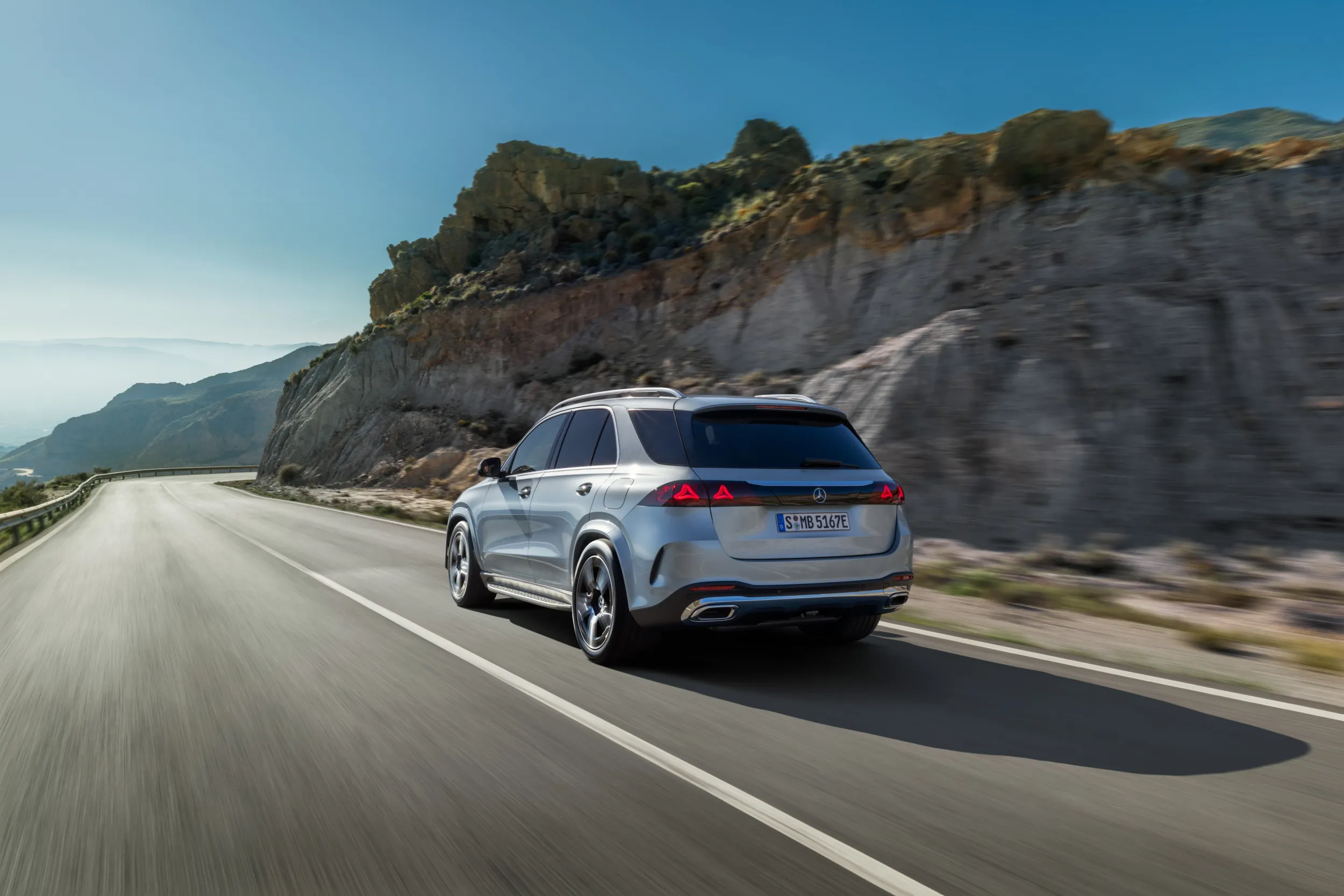
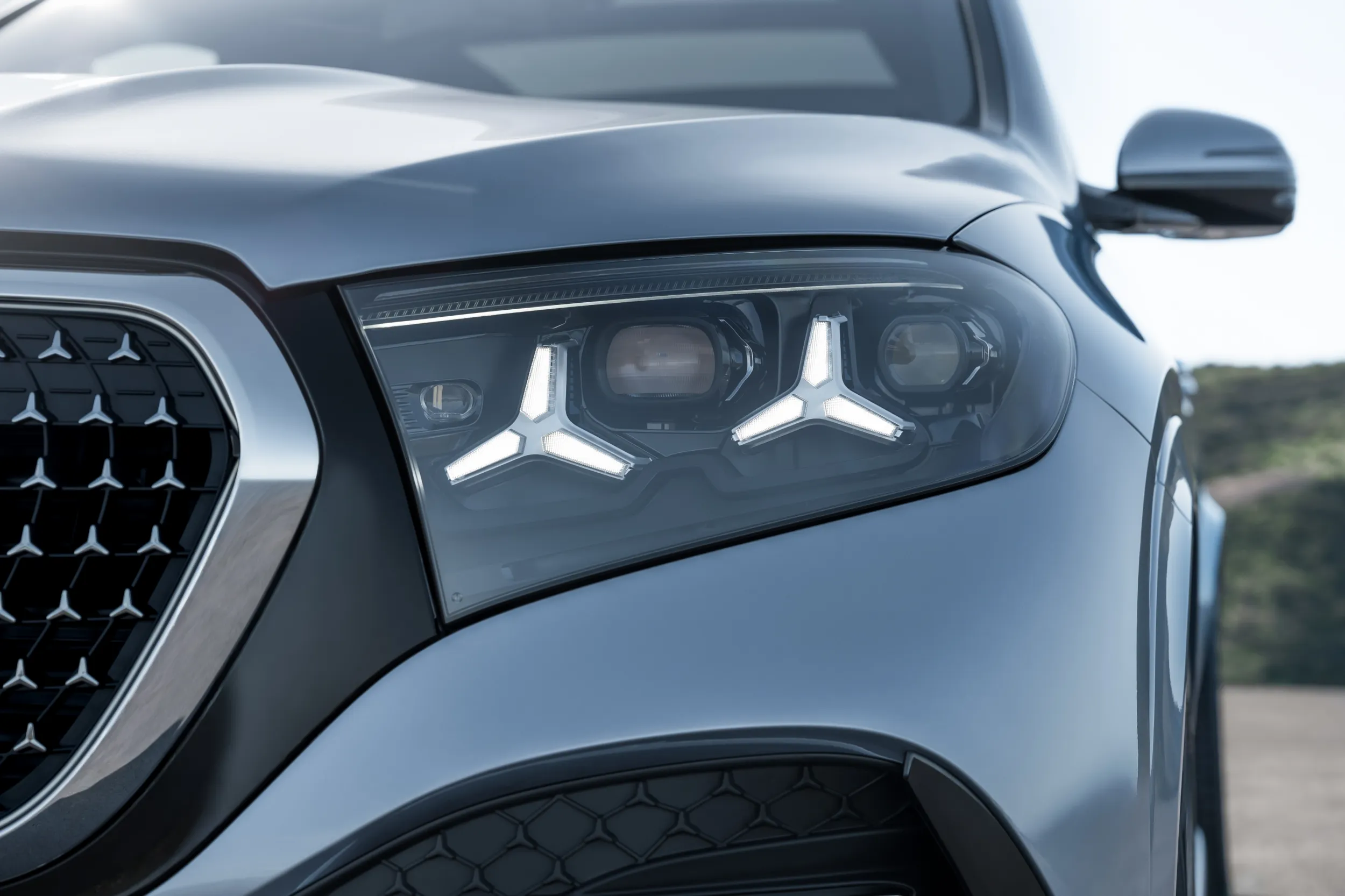
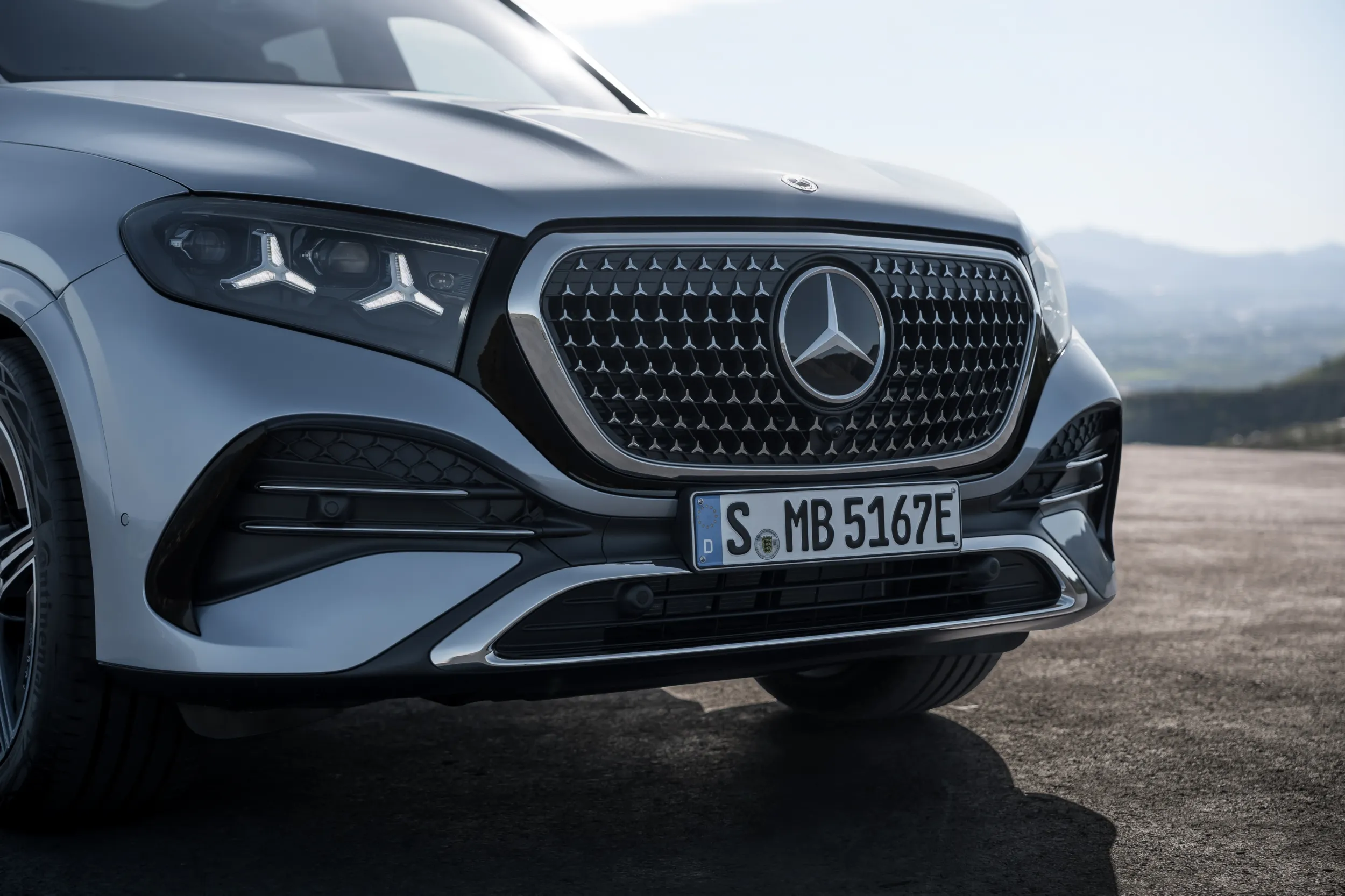
Mercedes begins, naturally enough, with what people can see. The new GLE gets a larger grille, an illuminated central star, new lamps with the latest star motif and revised rear lights. It all follows the current Mercedes Benz design language, but it does not turn the GLE into a new generation model. The styling signals the update. The engineering does the real work.
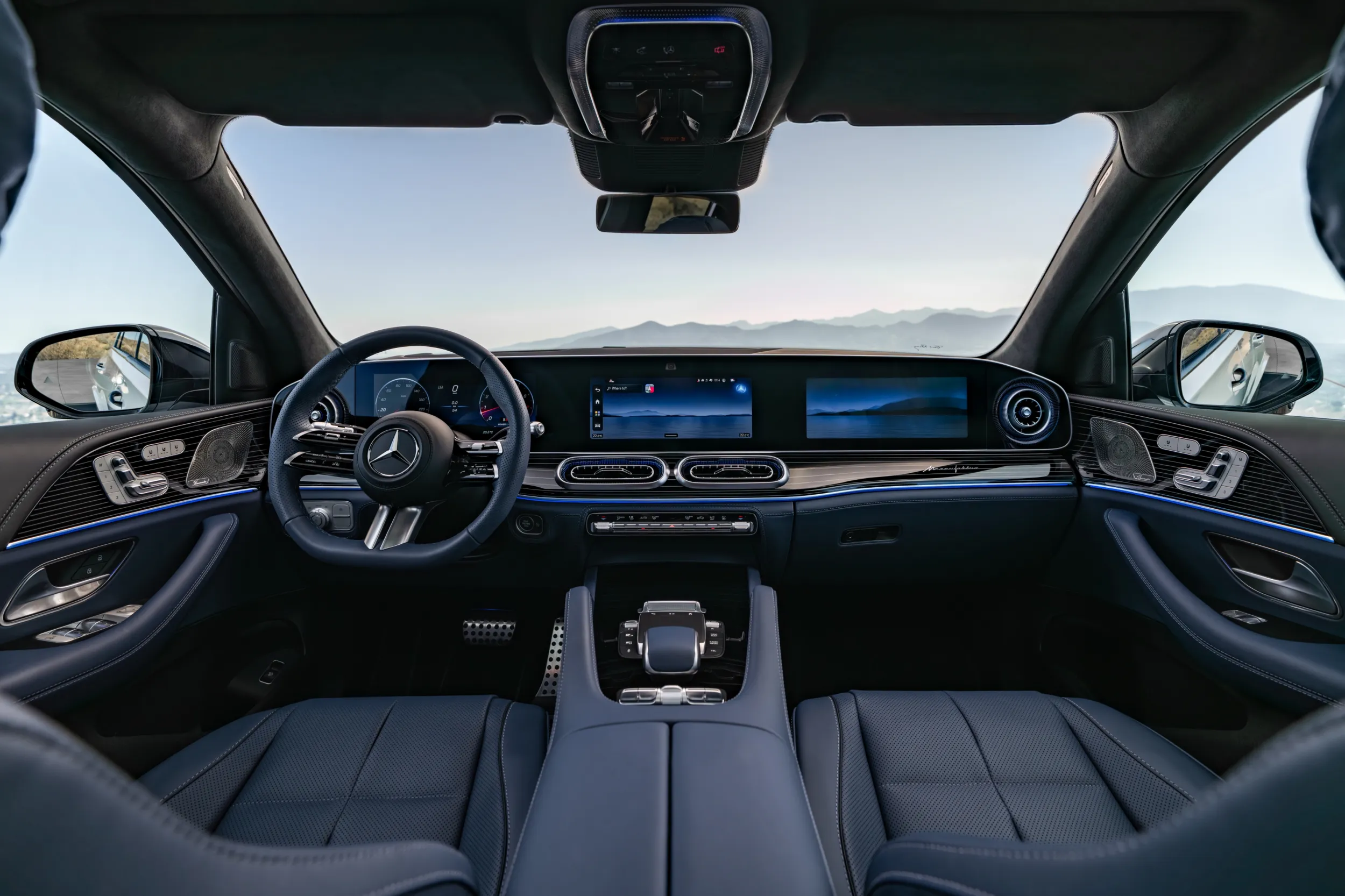
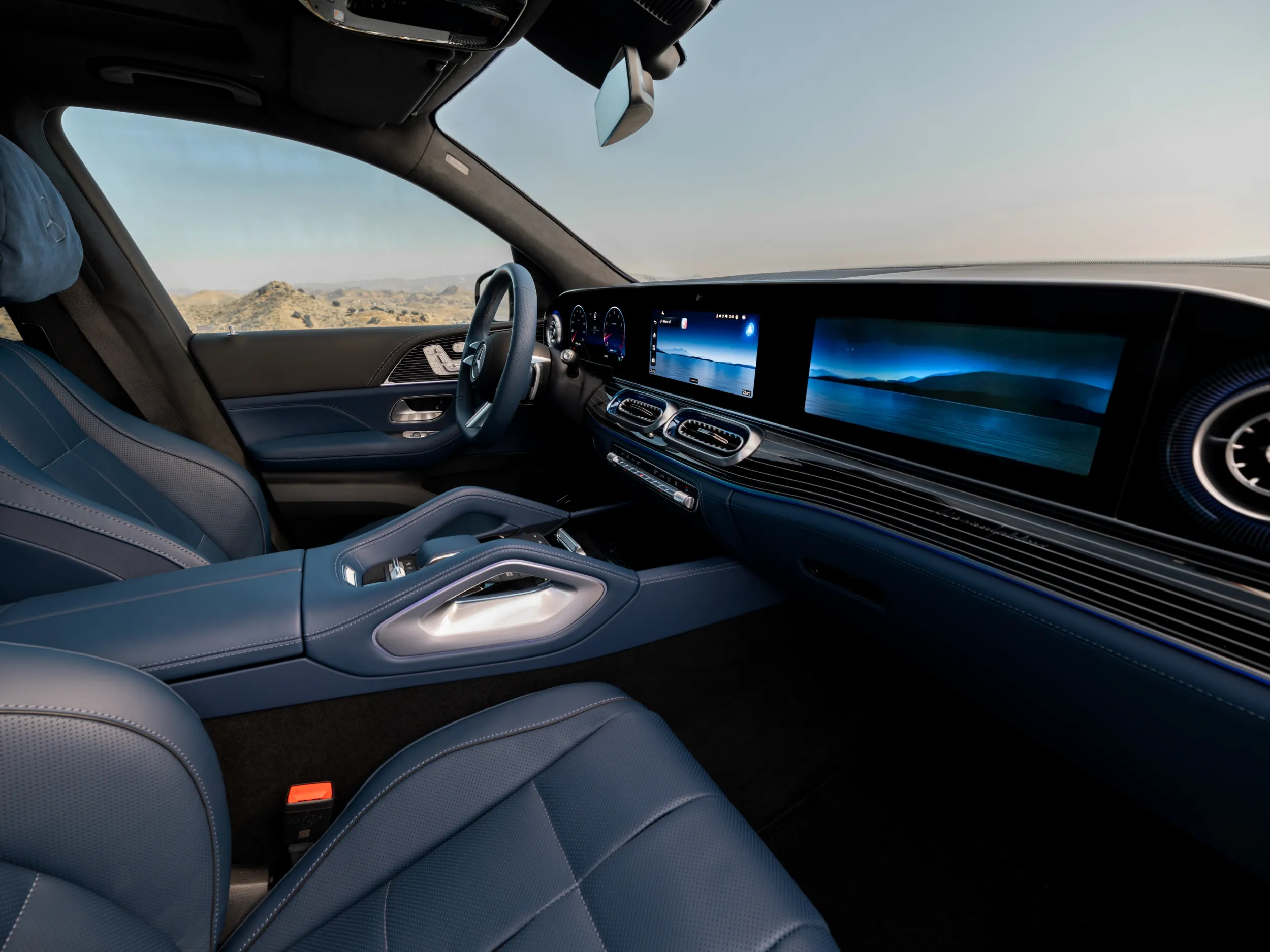
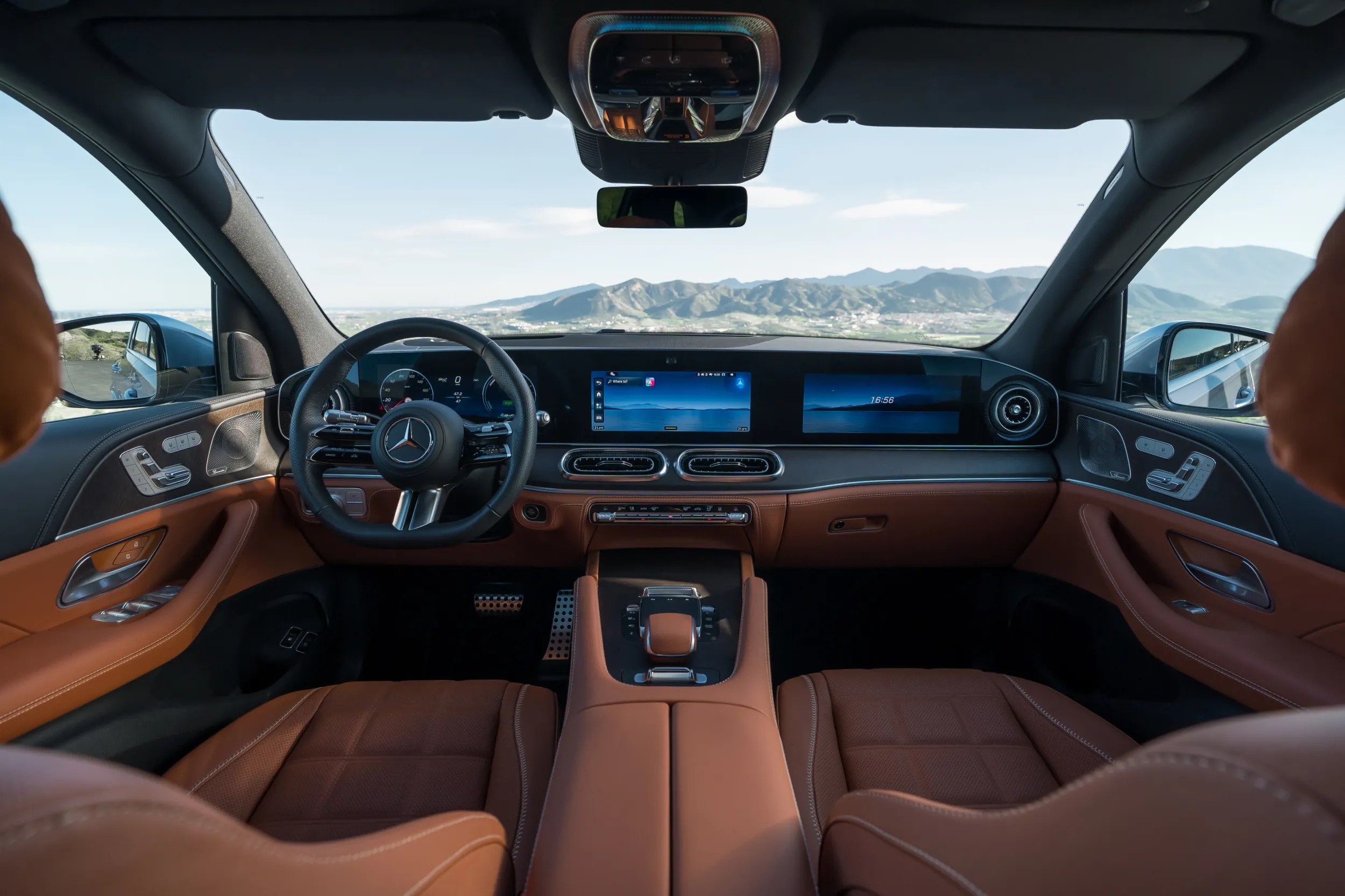
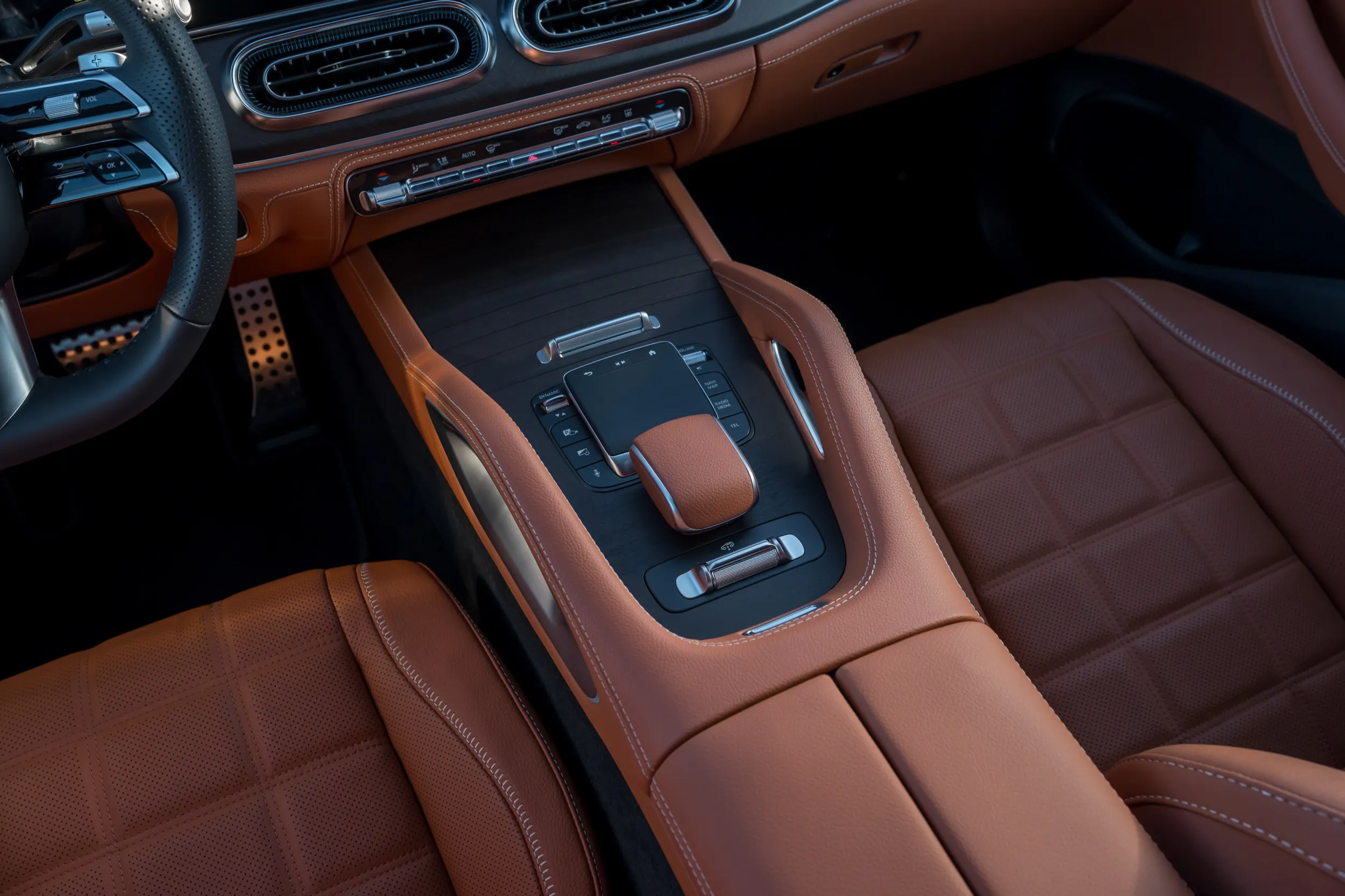
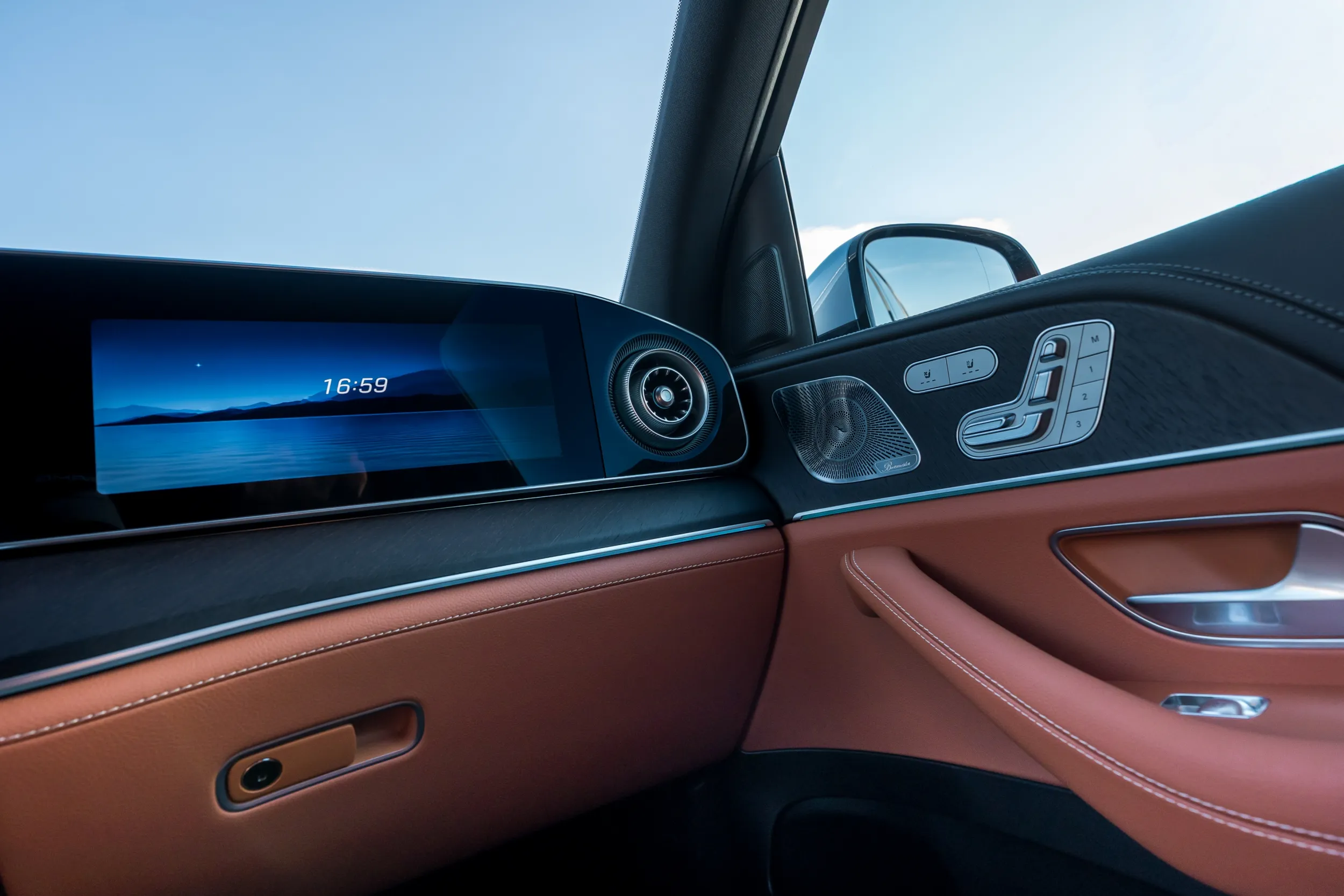
The biggest shift comes inside, in the cabin and the electronics. Mercedes now fits the MBUX Superscreen as standard, placing three 12.3 inch displays beneath a single glass surface, and runs it through MB.OS and fourth generation MBUX. MB.OS manages the car’s core functions, allows over the air updates and pushes the GLE further towards the idea of a software led luxury product. For the driver, that means less mechanical simplicity and rather more scope to tailor the cabin’s digital life to personal taste.
Mercedes also links MBUX to both ChatGPT and Google’s cloud based conversational navigation, promising more natural dialogue and more complex, multi step requests. In practice, the old luxury car test still matters more than any brochure claim. Navigation, climate and media need to work faster and more cleanly than before. That is the point. Nobody buys a Mercedes simply to admire the processor count.
The most interesting part sits under the bonnet. The range topping GLE 580 4MATIC uses an updated 4.0 litre V8, now producing 395 kW and 750 Nm. Mercedes introduces a flat plane crankshaft, chasing sharper response, smoother power delivery and better readiness for a tougher emissions landscape. The six cylinder petrol engine in the GLE 450 4MATIC also gains torque and now reaches 560 Nm.
For European buyers, the plug in hybrid update looks especially relevant. The GLE 450e 4MATIC now moves to a six cylinder petrol engine, gains 55 kW over its predecessor and claims up to 106 kilometres of electric range on the WLTP cycle. For the first time, that makes the GLE plug in hybrid look credible beyond the world of tax spreadsheets, assuming the owner actually uses the charging port rather than treating it as a design detail. In the United States, the same update wears the name GLE 500e 4MATIC.
Diesel, meanwhile, has not been shown the door. The GLE 350d 4MATIC and GLE 450d 4MATIC get an electrically heated catalytic converter for the first time, bringing the exhaust system up to operating temperature more quickly and helping keep it there. Petrol and diesel versions continue with an integrated starter generator and a 48 volt system that supports coasting, recuperation and brief bursts of extra shove.
On the comfort side, Mercedes spent time on something that genuinely matters in this class, noise. The factory added more insulation to the prop shaft tunnel and the engine bulkhead, then fitted a heavier damping mat to the engine cover to cut high frequency noise in the cabin. Together with a new cloud based damper control system for AIRMATIC, the GLE now tries to anticipate surface changes and adjust the suspension before the impact arrives. E ACTIVE BODY CONTROL remains on the options list, and according to the official line its control unit analyses driving conditions 1,000 times per second. That sounds like the sort of number marketing departments adore, but the underlying aim is perfectly believable. Mercedes wants the GLE to feel quieter, softer and more disciplined in the way its body moves.
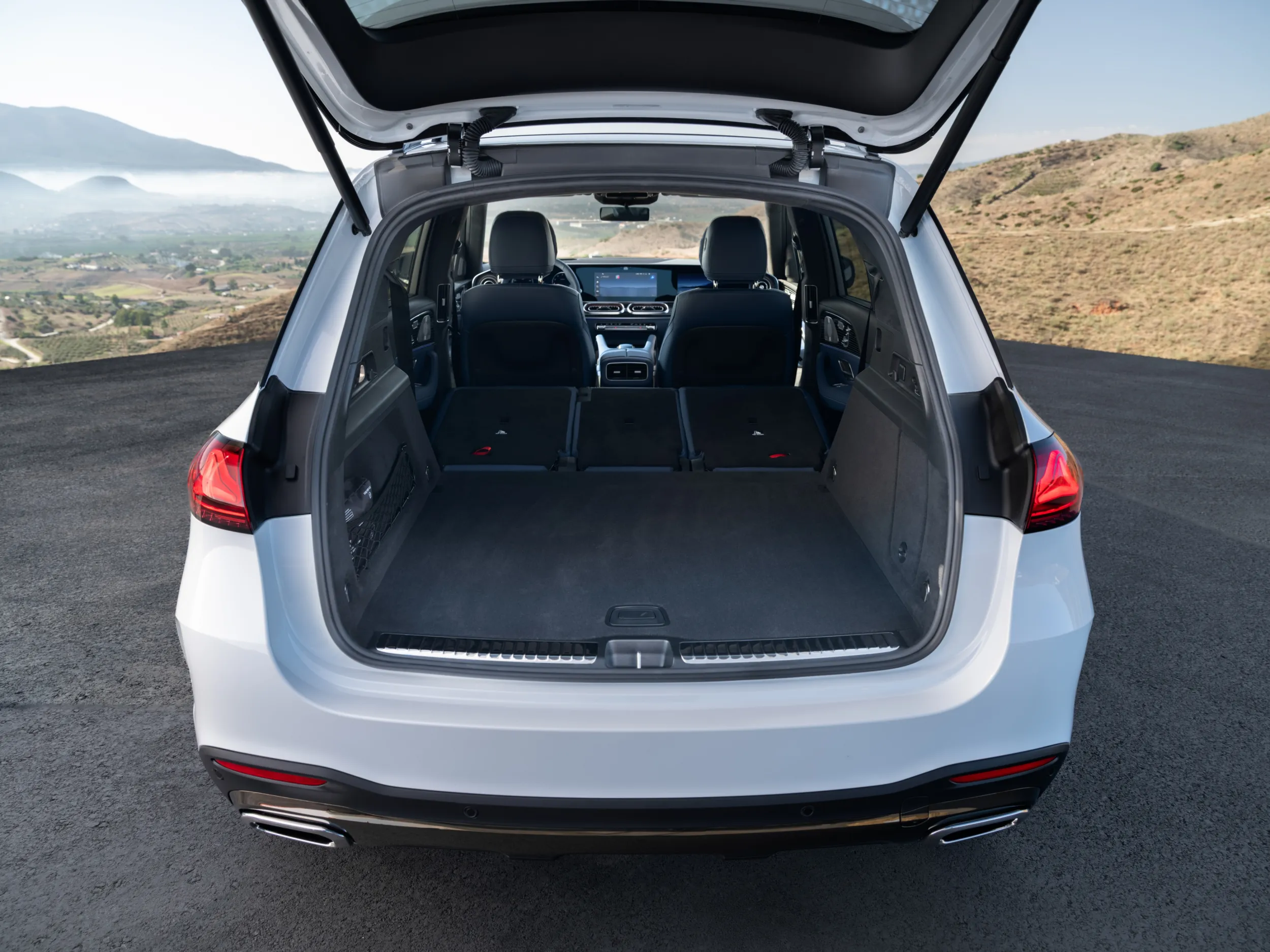
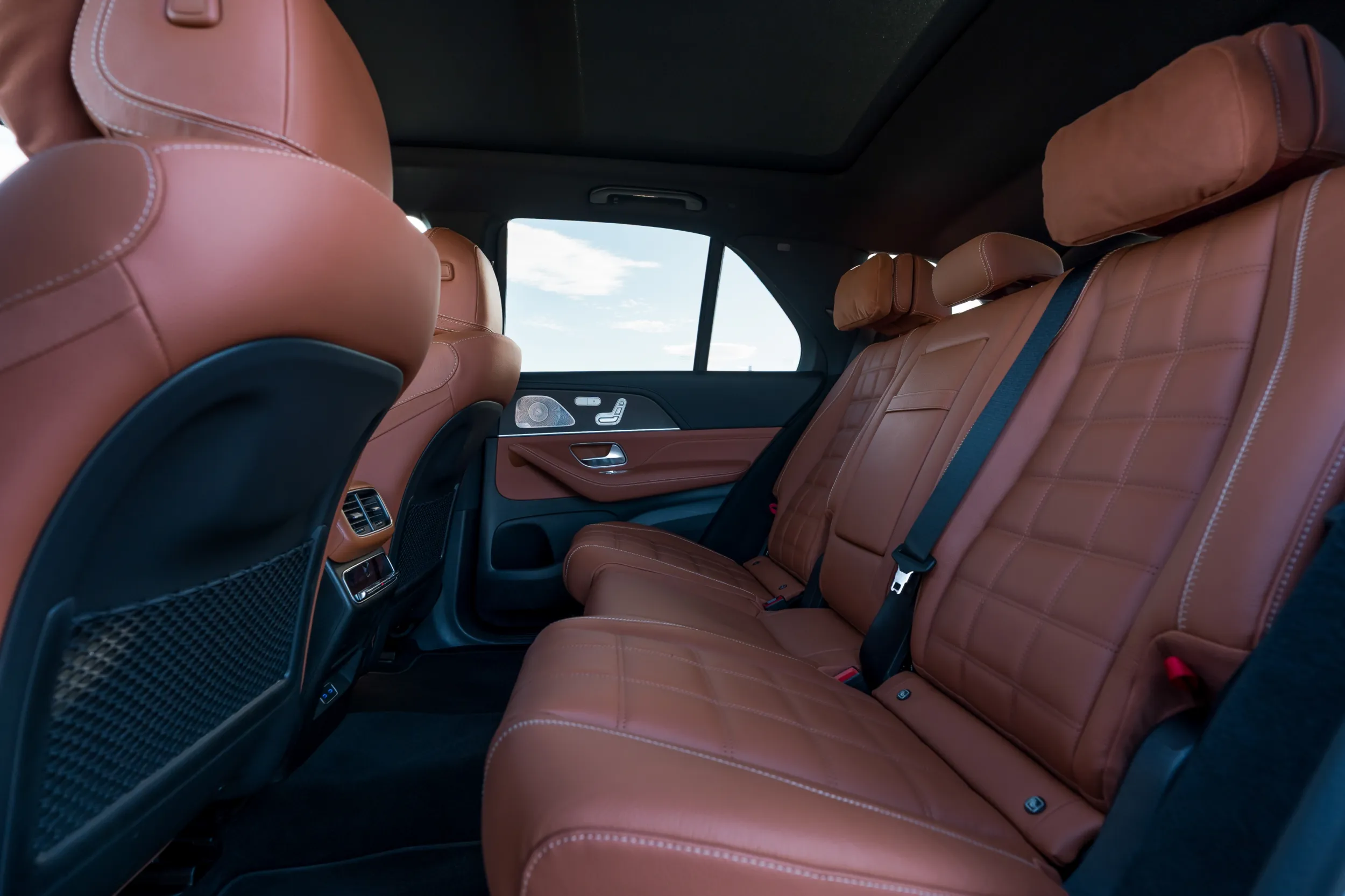
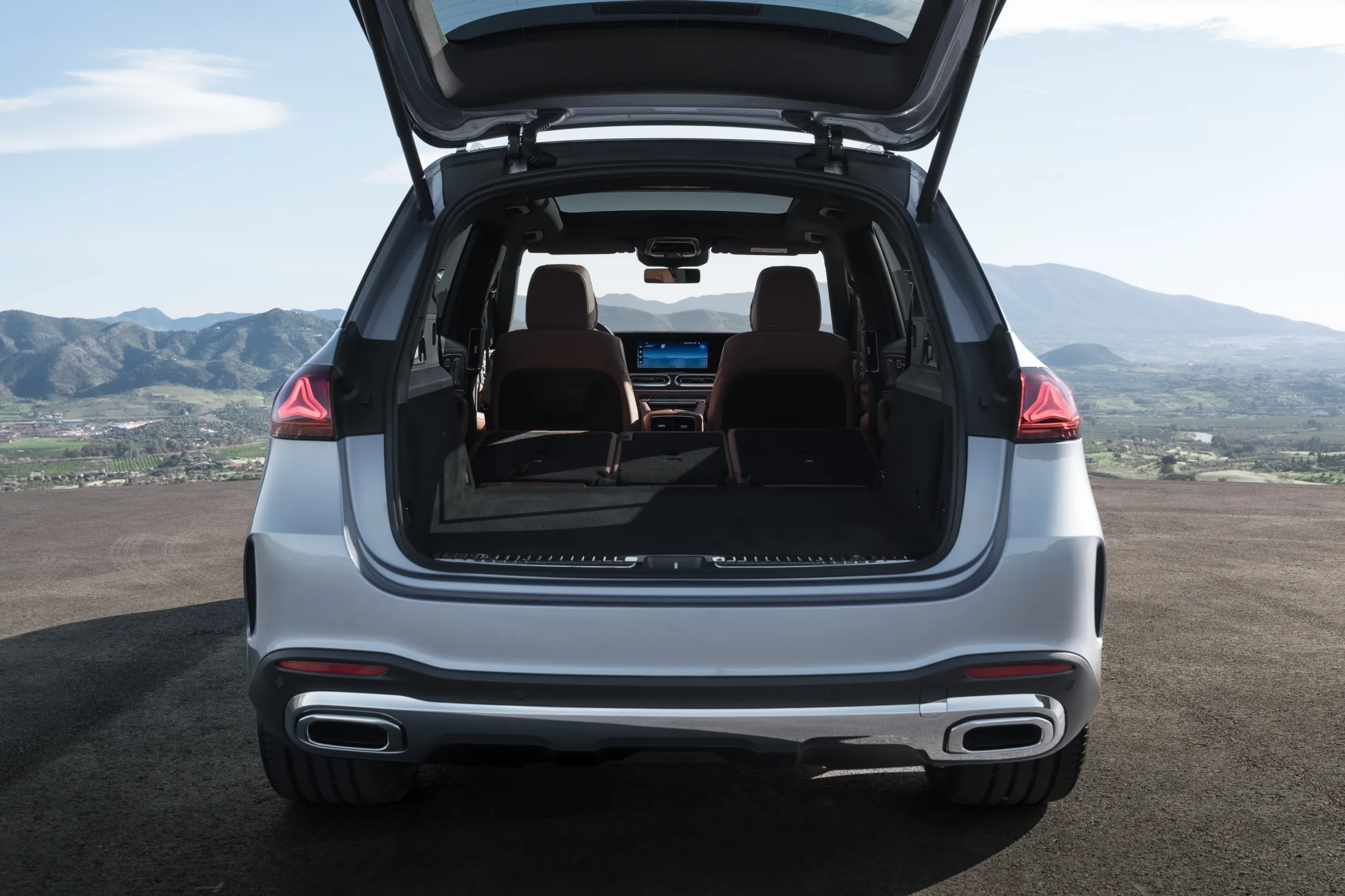
Mercedes still promises a towing capacity of up to 3.5 tonnes, makes the panoramic roof standard, keeps the third row on the options list and preserves a boot capacity of up to 2,055 litres. That combination remains the GLE’s real strength. It tries to be an executive car, a family car and a towing car all at once, without entirely sacrificing any of them.
And that, in the end, is why this update matters more than the extra screens might suggest. Mercedes did all the fashionable things it was expected to do, but it also remembered to make the GLE better at being a GLE. In 2026, that already counts as a small victory.
The biggest shift comes inside, in the cabin and the electronics. Mercedes now fits the MBUX Superscreen as standard, placing three 12.3 inch displays beneath a single glass surface, and runs it through MB.OS and fourth generation MBUX. MB.OS manages the car’s core functions, allows over the air updates and pushes the GLE further towards the idea of a software led luxury product. For the driver, that means less mechanical simplicity and rather more scope to tailor the cabin’s digital life to personal taste.
Mercedes also links MBUX to both ChatGPT and Google’s cloud based conversational navigation, promising more natural dialogue and more complex, multi step requests. In practice, the old luxury car test still matters more than any brochure claim. Navigation, climate and media need to work faster and more cleanly than before. That is the point. Nobody buys a Mercedes simply to admire the processor count.
The most interesting part sits under the bonnet. The range topping GLE 580 4MATIC uses an updated 4.0 litre V8, now producing 395 kW and 750 Nm. Mercedes introduces a flat plane crankshaft, chasing sharper response, smoother power delivery and better readiness for a tougher emissions landscape. The six cylinder petrol engine in the GLE 450 4MATIC also gains torque and now reaches 560 Nm.
For European buyers, the plug in hybrid update looks especially relevant. The GLE 450e 4MATIC now moves to a six cylinder petrol engine, gains 55 kW over its predecessor and claims up to 106 kilometres of electric range on the WLTP cycle. For the first time, that makes the GLE plug in hybrid look credible beyond the world of tax spreadsheets, assuming the owner actually uses the charging port rather than treating it as a design detail. In the United States, the same update wears the name GLE 500e 4MATIC.
Diesel, meanwhile, has not been shown the door. The GLE 350d 4MATIC and GLE 450d 4MATIC get an electrically heated catalytic converter for the first time, bringing the exhaust system up to operating temperature more quickly and helping keep it there. Petrol and diesel versions continue with an integrated starter generator and a 48 volt system that supports coasting, recuperation and brief bursts of extra shove.
On the comfort side, Mercedes spent time on something that genuinely matters in this class, noise. The factory added more insulation to the prop shaft tunnel and the engine bulkhead, then fitted a heavier damping mat to the engine cover to cut high frequency noise in the cabin. Together with a new cloud based damper control system for AIRMATIC, the GLE now tries to anticipate surface changes and adjust the suspension before the impact arrives. E ACTIVE BODY CONTROL remains on the options list, and according to the official line its control unit analyses driving conditions 1,000 times per second. That sounds like the sort of number marketing departments adore, but the underlying aim is perfectly believable. Mercedes wants the GLE to feel quieter, softer and more disciplined in the way its body moves.
Mercedes still promises a towing capacity of up to 3.5 tonnes, makes the panoramic roof standard, keeps the third row on the options list and preserves a boot capacity of up to 2,055 litres. That combination remains the GLE’s real strength. It tries to be an executive car, a family car and a towing car all at once, without entirely sacrificing any of them.
And that, in the end, is why this update matters more than the extra screens might suggest. Mercedes did all the fashionable things it was expected to do, but it also remembered to make the GLE better at being a GLE. In 2026, that already counts as a small victory.


