
Renault Megane E-Tech gets a 67 kWh LFP battery and now offers 500 km of range
 1/69
1/69
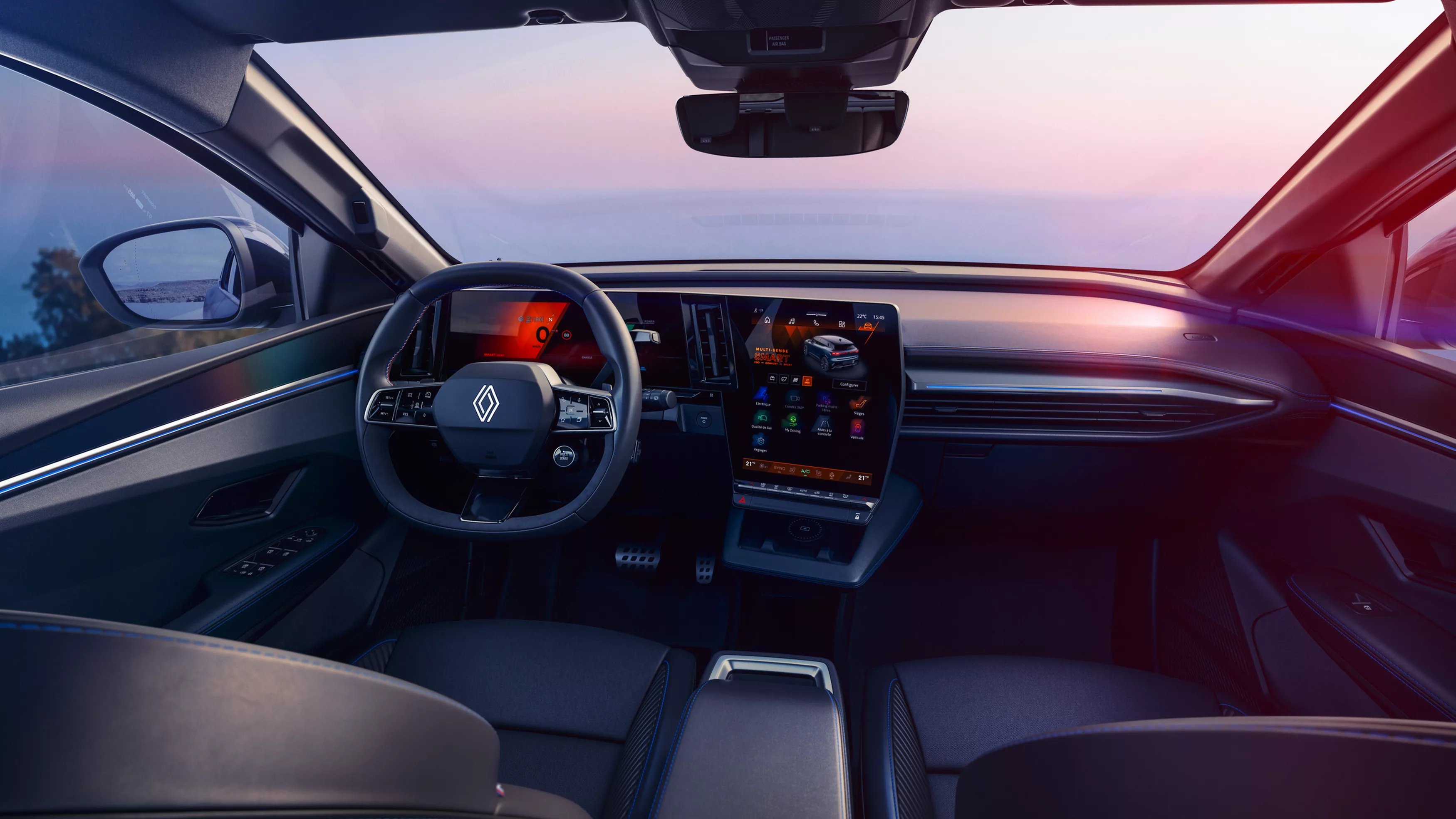
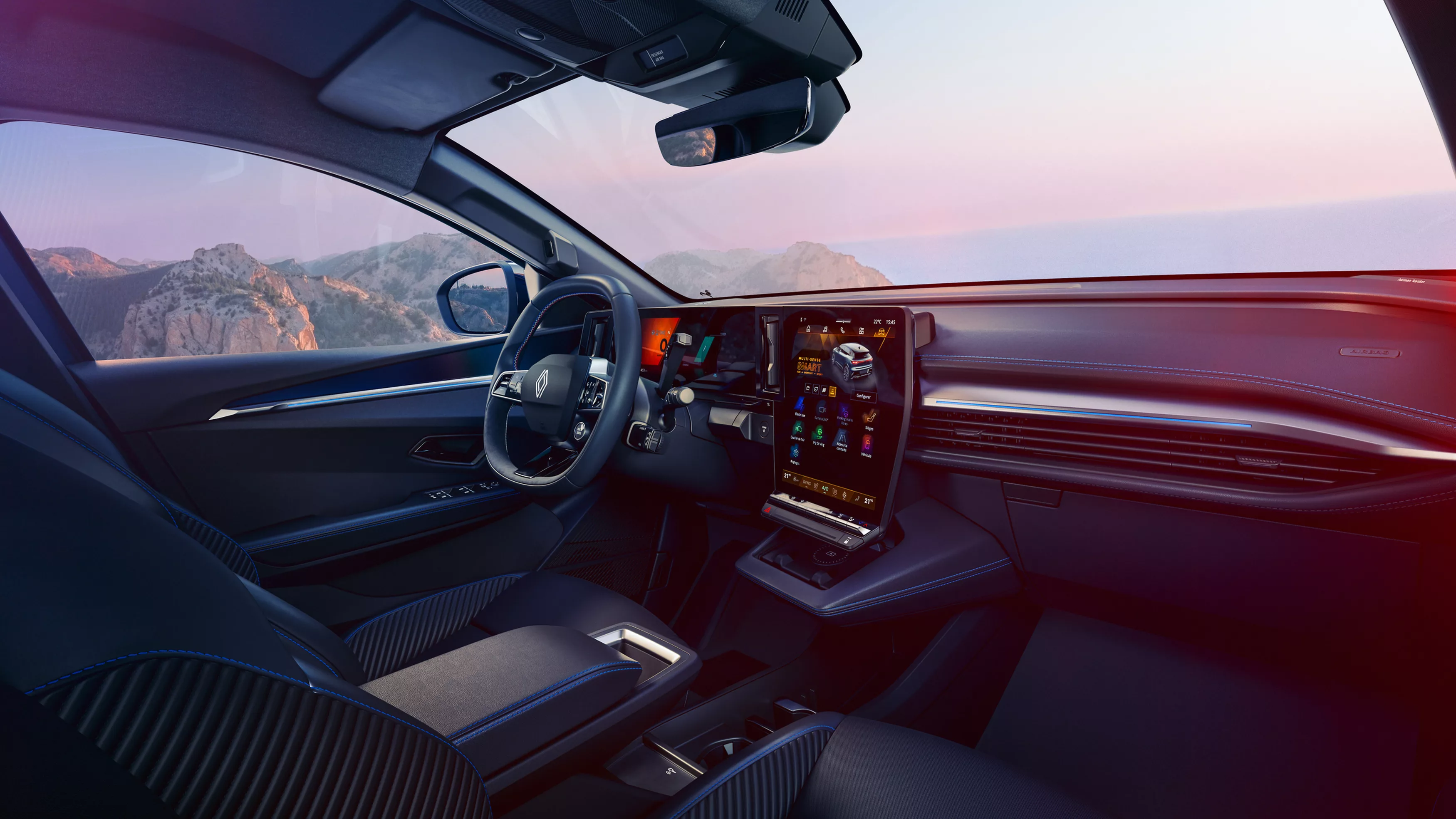
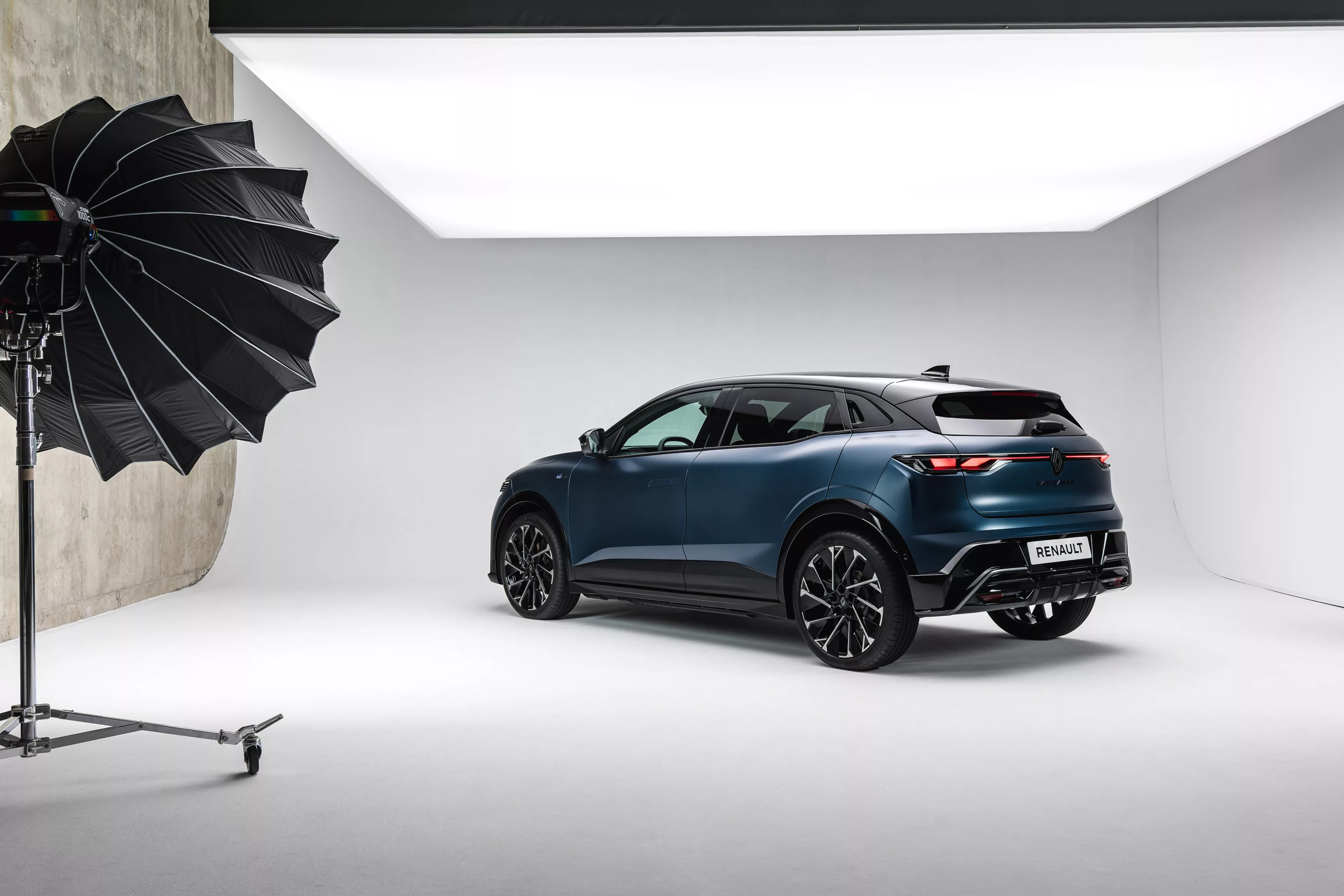
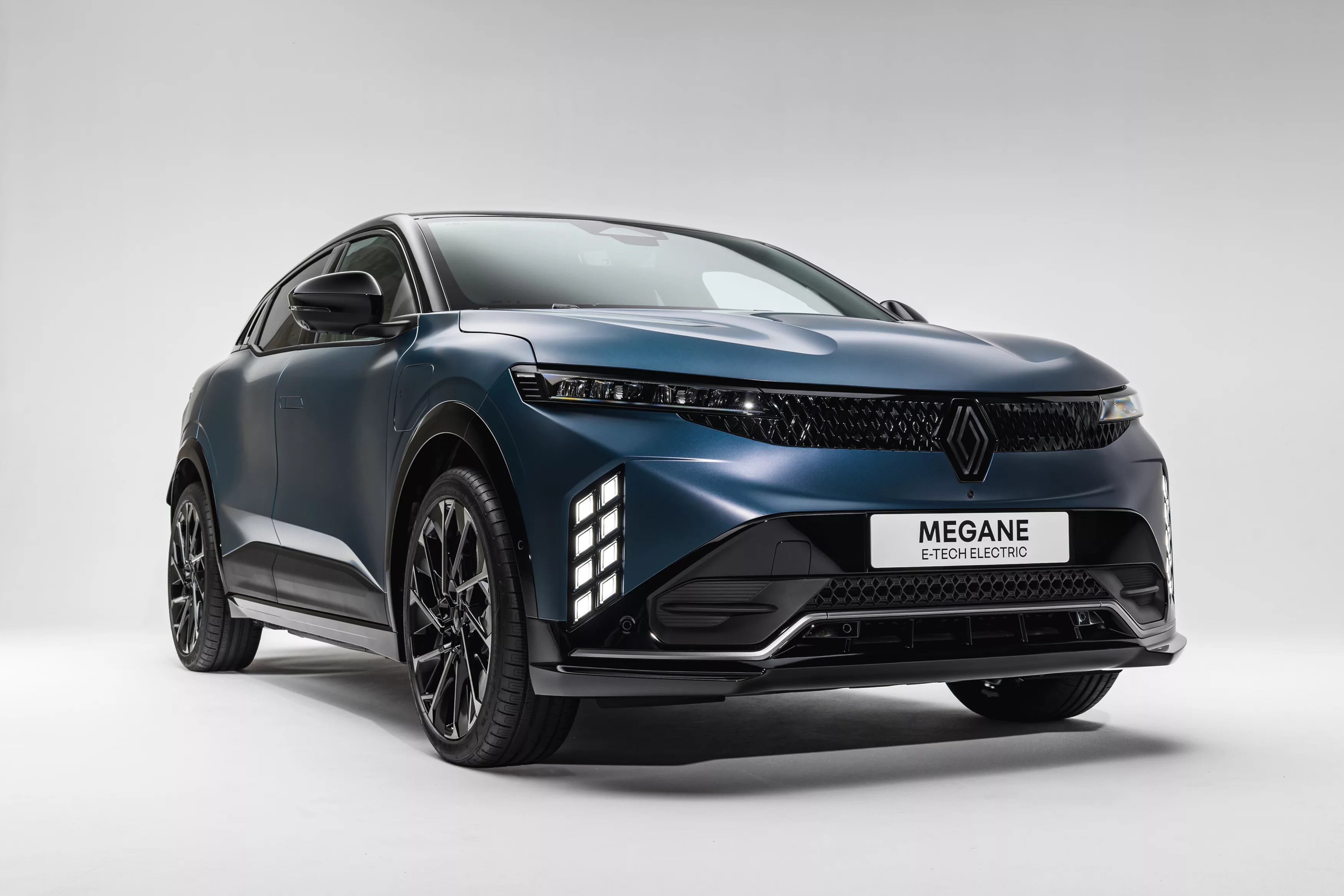
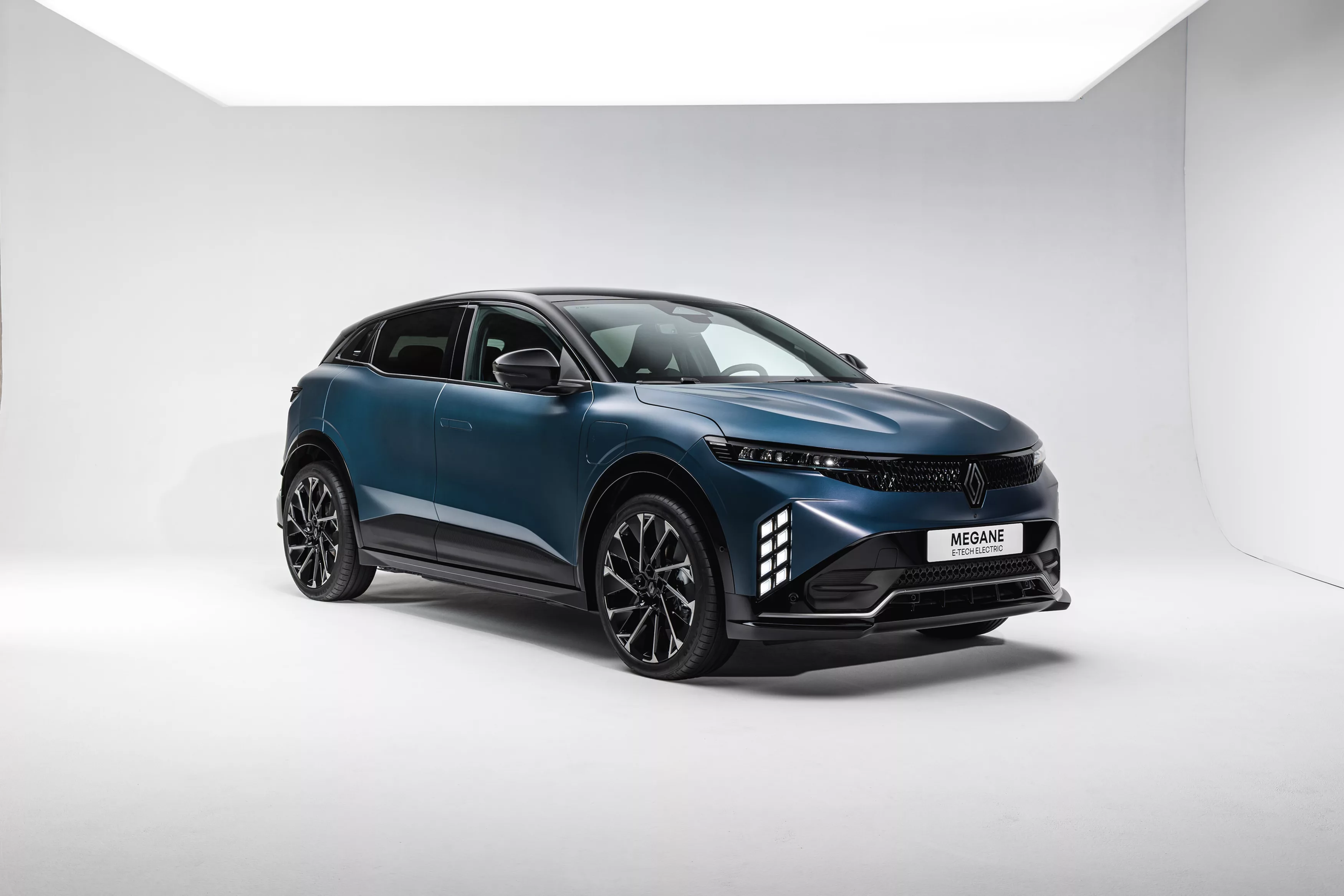
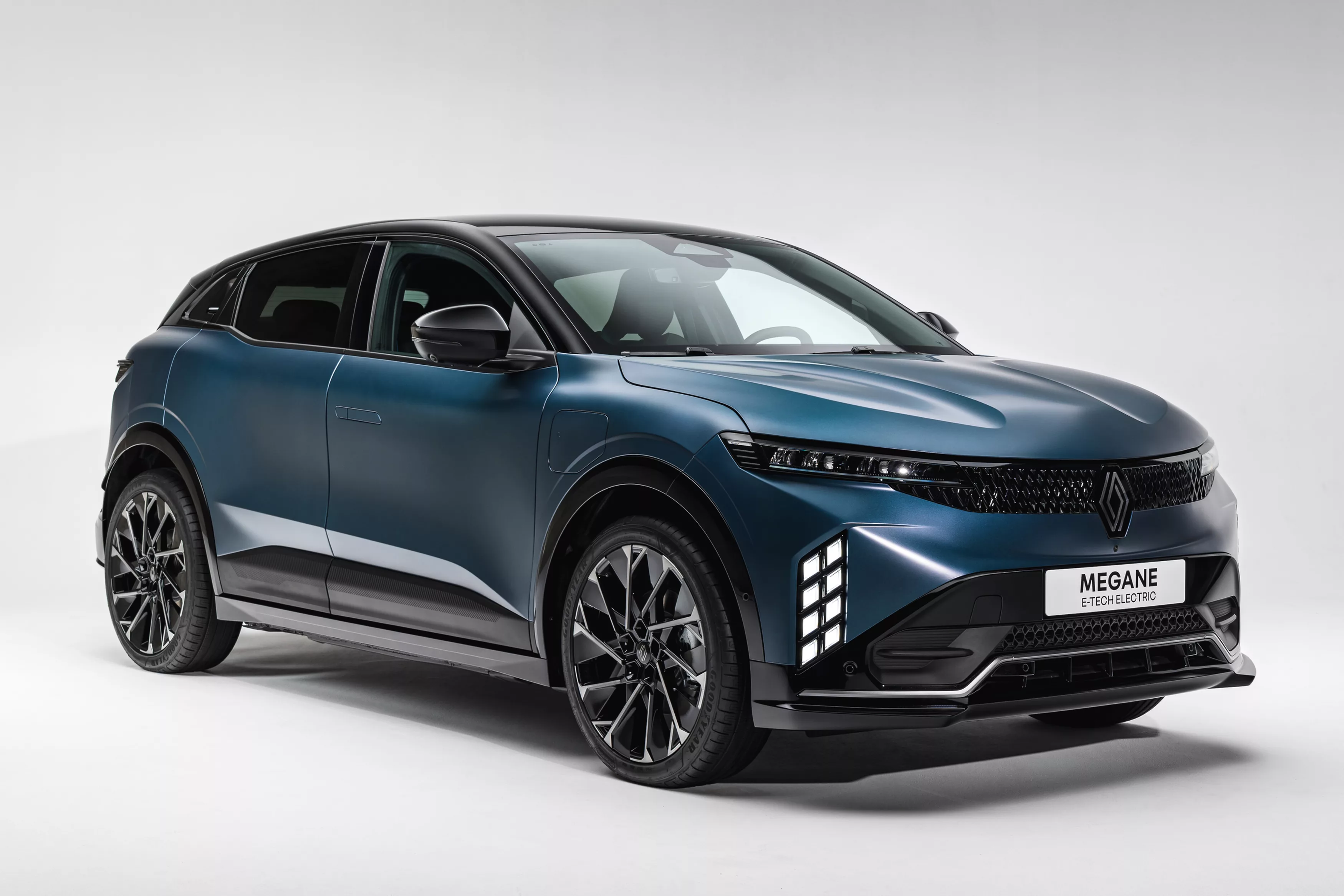
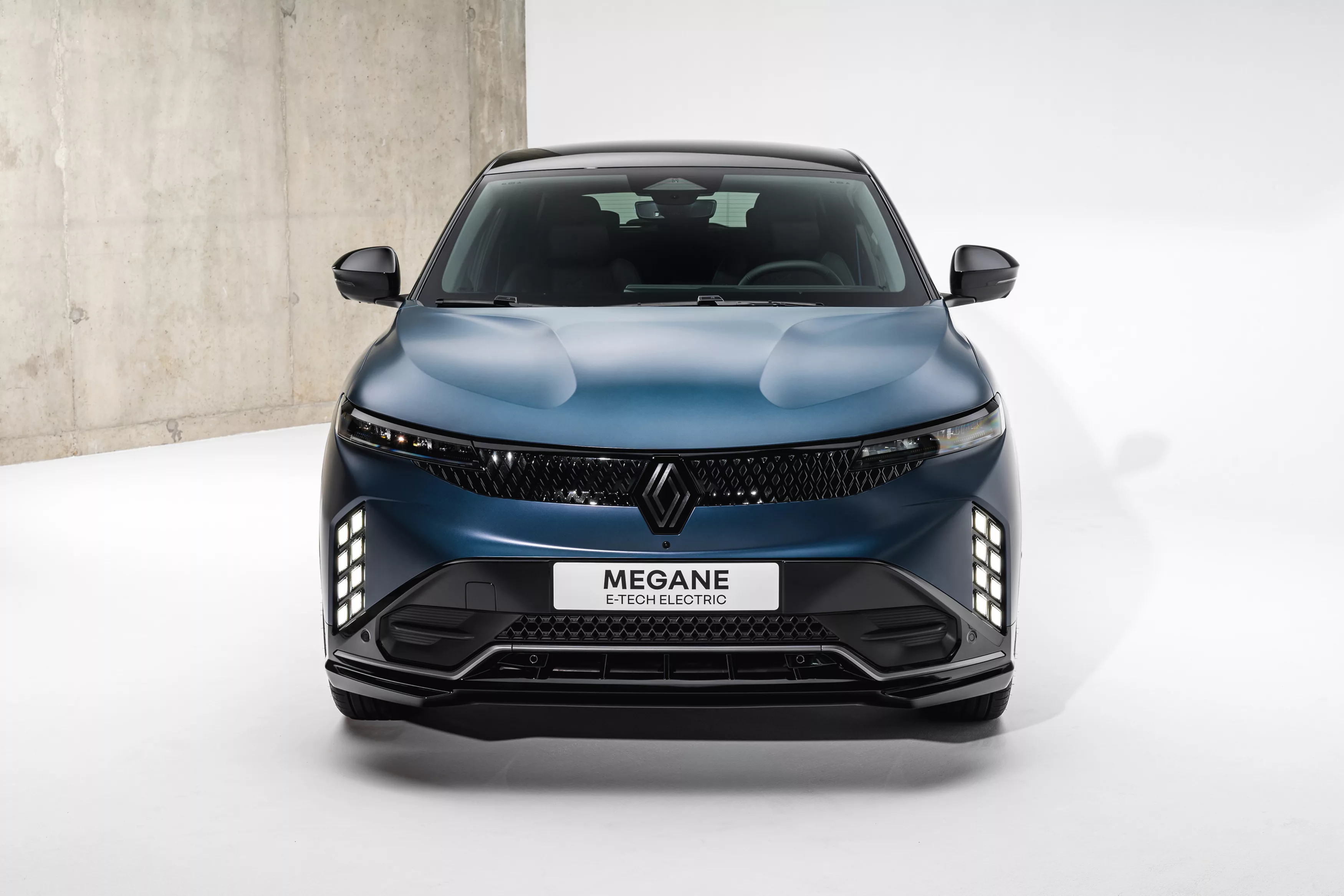
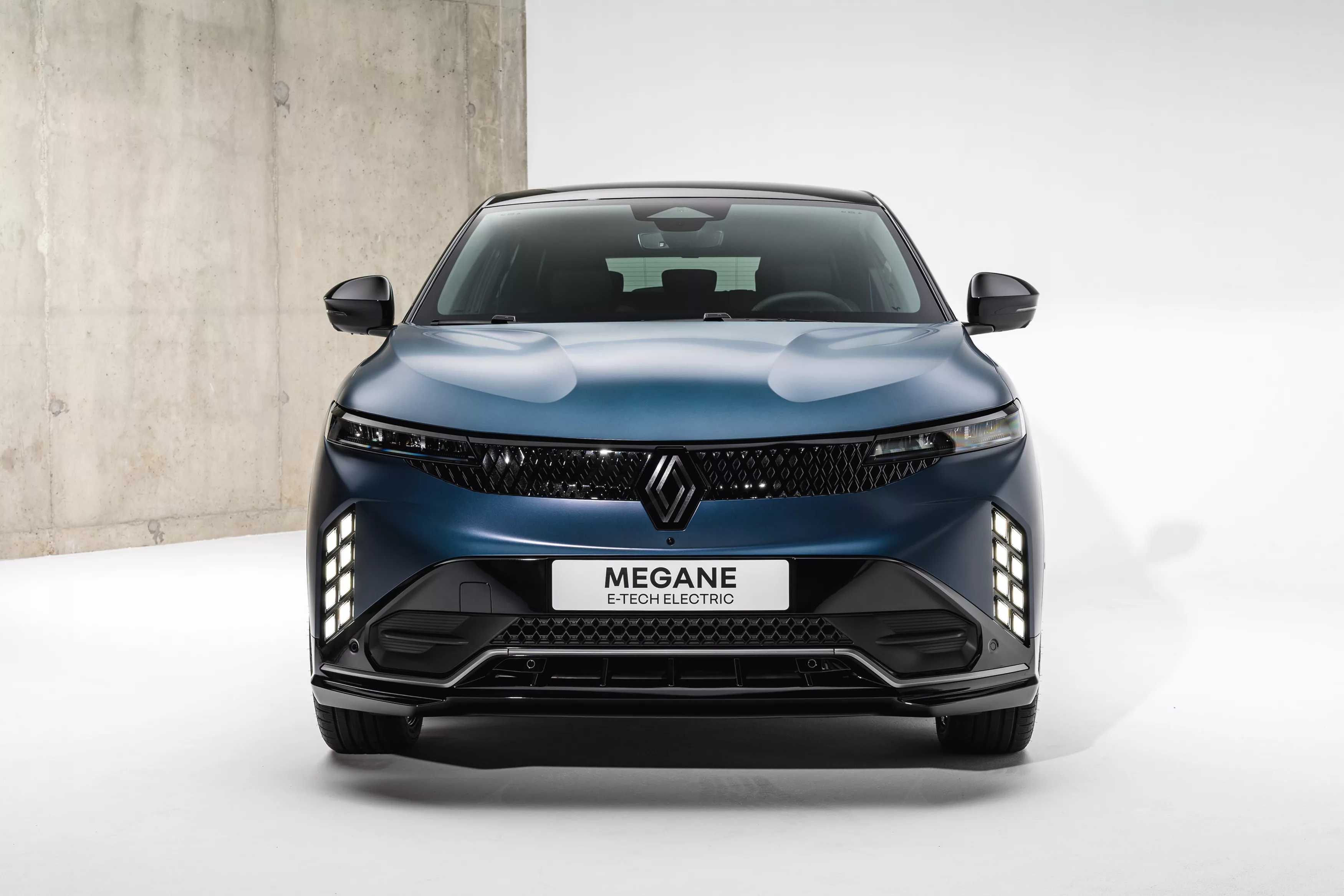
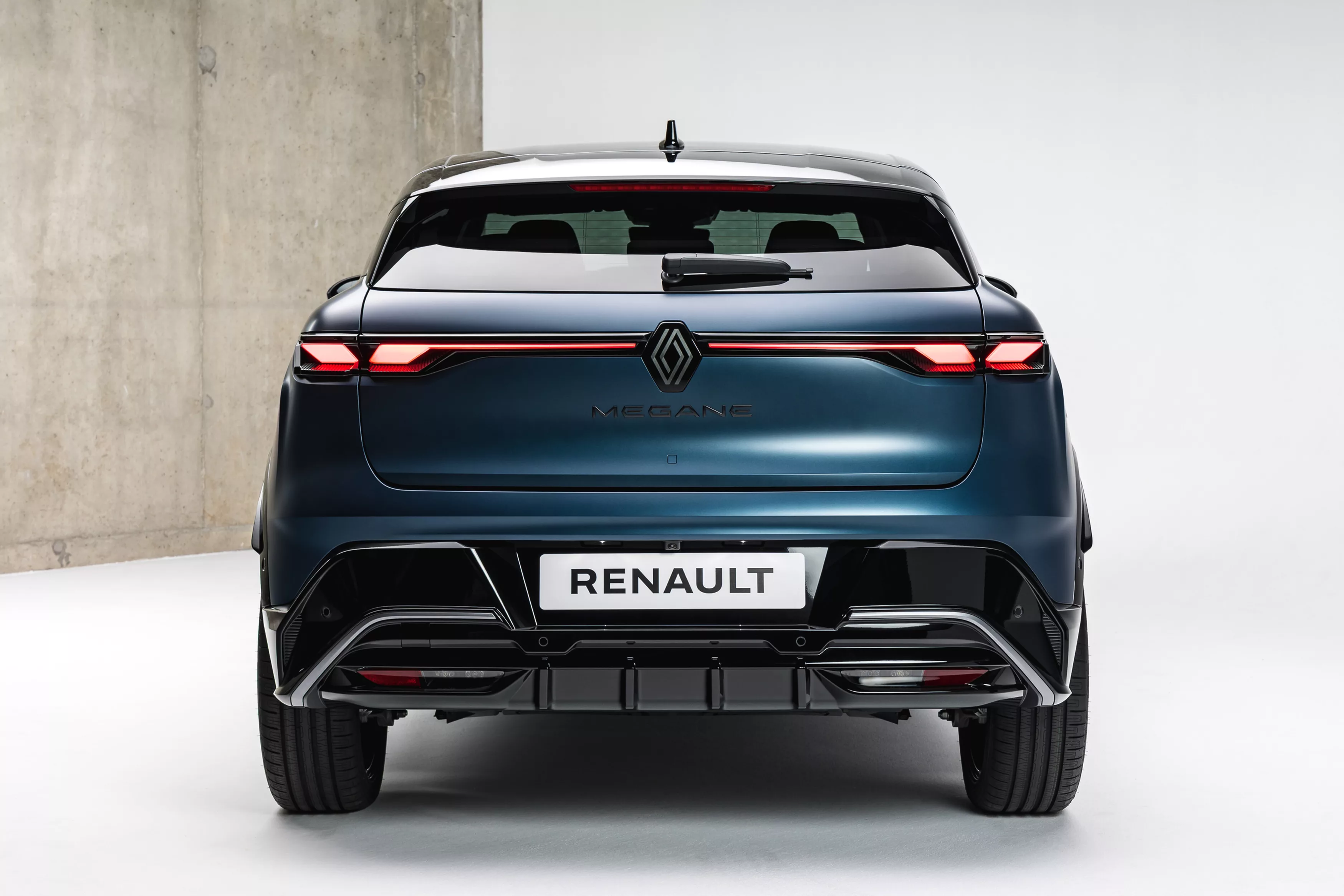
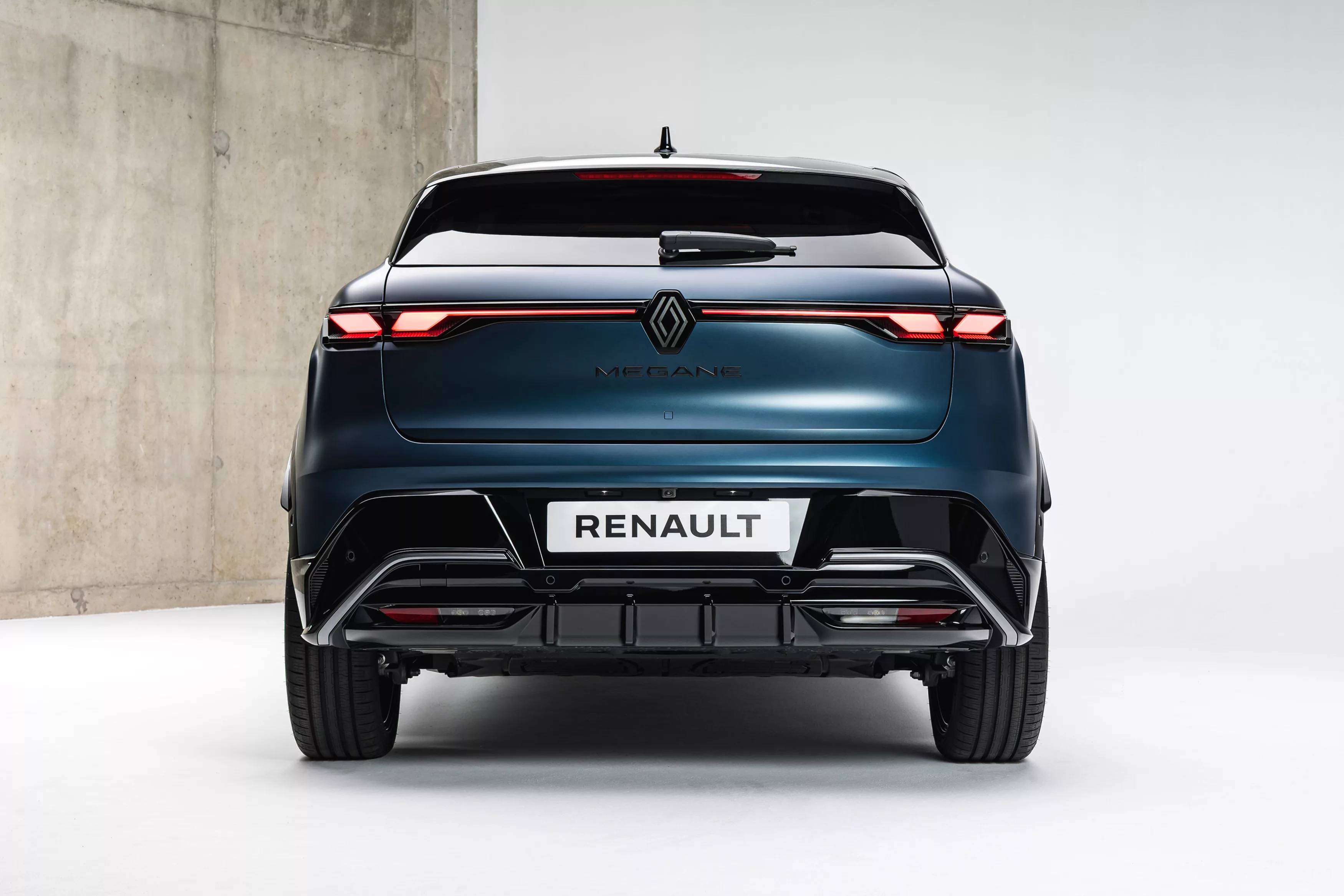
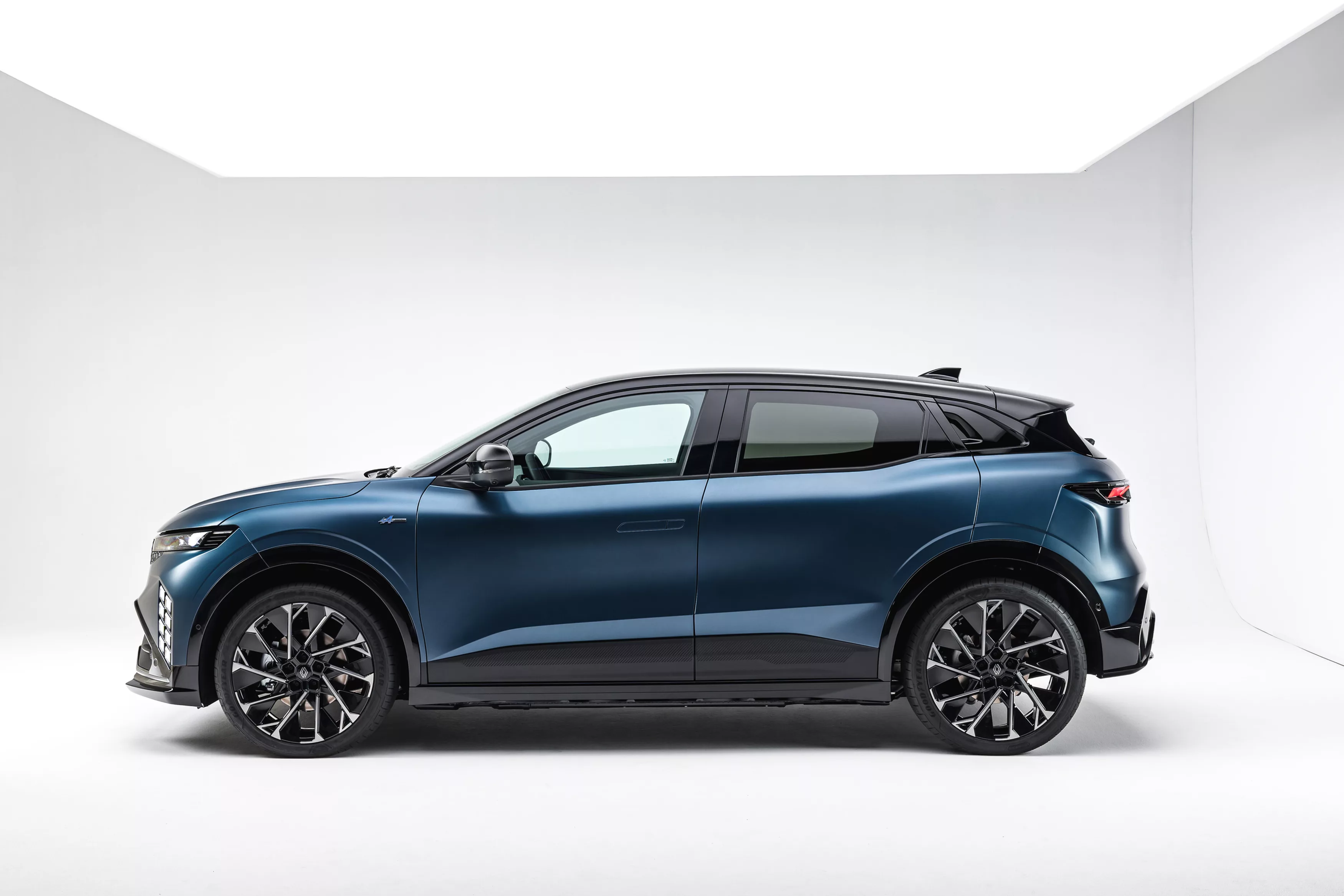
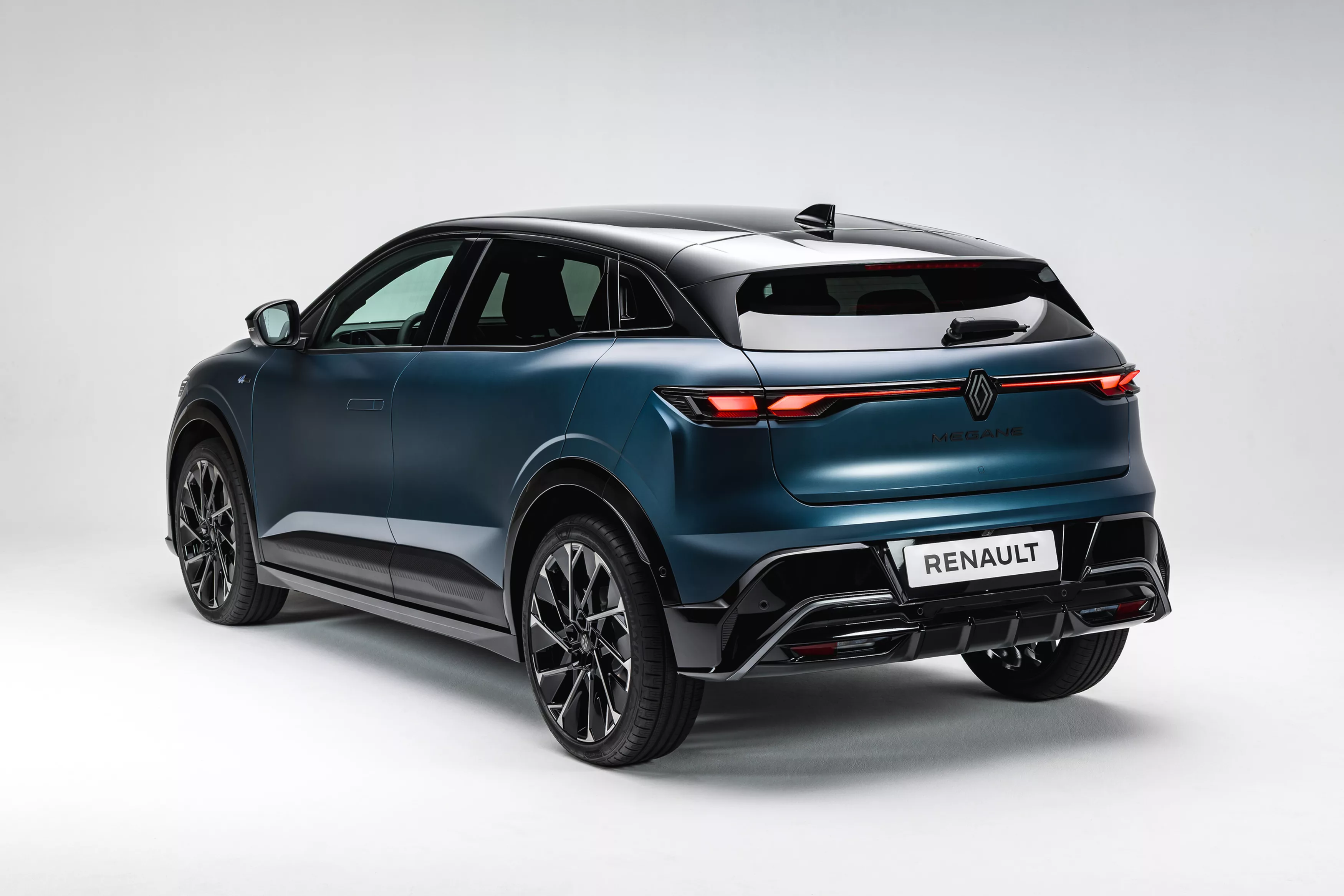
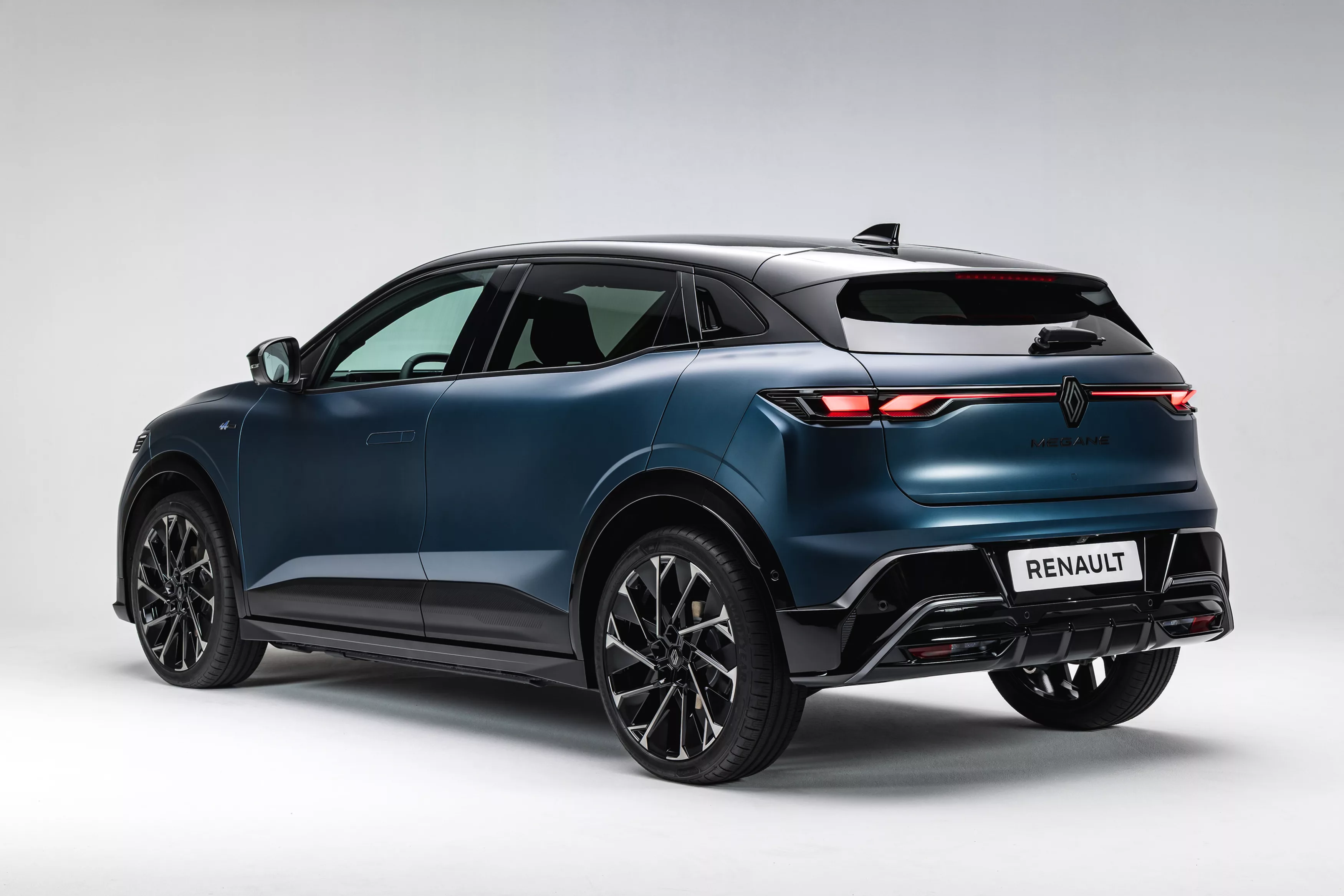
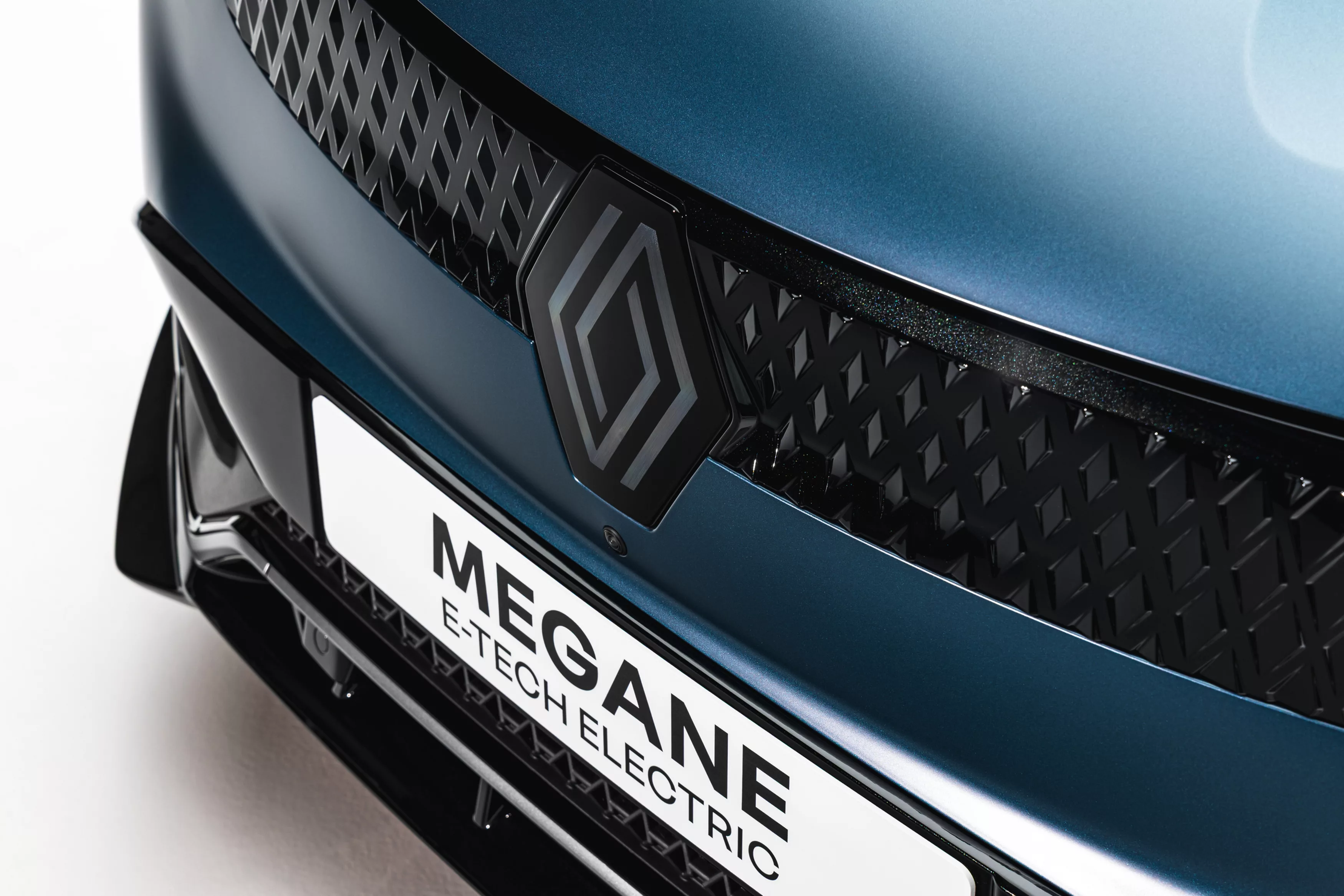
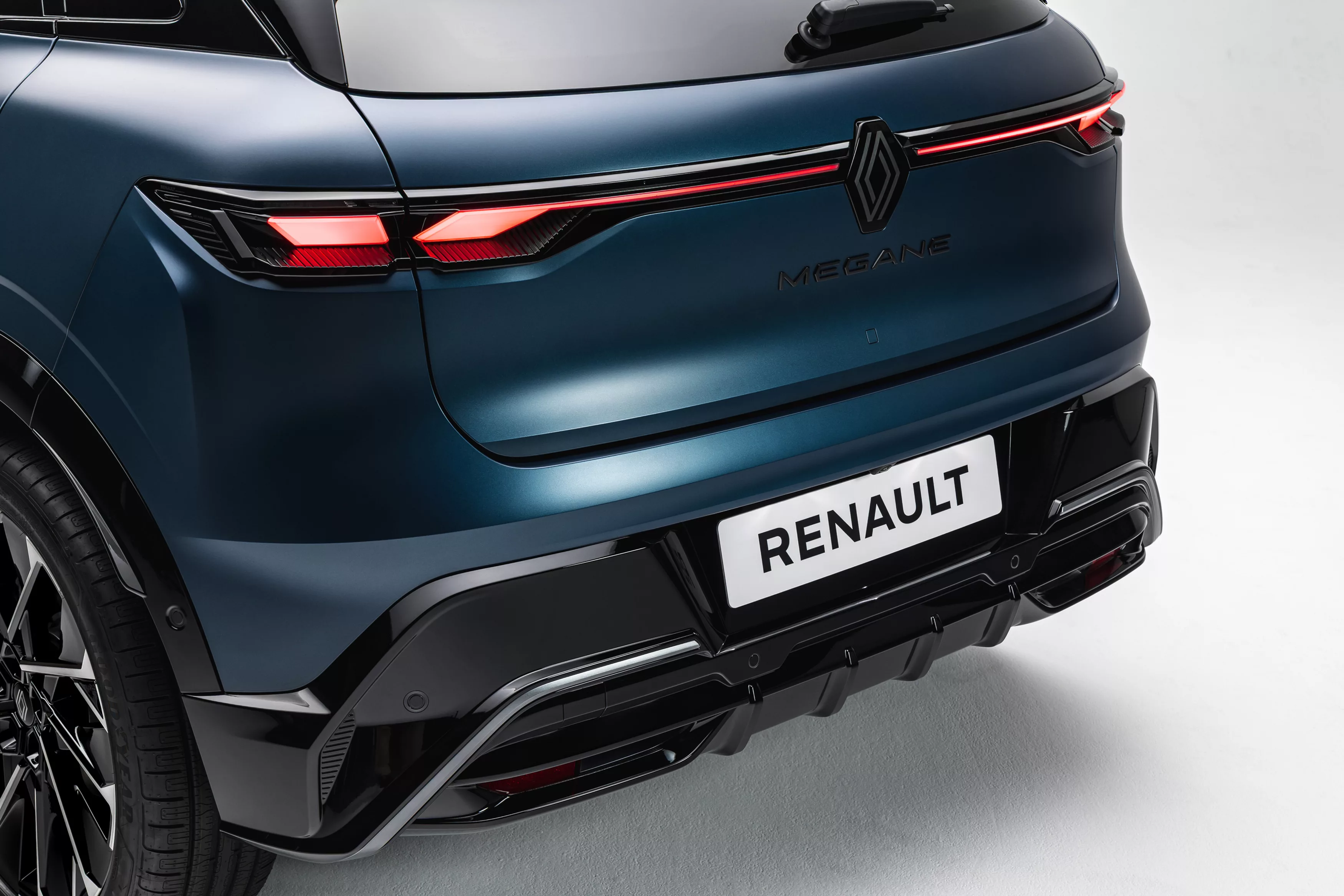
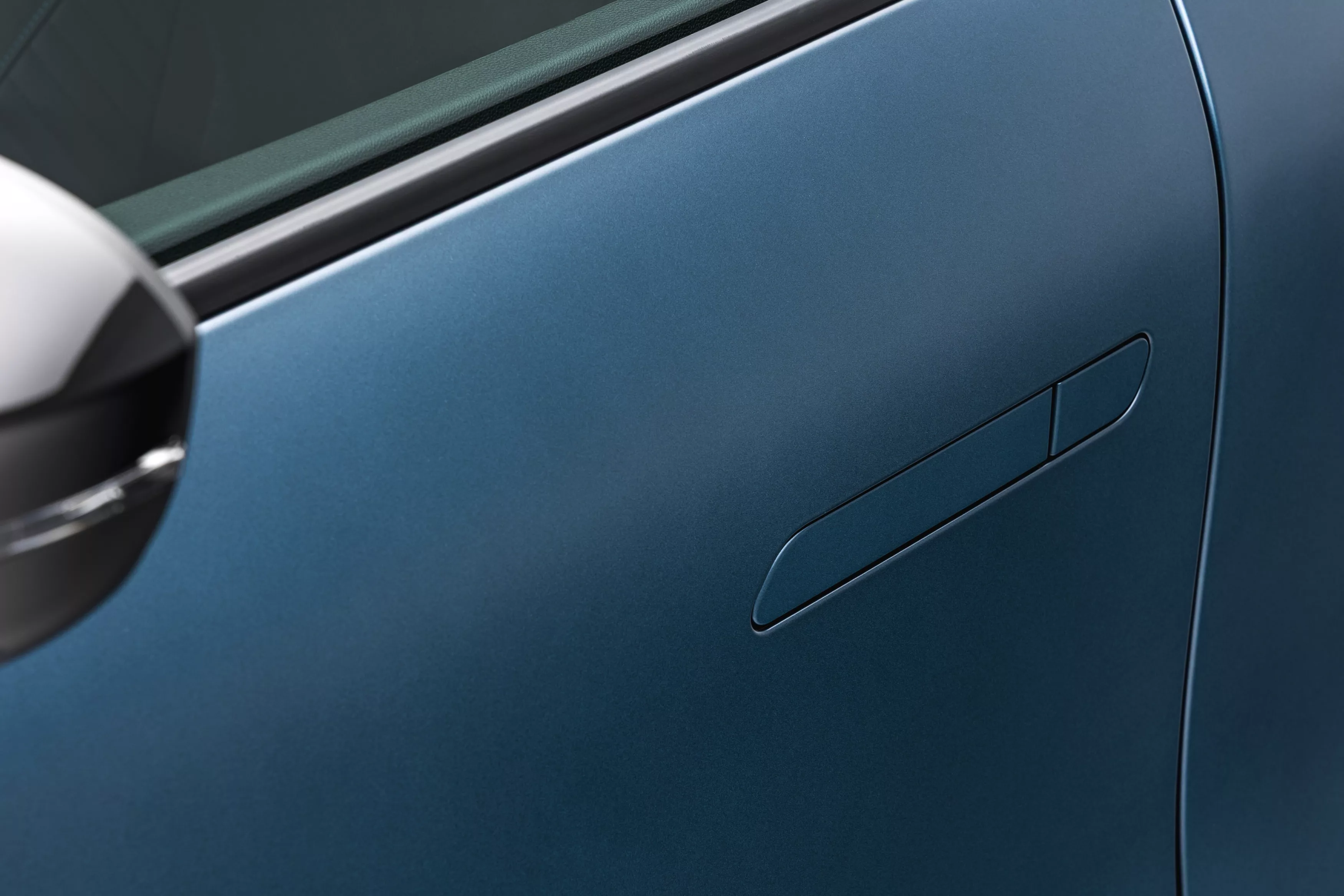
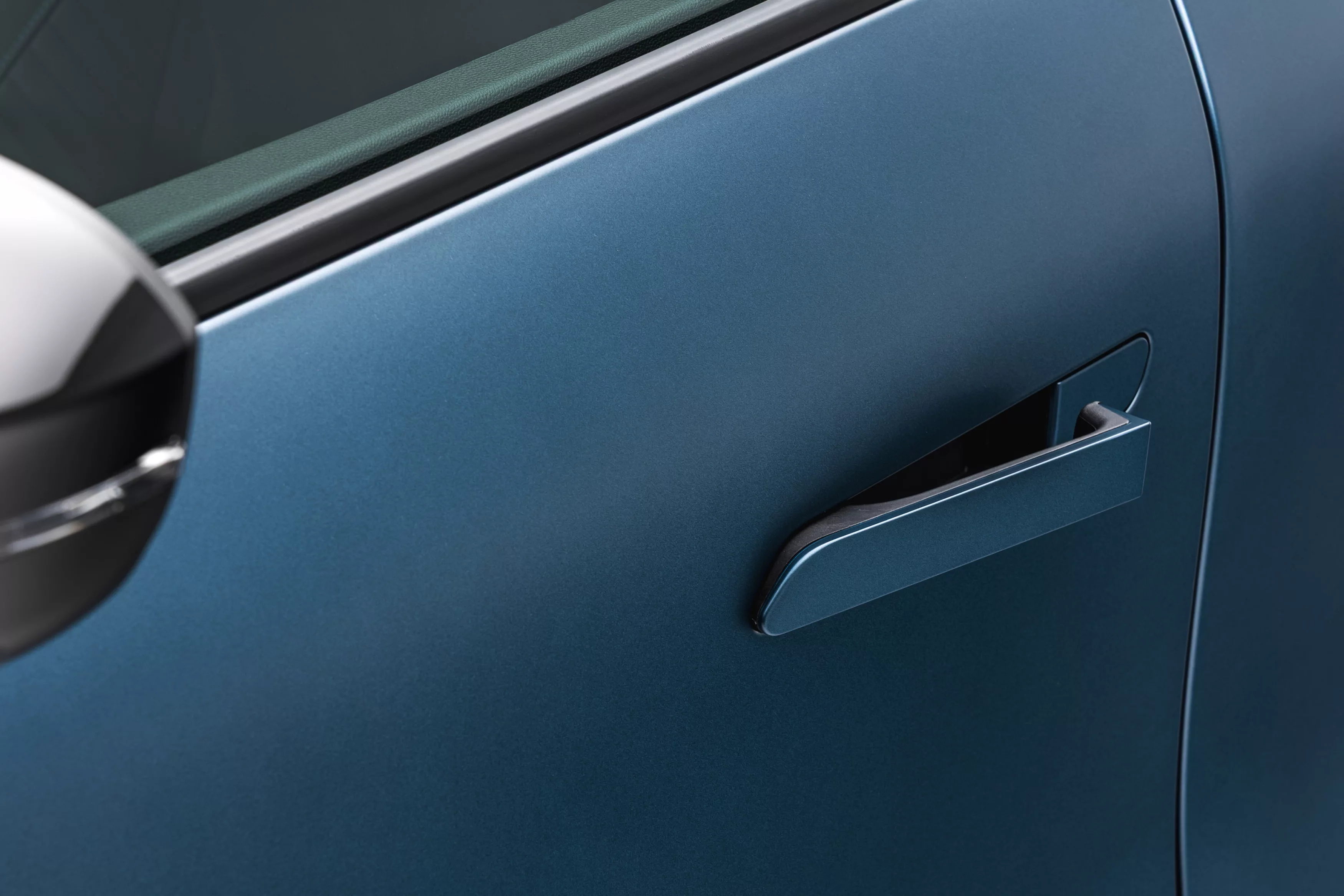
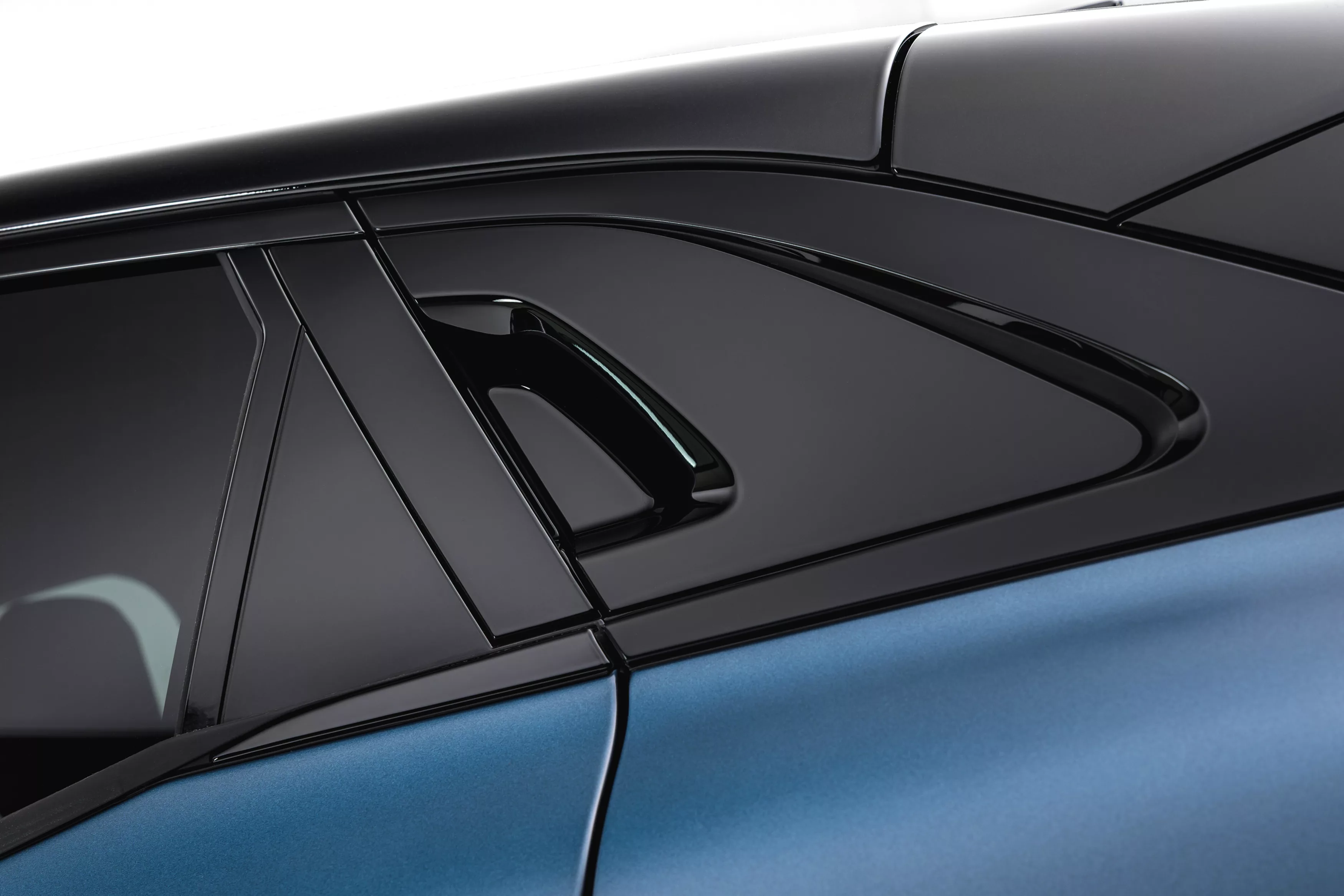
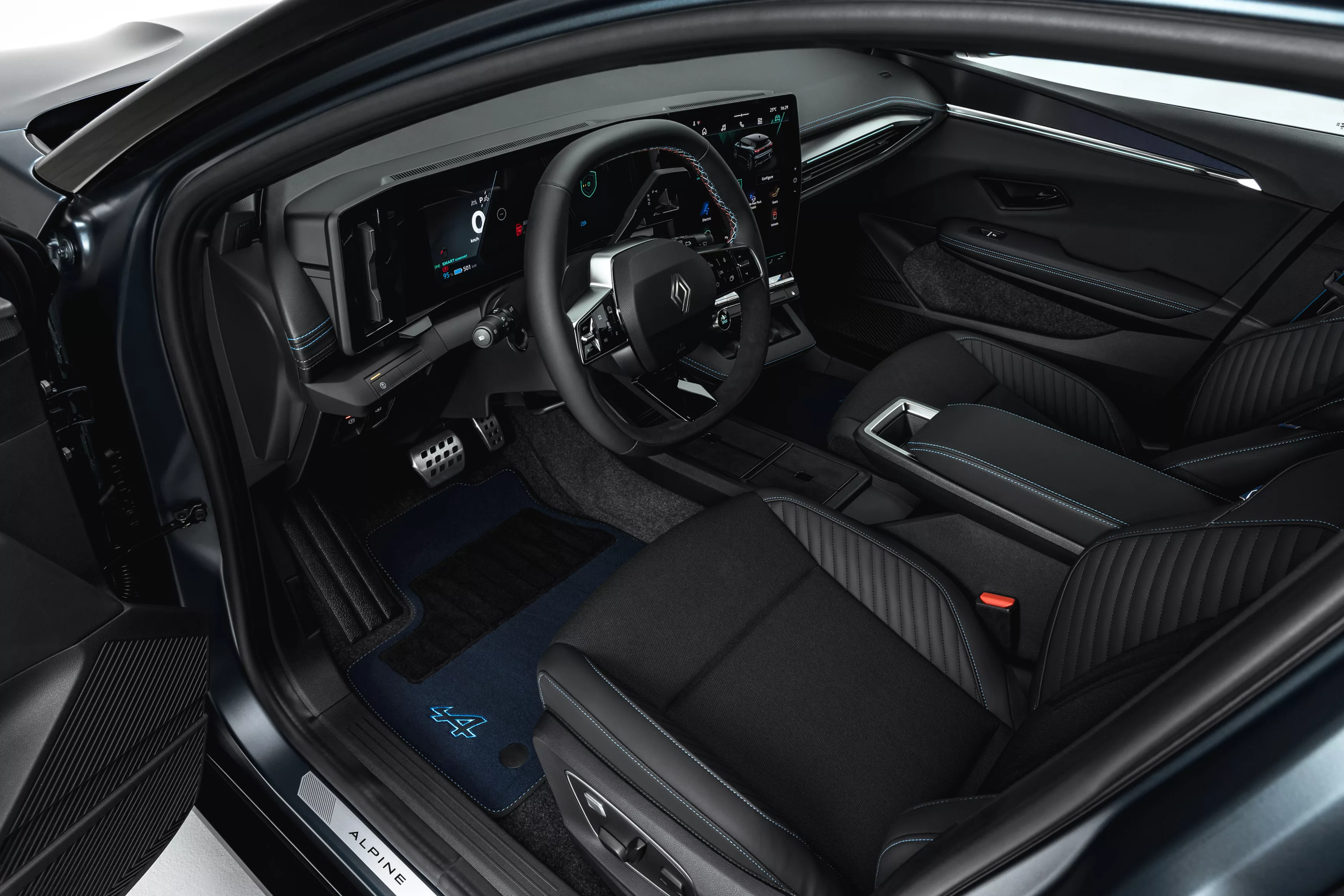
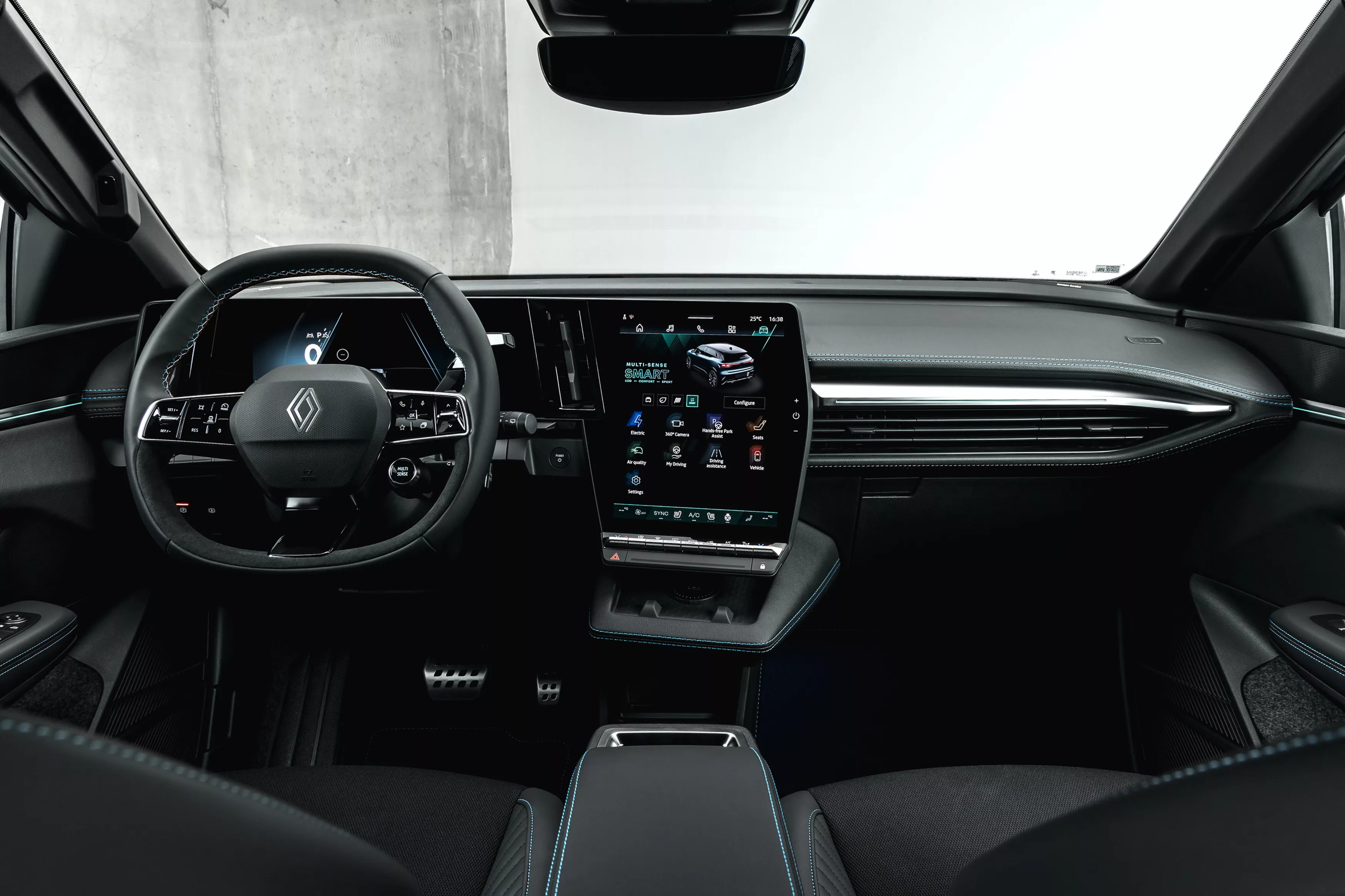
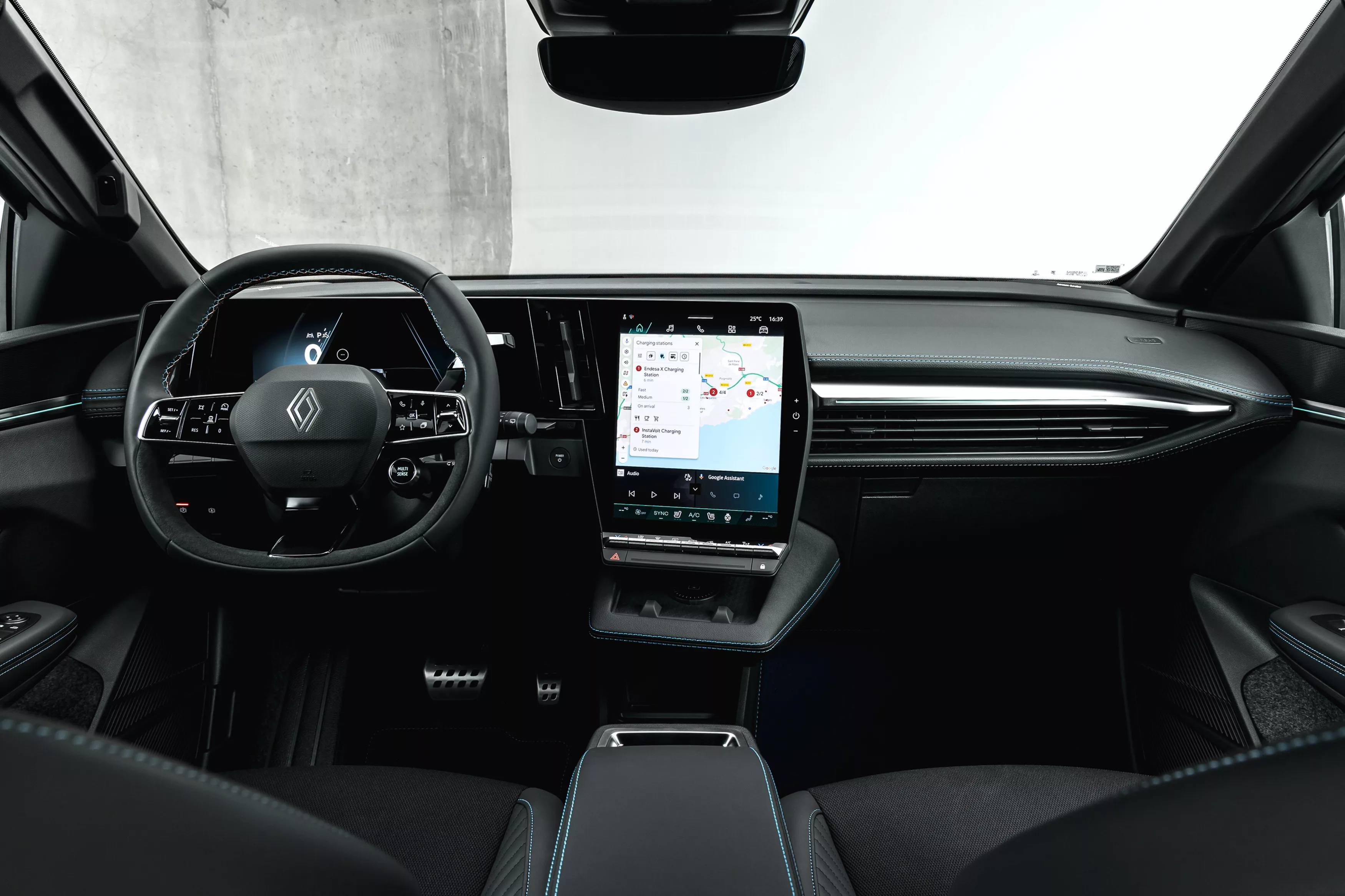
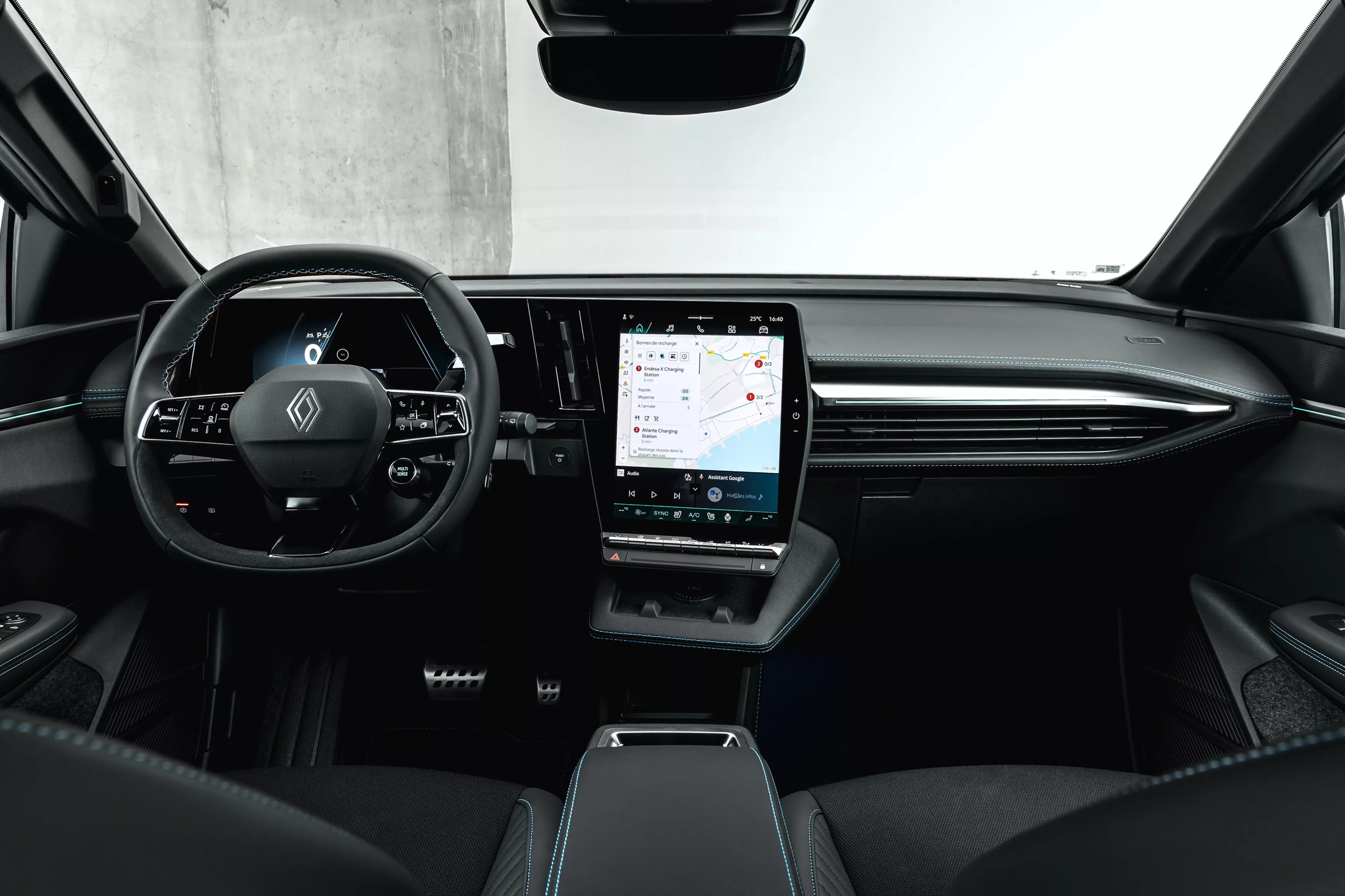
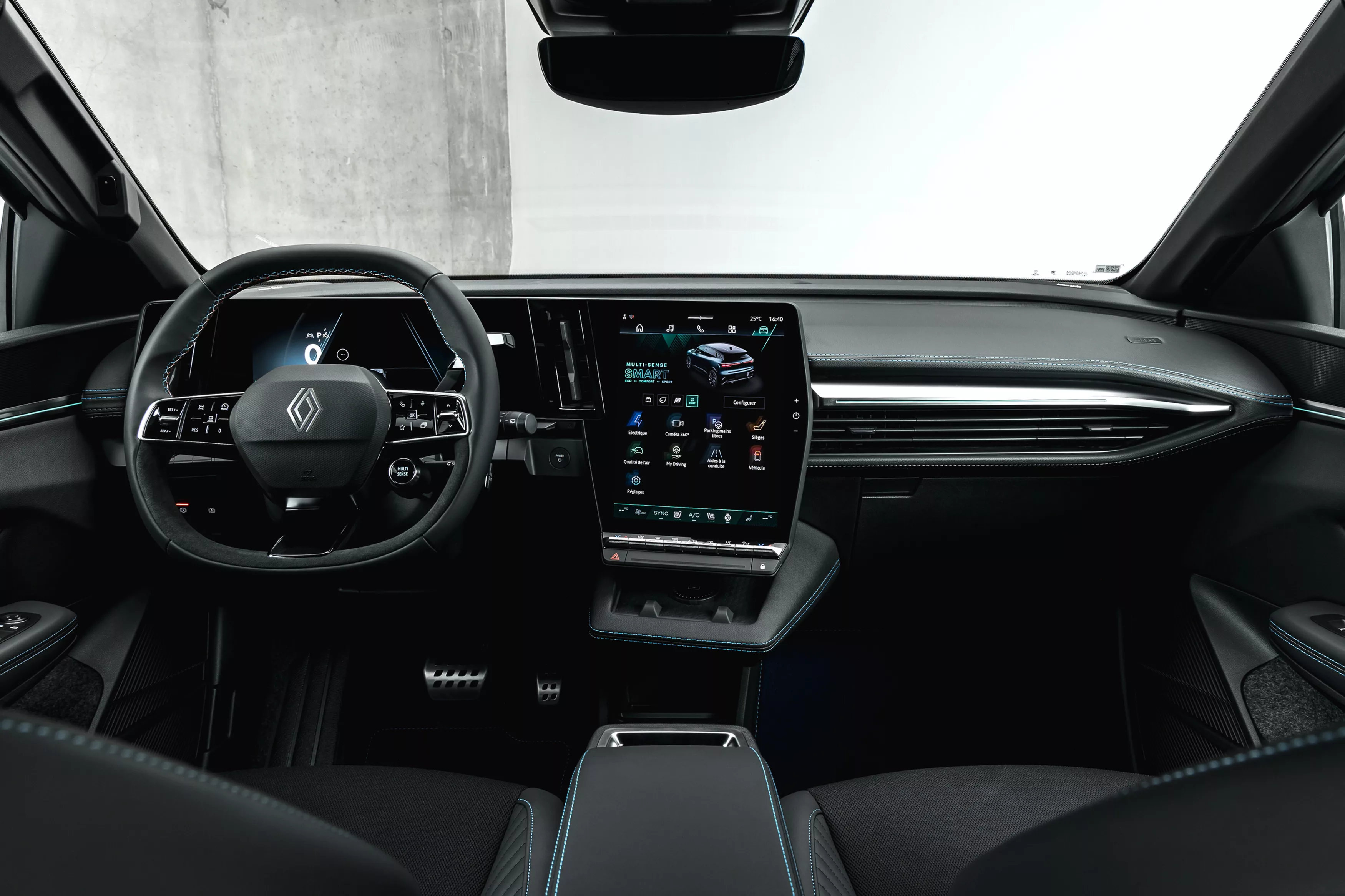
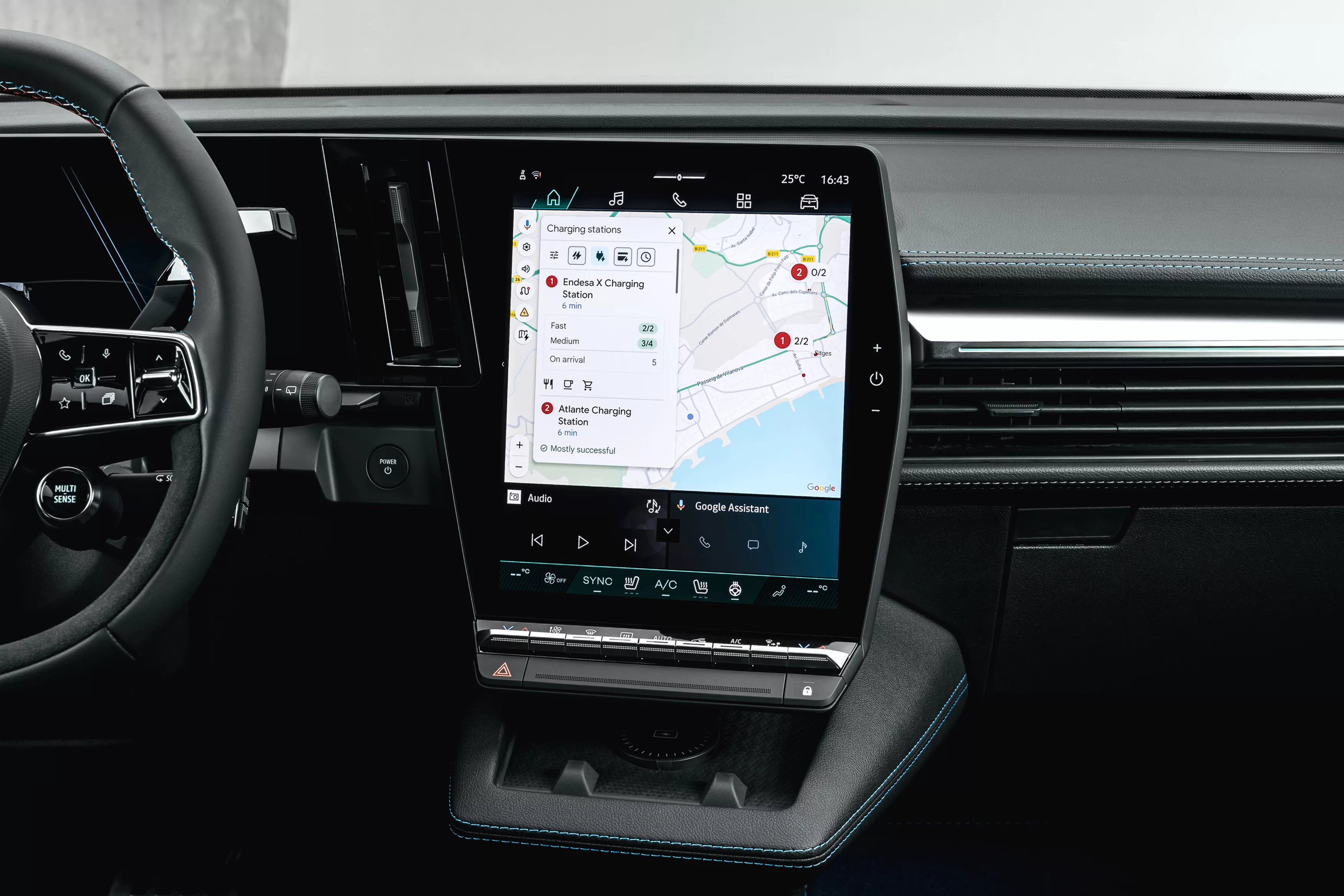
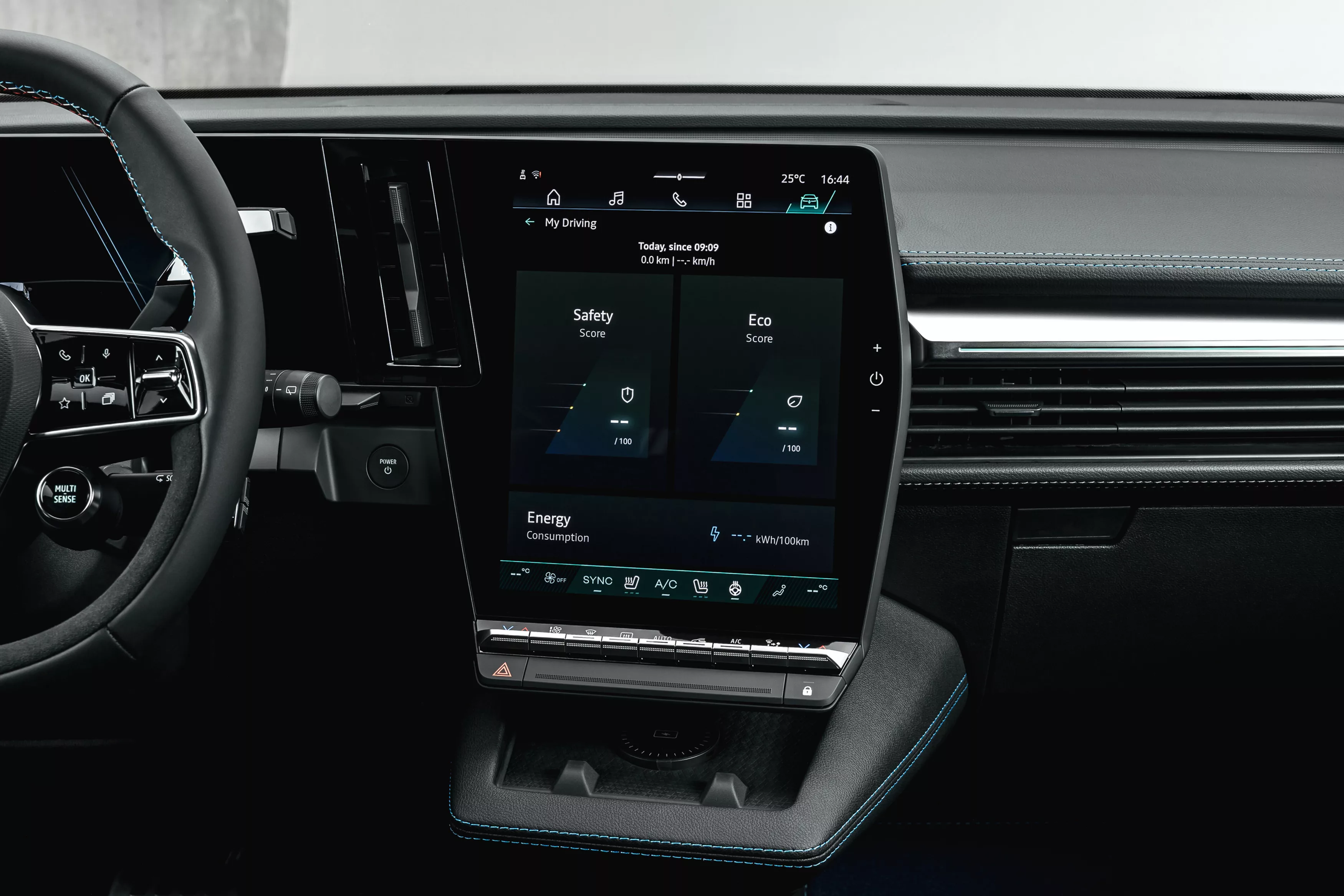
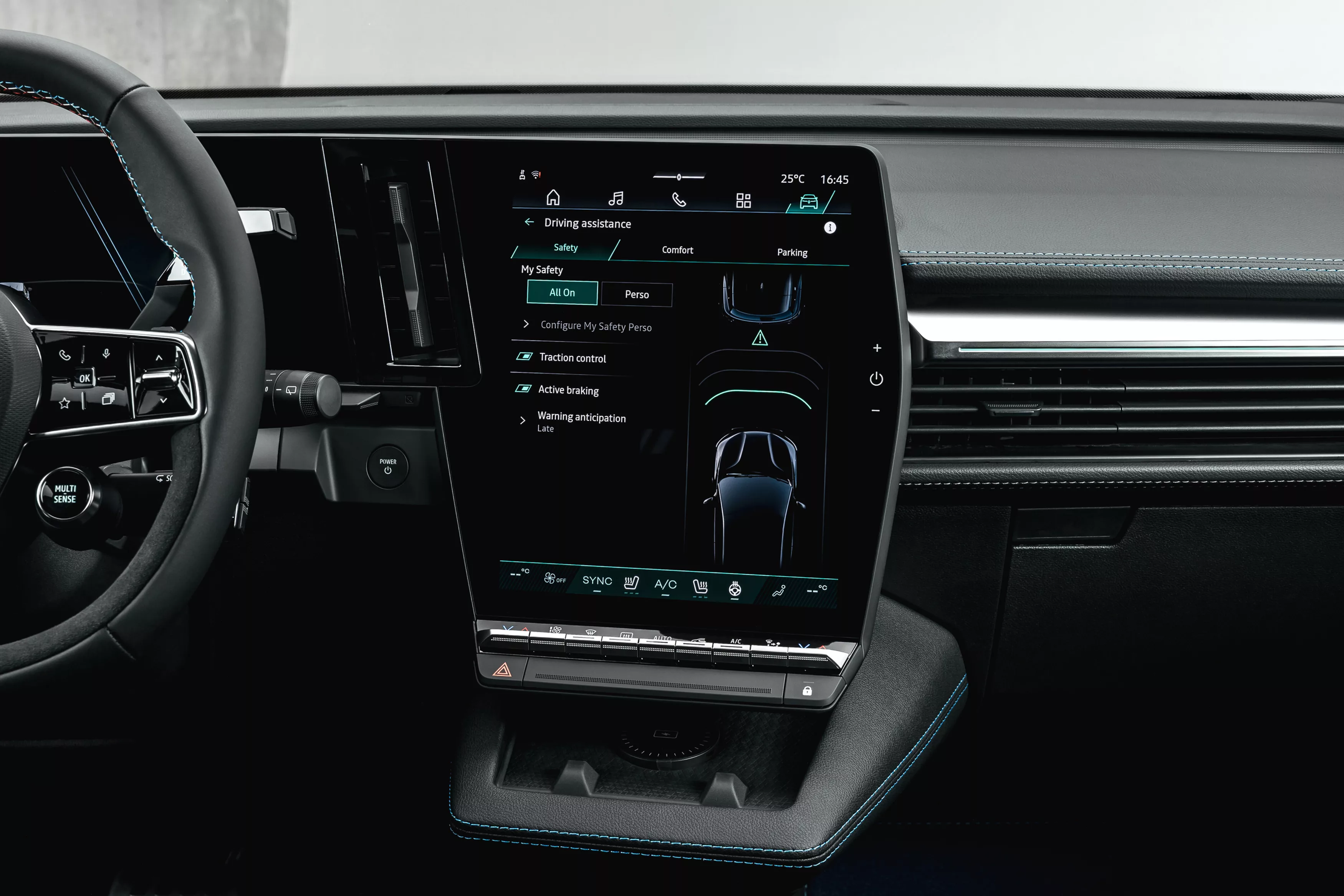
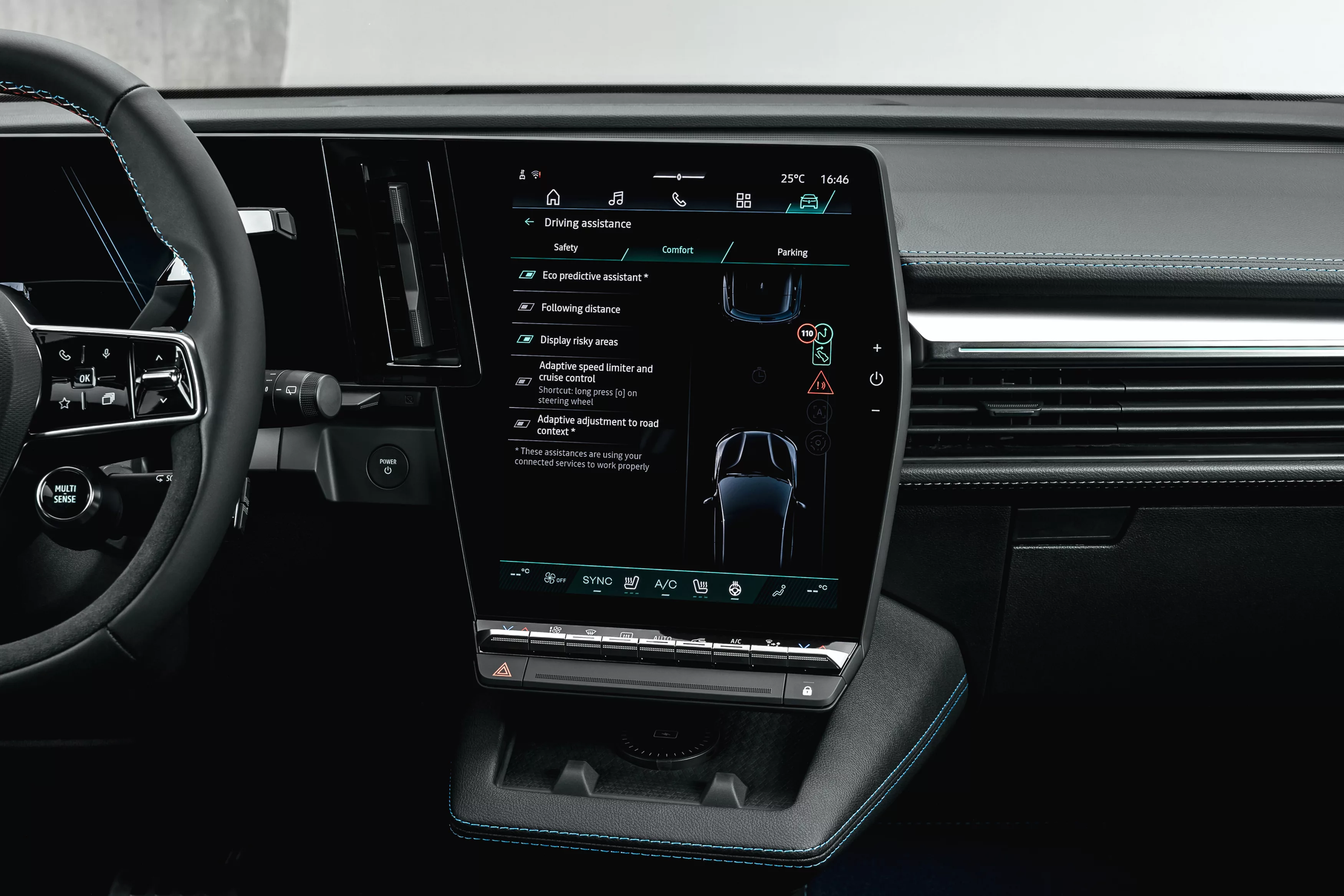
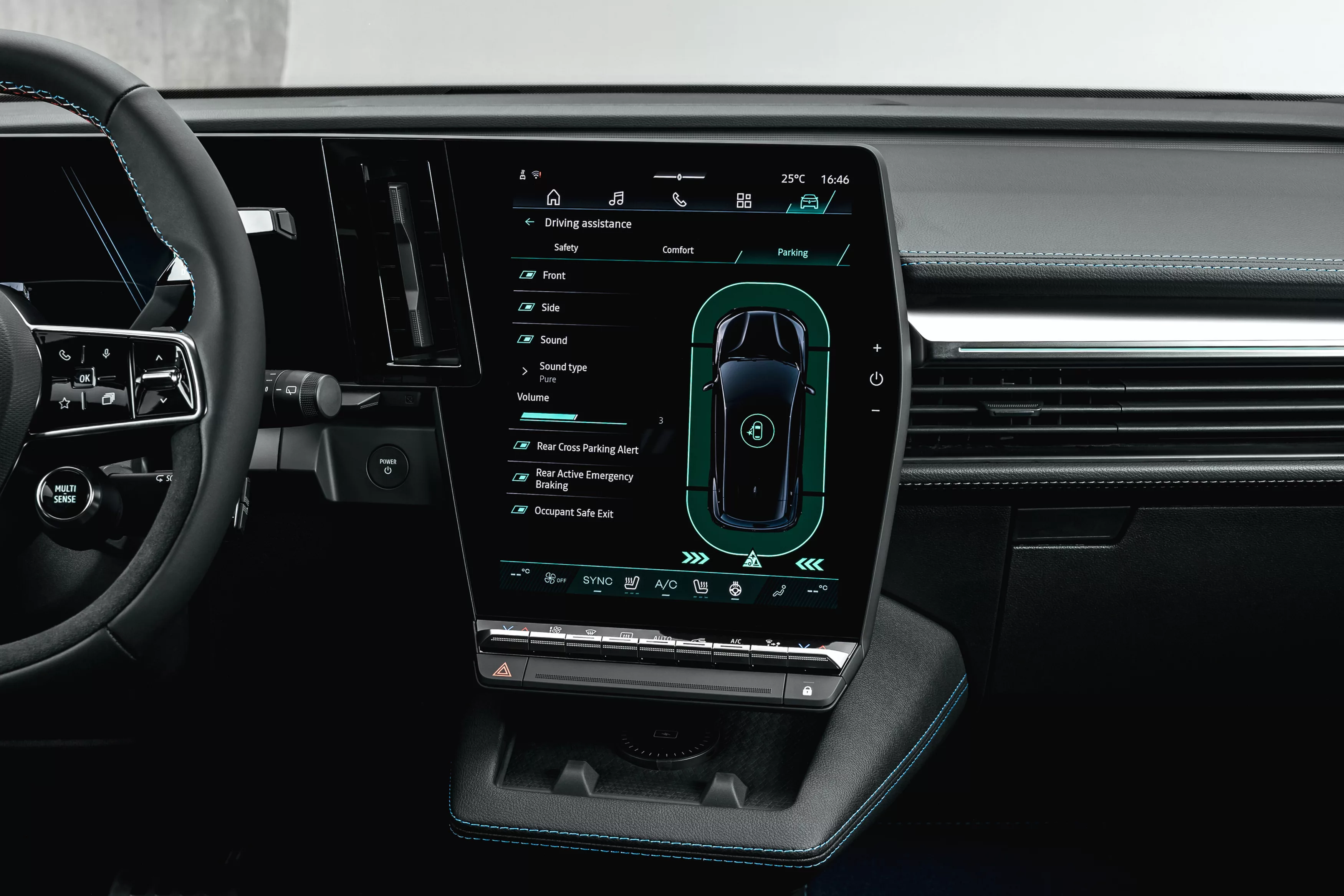
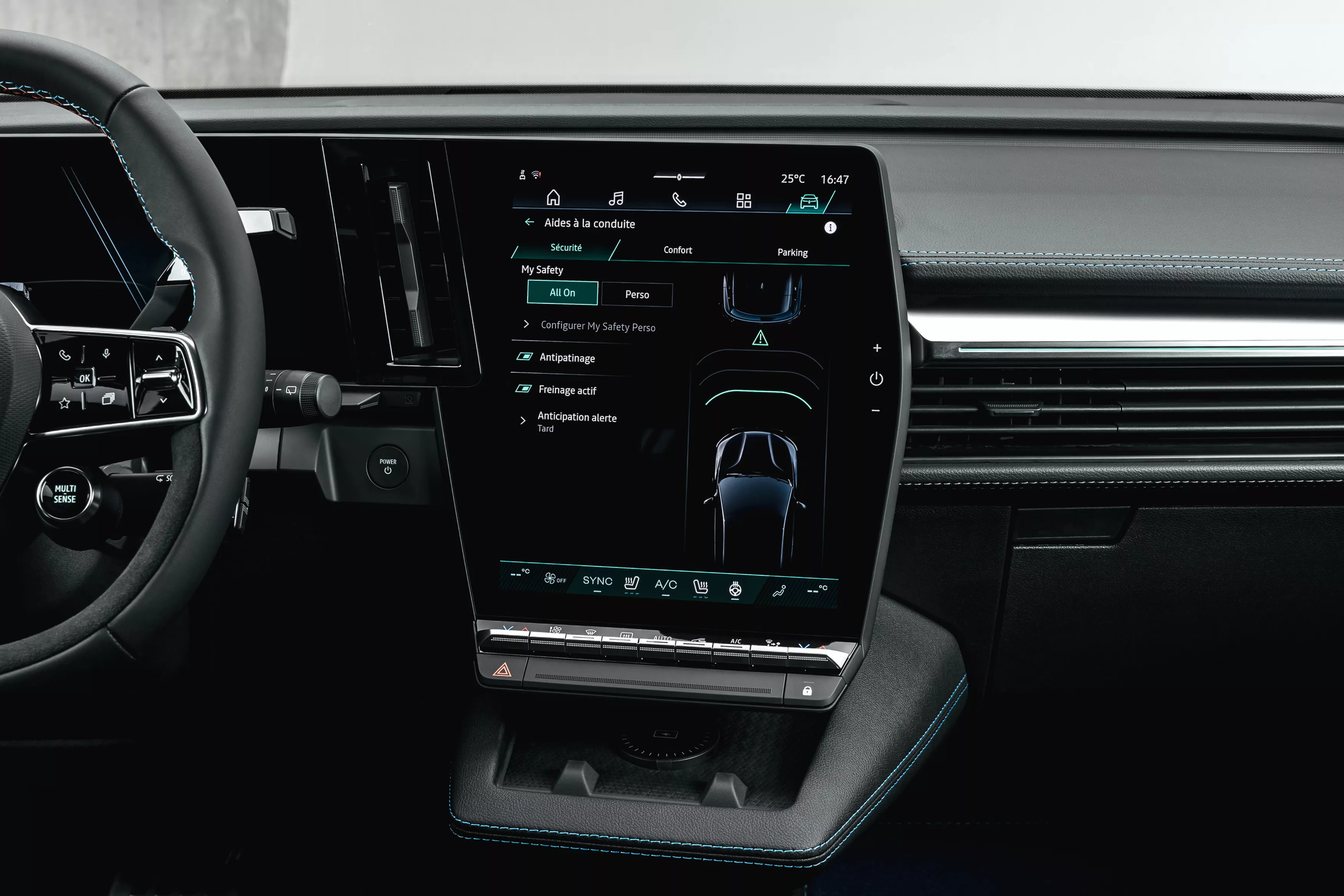
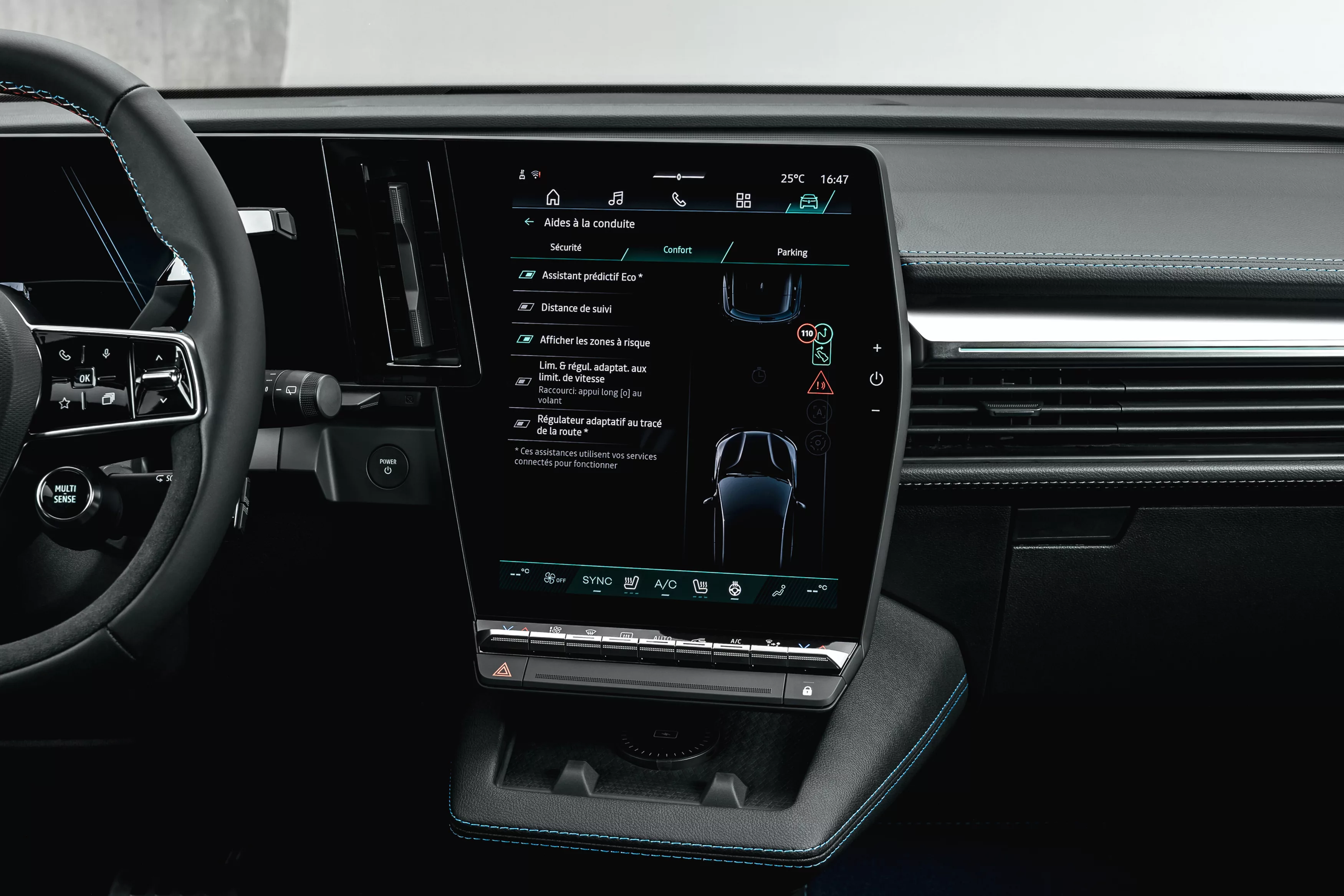
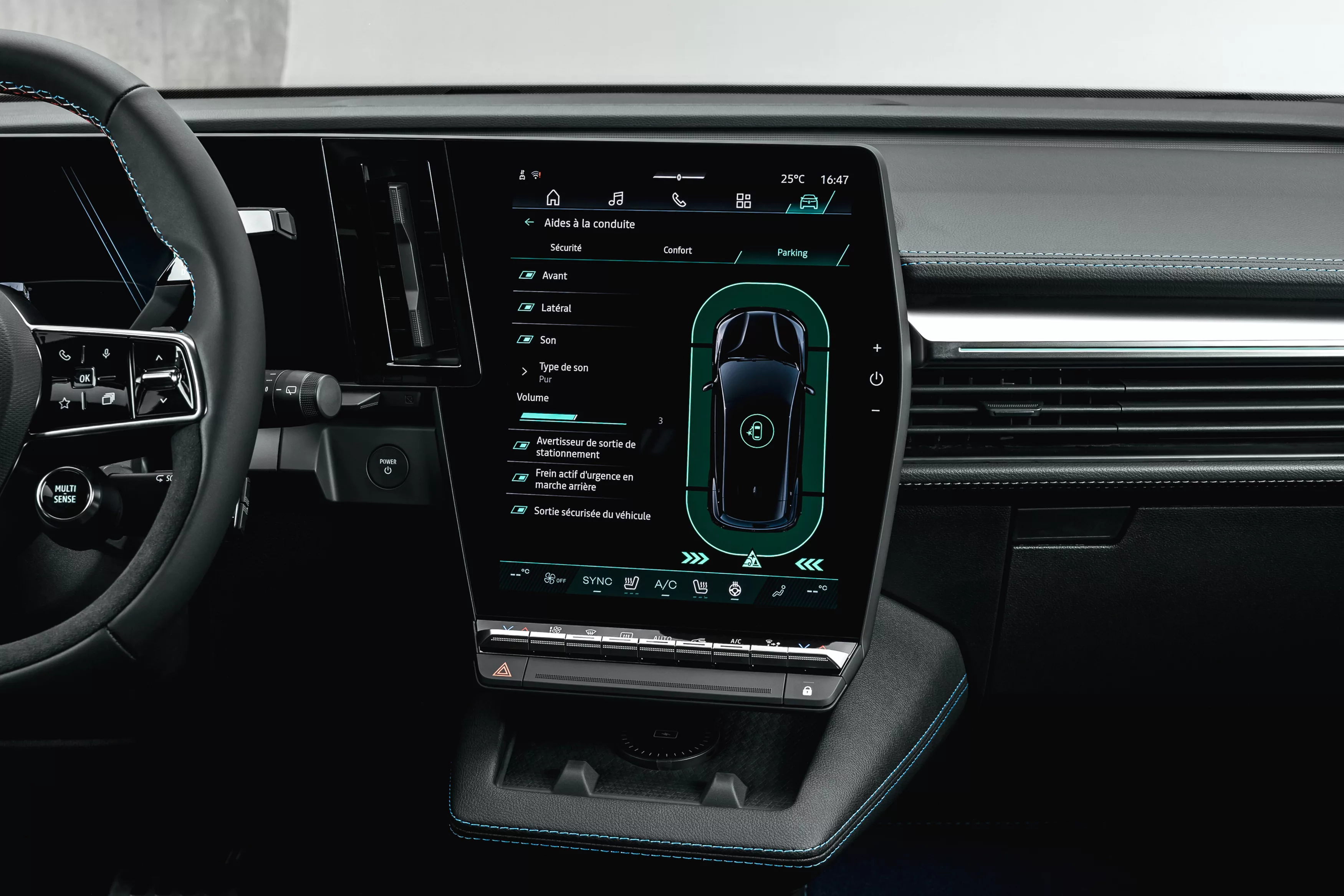
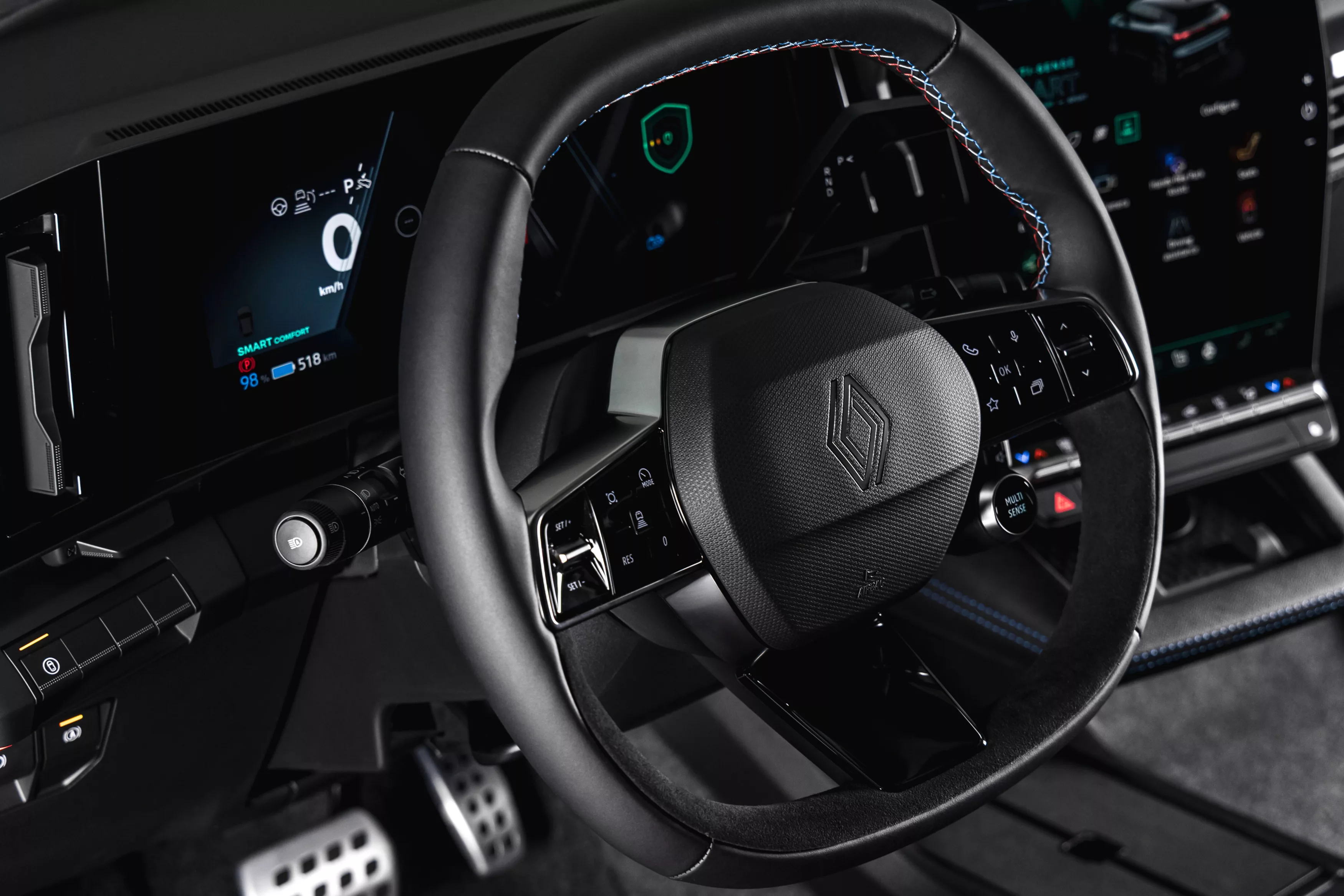
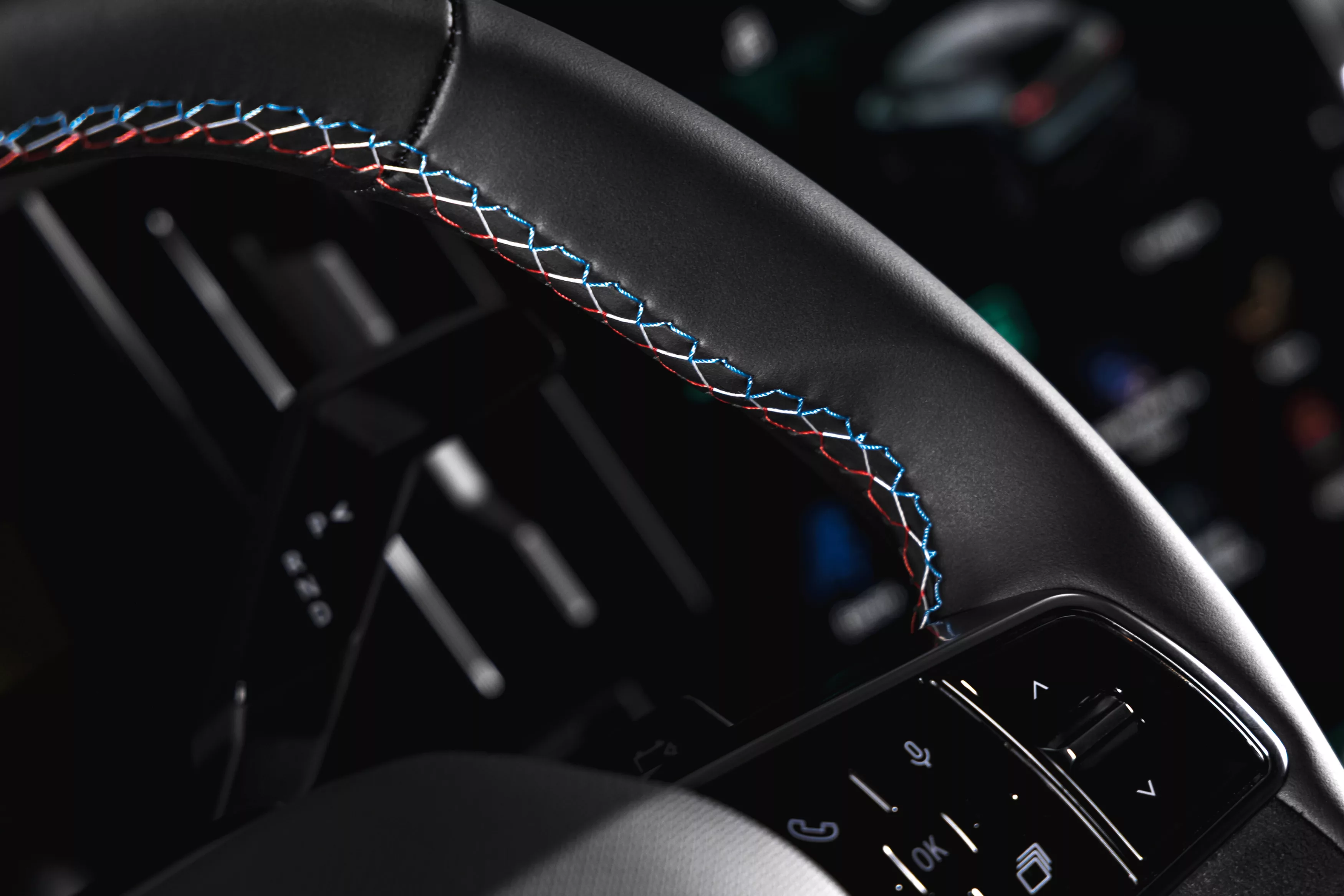
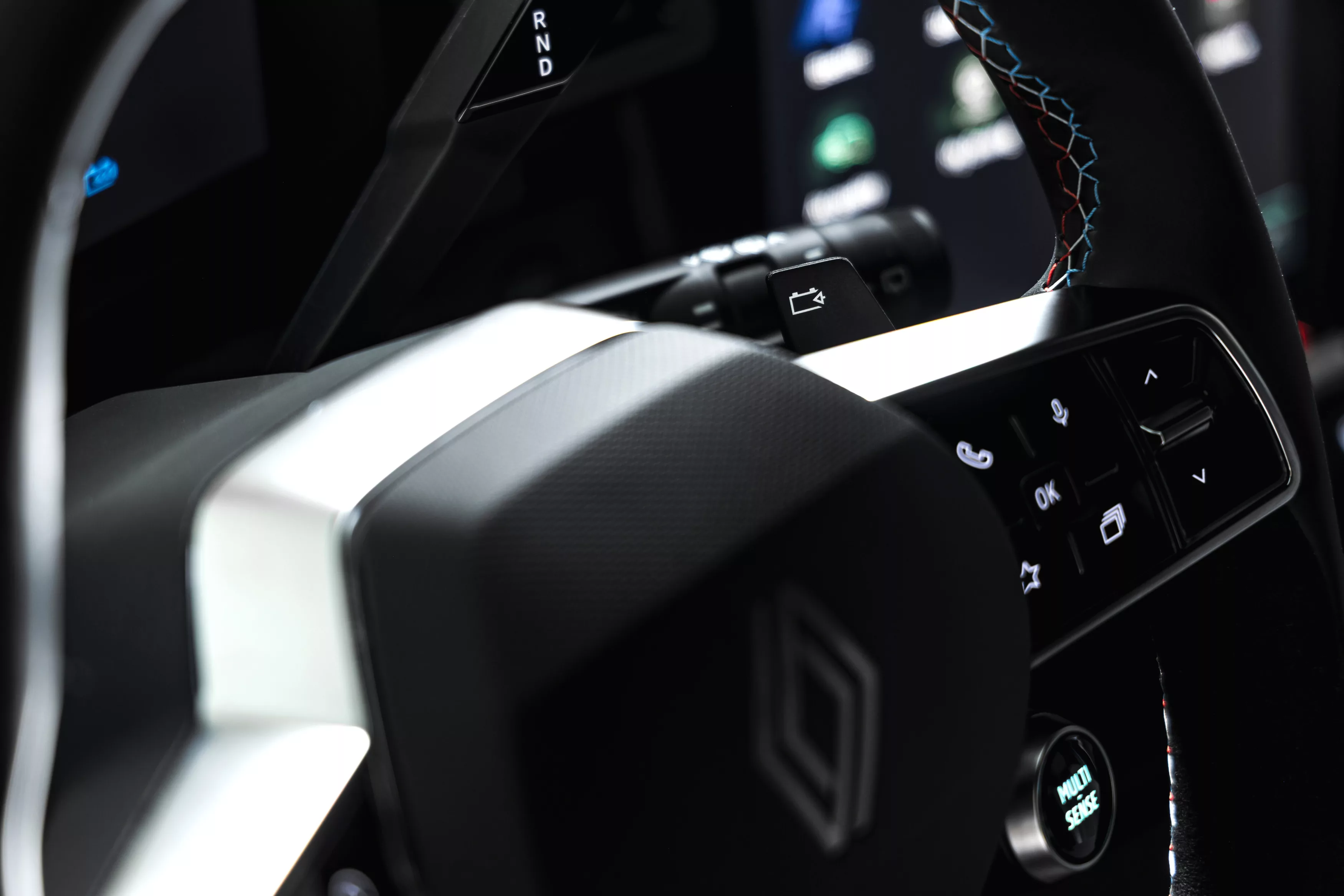
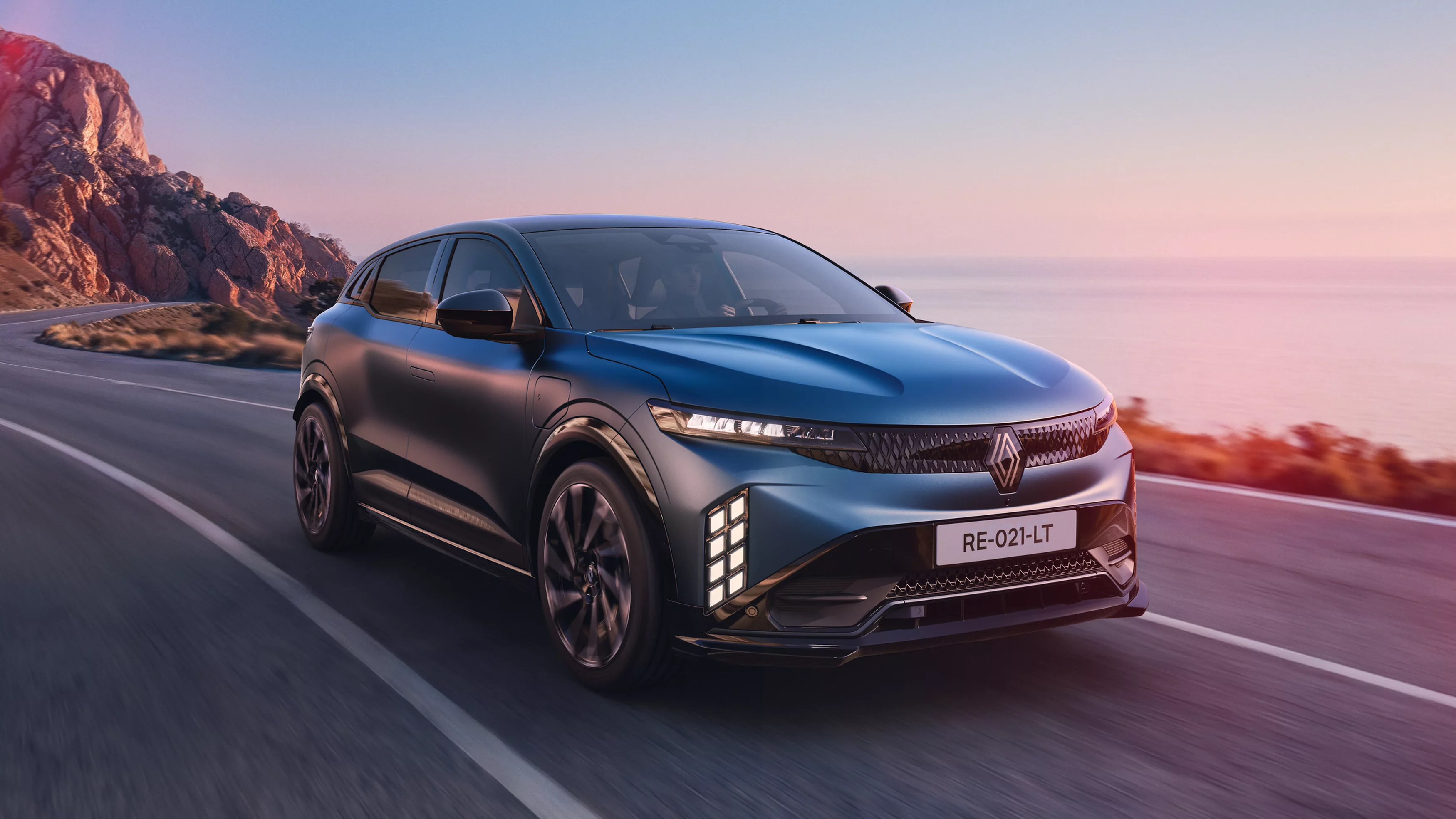
Renault's update to the Megane E-Tech electric goes beyond a new front end and improved infotainment. A 67 kWh LFP pack replaces the 60 kWh battery, DC charging power rises to 165 kW and WLTP range reaches 500 kilometres. Technically, this is a big enough step to put the electric Megane, unveiled in 2022, back in contention in Europe's rapidly evolving C-segment.
Renault opened orders for the new Megane E-Tech electric on 1 October. In Europe, the recommended price for the Techno starts at €34,990. The Esprit Alpine has a standard list price of €40,685. Various incentives totalling up to €10,000 are available in several markets.
The LFP battery changes more than the new front end
The most important update lies beneath the floor. In place of the previous 60 kWh NMC battery, the Megane now uses an LFP battery with 67 kWh of usable capacity. Renault integrates 232 cells directly into a cell-to-pack structure, achieving a packing density of 53 per cent, according to its own figures. By reducing intermediate modules, the manufacturer fits more energy into essentially the same architecture.
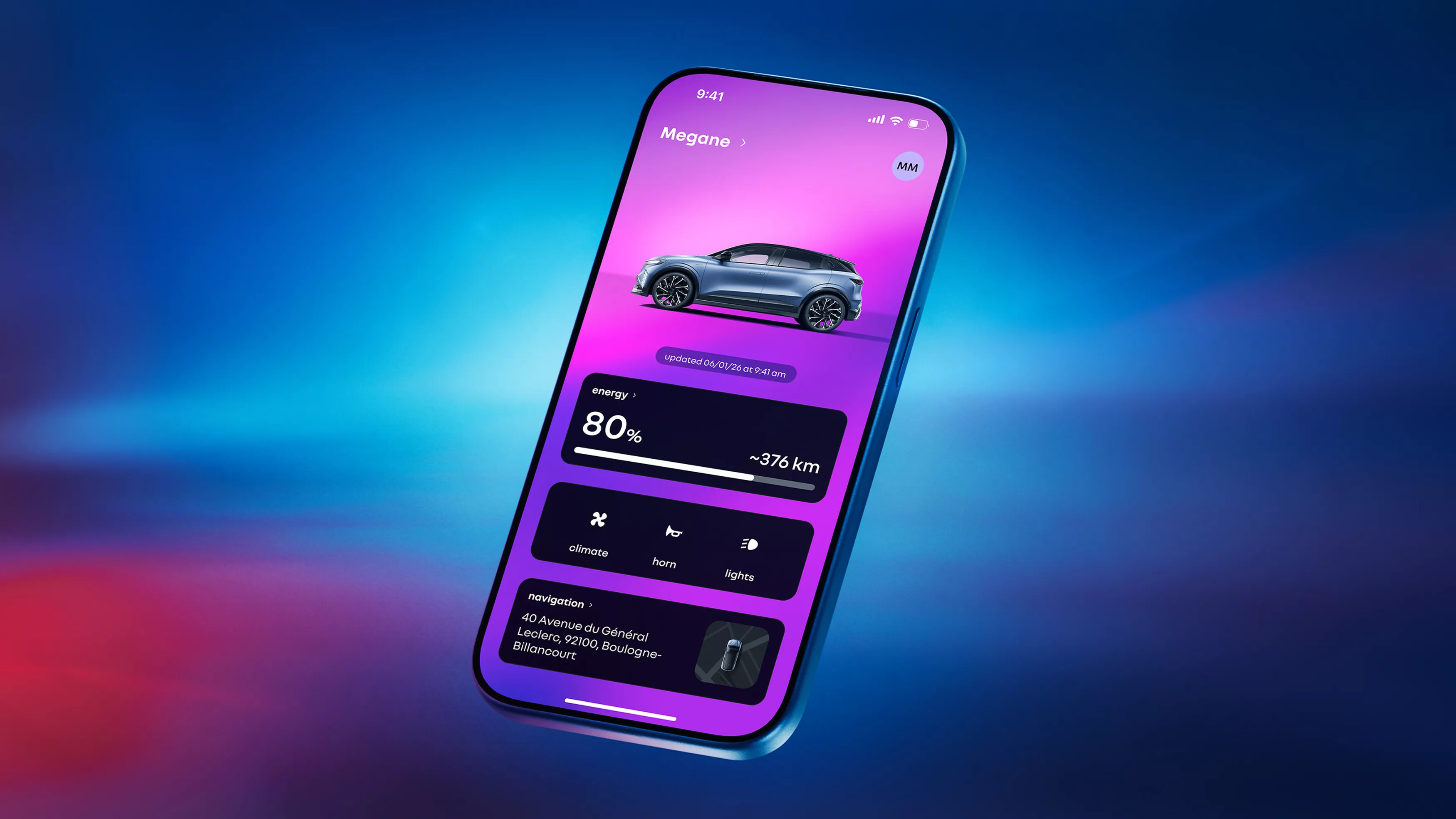
LFP chemistry is not synonymous with a cheaper car here. The manufacturer uses it to reduce costs, improve durability and strengthen the supply chain while retaining the Megane's relatively small battery. The result is up to 500 km of WLTP range; the Spanish configurator gives a specific maximum of 501 km and combined consumption of 15.7 kWh/100 km.
That is a strong figure for a car measuring 4.20 metres long with a 67 kWh battery. By comparison, the Kia EV3 Long Range uses an 81.4 kWh battery and offers up to 605 km of WLTP range. The Kia wins on outright range, but carries a considerably larger battery to achieve it.
The Megane still delivers 160 kW and 300 Nm to the front wheels. Renault uses a wound-field synchronous motor without rare-earth metals, manufactured at the Cléon plant in France. Acceleration from 0–100 km/h takes 7.6 seconds and top speed is 160 km/h. Kerb weight is 1772 kg.
165 kW charging improves a weaker point of the previous Megane
The increase in charging power is even more important than the larger battery. Peak DC power rises from 130 kW to 165 kW, and Renault says the battery can charge from 15 to 80 per cent in around 24 minutes. According to the manufacturer's calculations, charging time falls by 25 per cent.
A single peak-power figure does not make the Megane a charging champion; the charging curve matters more. However, 165 kW does remove one clear limitation of the previous version. The Kia EV3 Long Range accepts up to 128 kW and needs 31 minutes to charge from 10 to 80 per cent, although the different charging windows mean the two times are not directly comparable.
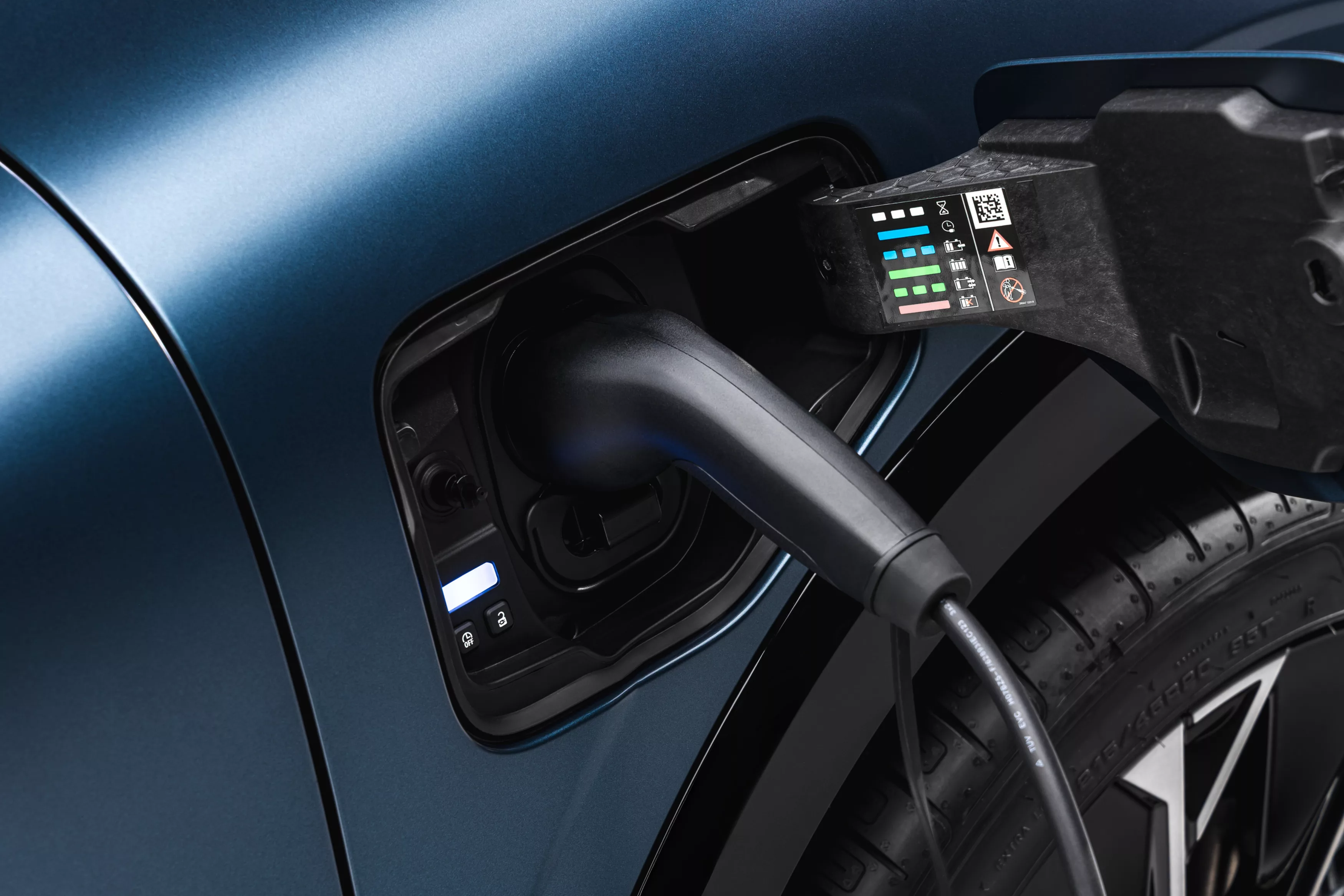
For AC charging, an 11 kW bidirectional onboard charger is standard, with a 22 kW version available at extra cost. Using a V2L adapter, the car can power a 230 V electrical device at up to 3.7 kW from its traction battery. In the European market, where 11 and 22 kW three-phase chargers are commonplace, this is a more practical advantage than yet another screen animation.
Renault leaves the chassis alone as the car grows taller
The new battery raises the body by 20 mm, but the underlying architecture remains unchanged. The Megane uses Renault Group's RG Medium 1.0 electric platform, previously known as AmpR Medium.
The motor is unchanged, and Renault is not trying to turn the updated car into a sports model. That is sensible. From the outset, the Megane's strength has been its combination of a low centre of gravity, precise steering and compact dimensions.
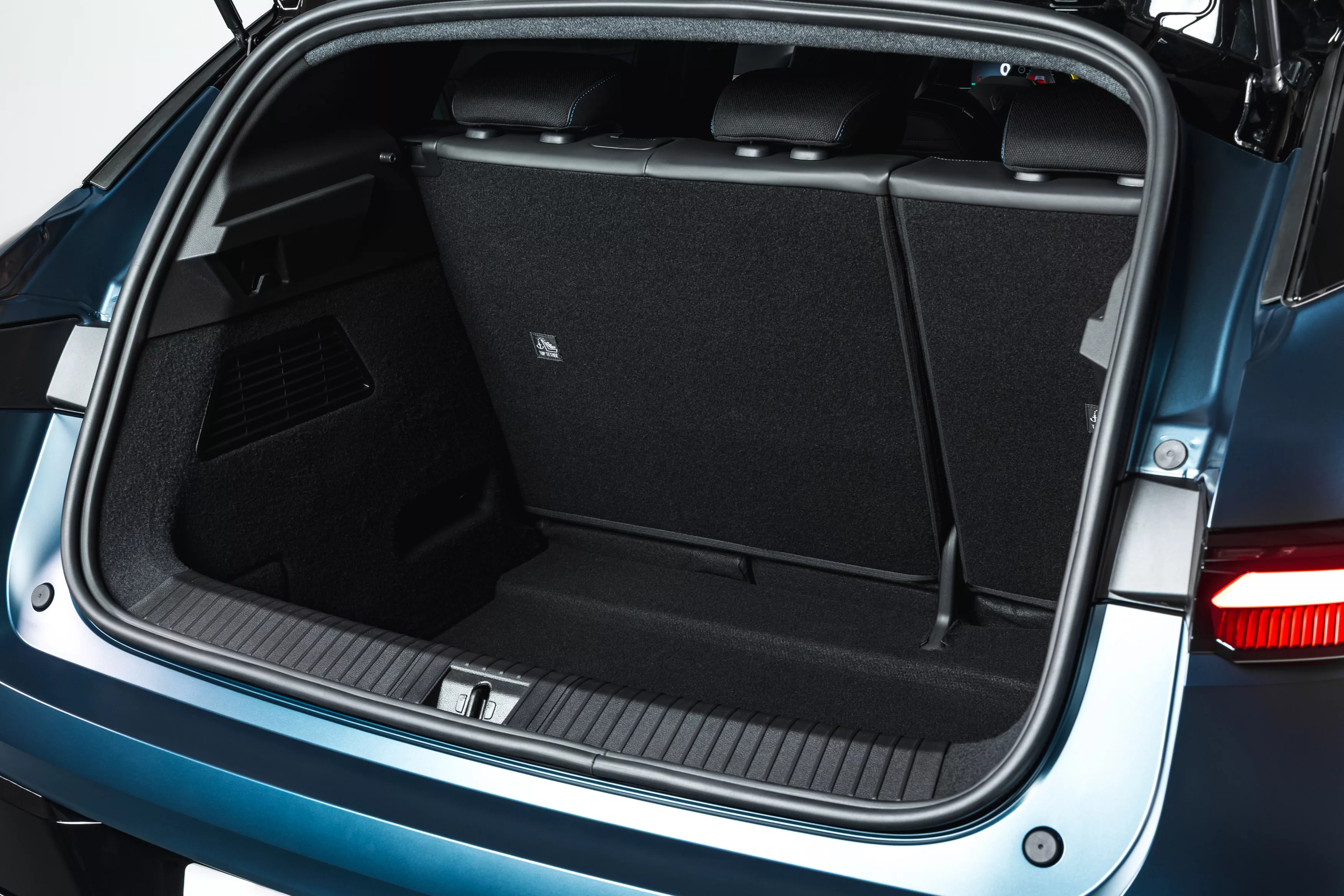
Boot capacity is 440 litres under the VDA measurement standard, rising to 1332 litres with the rear seats folded. The wheelbase is 2685 mm. The larger battery has therefore not taken space away from the boot.
The facelift changes almost the entire front end
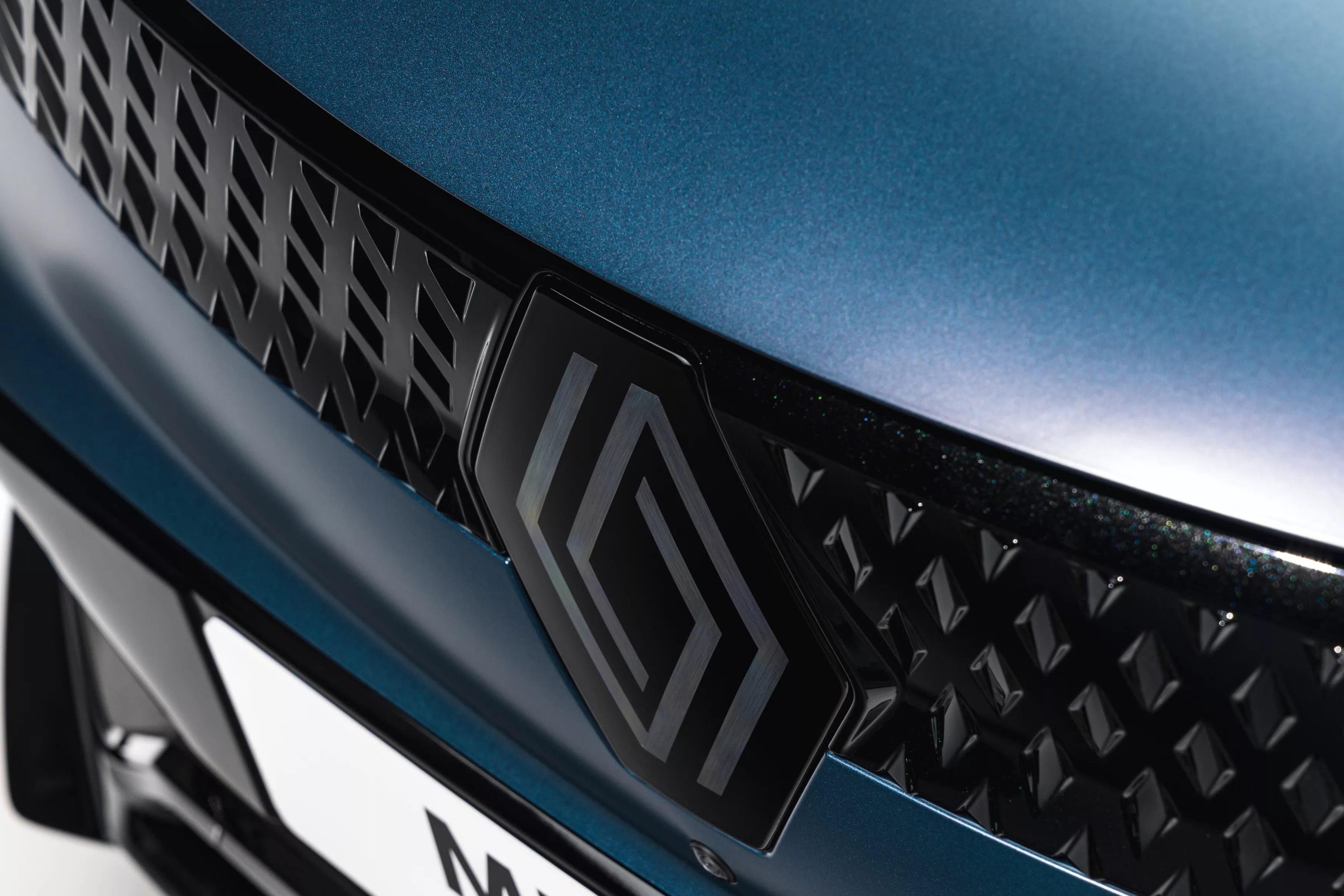
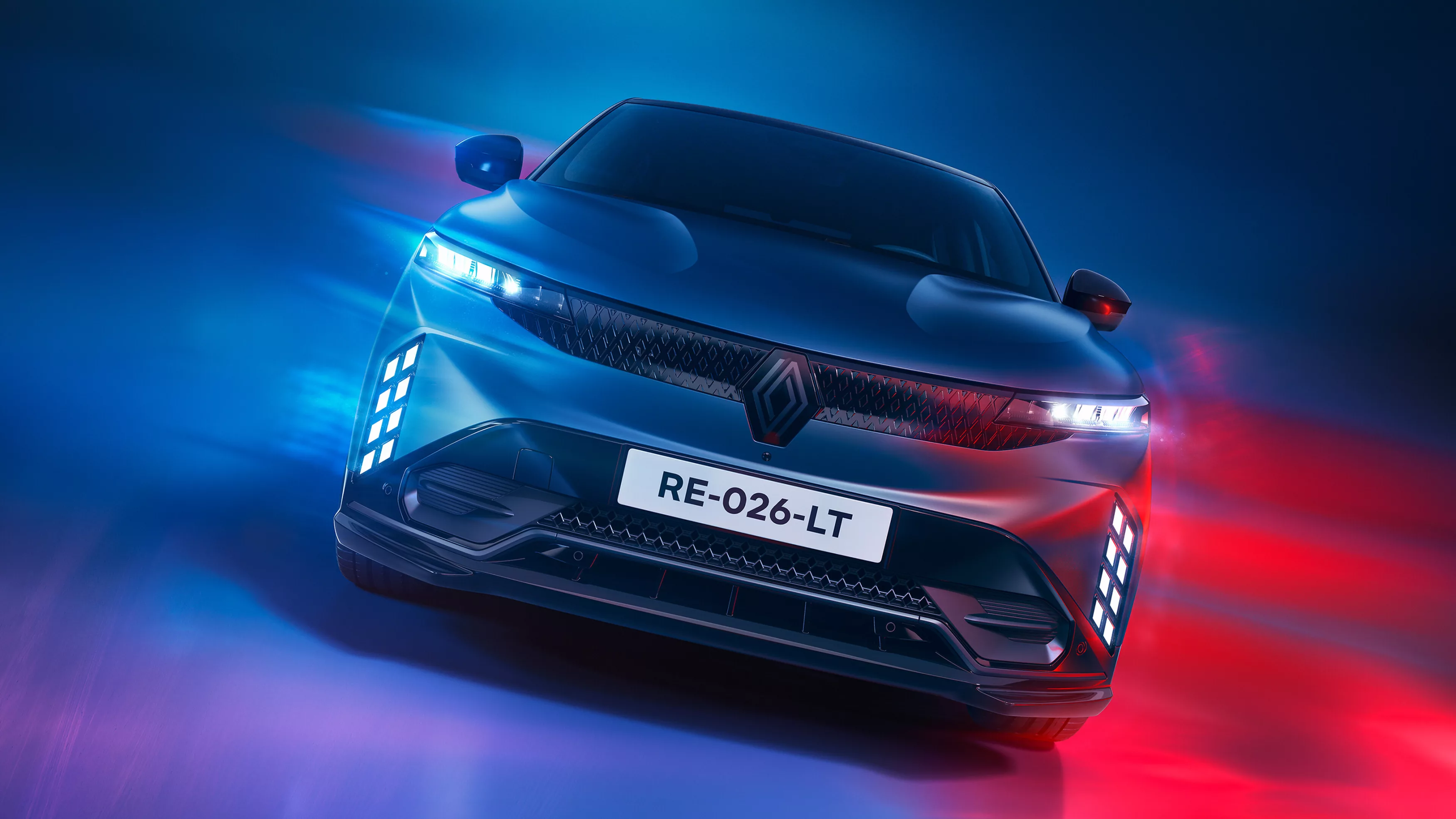
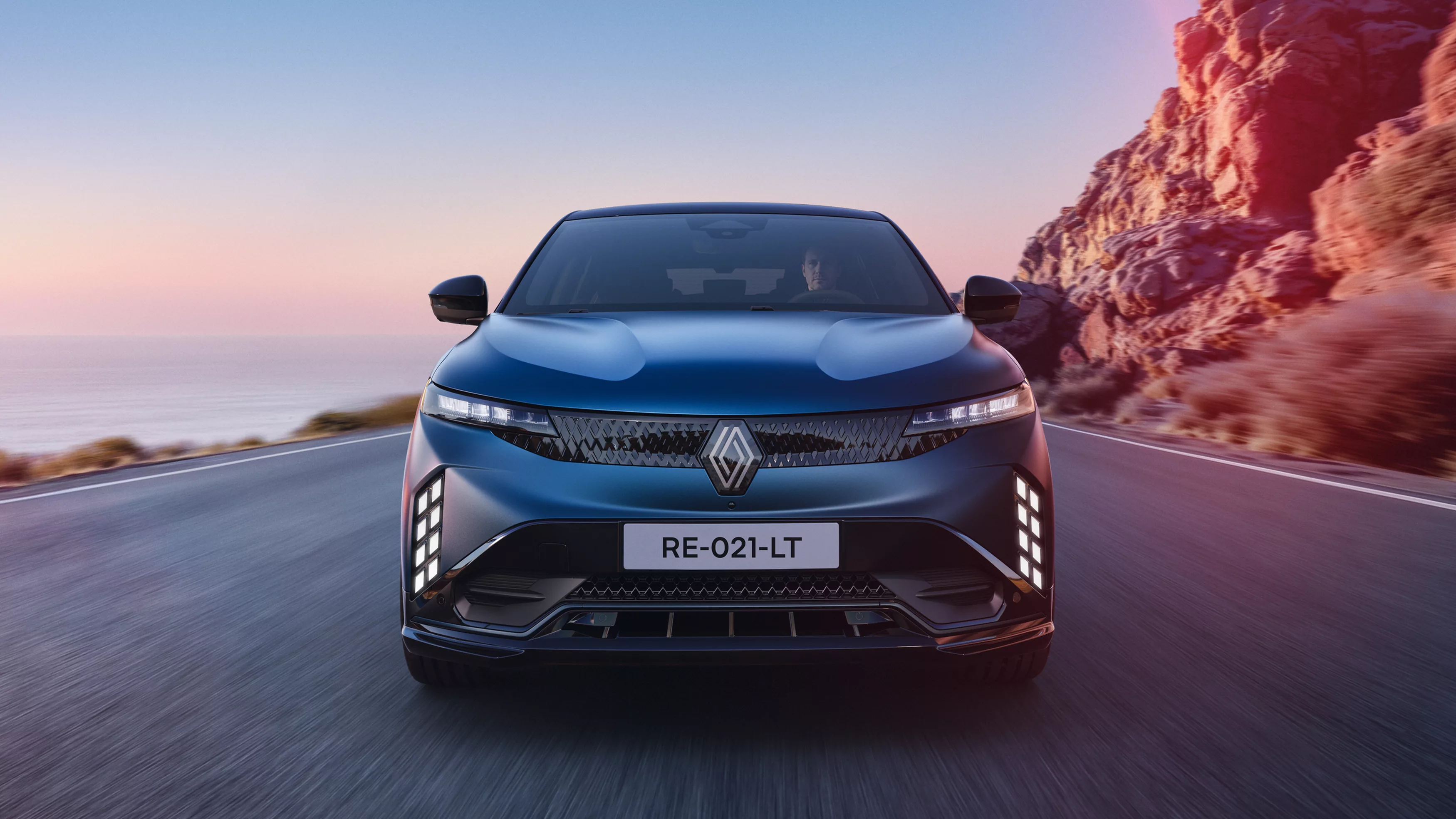
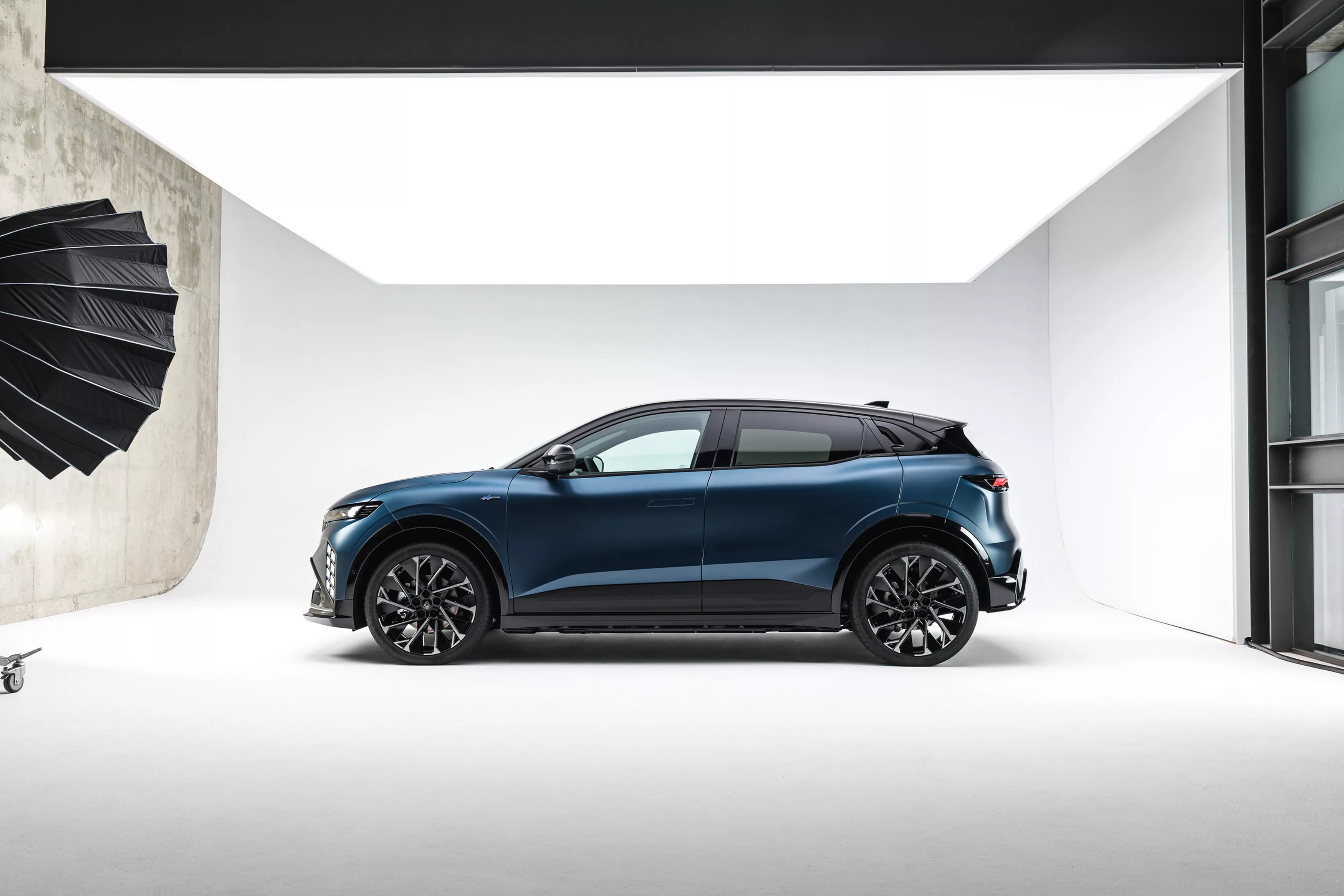
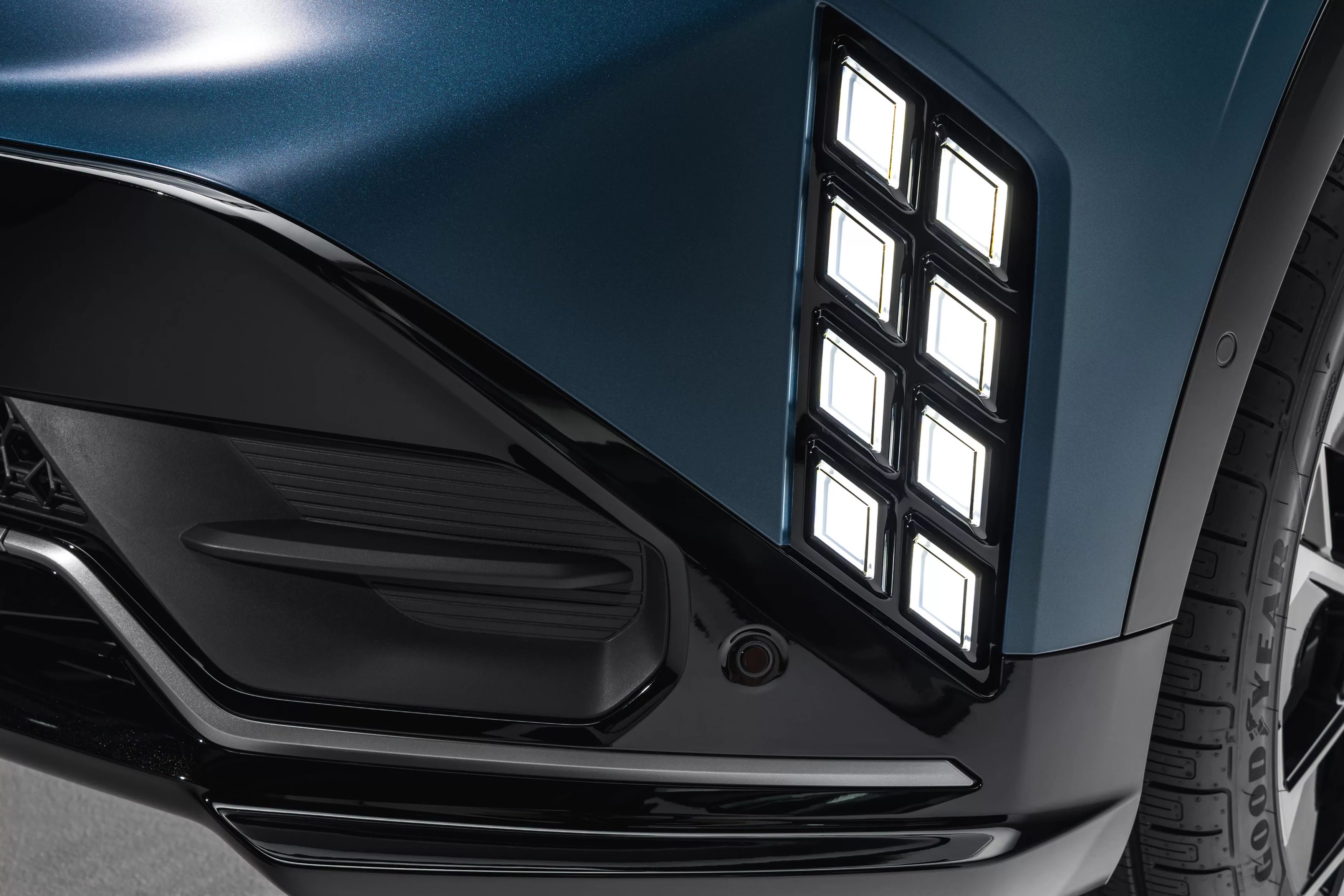
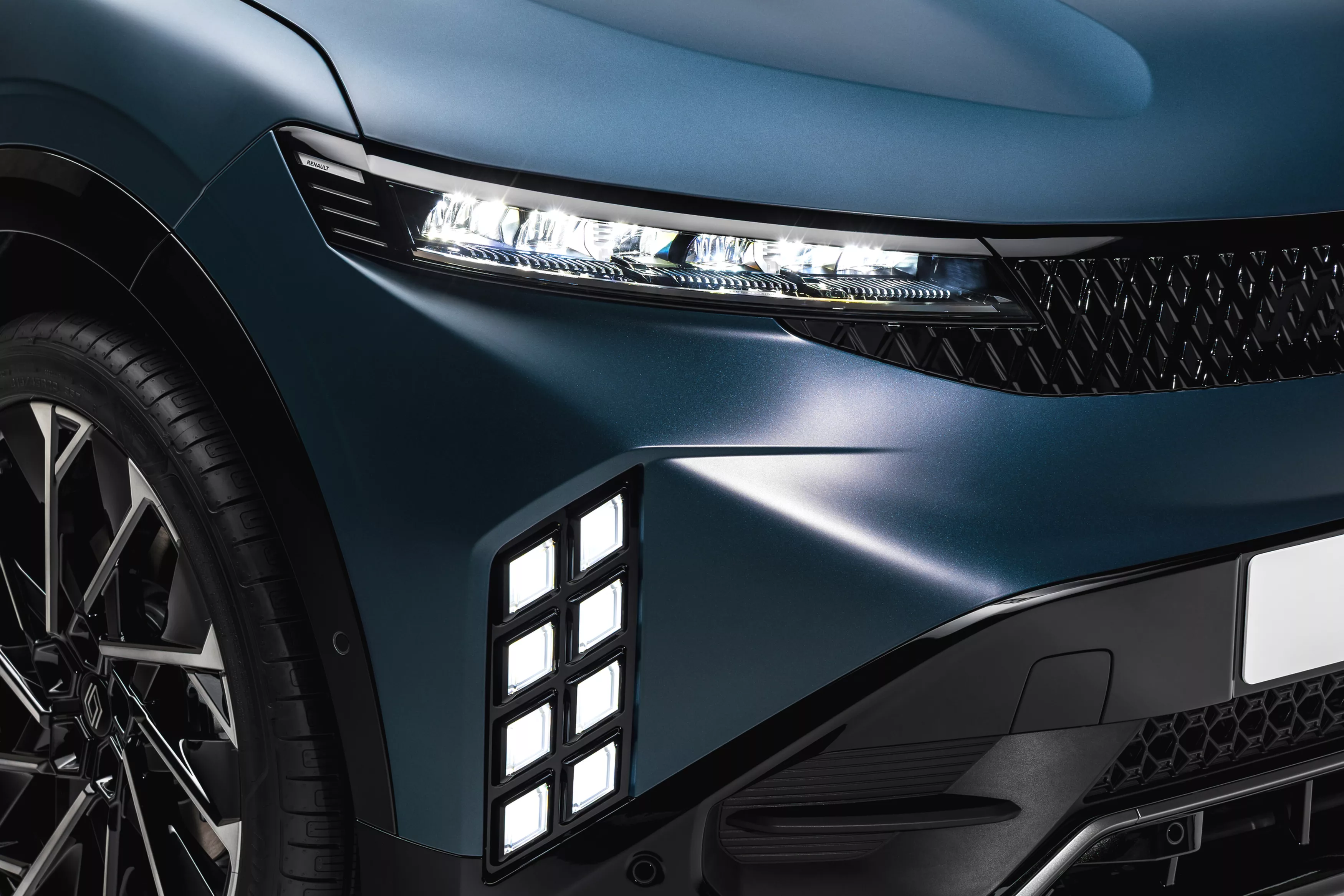
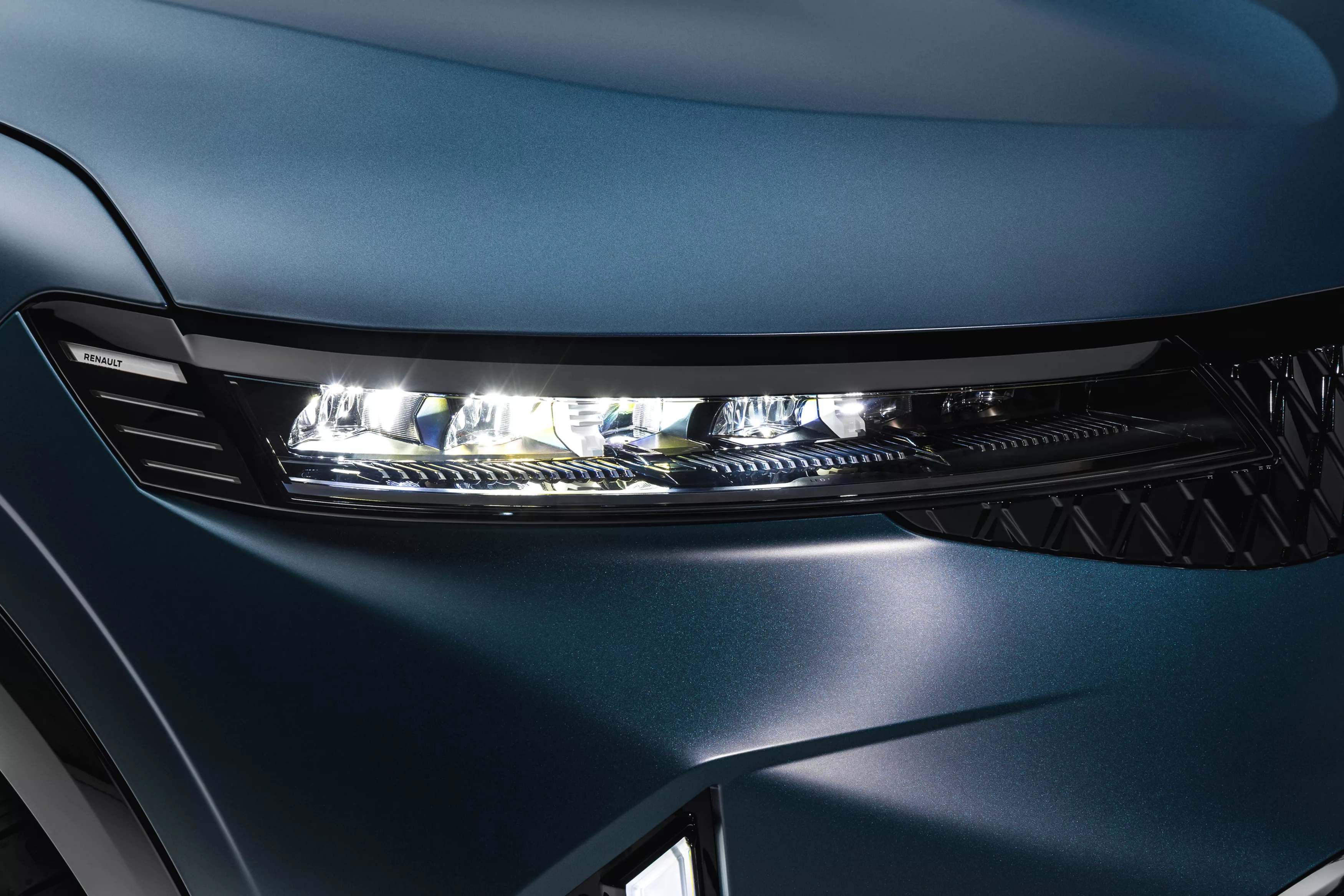
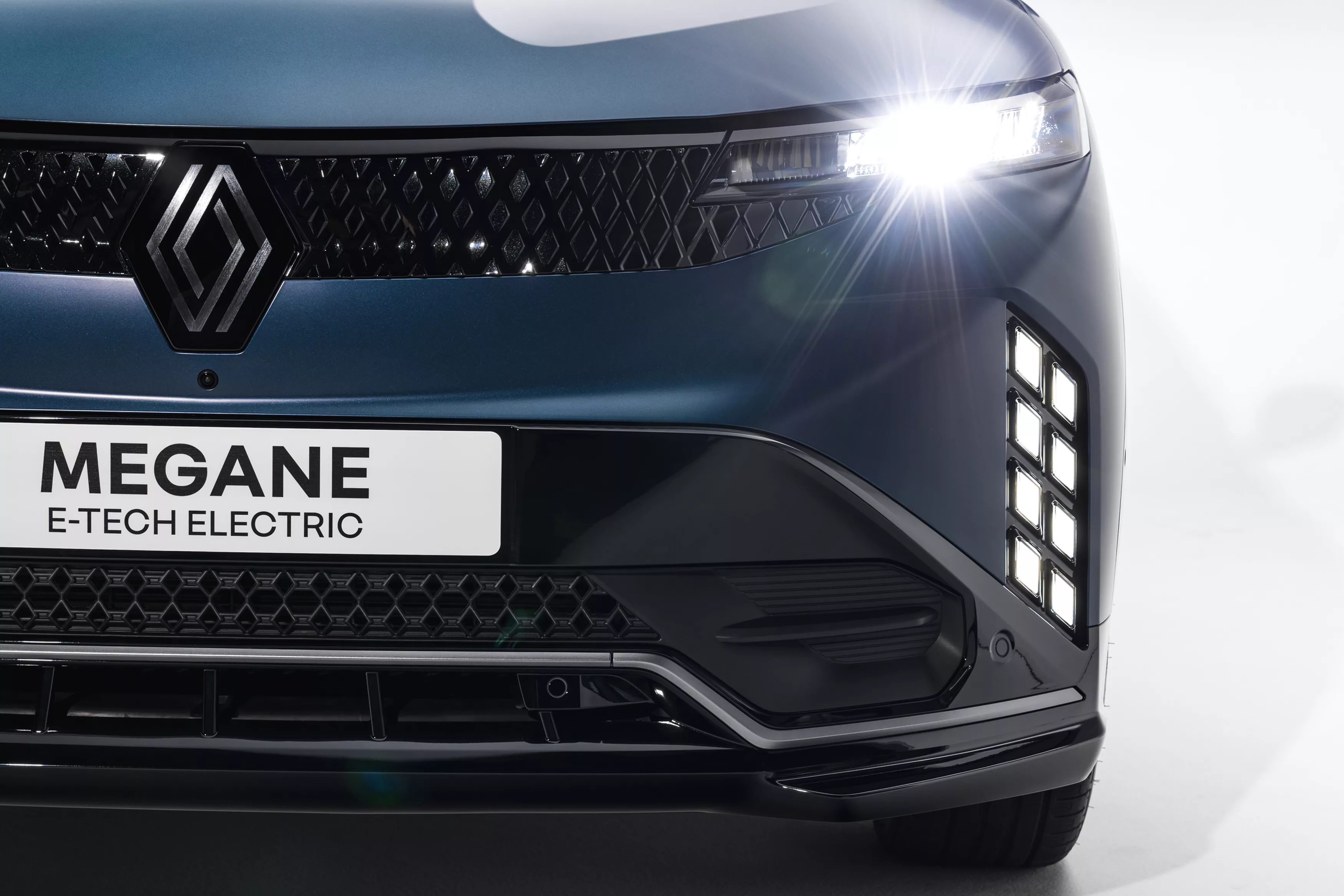
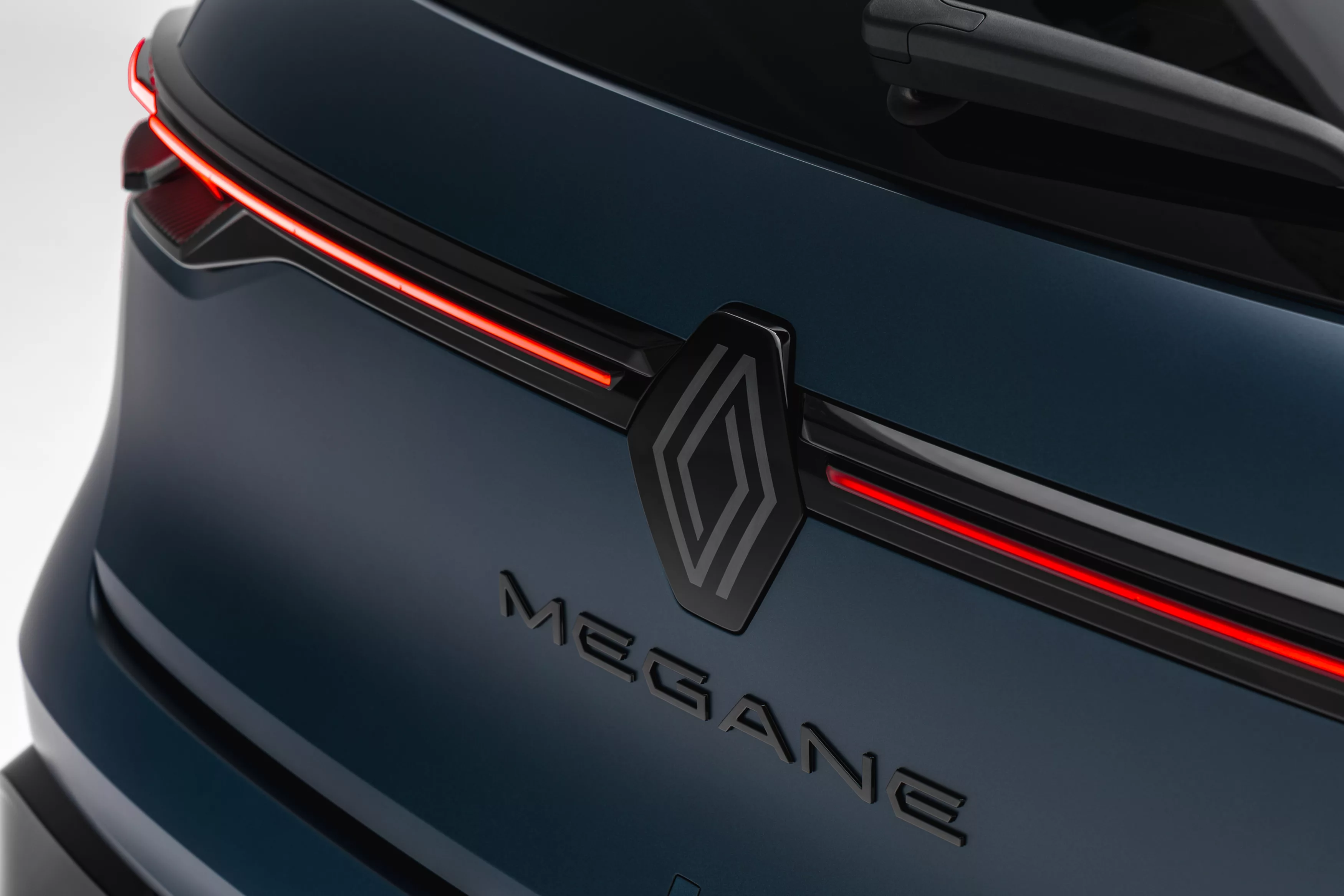
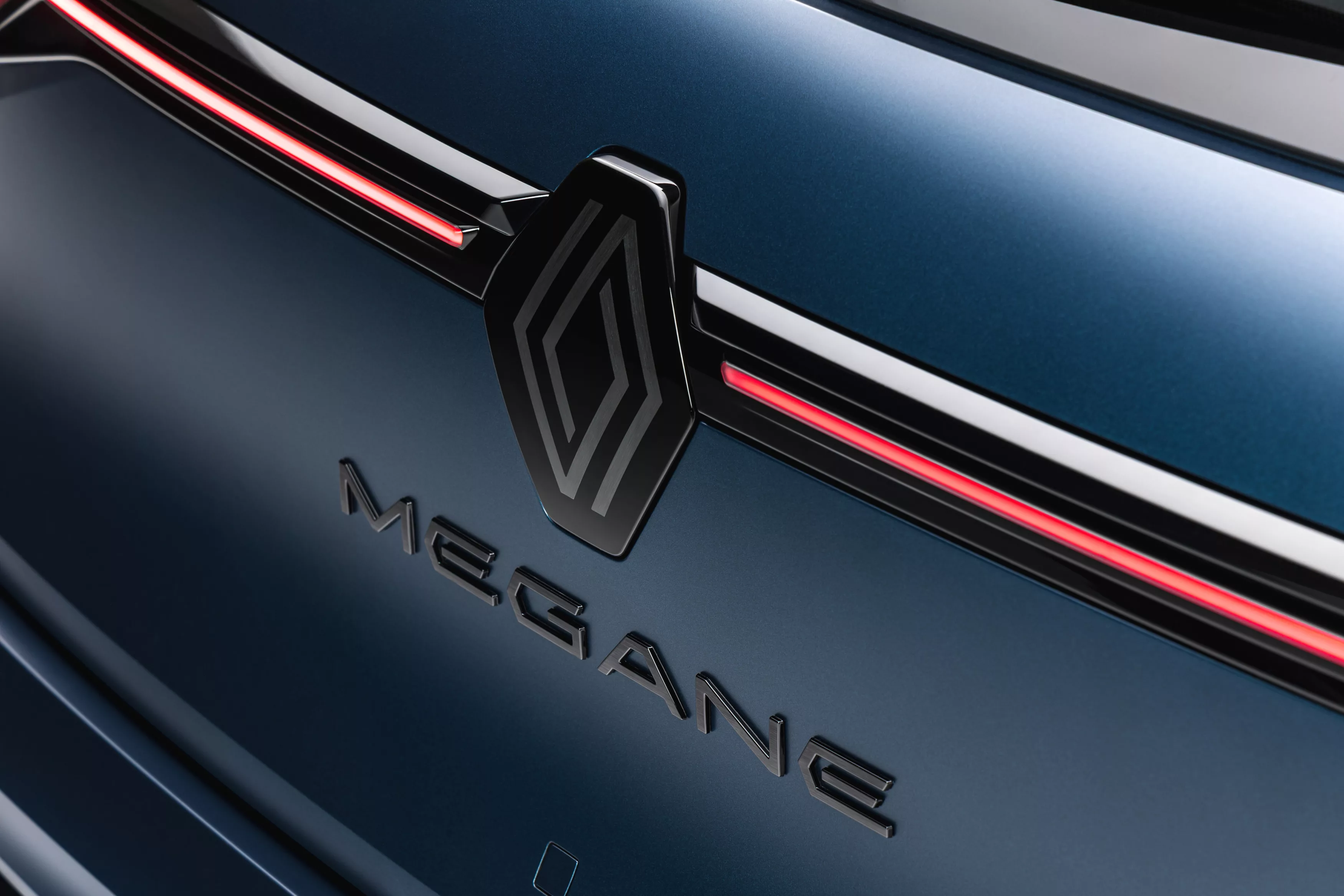
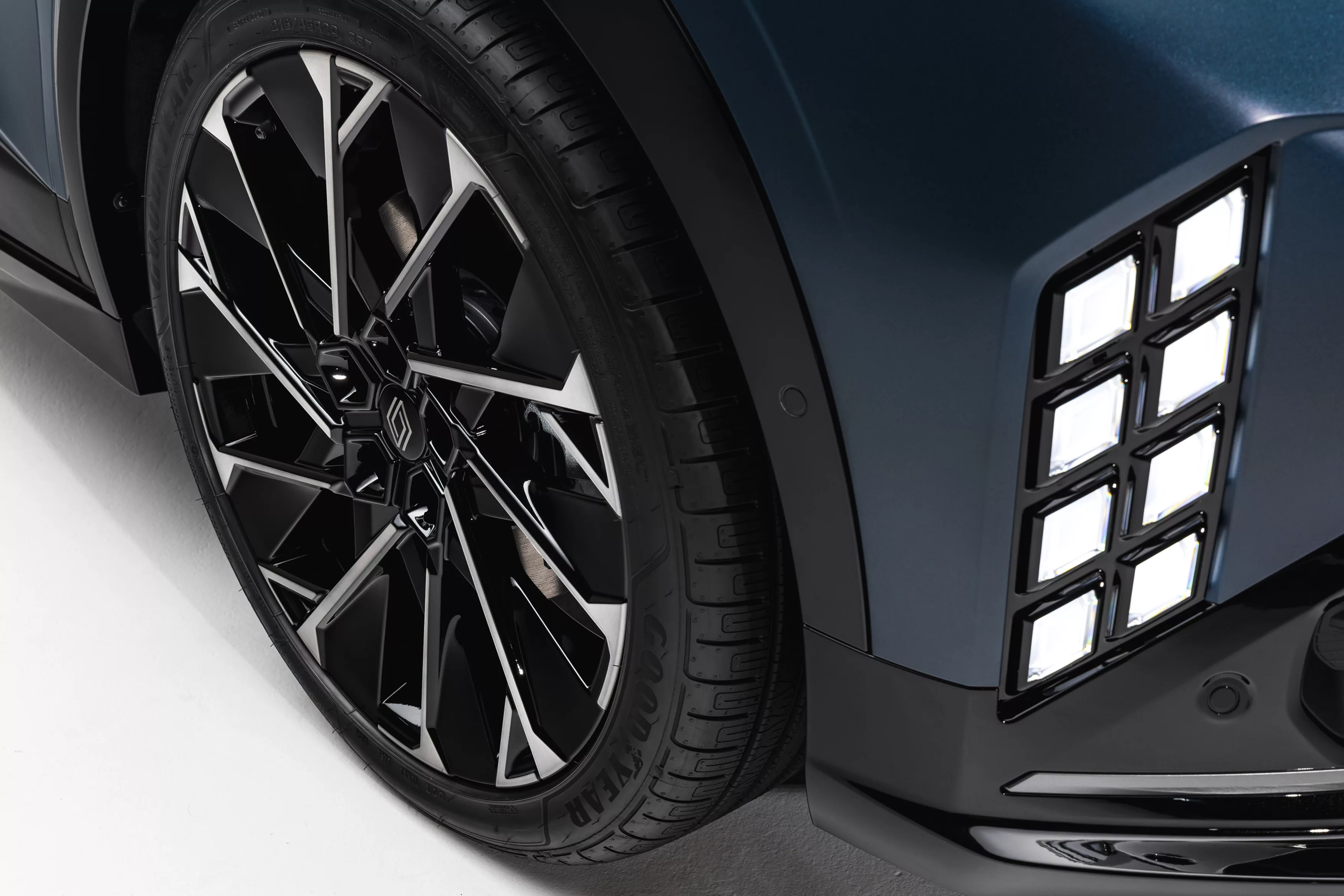
Visually, this is no minor cosmetic update. Renault has retained the headlights but replaced practically everything else at the front. The daytime running lights now consist of eight diamond-shaped elements, the closed grille gains a gloss-black diamond pattern and the Renault logo has moved below the bonnet.
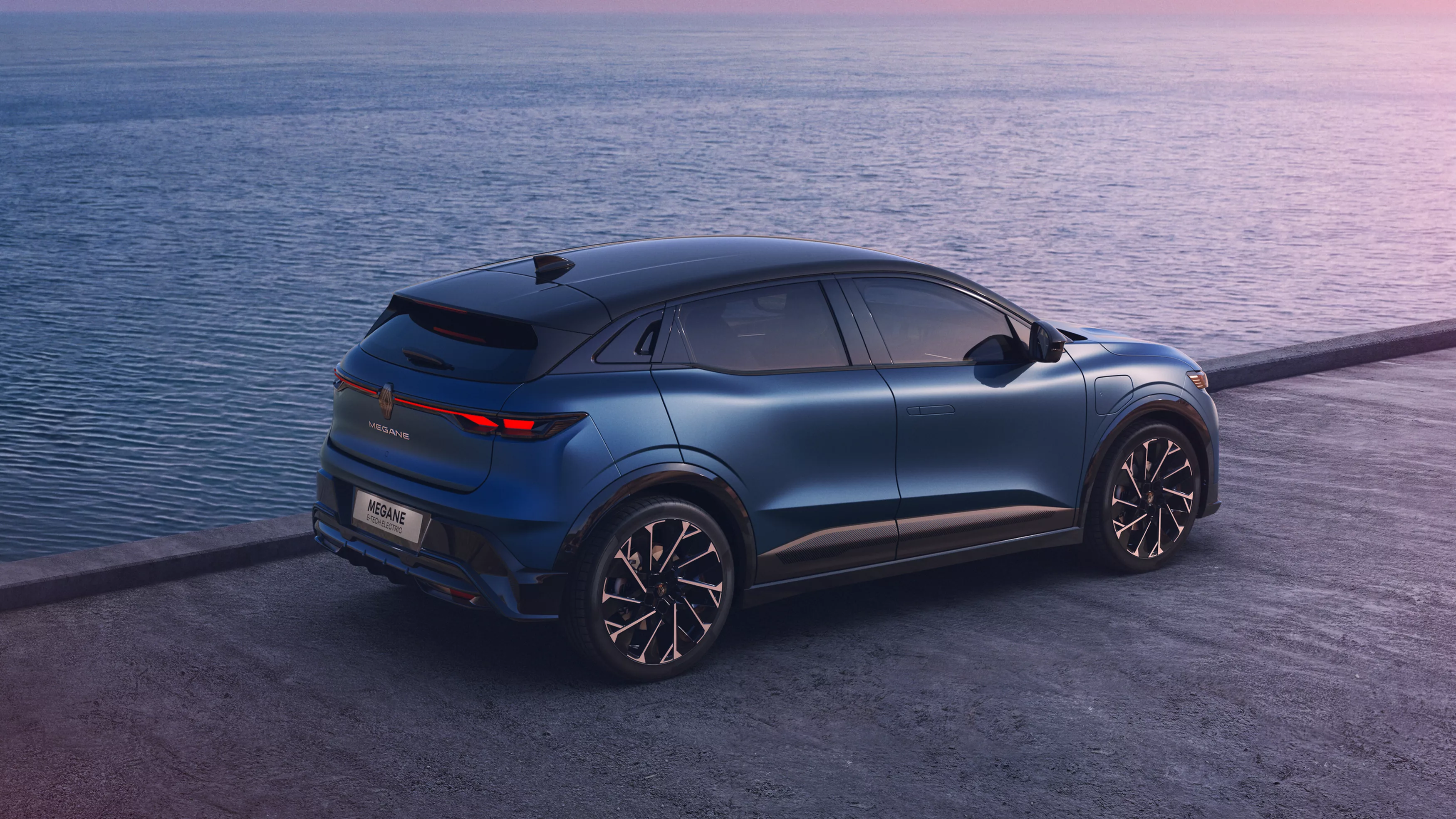
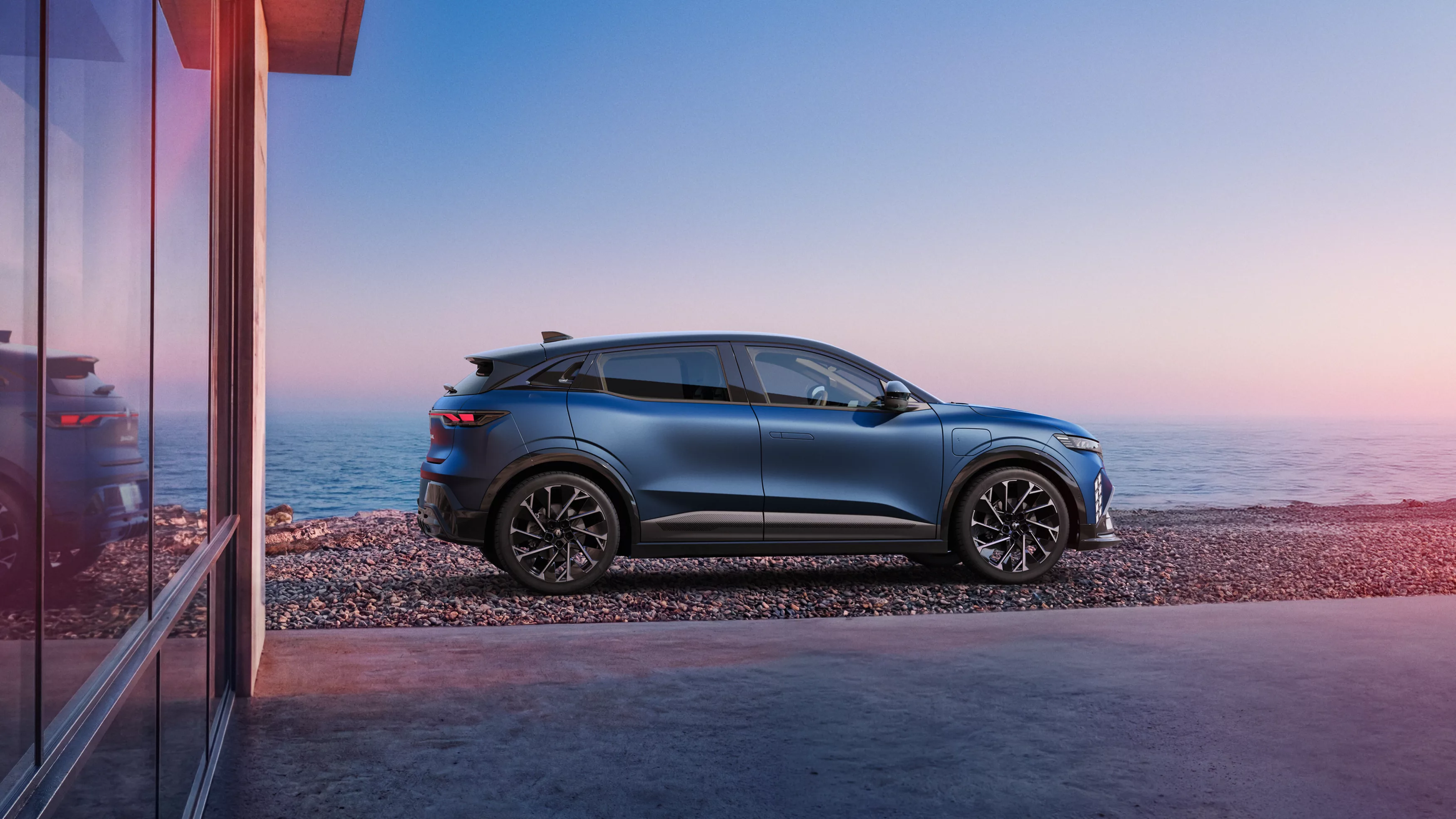
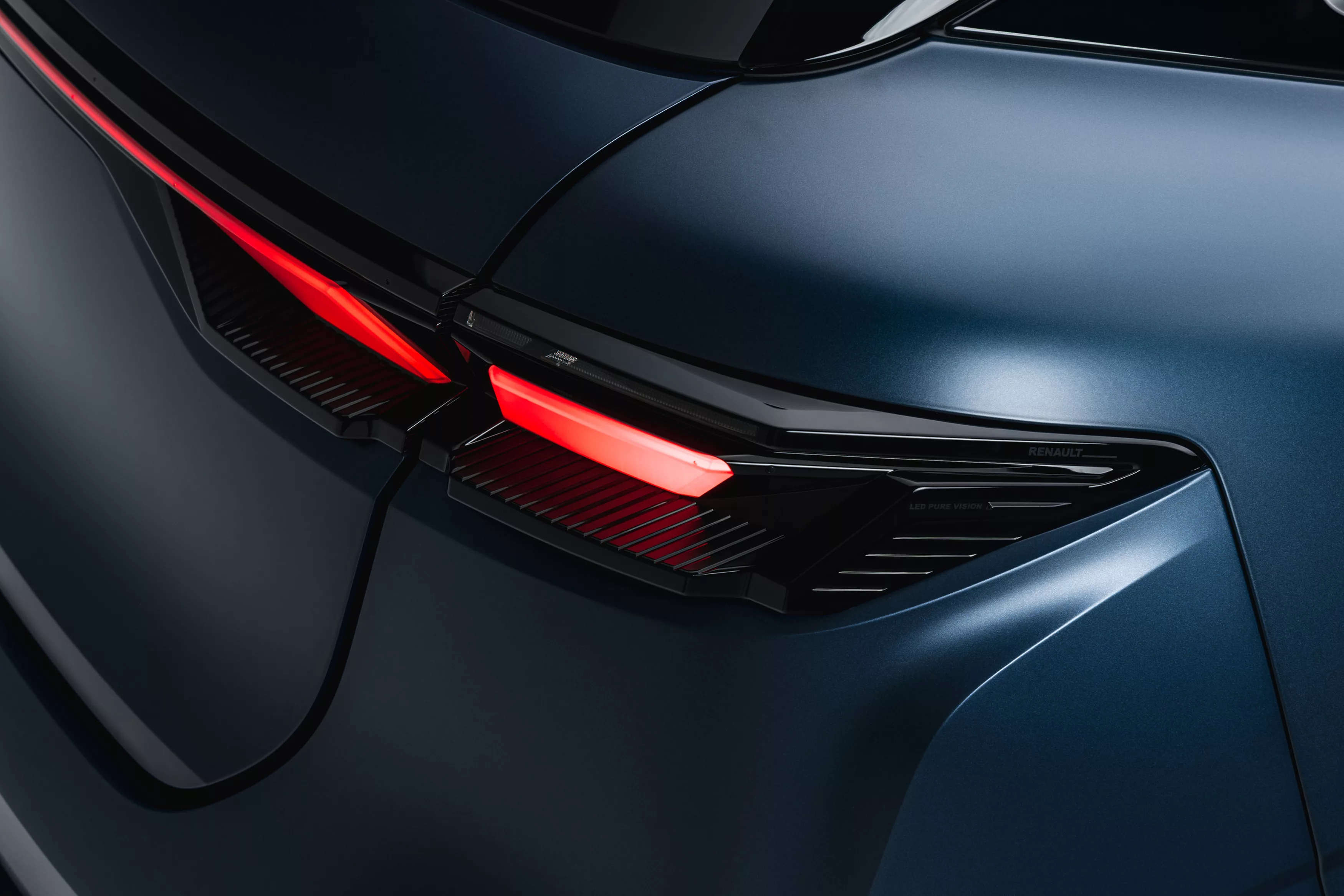
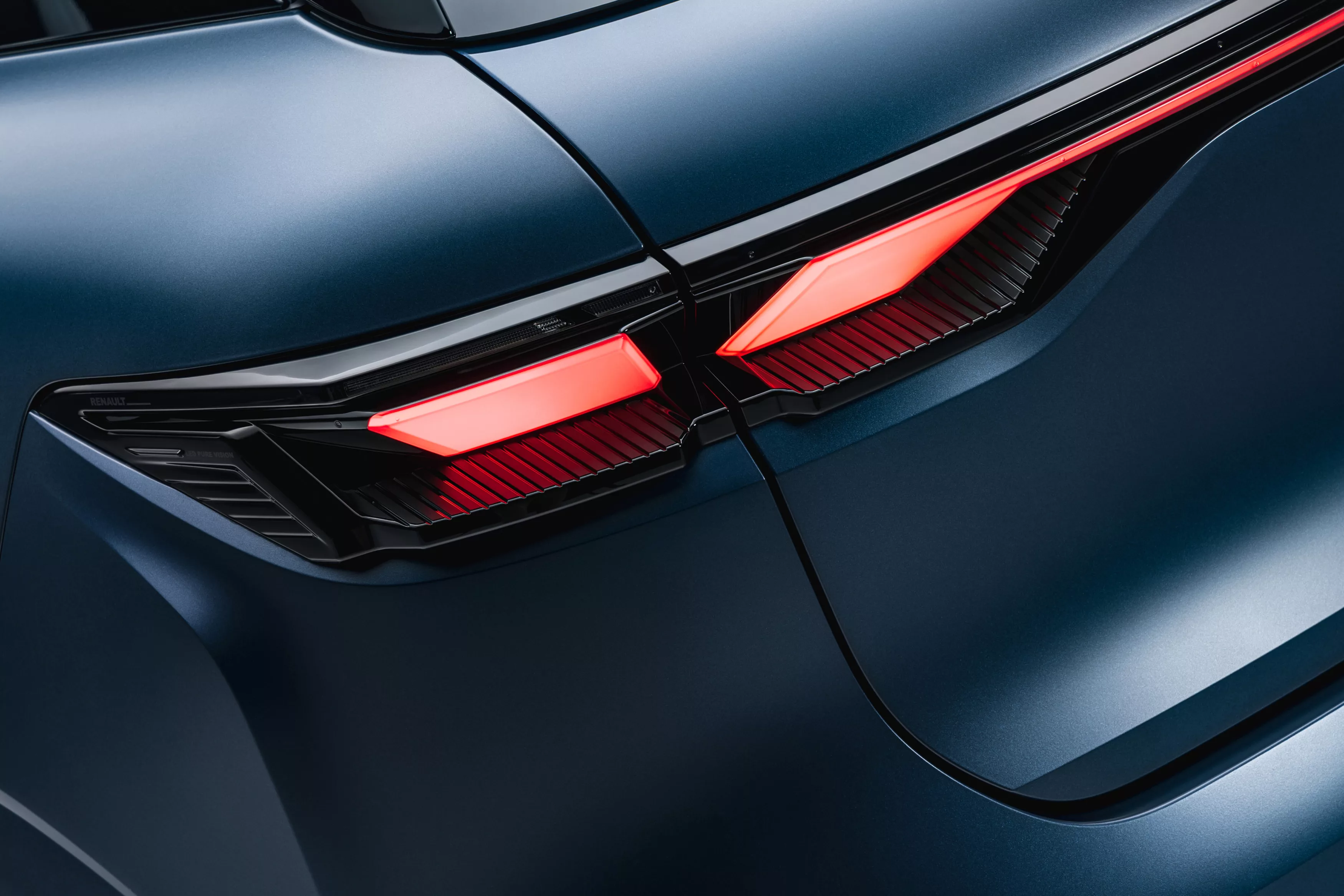
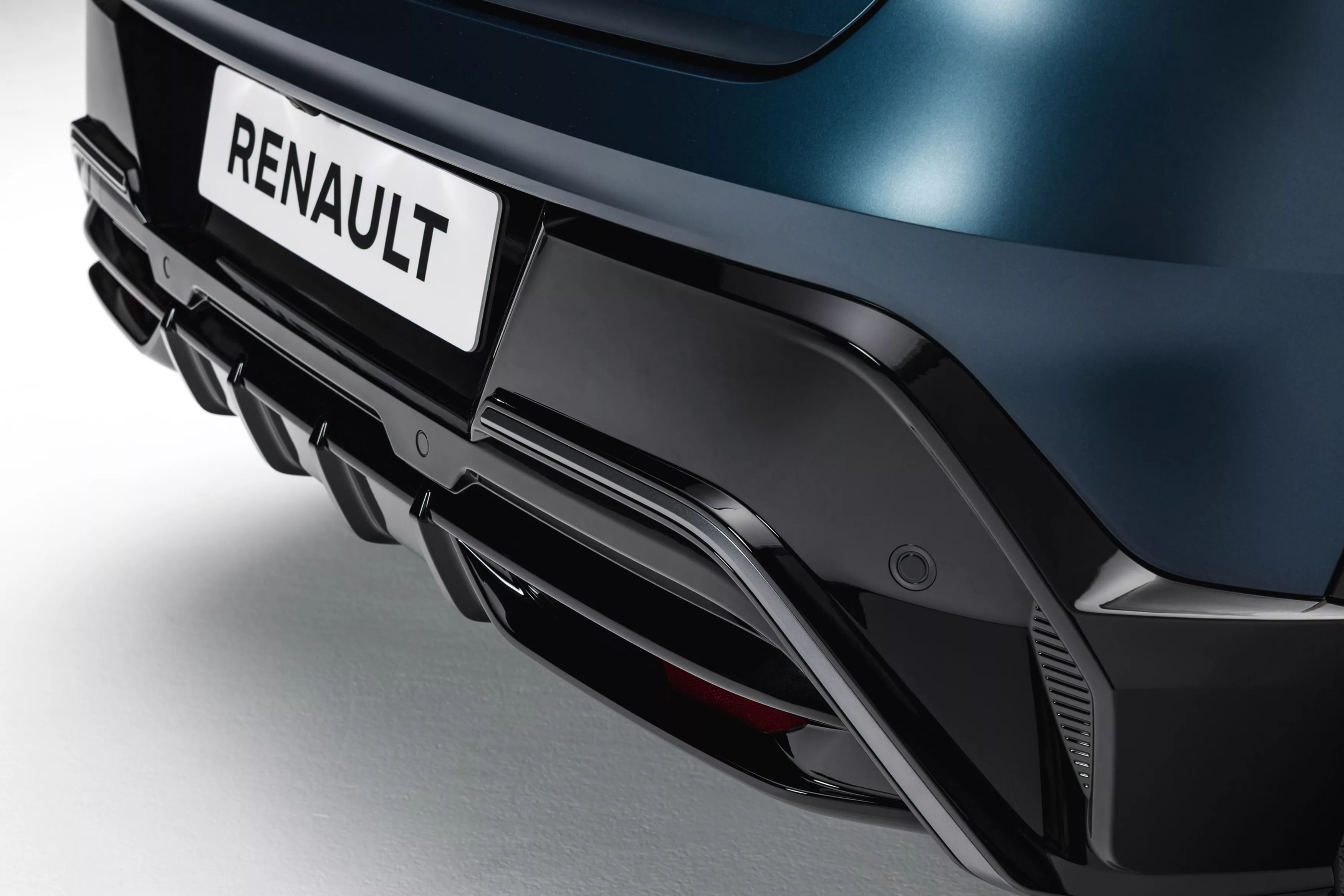
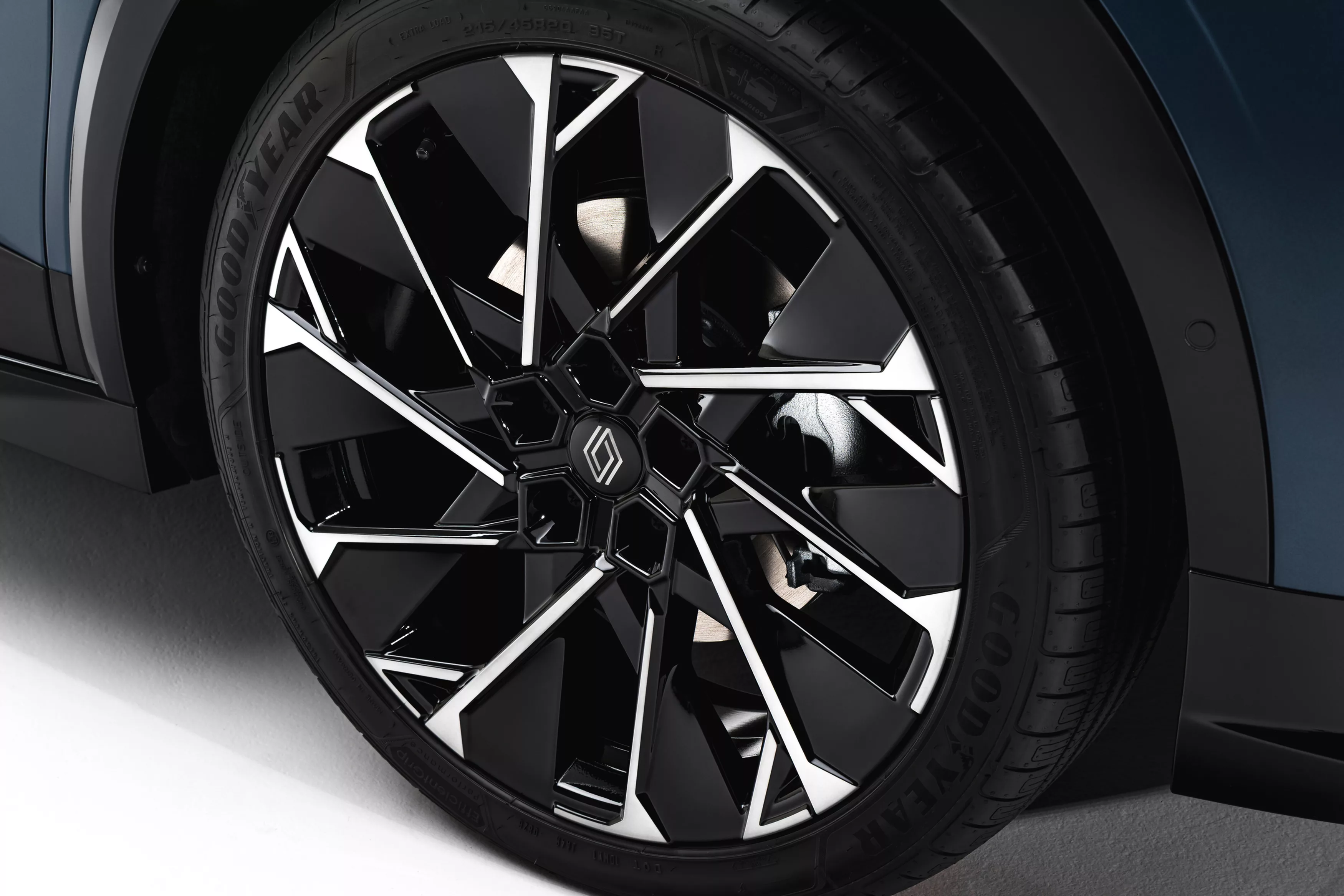
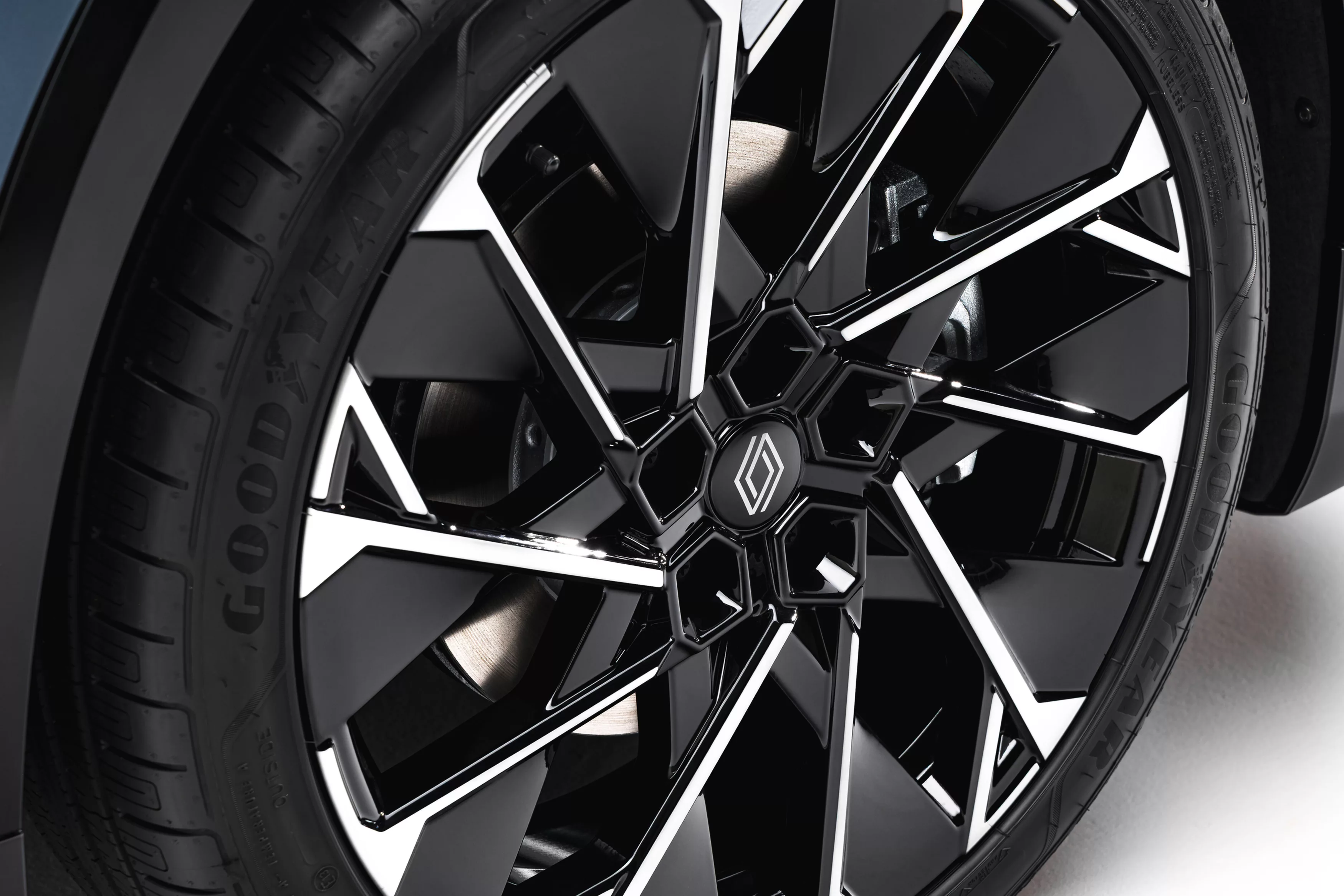
At the rear, the Megane uses 3D lighting elements without cover lenses. There is a choice of 19- and 20-inch wheels and seven body colours.
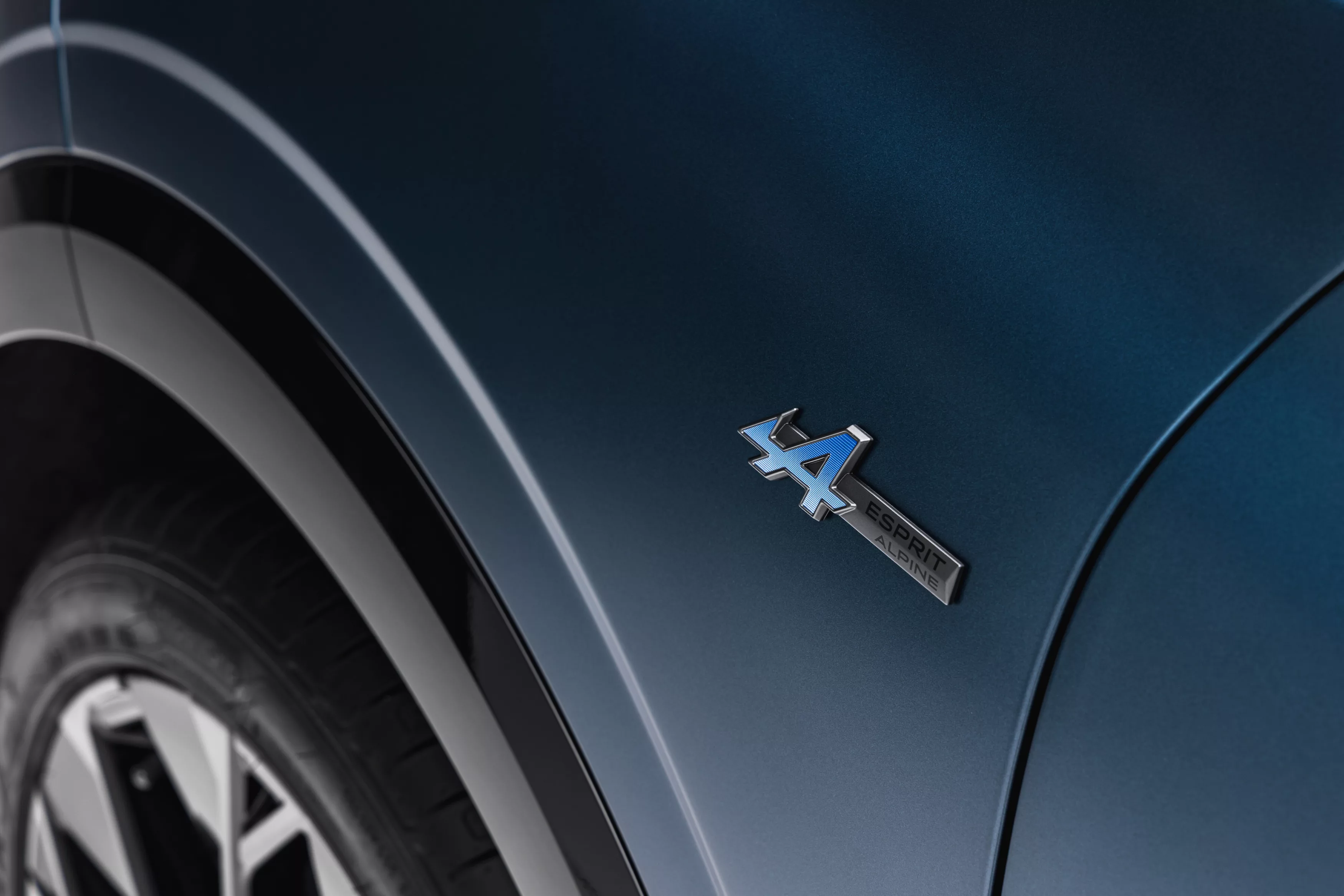
The model range, by contrast, becomes deliberately simpler. One battery, one motor and two trim levels remain: Techno and Esprit Alpine. Renault has finally abandoned an electric-car price list that required almost as much patience to decipher as charging-network tariffs.
Google Gemini comes aboard the Megane
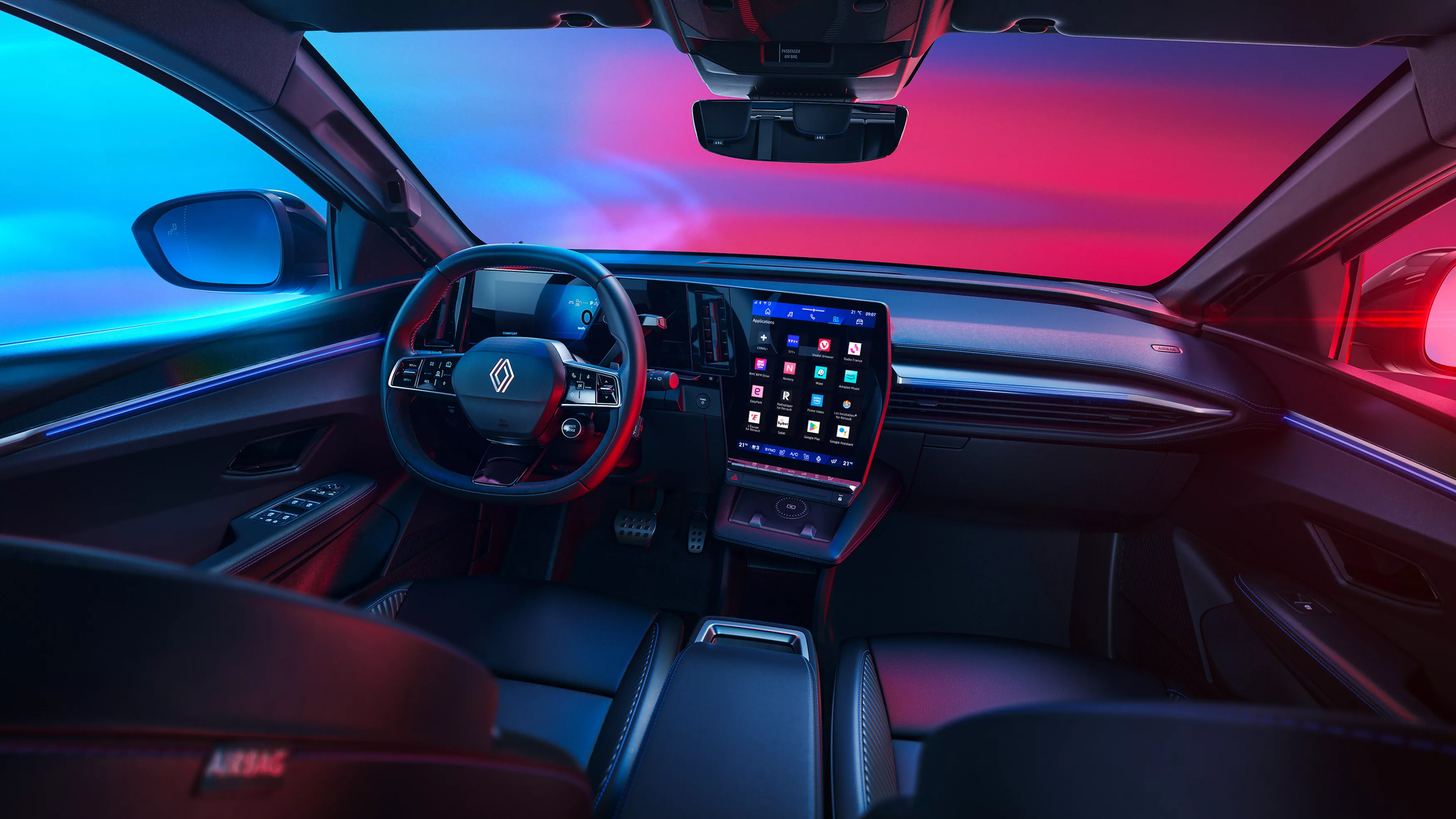
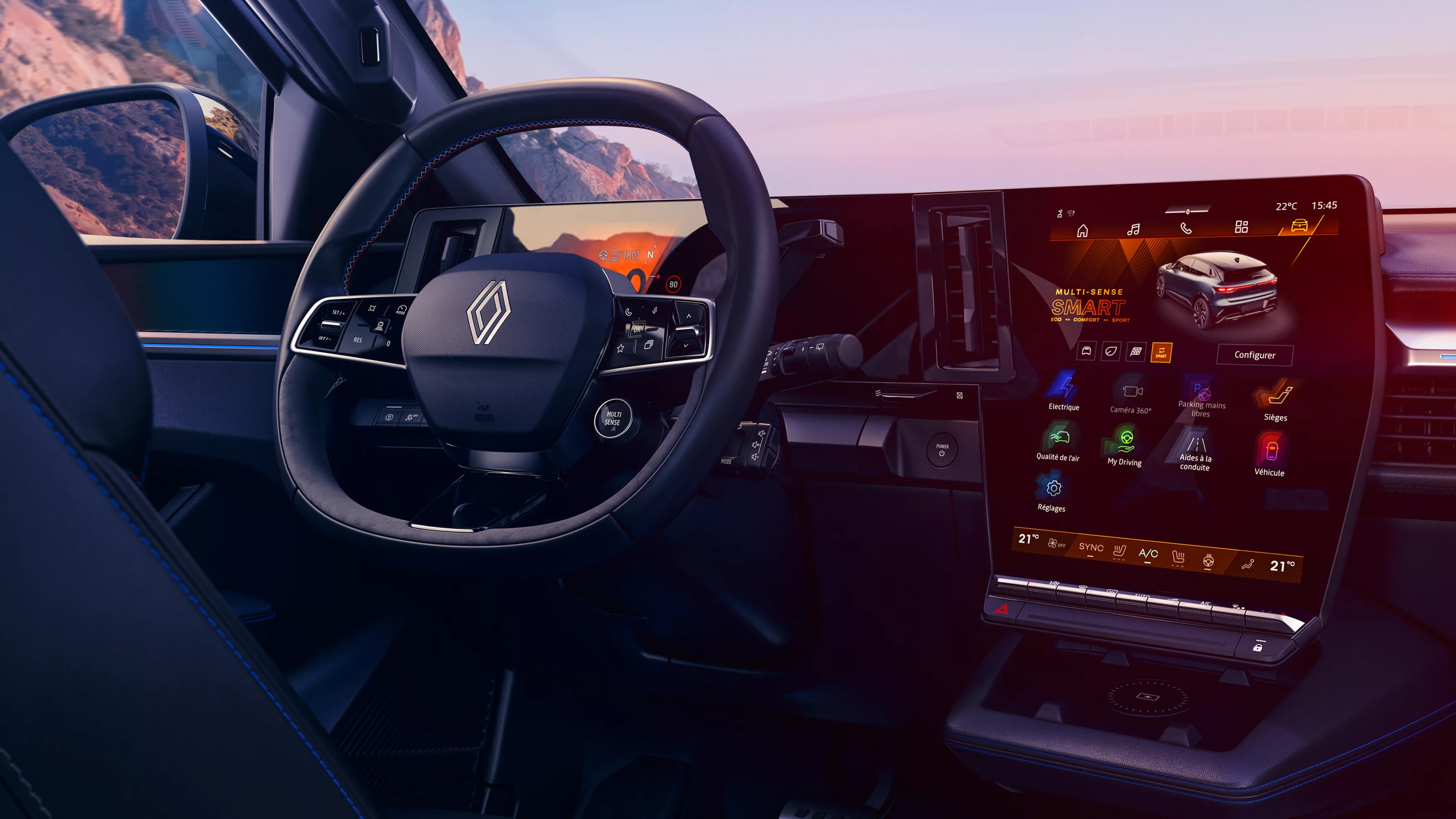
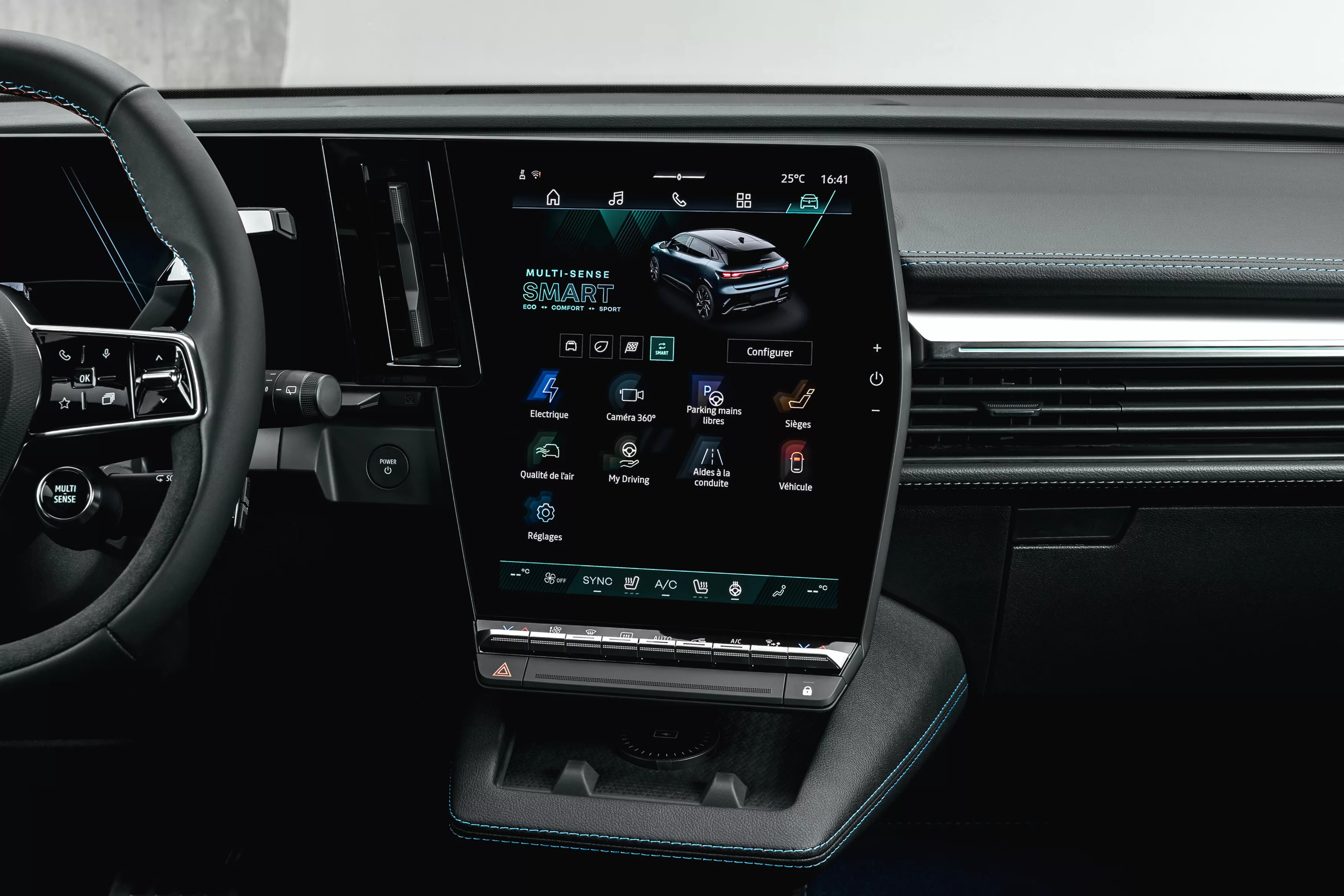
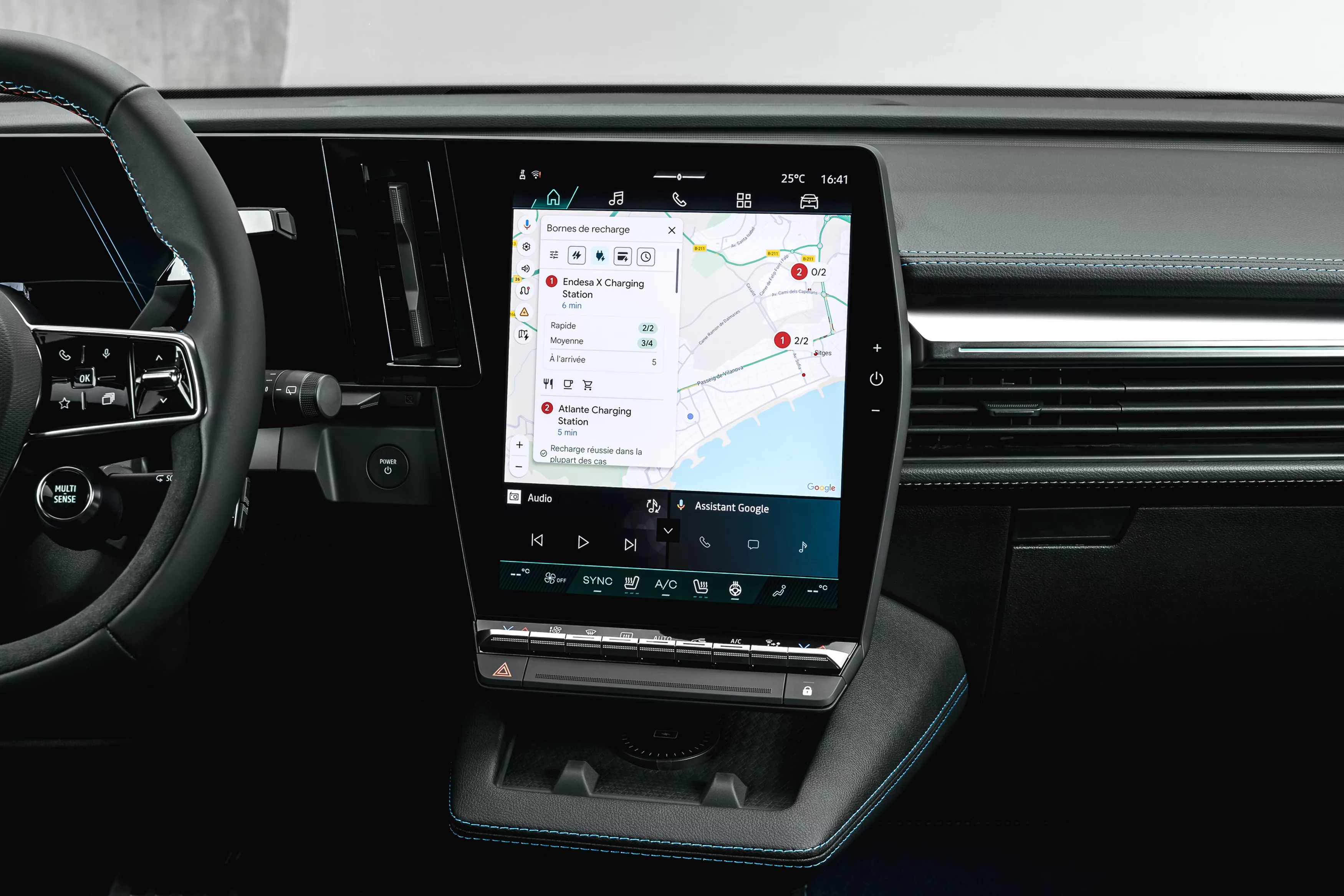
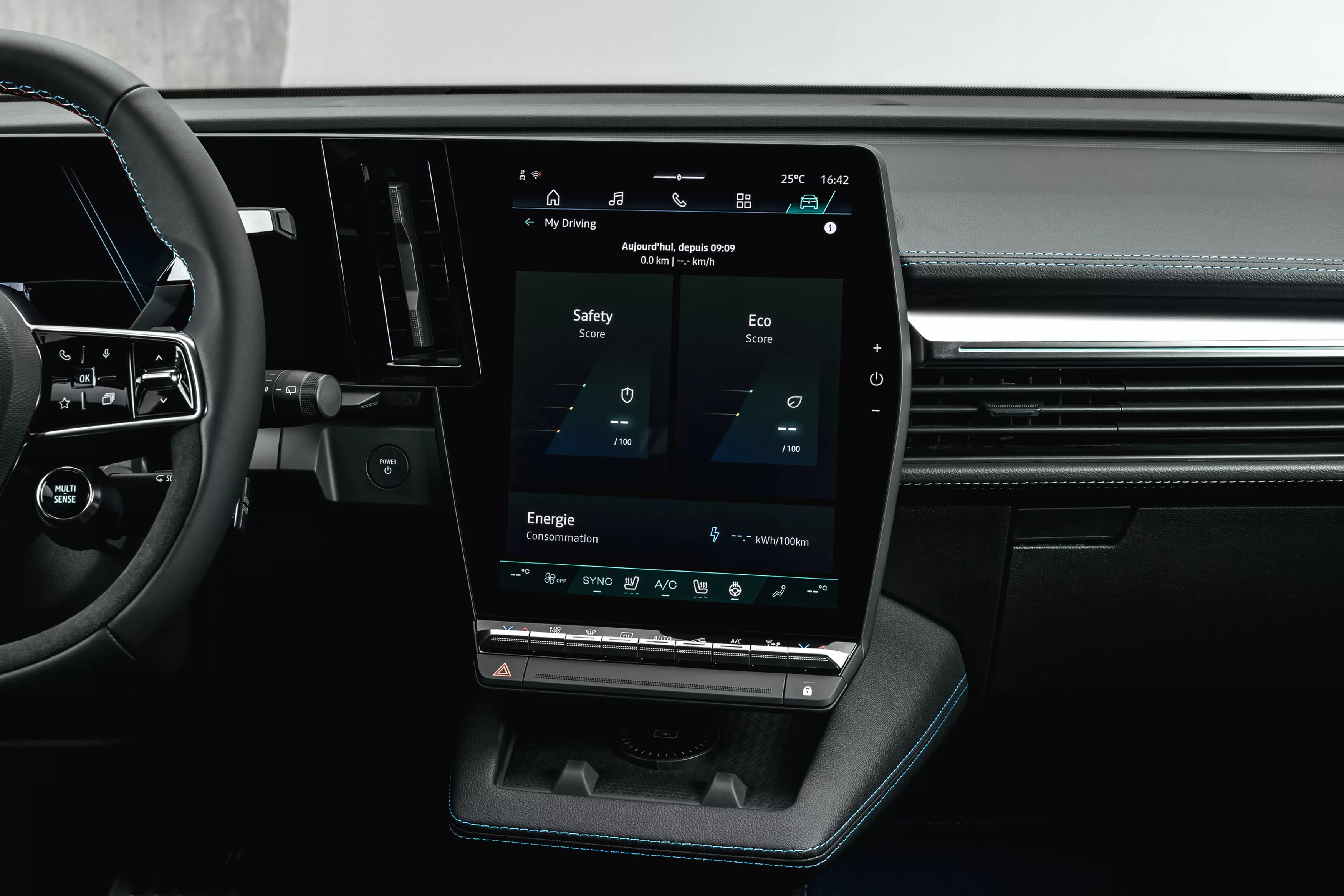
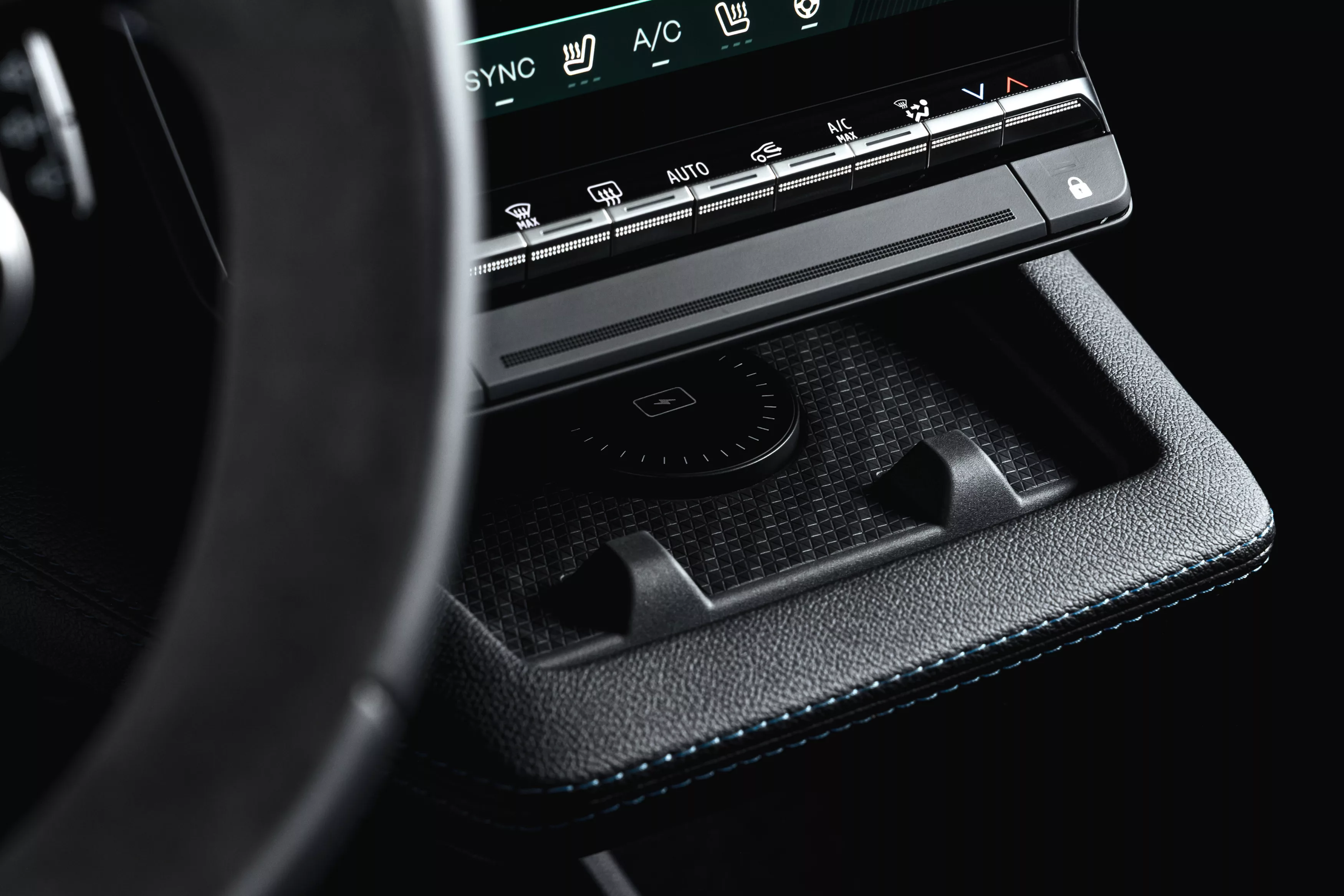
The Techno gets two 12-inch openR displays, Google Maps EV route planning, more than a hundred Google Play apps and the Google Gemini AI assistant. Renault also adds a magnetic, ventilated Qi2 wireless phone charger.
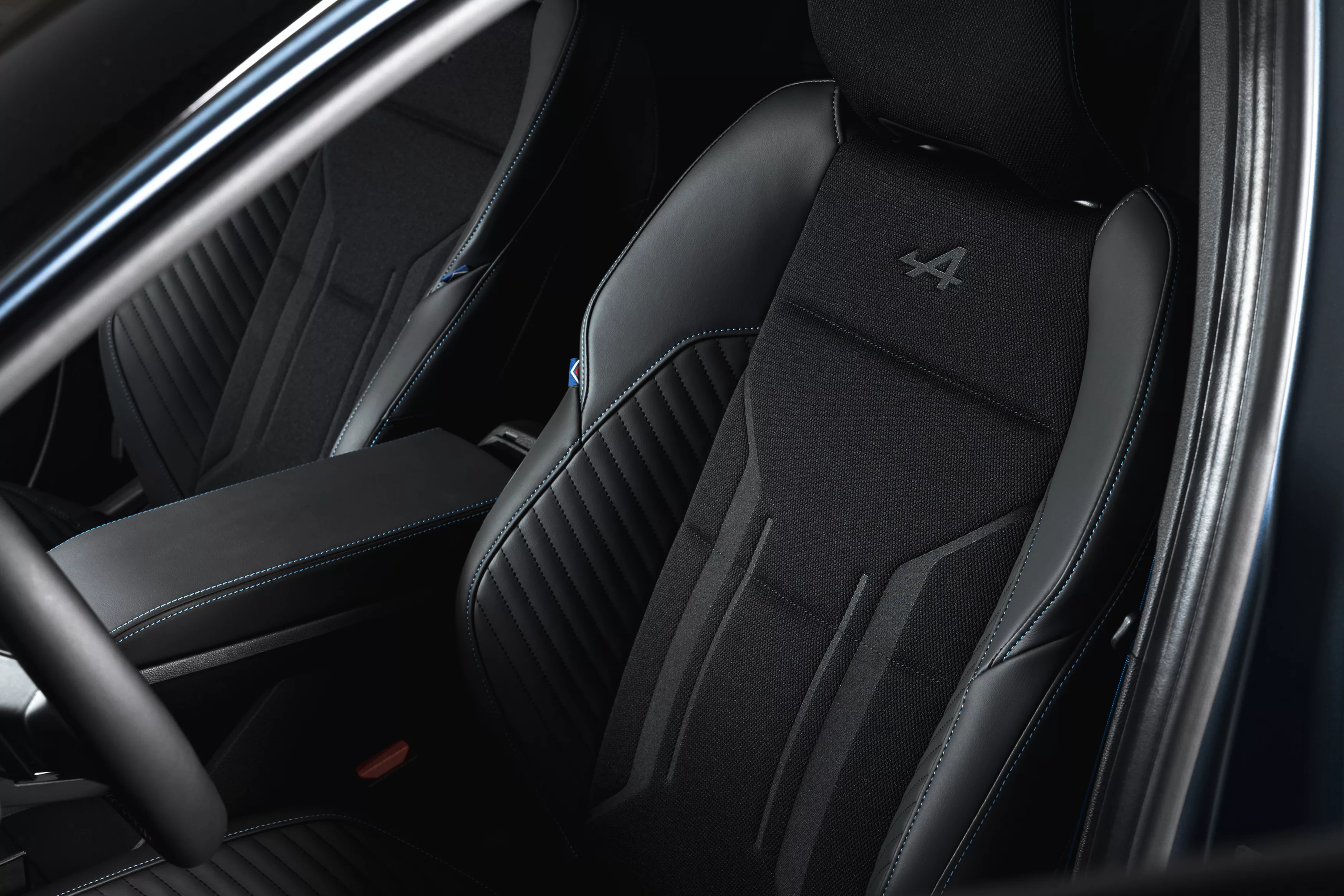
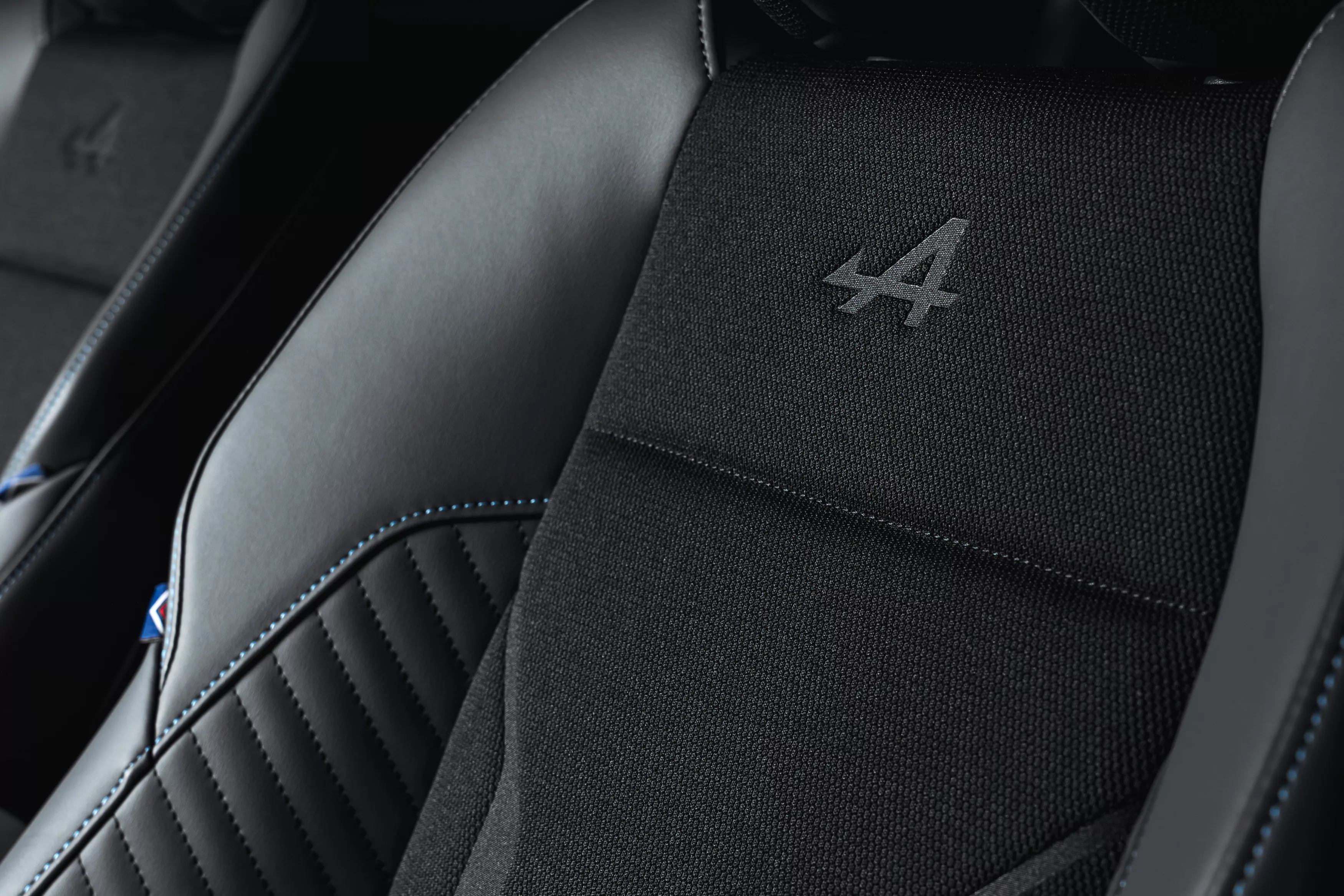
A new data package gives the car 2 GB of mobile data each month for three years, reducing the need to tether a phone. The Esprit Alpine adds, among other features, 20-inch wheels, power-adjustable seats with a massage function, a Harman Kardon sound system, a 360-degree camera and Active Driver Assist.
European origins are now a selling point, not a footnote
Renault assembles the Megane and its battery in Douai, the battery cells come from Poland and the electric motor is built in Cléon, Normandy. In a European electric-car market facing price pressure from both Korea and China, a local production chain is an increasingly important selling point for Renault.
The new Megane does not try to break the 600 km barrier like the Kia EV3, nor does it compete to offer the largest possible battery. Renault has chosen another route: a 67 kWh pack, 500 km of WLTP range, 165 kW charging, bidirectional AC charging and a relatively compact body. That combination makes the update a much more significant technical step than the exterior changes suggest.


