
Rolls-Royce recalls some Cullinans and tells owners not to use the rear seats for now
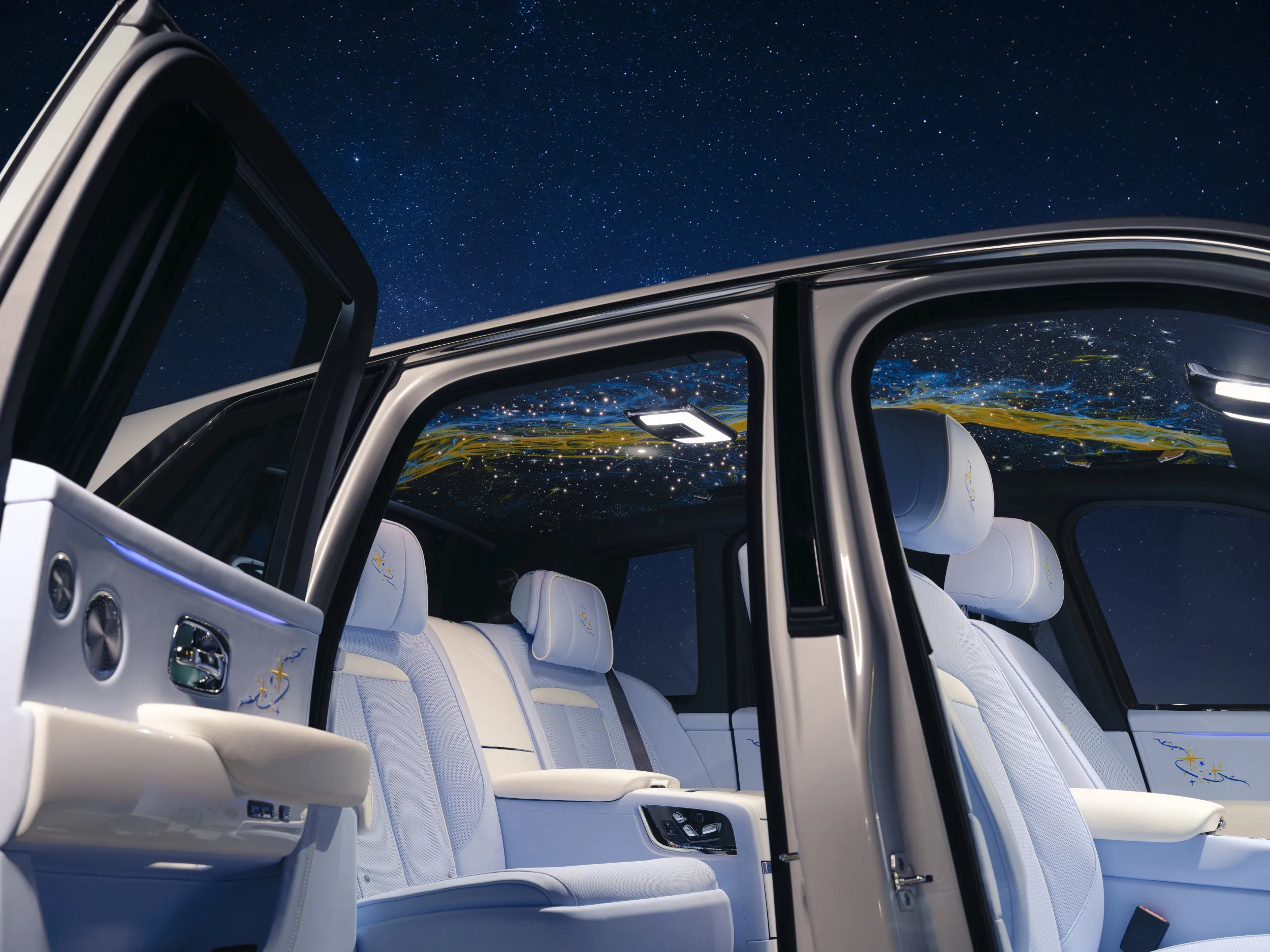
Rolls-Royce has recalled 102 Cullinans in the United States because some of the rear seat belt mountings or rear seat back locking brackets may not have been tightened to the specified factory torque. Until each car is checked, the company is advising owners not to use the rear seating area or the boot at all.
At first glance the scale looks modest, but for Rolls-Royce the issue is a sensitive one. According to NHTSA documents, the recall covers 2020 to 2026 model year Cullinans built between 27 November 2019 and 19 November 2025. If a fastening bolt loosens, the rear seat belt may lose its ability to restrain occupants properly in a crash, or luggage moving in the boot could force the rear seat back forwards. In either case, the risk of injury rises.
Rolls-Royce found the problem itself. The manufacturer says that on 23 January 2026, during quality control checks and a test drive, engineers noticed a metallic rattle near the right rear C pillar. Once the area was dismantled, they discovered play in a seat belt retractor bolt, opened a technical investigation, reviewed factory data and on 5 March chose to launch a voluntary safety recall. The company adds that it is not aware of any crashes or injuries linked to the defect.
That is precisely why the story matters more in reputational terms than the numbers might suggest. In the ultra luxury segment, customers are not only buying materials and craftsmanship, they are also buying the promise of faultlessness. When Rolls-Royce tells owners not to use the rear seats, it lands squarely on the model’s central selling point. The Cullinan trades on space, silence and effortless usability. At the same time, the timeline suggests the company’s quality system caught the defect before any real world harm emerged, which is a critical distinction for a luxury brand.
The strategic significance grows further because the car in question is one of the pillars of the Rolls-Royce line up. In its official reviews for 2023, 2024 and 2025, the company said the Cullinan was its most in demand model. Rolls-Royce’s global sales also reached 5,712 cars in 2024. That means even a recall involving just 102 vehicles can do more damage to trust than the unit count alone would suggest.
The practical fix is straightforward enough. Dealers will inspect the bolts, tighten them to the required specification or replace them if necessary. They will also inspect the seat belts and replace them where needed, free of charge. According to NHTSA documents, owner notifications will begin on 4 May 2026. For now, the official campaign applies to 102 vehicles sold through BMW of North America.
Rolls-Royce found the problem itself. The manufacturer says that on 23 January 2026, during quality control checks and a test drive, engineers noticed a metallic rattle near the right rear C pillar. Once the area was dismantled, they discovered play in a seat belt retractor bolt, opened a technical investigation, reviewed factory data and on 5 March chose to launch a voluntary safety recall. The company adds that it is not aware of any crashes or injuries linked to the defect.
That is precisely why the story matters more in reputational terms than the numbers might suggest. In the ultra luxury segment, customers are not only buying materials and craftsmanship, they are also buying the promise of faultlessness. When Rolls-Royce tells owners not to use the rear seats, it lands squarely on the model’s central selling point. The Cullinan trades on space, silence and effortless usability. At the same time, the timeline suggests the company’s quality system caught the defect before any real world harm emerged, which is a critical distinction for a luxury brand.
The strategic significance grows further because the car in question is one of the pillars of the Rolls-Royce line up. In its official reviews for 2023, 2024 and 2025, the company said the Cullinan was its most in demand model. Rolls-Royce’s global sales also reached 5,712 cars in 2024. That means even a recall involving just 102 vehicles can do more damage to trust than the unit count alone would suggest.
The practical fix is straightforward enough. Dealers will inspect the bolts, tighten them to the required specification or replace them if necessary. They will also inspect the seat belts and replace them where needed, free of charge. According to NHTSA documents, owner notifications will begin on 4 May 2026. For now, the official campaign applies to 102 vehicles sold through BMW of North America.


