
Toyota wants combustion-engine cars to be legally classed as zero-emission vehicles
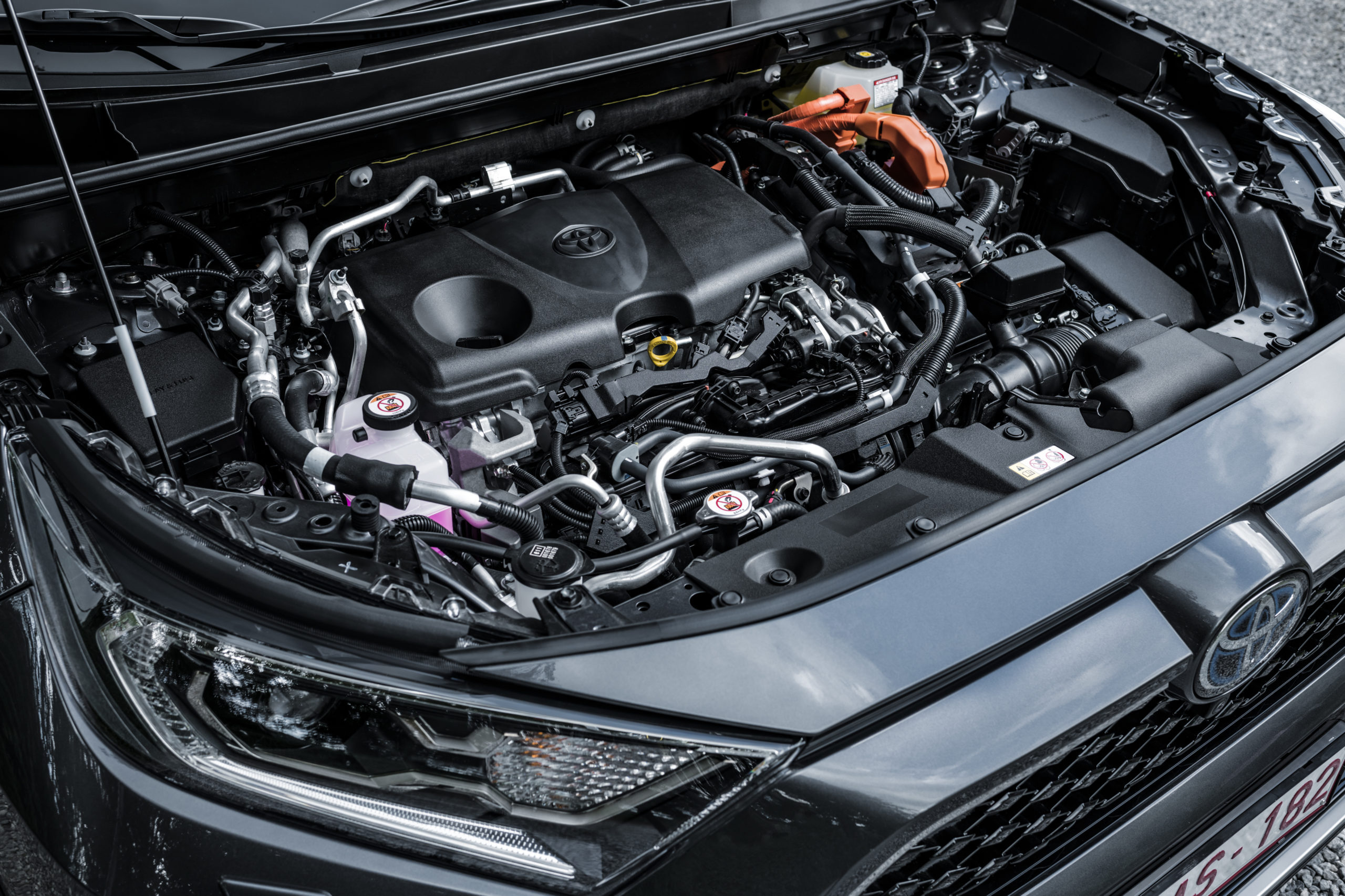
Toyota is proposing a bold solution to the European Union that would allow combustion-engine cars to retain their place in the market beyond 2035. The Japanese carmaker wants vehicles running exclusively on renewable fuels to receive the same legal zero-emission status as electric cars. One small contradiction remains: they still emit carbon dioxide from their exhausts.
Toyota wants to change how emissions are calculated
On 16 October, Toyota submitted a proposal to European Union lawmakers to introduce a new vehicle category, VEEF (Vehicles running Exclusively on Eligible Fuels). It would cover combustion-engine cars that run exclusively on qualifying renewable fuels.
According to Toyota Motor Europe's official proposal, these vehicles could be treated as zero-emission vehicles based on the fuel's carbon balance over its entire life cycle, rather than solely on the amount of CO₂ emitted from the exhaust.
The principle is based on producing renewable fuels from organic waste, biomass residues or feedstocks synthesised using renewable energy. Burning these fuels does release CO₂, but the overall carbon footprint of their production and use can be significantly smaller than that of fossil fuels.
However, renewable origins do not automatically mean carbon neutrality. The outcome depends on raw material sourcing, the production process, energy consumption and transport. Other pollutants associated with combustion engines, including nitrogen oxides, also remain.
Toyota is therefore primarily seeking to change vehicles' legal classification, rather than claiming that an engine running on renewable fuel no longer emits exhaust gases.
BMW and Toyota test the approach in Spain
The proposal is not limited to requests submitted to lawmakers. In July, Toyota, BMW, Bosch and Repsol launched a six-month pilot project in Spain involving around 20 Toyota, Lexus, BMW and MINI vehicles.
The cars run exclusively on Repsol's Nexa 95 renewable petrol, which the manufacturers say is compatible with existing petrol engines without technical modifications.
A key part of the pilot project is Bosch's digital fuel monitoring system. It collects data from vehicles, filling stations and fuel card transactions to allow verification that the cars are indeed being filled exclusively with qualifying renewable fuel.
Toyota and its partners hope to demonstrate that renewable fuel use can be reliably tracked using the existing vehicle fleet and filling station network. The companies have not yet published the trial results.
The biggest challenges are monitoring and fuel availability
For the VEEF category to work, Toyota must resolve two major issues.
First, it must ensure that a car granted zero-emission status does not use conventional fossil petrol. A digital refuelling history may detect a breach, but does not in itself prevent the wrong fuel from being put in the tank. A reliable system would therefore require additional technical checks or refuelling restrictions.
Second, qualifying renewable fuel must be available in sufficient quantities and at a competitive price. Current production volumes cannot replace a significant share of Europe's petrol demand. Road transport also competes for renewable fuels with aviation and shipping, where electrification is more difficult.
Europe prepares to ease its 2035 requirements
Toyota's proposal arrived as the European Union reviews CO₂ limits for new cars.
Under the current rules, carmakers must reduce average CO₂ emissions from new passenger cars by 100% from 2035 compared with the 2021 baseline. In December 2025, the European Commission proposed lowering the target to 90%, allowing the remaining emissions to be offset through the use of renewable fuels and steel with a smaller carbon footprint.
A few days ago, negotiators from three major groups in the European Parliament reached a preliminary agreement that would lower the 2035 target by as much as 87.5%. However, the agreement still requires political approval and negotiations with member states.
Toyota's proposal would go further than these relaxations, allowing combustion-engine cars running on renewable fuel to obtain the legal status of zero-emission vehicles.
For the manufacturer, more is at stake than simply the future of engines. Such rules would allow it to continue using existing powertrains and production technology, while reducing the pressure to switch rapidly to electric cars alone.
For European buyers, this could mean a wider choice of powertrains in the longer term. Whether it also delivers genuine environmental benefits, however, depends on renewable fuel production volumes, prices and verified carbon footprints.


