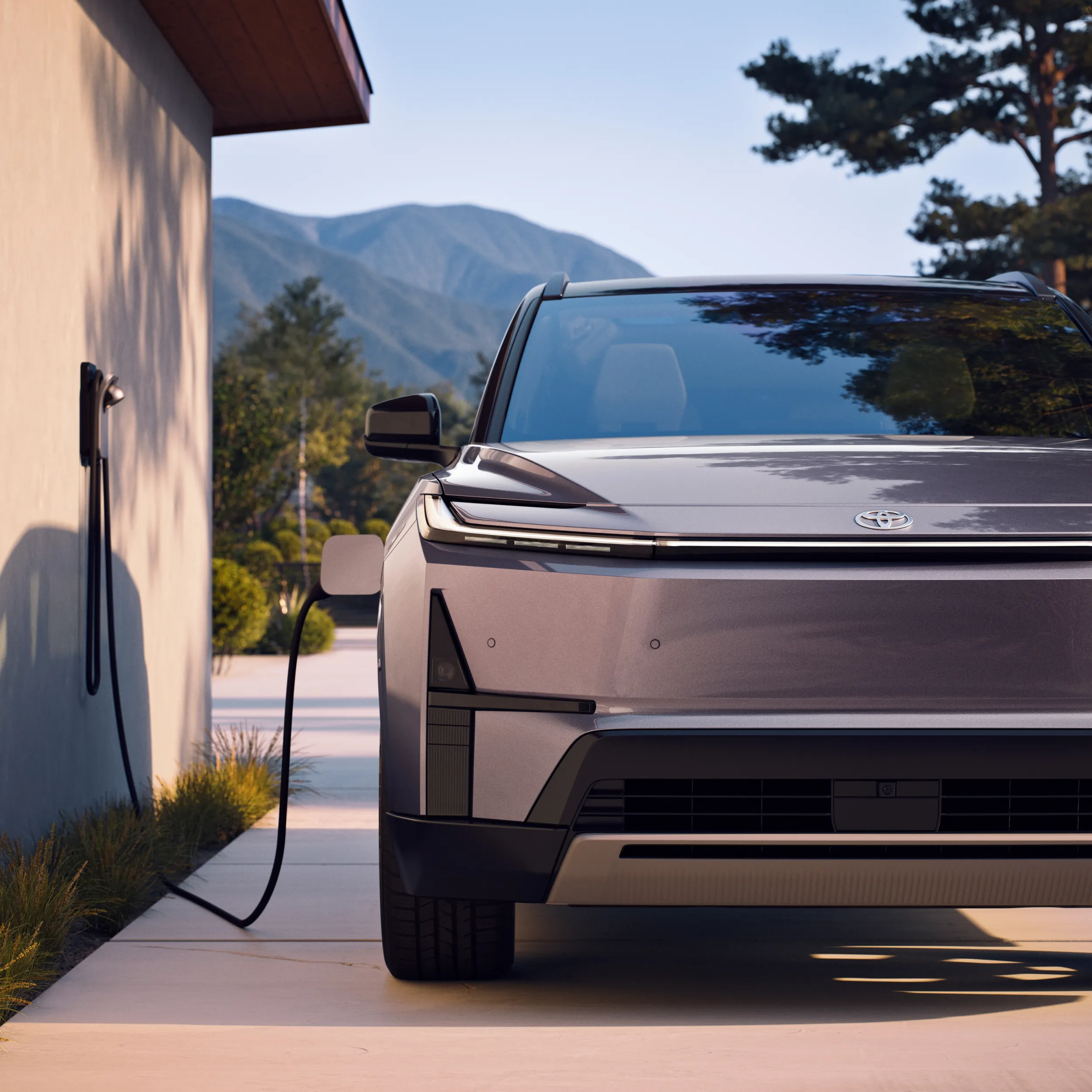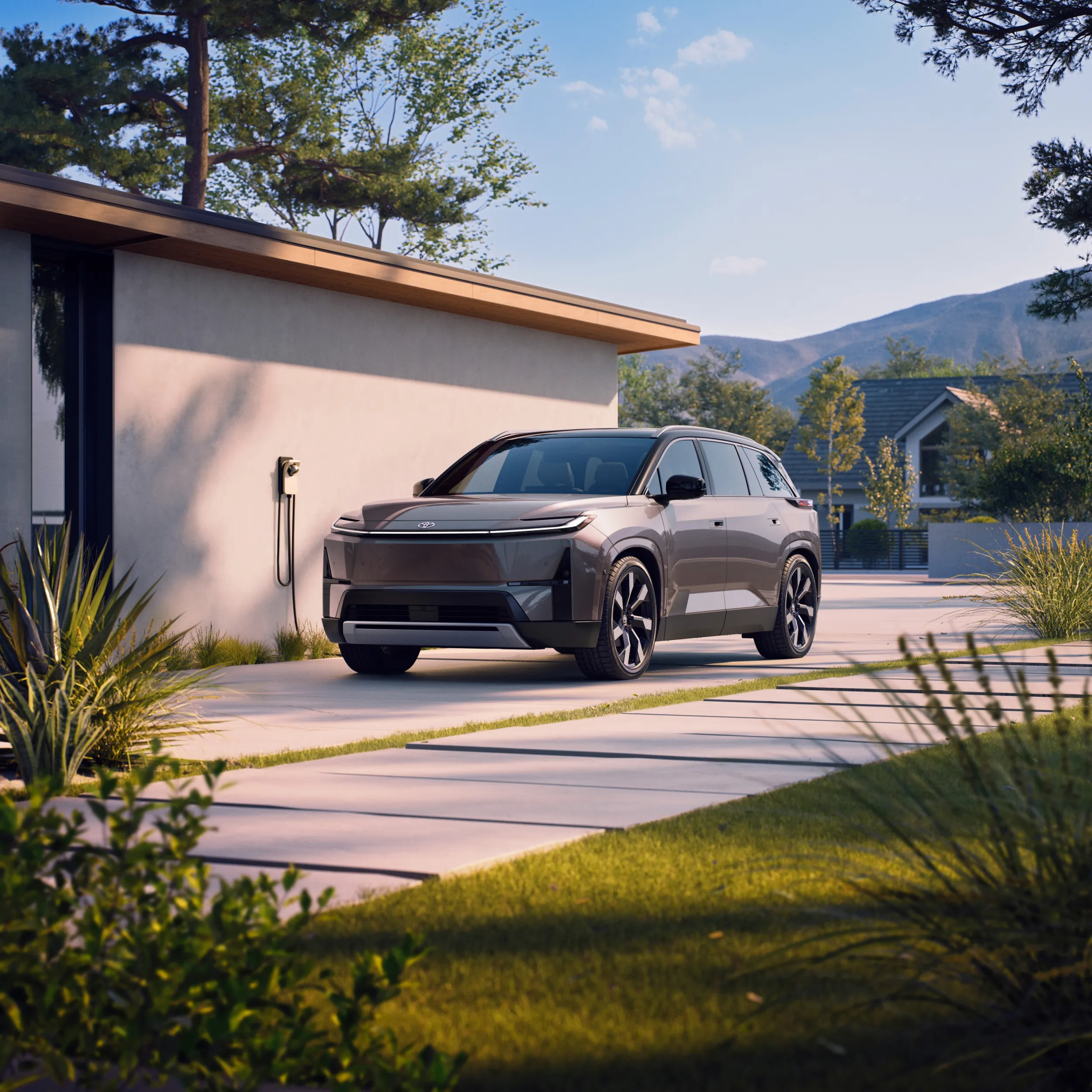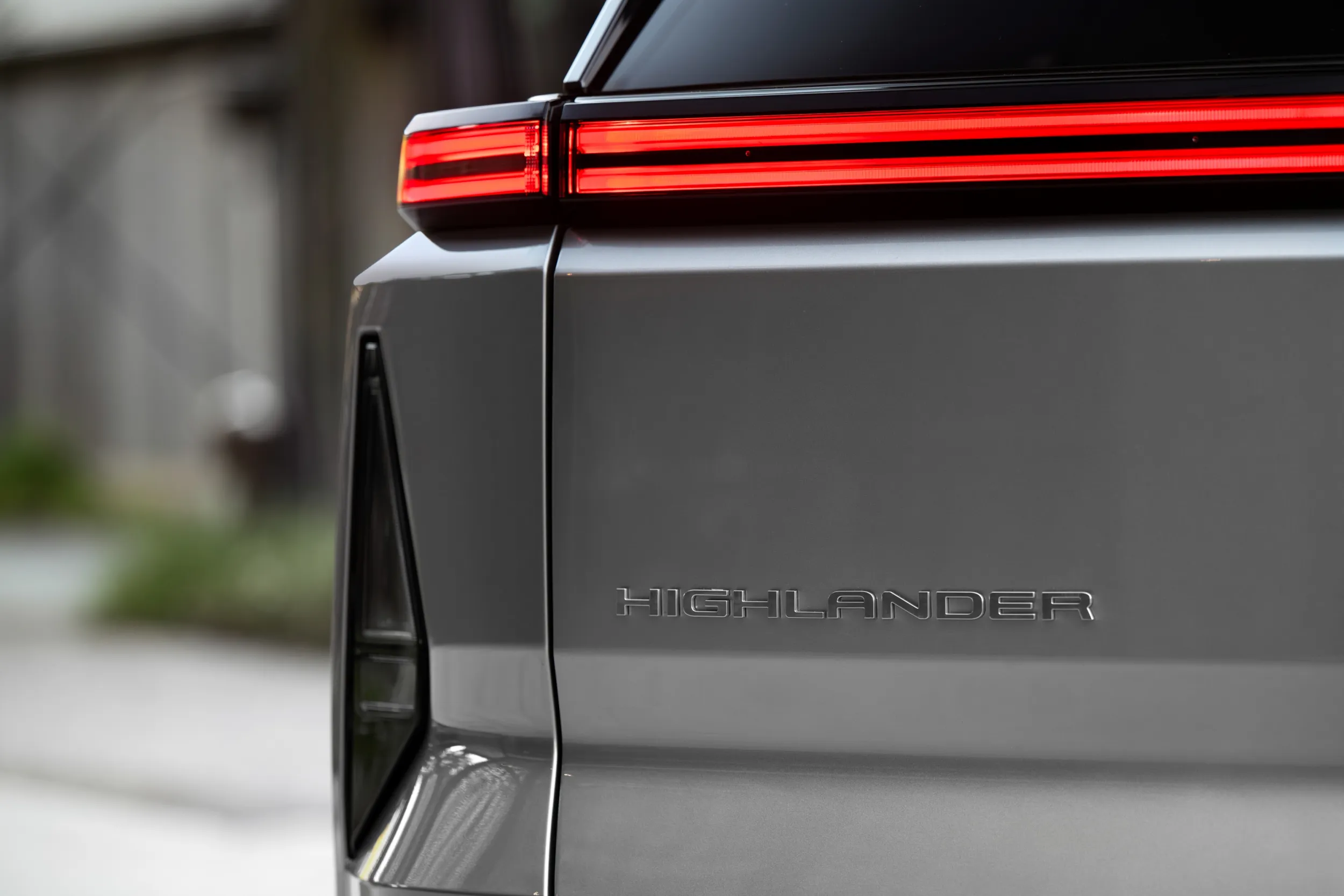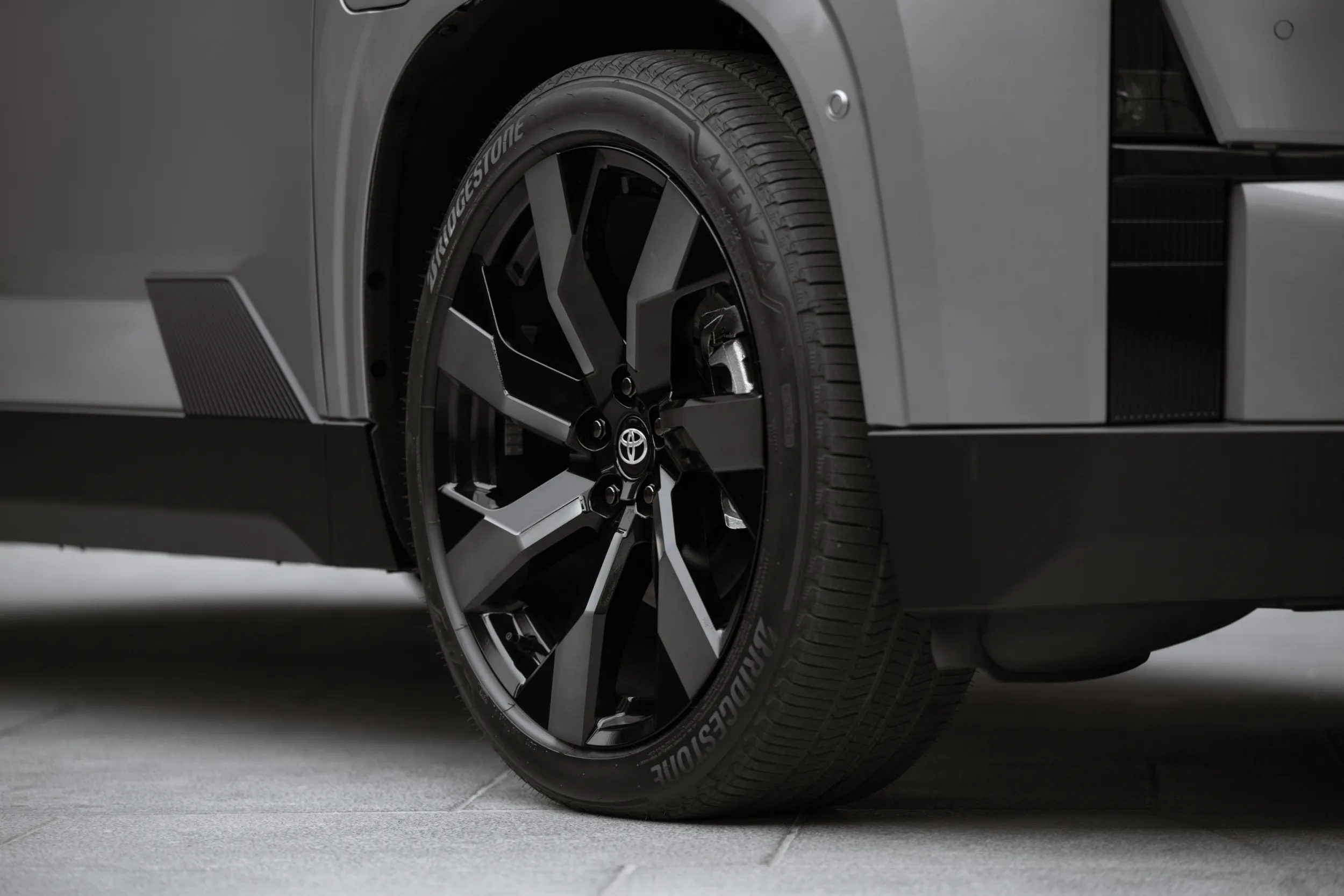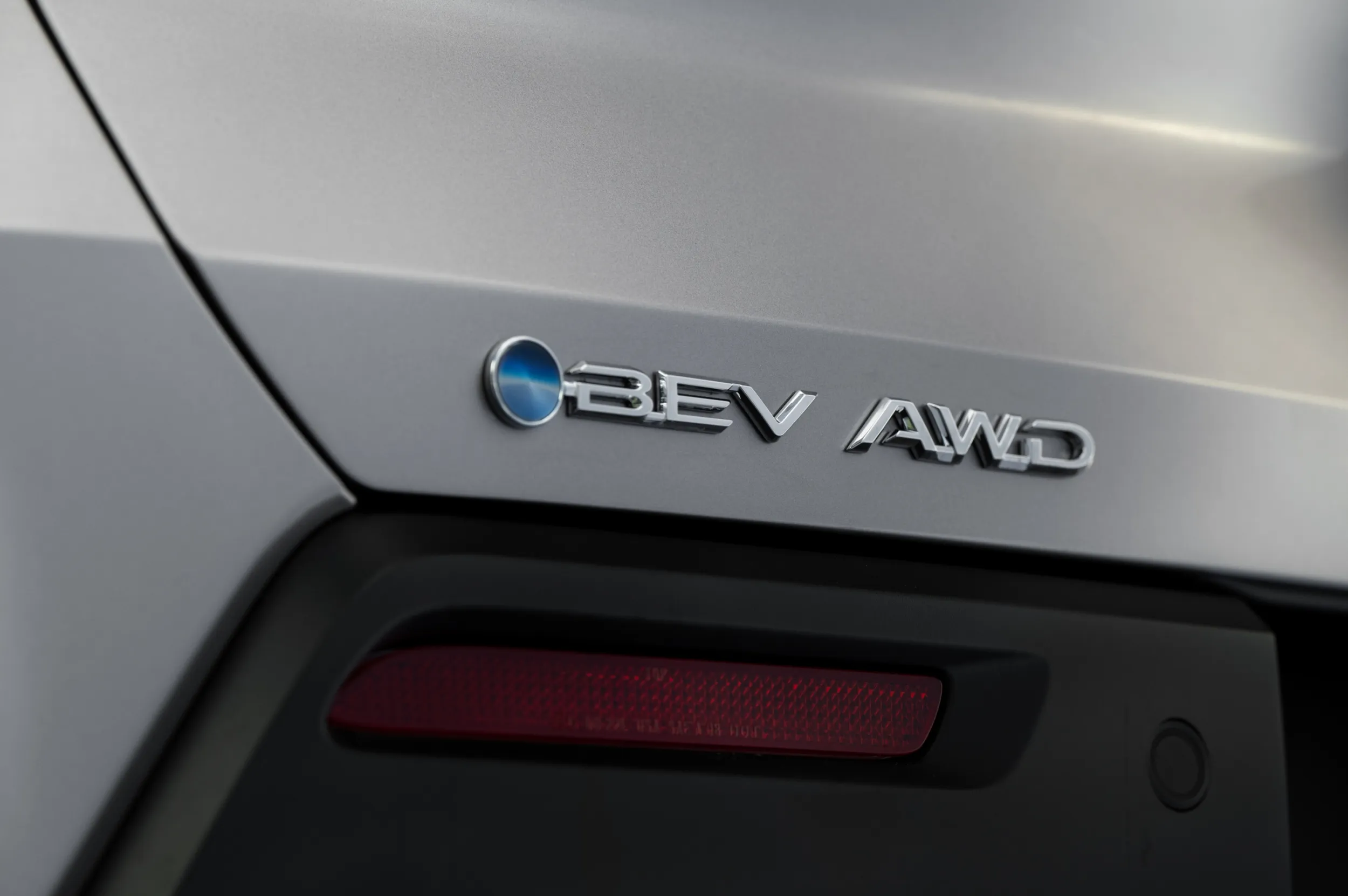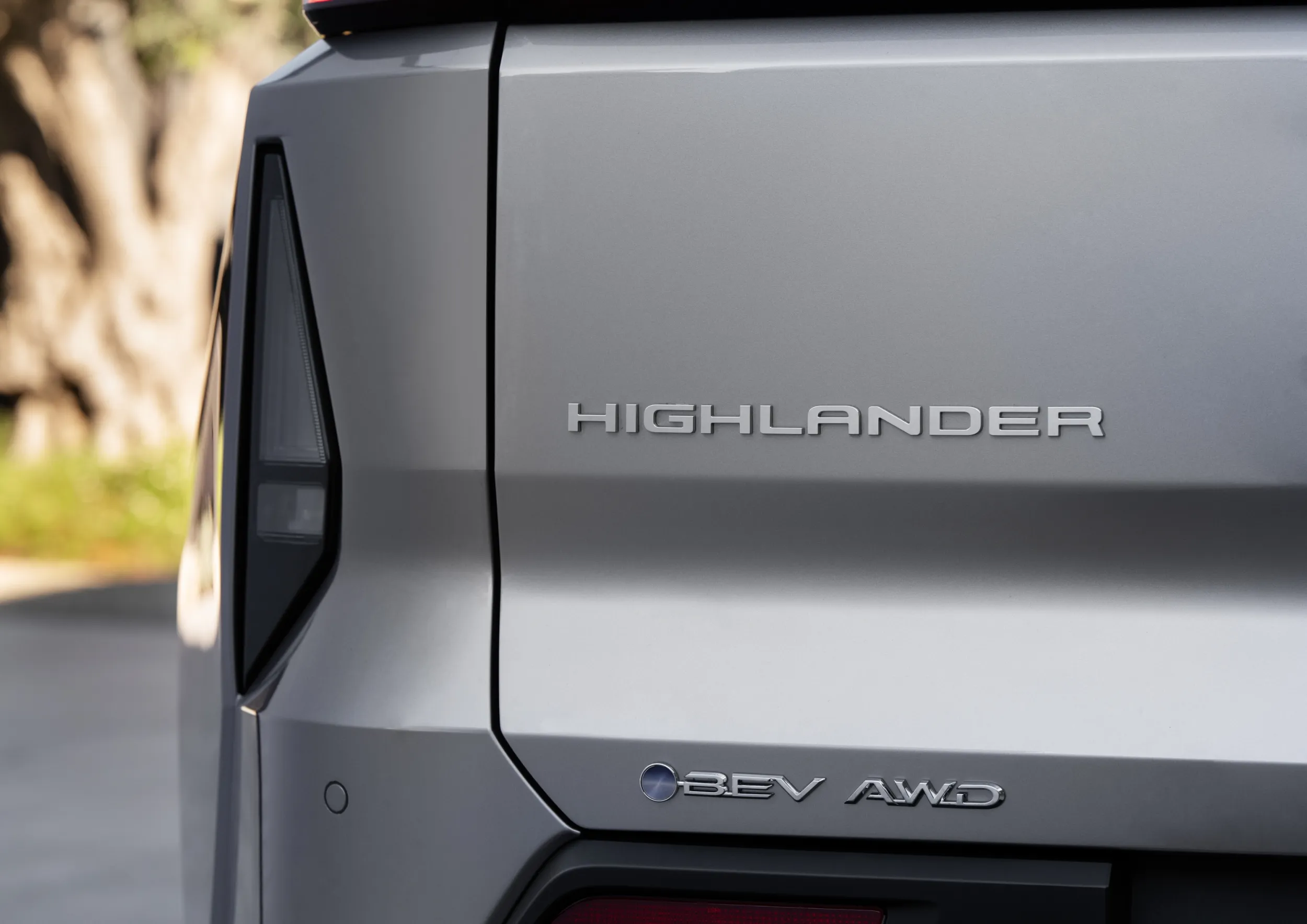
Toyota Highlander Goes Fully Electric for 2027
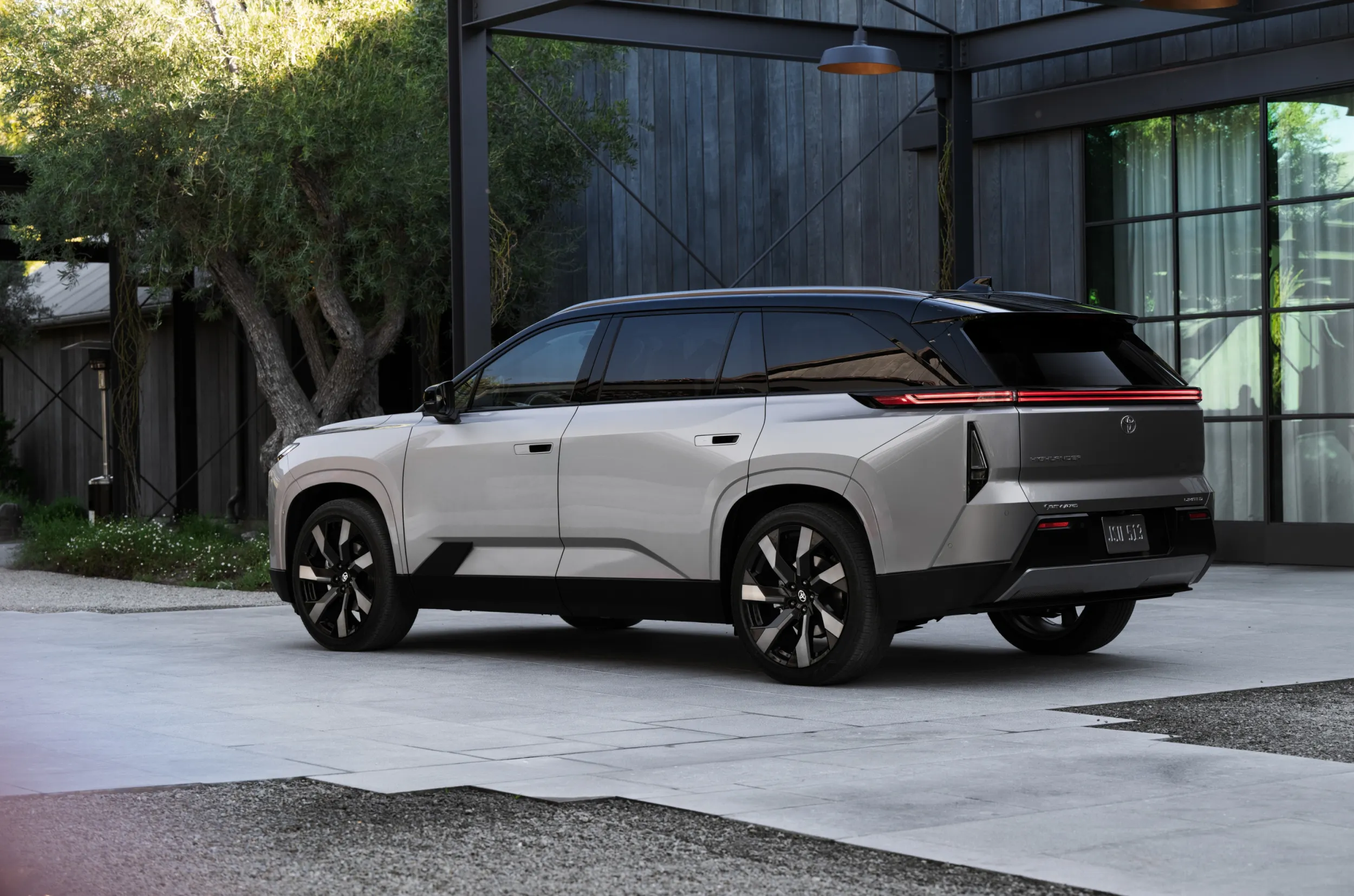
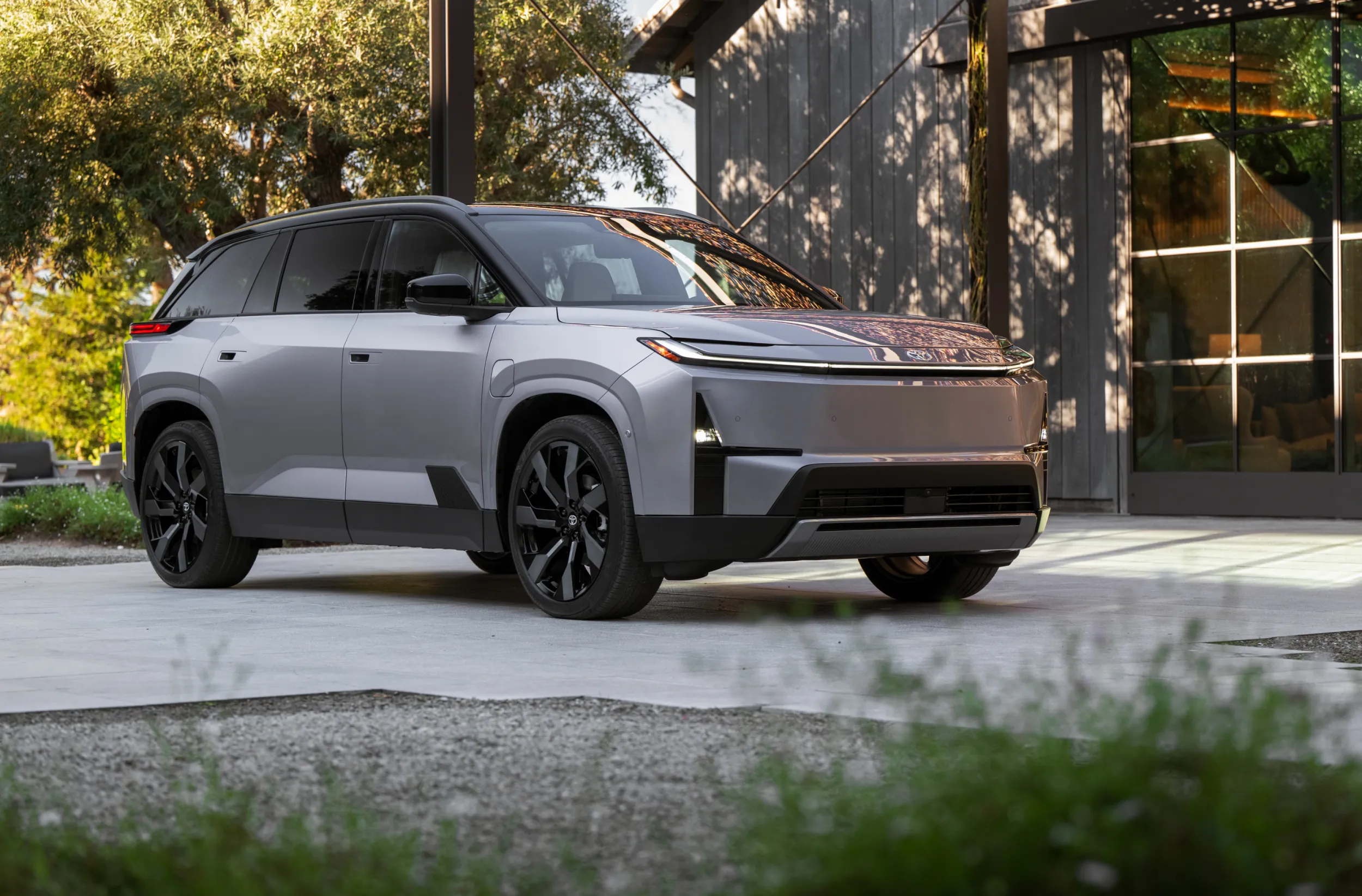
The new generation Toyota Highlander has shed its petrol engine and hybrid hardware, returning as a fully electric luxury SUV. With the 2027 model year, Toyota stops straddling two worlds and positions the Highlander as a direct rival to cars such as the Kia EV9 and Hyundai Ioniq 9.
For years the Highlander played the dependable family workhorse. Then the larger Grand Highlander arrived and pushed the standard model into an awkward middle ground. Now the roles are clearly defined. The Grand Highlander continues to serve the more traditional, petrol oriented segment, while the Highlander becomes a technological flagship tasked with proving Toyota’s credentials in the electric age.
Longer wheelbase, serious range
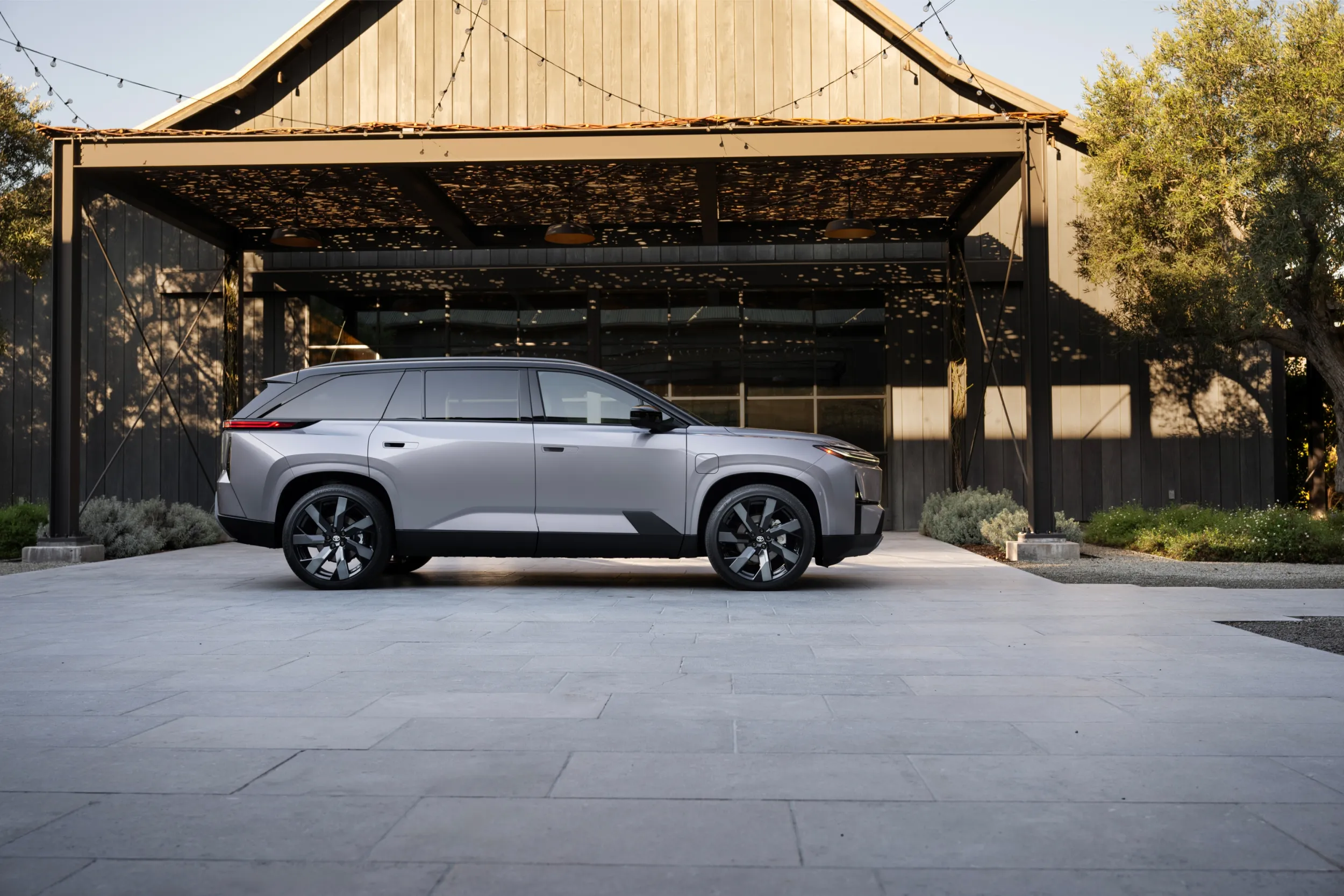
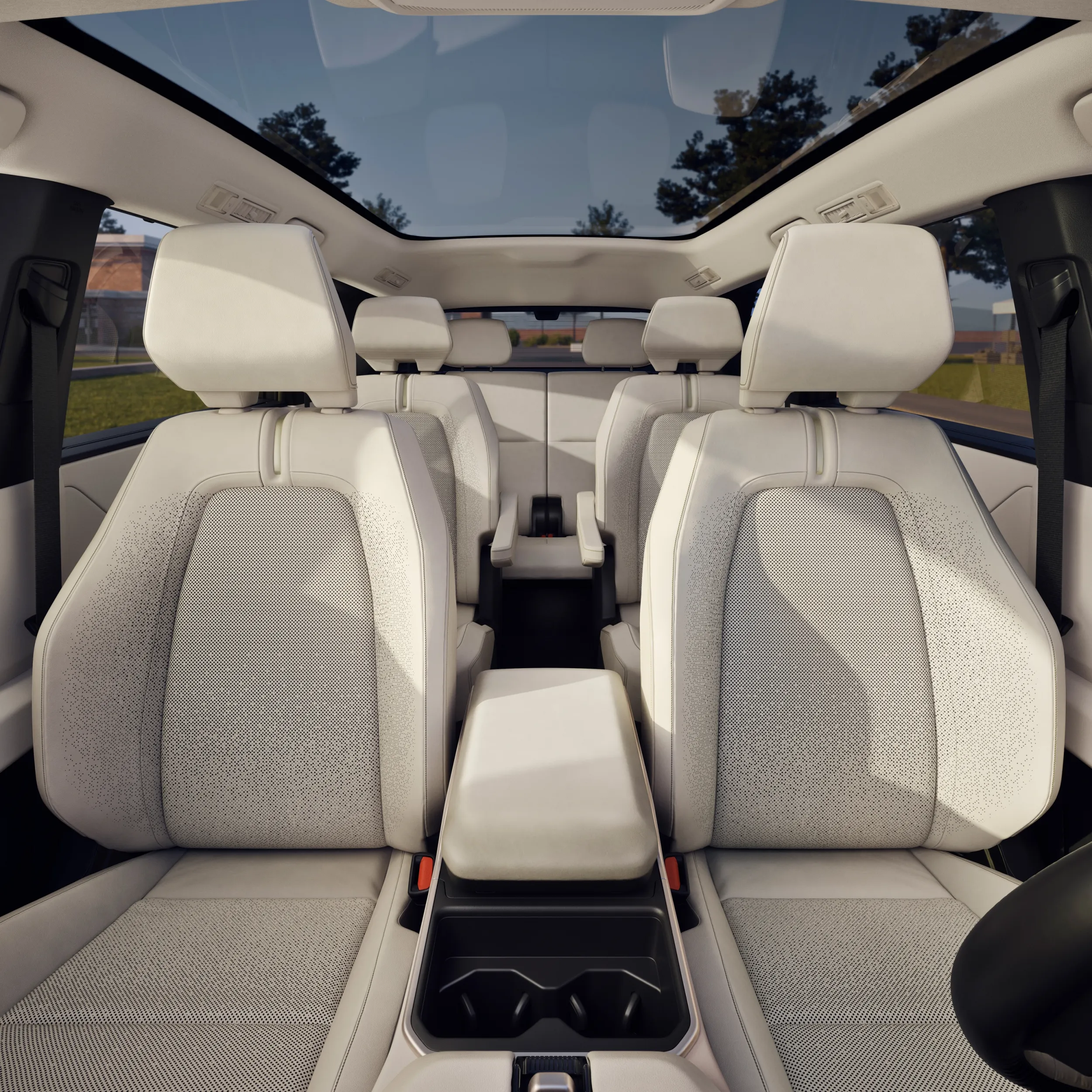
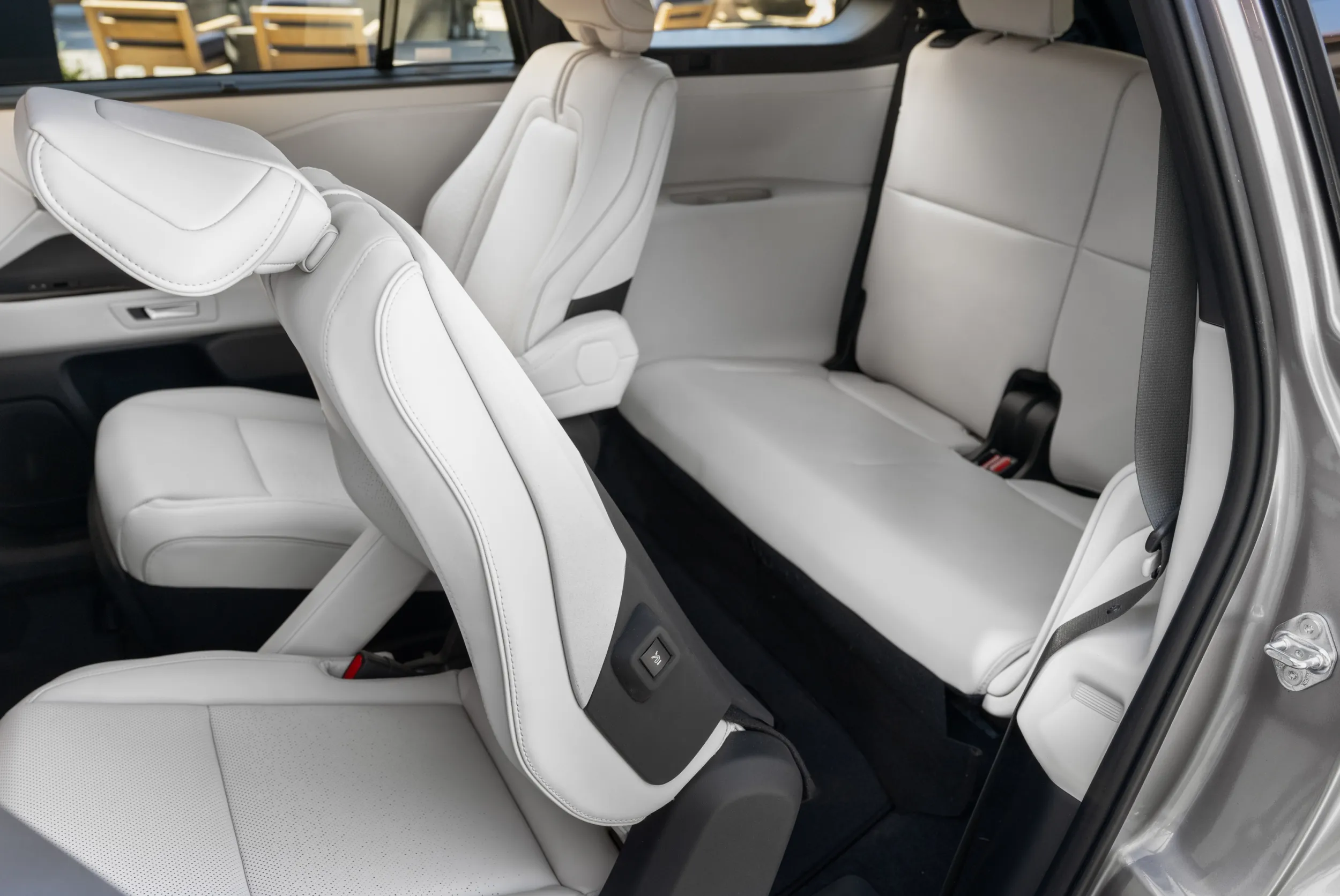
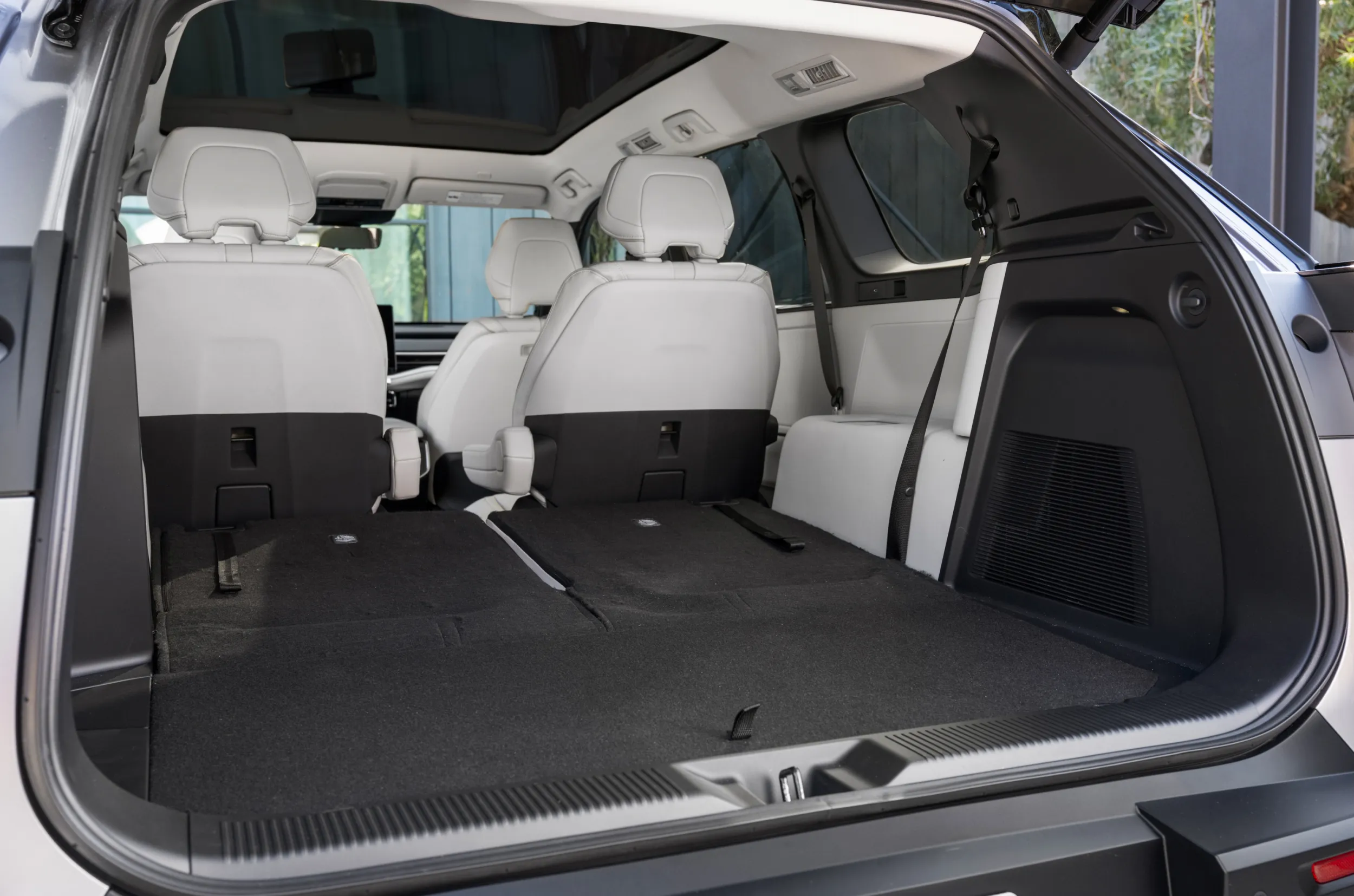
The new Highlander sits on a modified version of Toyota’s TNGA K platform. Wheelbase stretches by a substantial 30 centimetres, freeing up generous cabin space and improving proportions.
Toyota offers both front wheel drive and all wheel drive variants. The range topping Limited AWD produces 338 bhp, while a 96 kWh battery delivers up to 515 kilometres of range on a single charge. Buyers focused on efficiency can opt for a 77 kWh pack, which promises around 460 kilometres.
These figures place the Highlander firmly in the heart of the competitive electric SUV market, where range anxiety remains a decisive factor.
Sharper design, smarter cabin
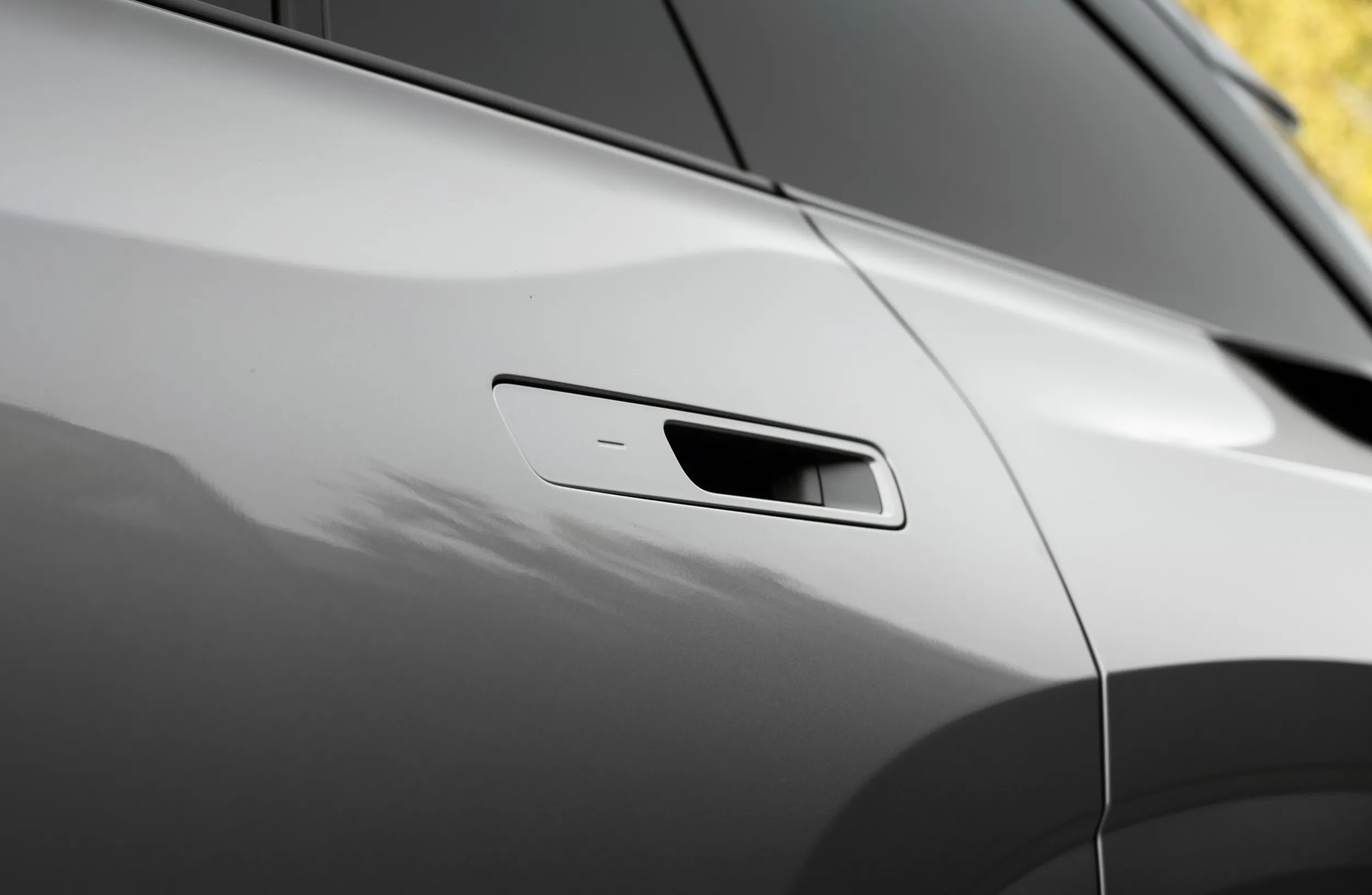
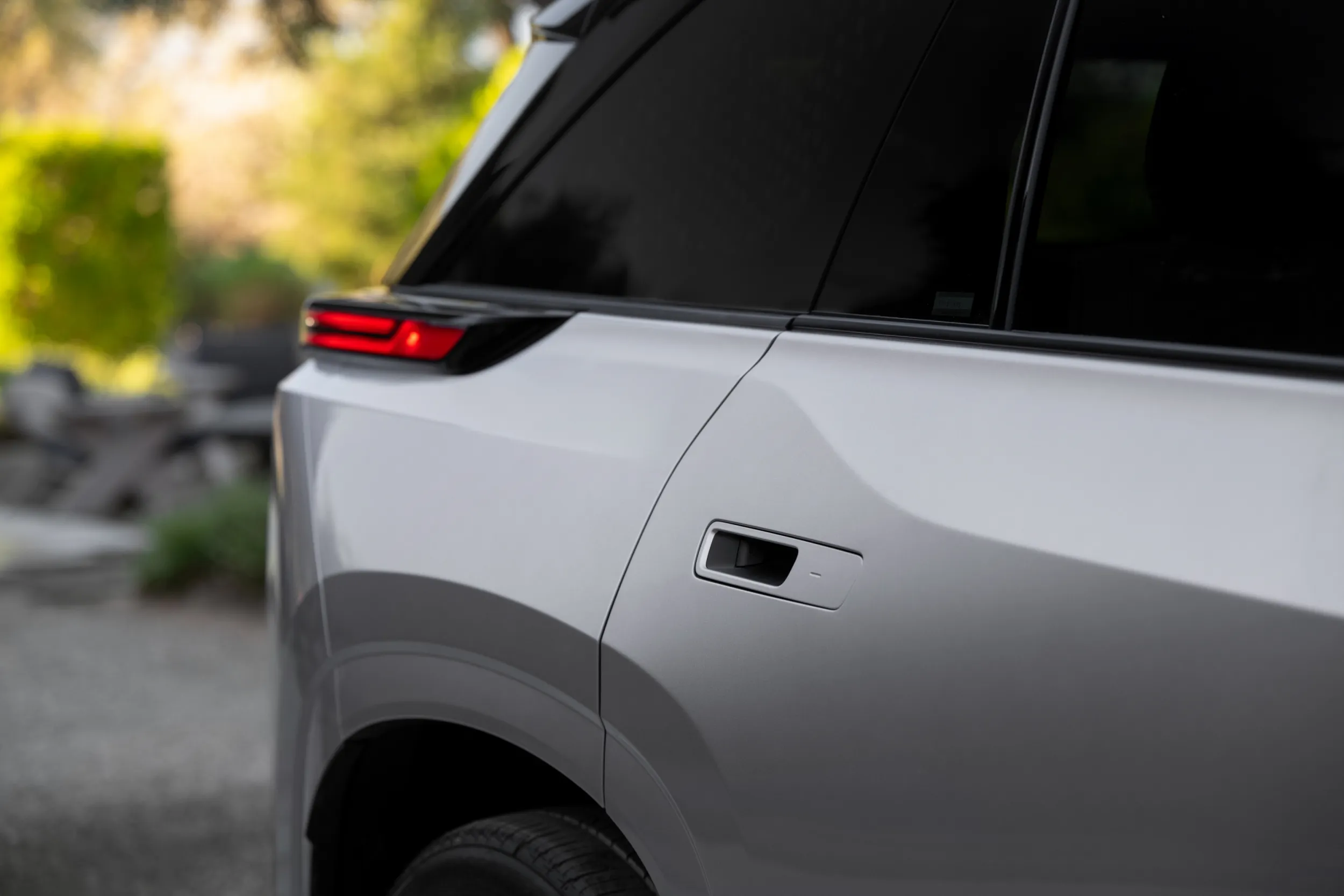
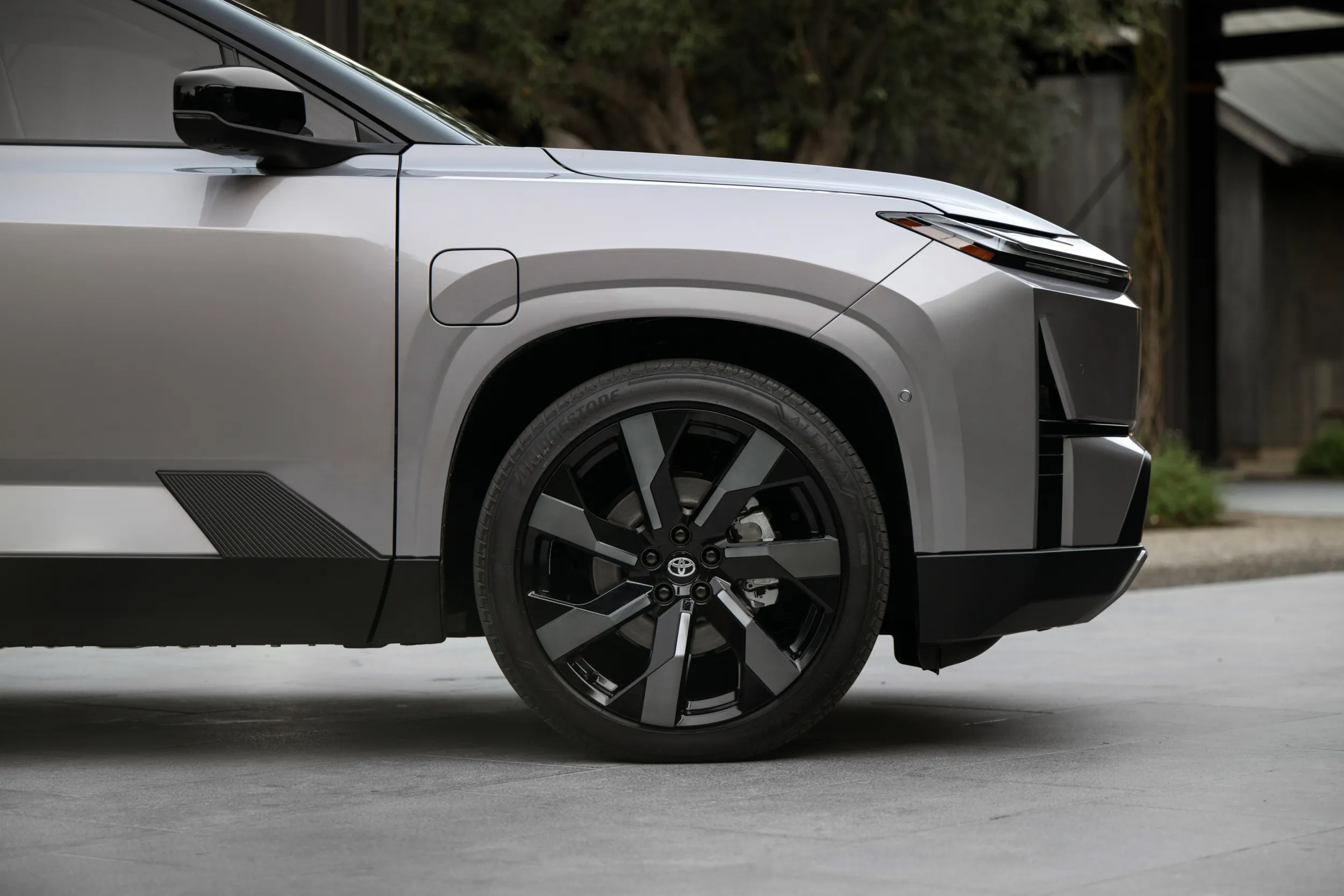
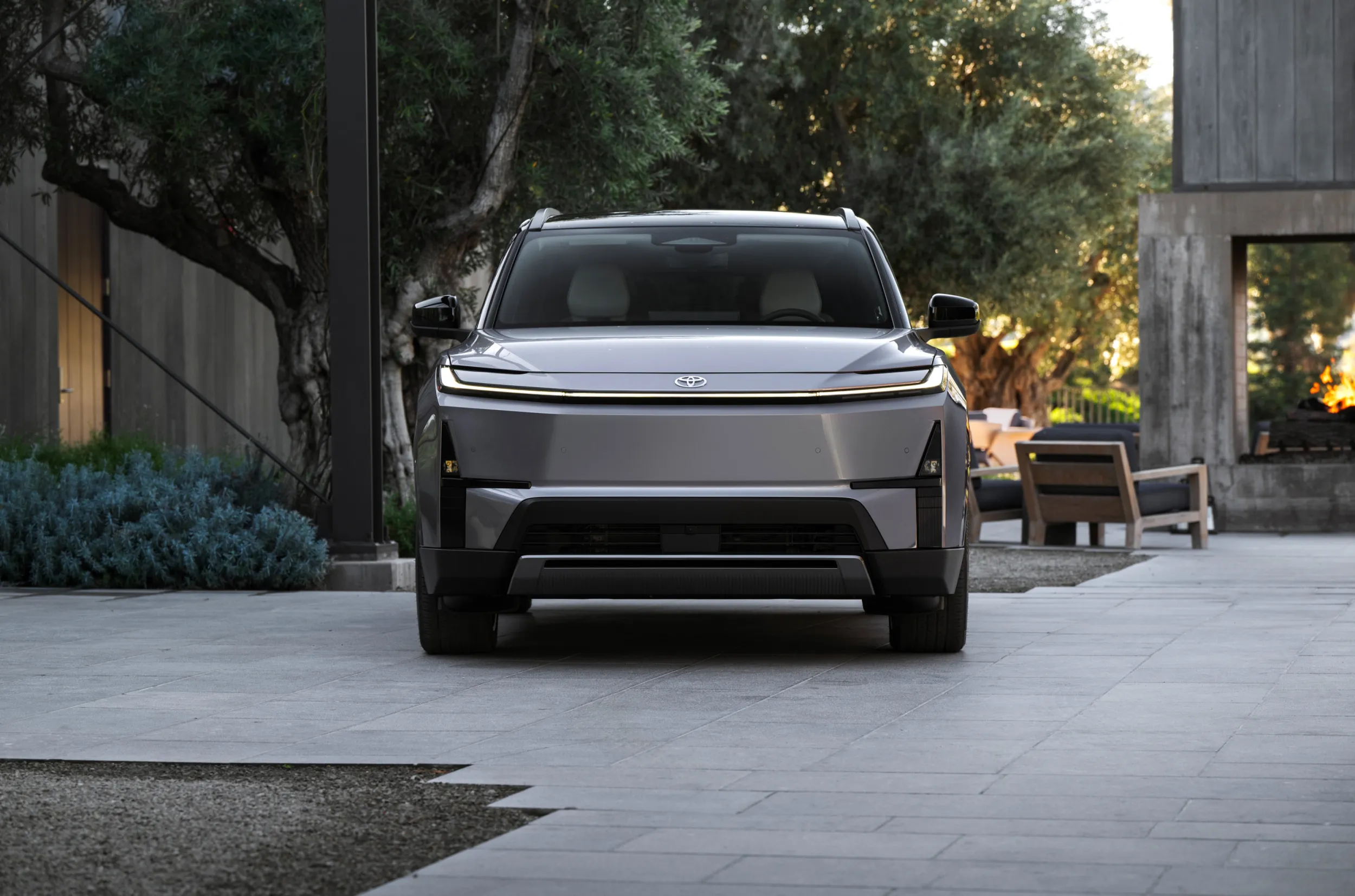
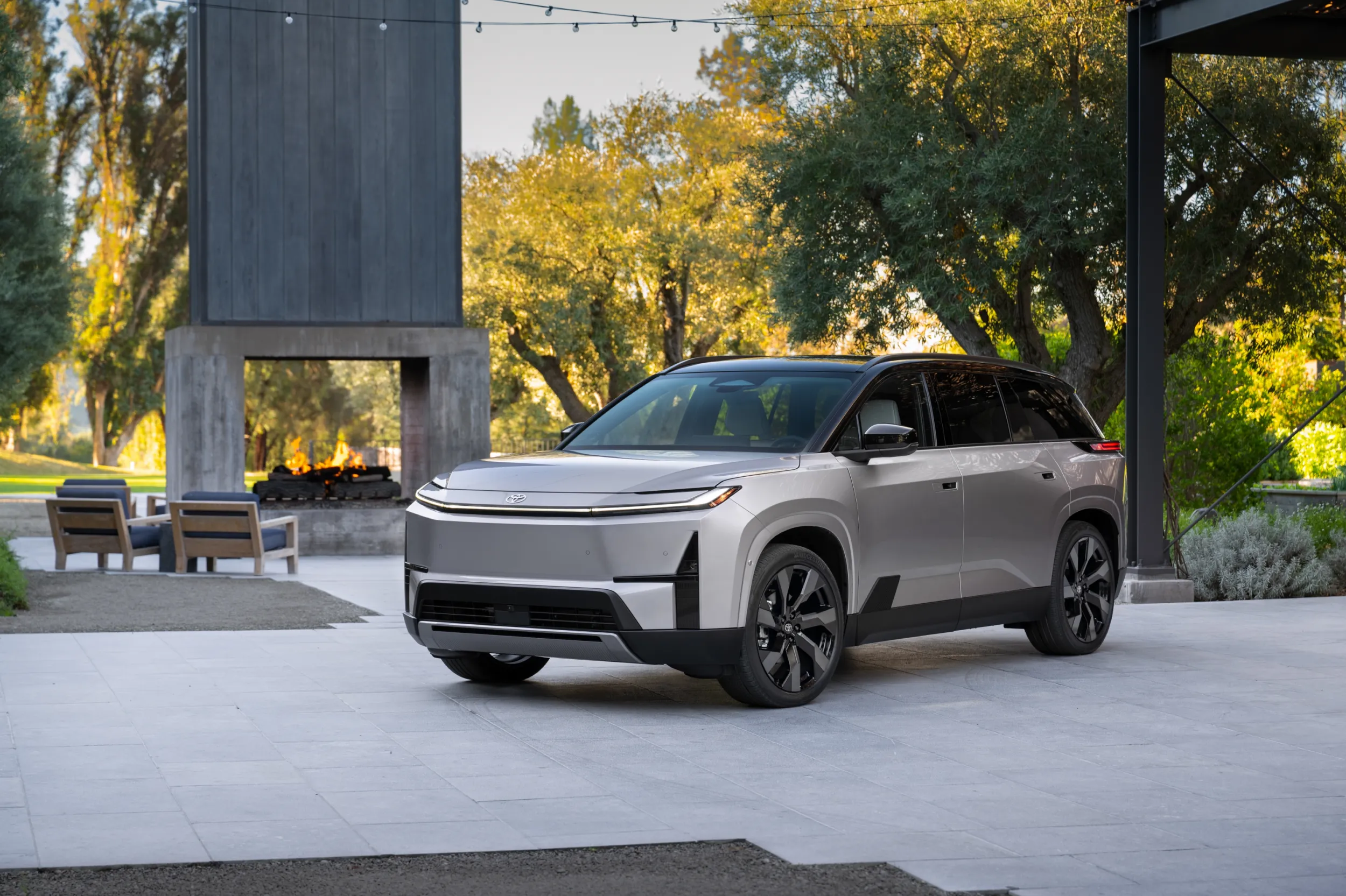
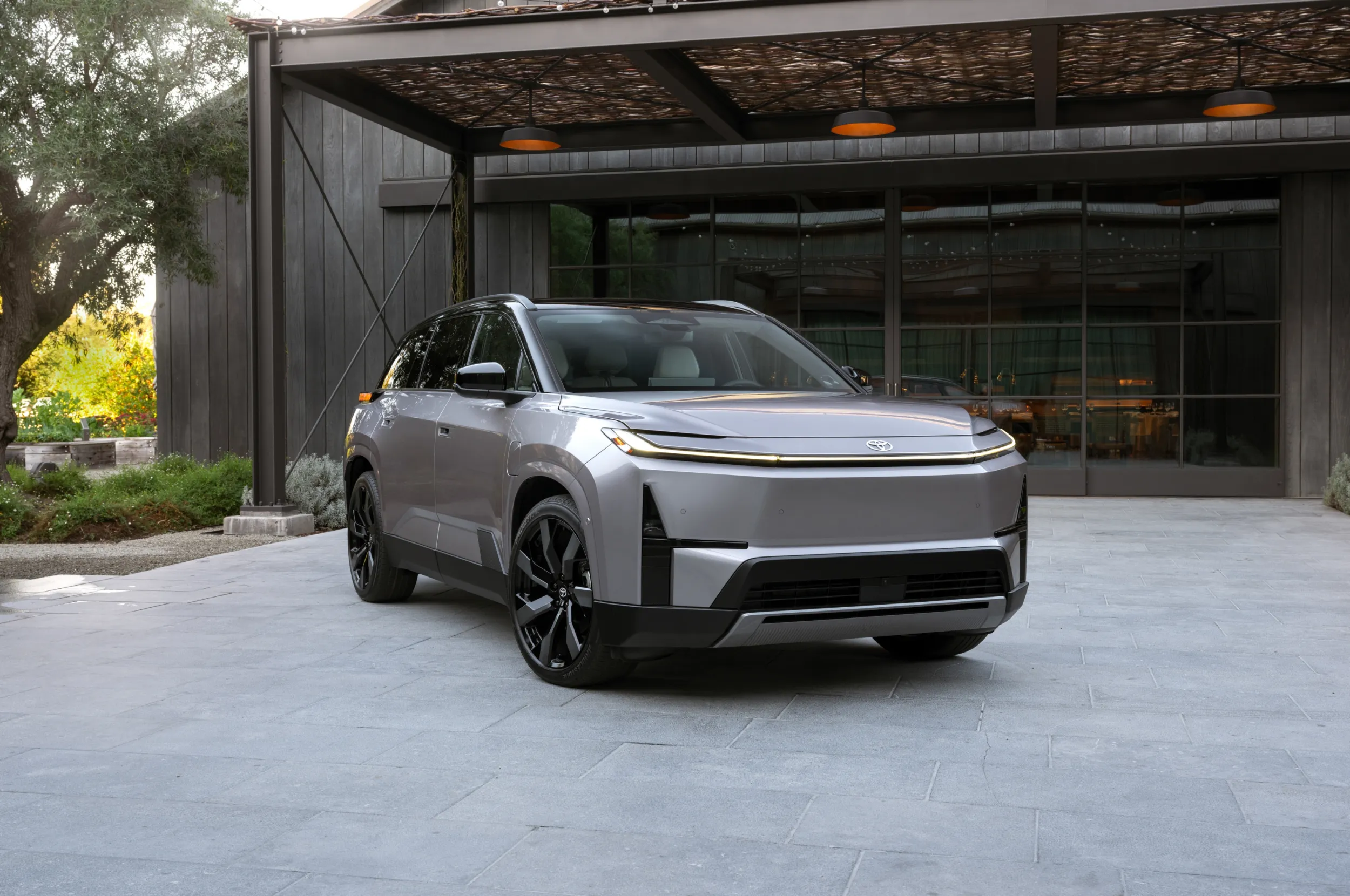
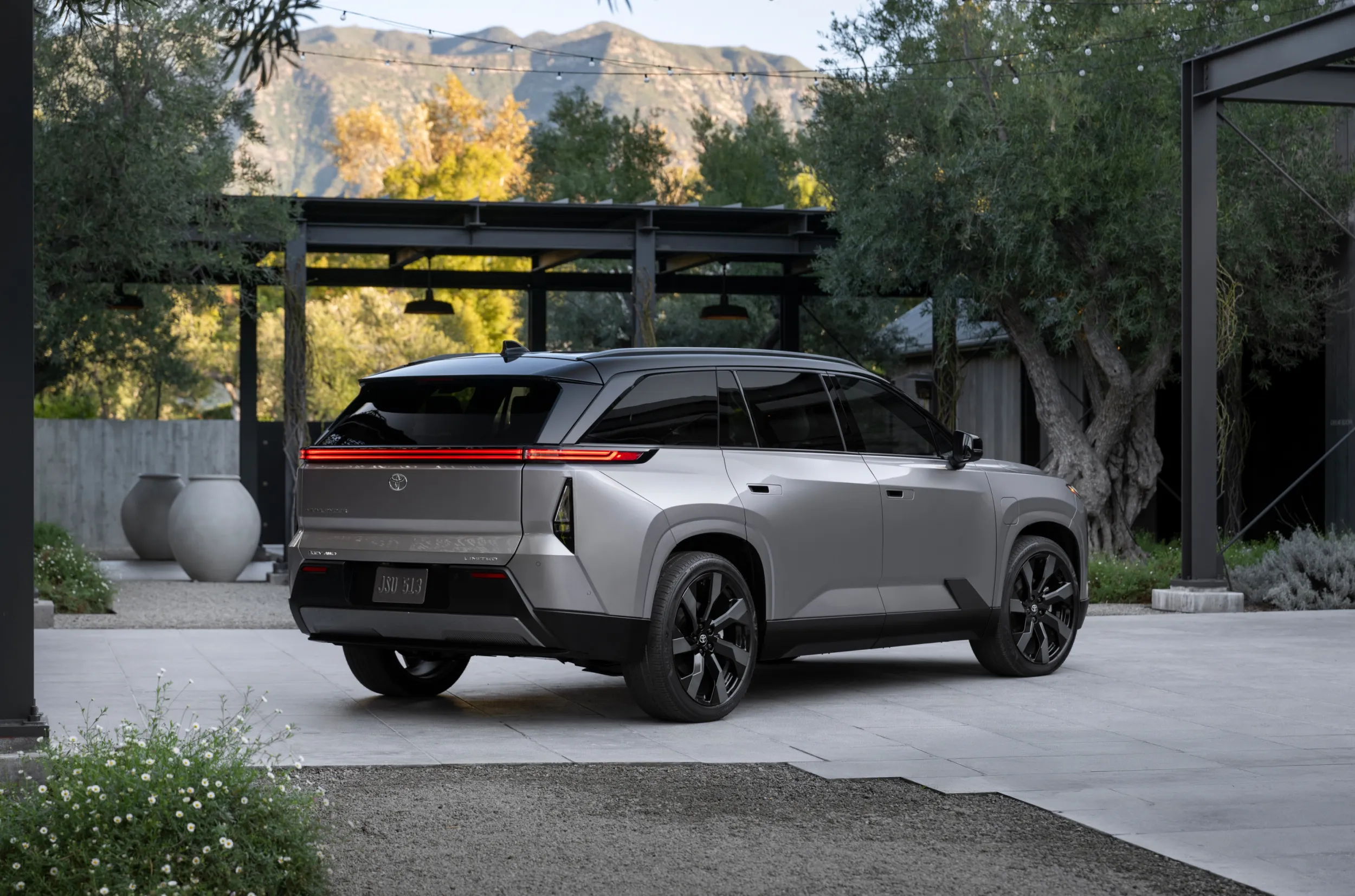
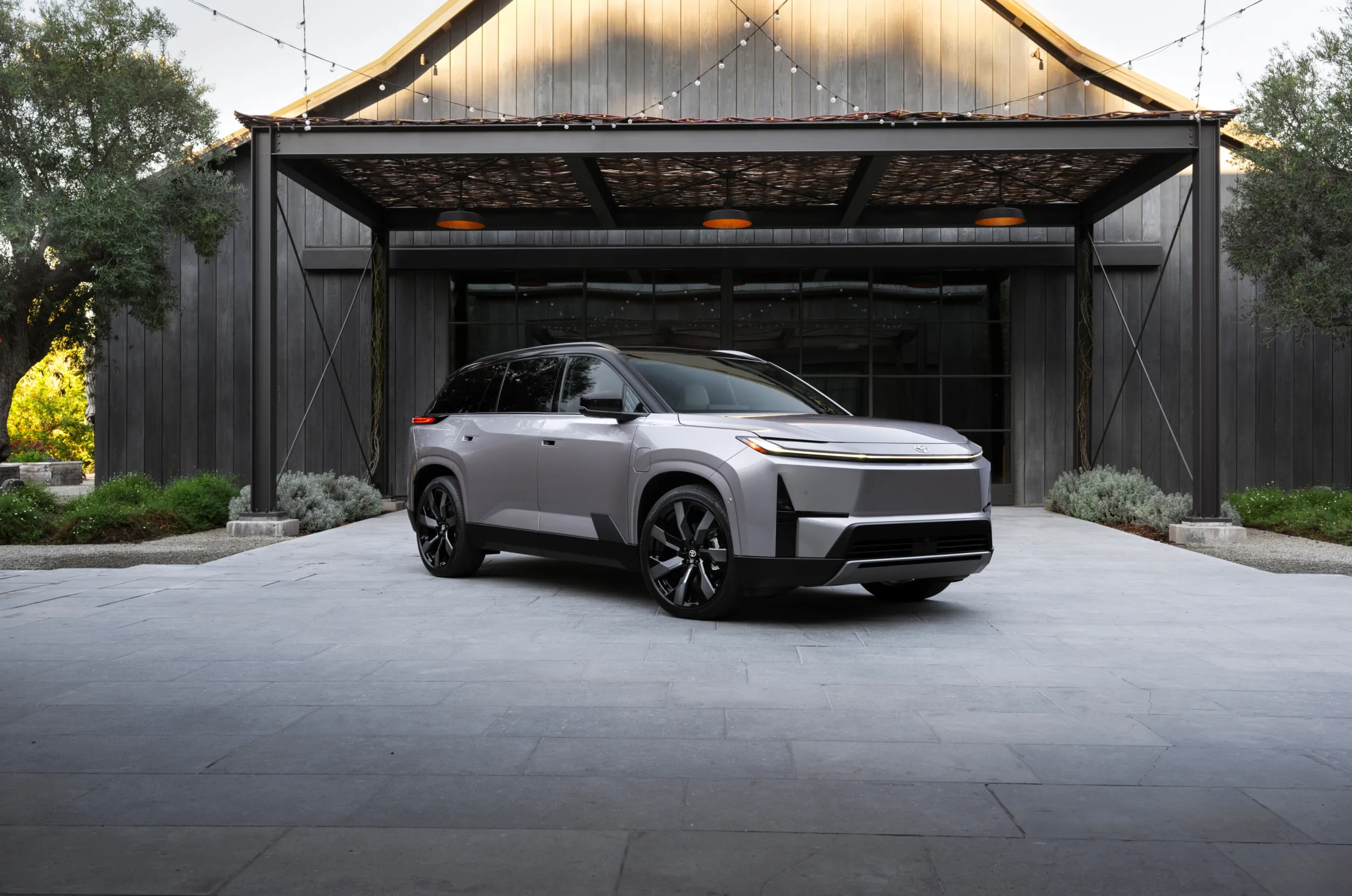
Visually, Toyota abandons restraint. The new Highlander sits lower and wider, with a more assertive stance. Full width LED daytime running lights and flush door handles underline its electric identity.
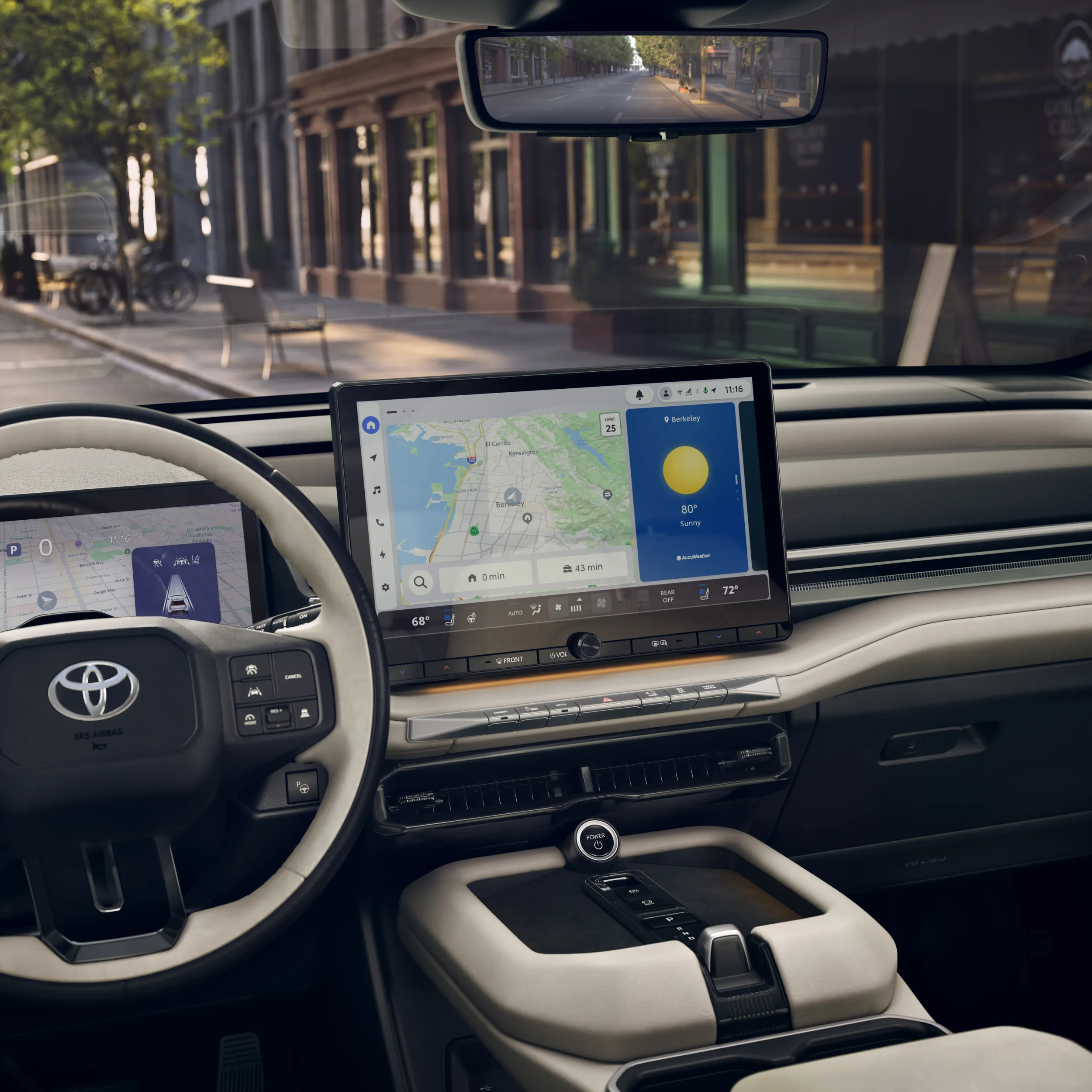
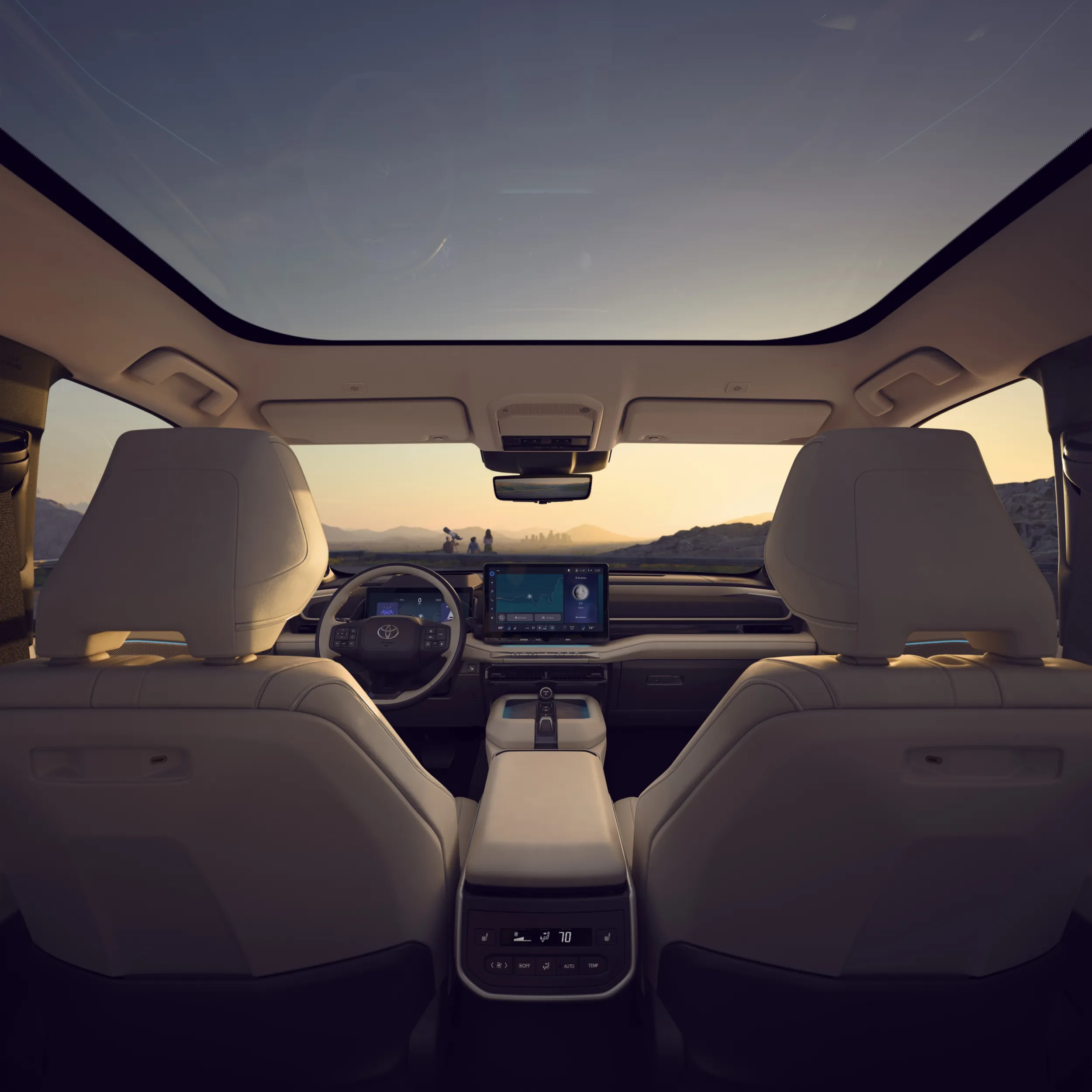
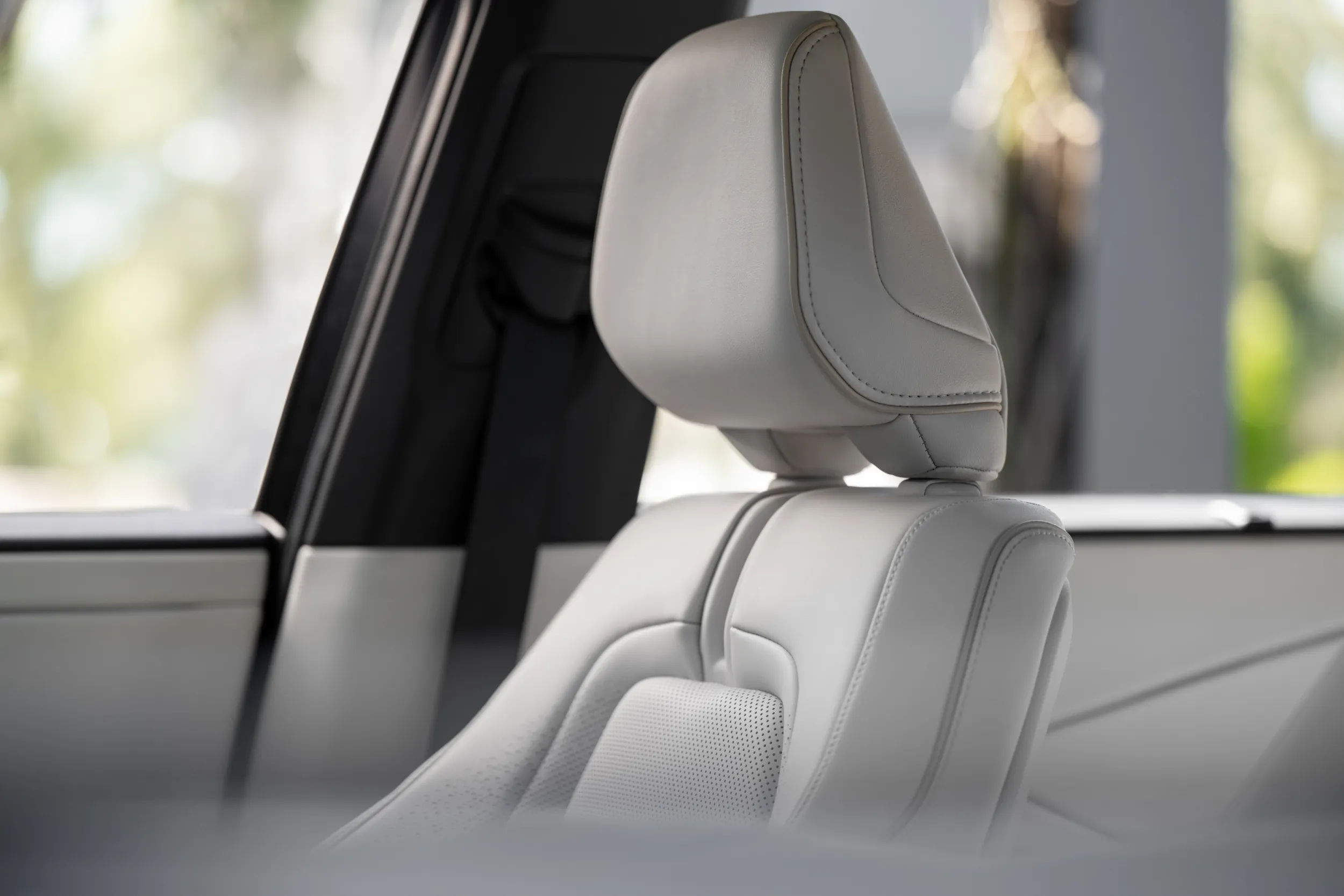
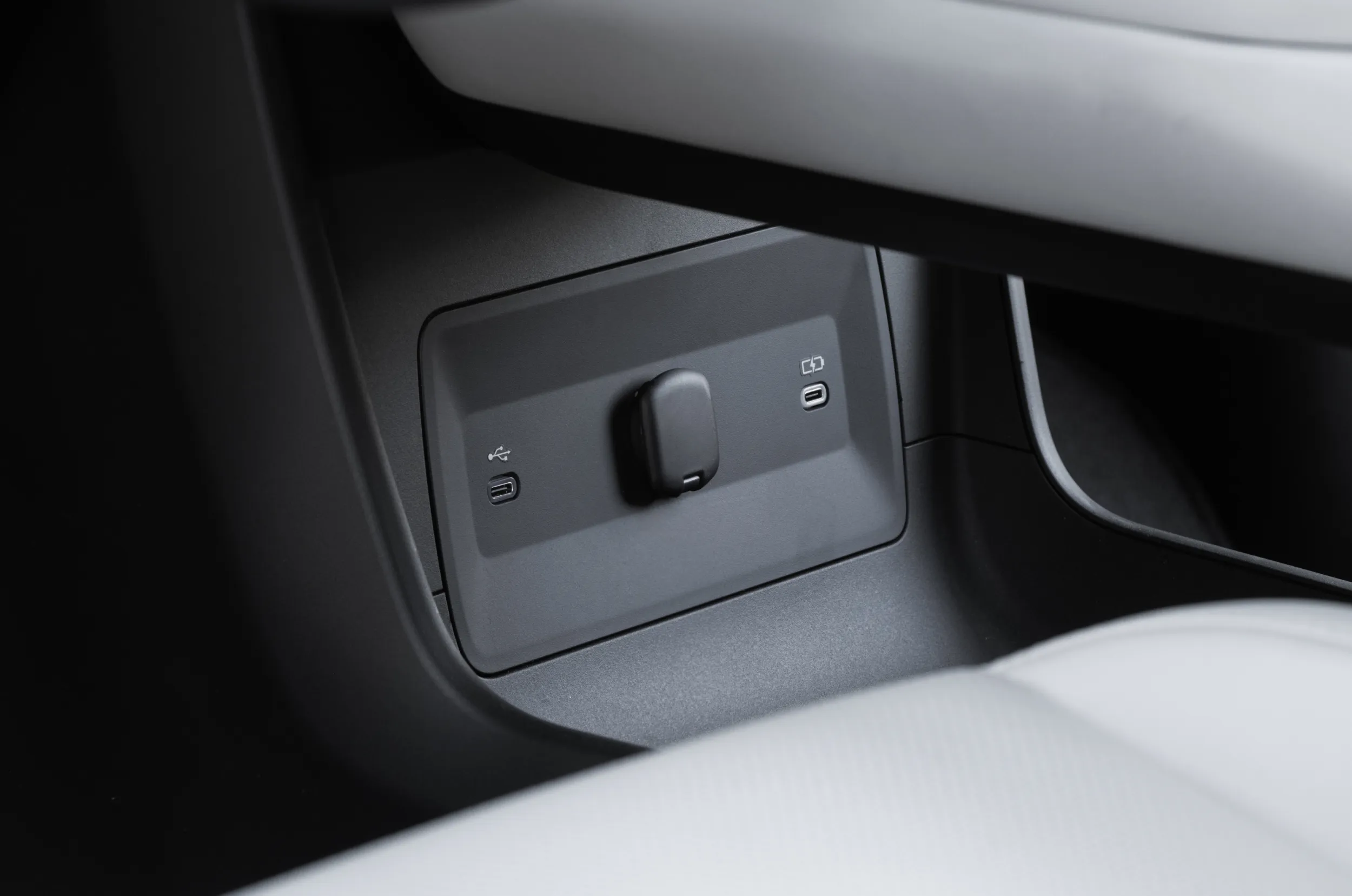
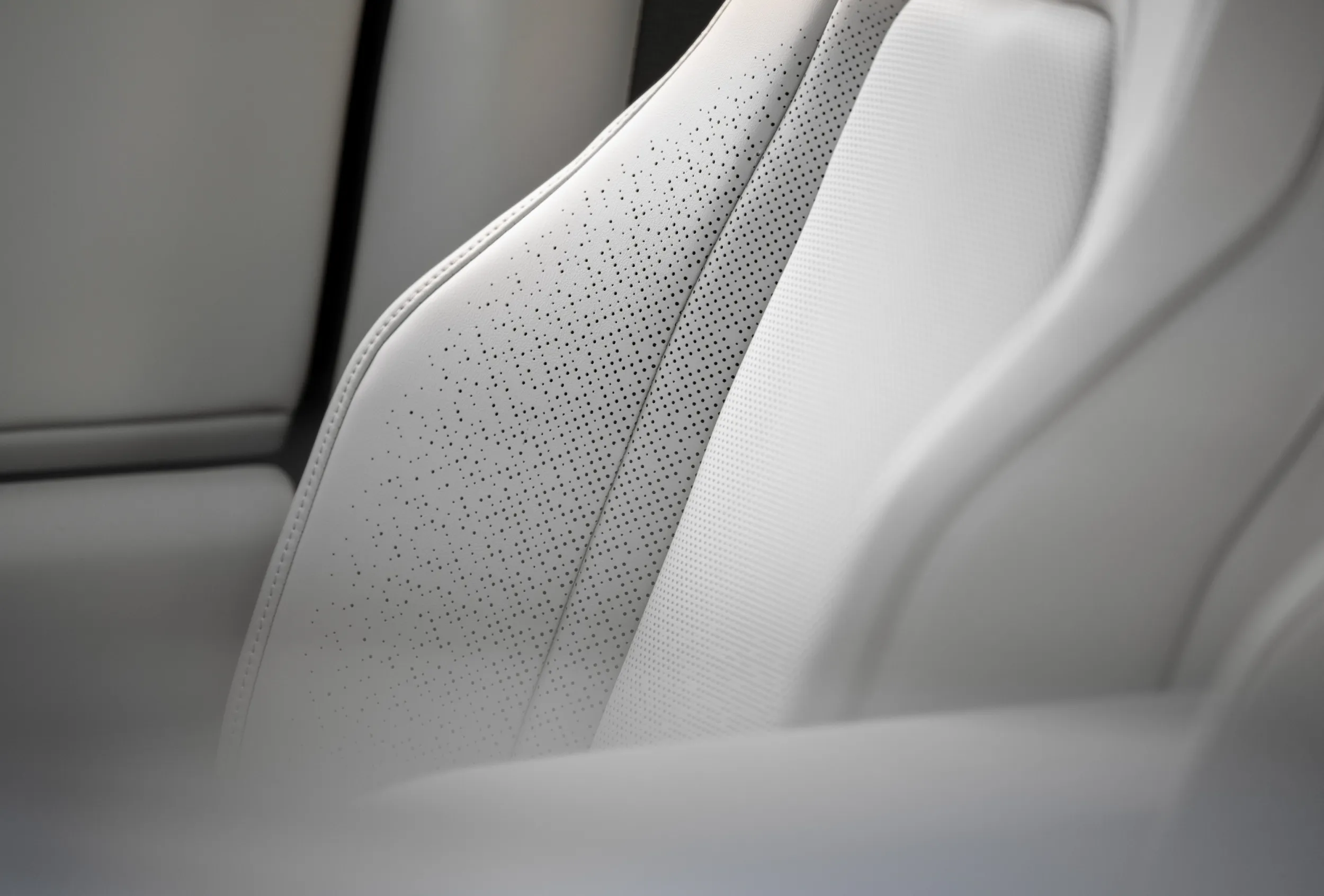
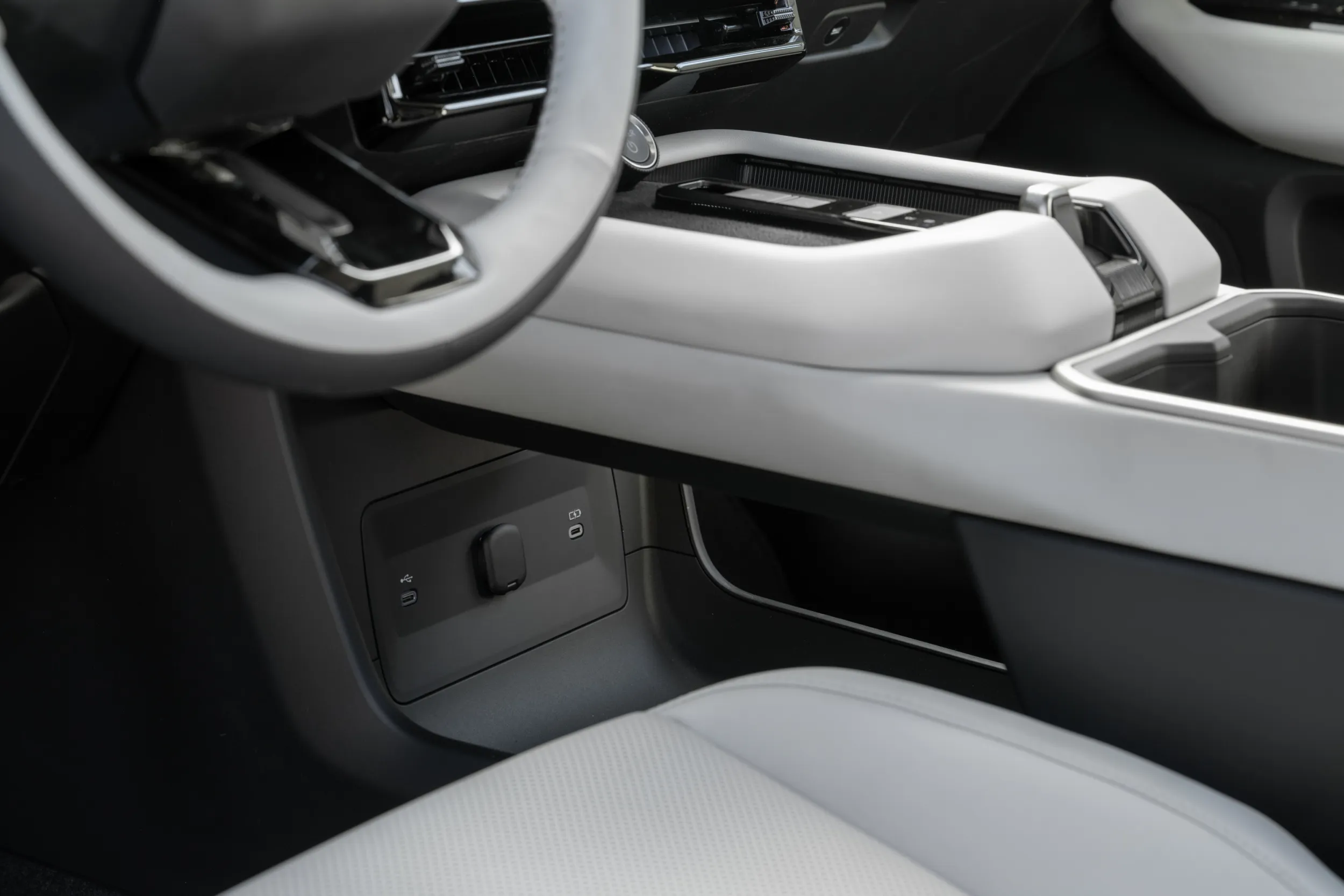
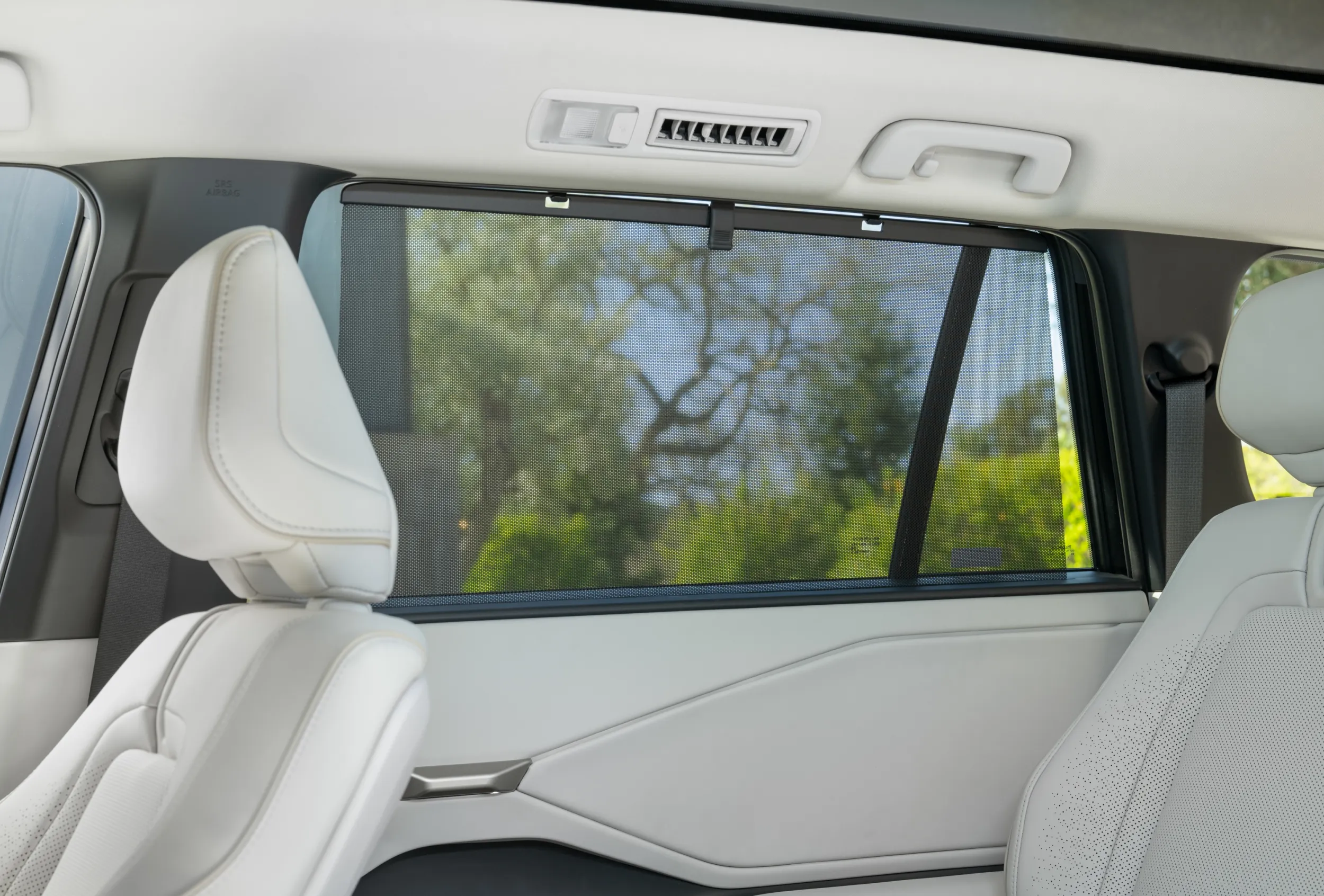
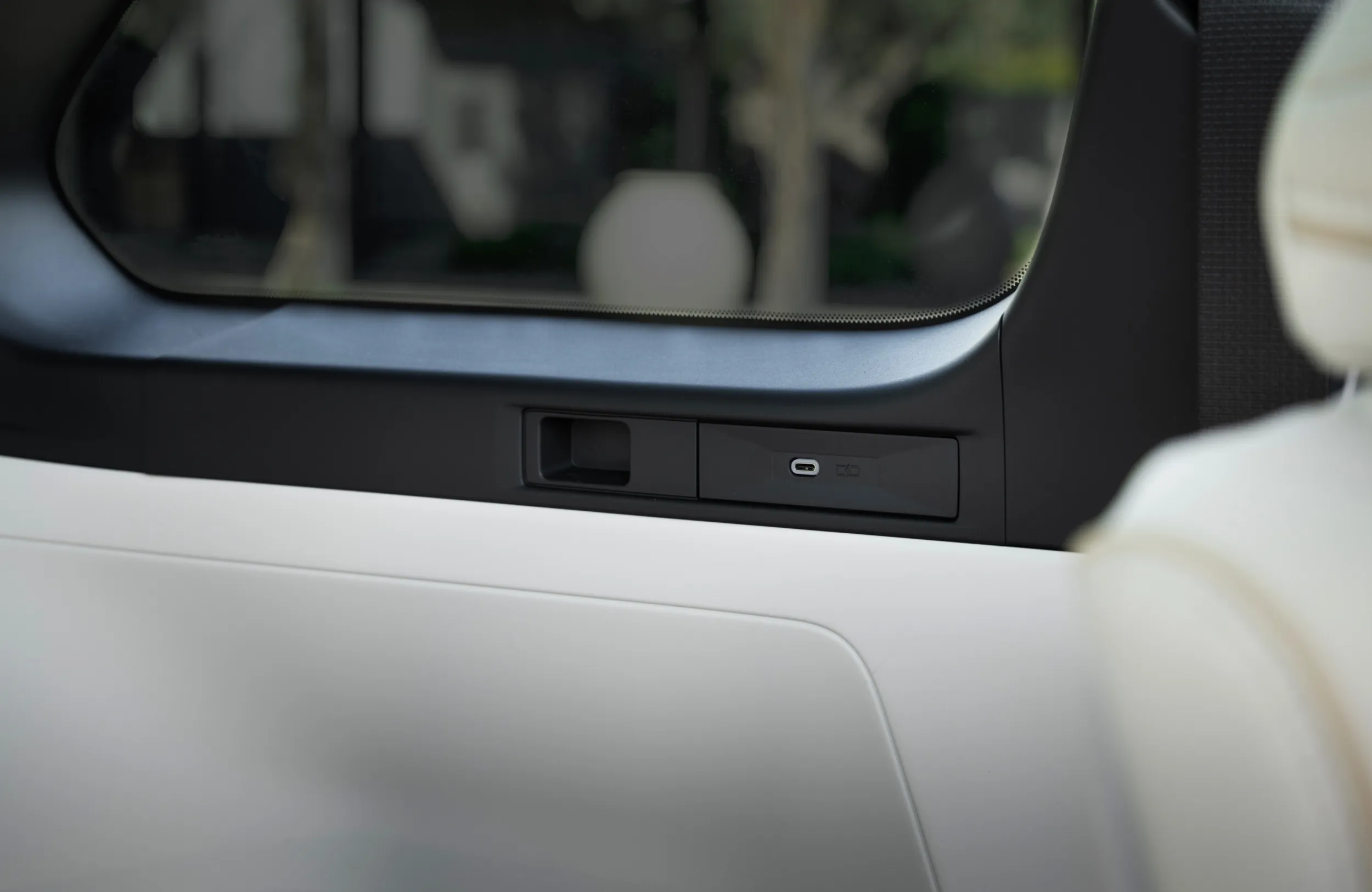
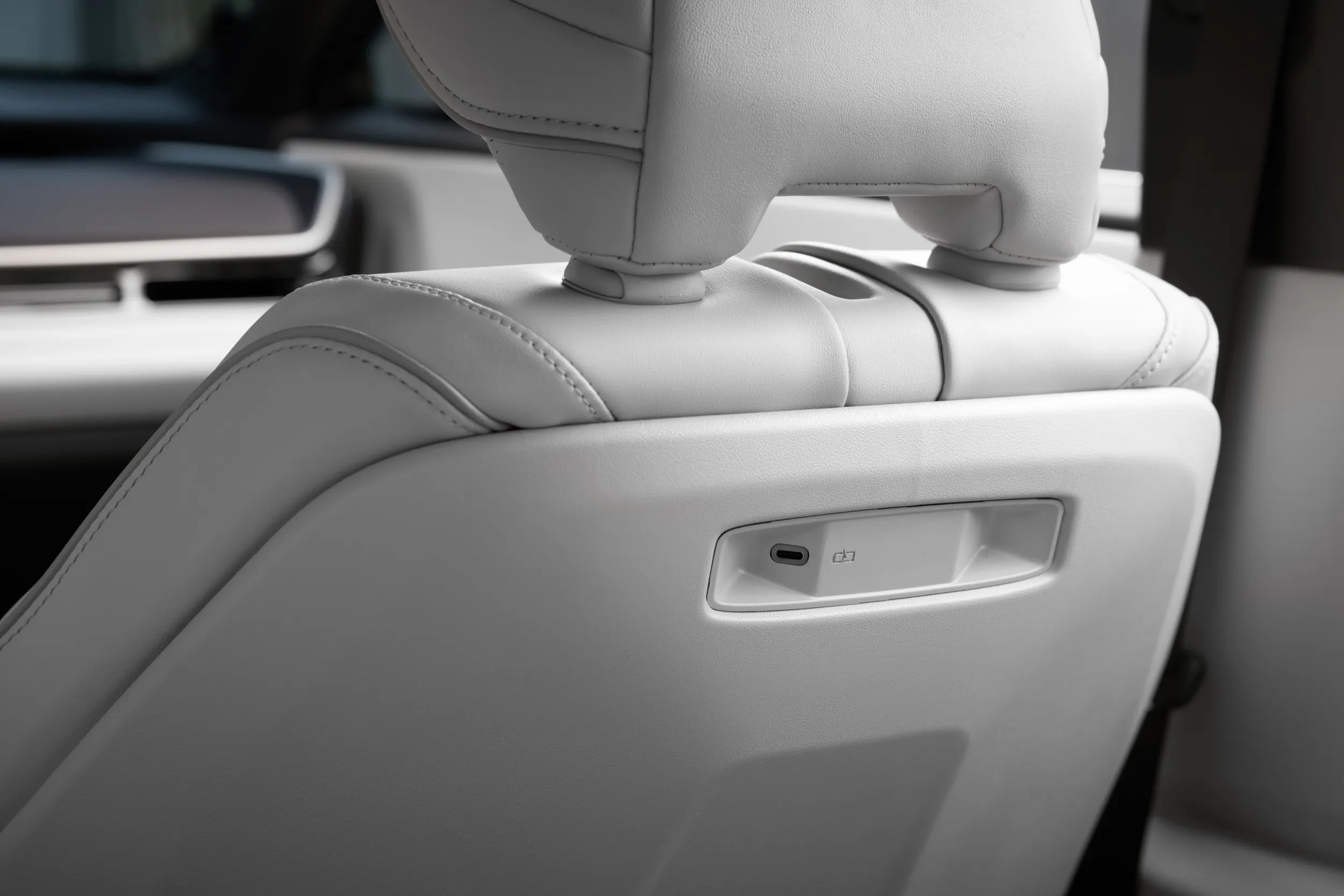
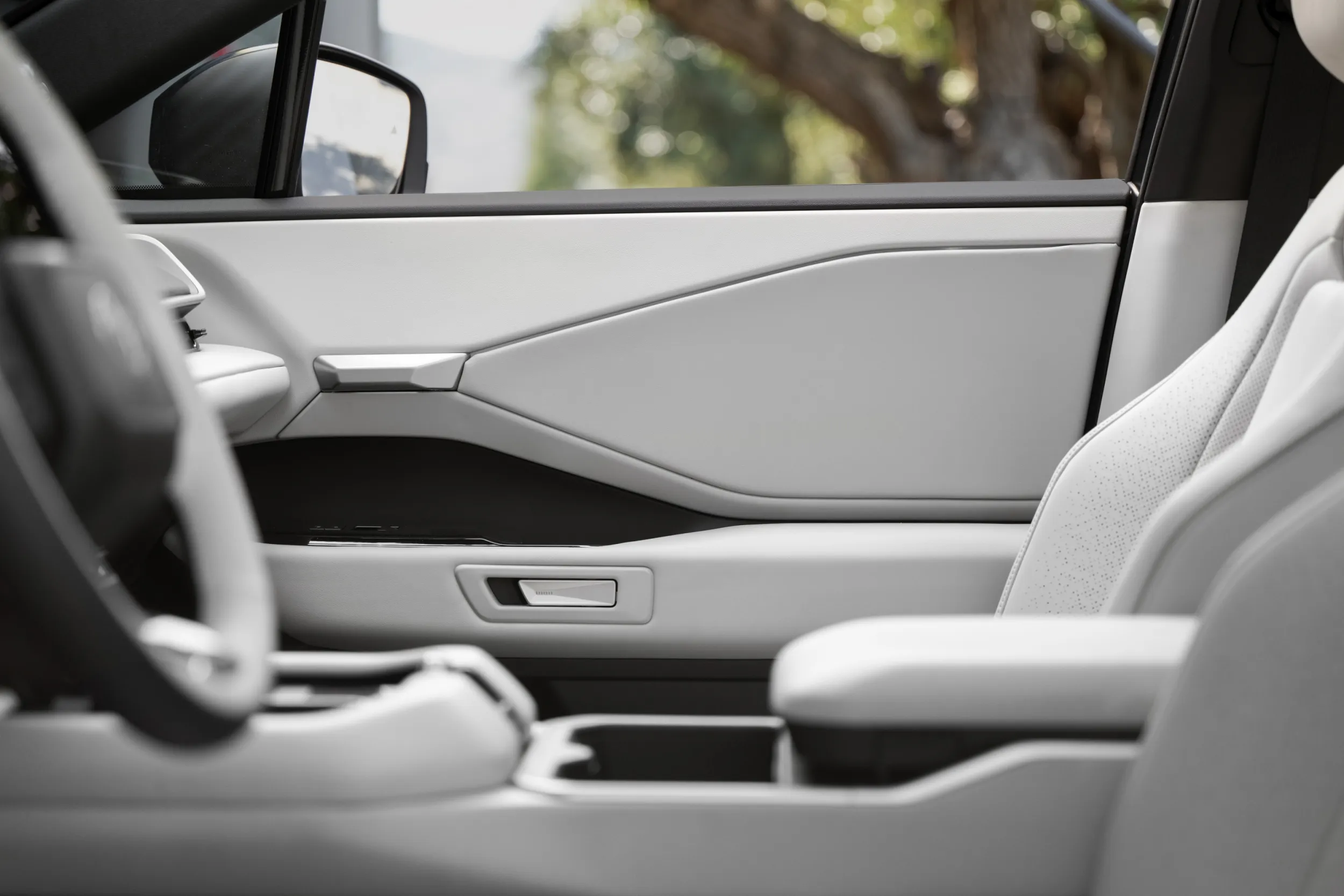
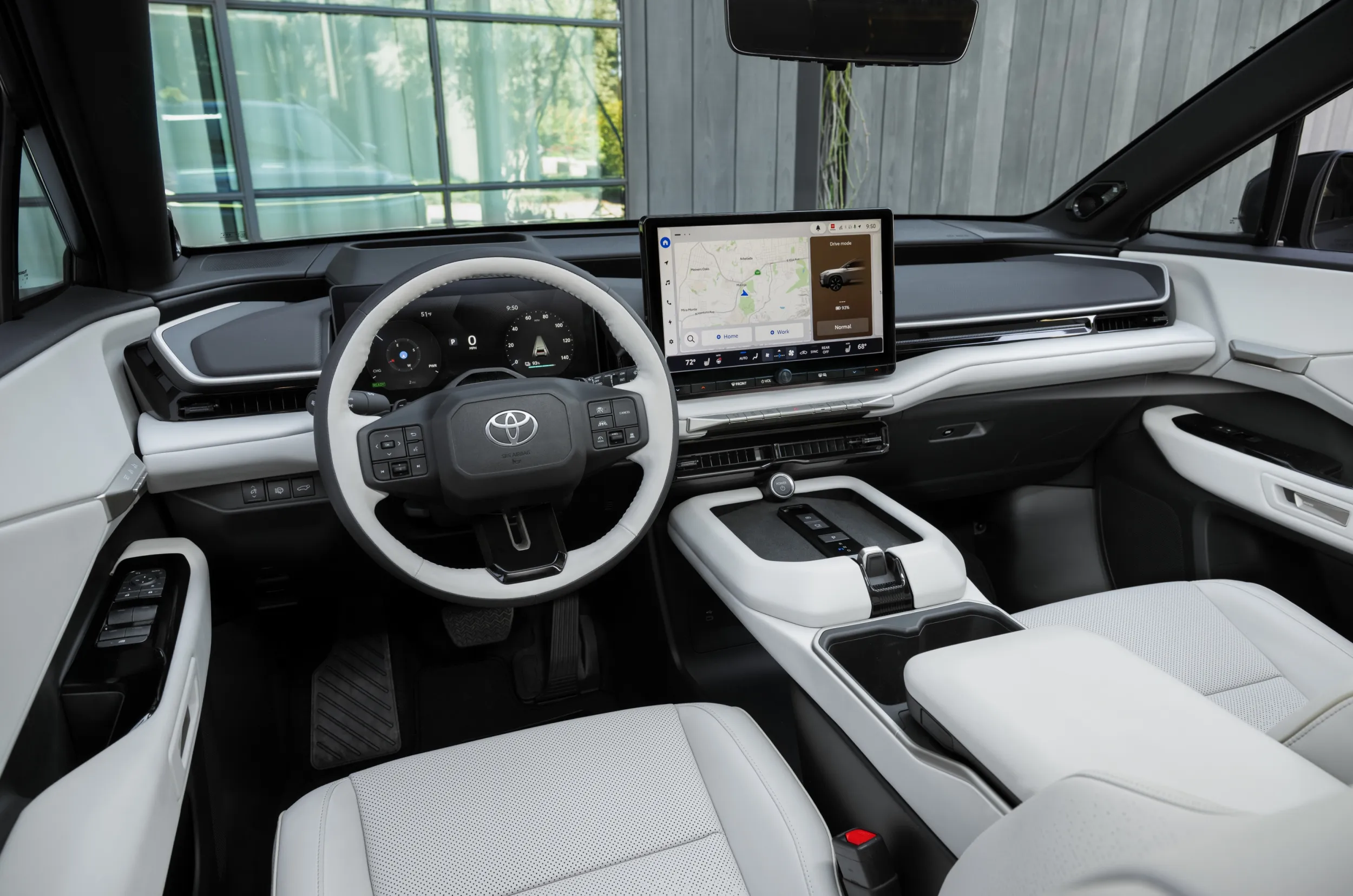
Inside, the overhaul is just as thorough. A 14 inch central touchscreen dominates the dashboard, paired with a 12.3 inch digital instrument cluster. Crucially, Toyota resists the temptation to bury every function in a submenu. Key climate and volume controls remain physical, a nod to the brand’s long standing reputation for usability.
Built in America
In a notable milestone, the Highlander becomes Toyota’s first electric vehicle produced in the United States. Manufacturing begins in the Kentucky plant in the second half of 2026. At launch, the model will be sold exclusively in North America.
Pricing is expected to start at around 50,000 euros, placing it squarely among established electric SUV contenders.
Some loyal customers may still mourn the familiar hybrid system that defined the Highlander for years. Yet this decisive shift signals that even the most conservative manufacturers recognise the pace of change. In the electric era, hesitation carries a higher cost than reinvention.