
Toyota begins series production of robotaxis
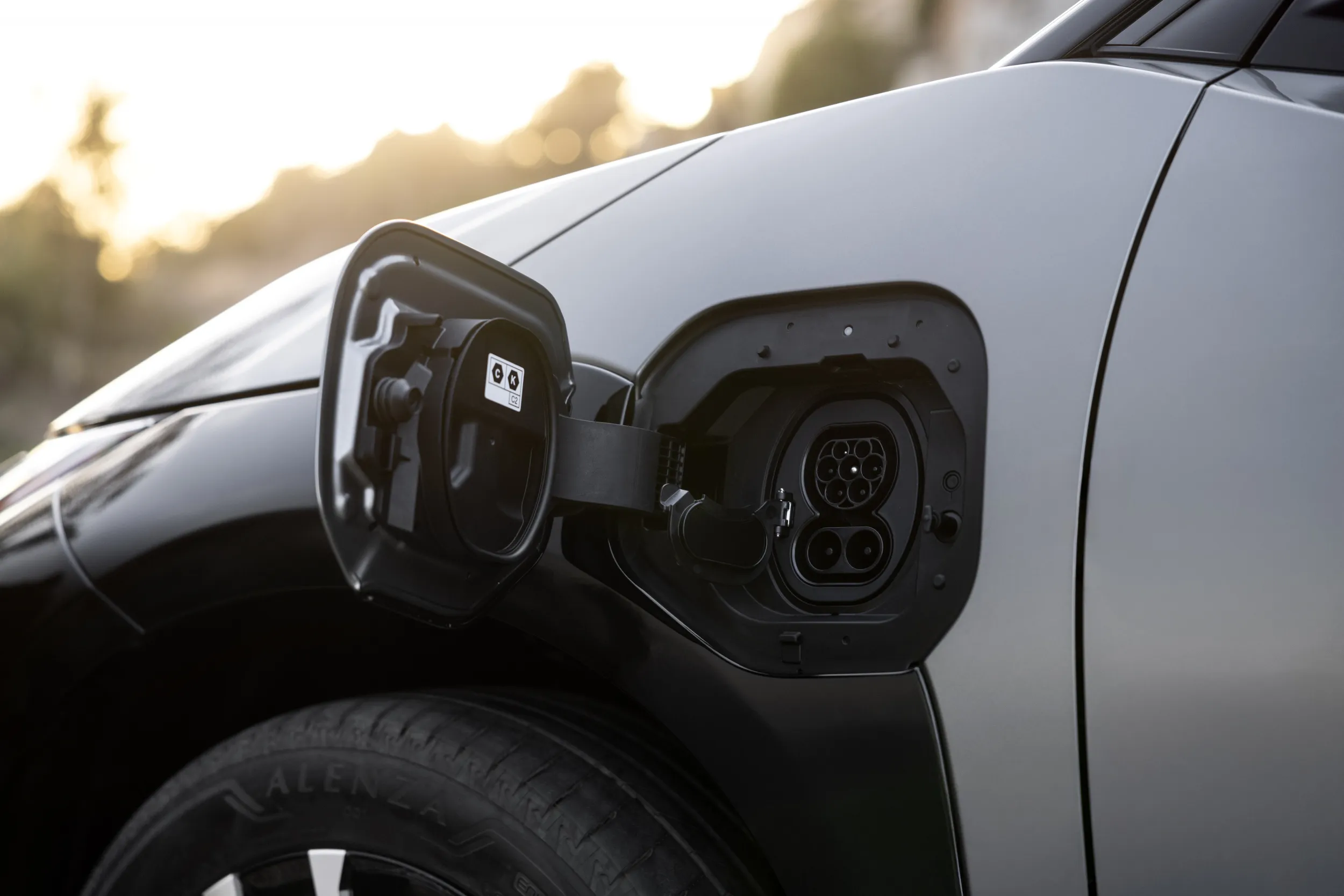
Toyota has rolled the first purpose built autonomous electric vehicle off its production line, marking the company’s formal entry into the robotaxi market. Unlike earlier pilot projects and retrofitted test fleets, this is full scale manufacturing. The cars leave the factory ready for driverless operation, developed in close cooperation with software partners.
The global car industry is shifting rapidly towards service based mobility. Instead of private ownership, fleet operators increasingly take centre stage. Toyota, long seen as cautious in the field of autonomous driving, now steps directly into competition with concepts such as the Tesla Cybercab and the fleet operated by Waymo.
The first series model is built on a modified version of Toyota’s e TNGA electric platform, adapted specifically for intensive urban use and long term durability.
Level 4 autonomy, factory integrated
The new robotaxi features Level 4 autonomous driving capability. In defined operational areas the vehicle can function without driver intervention. Toyota does not develop the entire software stack alone. Instead it integrates sensor packages and autonomous systems from partners such as Pony.ai directly on the production line.
This approach differs from earlier industry practice, where autonomous hardware was often installed after the vehicle left the factory. Integrating the systems at source improves calibration, reduces complexity and lowers costs.
Technical highlights and competitive positioning
The sensor suite combines 360 degree LiDAR units, radar and high resolution cameras mounted on the roof and body. Toyota favours redundancy. If one system struggles, another can compensate.
Batteries are engineered to withstand multiple rapid charging cycles per day. The target is to retain 80 percent of original capacity even after 500,000 kilometres of operation, a crucial benchmark for fleet economics.
Inside, the layout prioritises passenger comfort and luggage space. Traditional driver controls are either removed or discreetly hidden, reflecting the vehicle’s primary role as a self driving shuttle rather than a privately owned car.
In contrast, Tesla’s Cybercab concept relies on a camera only system. Toyota’s use of LiDAR and radar alongside cameras aims to improve reliability in adverse conditions such as heavy rain or fog. For commercial operators, consistency matters more than bold technical philosophy.
From carmaker to mobility provider
Chief executive Koji Sato has repeatedly stated that Toyota intends to evolve from a conventional manufacturer into a broader mobility company. Series production of robotaxis is a tangible step in that direction.
Factory integration of autonomous systems is expected to cut production costs by roughly 30 percent compared with post production conversions. Lower build costs translate into a more competitive price per kilometre for fleet operators, many of whom face fierce competition from Chinese players such as Baidu and its Apollo programme.
For Toyota, this is more than a technical milestone. It is a strategic recalibration. The question is no longer whether autonomous taxis will become part of urban transport, but who can deliver them at scale, reliably and profitably.
The production line has started moving. The real test begins on city streets.
The first series model is built on a modified version of Toyota’s e TNGA electric platform, adapted specifically for intensive urban use and long term durability.
Level 4 autonomy, factory integrated
The new robotaxi features Level 4 autonomous driving capability. In defined operational areas the vehicle can function without driver intervention. Toyota does not develop the entire software stack alone. Instead it integrates sensor packages and autonomous systems from partners such as Pony.ai directly on the production line.
This approach differs from earlier industry practice, where autonomous hardware was often installed after the vehicle left the factory. Integrating the systems at source improves calibration, reduces complexity and lowers costs.
Technical highlights and competitive positioning
The sensor suite combines 360 degree LiDAR units, radar and high resolution cameras mounted on the roof and body. Toyota favours redundancy. If one system struggles, another can compensate.
Batteries are engineered to withstand multiple rapid charging cycles per day. The target is to retain 80 percent of original capacity even after 500,000 kilometres of operation, a crucial benchmark for fleet economics.
Inside, the layout prioritises passenger comfort and luggage space. Traditional driver controls are either removed or discreetly hidden, reflecting the vehicle’s primary role as a self driving shuttle rather than a privately owned car.
In contrast, Tesla’s Cybercab concept relies on a camera only system. Toyota’s use of LiDAR and radar alongside cameras aims to improve reliability in adverse conditions such as heavy rain or fog. For commercial operators, consistency matters more than bold technical philosophy.
From carmaker to mobility provider
Chief executive Koji Sato has repeatedly stated that Toyota intends to evolve from a conventional manufacturer into a broader mobility company. Series production of robotaxis is a tangible step in that direction.
Factory integration of autonomous systems is expected to cut production costs by roughly 30 percent compared with post production conversions. Lower build costs translate into a more competitive price per kilometre for fleet operators, many of whom face fierce competition from Chinese players such as Baidu and its Apollo programme.
For Toyota, this is more than a technical milestone. It is a strategic recalibration. The question is no longer whether autonomous taxis will become part of urban transport, but who can deliver them at scale, reliably and profitably.
The production line has started moving. The real test begins on city streets.


