
Updated BMW i7 gets a Rimac battery
 1/6
1/6
BMW confirmed that the updated i7 will use a new high voltage battery developed with Rimac Technology, built around sixth generation cylindrical cells and promising longer range and faster charging than before. The car will make its debut at the Beijing motor show on 22 April, and it also makes one point rather clearly, BMW is not keeping Neue Klasse technology locked away for future platforms, but is pushing it into its current flagship at speed.
The group said the new i7 will get a Gen6 eDrive battery using 4695 format lithium ion cylindrical cells. Compared with the Gen5 prismatic cells, volumetric energy density rises by 20 per cent. The battery pairs those new cells with the existing Gen5 module logic, giving the i7 two obvious gains in one move, more range and quicker charging. BMW still has not published hard numbers, but the technical direction is plain enough.
The more important layer of this story sits in strategy rather than chemistry. At BMW’s annual conference in March, Oliver Zipse said the 7 Series would become the first facelifted model to adopt Neue Klasse technologies at the Beijing show, and called the result “almost an entirely new car”. That tells you BMW is not waiting for the next generation luxury saloon to arrive. Instead, it is using this mid cycle update as a bridge, moving the core elements of its new electric architecture into its existing range topper as quickly as possible.
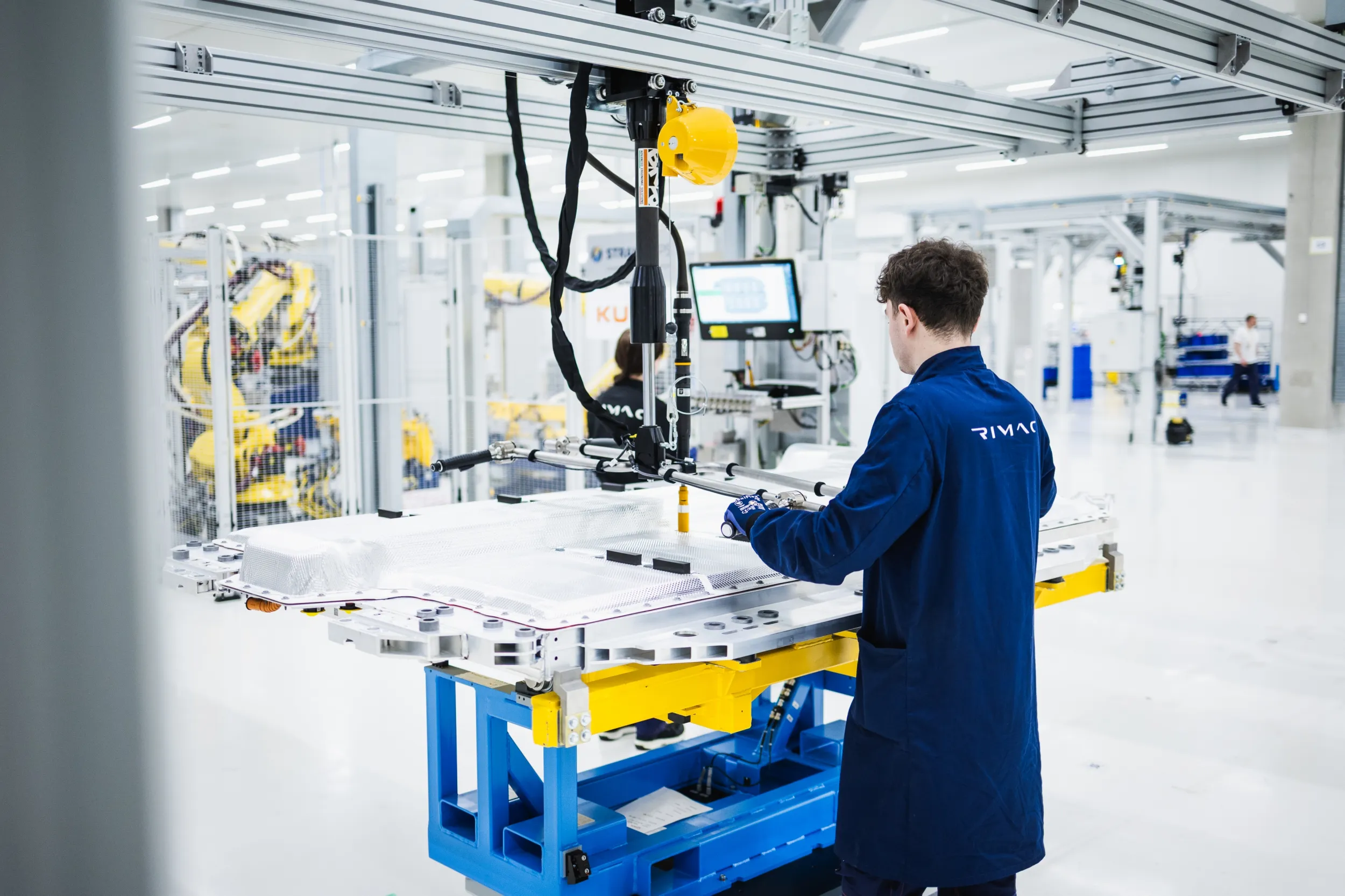
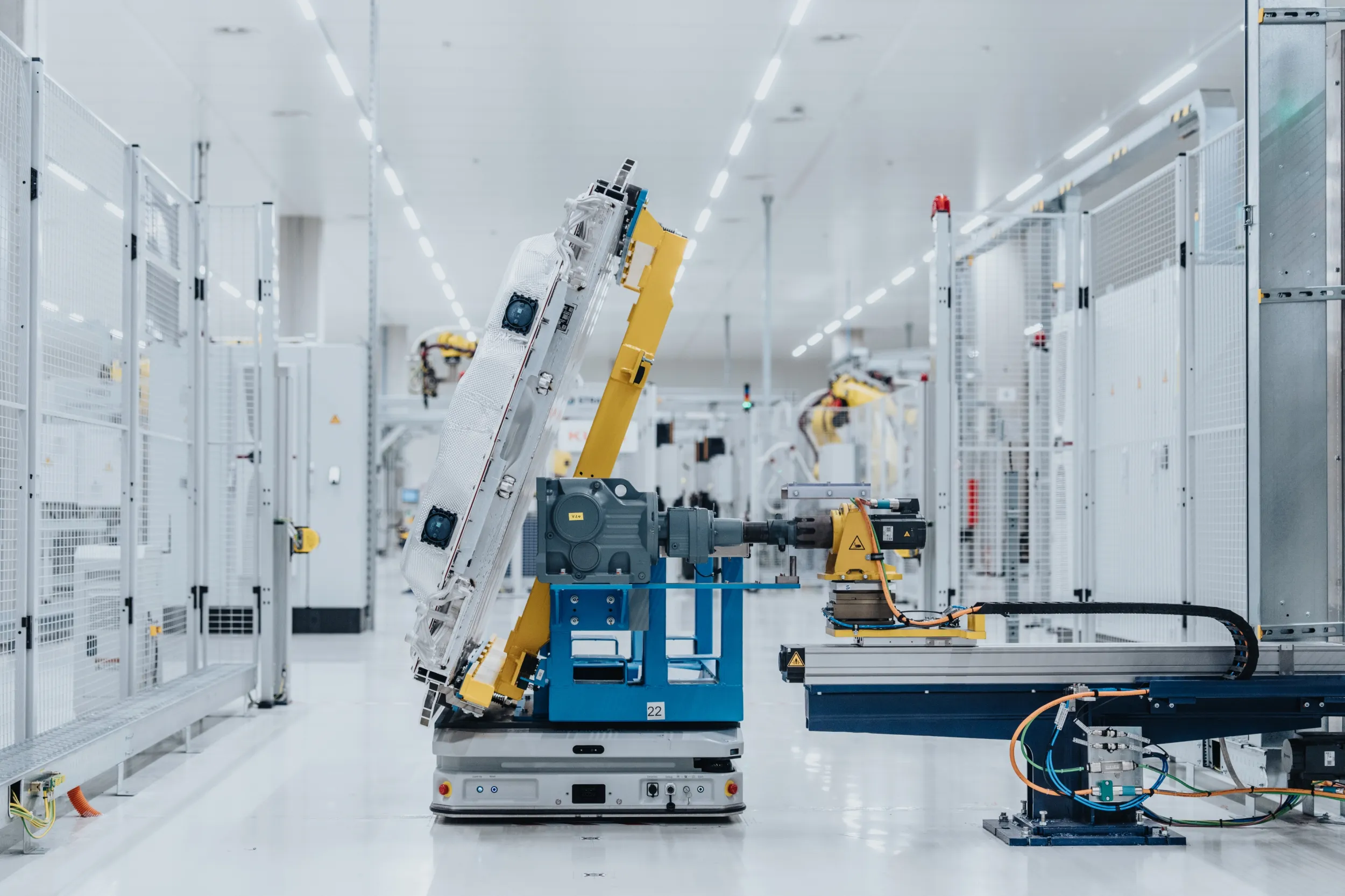
Rimac’s role goes well beyond a handy marketing footnote. The Croatian company took part in developing the i7’s power electronics and will also supply the traction batteries. BMW’s official statement adds that the batteries will be built at Rimac’s factory in Croatia before being shipped to Dingolfing, home to the world’s only BMW 7 Series production plant. In practice, that means BMW is tying the most critical component in its luxury saloon to the supply chain of one of Europe’s fastest growing EV specialists.
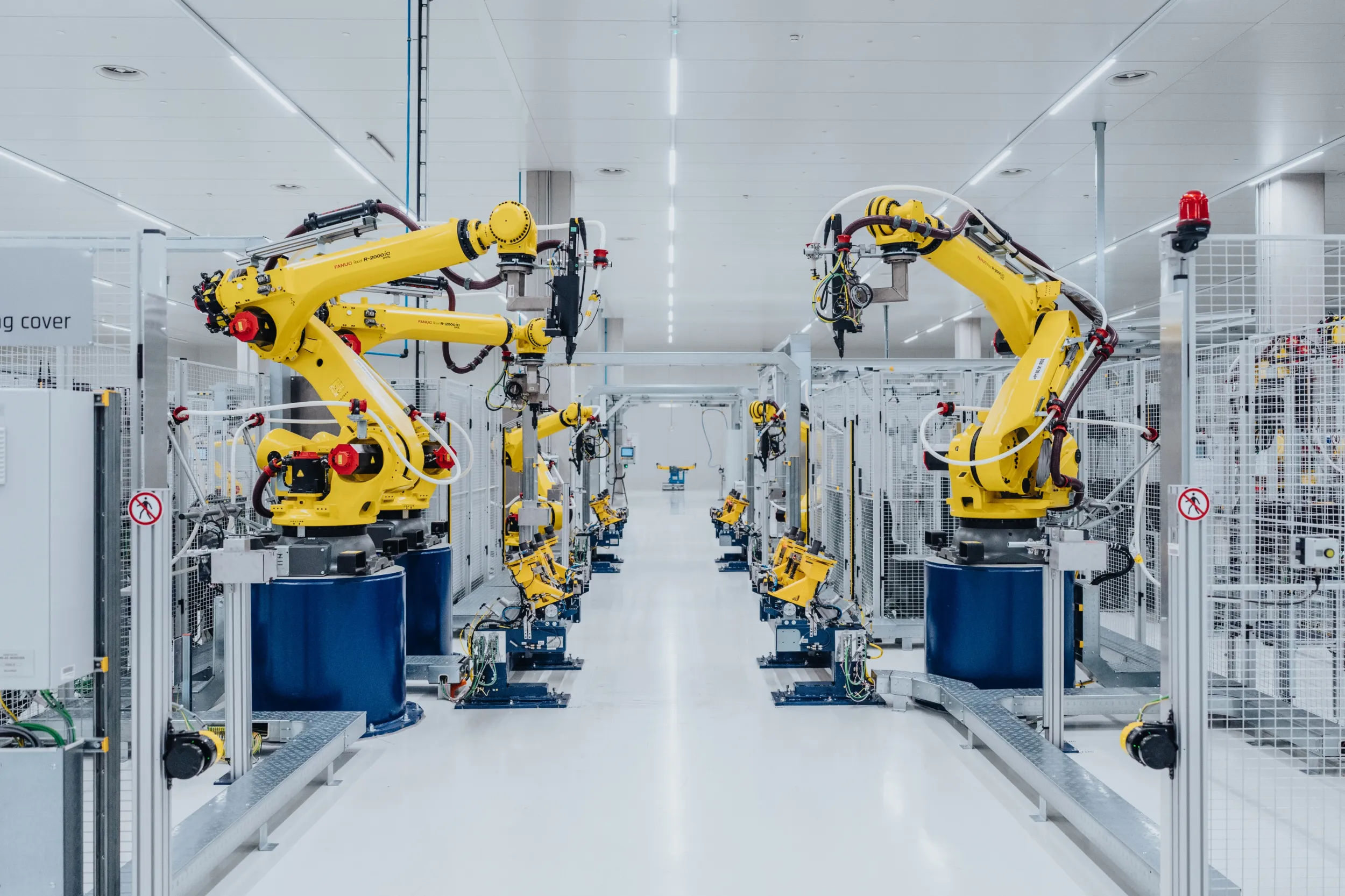
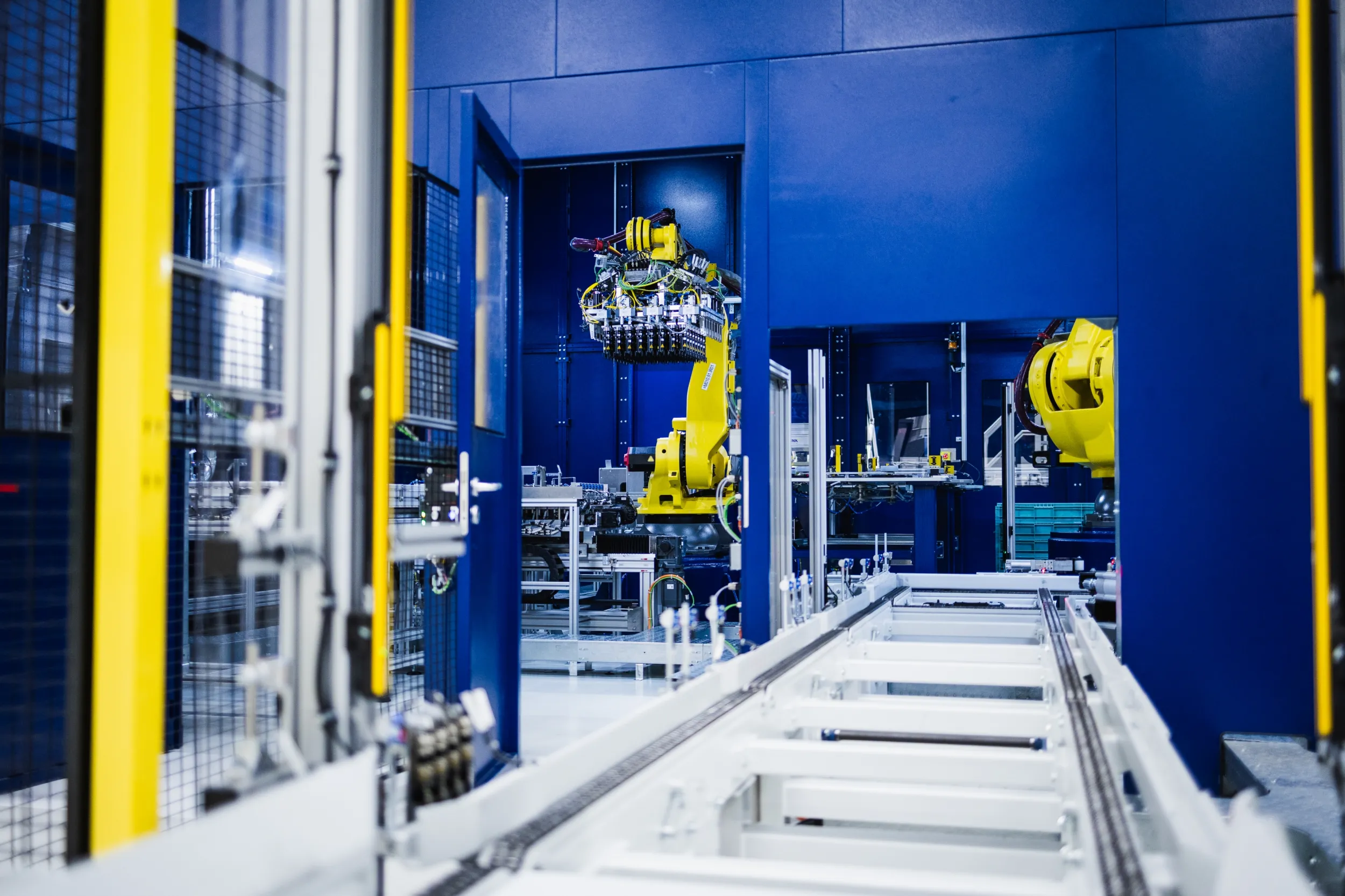
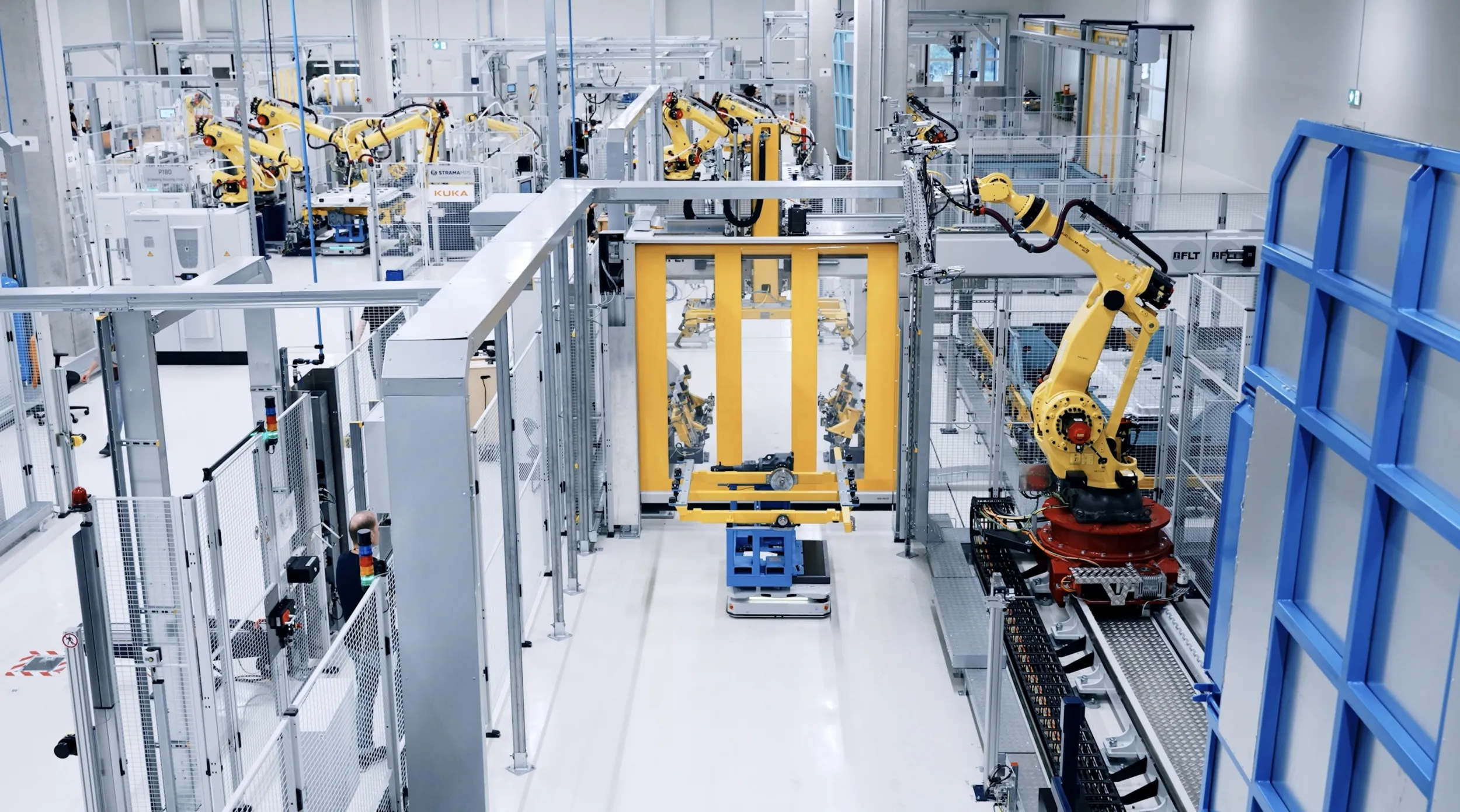
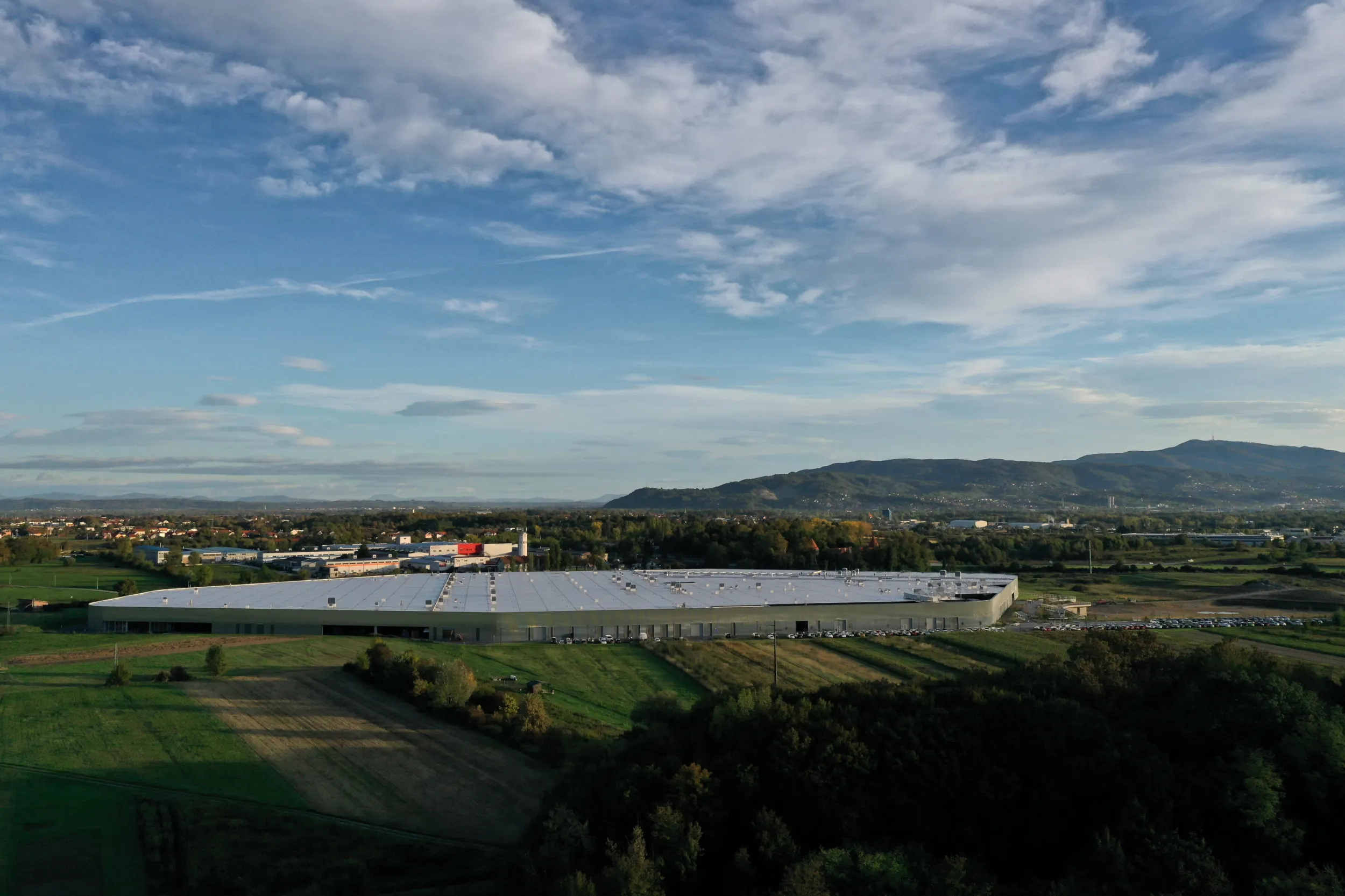
For Rimac, the project marks a step change. In its own official statement, the company said the new i7 is the first fully electric BMW Group model to use a battery system created jointly by the two firms. More telling still is the scale of production. The manufacturing area dedicated to the programme at the Rimac Campus near Zagreb covers 15,000 square metres, while the full complex spans 90,000 square metres. Rimac now describes itself, quite openly, as a top tier Tier 1 supplier. Put simply, the engineering house best known for the Nevera is moving out of the glow of niche hypercars and into the harder, bigger world of large scale industrial partnerships.
That may be the real headline here. The updated BMW i7 is not just getting a better battery, it is becoming an early test case for how fast BMW can drag Neue Klasse thinking into the present, and how far Rimac can travel from exotic outsider to serious mainstream force.
The more important layer of this story sits in strategy rather than chemistry. At BMW’s annual conference in March, Oliver Zipse said the 7 Series would become the first facelifted model to adopt Neue Klasse technologies at the Beijing show, and called the result “almost an entirely new car”. That tells you BMW is not waiting for the next generation luxury saloon to arrive. Instead, it is using this mid cycle update as a bridge, moving the core elements of its new electric architecture into its existing range topper as quickly as possible.
Rimac’s role goes well beyond a handy marketing footnote. The Croatian company took part in developing the i7’s power electronics and will also supply the traction batteries. BMW’s official statement adds that the batteries will be built at Rimac’s factory in Croatia before being shipped to Dingolfing, home to the world’s only BMW 7 Series production plant. In practice, that means BMW is tying the most critical component in its luxury saloon to the supply chain of one of Europe’s fastest growing EV specialists.
For Rimac, the project marks a step change. In its own official statement, the company said the new i7 is the first fully electric BMW Group model to use a battery system created jointly by the two firms. More telling still is the scale of production. The manufacturing area dedicated to the programme at the Rimac Campus near Zagreb covers 15,000 square metres, while the full complex spans 90,000 square metres. Rimac now describes itself, quite openly, as a top tier Tier 1 supplier. Put simply, the engineering house best known for the Nevera is moving out of the glow of niche hypercars and into the harder, bigger world of large scale industrial partnerships.
That may be the real headline here. The updated BMW i7 is not just getting a better battery, it is becoming an early test case for how fast BMW can drag Neue Klasse thinking into the present, and how far Rimac can travel from exotic outsider to serious mainstream force.


