
Volkswagen admits ID. Buzz is too expensive; next generation must bring the price down
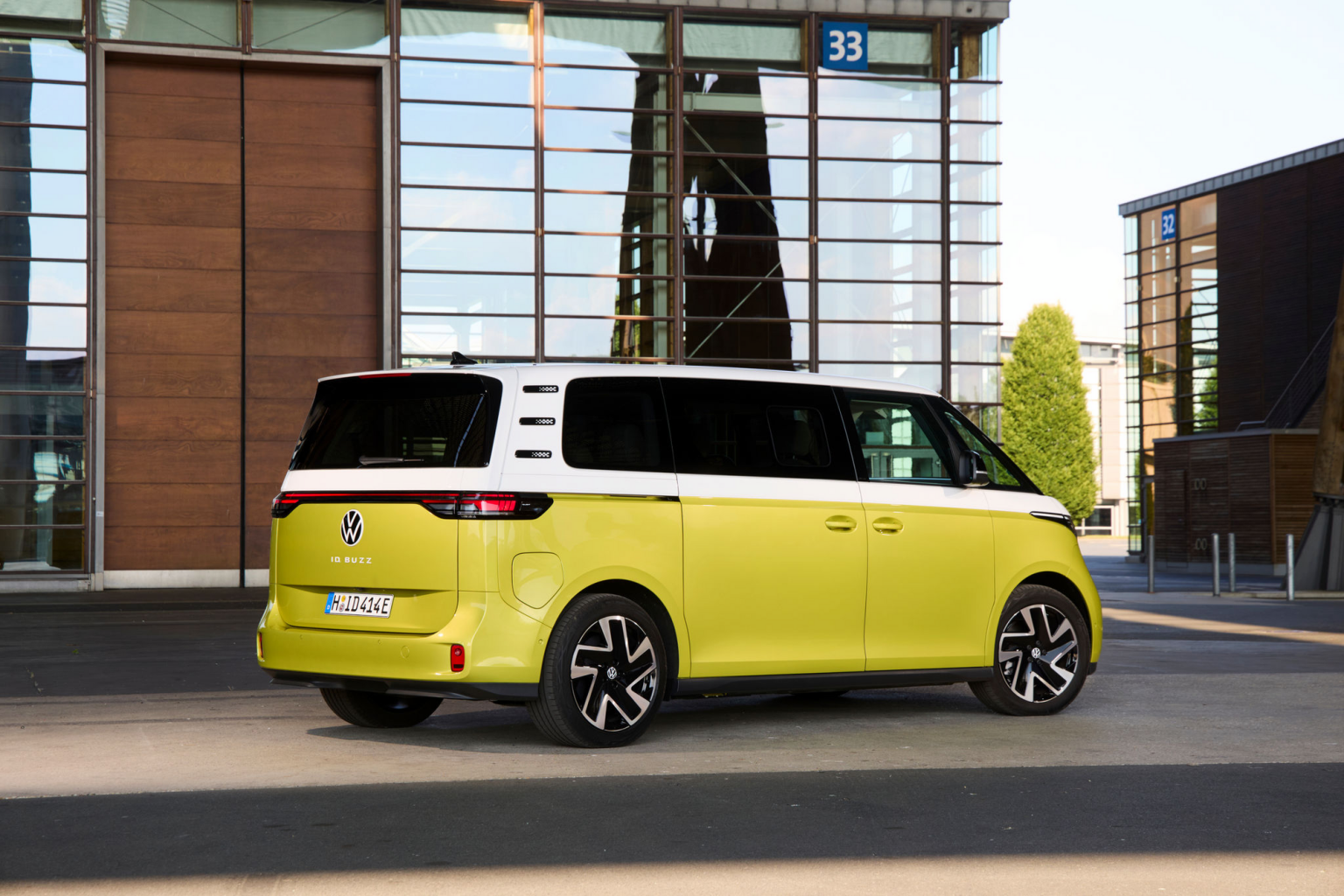
Volkswagen’s nostalgia-inspired ID. Buzz has not become the sales hit the German carmaker had hoped for. Now brand chief Thomas Schäfer admits that the electric minibus’s biggest problem is its excessive price. Volkswagen is already developing a second generation, with a new platform, more modern battery technology and, hopefully, a much more reasonable price tag.
Retro design turns heads, but attracts too few buyers
In an interview with British publication Auto Express at the Paris Motor Show, Schäfer confirmed that Volkswagen has no intention of abandoning the ID. Buzz. However, the current model’s production costs are too high to achieve the desired sales volume.
The problem is particularly stark in the US, where ID. Buzz sales fell by more than 82 per cent in the third quarter of this year. Just 432 vehicles found buyers over those three months. Retro looks alone are clearly not enough when buyers have to pay luxury-car prices for them.
New platform must cut production costs
The next ID. Buzz will swap its current MEB platform for Volkswagen’s new SSP architecture. The group will use it in many future electric vehicles to reduce development and production costs.
The new technical underpinnings should allow for greater range, faster charging and better software. Volkswagen is also considering more affordable lithium iron phosphate batteries, or LFP batteries.
Changes are also expected in the cabin. Volkswagen is moving back towards physical controls, reducing the proportion of touch-sensitive switches. This approach could also improve the ID. Buzz’s ergonomics.
The exact unveiling date and price of the new generation are not yet known. The SSP platform will first enter use at the end of the decade, so the current ID. Buzz will probably continue until at least 2030. Volkswagen may update the model again before the next generation arrives.
Prices in Europe start at around €45,000
On Volkswagen’s European websites, ID. Buzz prices currently start at around €45,000. The manufacturer quotes a WLTP range of 453–487 kilometres, depending on the version, while charging the battery from 5 per cent to 80 per cent takes about 30 minutes.
The ID. Buzz competes primarily with other electric family vehicles and minibuses, but its retro design and high price make it more of an emotional purchase than a rational one.
Volkswagen’s biggest challenge, then, is not making the new ID. Buzz more attractive, but producing it at a price buyers are willing to pay. A charming reminder of the 1960s may appeal, but the bill has to be paid in 2026 money.


