
ID.Polo interior brings back physical buttons and the spirit of the 1980s
 1/14
1/14
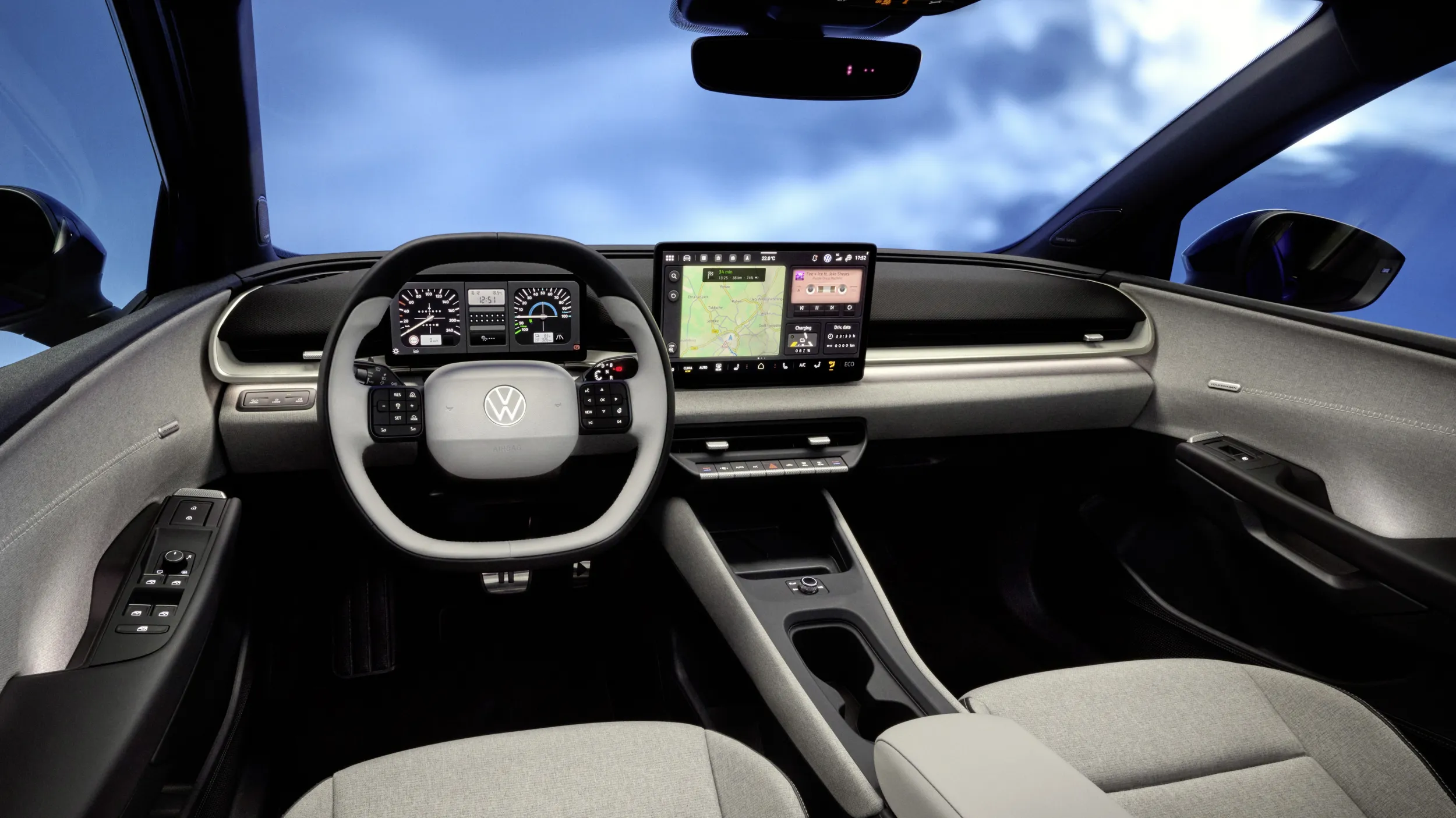
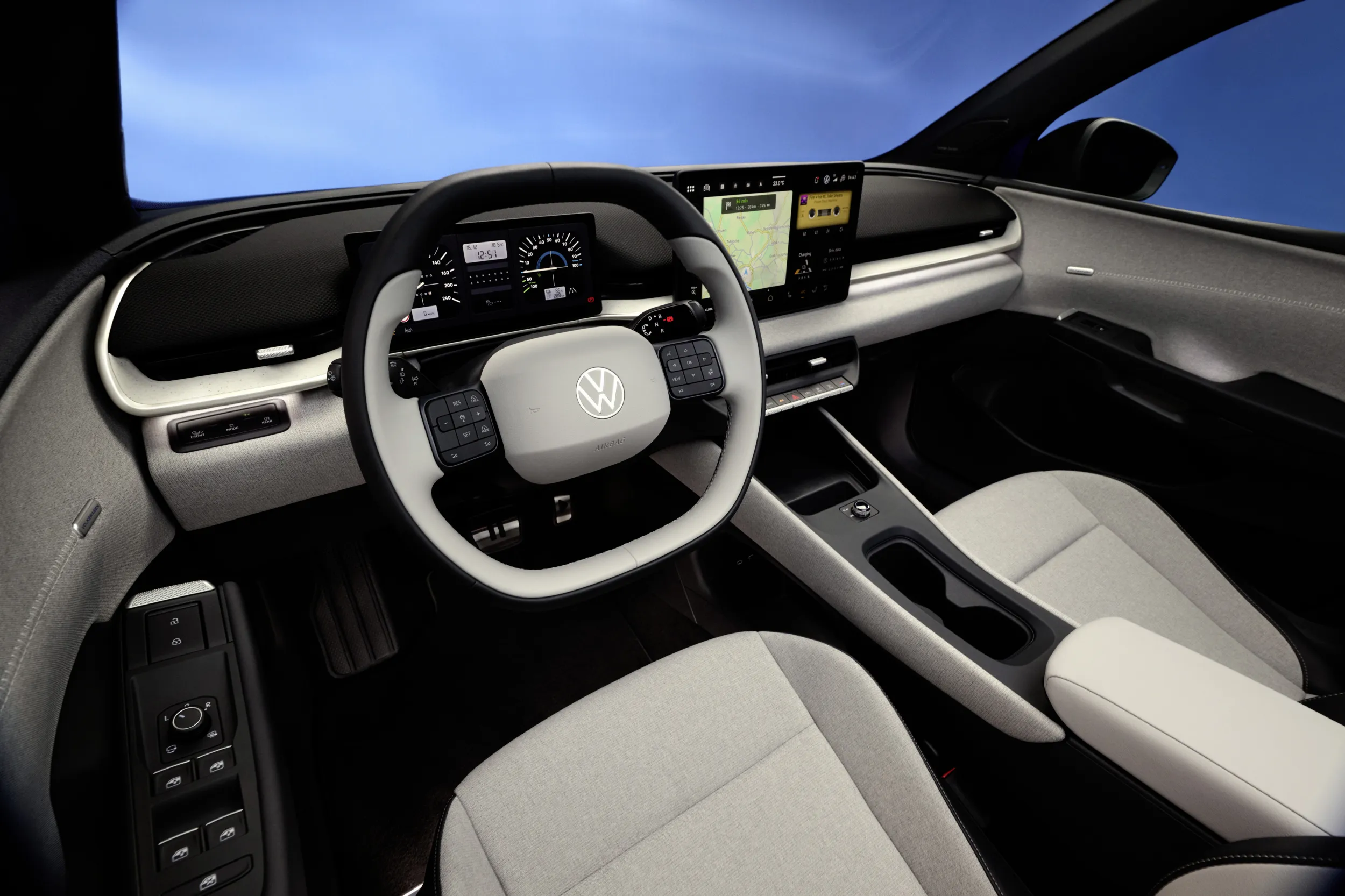
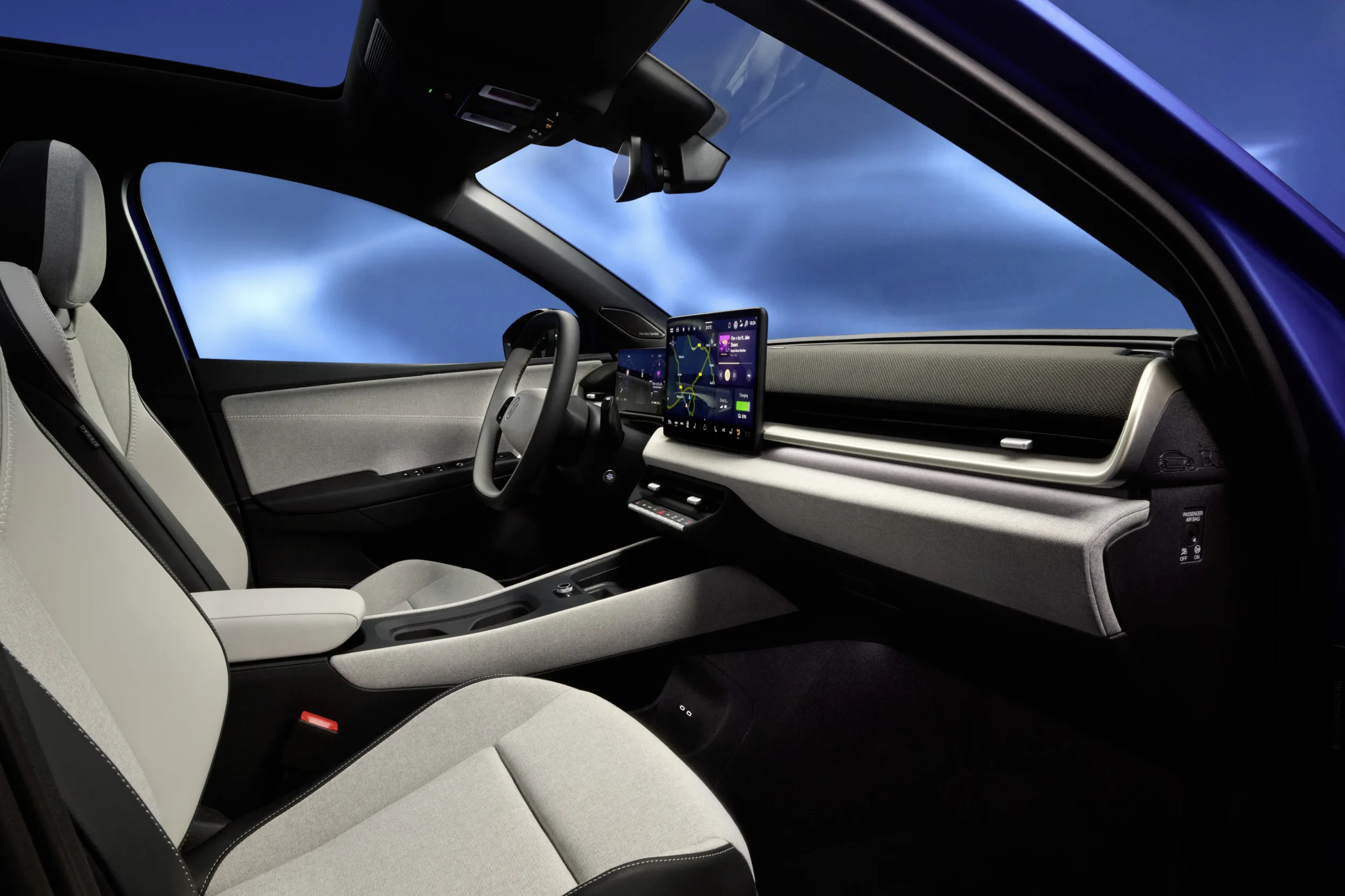
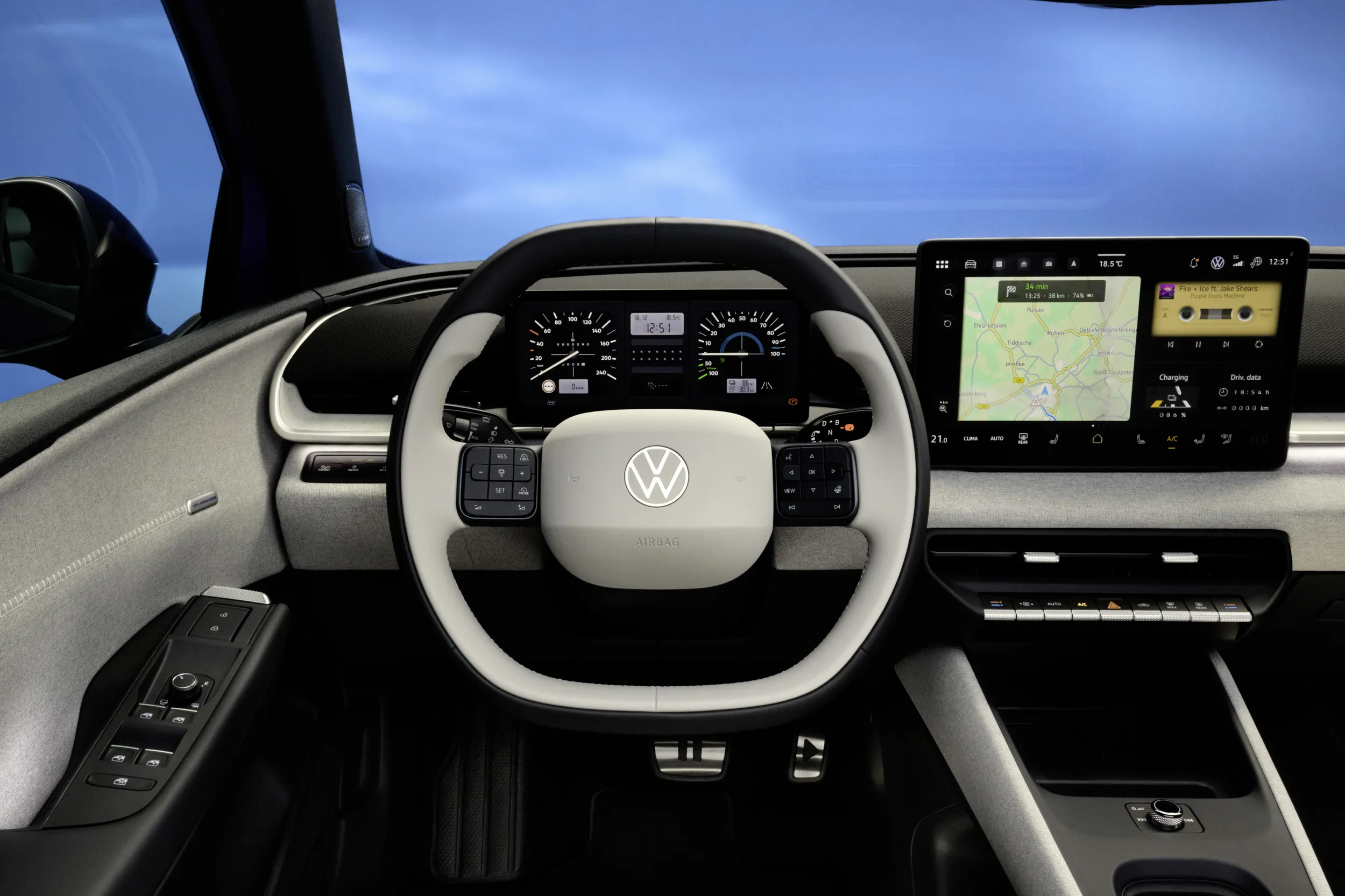
The Volkswagen ID.Polo decided to swim against the current, which is precisely what makes the story interesting, whether it also proves successful is another matter. A small electric car meant to symbolise the future reaches back into the past and does so with confidence. Physical buttons, a retro inspired instrument display and a deliberate step away from touchscreen overload suggest that Wolfsburg is finally listening to drivers rather than just presentation slides.
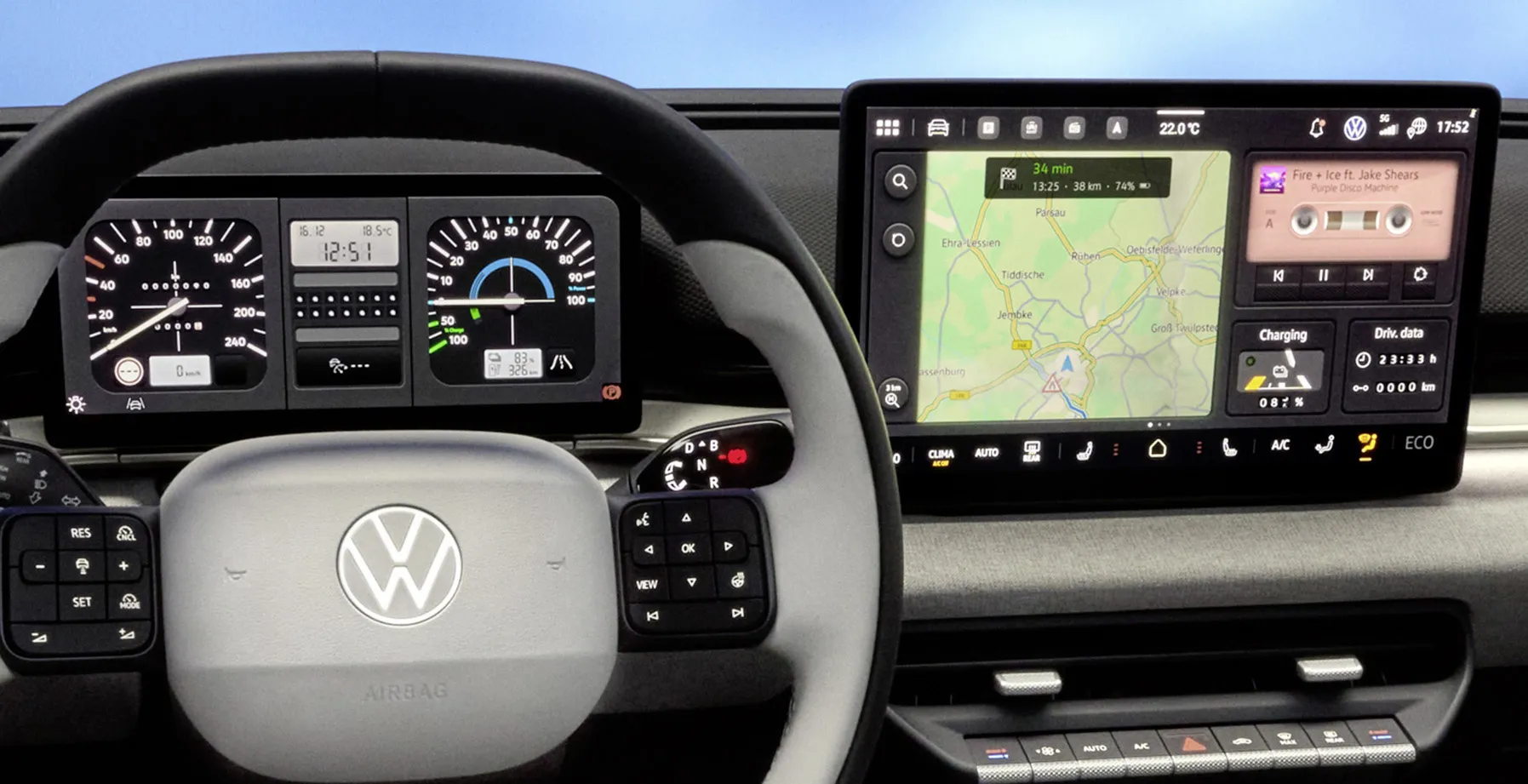
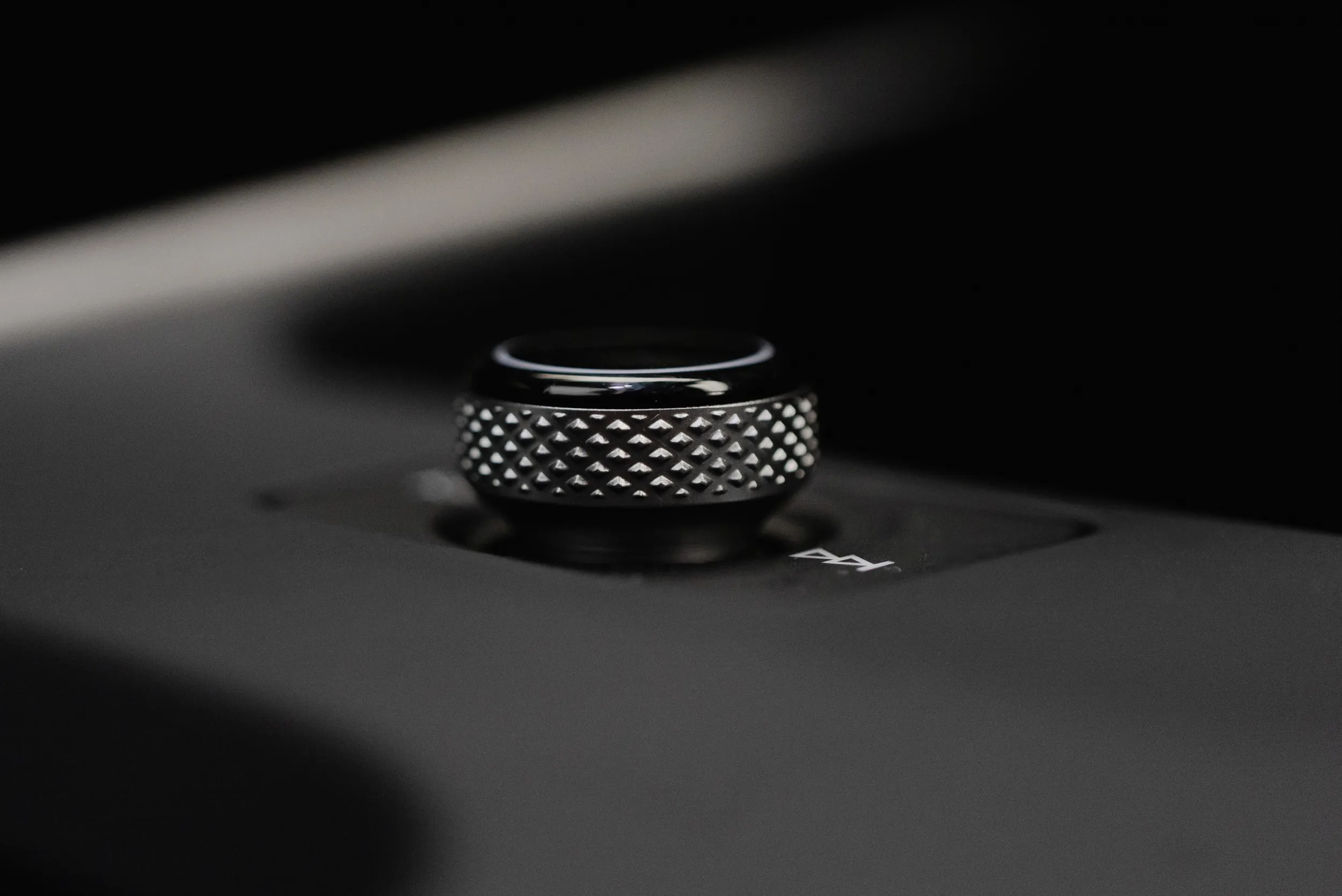
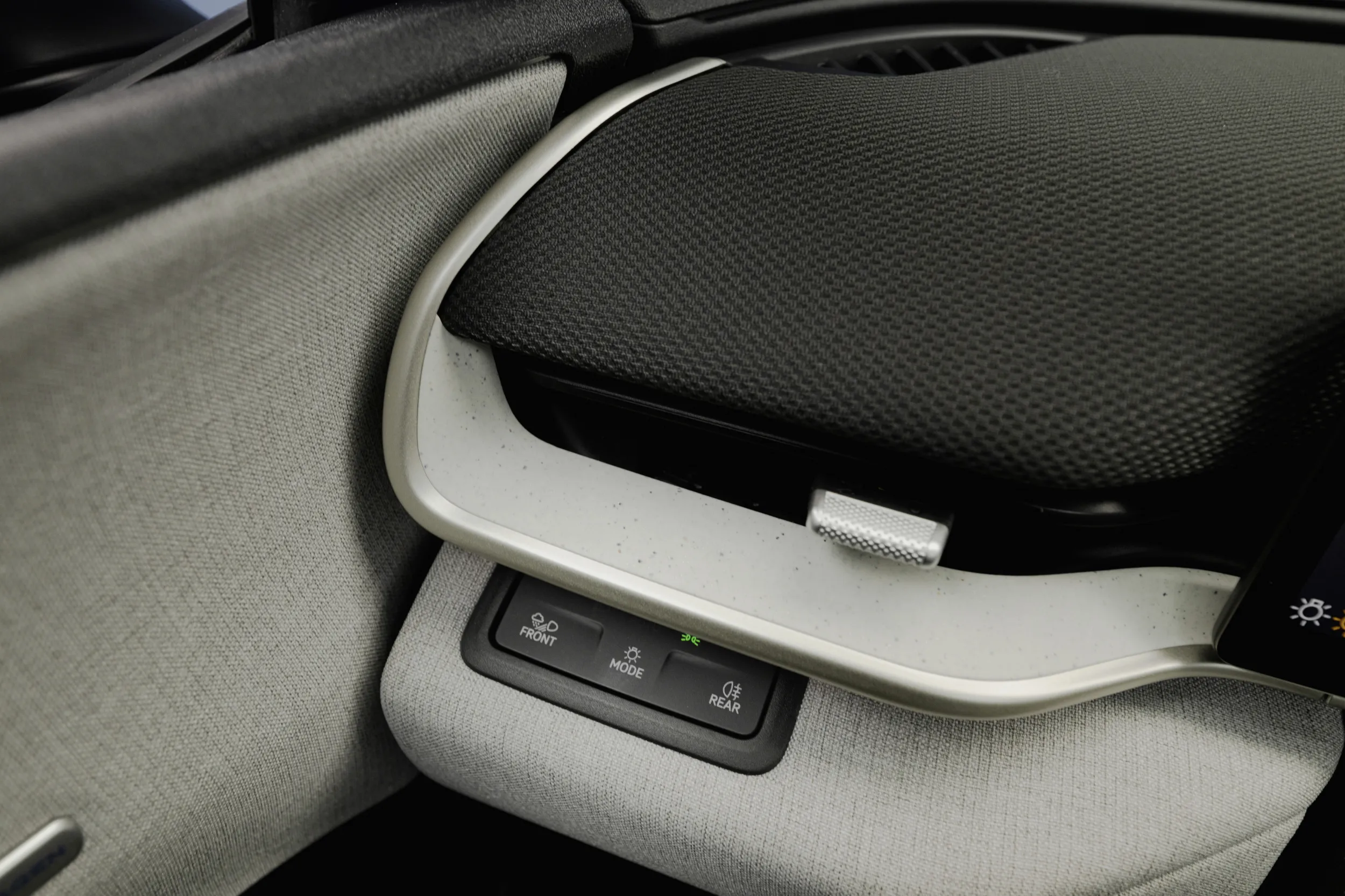
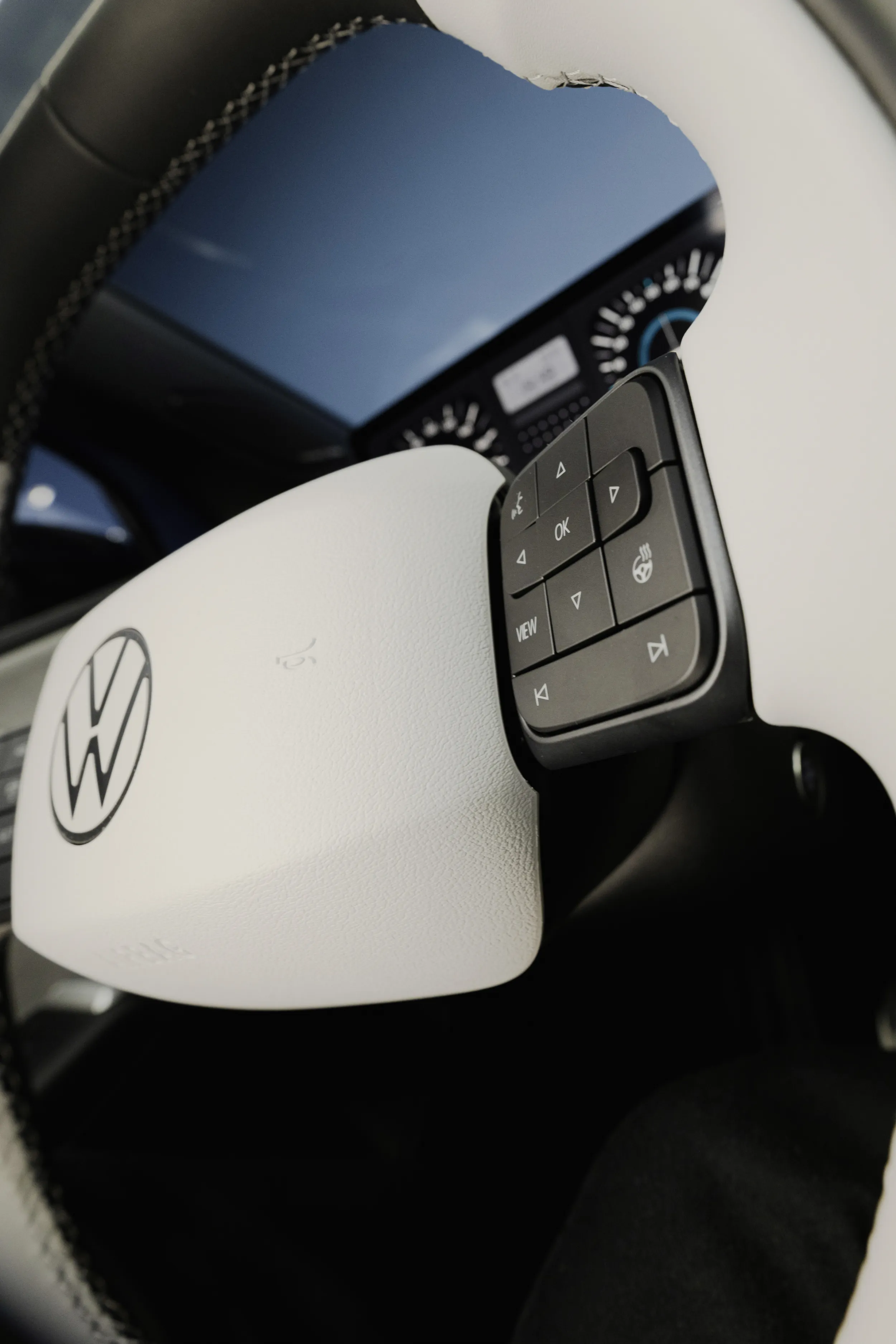
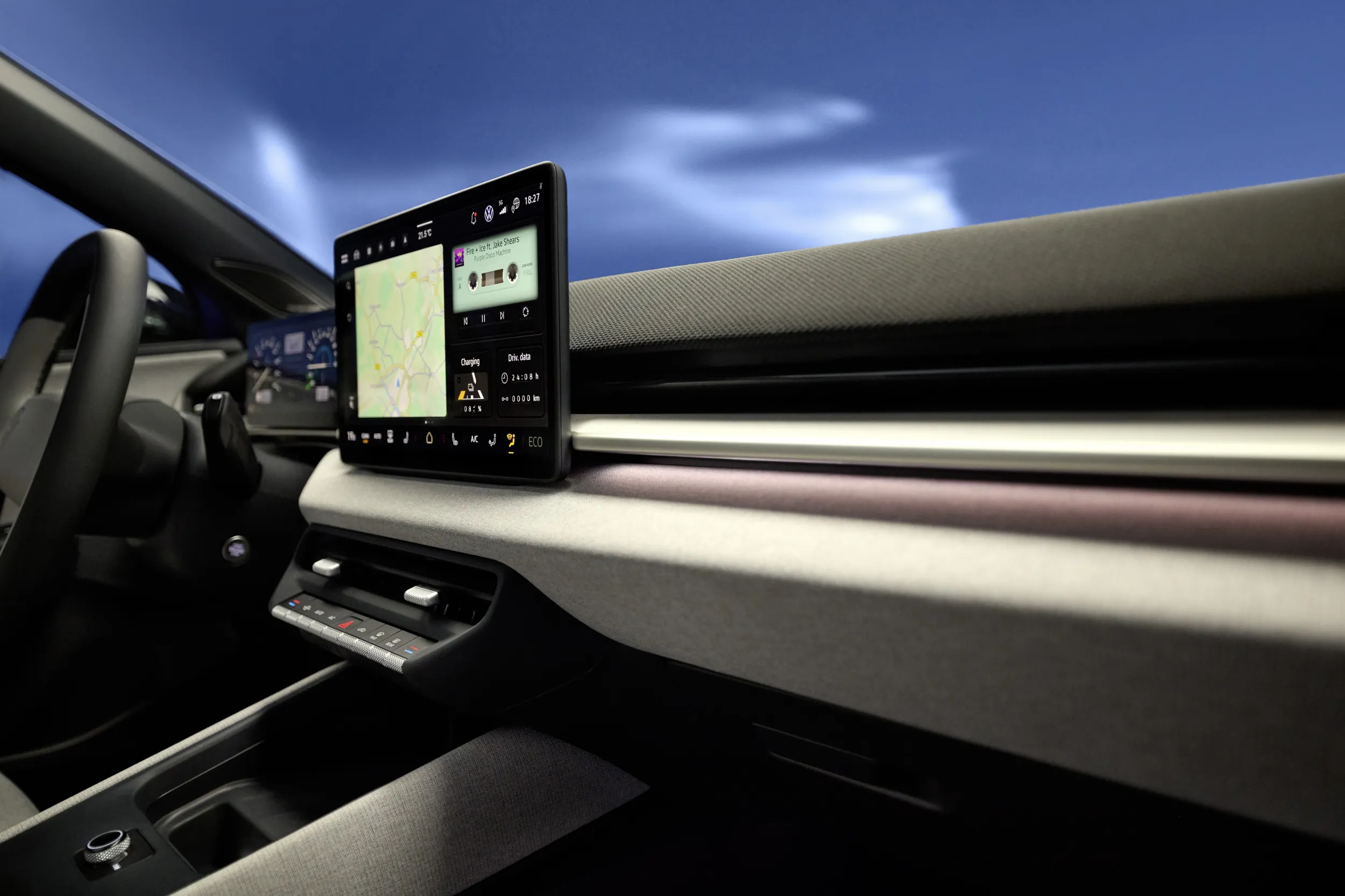
Volkswagen continues the gradual unveiling of its new electric hatchback and this time the focus shifted to the interior. The result surprises. Physical buttons returned to the steering wheel, controlling lighting and climate functions. They do not slide under the finger or force the driver to dive into menus. On the centre console sits a multifunction rotary dial that manages core audio functions, old school logic paired with modern technology.
This is no accident but a clear change of direction. Volkswagen abandoned solutions that drew criticism and confusion in earlier models. Buttons are not nostalgic decoration here, they are tools.
The Volkswagen ID.Polo does not rely on design references alone. Measuring 4.05 metres in length, it sits on a 2.6 metre wheelbase. Buyers can choose between four electric motors delivering 116, 135, 211 and 226 horsepower. The most powerful option belongs to the GTI version, hinting that an electric Polo does not intend to sacrifice driving pleasure.
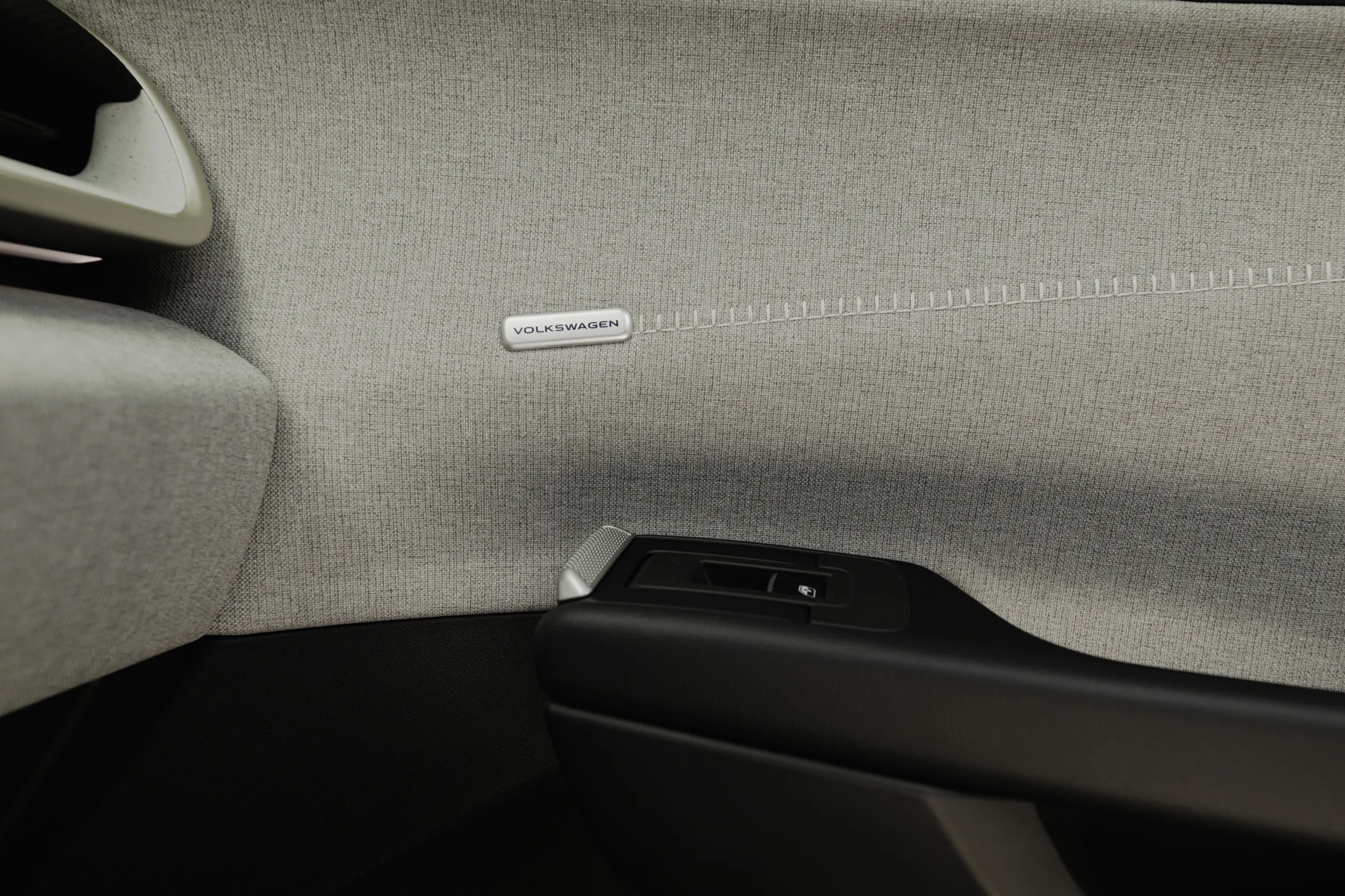
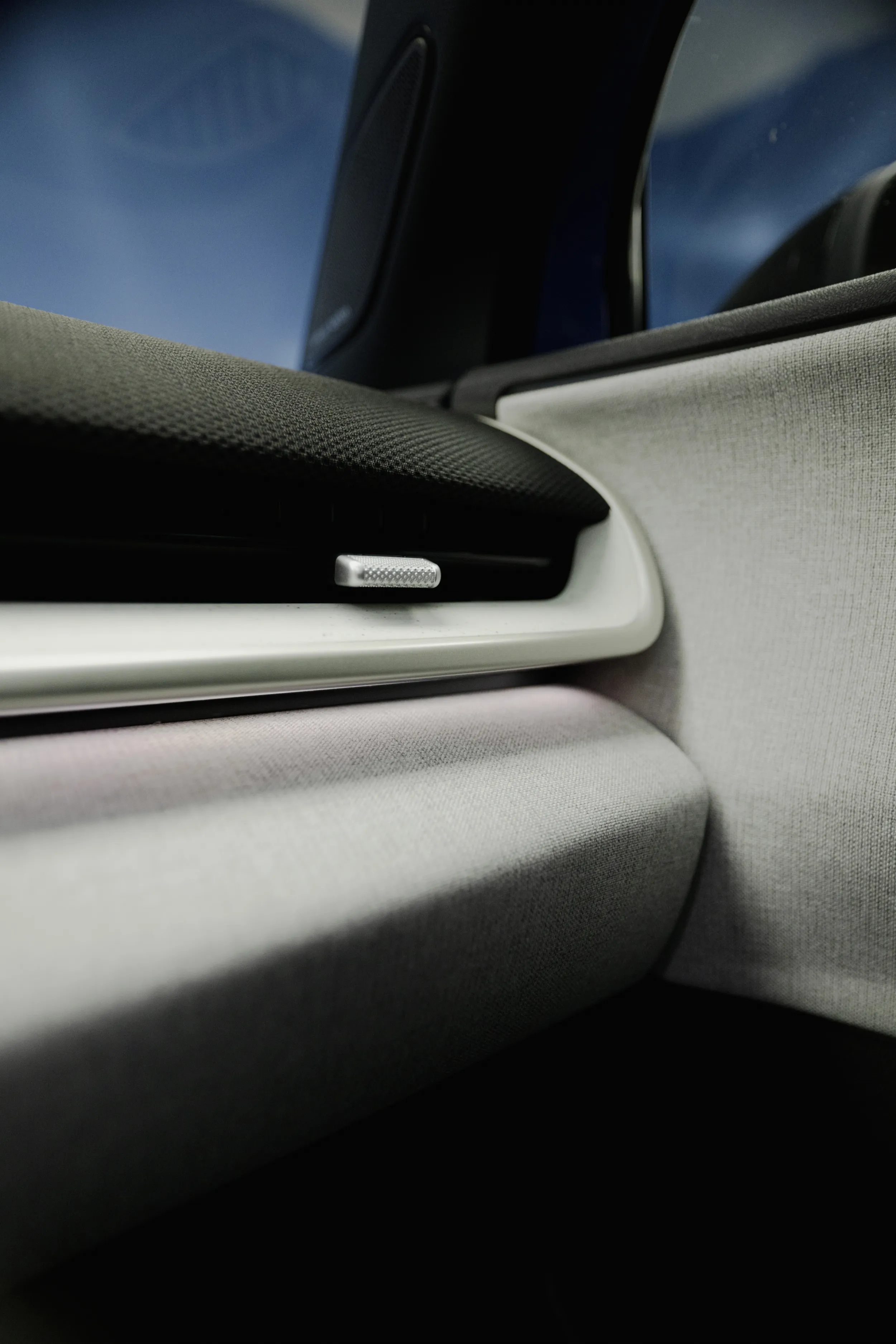
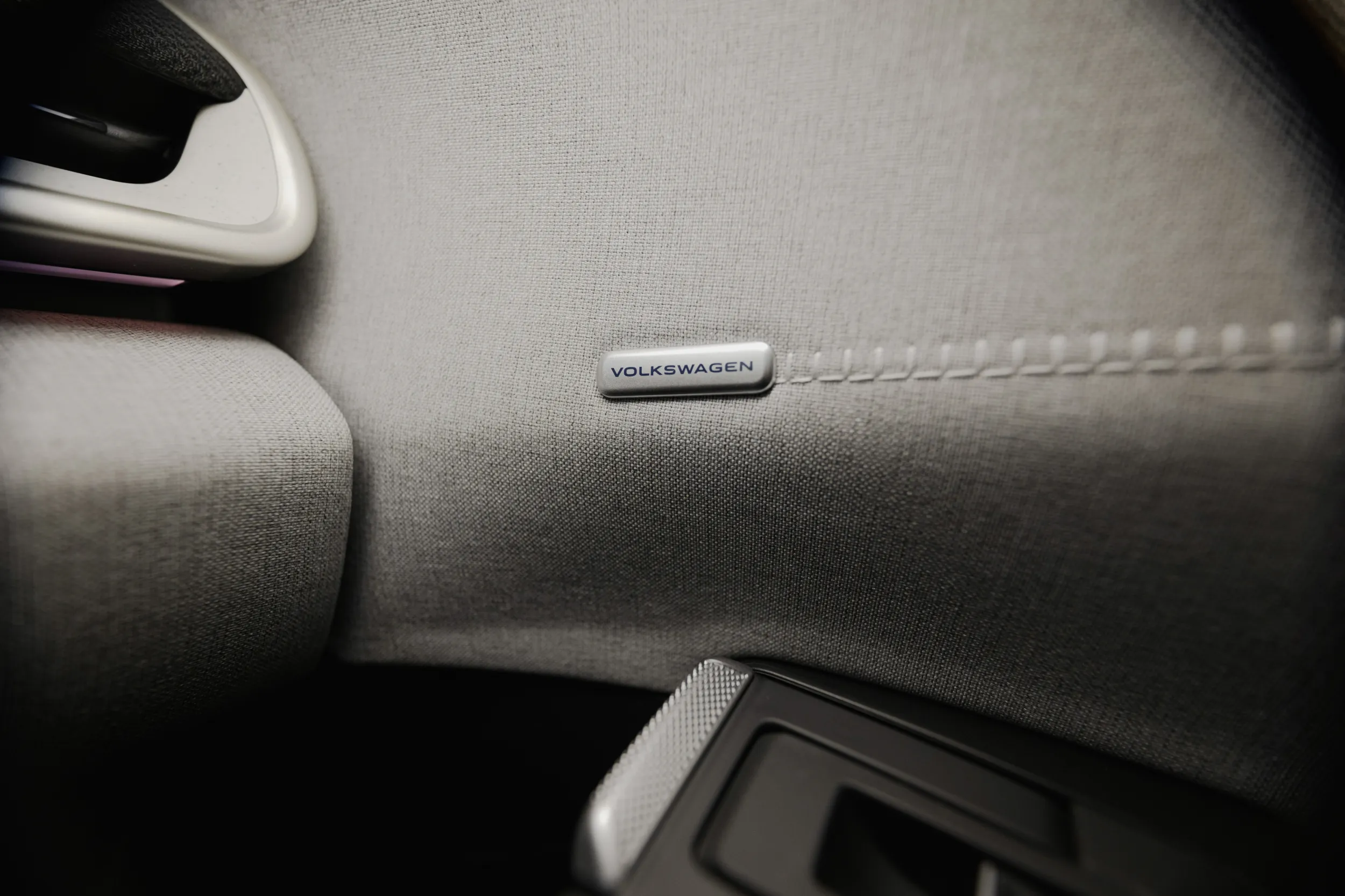
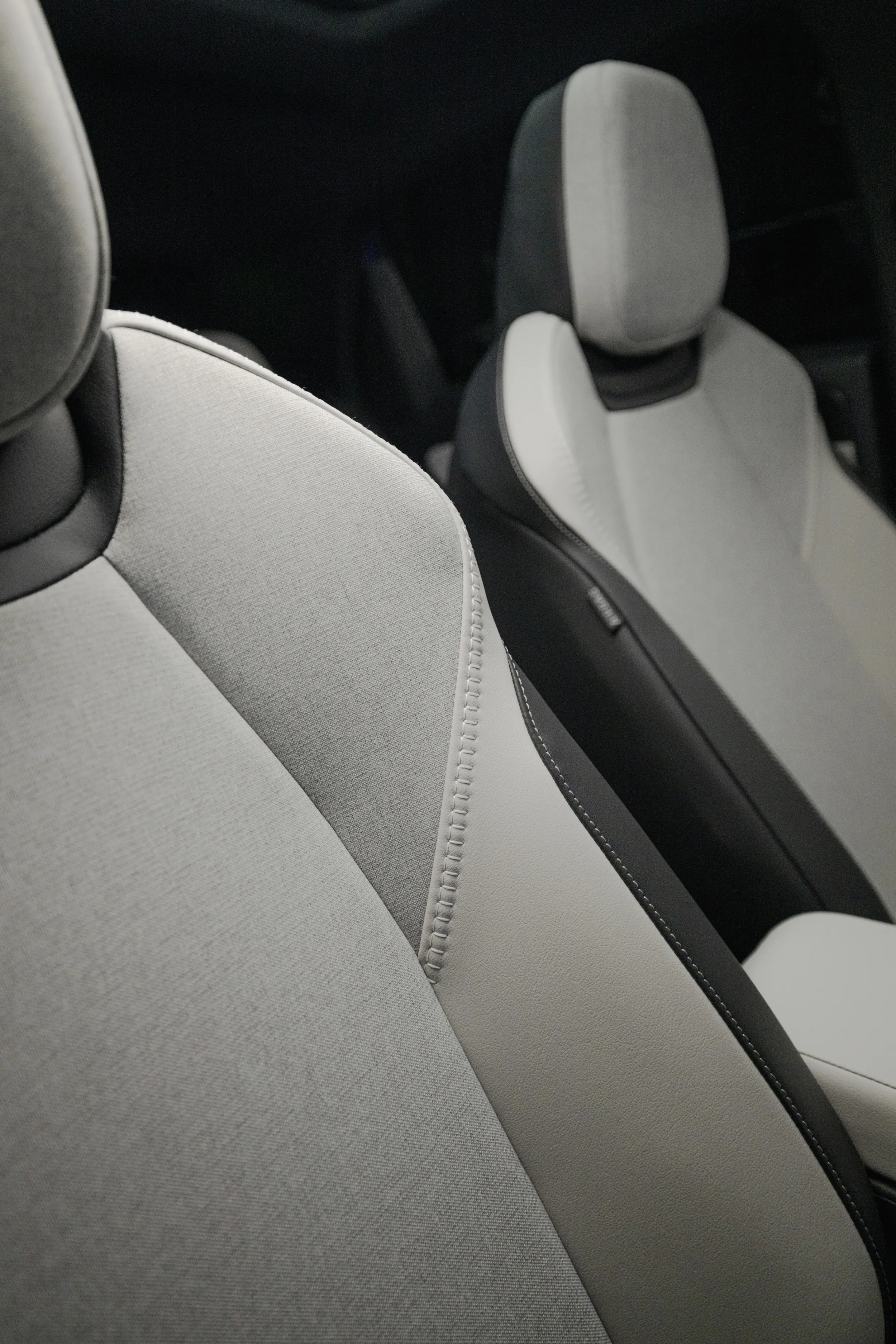
Material choices inside the cabin follow the same thinking. Instead of hard plastics, several surfaces are trimmed in fabric made from recycled materials. It does not lecture the occupants about sustainability, it simply gives the interior a softer and more welcoming feel.
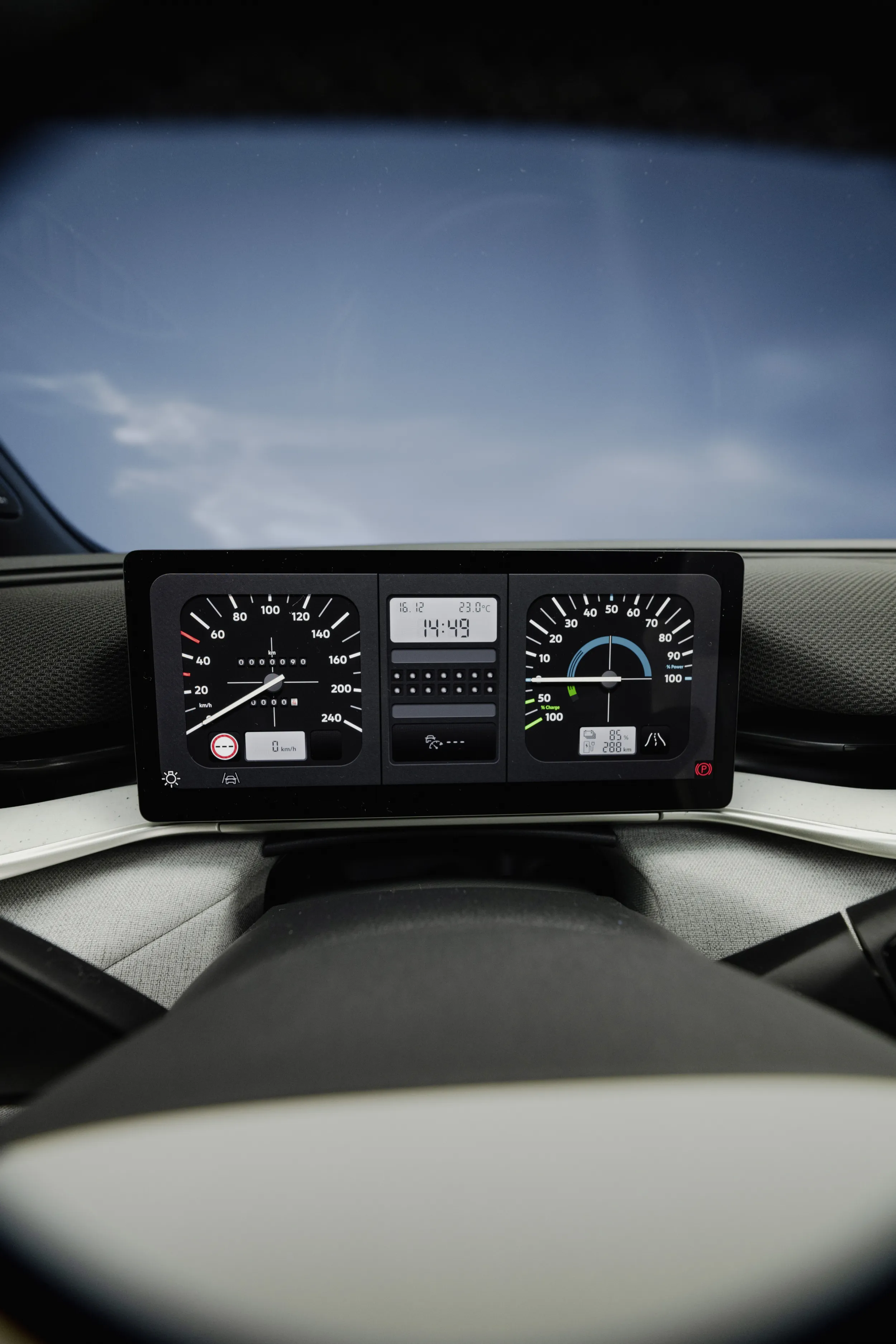
The instrument cluster remains digital but its message comes from another era. The 10.3 inch display uses graphics that directly reference the dashboards of 1980s Volkswagen Golf models. Circular dials and strong contrasts create the sense that the car communicates clearly and directly, without futuristic noise.
At the centre sits a 13 inch multimedia screen that gathers modern information and connectivity. Retro and digital elements do not compete here, they share responsibilities. How buyers respond will become clear in time.
A nickel manganese cobalt battery with a capacity of 52 kilowatt hours delivers a range of up to 450 kilometres. That figure places the ID.Polo at the sharp end of its class, especially given its compact dimensions and expected urban focus.
The ID.Polo also marks an important milestone inside Volkswagen itself. It is the first model developed under the guidance of new design chief Andreas Mindt. The solutions tested here will filter through to other Volkswagen models in the future, both all new cars and refreshed existing ones.
Volkswagen’s decision to bring back physical controls and clear readability stands out in a market where many rivals still chase ever larger screens and touch sensitive surfaces. The ID.Polo suggests that technological progress does not have to mean distancing the driver. On the contrary, it may signal maturity, an admission that sometimes the old solution simply worked better. Coming from a brand that built its legend on simplicity, that message carries weight.
This is no accident but a clear change of direction. Volkswagen abandoned solutions that drew criticism and confusion in earlier models. Buttons are not nostalgic decoration here, they are tools.
The Volkswagen ID.Polo does not rely on design references alone. Measuring 4.05 metres in length, it sits on a 2.6 metre wheelbase. Buyers can choose between four electric motors delivering 116, 135, 211 and 226 horsepower. The most powerful option belongs to the GTI version, hinting that an electric Polo does not intend to sacrifice driving pleasure.
Material choices inside the cabin follow the same thinking. Instead of hard plastics, several surfaces are trimmed in fabric made from recycled materials. It does not lecture the occupants about sustainability, it simply gives the interior a softer and more welcoming feel.
The instrument cluster remains digital but its message comes from another era. The 10.3 inch display uses graphics that directly reference the dashboards of 1980s Volkswagen Golf models. Circular dials and strong contrasts create the sense that the car communicates clearly and directly, without futuristic noise.
At the centre sits a 13 inch multimedia screen that gathers modern information and connectivity. Retro and digital elements do not compete here, they share responsibilities. How buyers respond will become clear in time.
A nickel manganese cobalt battery with a capacity of 52 kilowatt hours delivers a range of up to 450 kilometres. That figure places the ID.Polo at the sharp end of its class, especially given its compact dimensions and expected urban focus.
The ID.Polo also marks an important milestone inside Volkswagen itself. It is the first model developed under the guidance of new design chief Andreas Mindt. The solutions tested here will filter through to other Volkswagen models in the future, both all new cars and refreshed existing ones.
Volkswagen’s decision to bring back physical controls and clear readability stands out in a market where many rivals still chase ever larger screens and touch sensitive surfaces. The ID.Polo suggests that technological progress does not have to mean distancing the driver. On the contrary, it may signal maturity, an admission that sometimes the old solution simply worked better. Coming from a brand that built its legend on simplicity, that message carries weight.


