Audi taastas 1935. aasta Auto Union Lucca rekordiauto
Autor: auto.pub |
Avaldatud: 07.05.2026
1/46
Reklaam
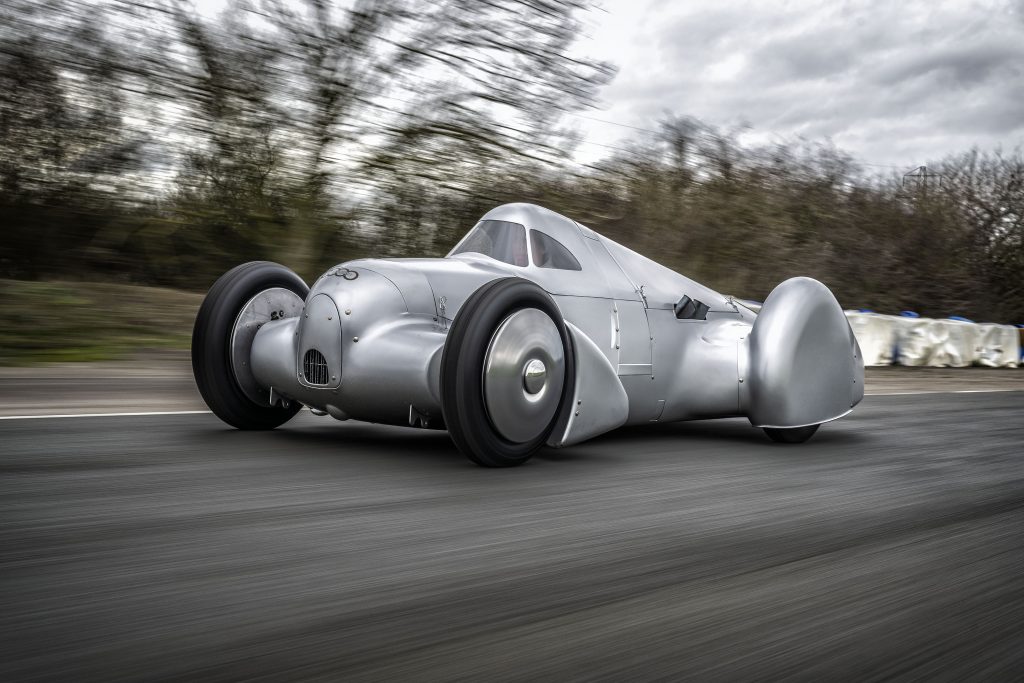
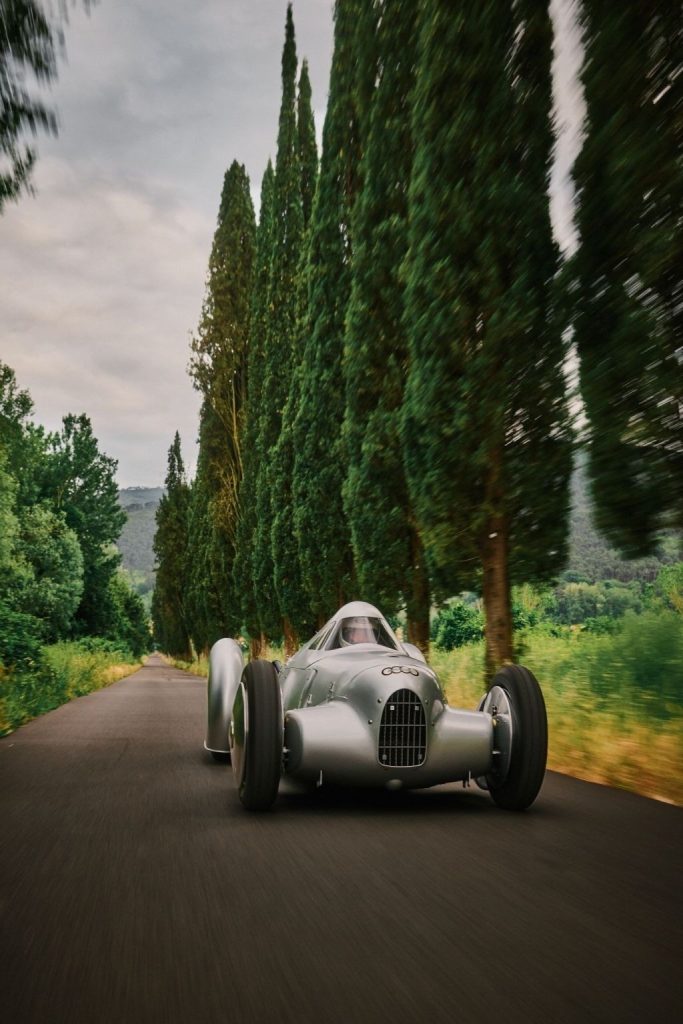
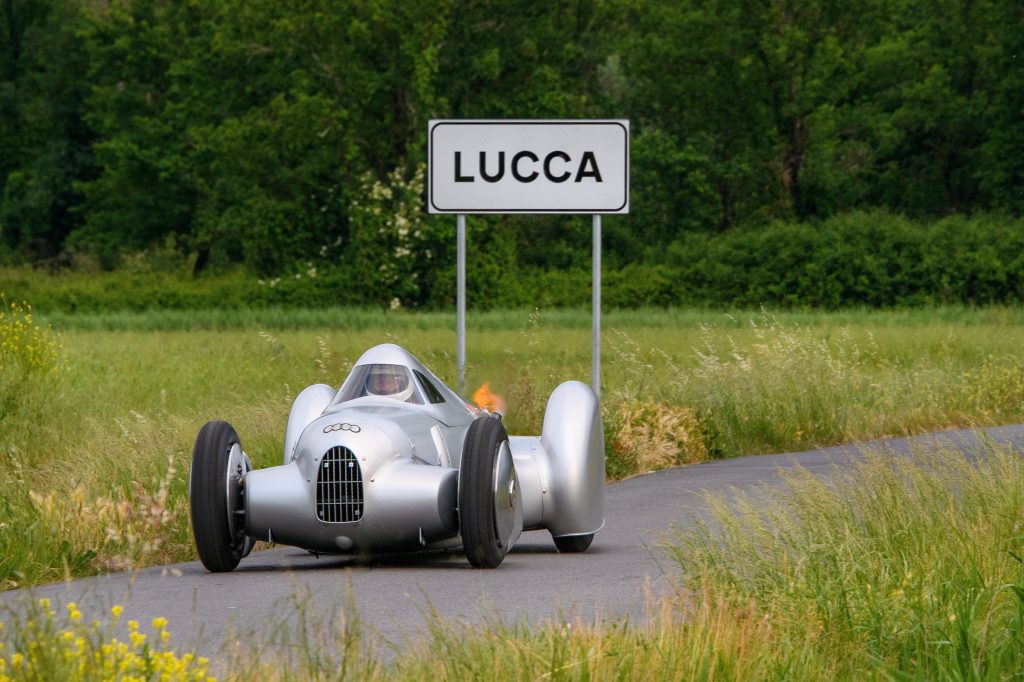
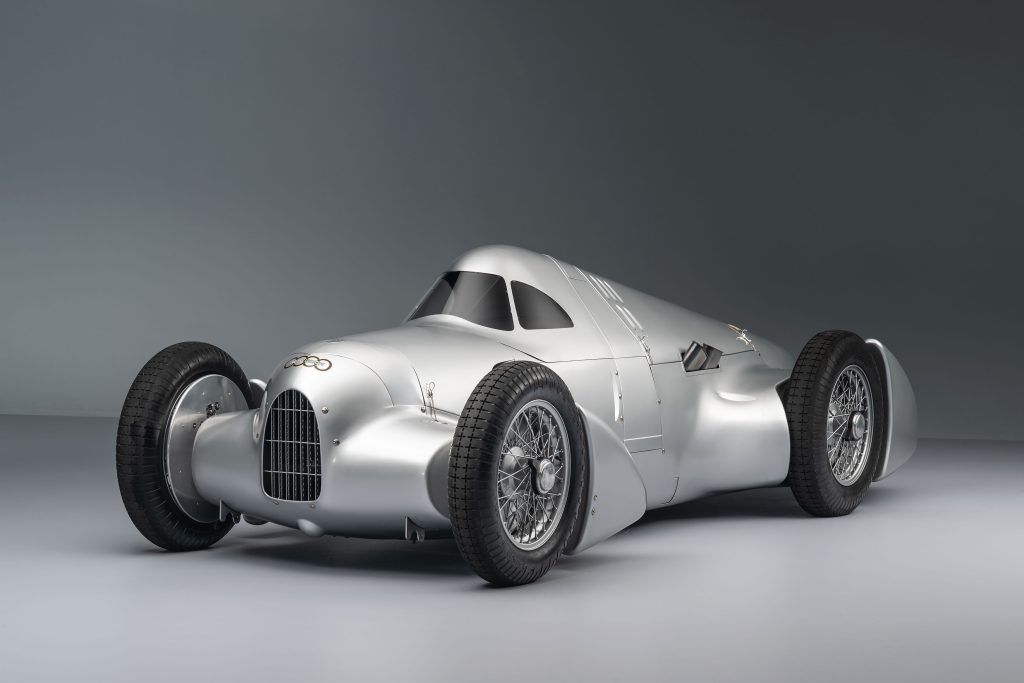
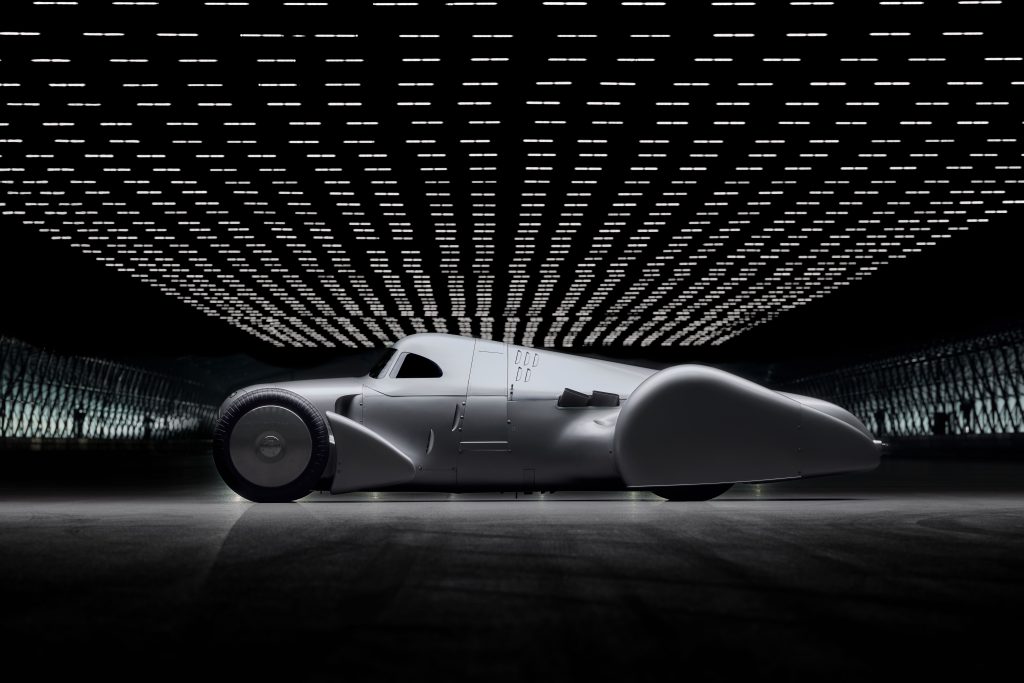
Audi Tradition taastas Auto Union Lucca rekordiauto, millega Hans Stuck 1935. aastal saavutas Itaalia Lucca lähistel tippkiiruseks 326,975 km/h. Uuesti ehitatud Rennlimousine valmis Briti ettevõtte Crosthwaite & Gardiner töökojas ning teeb avaliku debüüdi juulis toimuval Goodwoodi kiirusfestivalil.
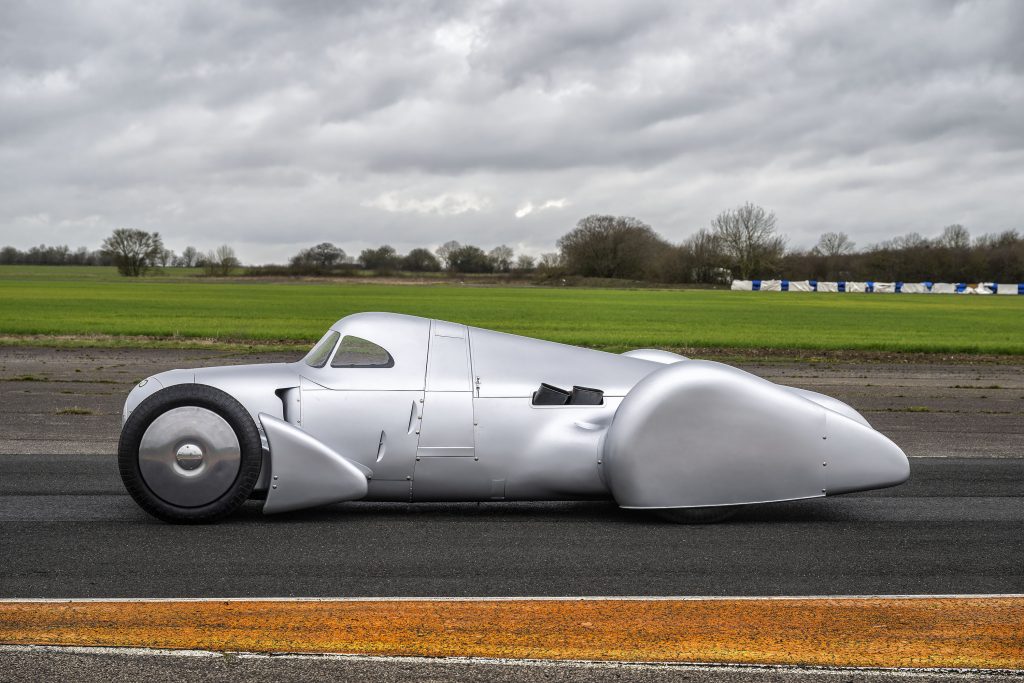
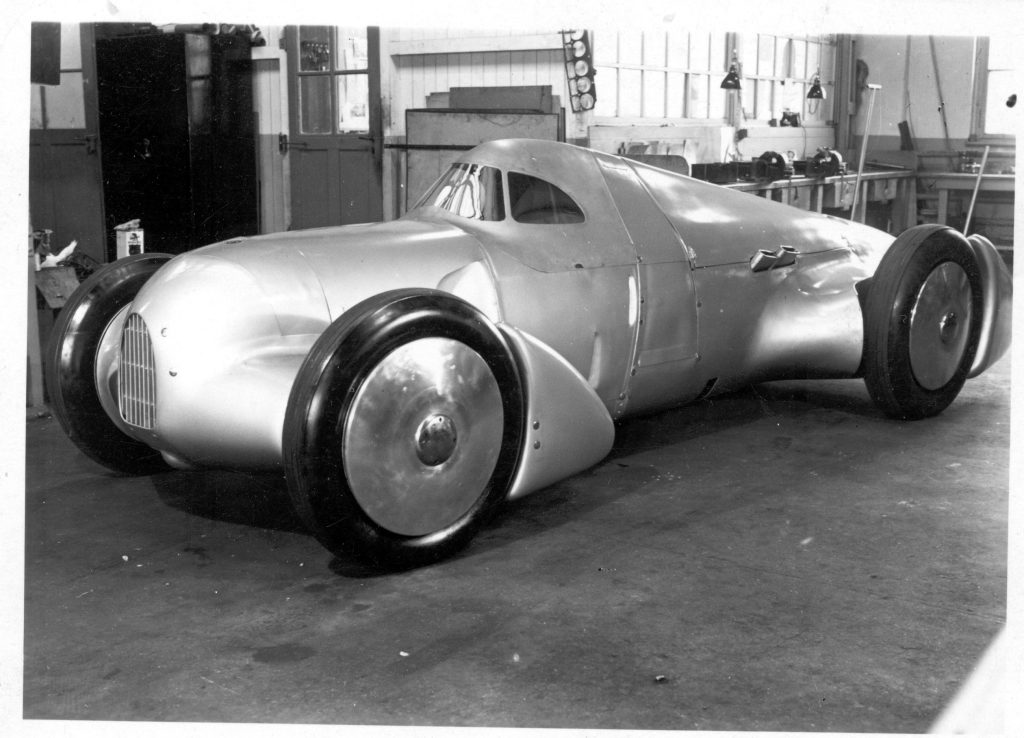
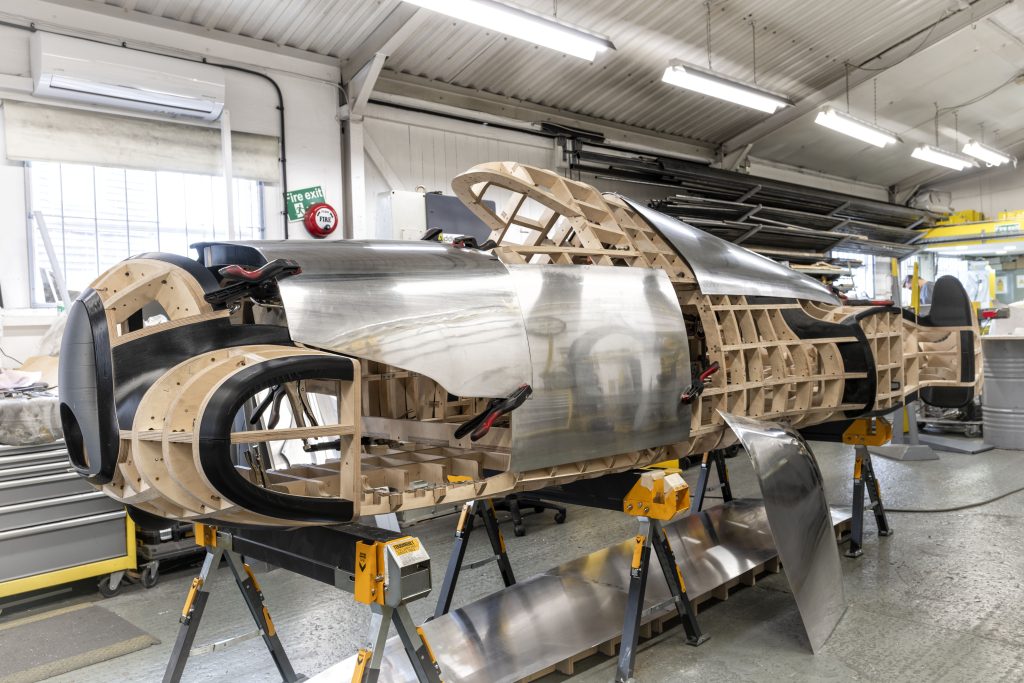
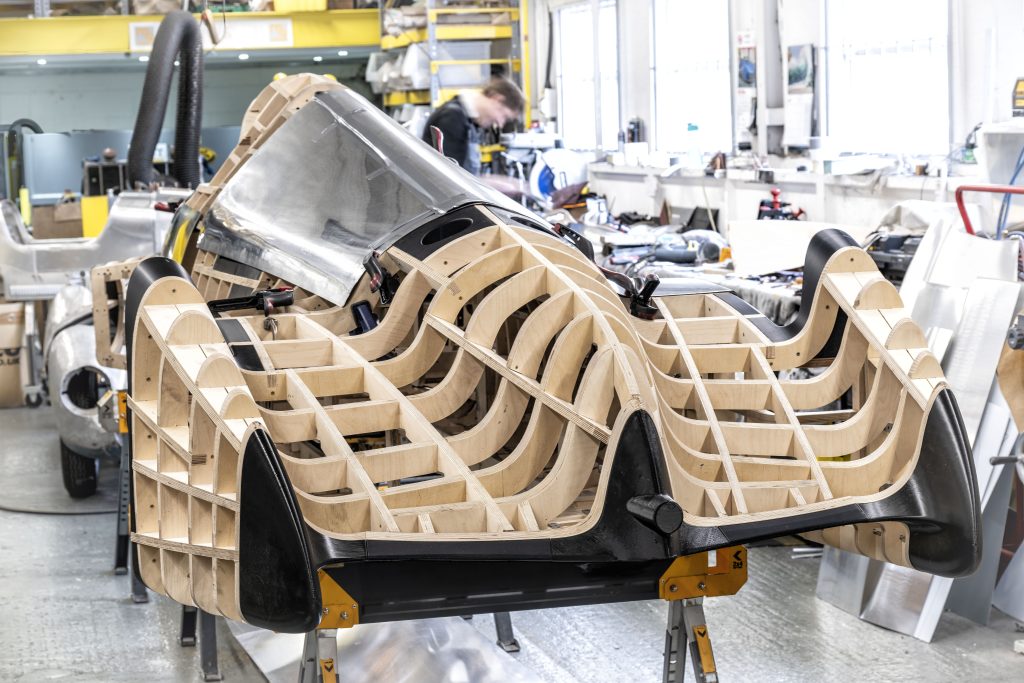
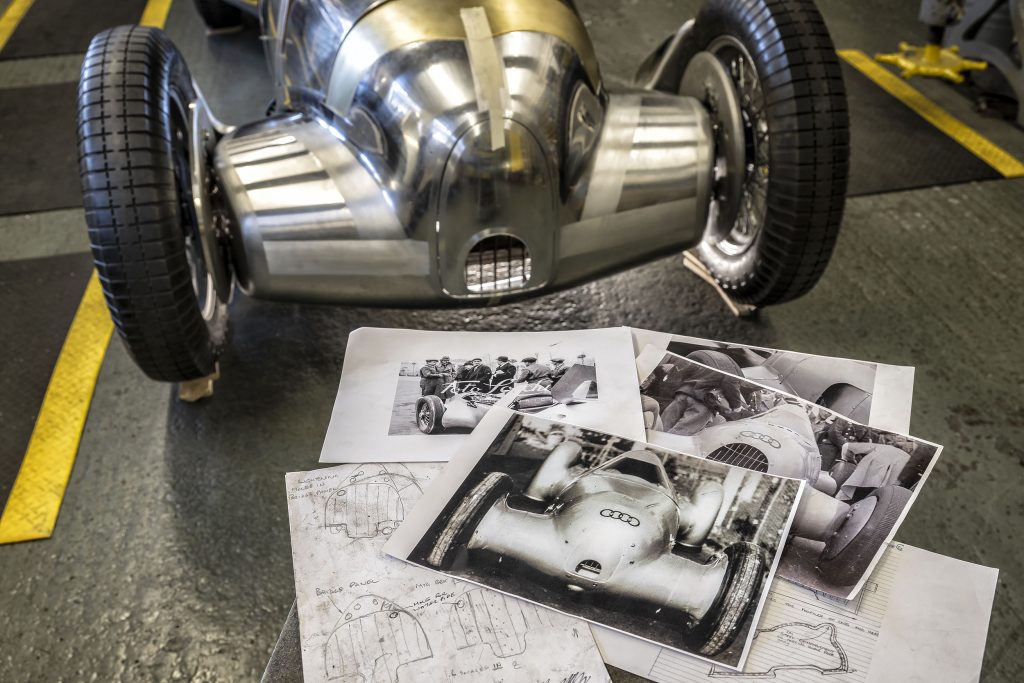
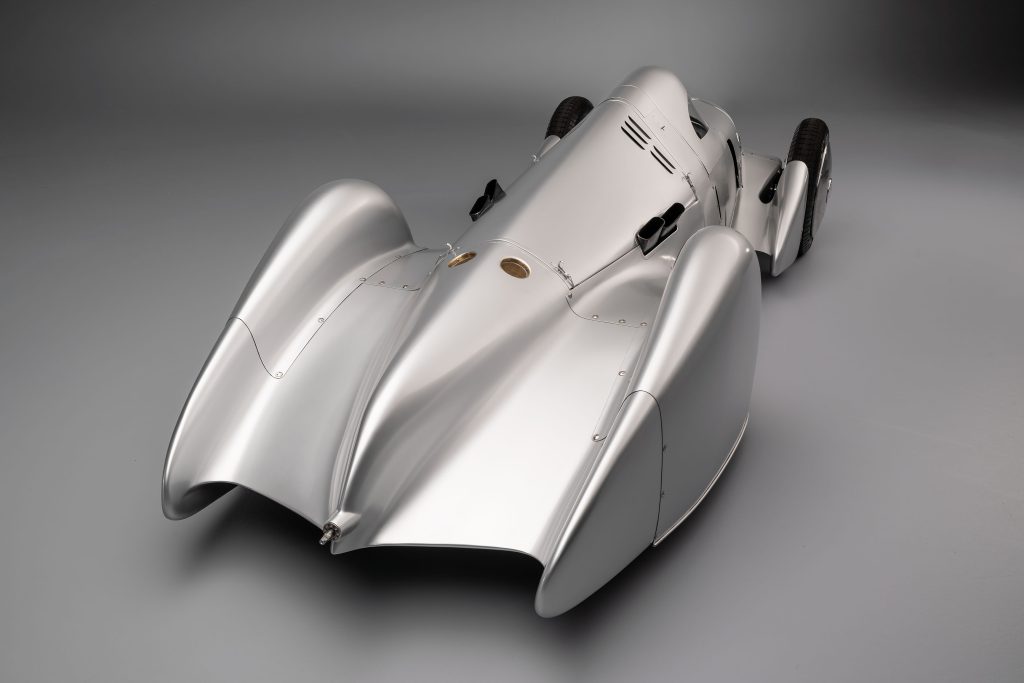
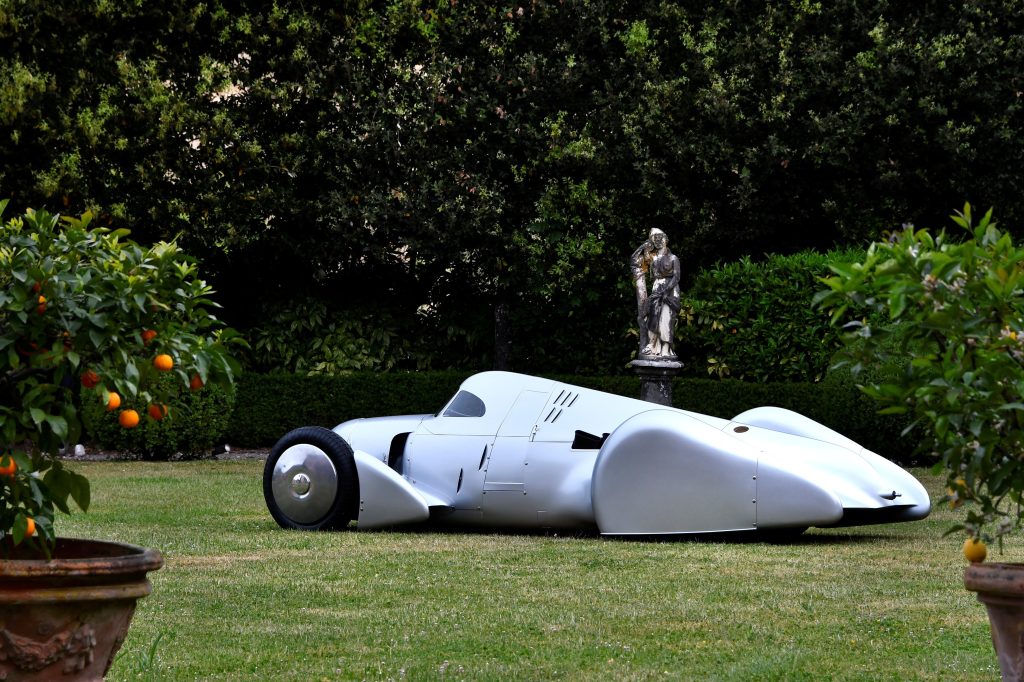
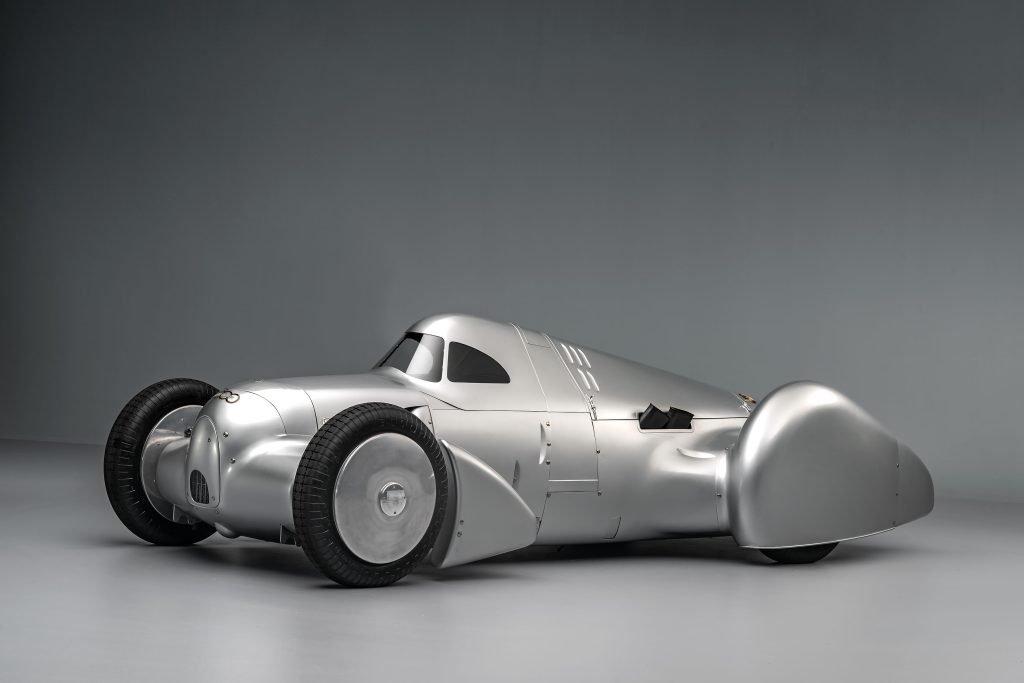
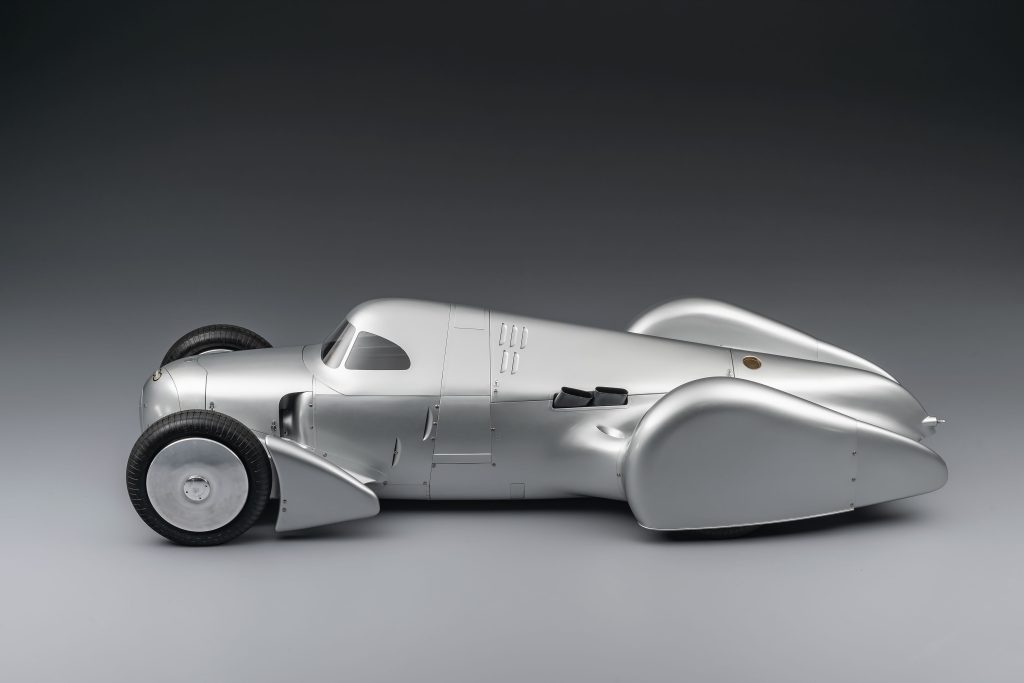
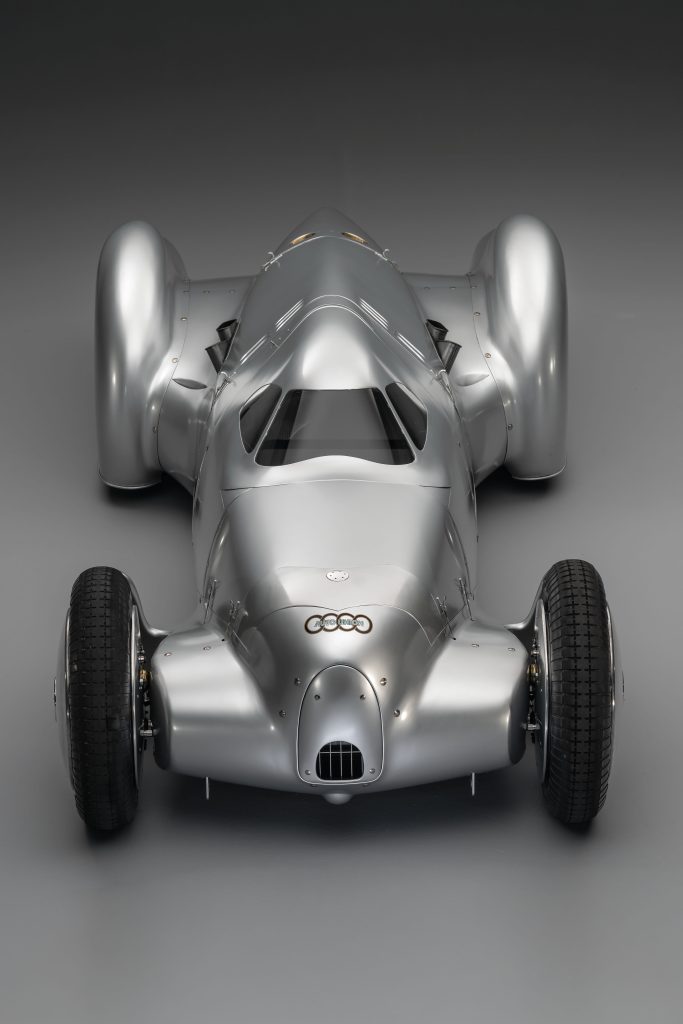
Audi lasi ajalooliste fotode ja arhiividokumentide põhjal uuesti ehitada ühe 1930. aastate kuulsama Saksa kiirusrekordite auto. Projekt kestis veidi üle kolme aasta ja valmis 2026. aasta kevadel. Kõik detailid valmistati käsitööna, hulgaliselt töömahtu vajasid voolujooneline kere, kabiinikuppel ja ahenev tagaosa.
Auto pole säilinud originaali restaureering, vaid taasloodud eksemplar. See muudab projekti sisuliselt tehniliseks rekonstruktsiooniks: Audi püüdis taastada auto välimuse ja ajastutruu olemuse, kuid kohandas lahendusi nii, et masin suudaks osaleda tänapäevastel demonstratsioonsõitudel.
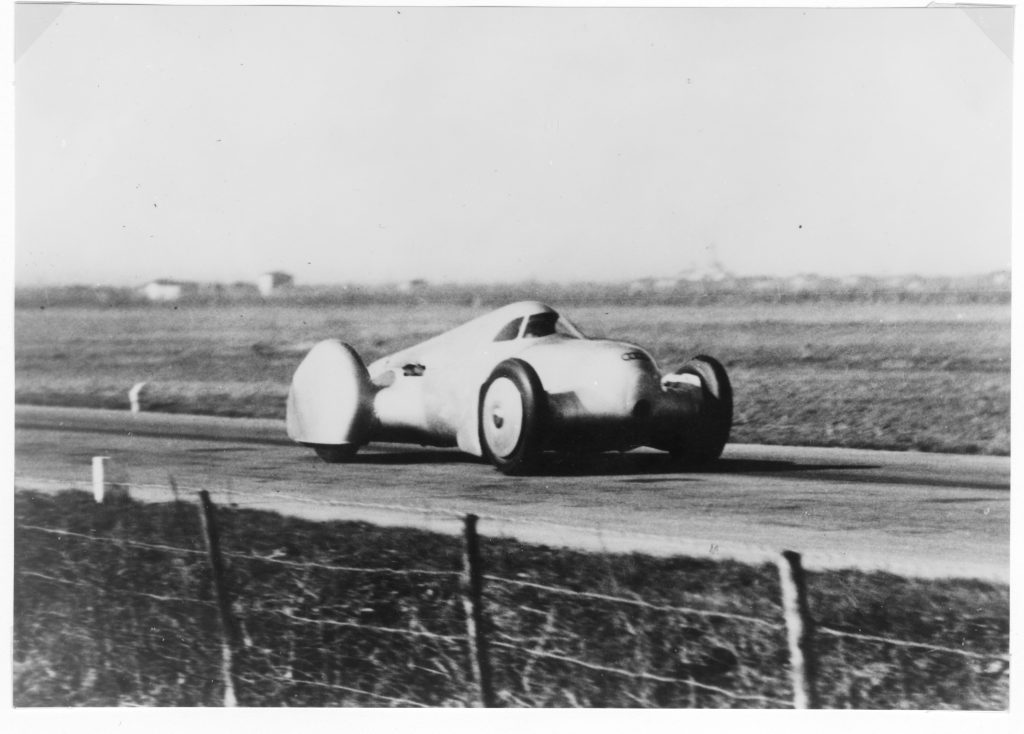
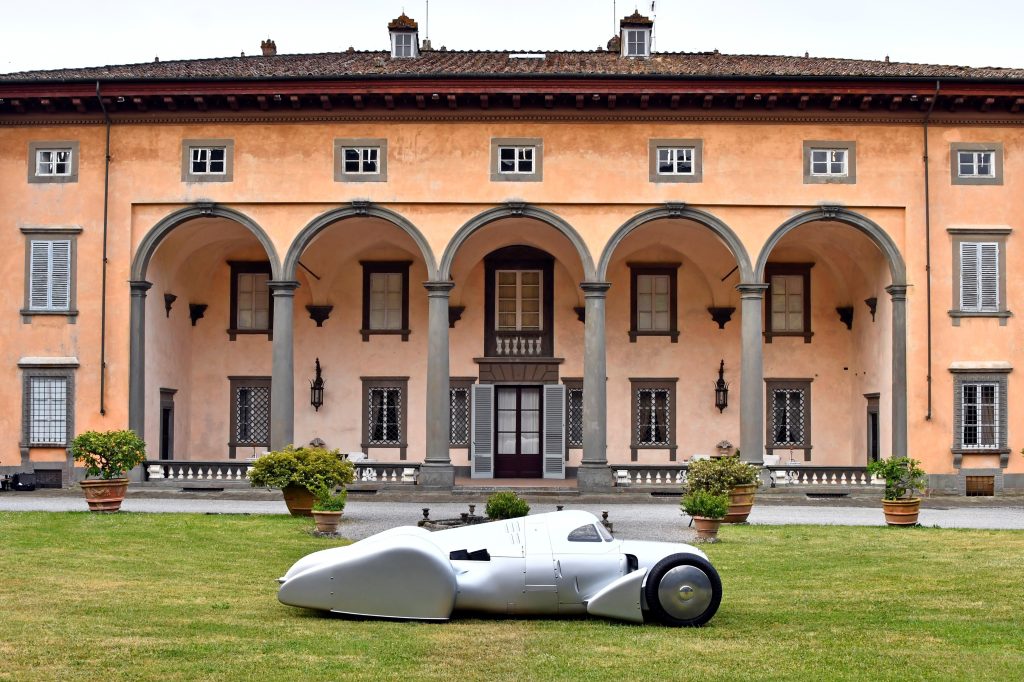
Auto Union kavandas 1935. aasta rekordikatset algselt Ungaris Gyóni lähistel, samal teelõigul, kus Mercedes oli varem oma tulemusi parandanud. Ilm sundis meeskonda plaani muutma. Lõpuks leiti sobiv sirge Itaalia Lucca lähedal Firenze–Viareggio maanteel Pescia ja Altopascio vahel. Audi kirjeldab seda lõiku kui ligikaudu viie kilomeetri pikkust, tasast ja peaaegu noolsirget teed.
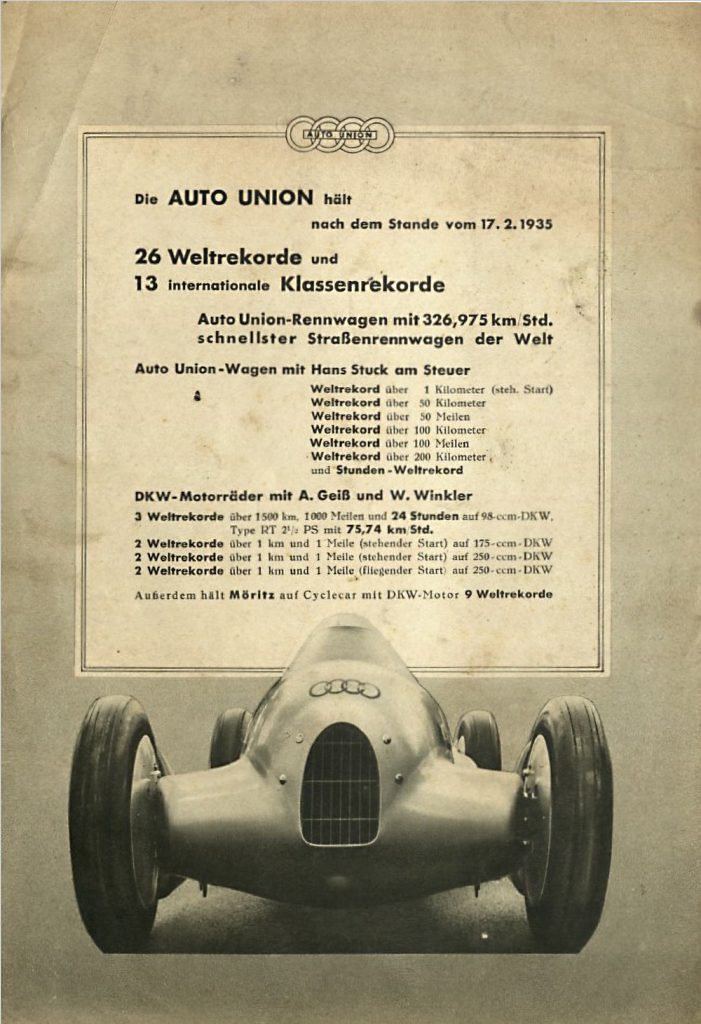
aasta 15. veebruaril sõitis Hans Stuck Auto Union Luccaga lendstardist miili keskmiseks kiiruseks 320,267 km/h. Mõõteseadmed registreerisid tagasisõidu ühel lõigul tippkiiruseks 326,975 km/h. Selle tulemuse toel nimetas Auto Union autot toona maailma kiireimaks maanteesõidu võistlusautoks.
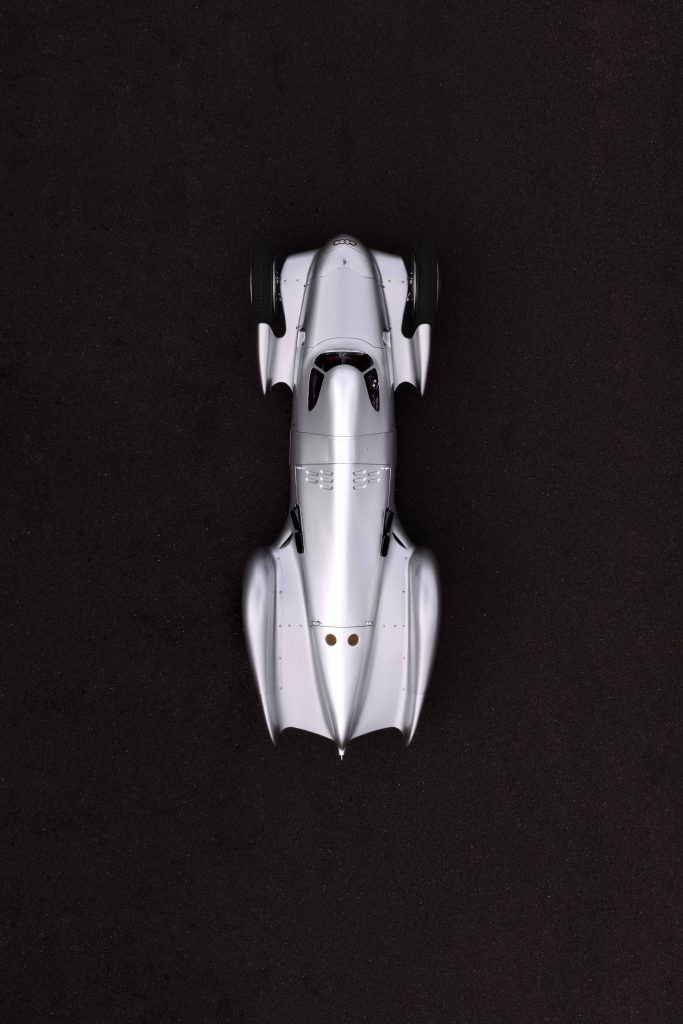
Rekordiauto põhines Auto Unioni toonastel Grand Prix tehnilistel lahendustel, kuid sai pikema ja aerodünaamilisema kere. Kere lihviti siledaks, kaeti läbipaistva lakiga ning kodarveljed peideti aerodünaamiliste katete alla. Esialgne V16-mootor kasvas ligikaudu viie liitrini ja arendas varases versioonis 343 hj, hiljem 375 hj.
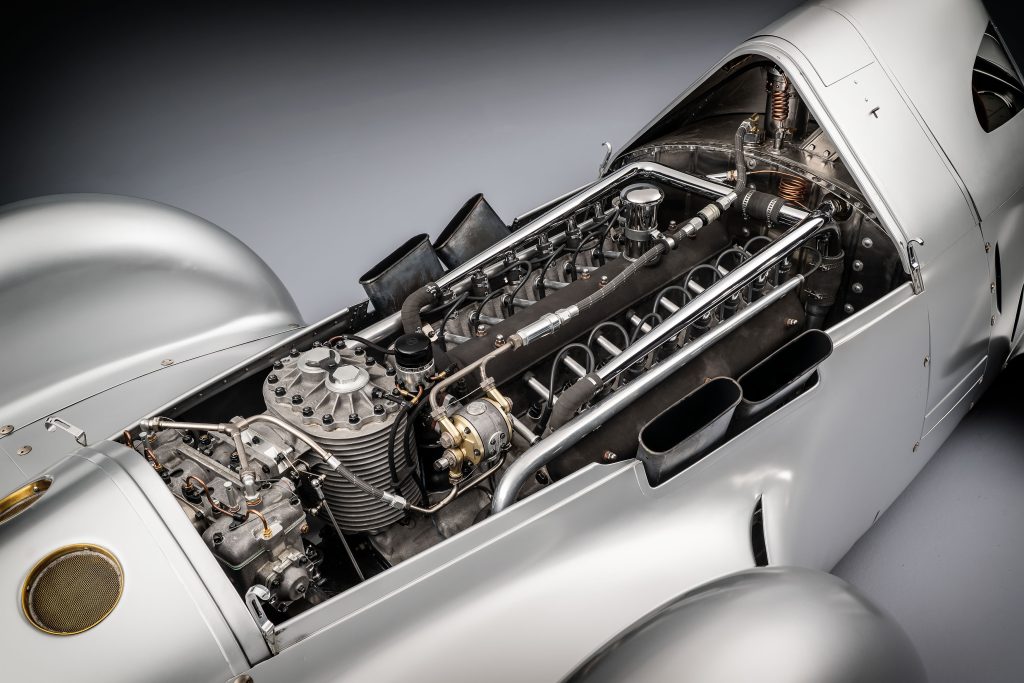
Taasloodud auto kasutab aga Auto Union Type C 1936. aasta kuueliitrist 16-silindrilist kompressoriga mootorit. Audi põhjendab seda sellega, et 6,0-liitrine mootor on visuaalselt 5,0-liitrisega peaaegu eristamatu ning sobib paremini ajalooliste autode kogusse ja demonstratsioonsõitude vajadustega. Uue rekonstruktsiooni mootor arendab 520 hj ehk 382 kW.
Audi märgib, et Lucca sai ka mõne hilisema Avuse võistlusversiooni muudatuse, sealhulgas jahutuse ja ventilatsiooniga seotud lahendusi. Põhjus on praktiline: ilma nendeta koormaksid tänapäevased demonstratsioonsõidud autot termiliselt liiga tugevalt. See on oluline täpsustus, sest projekt ei taotle olla museaalne ajakapsel, vaid sõidukõlblik tõlgendus ajaloolisest rekordiautost.
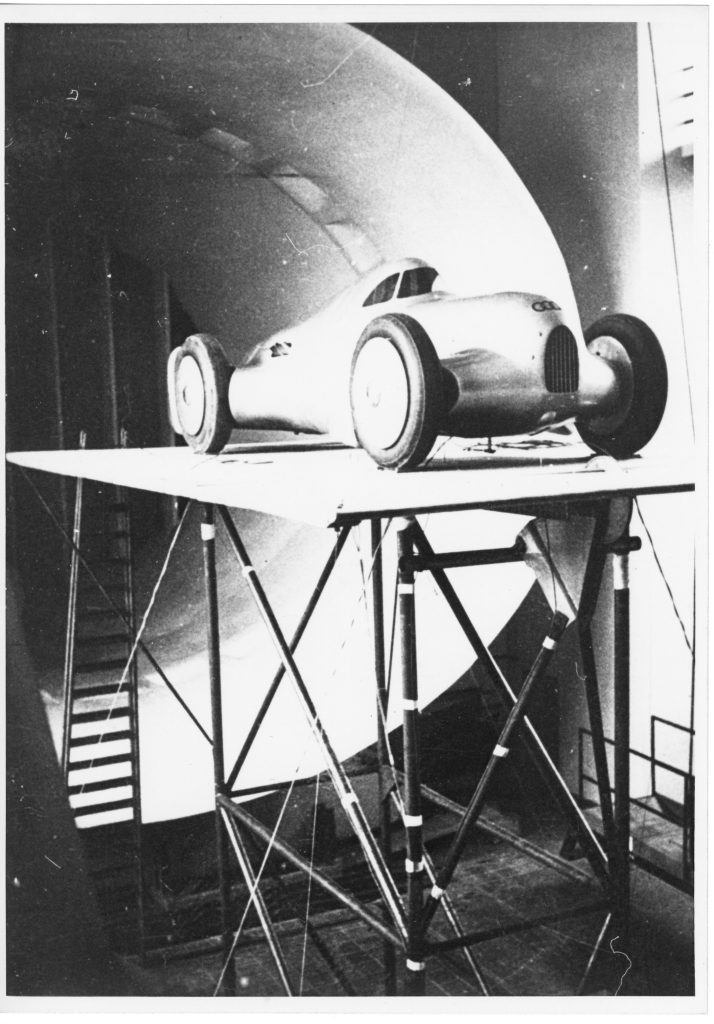
Tehnilised andmed aga on muljetavaldavad ka nüüd. Auto pikkus 4570 mm, kõrgus 1200 mm, laius 1700 mm ning teljevahe 2800 mm. Tühimass 960 kg ning tuuletunnelis mõõdeti rekonstruktsiooni õhutakistusteguriks 0,43.
Auto Union Lucca ei too Audile müüginumbreid, kuid tugevdab margi tehnoloogilist järjepidevust. 1930. aastate Auto Union oli Audi, DKW, Horchi ja Wandereri ühendus ning nelja rõnga märk sündis just sellest struktuurist. Lucca rekordiauto näitab, et brändi insenerilugu ei alanud hiljutise quattro või elektriautode ajastuga, vaid palju varem.
Audi esitleb taastatud Luccat esmalt Itaalias ning seejärel Goodwoodi kiirusfestivalil 9.–12. juulil, kus auto peaks tegema esimese avaliku liikuva etteaste. See asetab rekonstruktsiooni õigesse konteksti: mitte staatilise muuseumiesemena, vaid osana elavast autospordipärandist.
Reklaam
Audi recreated the Auto Union Lucca. After just over three years of construction, the record-breaking car was completed in early 2026.
Driving shot at the first roll-out. Side view.Audi recreated the Auto Union Lucca. After just over three years of construction, the record-breaking car was completed in early 2026.
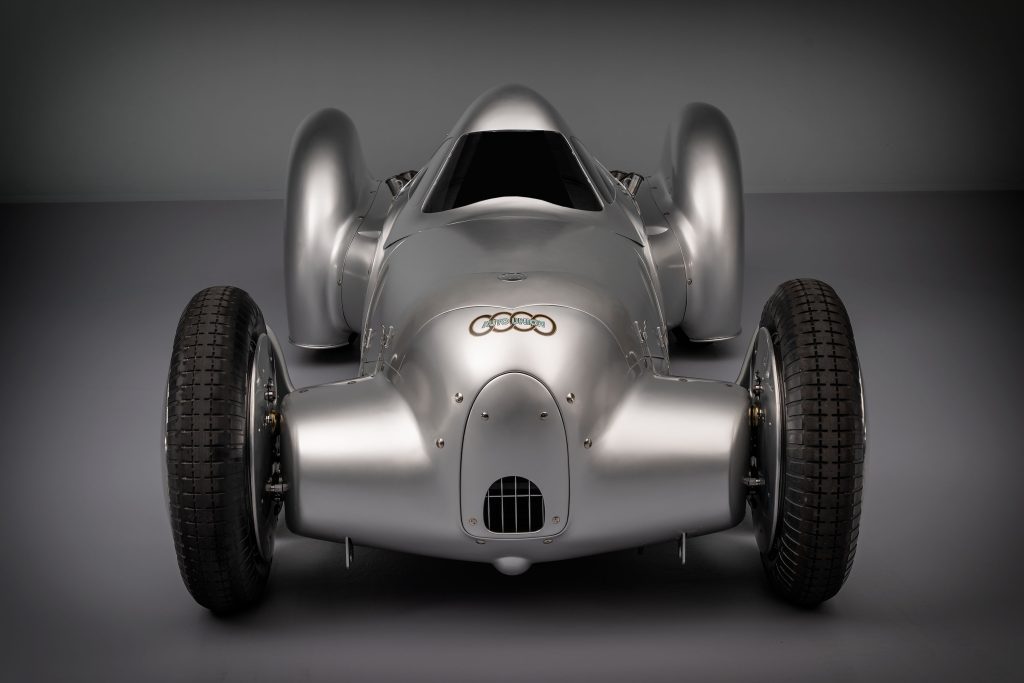
Driving shot at the first roll-out. Side view.The later record-breaking car „Auto Union Lucca“ in the workshop of the racing department in Zwickau.The Lucca car during the record runs in Italy (14-15 February 1935).Audi recreated the Auto Union Lucca. Driving shot taken in Lucca, Italy, at the beginning of May 2026.At the end of 1934, Auto Union’s racing division brings the car in the wind tunnel at the Berlin Adlershof Aeronautical Research Institute. The findings gained there were incorporated into the design of of what will later become the record breaking car – “a first in European racing car construction,” as the “Automobilrevue” noted at the time.At almost the same time as the successful record attempt in Lucca, a virtually identical version of the record-breaking car is displayed at the International Motor Show in Berlin (February 14 to 24). The promotional poster created for the trade show features – alongside a list of all world and class records achieved by Auto Union brands to date – the Lucca car as the “fastest road racing car in the world,” citing the top speed of 326.975 km/h.Audi had the Auto Union Lucca recreated by Crosthwaite & Gardiner based on historical photos and various other documents from the archives. After spending just over three years on its construction, the British restoration specialists completed the project in early 2026.Audi had the Auto Union Lucca recreated by Crosthwaite & Gardiner based on historical photos and various other documents from the archives. After spending just over three years on its construction, the British restoration specialists completed the project in early 2026.Audi had the Auto Union Lucca recreated by Crosthwaite & Gardiner based on historical photos and various other documents from the archives. After spending just over three years on its construction, the British restoration specialists completed the project in early 2026.Audi recreated the Auto Union Lucca. Image taken in Lucca, Italy, at the beginning of May 2026.Audi recreated the Auto Union Lucca. After just over three years of construction, the record-breaking car was completed in early 2026. Studio shot. Front view.Audi recreated the Auto Union Lucca. Driving shot taken in Lucca, Italy, at the beginning of May 2026.Audi recreated the Auto Union Lucca. After just over three years of construction, the record-breaking car was completed in early 2026. Studio shot. Rear view.Audi recreated the Auto Union Lucca. Image taken in Lucca, Italy, at the beginning of May 2026.Audi recreated the Auto Union Lucca. After just over three years of construction, the record-breaking car was completed in early 2026. Studio shot. Side view.Audi recreated the Auto Union Lucca. After just over three years of construction, the record-breaking car was completed in early 2026.
Detail: 16-cylinder-engine with supercharger.Audi recreated the Auto Union Lucca. After just over three years of construction, the record-breaking car was completed in early 2026. Studio shot. Side view.Audi recreated the Auto Union Lucca. After just over three years of construction, the record-breaking car was completed in early 2026. Studio shot. Front view.Audi recreated the Auto Union Lucca. After just over three years of construction, the record-breaking car was completed in early 2026. Studio shot of the Avus configuration of the car. Side view.Audi recreated the Auto Union Lucca. After just over three years of construction, the record-breaking car was completed in early 2026.
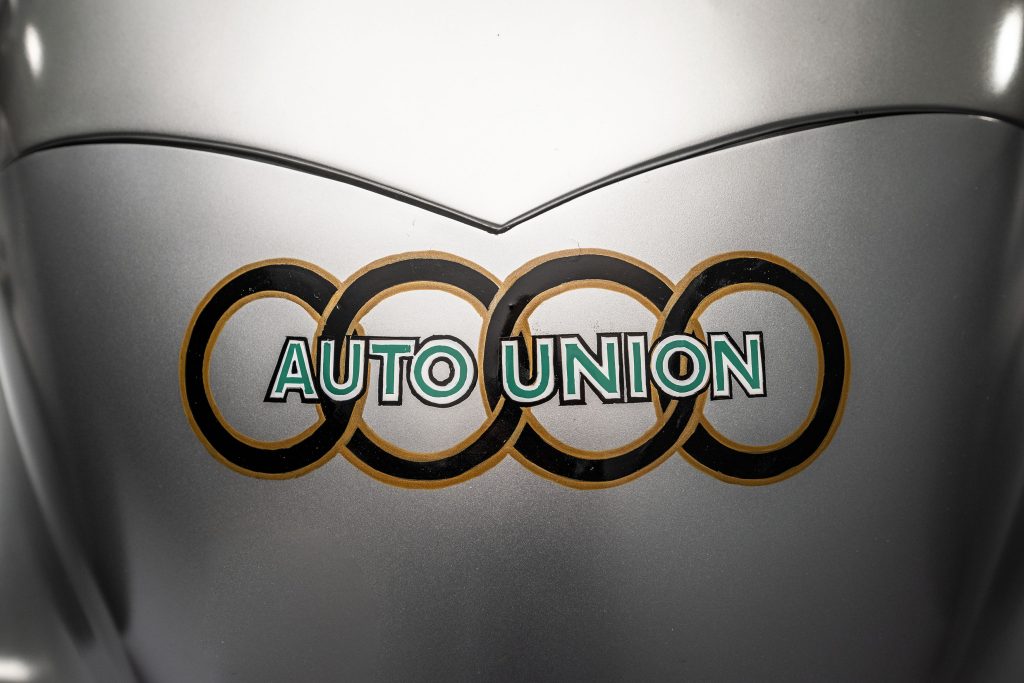
Detail: the Auto Union logo as used on the Auto Union racing cars of the 1930s.Audi recreated the Auto Union Lucca. After just over three years of construction, the record-breaking car was completed in early 2026. Studio shot. Side view.Audi recreated the Auto Union Lucca. After just over three years of construction, the record-breaking car was completed in early 2026. Studio Top shot.