
Honda raises Passport TrailSport clearance to 245 mm
 1/22
1/22
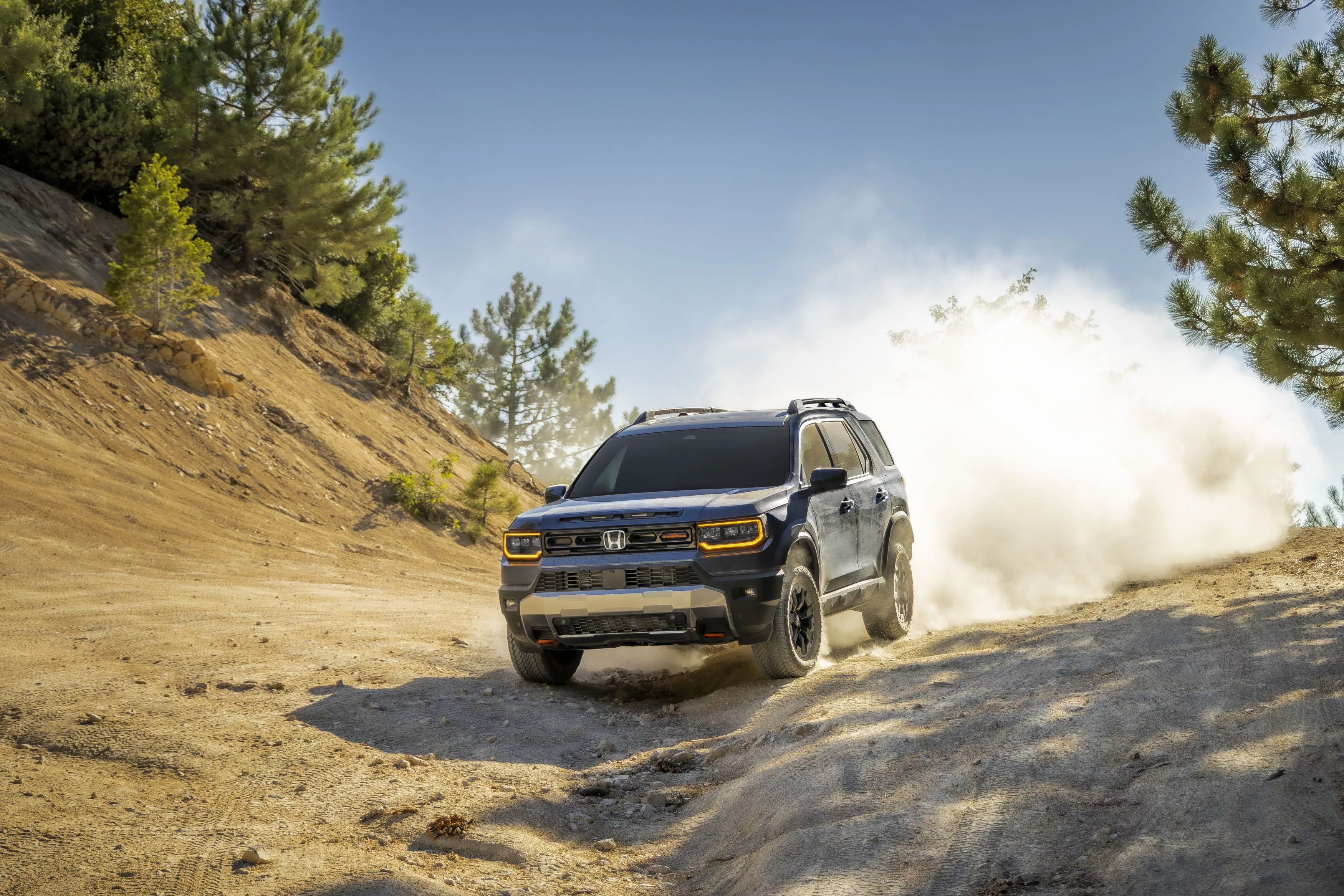
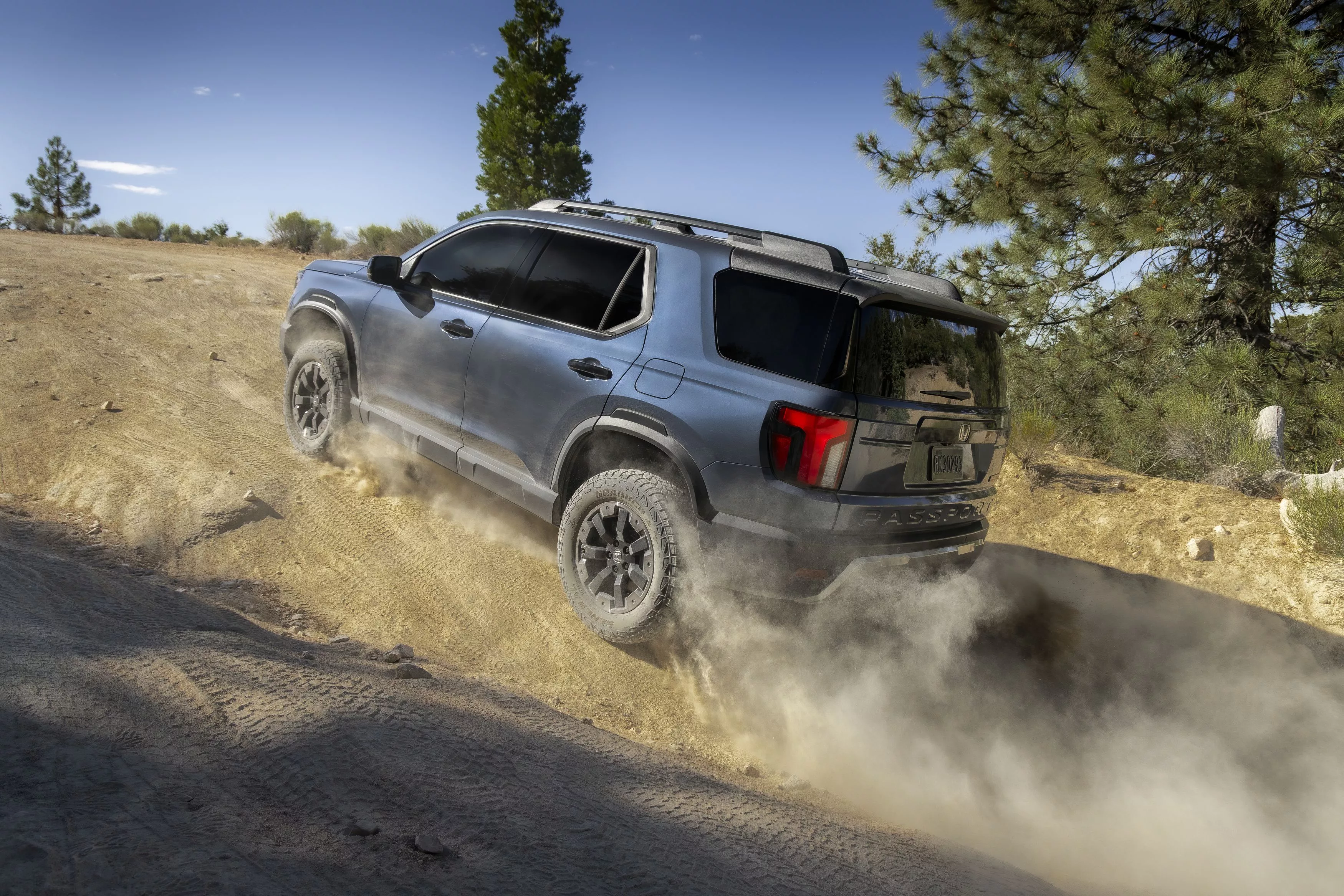
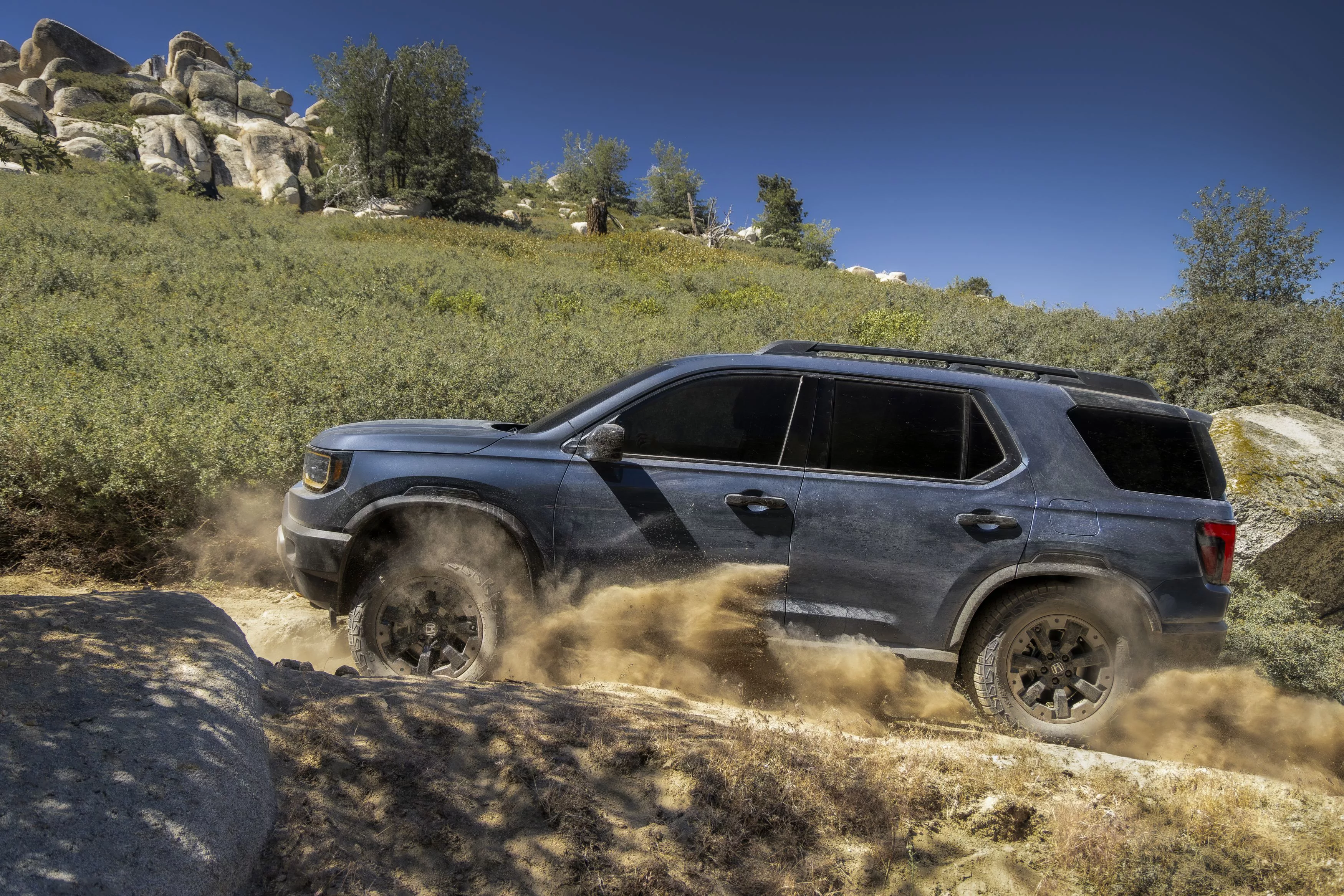
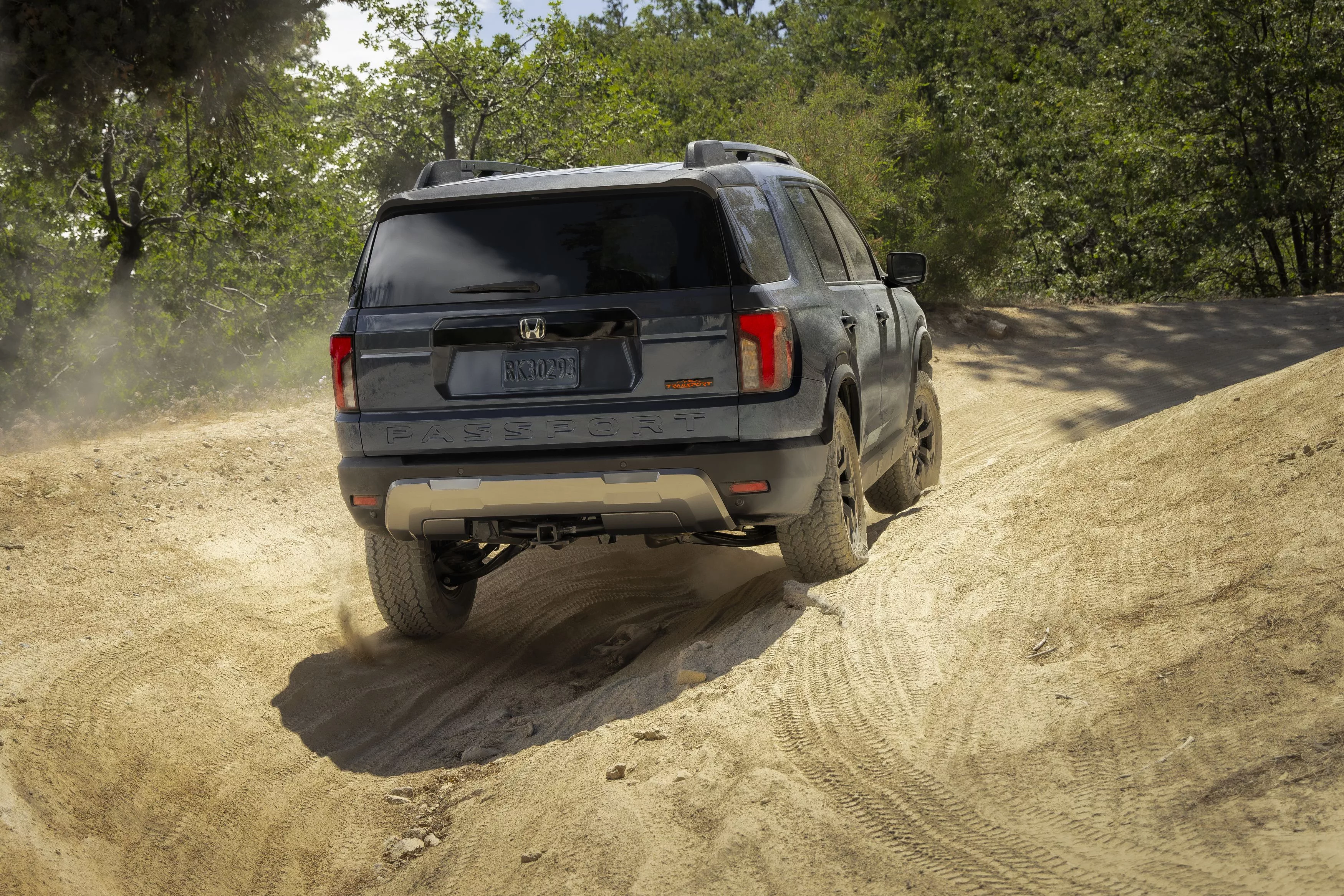
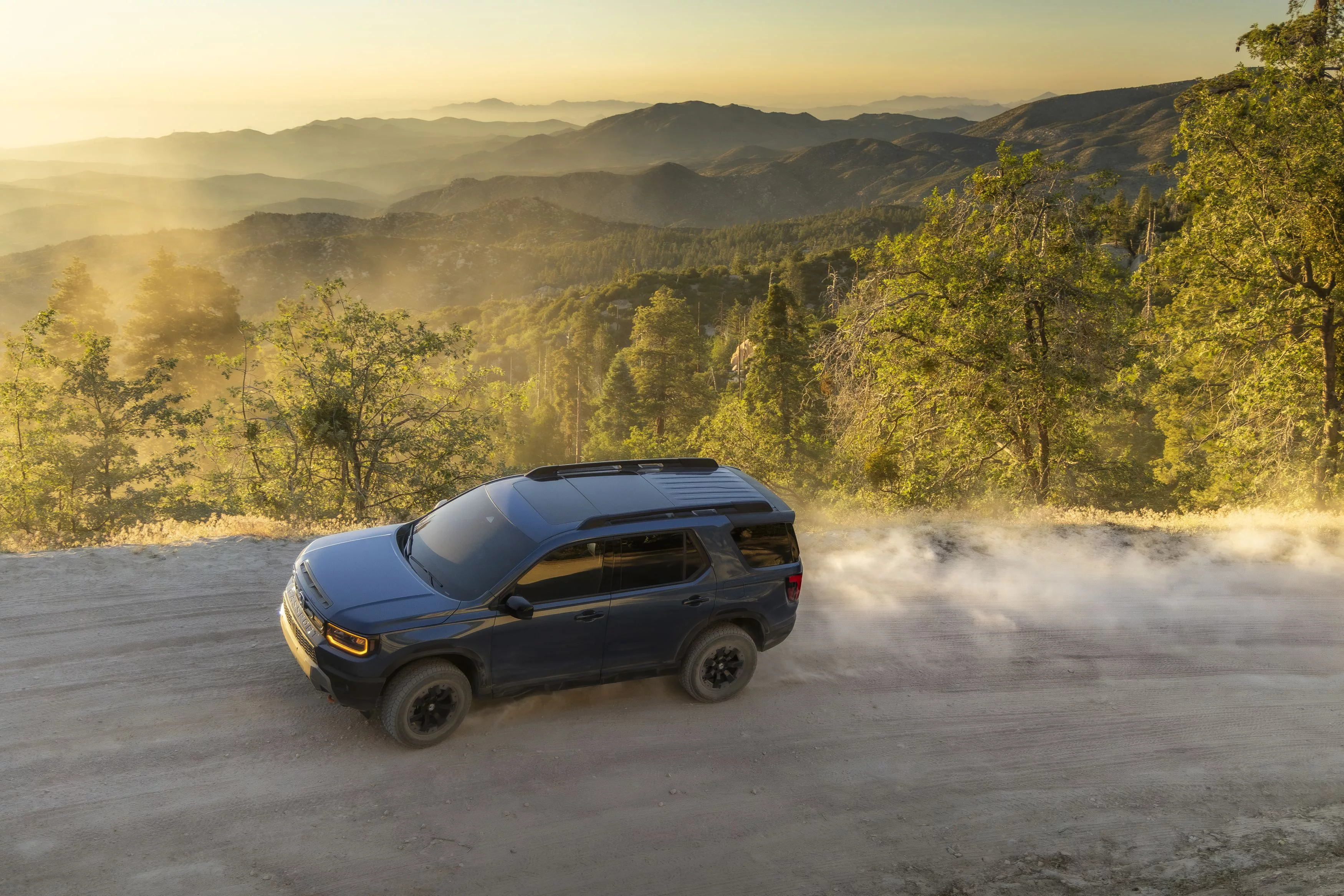
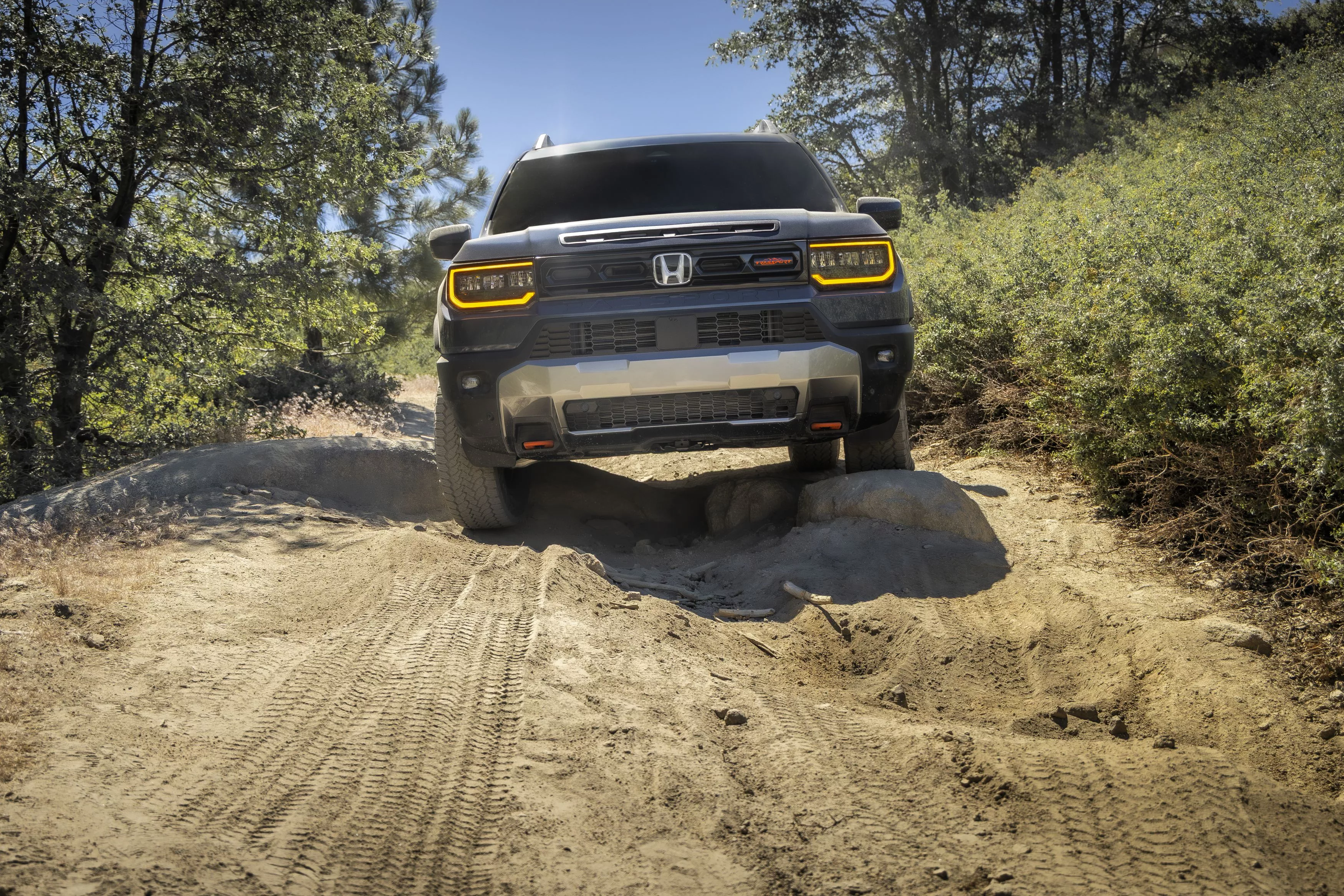
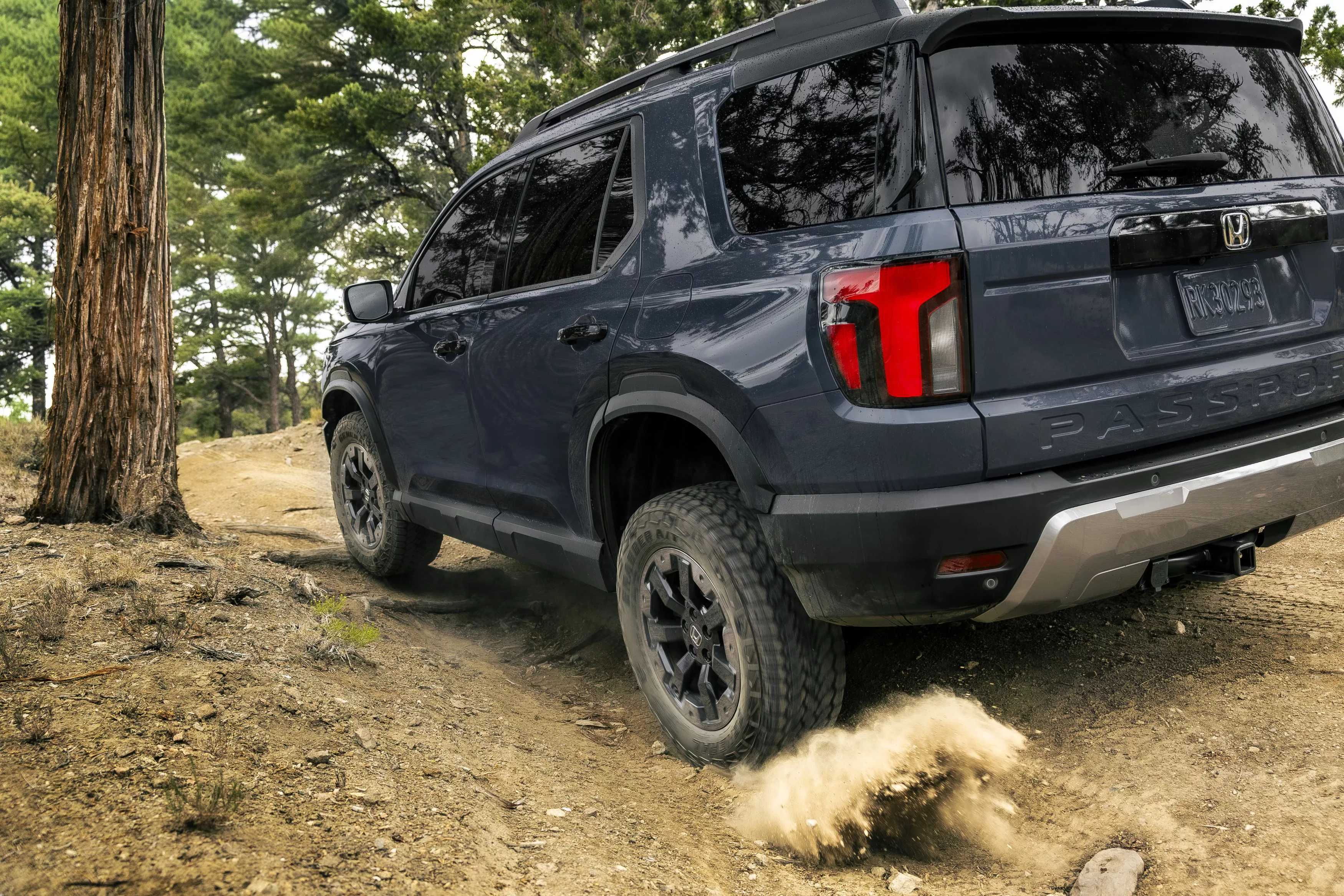
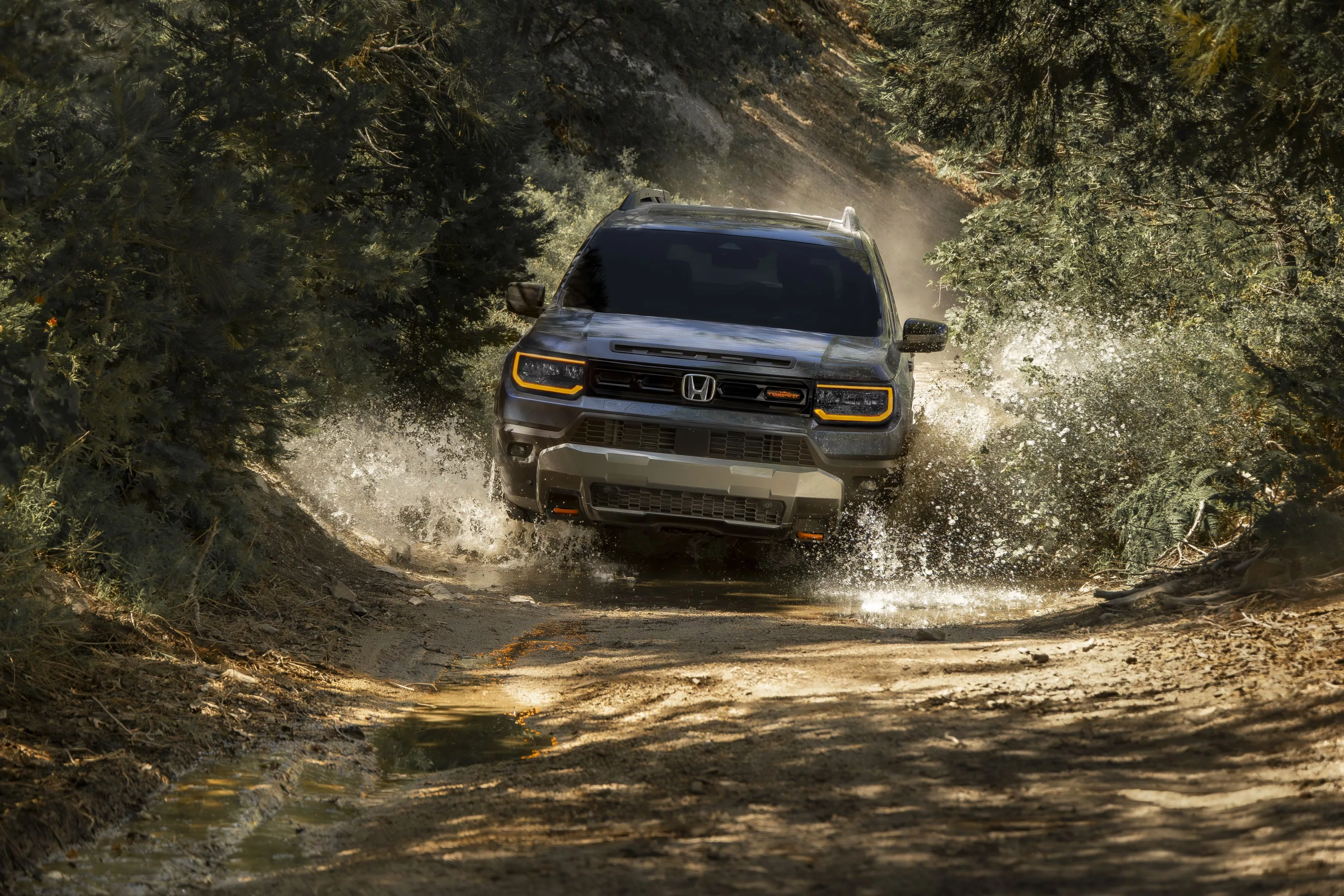
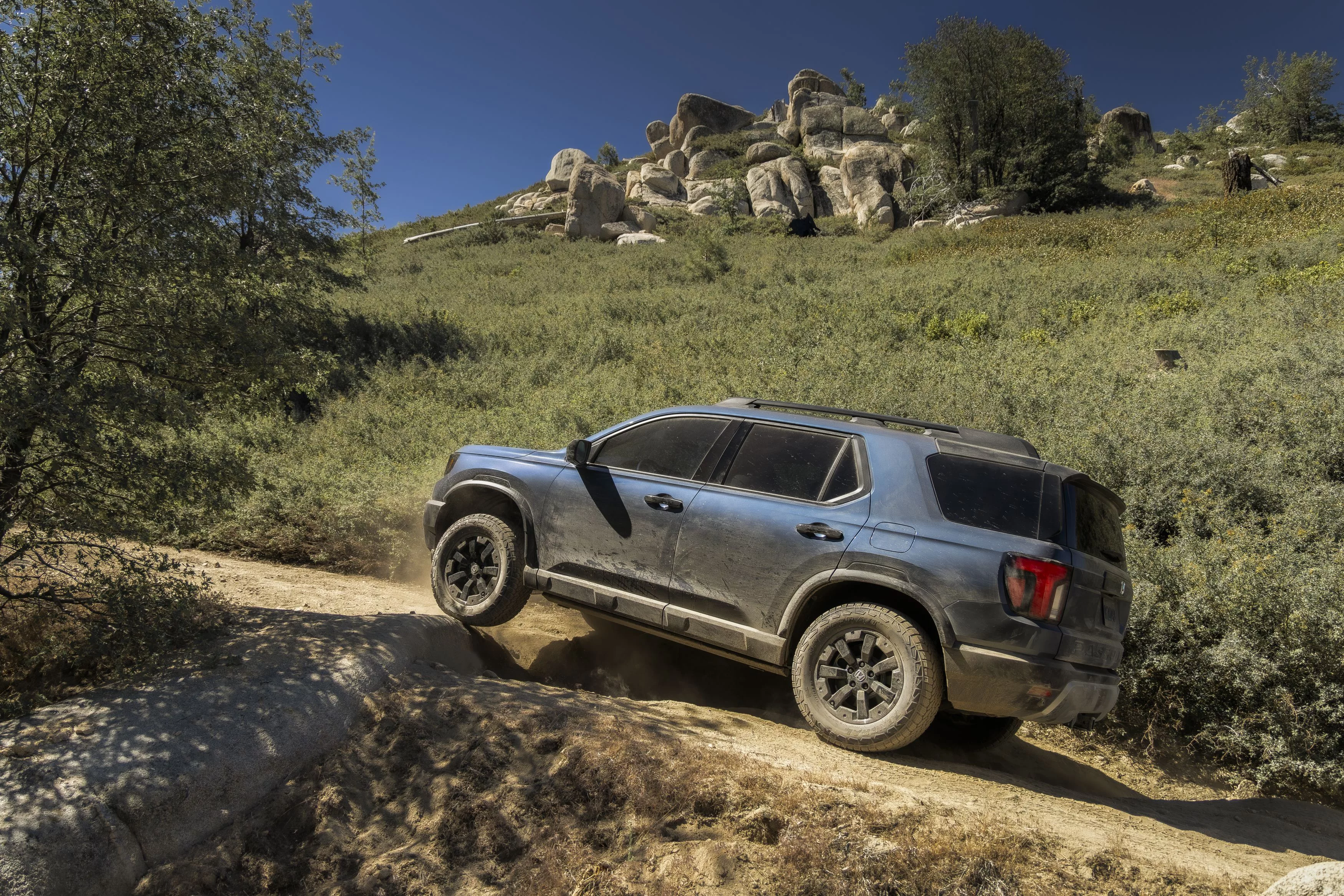
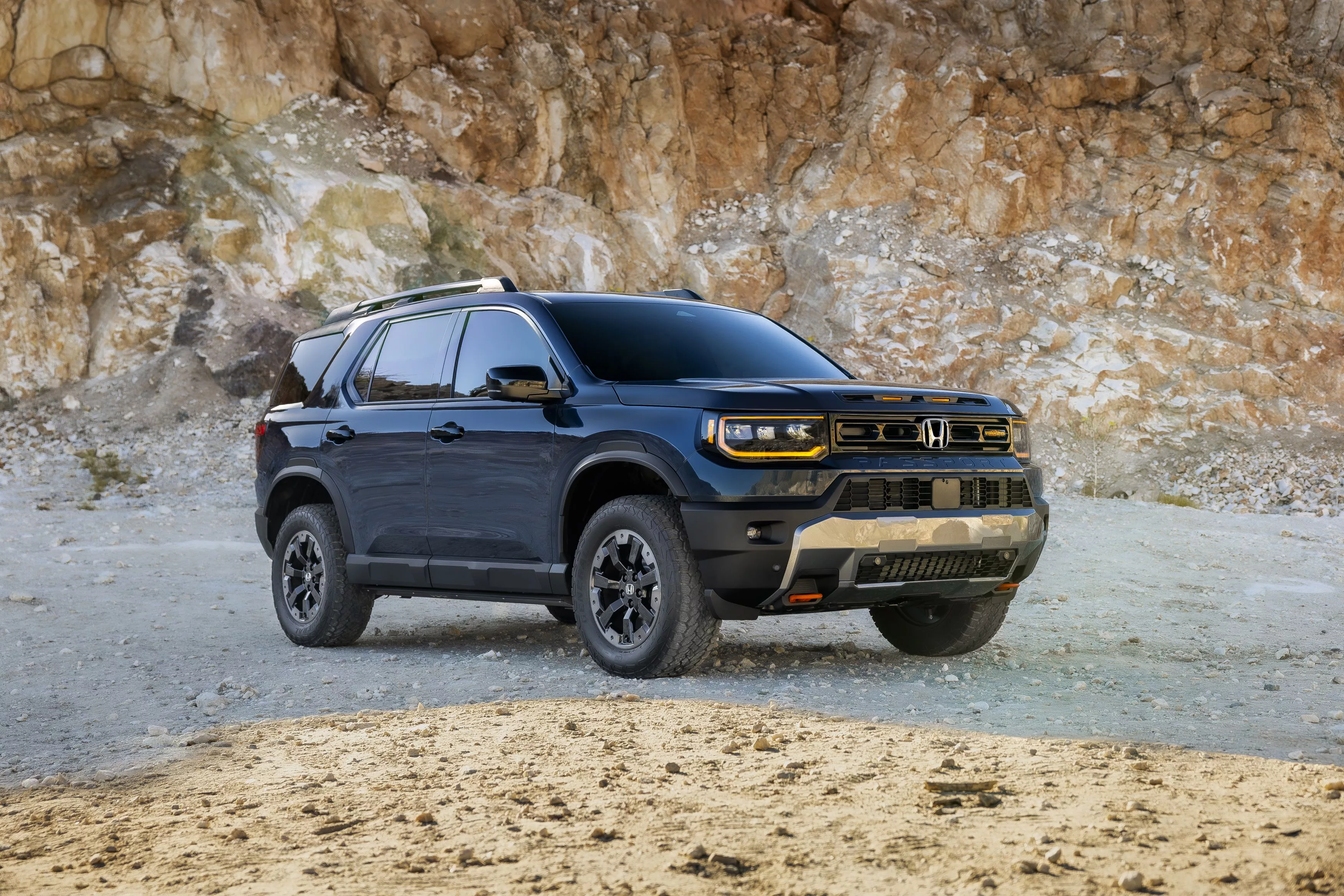
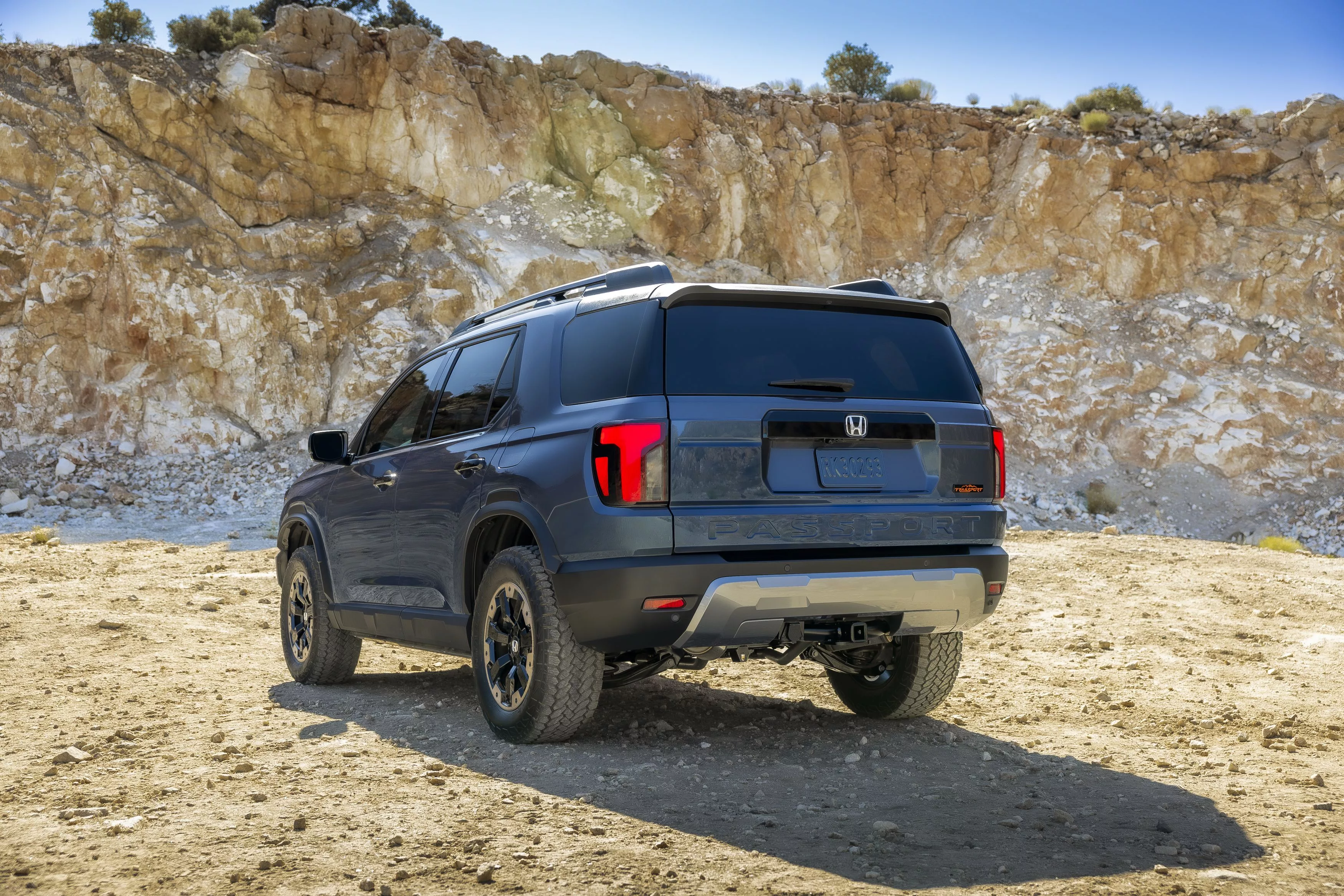
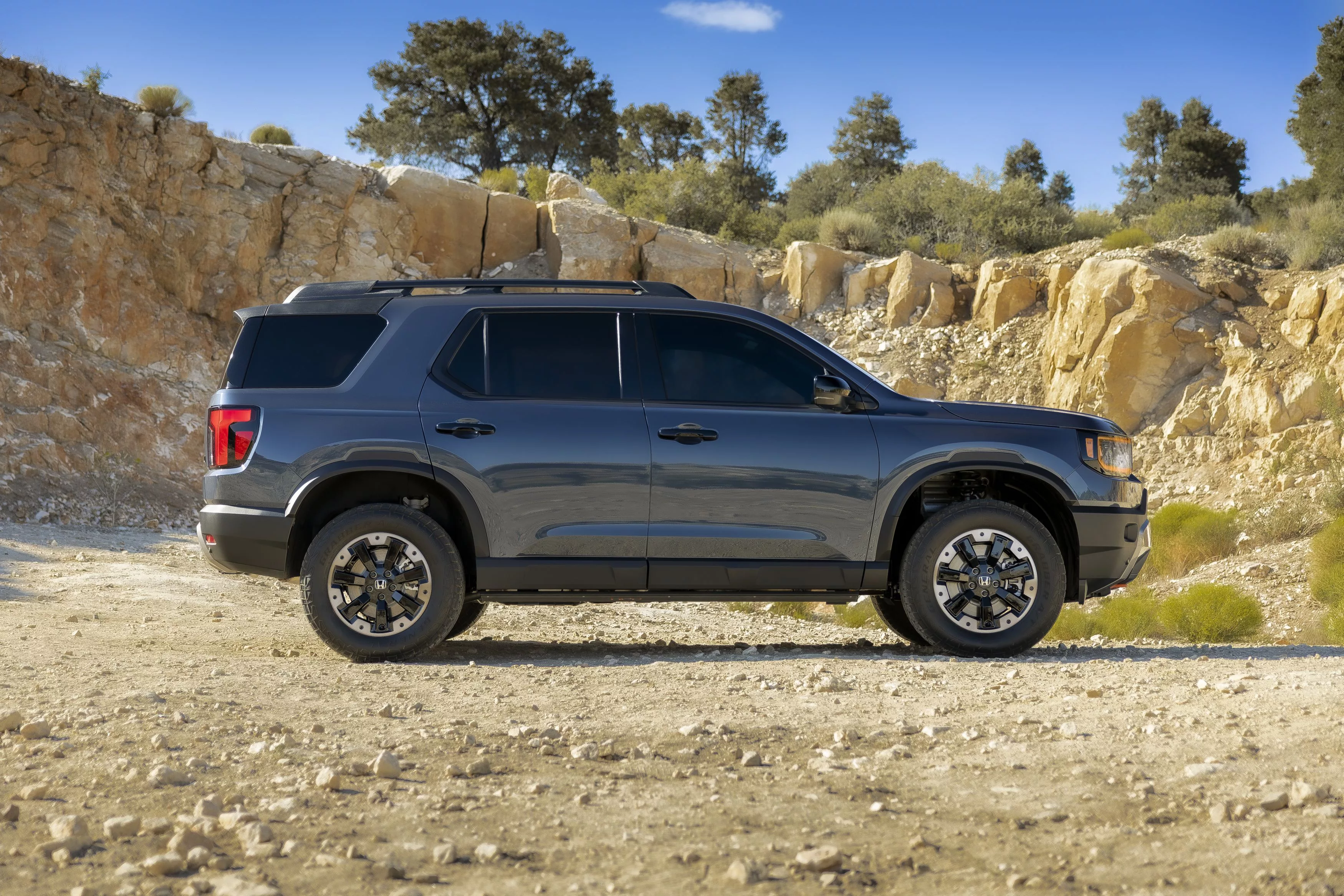
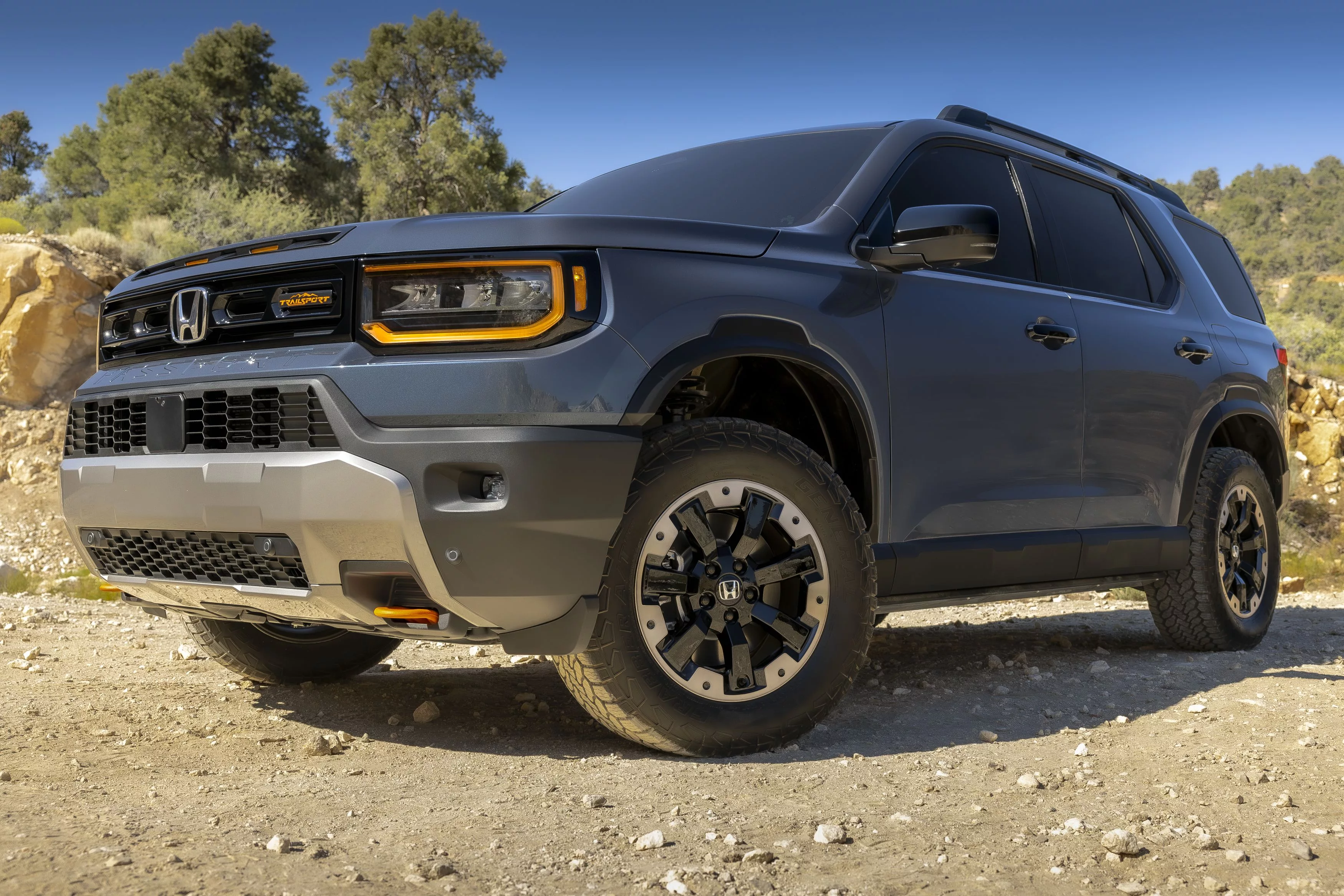
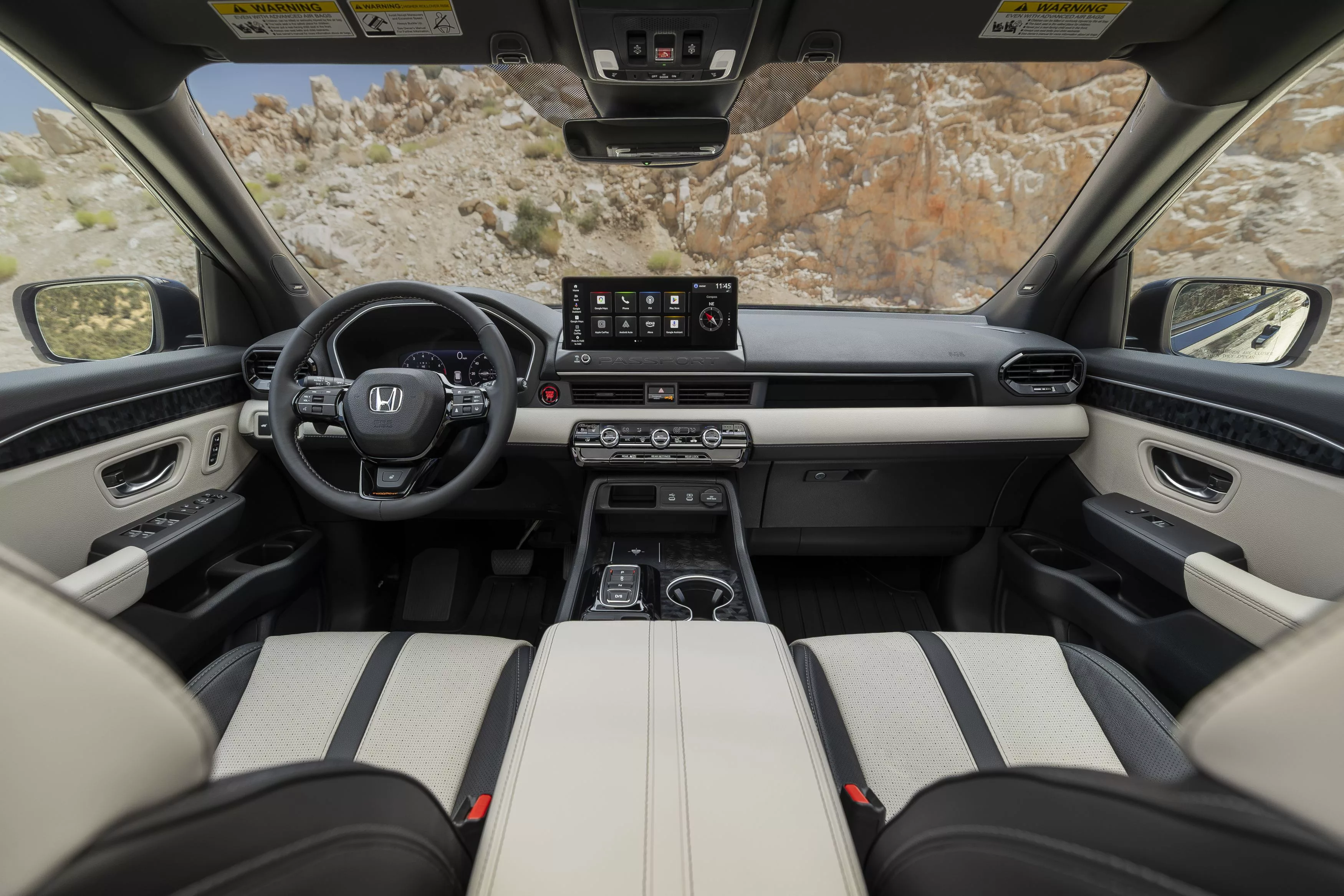
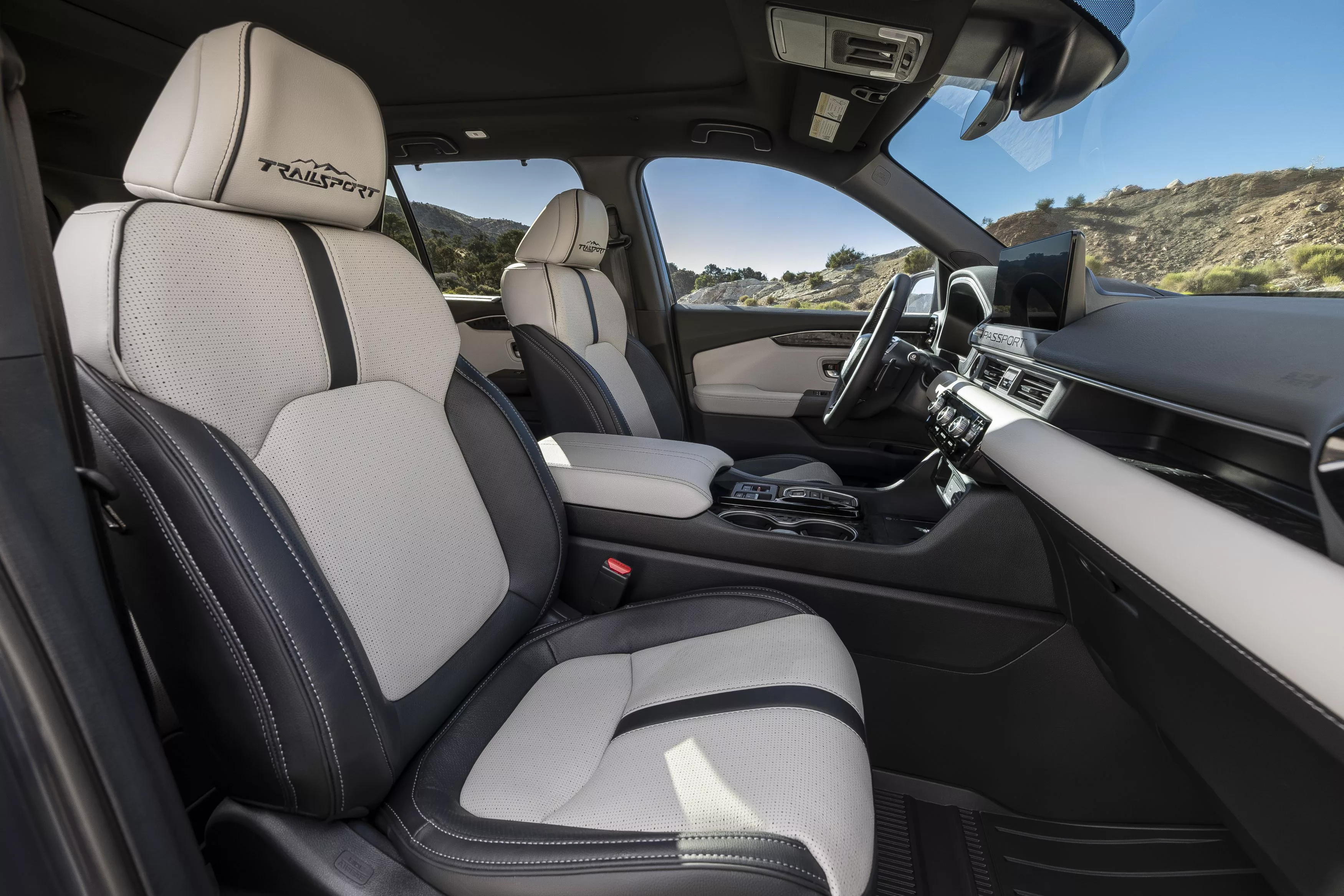
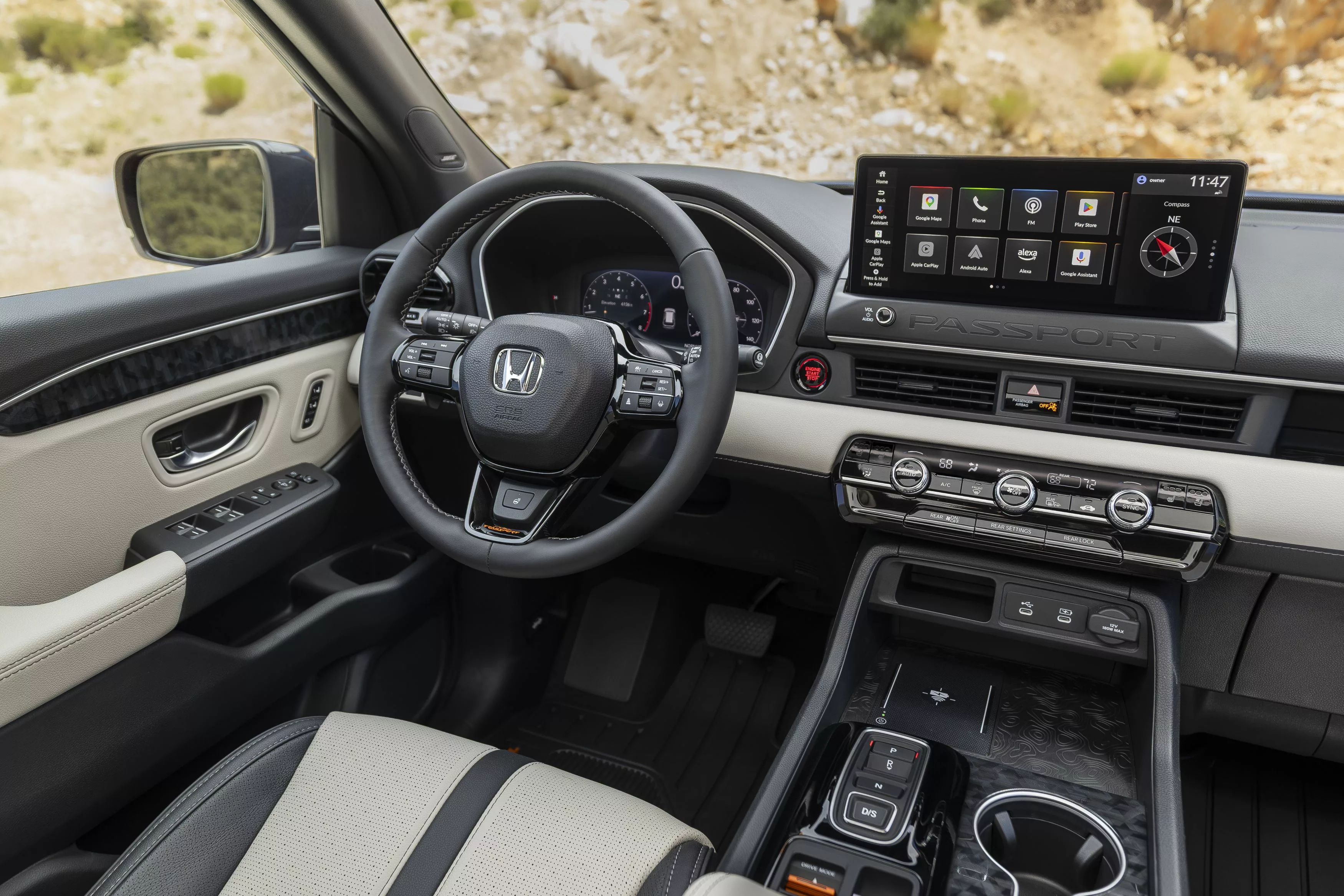
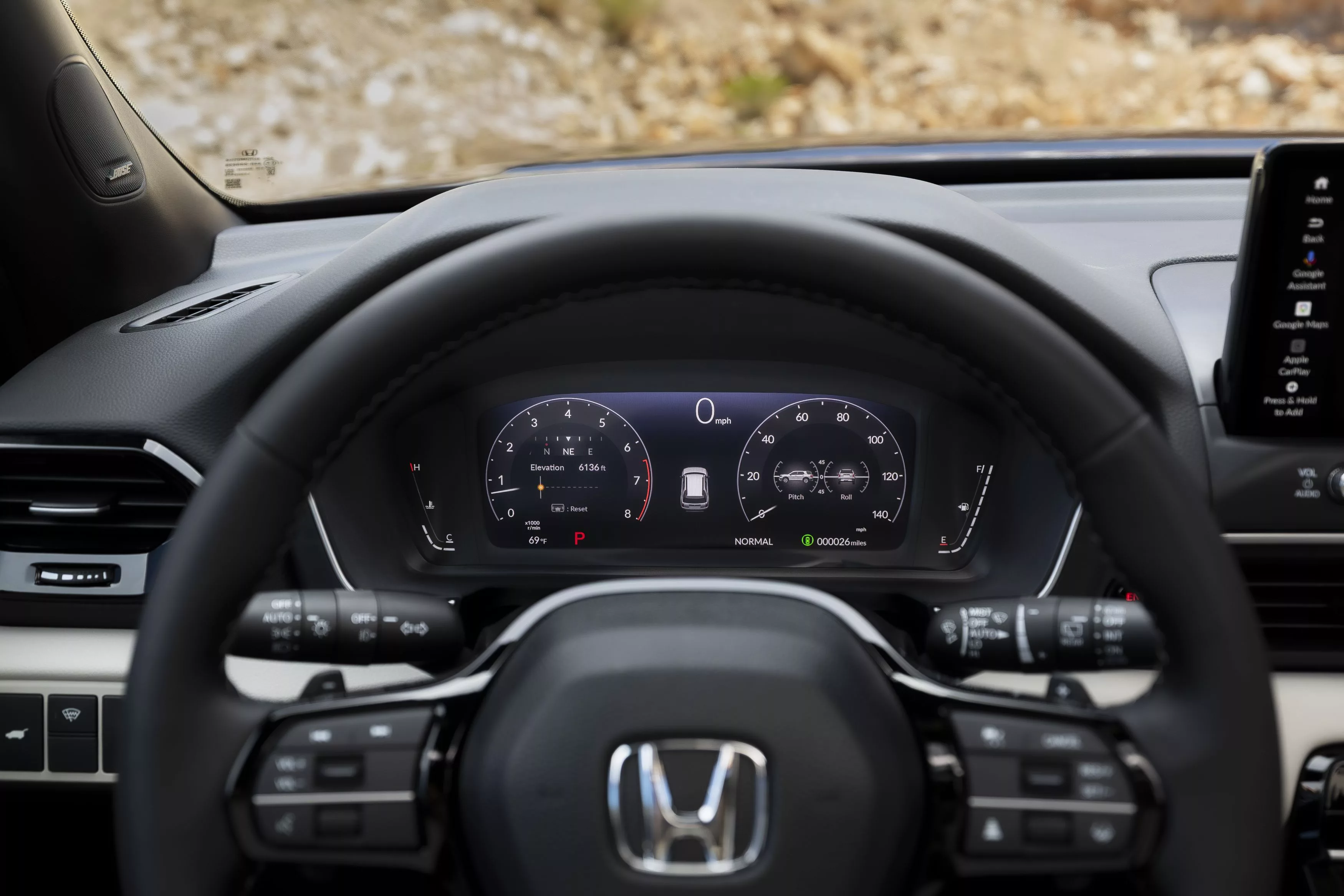
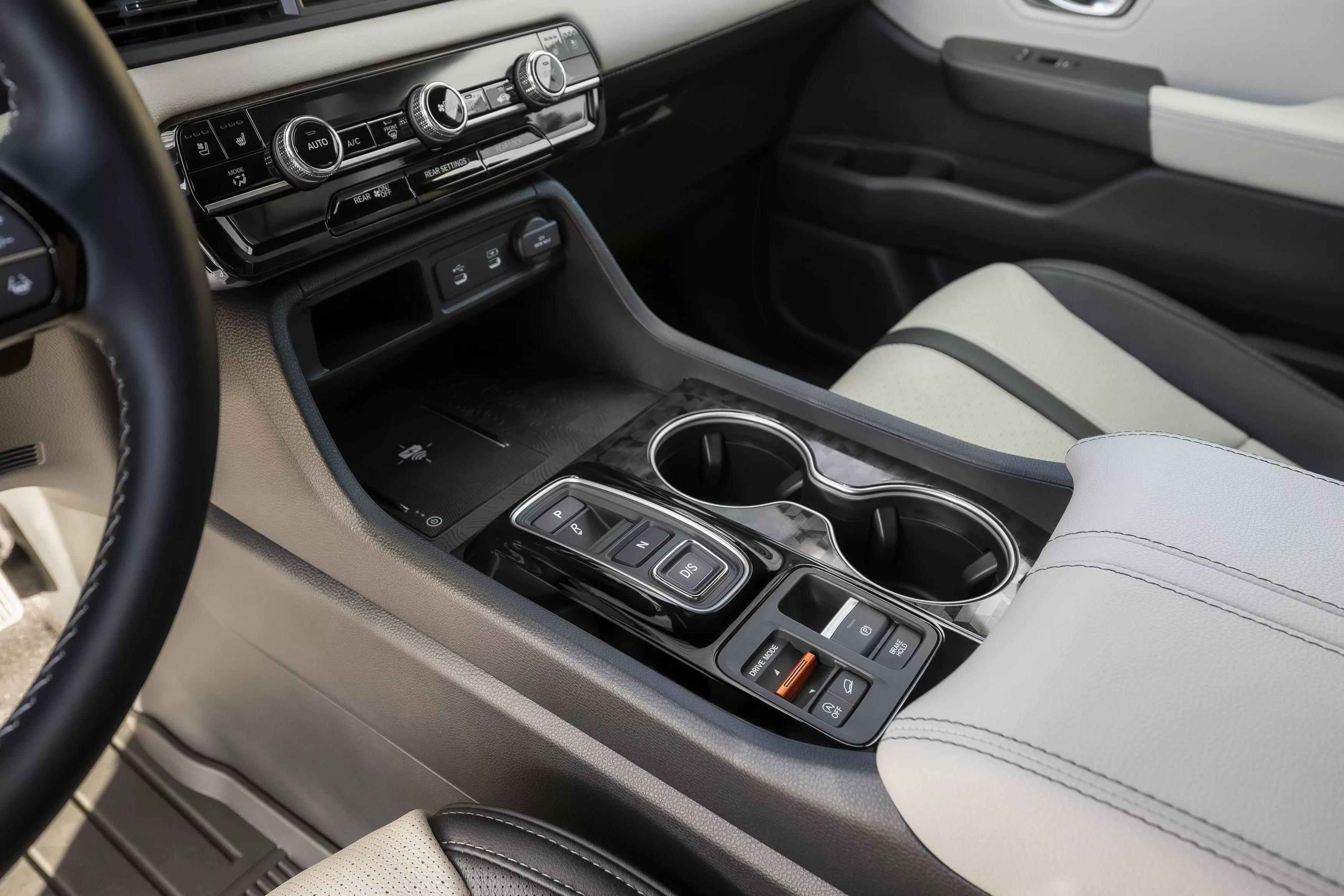
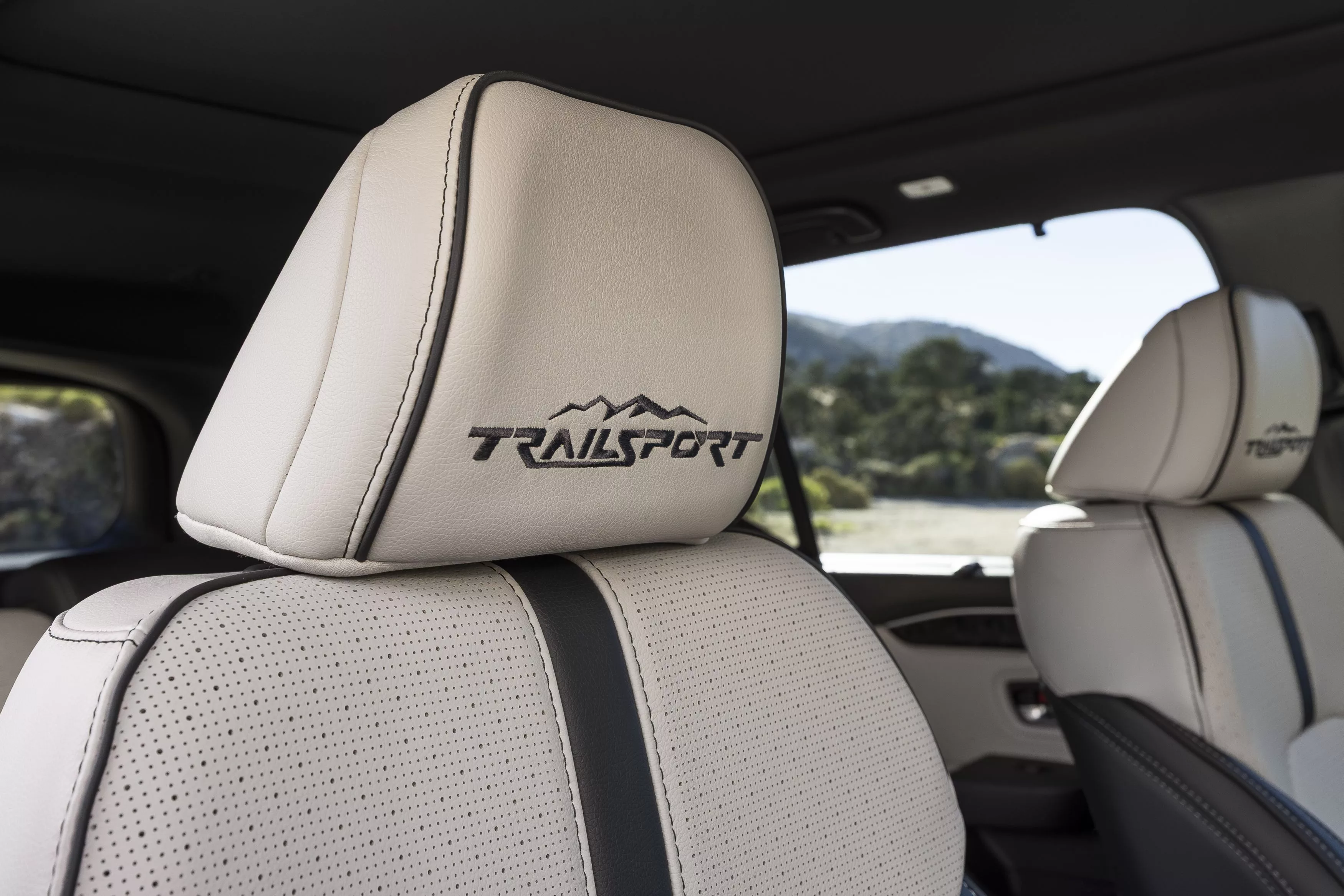
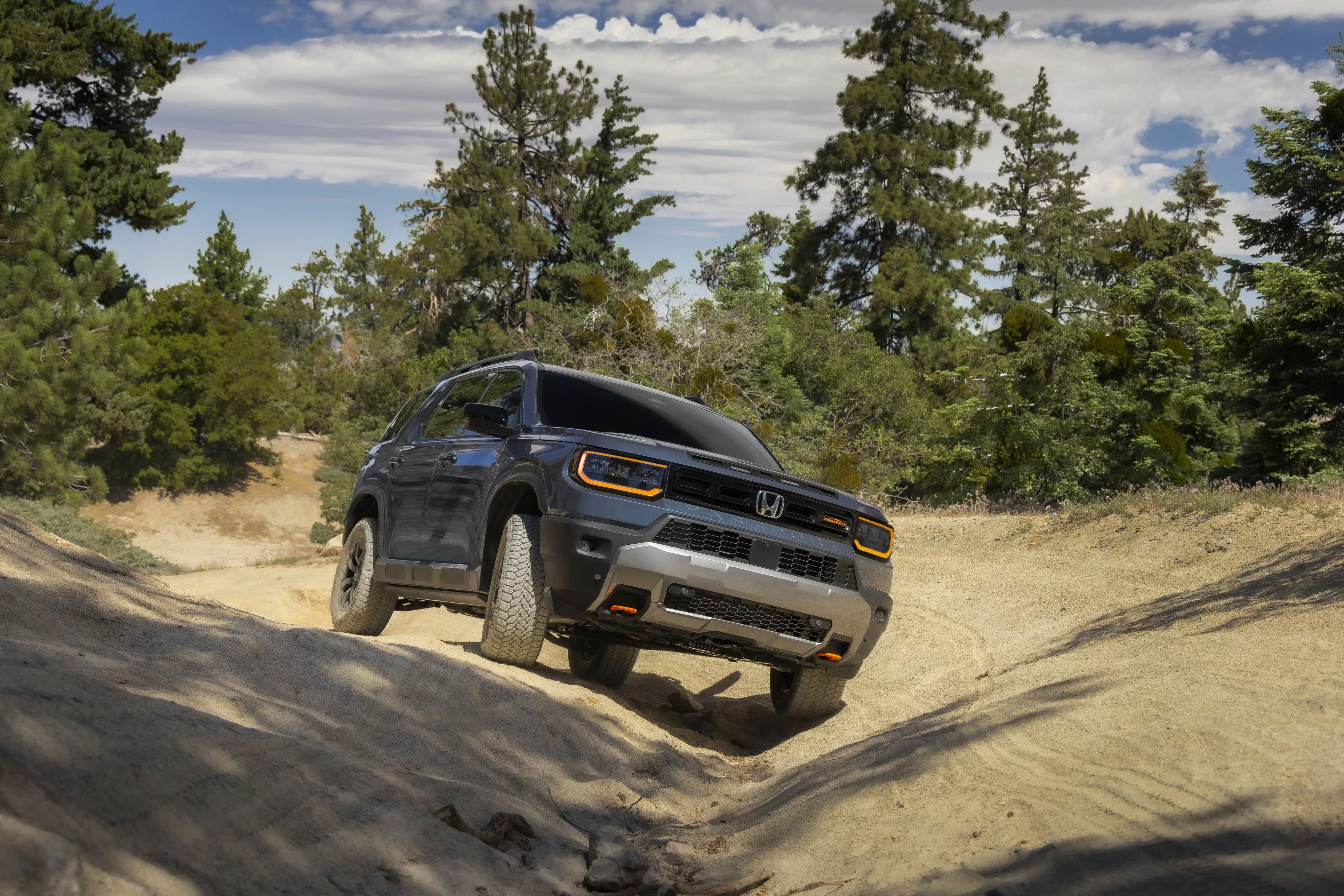
Just a year after its generational change, the Honda Passport TrailSport has received a surprisingly extensive chassis upgrade. For 2027, ground clearance rises to 245 mm, and Honda redesigned nearly 70 percent of the higher suspension’s core components. The result puts the unibody Passport into genuine off-road territory in terms of clearance.
At first glance, the change could be summed up as a simple lift kit. Honda has done something far more costly, however. The springs, dampers, control arms, stabiliser bars and steering knuckles have all been redesigned, while the manufacturer has also revised the front subframe and driveshafts. In total, Honda redesigned or replaced 28 chassis components.
As a result, TrailSport ground clearance rises from the previous model’s 210 mm to 245 mm. An additional 35 mm of height is no longer merely a cosmetic figure for an SUV.
245 mm genuinely changes the Passport’s geometry
The 2026 Passport TrailSport offered 210 mm of ground clearance. The new model reaches 245 mm. At the same time, the approach angle improves from 23 degrees to 25 degrees, while the departure angle also rises from 23 degrees to 25 degrees. The biggest gain comes in the breakover angle, which increases from 20 degrees to 23 degrees.
That final figure is particularly important off-road. A greater breakover angle reduces the chance of the vehicle’s underside grounding on a sharp crest. Greater approach and departure angles, in turn, provide more room to tackle steep slopes, ditches and steps without ploughing the ground with the bumpers.
In Honda’s own comparison, the Passport TrailSport’s ground clearance now exceeds the Toyota 4Runner TRD Off-Road’s 231 mm, the Subaru Outback Wilderness’s 241 mm and the Ford Bronco Sport Badlands Sasquatch’s approximately 221 mm.
That does not make the Passport a direct technical equivalent of the 4Runner, however. The Passport uses a unibody structure and independent suspension at all four wheels, while the Toyota 4Runner bases its off-road ability on a ladder frame. The more rugged 4Runner TRD Pro and Trailhunter versions also offer around 257 mm of ground clearance.
Honda’s comparison should therefore be taken exactly for what it is: the Passport beats some off-road vehicles on one tape-measure reading. That does not automatically mean superior off-road capability.
Honda did not want to compromise on-road driving with the higher suspension
An extra 35 mm of height creates more engineering challenges than may be apparent from a promotional photograph. Suspension geometry, driveshaft angles, steering feel and body movement all change. The centre of gravity also rises.
That is precisely why Honda did not simply fit longer springs.
The manufacturer revised the dampers, control arms, stabiliser bars and steering knuckles, and adapted the front subframe and driveshafts. According to Honda, the aim was to maintain correct suspension geometry at the higher ride height while also improving wheel travel off-road.
This is crucial for the Passport. The point of the model is not to compete with the Jeep Wrangler in rock crawling, but to offer more off-road capability than a conventional SUV while retaining the on-road benefits of a unibody structure and independent suspension.
One weakness of the previous TrailSport had already emerged in demanding conditions. In its test of the 2026 model, Cars.com noted that suspension travel was not always sufficient to keep a wheel on the ground. The new geometry and greater travel could therefore improve real-world traction rather than merely the specification-sheet figures.
The V6 remains
Honda has not radically changed the powertrain in pursuit of greater off-road ability. The Passport continues to use a 3.5-litre naturally aspirated V6 petrol engine and a 10-speed automatic transmission.
Honda USA’s latest 2027 website lists output at 280 hp, or approximately 206 kW. All-wheel drive is provided by the second-generation i-VTM4 system, which can actively distribute torque between the axles and rear wheels. There are seven drive modes: Normal, Econ, Sport, Snow, Trail, Sand and Tow.
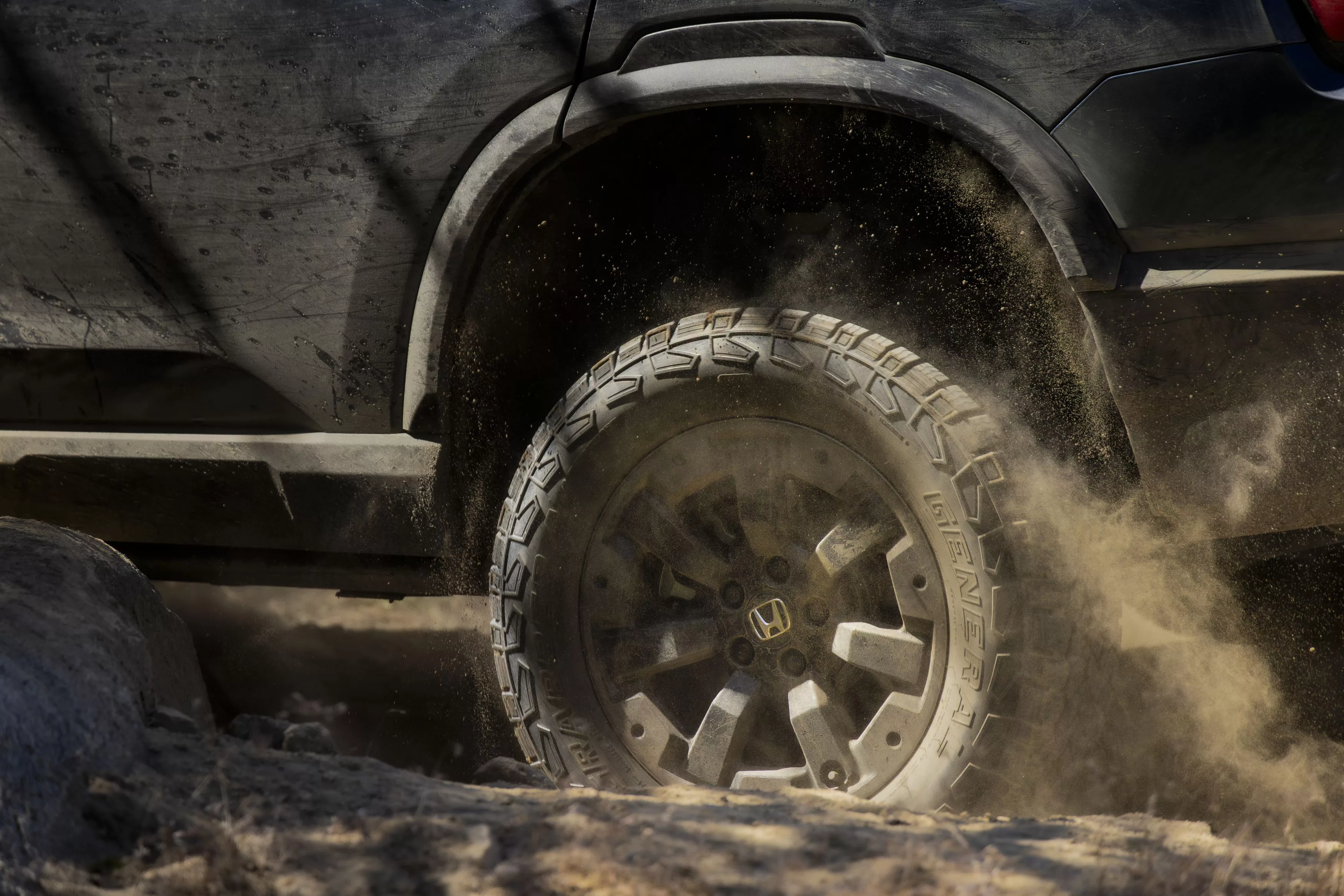
The Passport can tow a trailer weighing up to 2,268 kg. The TrailSport uses 18-inch wheels and General Grabber A/T Sport all-terrain tyres, while steel skid plates protect the underside. The manufacturer also offers steel side protection and a full-size spare-wheel solution.
The technical recipe is almost refreshingly old-school among modern SUVs: a naturally aspirated V6, a conventional automatic transmission, mechanically credible all-wheel drive and genuine all-terrain tyres. No 1.5-litre turbo engine attempting to convince a vehicle weighing around two tonnes, with electric assistance, that physics does not exist.
TrailSport is no longer a side version of the Passport
Honda’s decision to revisit the chassis so quickly becomes clearer when looking at the sales figures.
TrailSport already accounts for more than 80 percent of Passport sales. In other words, most customers do not first buy a Passport and then choose a more off-road-oriented trim package. For them, TrailSport is essentially the Passport.
This explains why Honda invested an unusually large amount of engineering work in a model-year update. The fourth-generation Passport only reached the market for the 2026 model year, yet a year later the manufacturer had already changed a large proportion of the TrailSport’s chassis.
Equipment is also improving. The TrailWatch camera system is now standard on every TrailSport, whereas it was previously available only on the more expensive TrailSport Elite. The system shows the area around the vehicle through multiple cameras and helps the driver assess the position of the wheels and obstacles off-road. A heated steering wheel is also added to the standard equipment.
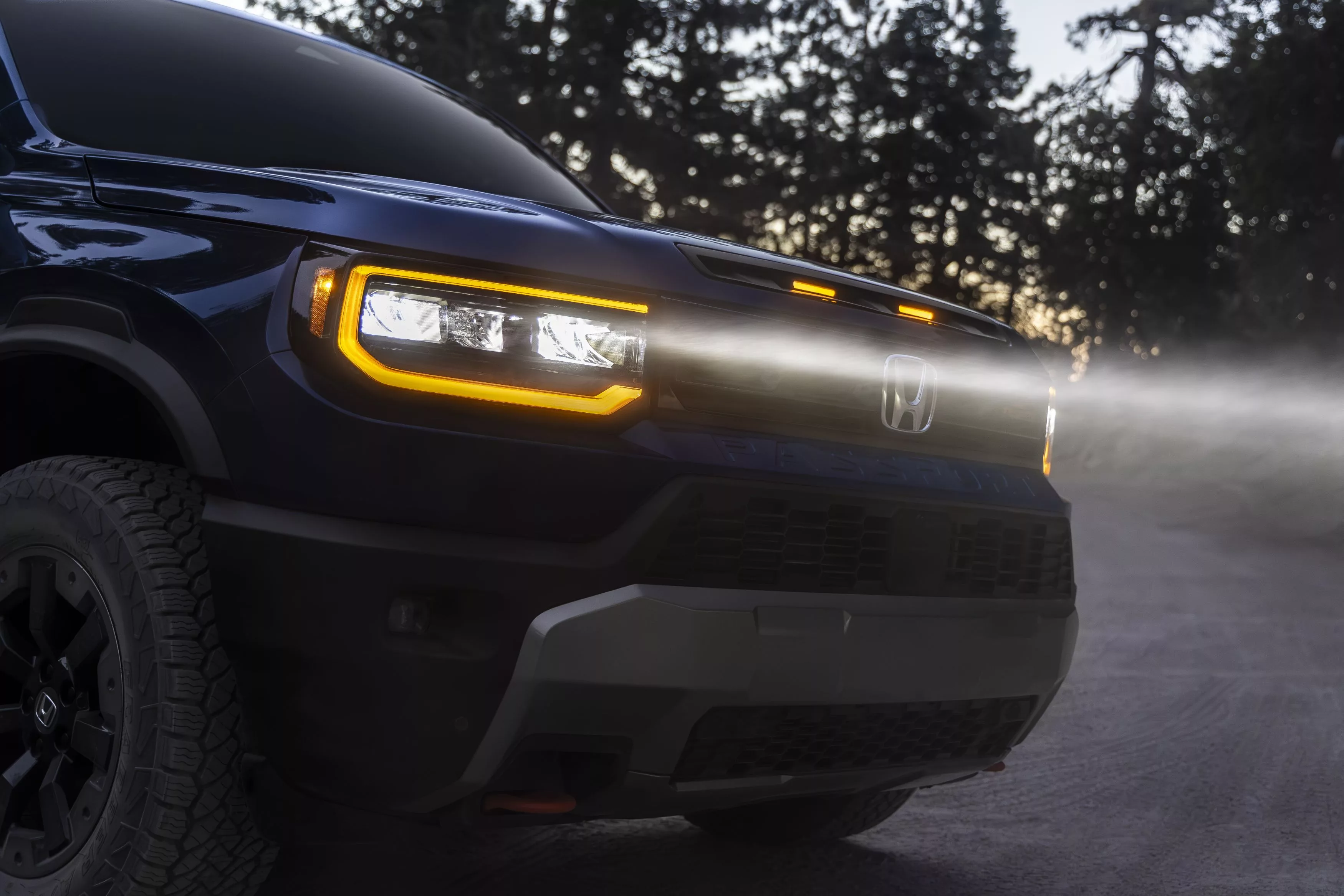
Externally, the 2027 model can be identified by more pronounced wheel-arch extensions, a revised lower front bumper section and amber LED lights near the bonnet air intake. Smoke Blue Pearl joins the colour range.
In Europe, the Passport would be a genuinely interesting anomaly
For European buyers, the most disappointing detail remains the same: the Honda Passport is primarily a North American model and is not officially part of Honda’s European line-up.
That is a shame, because technically the Passport would fill a rather interesting gap here. European SUVs are moving ever more strongly towards small turbocharged engines, hybrids and electric powertrains, while the Passport would offer a naturally aspirated V6, strong all-wheel drive, 245 mm of ground clearance and 2.27 tonnes of towing capacity.
In size and character, it would sit somewhere between large unibody SUVs and genuine off-roaders such as the Toyota Land Cruiser and Ford Bronco.
Fuel consumption and Europe’s CO2-based taxation would, of course, make the 3.5-litre V6 Passport uncomfortably expensive here. Honda did not design this vehicle for Europe’s regulatory reality.
In the US, the logic is the opposite. There, the Passport competes for buyers who want the off-road image of the Toyota 4Runner or Ford Bronco but do not want to live with the compromises of a ladder-frame vehicle every day.
Honda has finally given TrailSport technical substance
The TrailSport name appeared in Honda’s range years ago, but initially it largely meant styling and marketing. The new Passport shows that the manufacturer has finally decided to make the badge technically deserved.
The 245 mm ground-clearance figure is not the most important number here. Far more revealing are the 28 redesigned chassis components.
Building a lifted SUV is easy. Getting the suspension geometry, steering feel, durability and on-road behaviour right at the same time on a taller vehicle requires genuine engineering hours.
The Passport TrailSport remains a unibody SUV and will not become a Wrangler or Land Cruiser through a single update. Fortunately, Honda has not tried to make it one. Instead, the manufacturer is pushing the Passport ever closer to the point at which an “off-road version” finally means more than black wheels and plastic wheel arches.


