
McLaren to hire 1,000 employees and invest more than half a billion euros in Woking
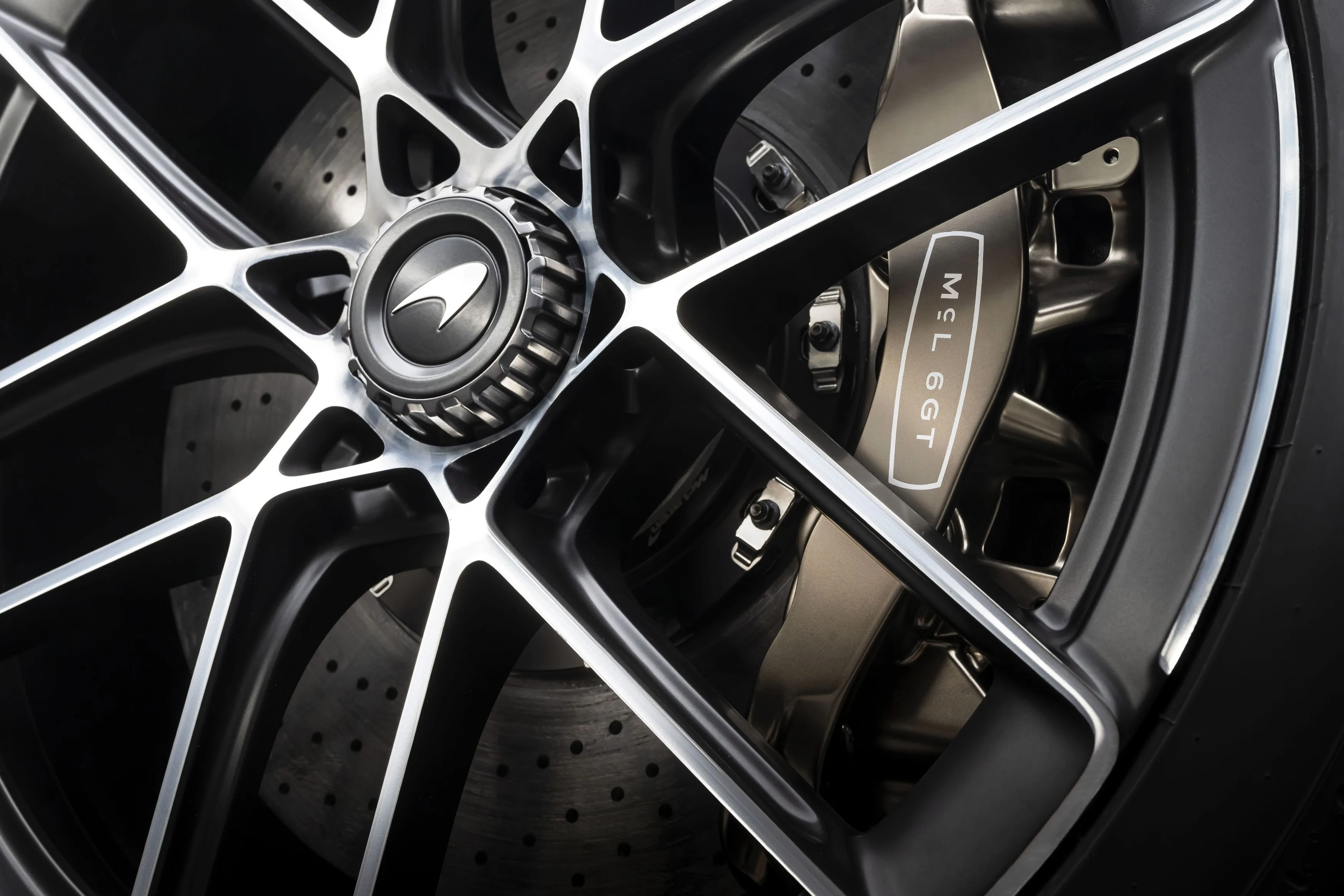
McLaren is doing something that looks almost provocative in today’s European automotive industry: instead of cutting jobs, the British supercar maker plans to hire 1,000 people. Around €524 million will go into the Woking technology centre, and the plan offers the first clear indication of how large McLaren’s new owner intends to grow the company.
According to the Financial Times, McLaren is preparing a £450 million investment in the UK, equivalent to approximately €524 million at current exchange rates. The money will primarily be used to expand development and production capacity in Woking, while the company will create up to 1,000 new jobs.
This is not a cosmetic change for a small supercar manufacturer. McLaren currently employs around 2,500 people, meaning full implementation of the plan would increase its workforce by approximately 40%. The investment will also affect McLaren’s operations in Sheffield.
McLaren is effectively building a new company
The hiring drive is part of a much wider restructuring. Abu Dhabi investment company CYVN Holdings took control of McLaren’s automotive business and merged it with electric vehicle start-up Forseven in 2025. The new group is led by Forseven founder and former Jaguar Land Rover executive Nick Collins.
CYVN has not come to Woking simply to give the existing model range a light polish. The owner has pledged to invest more than $2 billion in McLaren’s development over five years, equivalent to around €1.72 billion. The aim is to make the automotive business, which has struggled with losses for years, permanently profitable and to expand the model range beyond traditional two-seat supercars.
That also explains the 1,000 new jobs. McLaren needs more engineers, manufacturing capacity and development resources than before, because hand-assembling a few thousand supercars a year is no longer enough.
An SUV is no longer taboo for McLaren either
The most significant change to McLaren’s future concerns the cars themselves. The new management is preparing a broader model range than before, with an SUV regarded as one possible direction. The Financial Times has previously reported that the company is considering a hybrid-powered SUV.
To a McLaren purist, that may sound almost as appealing as a diesel-powered Speedtail, but economically it is hardly surprising.
Ferrari launched the Purosangue, the Lamborghini Urus has been Sant'Agata’s sales machine for years, and Aston Martin relies heavily on the DBX. Bentley and Rolls-Royce entered the same segment even earlier. McLaren is one of the few remaining exotic car manufacturers whose range still depends almost entirely on low-slung two-seat sports cars and supercars.
It is an excellent way to preserve a brand’s image, but a far more difficult way to generate stable cash flow.
Forseven’s addition gives McLaren the expertise to develop electric vehicles that Woking would otherwise have to build from scratch at significant cost. CYVN also has connections with Chinese EV manufacturer Nio, making the possibilities for technology collaboration particularly interesting.
McLaren emerged from its crisis only narrowly
The current investment wave looks especially impressive against the background of McLaren’s recent history. The automotive business has burned cash for years, and the company’s financial position repeatedly forced its owners to seek new capital.
CYVN’s intervention changed the situation fundamentally. The new owner settled McLaren’s debt burden of around $800 million and then began reshaping the company’s structure, management and product plan. McLaren reduced its inventory of unsold cars by around 40%, while the number of warranty cases fell by 80%.
Heavyweights were also brought into the leadership team. Former Ferrari chief Luca di Montezemolo and former Rolls-Royce Motor Cars CEO Torsten Müller-Ötvös joined McLaren’s board. This is not exactly the kind of line-up hired to choose the paint shades for the next special edition of the existing Artura.
Europe’s automotive industry is moving in the opposite direction
McLaren’s decision is particularly notable given the wider situation in the British and European automotive industries. Manufacturers are cutting costs, adjusting their EV plans and simultaneously contending with Chinese competition, trade barriers and high production costs.
Jaguar Land Rover, for example, announced cuts of around 4,000 jobs. McLaren, meanwhile, wants to add 1,000 jobs to a company that currently employs approximately 2,500 people.
The contrast is stark, but McLaren’s position differs from that of mass-market manufacturers. The company is starting from a very low production volume, and its customer does not choose a car based on a €500 price difference. The luxury car sector allows spending on technology to be recouped with much higher margins, provided the models find buyers.
That final part is crucial. More employees and half a billion euros will not automatically make McLaren profitable.
McLaren must grow without diluting its identity
The most difficult task for the new McLaren is not actually engineering its next electric motor or hybrid system. The company must increase sales volumes while retaining the reason why a customer buys a McLaren instead of a Ferrari, Lamborghini or Porsche.
The recipe so far has been very clear: low weight, carbon-fibre construction, exceptionally good steering feel and as little luxury excess as possible. An SUV and higher production volumes could make the company far stronger financially, but could also blur that identity.


