
Alpine reveals new A110 shape; electric successor gets two rear motors
 1/13
1/13
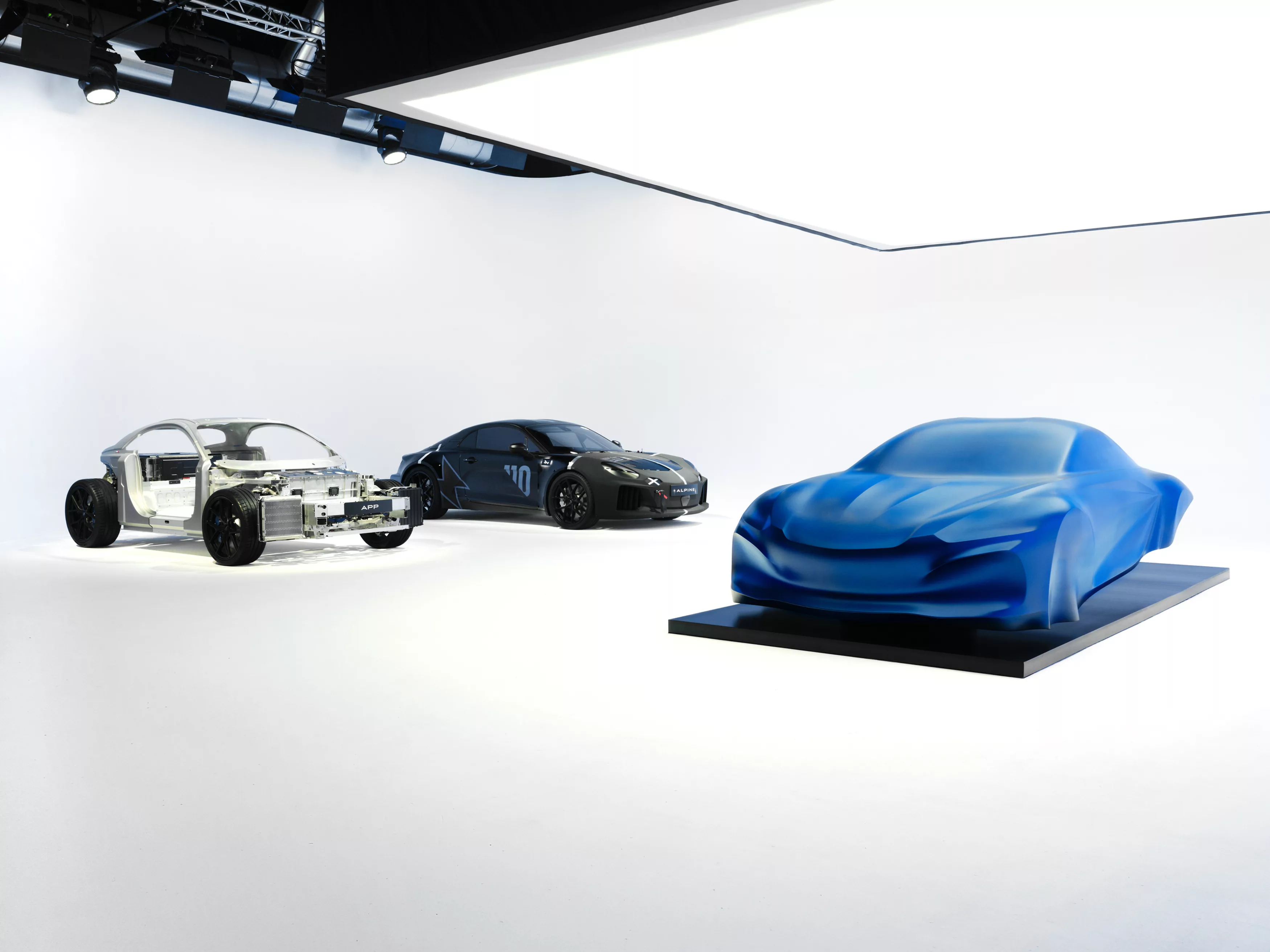
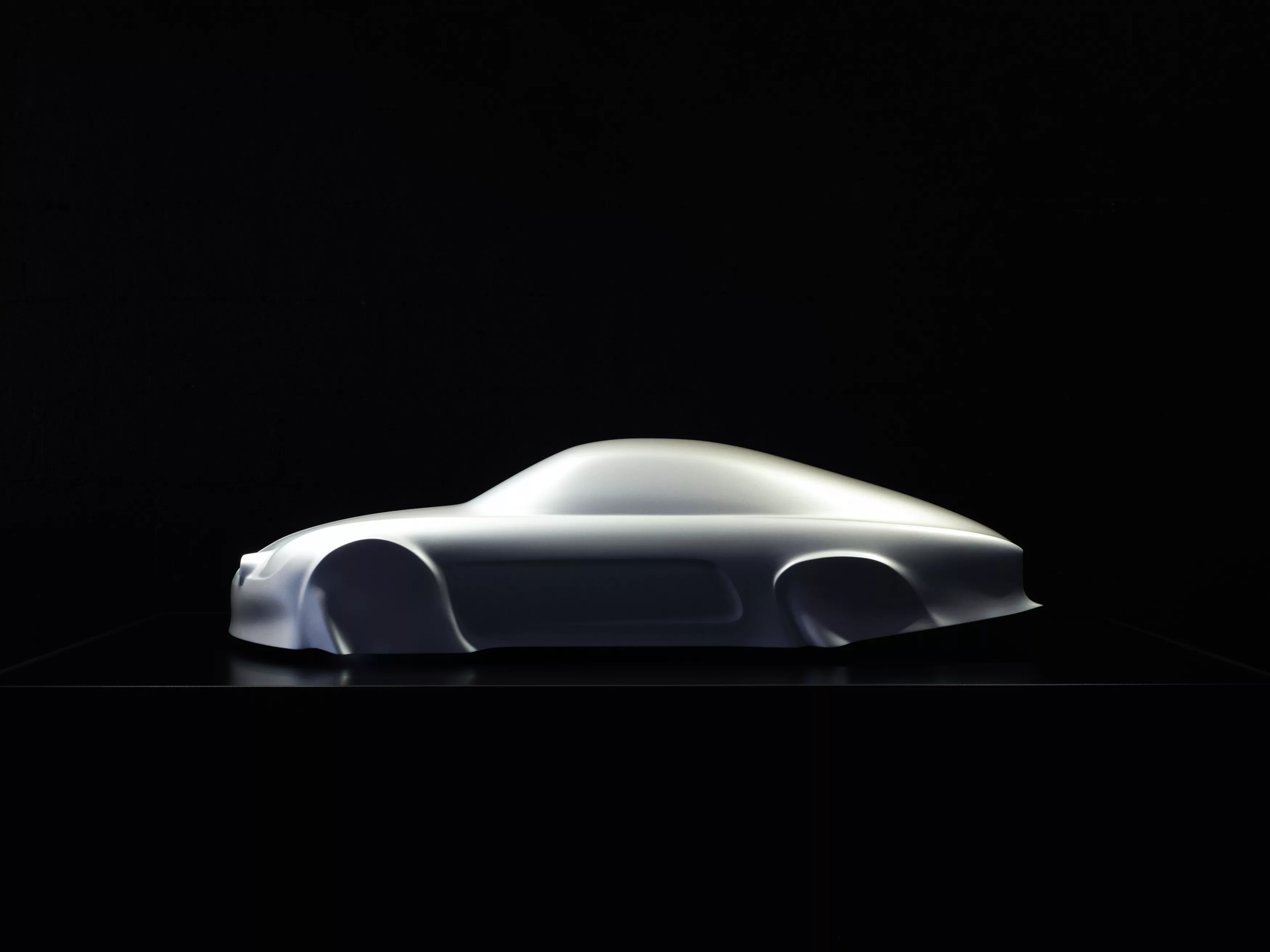
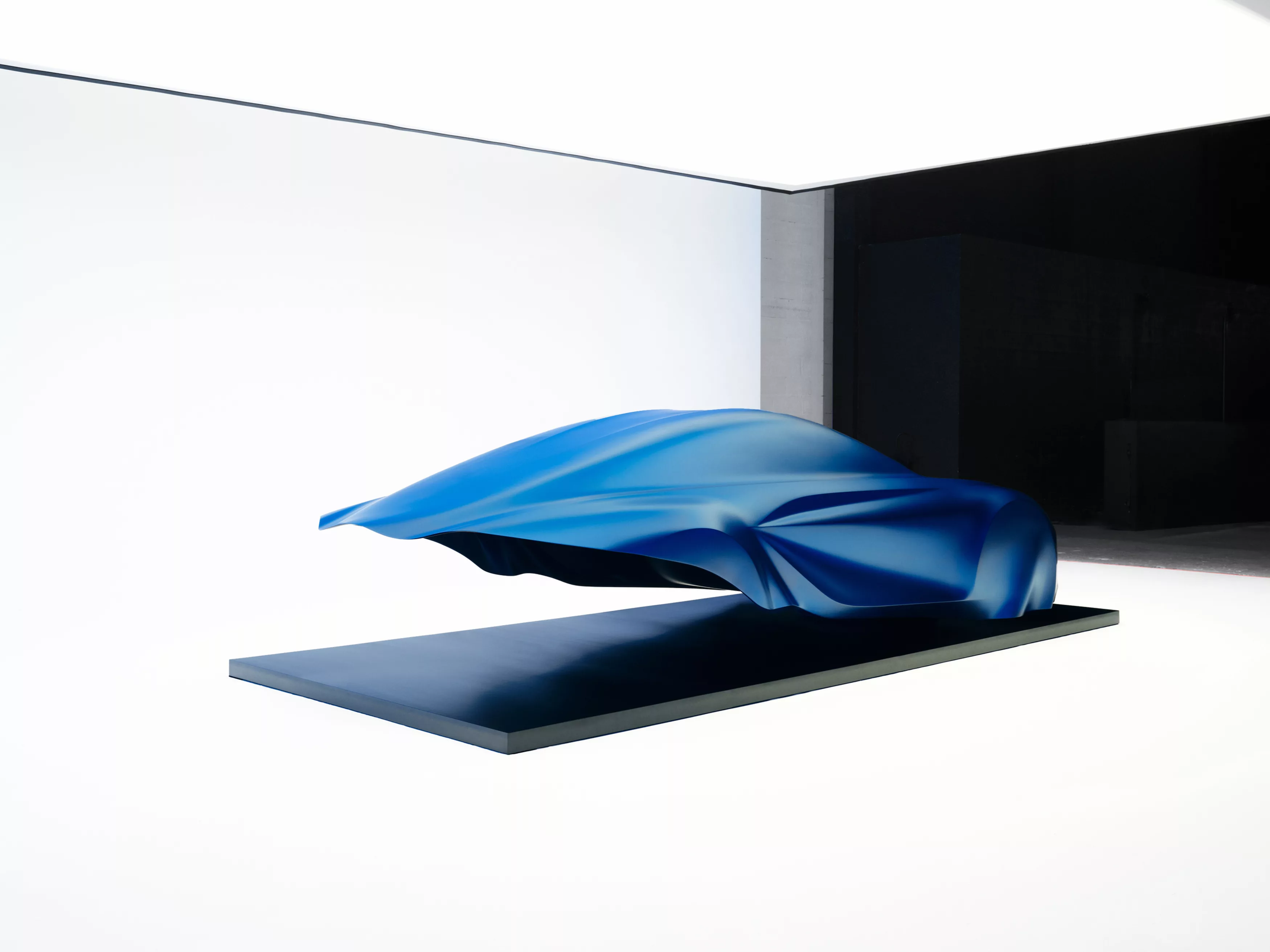
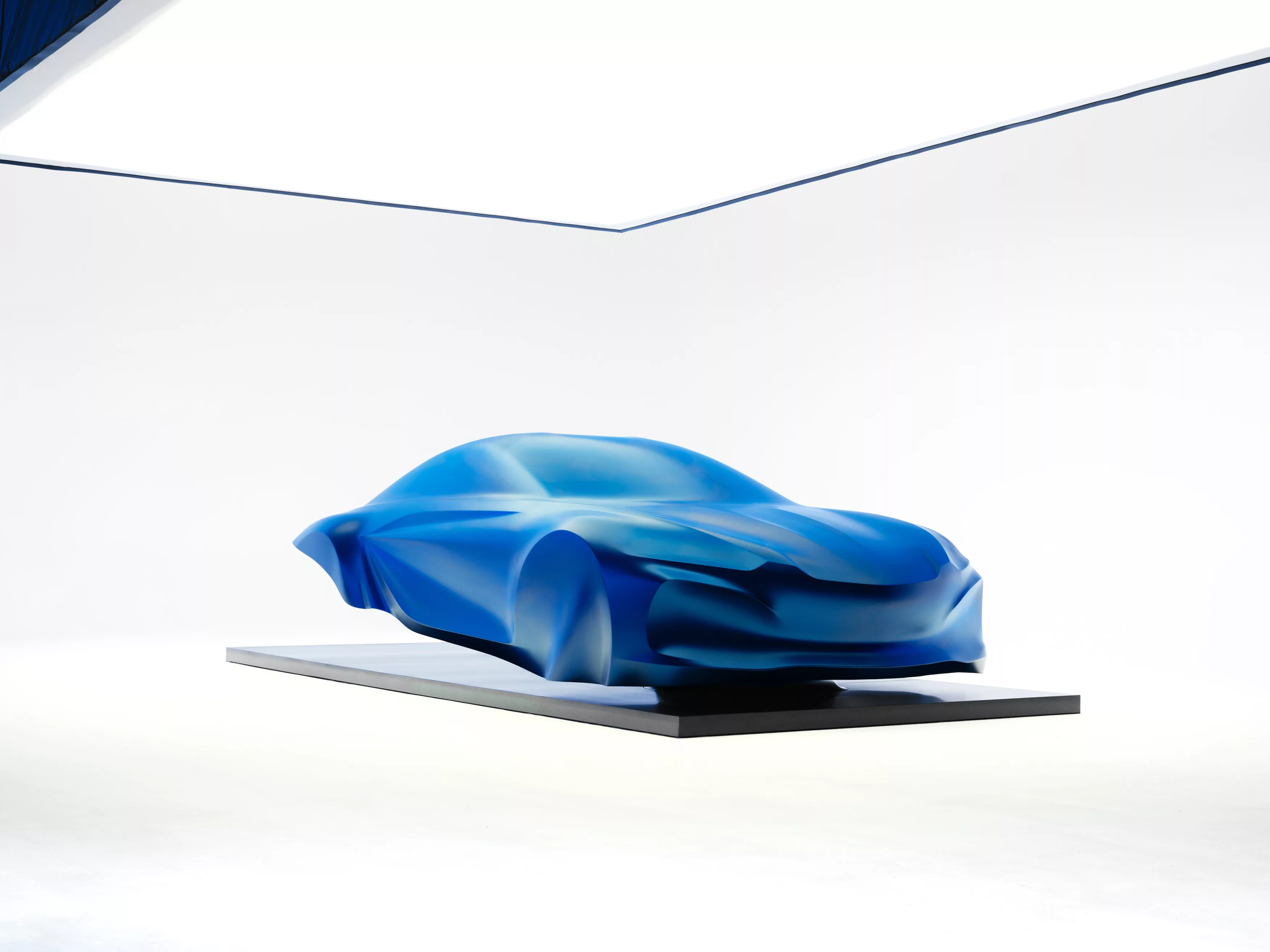
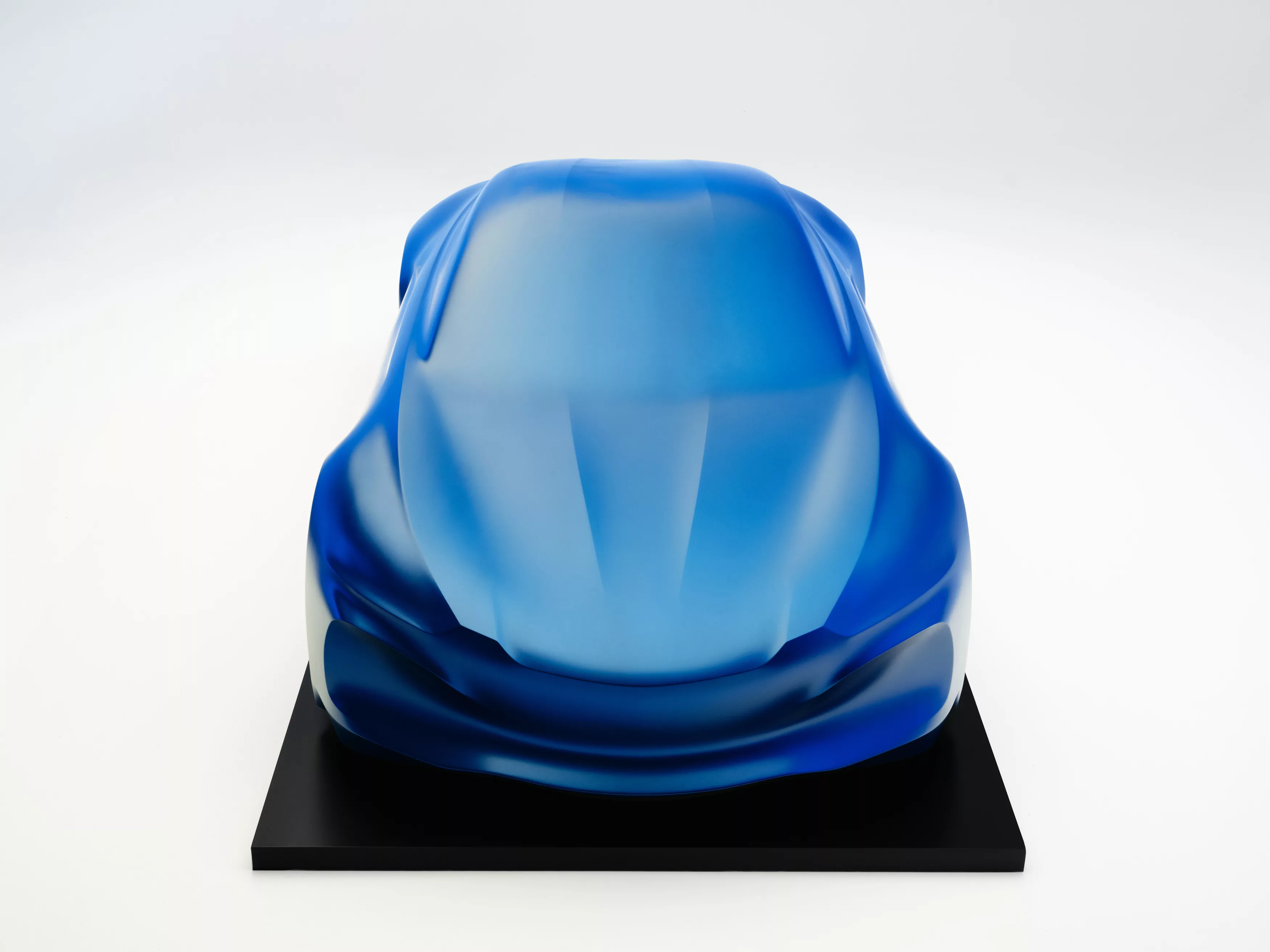
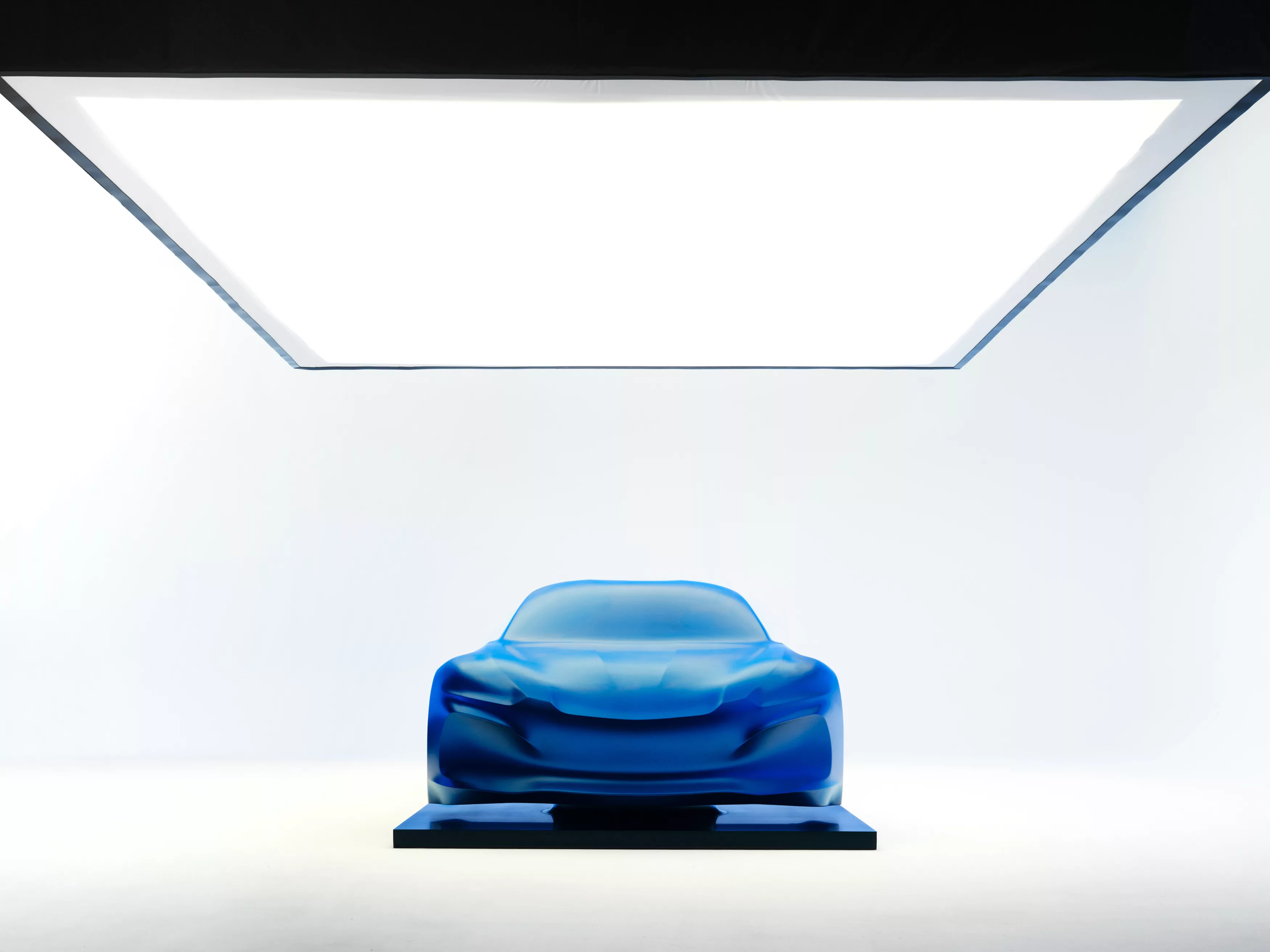
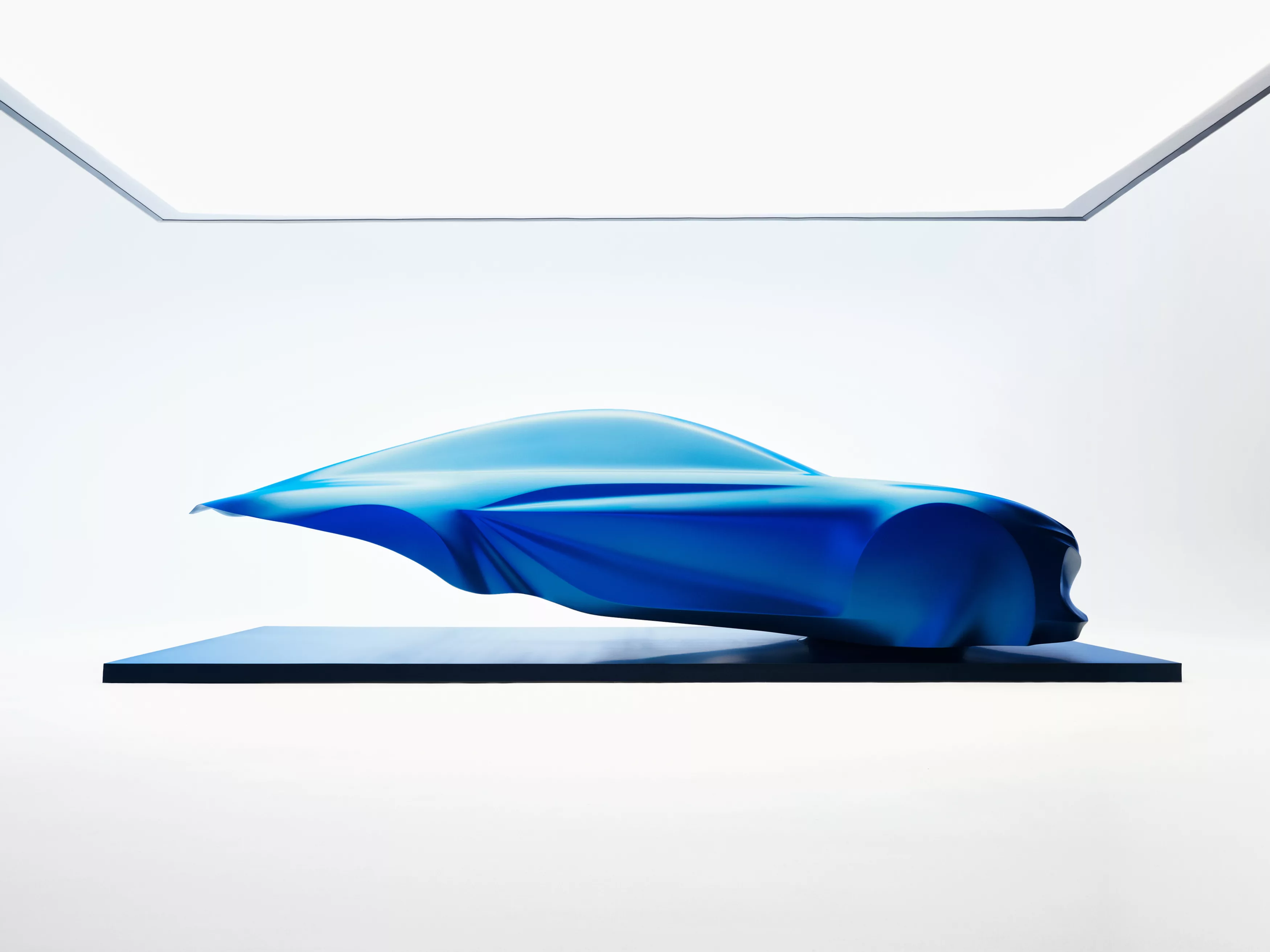
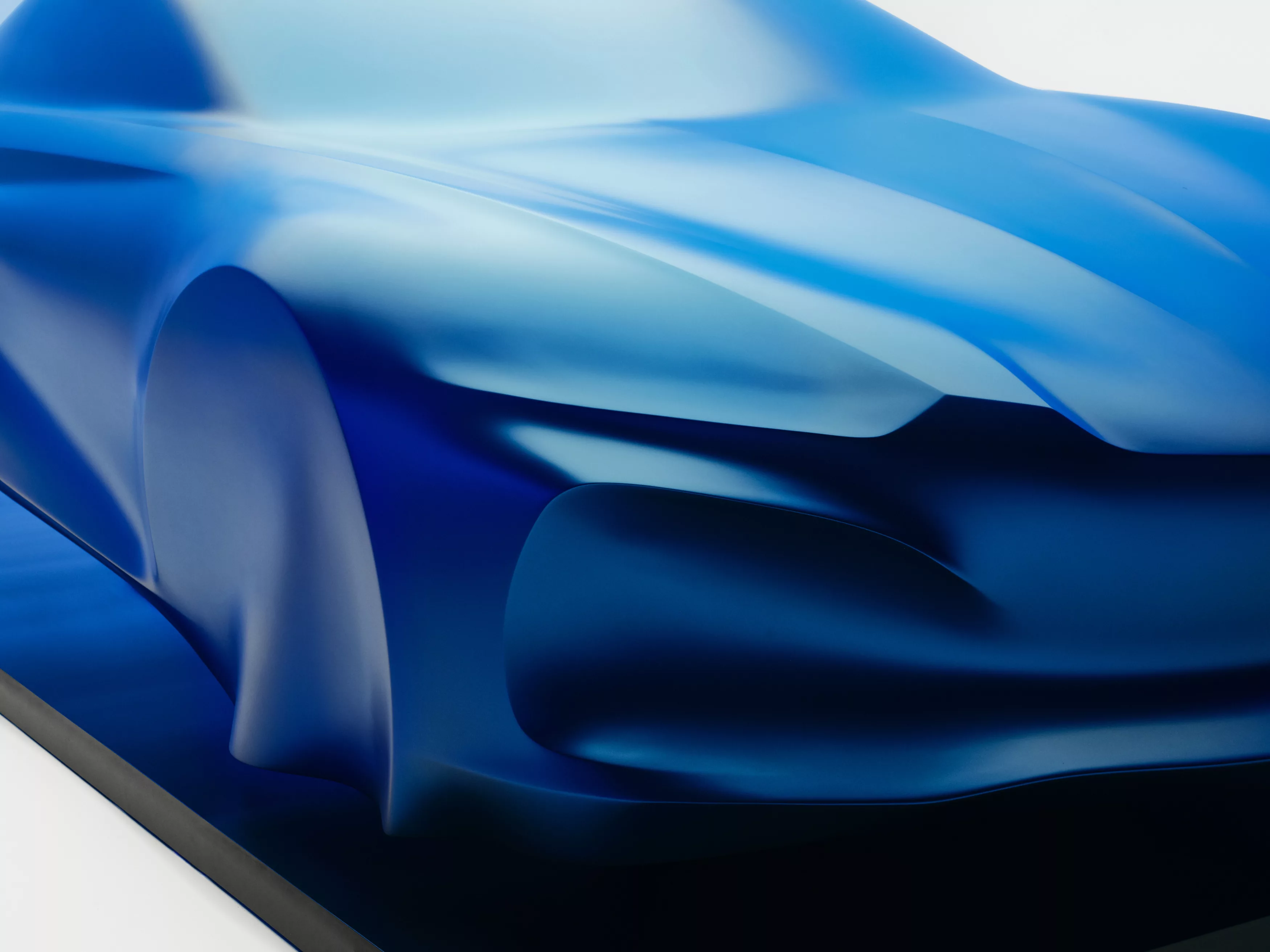
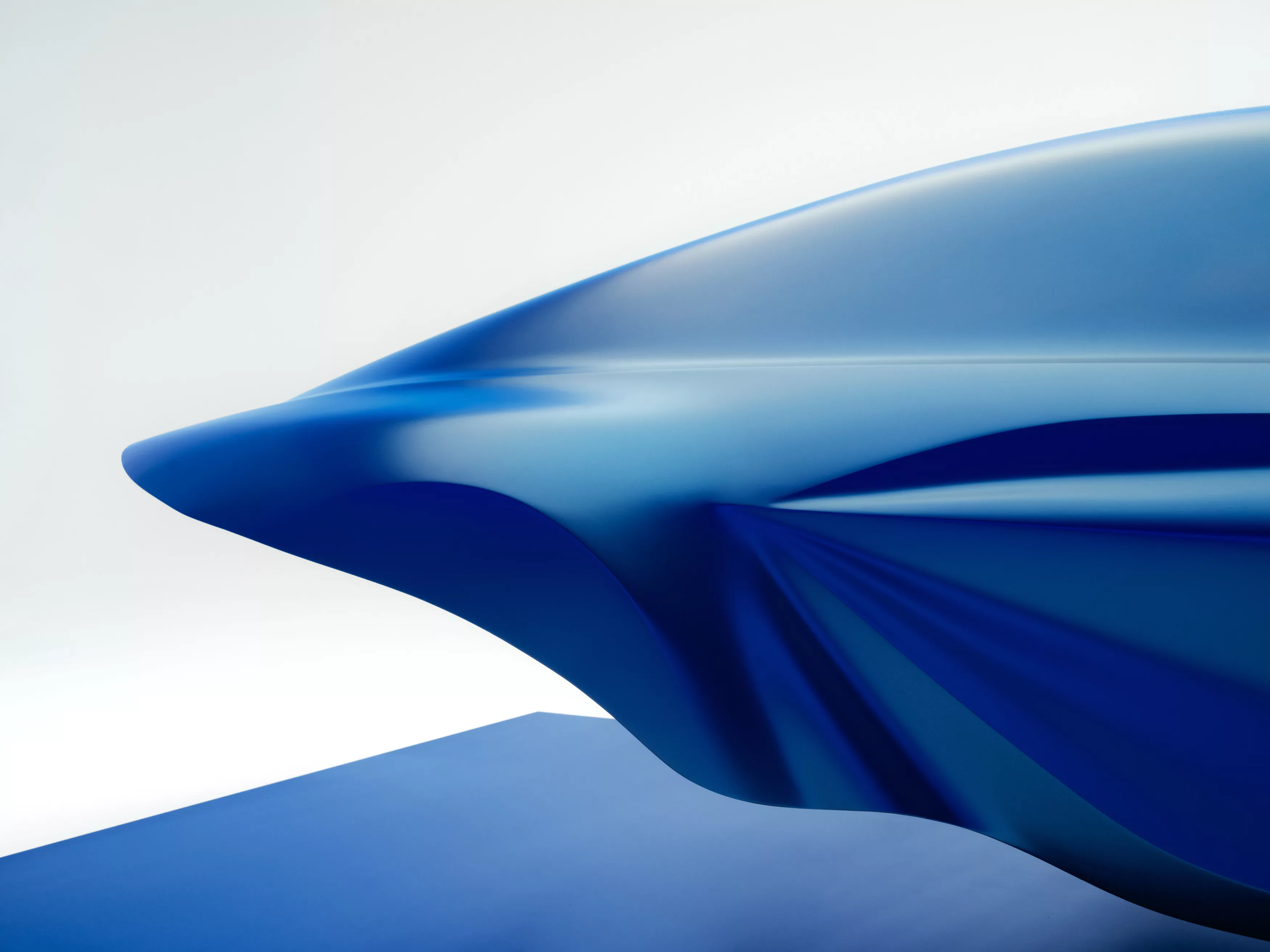
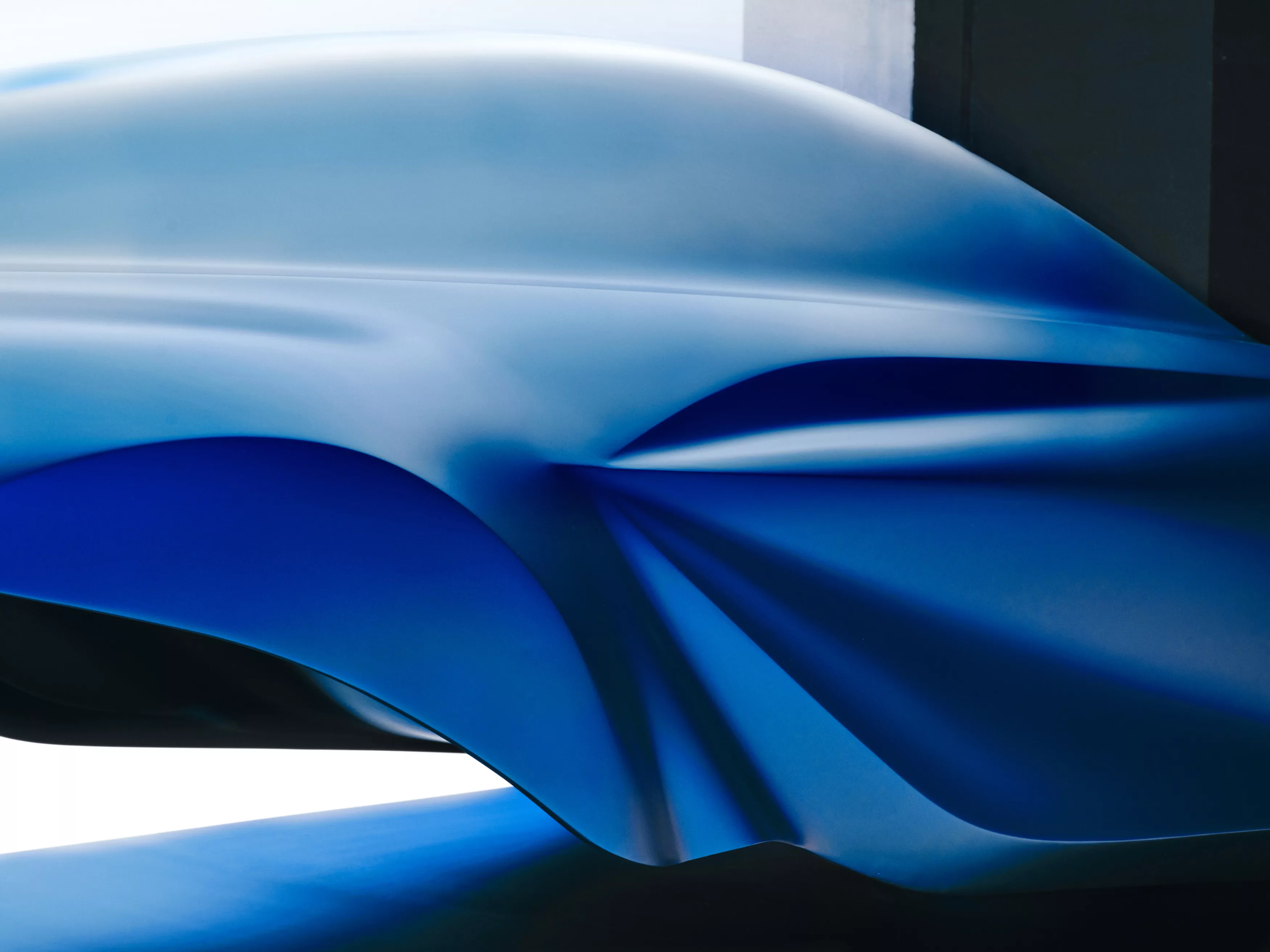
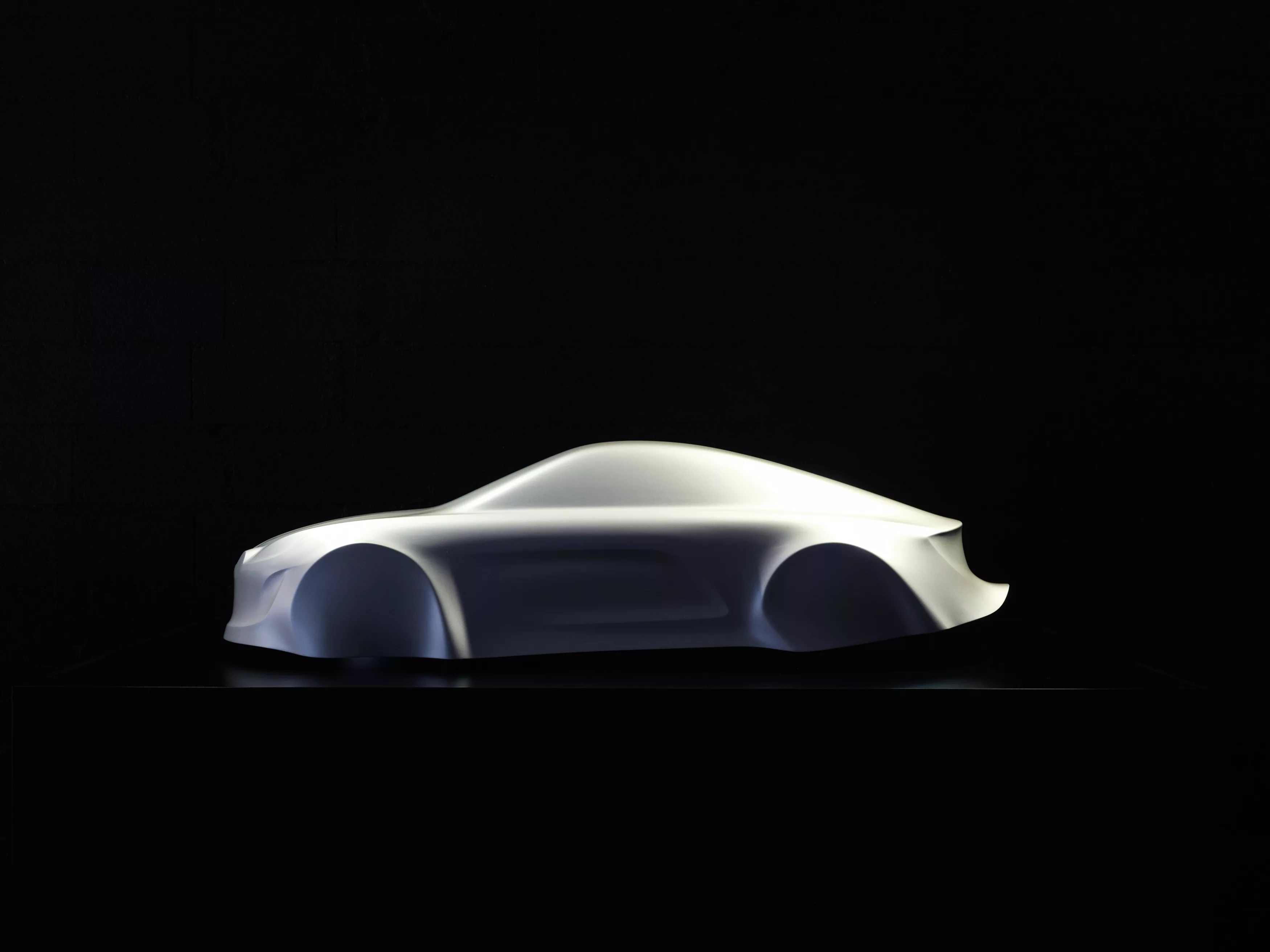
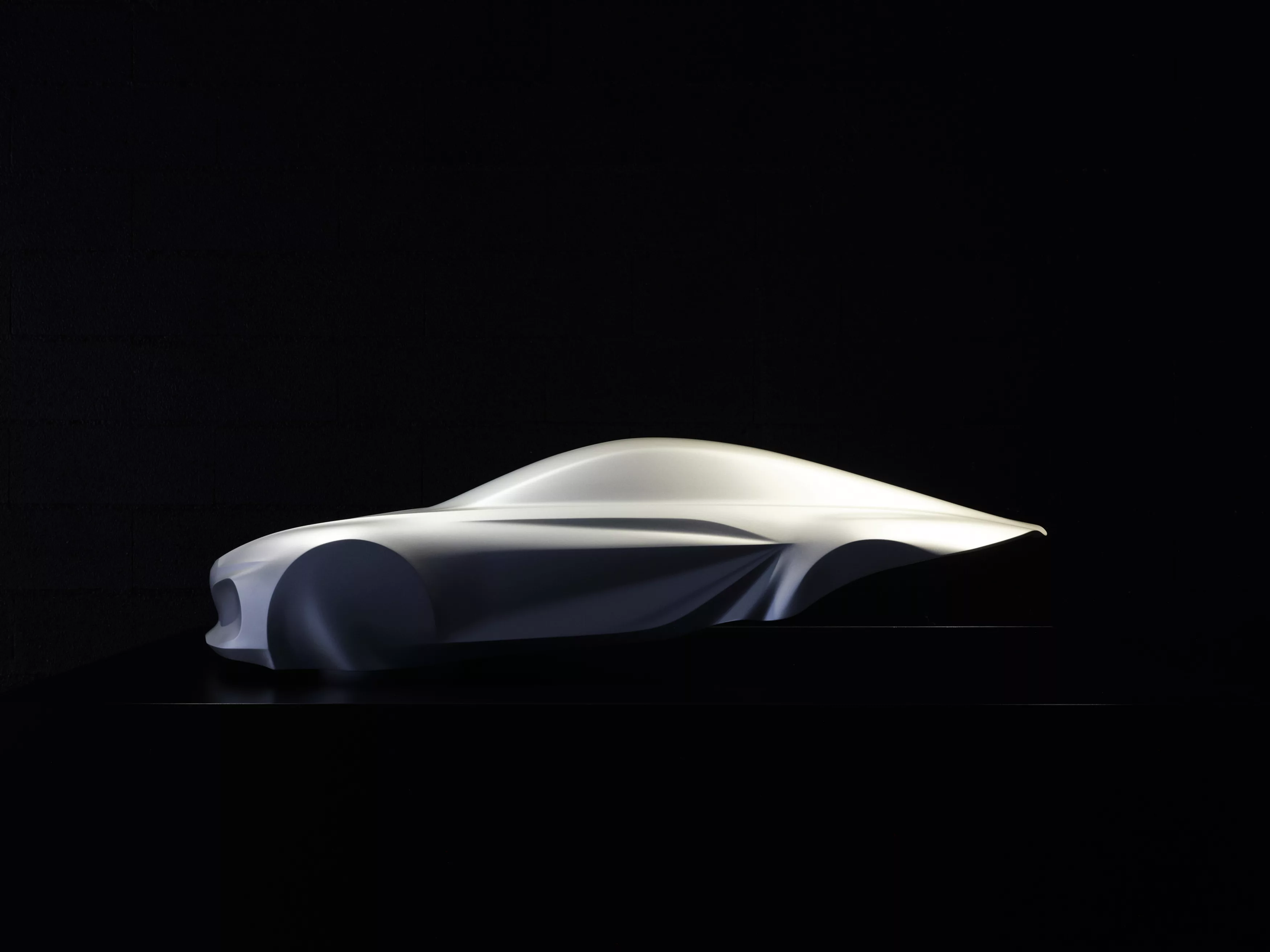
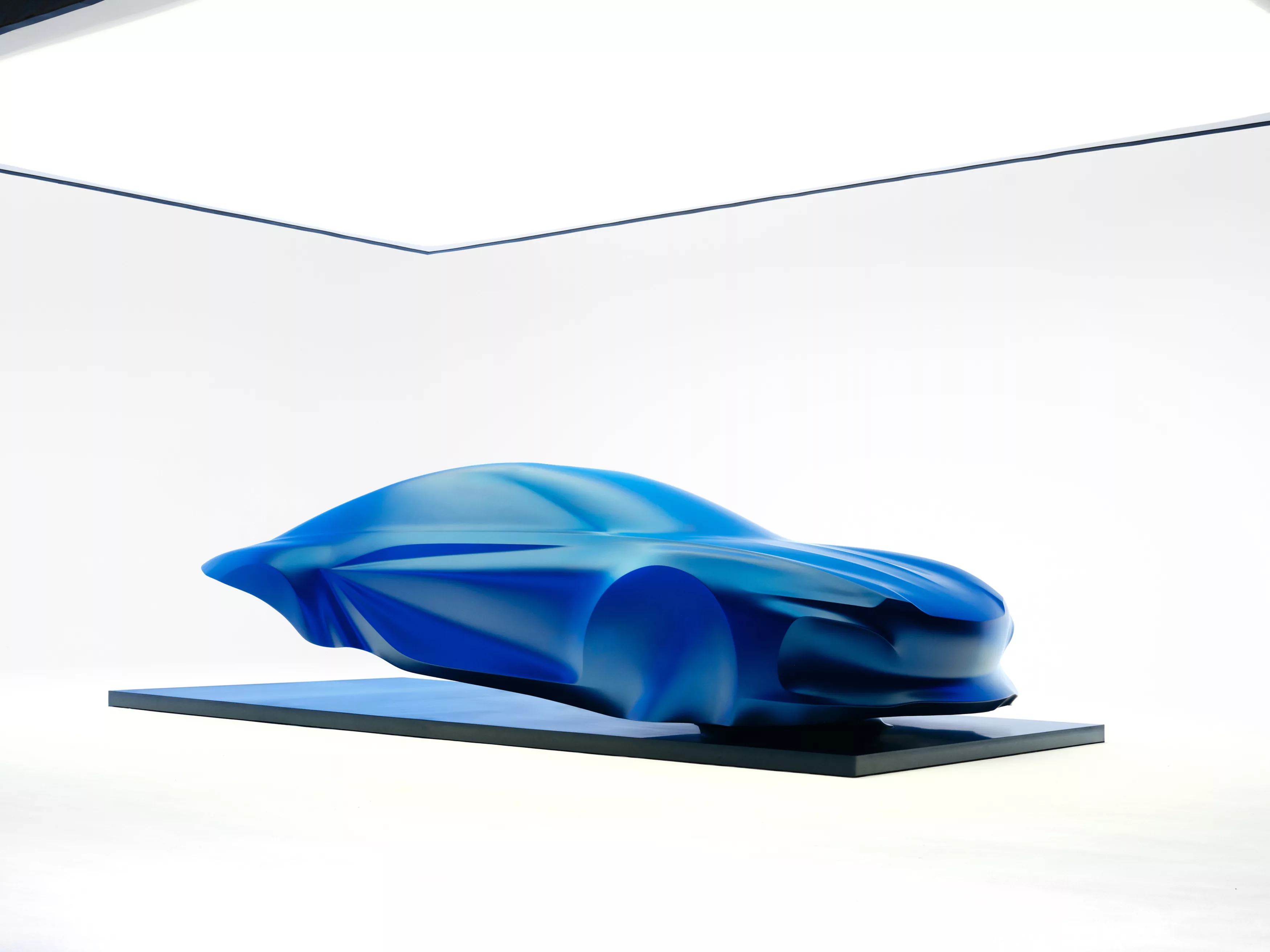
Alpine has shown the real proportions of the third-generation A110 for the first time. The full-size sculpture concealed beneath a blue veil is not yet the production car, but its shape, lighting signature and technical foundations are already fairly clear. The biggest change, naturally, lies in the powertrain: the next A110 will be an electric sports car with an 800-volt architecture and two rear electric motors.
On 28 September, Alpine released an official design preview that will also be shown at the Paris Motor Show in October. The production car will be fully unveiled later, expected in 2027.
The design remains recognisably A110, but the retro cues are more restrained
The sculpture reveals a V-shaped nose, a twin lighting signature, a low rear end, a teardrop-shaped cabin and more pronounced wheel arches than before. Alpine also drew inspiration from the Concorde supersonic aircraft, particularly its aerodynamics and taut surfaces.
The A110 FUTURE prototype that ran at Goodwood in July still wore a stretched version of the current A110 body. The new sculpture already shows the true direction of the next car and confirms that the model will grow, although Alpine is trying to retain the low seating position and classic A110 proportions.
This matters because the current A110's strength has never been outright power. The entry-level model produced 185 kW and 320 Nm, but weighed only 1,102 kg. The biggest technical challenge for its electric successor is therefore not power, but weight.
The battery will not be placed conventionally beneath the floor
To solve this problem, Alpine created the new APP, or Alpine Performance Platform. To retain a low car and low seating position, the manufacturer will not place the entire battery beneath the floor. The battery is split in two, with the front section carrying 25% and the rear 75% of the energy. The solution helps achieve an approximate 40:60 weight distribution between the front and rear axles.
The 800-volt system uses a cell-to-pack solution and an aluminium battery enclosure that also forms part of the load-bearing structure. Two separate electric motors with silicon-carbide inverters are mounted at the rear axle. The motors rev to up to 21,500 rpm, while Alpine Active Torque Vectoring 2.0 can control traction at each rear wheel independently.
For a sports car, this is a far more meaningful solution than simply a huge power figure. The purpose of the two rear motors is to make the car controllable on the throttle and preserve the A110's existing nimble character.
French publication L'Argus has previously reported a battery of around 70 kWh, output of nearly 353 kW and a weight of about 1,400 kg, but Alpine has not officially confirmed those figures. If the 1,400 kg target proves accurate, weight would rise by around 300 kg compared with the current entry-level model.
Europe's sports-car battle goes electric
The A110's most obvious European rival will be the next Porsche 718. Porsche confirmed in August that development of the electric 718 is continuing, and recent prototypes likewise indicate that a production-ready car is approaching. The task facing both manufacturers is essentially the same: to build an electric sports car that does not feel like a two-tonne battery pack through a corner.
At least technically, Alpine's approach is convincing. Separate battery packs, two rear motors and an aluminium architecture are not cosmetic additions intended to turn a conventional electric car into a sports coupe; the platform was created from the outset for a low-slung sports car.
The all-electric A110 remains the main direction for now. However, Alpine chief Philippe Krief has confirmed that the APP can also accommodate an internal-combustion engine, gearbox and fuel tank. That leaves the door open to a future hybrid or petrol version, but no production decision has been made.


