
Ford keeps next Ranger development in Australia
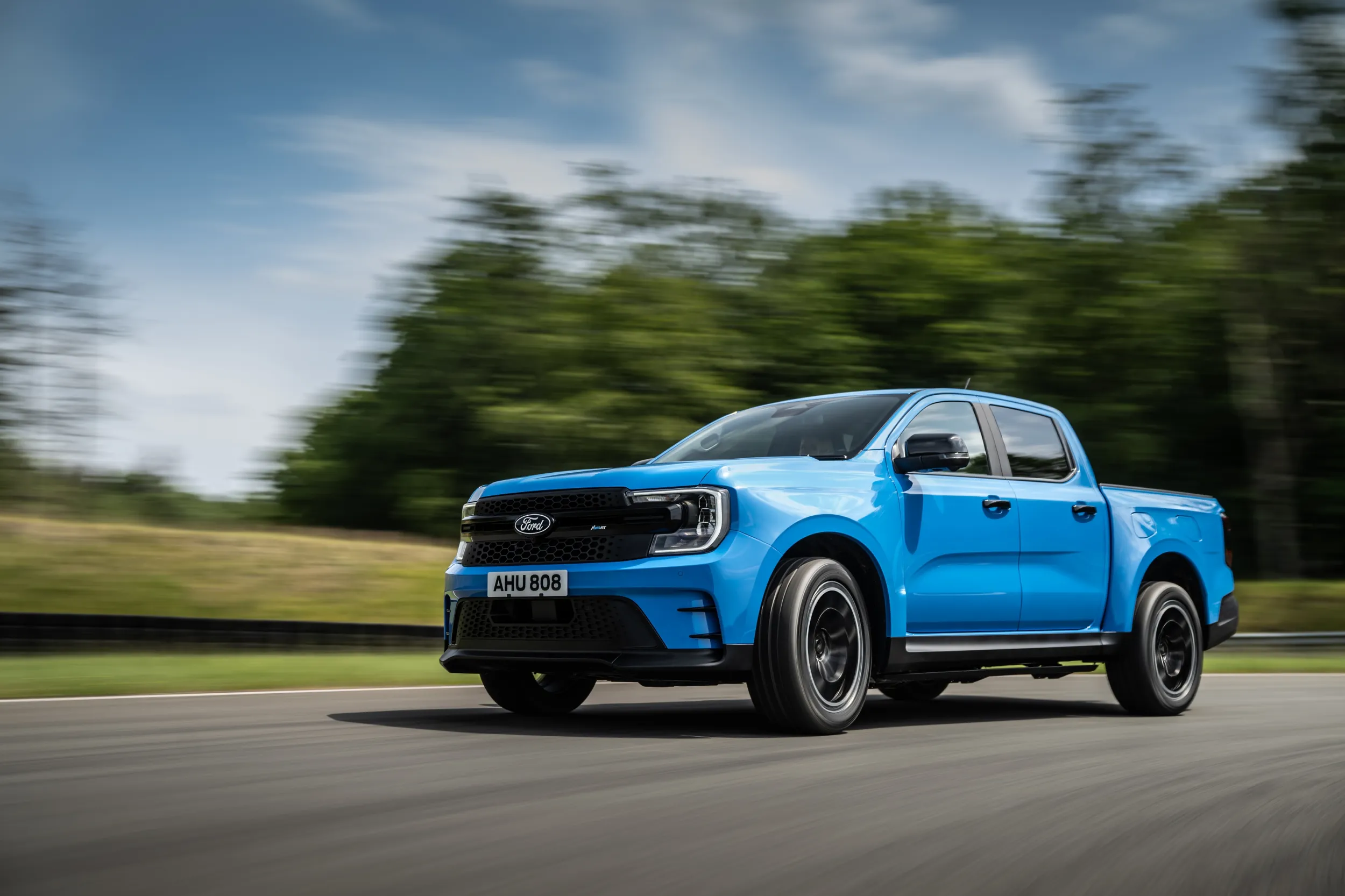
Ford has begun developing the next-generation Ranger in Australia, where the current pickup was also developed. The new model is expected towards the end of the decade, and its most important task will be electrification, as the Ranger must retain its working-vehicle capability while meeting increasingly stringent emissions requirements.
According to Australian publication Drive, Ford’s local team of around 1,500 engineers is working on the next Ranger. Ford Australia chief Fadi Mawal confirmed that Australia plans to continue leading development of both the Ranger and the related Everest.
Australia’s role is no coincidence
Ford Australia’s product development centre also led development of the current Ranger. Its engineers adapted the vehicle to the needs of more than 180 markets, and the same T6 architecture is used by the Ranger, Ford Everest and Volkswagen Amarok. Ford describes Australia as its centre of expertise for the global Ranger programme.
The future of Ford’s Australian development operation is not completely set in stone, however. Ford chief executive Jim Farley has described the country as very expensive for engineering work, and the company is negotiating with the local government to make continued development activity economically viable.
In the Ranger’s case, development cannot simply be moved to a cheaper country. The Australian team understands pickup usage patterns, towing, demanding off-road conditions and sustained loads better than most of Ford’s other centres. The result can also be seen in the Ranger Super Duty, which Ford developed specifically to meet the requirements of local commercial customers.
The next Ranger must become more electric
Ford has not yet disclosed the technology for the next generation. A fully electric version, a conventional hybrid and electrified diesel are currently matters of speculation rather than part of a confirmed model plan.
The direction is nevertheless clear. The current Ranger is already available in Europe as a plug-in hybrid, combining a 2.3-litre petrol engine, a 75 kW electric motor and a battery with 11.8 kWh of usable capacity. The system produces 207 kW and 697 Nm, has an electric WLTP range of up to 43 kilometres, and retains a permitted braked trailer mass of 3,500 kilograms.
The next generation will have to go considerably further. Toyota has already electrified the Hilux, while Chinese manufacturers are bringing increasingly powerful plug-in hybrid and electric pickups to market. The Ranger cannot rely on diesel alone at the end of the decade.
European market leadership is at stake
The Ranger is not a niche model in Europe either. Ford sold 60,400 Rangers in Europe in 2024, achieving a 43.6% share of the pickup segment. In 2025, its share grew to more than 47%, and the Ranger ended the year as Europe’s best-selling pickup for the eleventh consecutive year.
The new generation must therefore do something more difficult than simply give the current Ranger a fresh front end. Ford must retain towing capability, payload capacity and off-road ability while reducing fuel consumption and CO₂ emissions.
If the Australian team can strike that balance again, the next Ranger’s birthplace will not simply be a matter of historical tradition. For Ford, it is one of the few locations where the expertise needed to develop a global work vehicle already exists.


