
Volkswagen drops ID.4 and ID.5 names for electric ID. Tiguan
 1/60
1/60
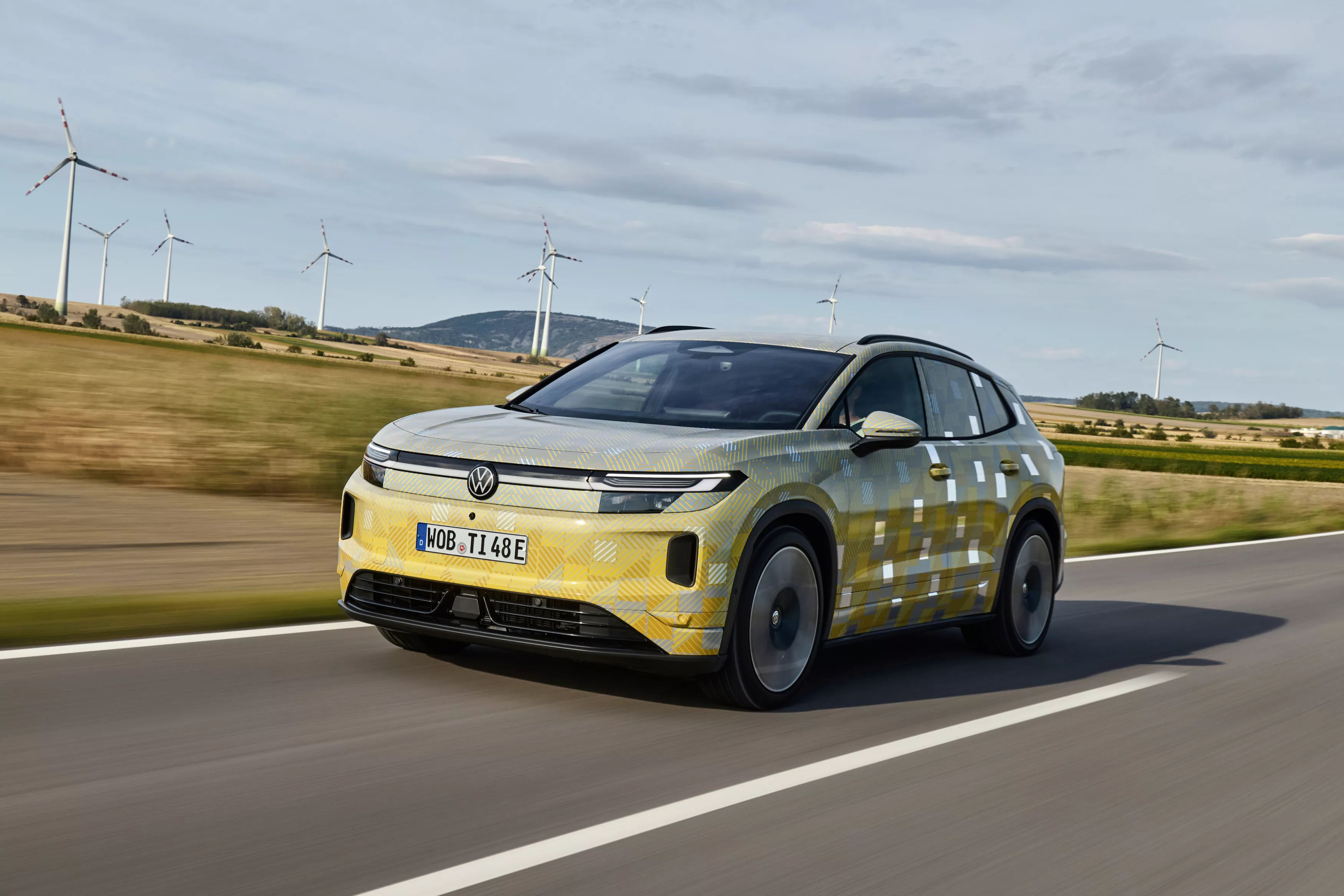
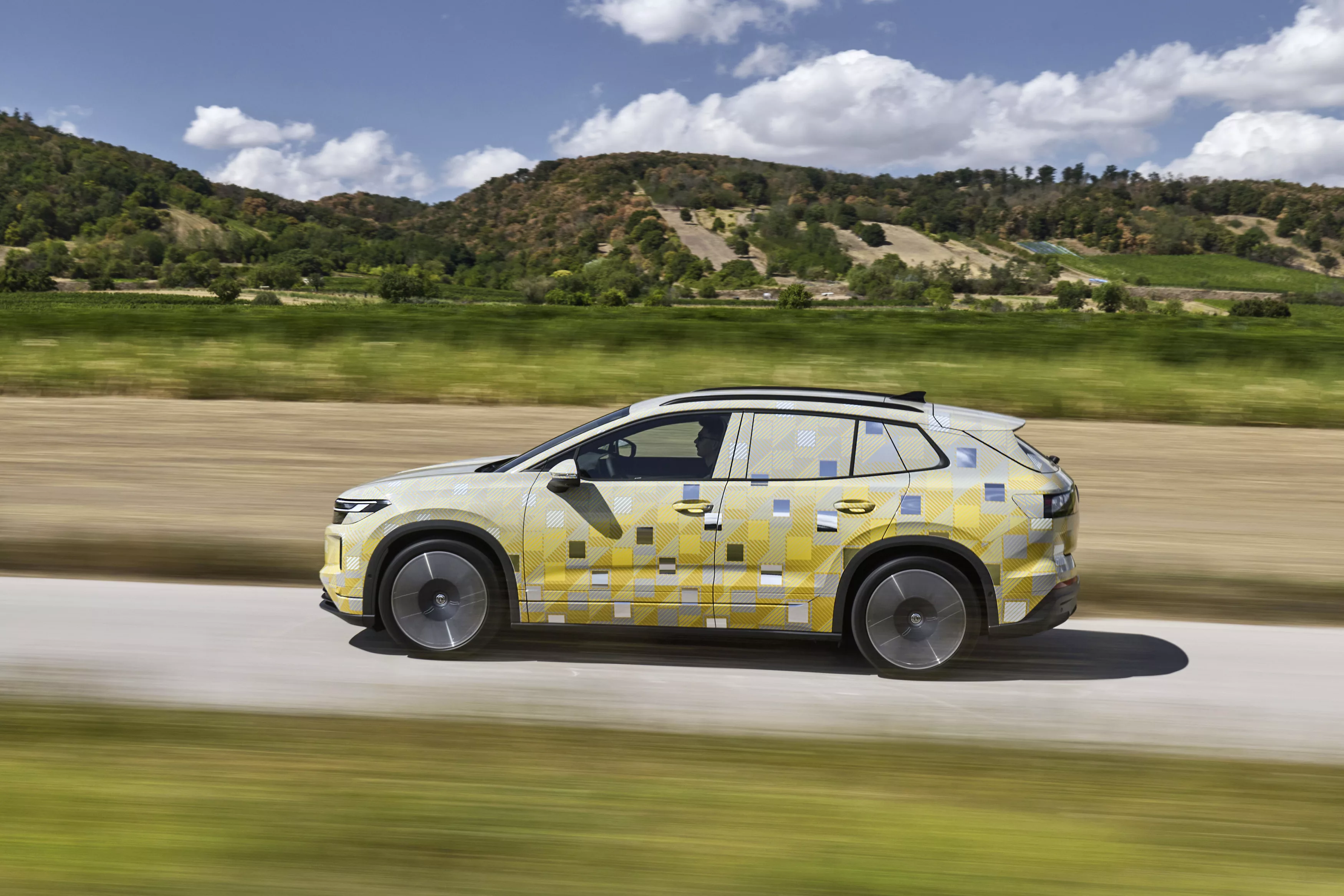
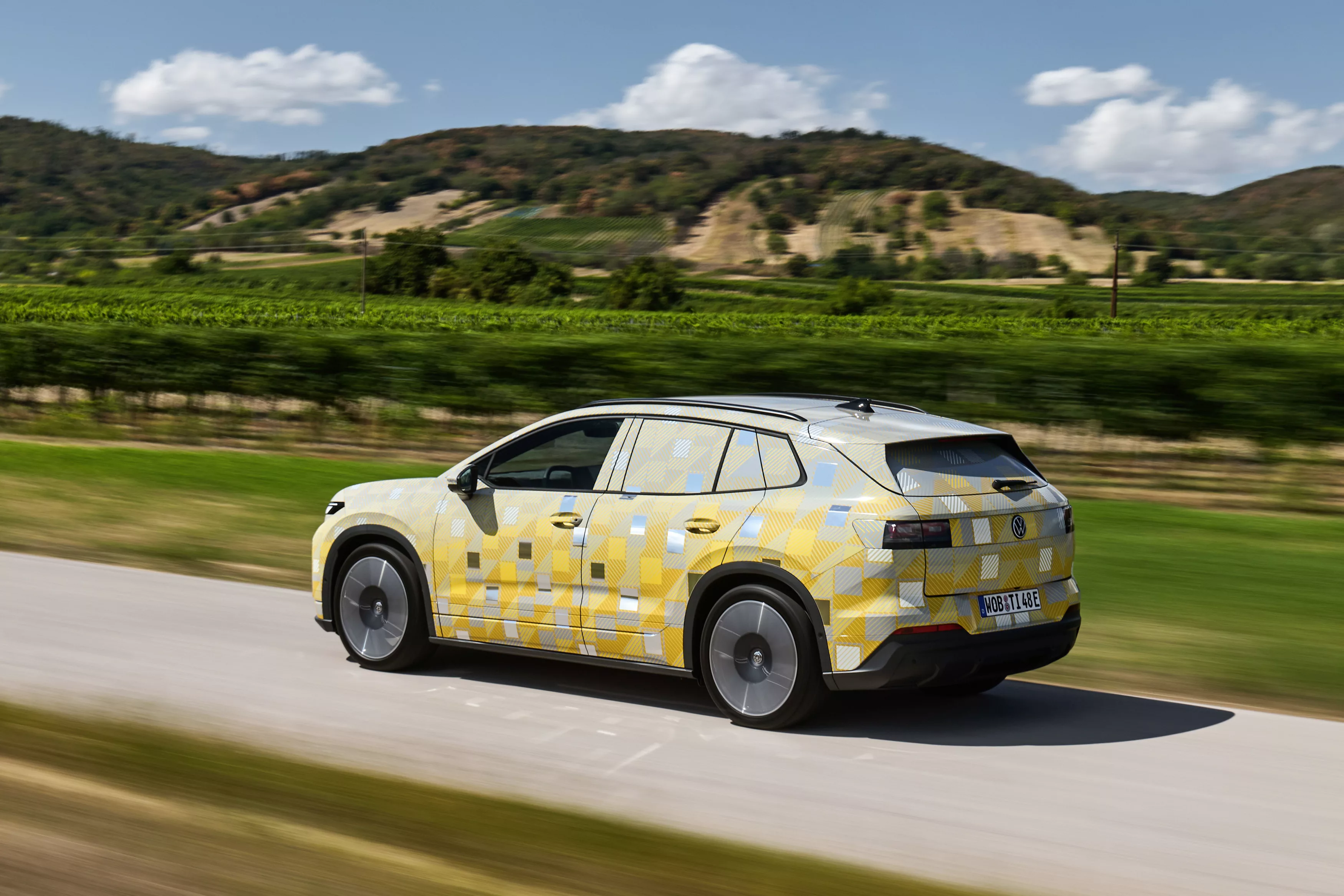
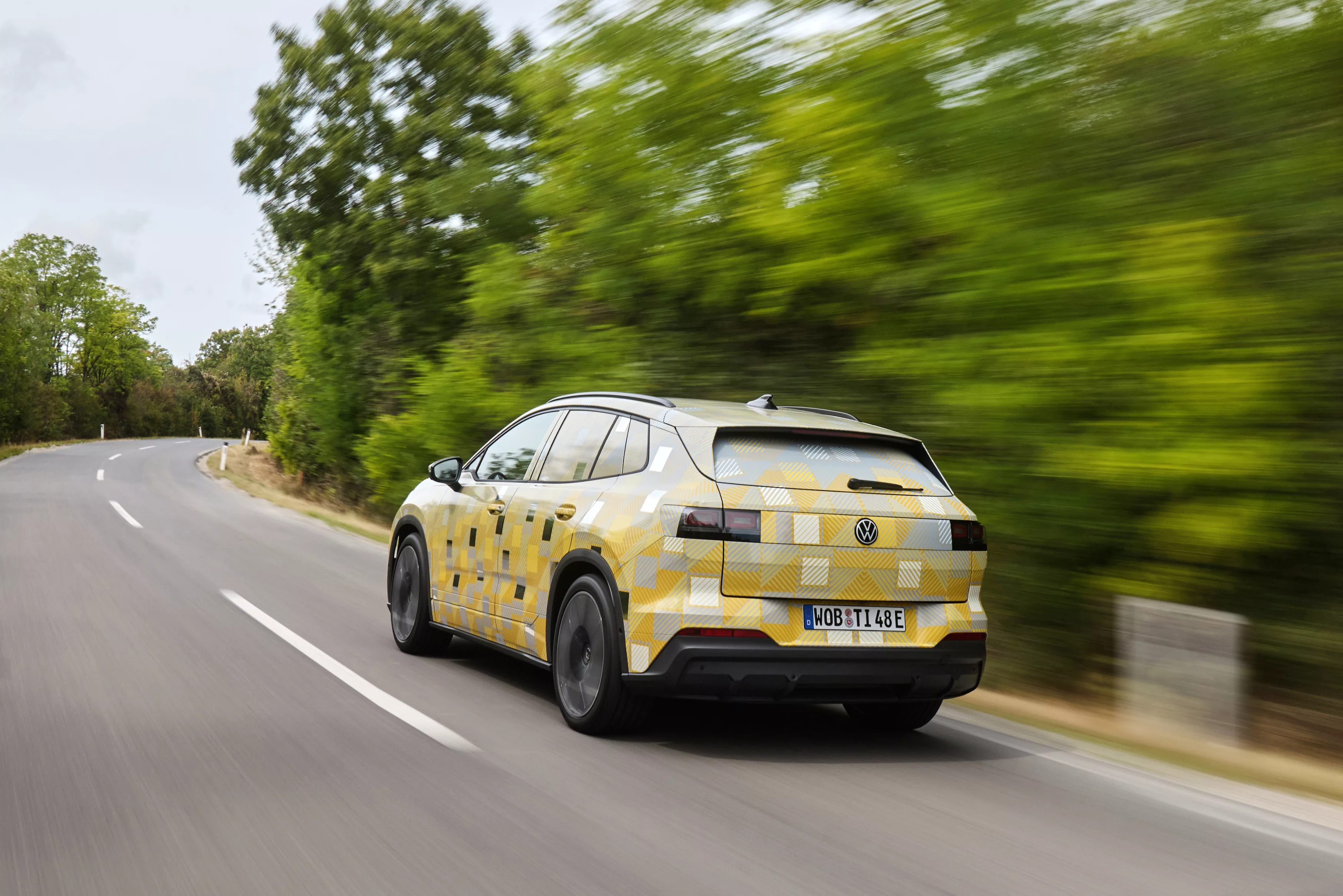
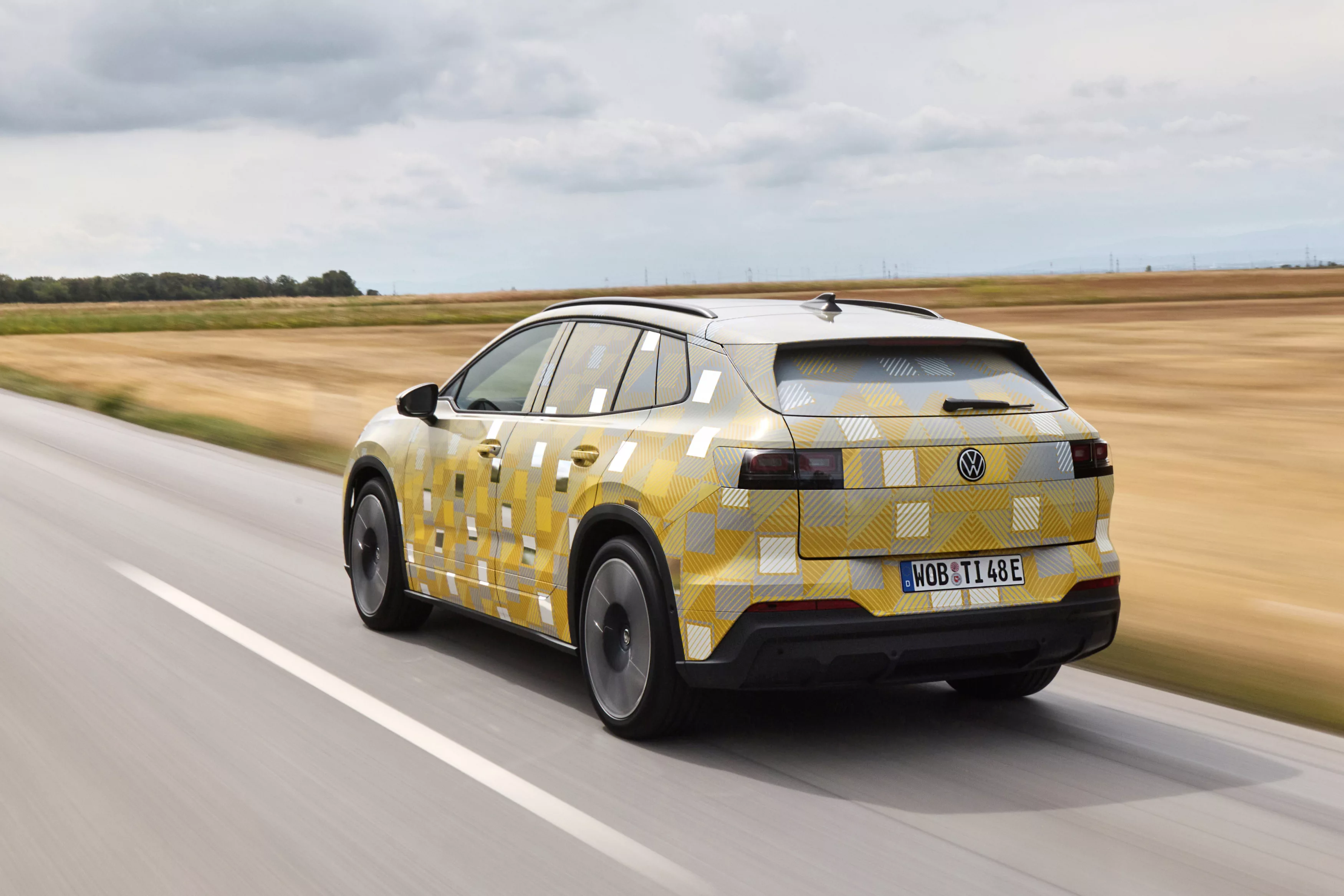
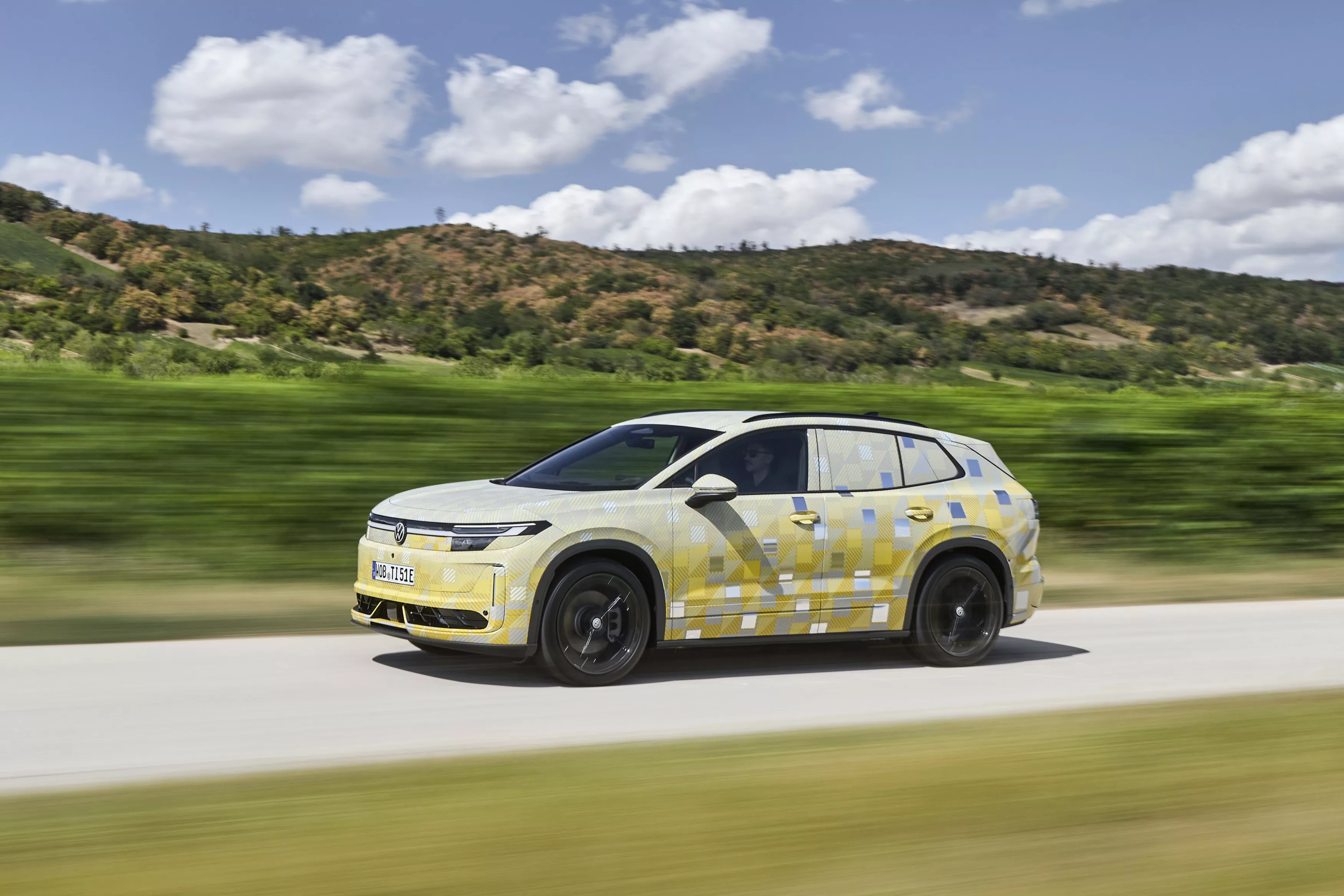
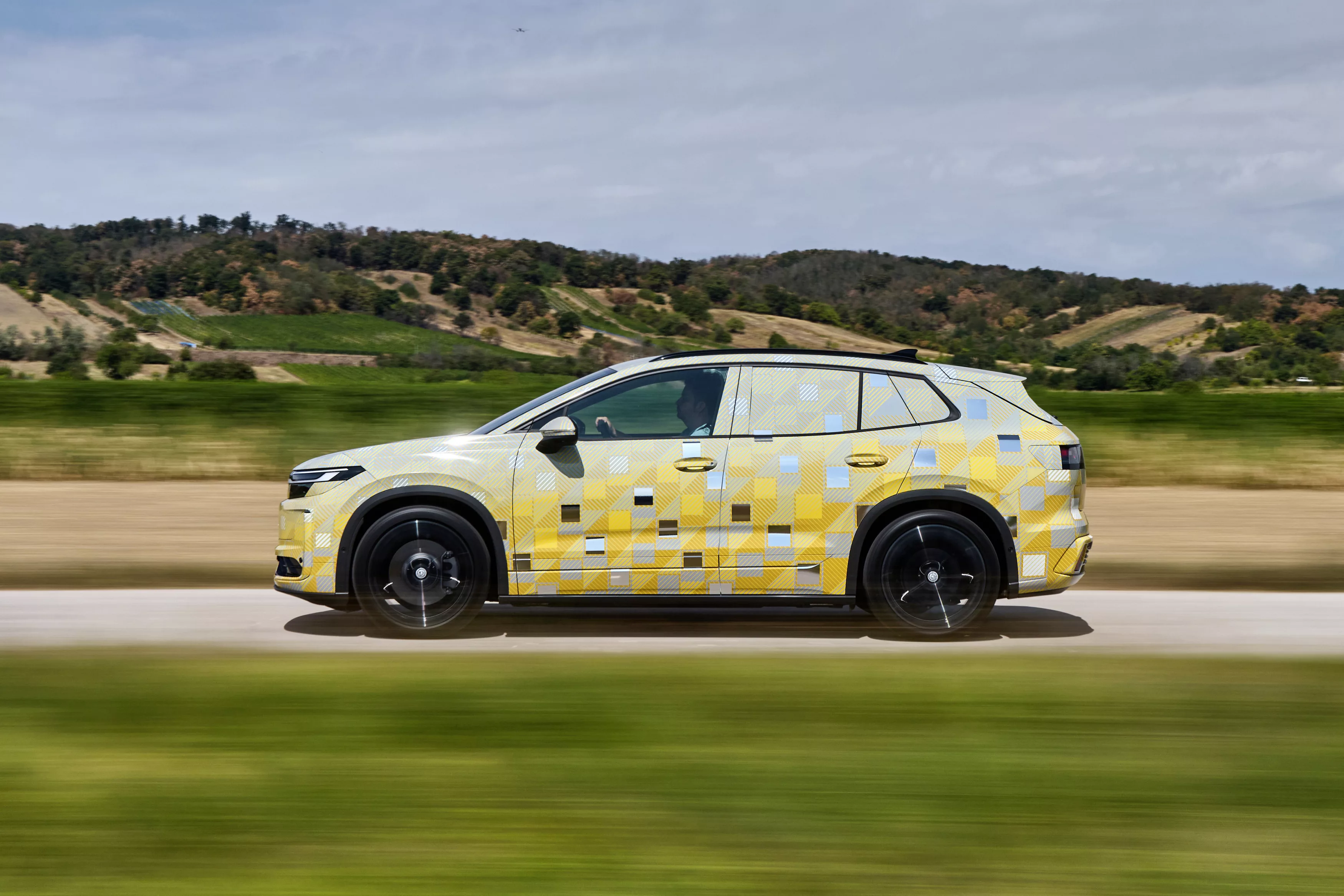
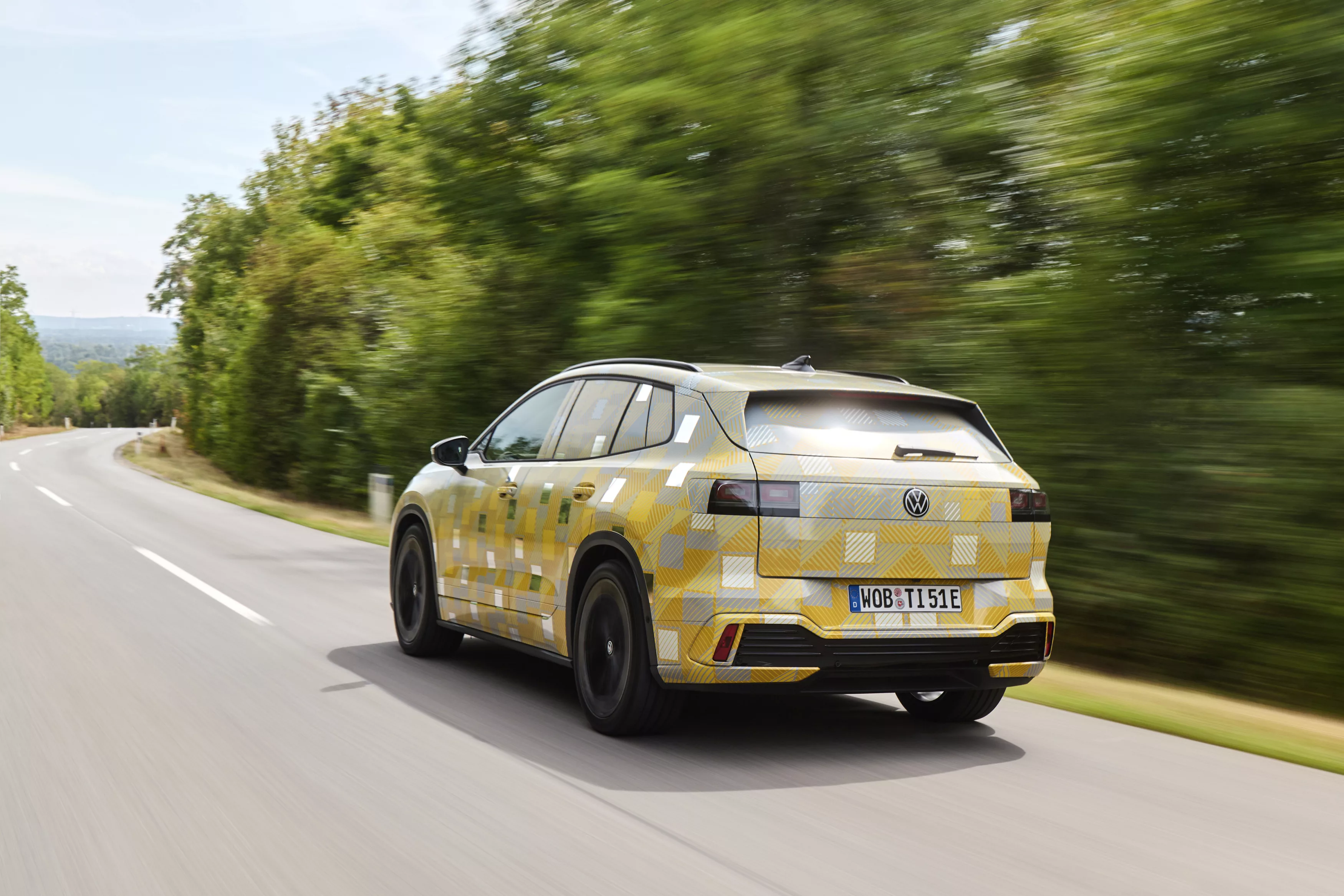
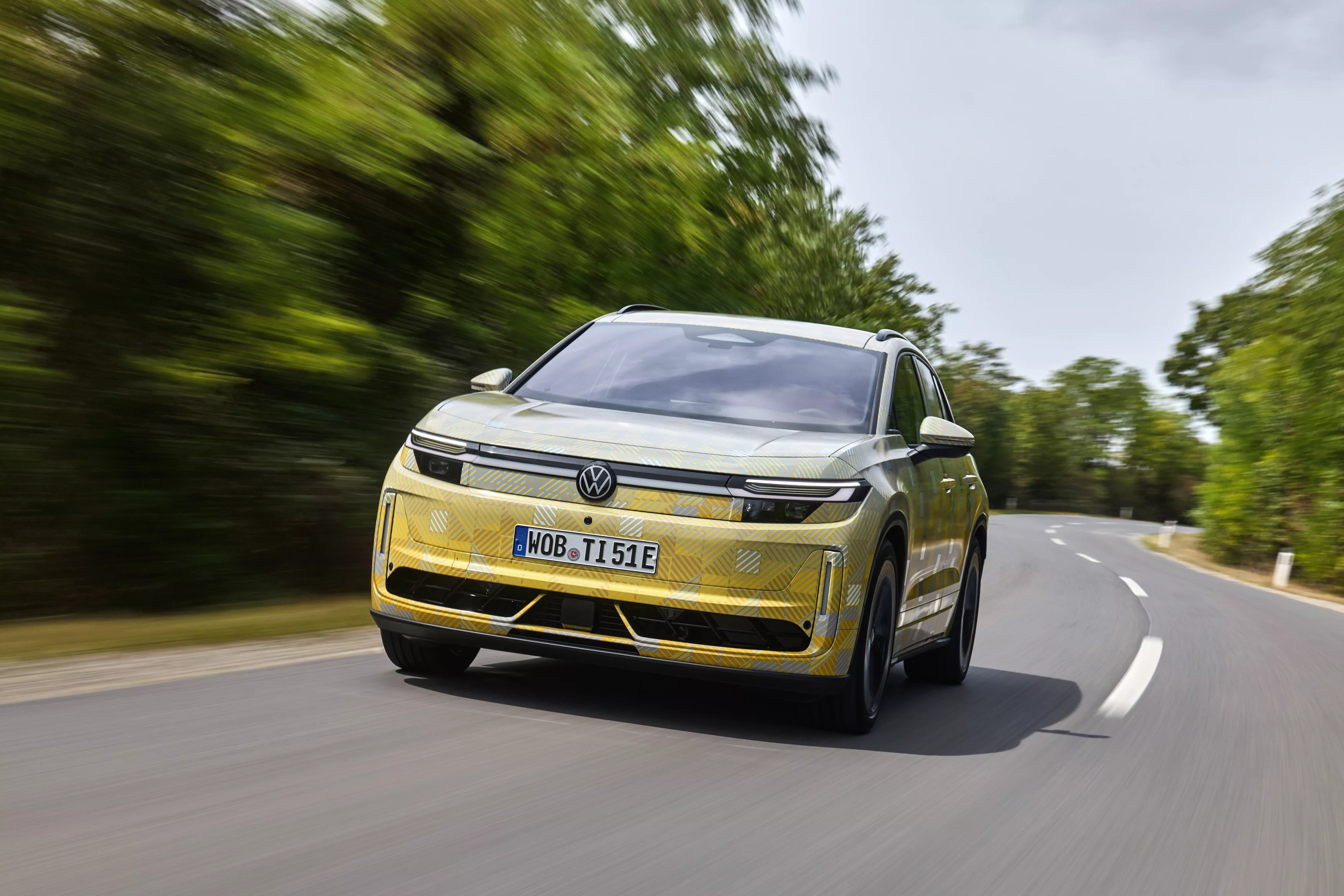
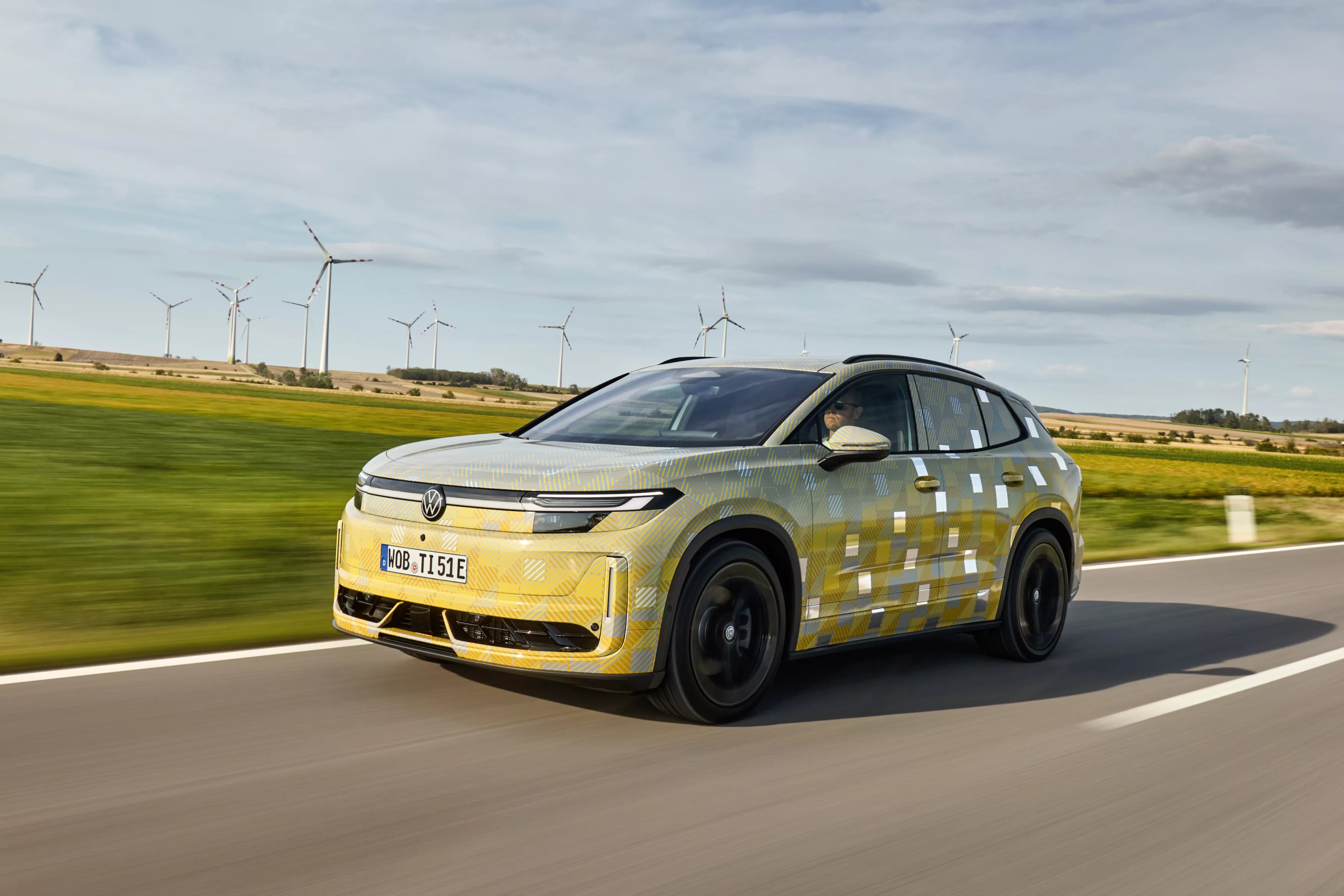
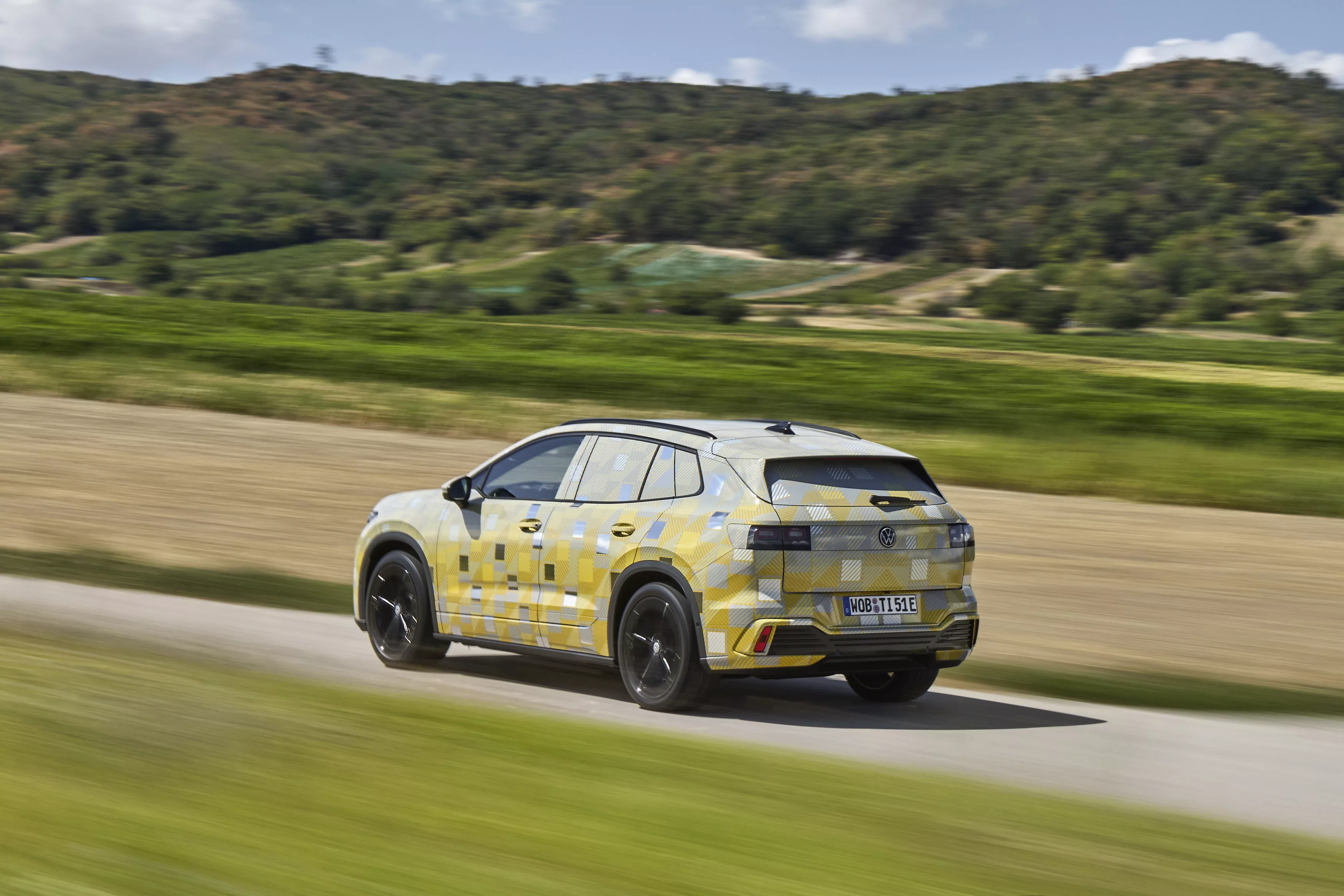
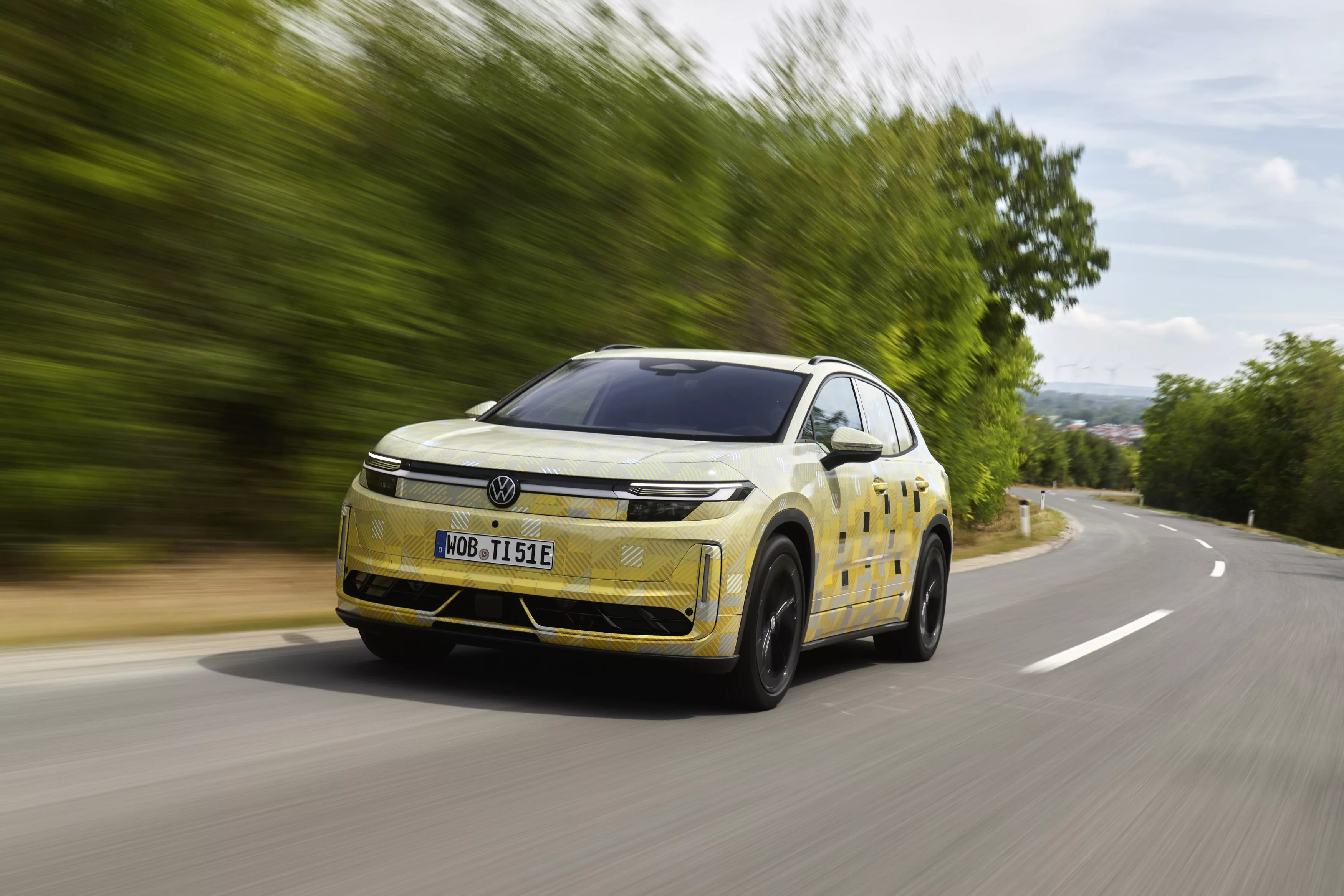
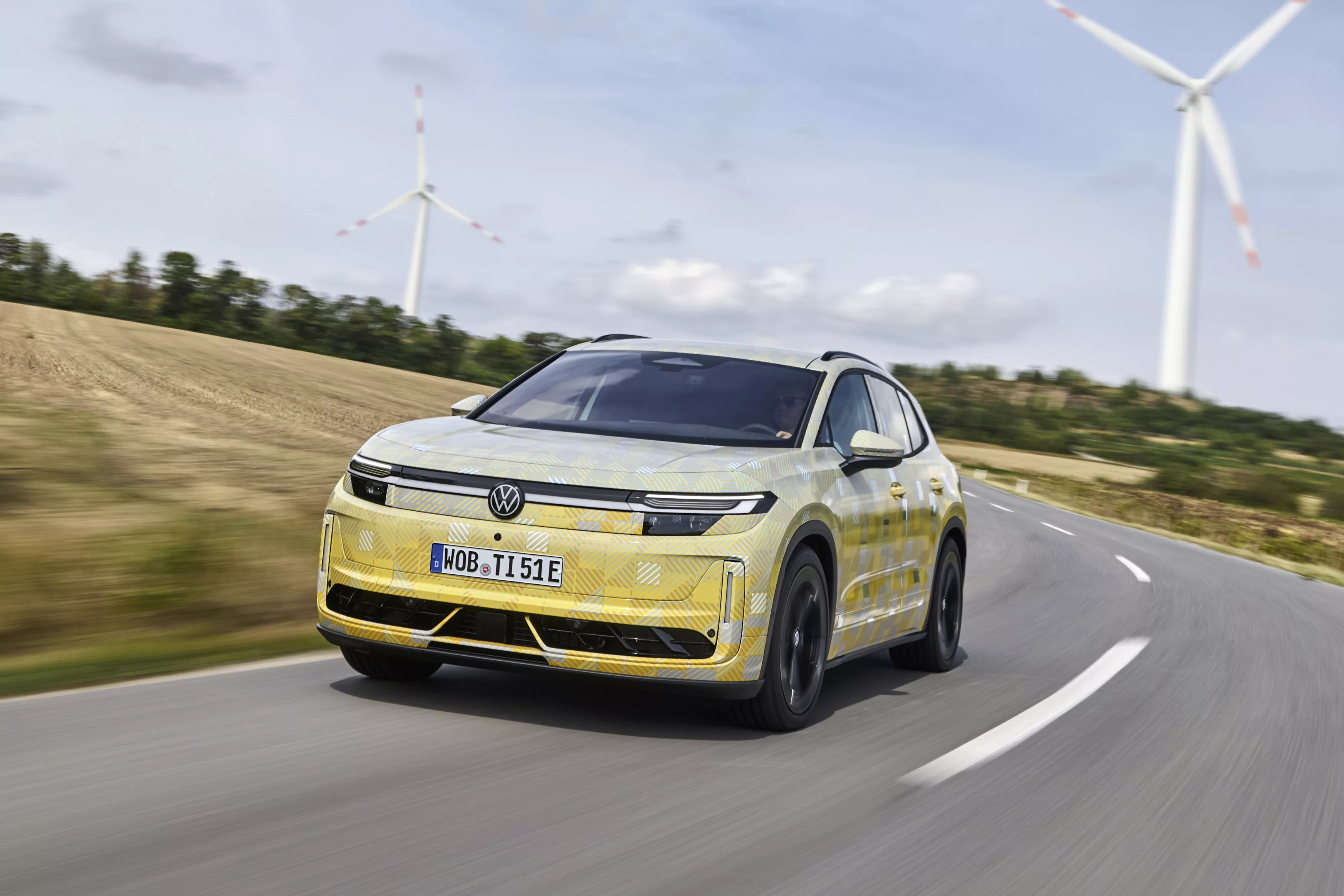
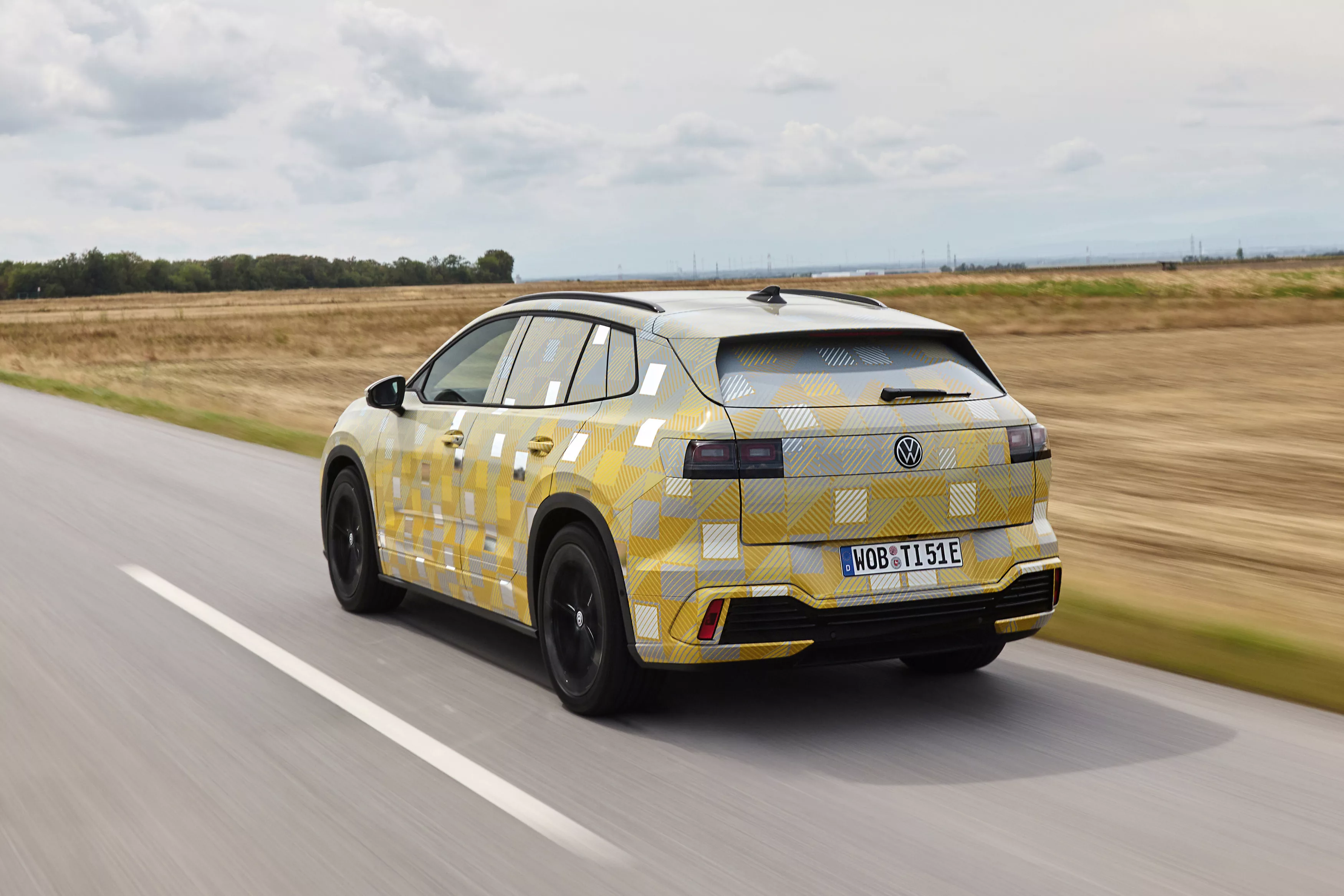
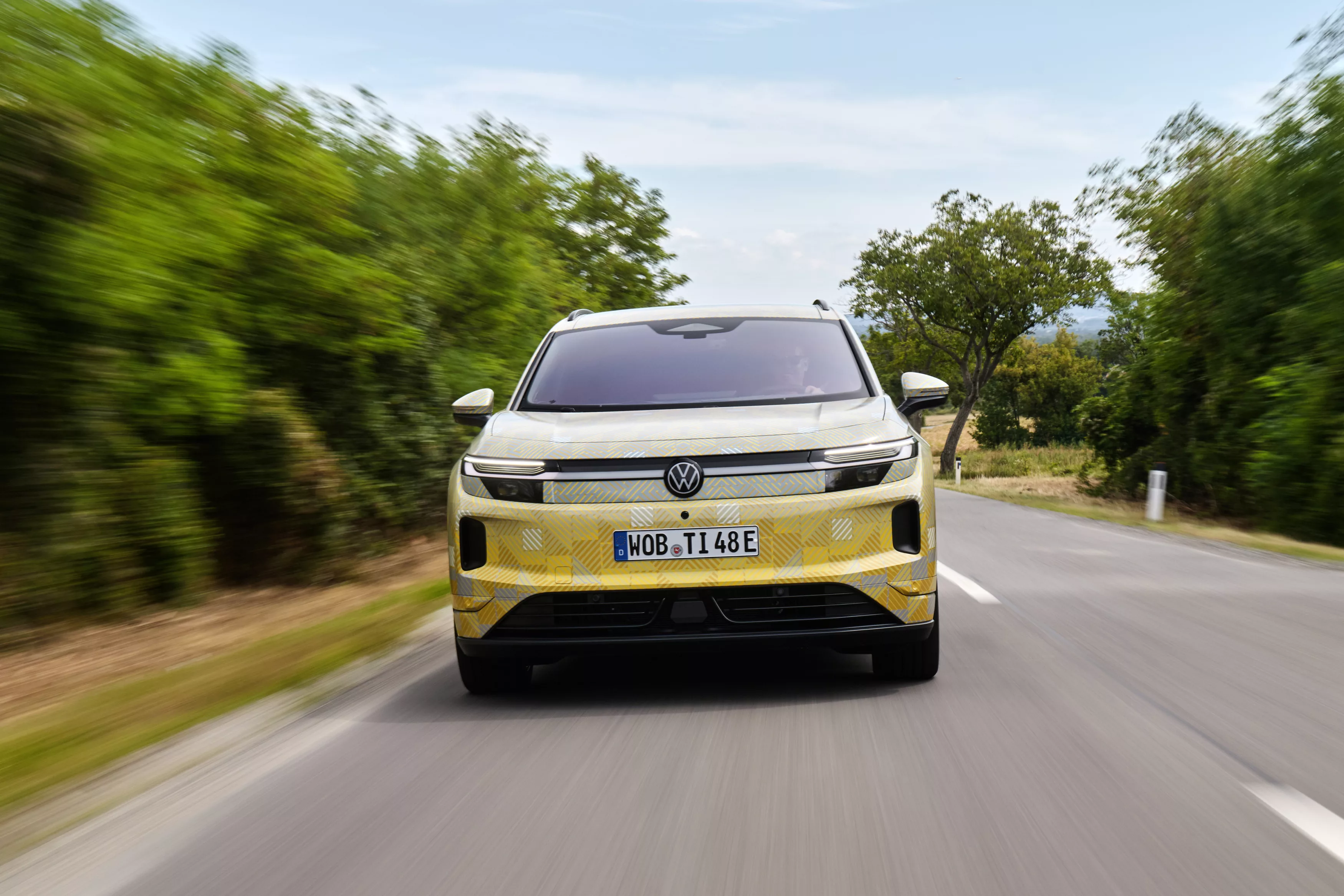
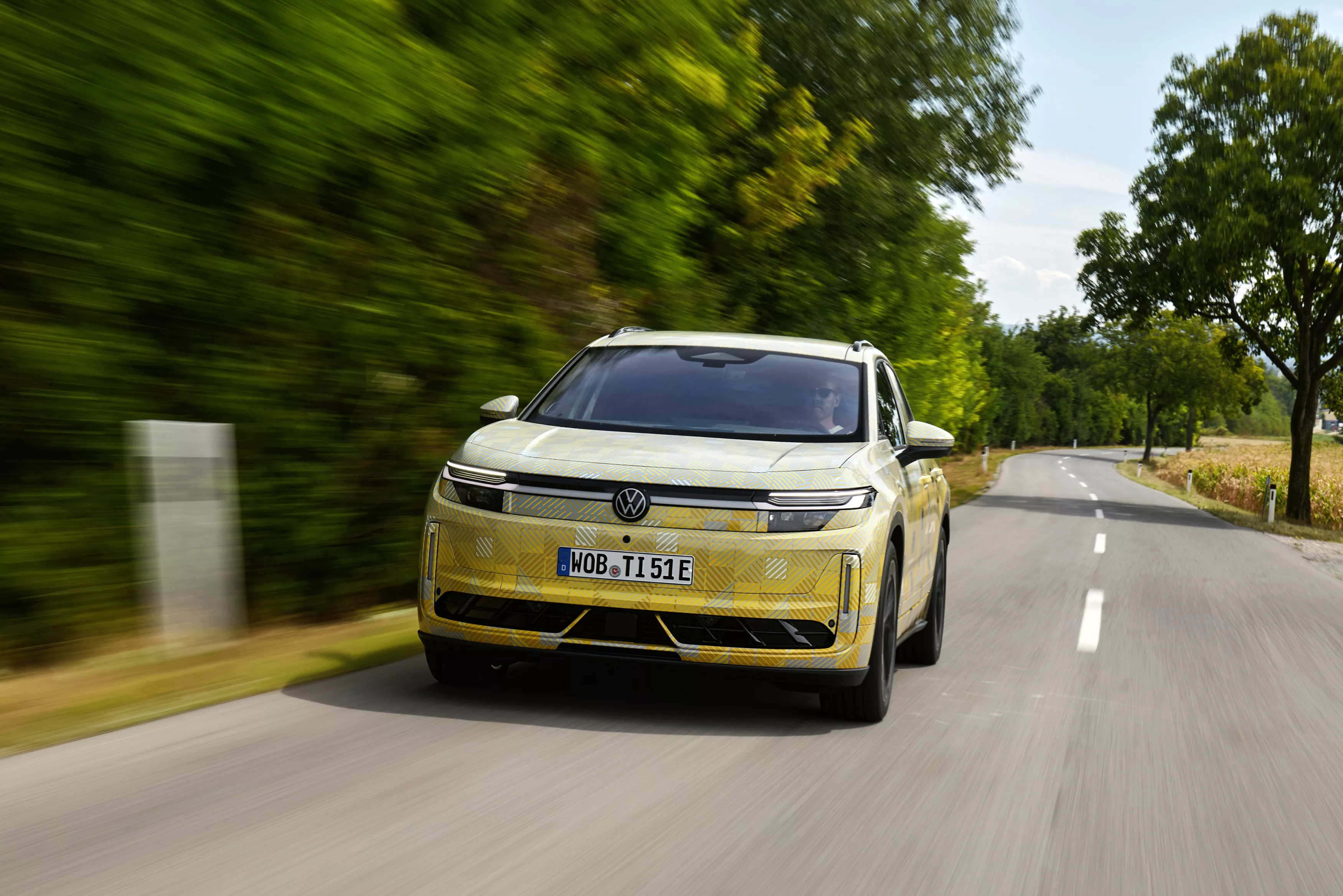
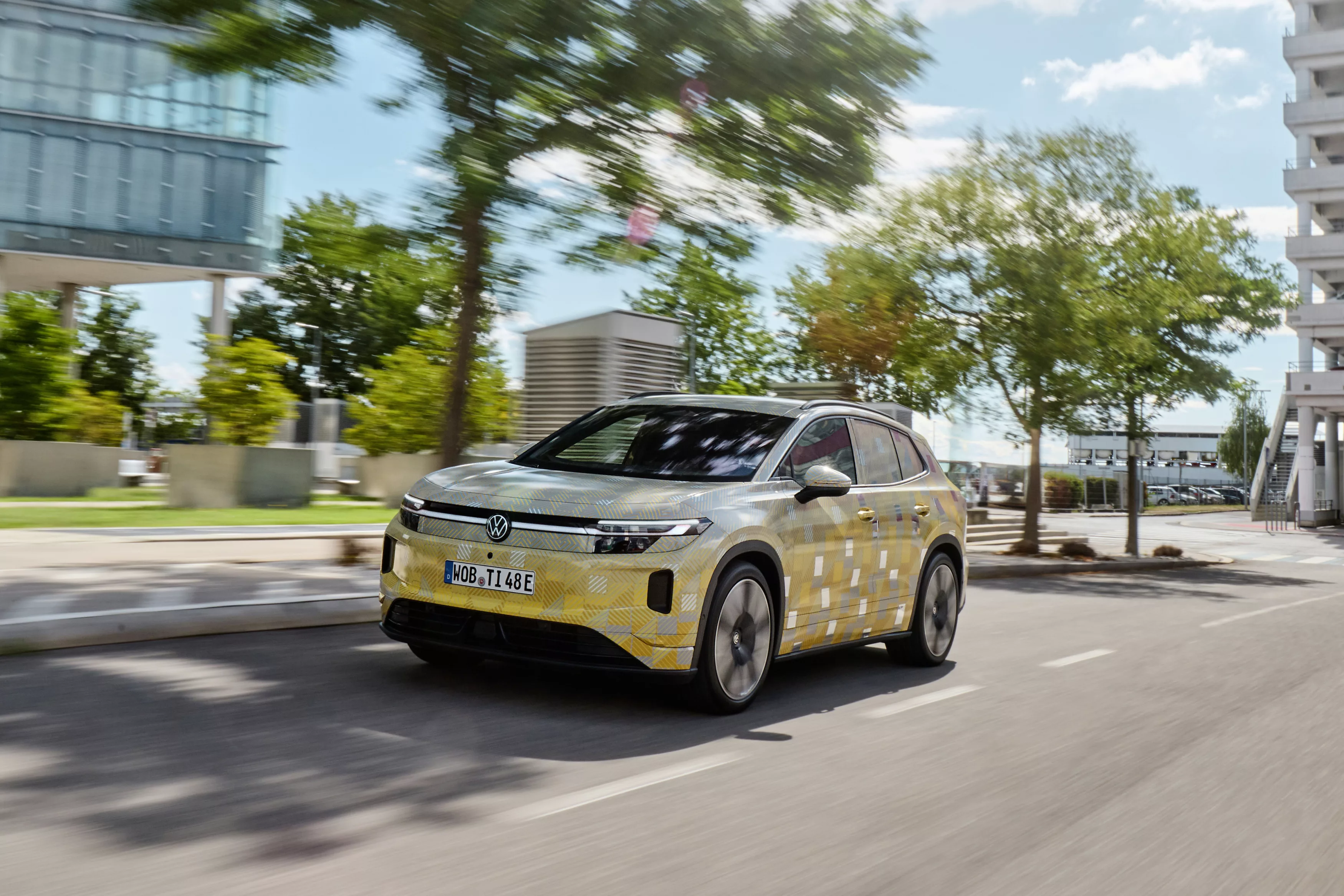
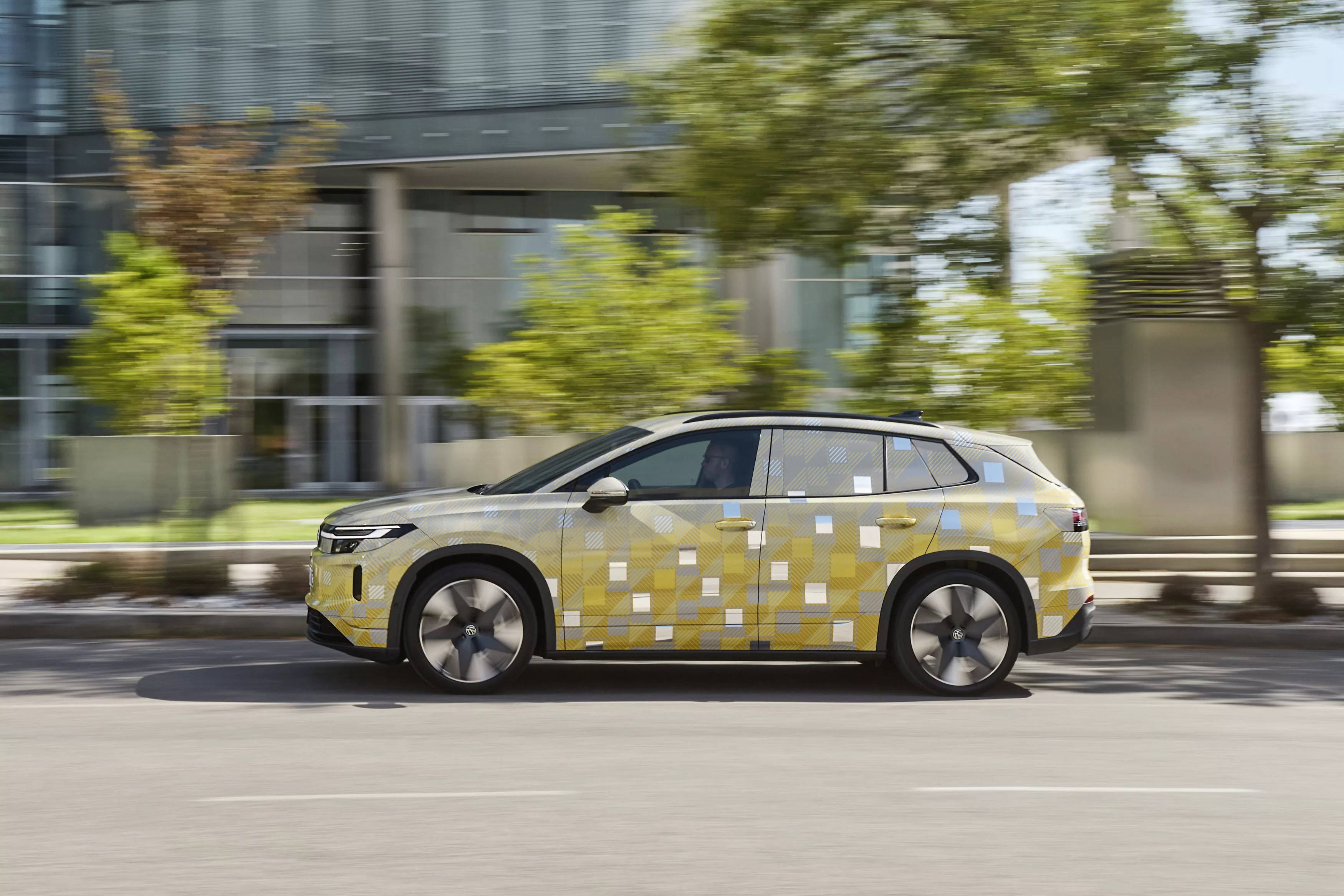
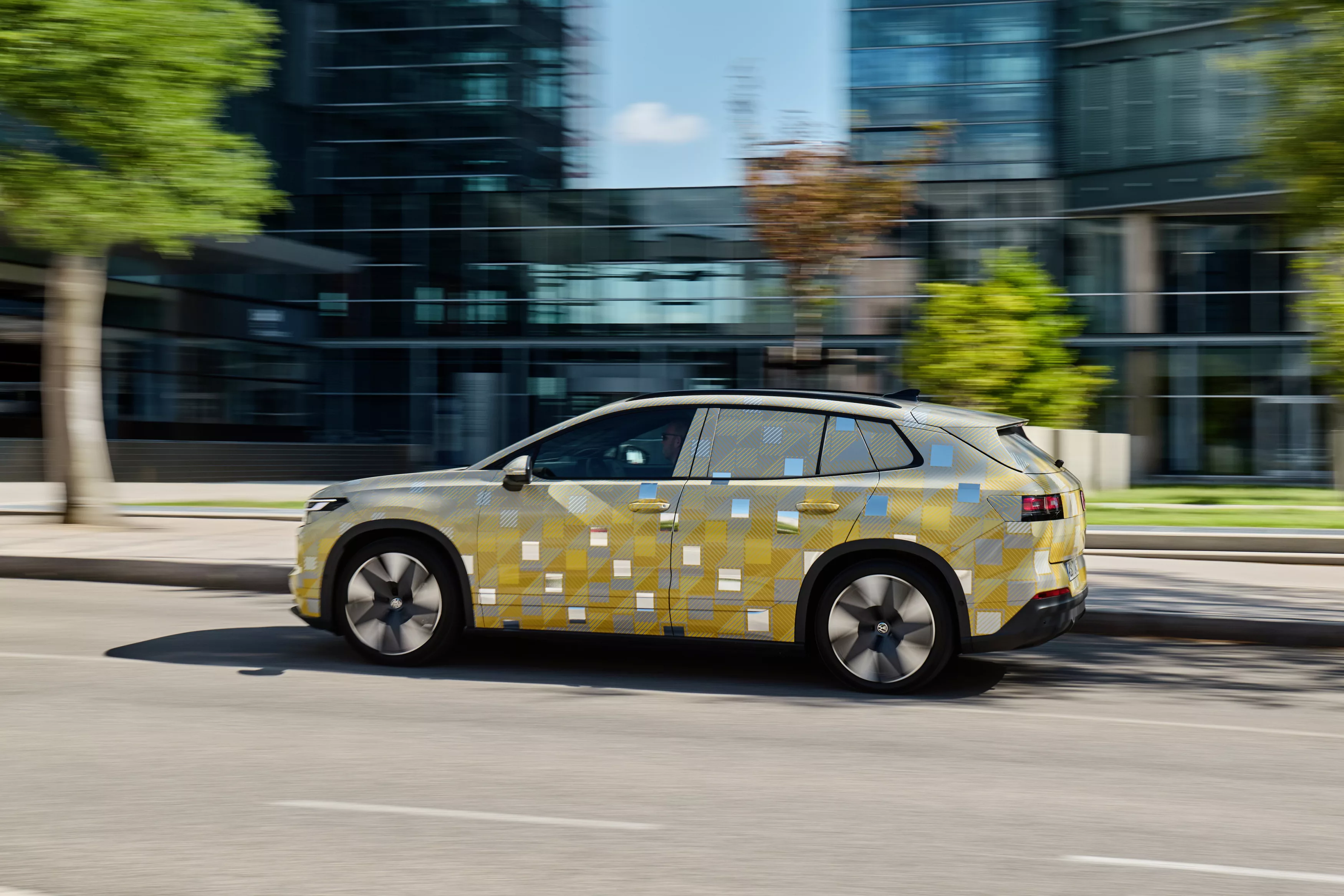
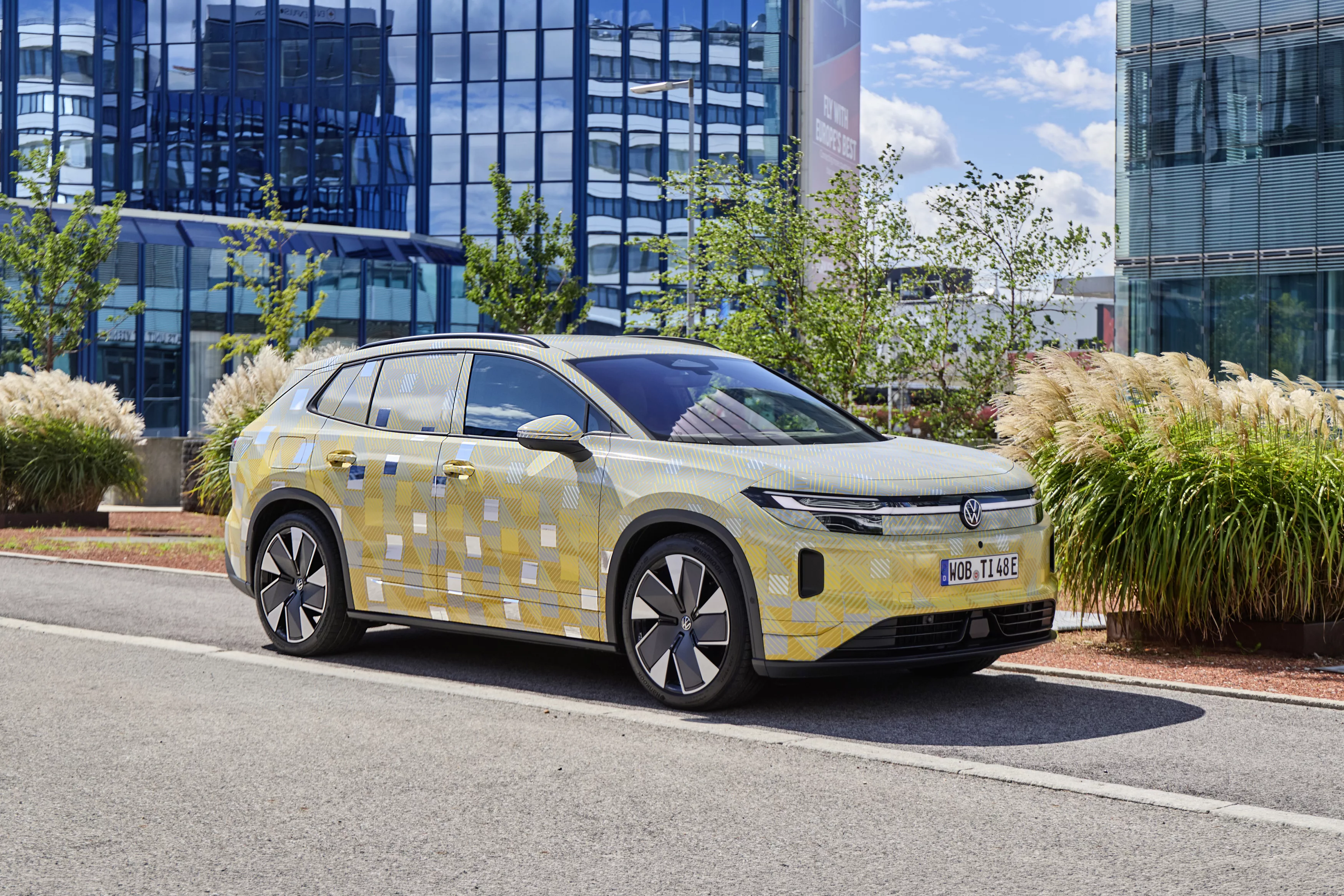
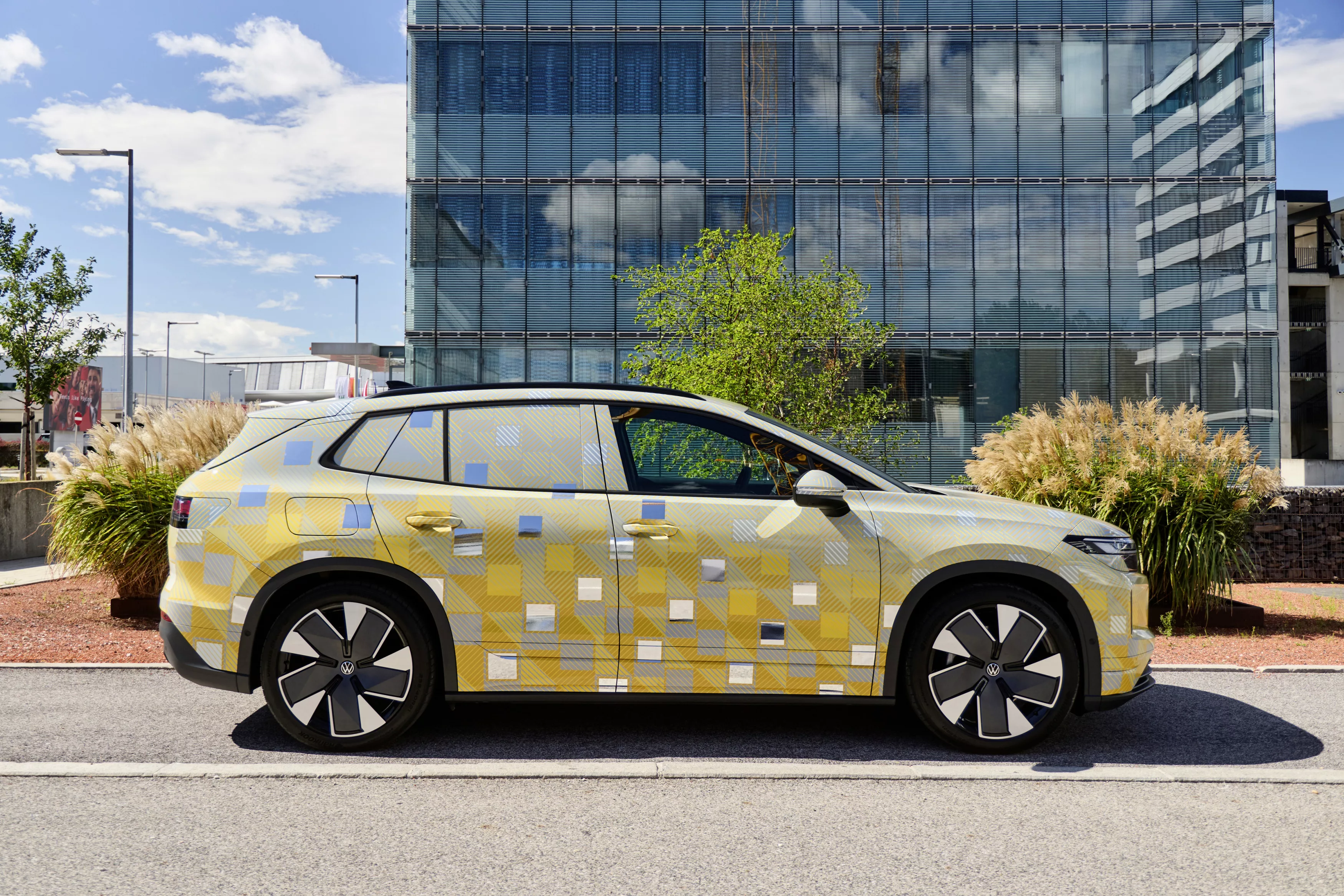
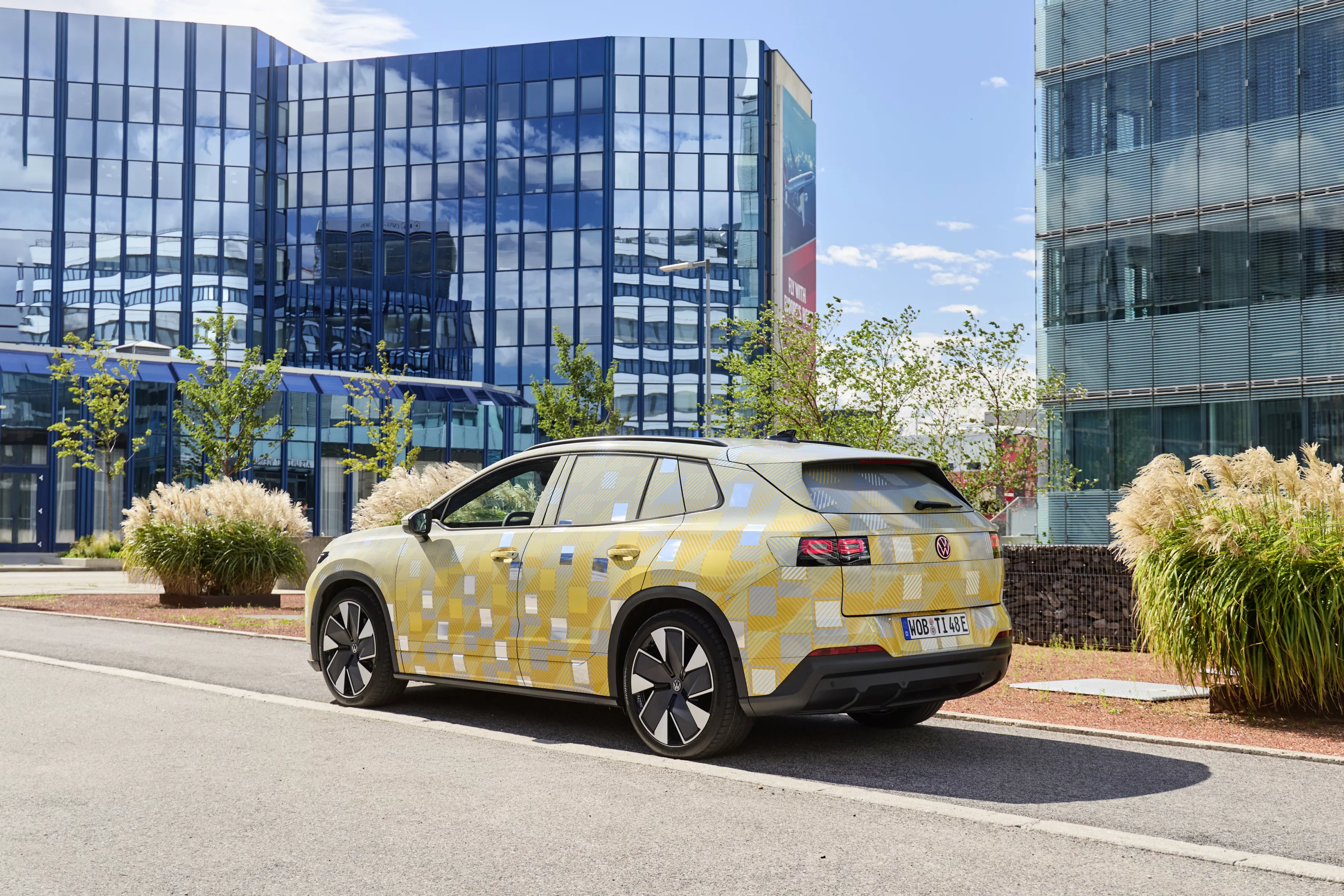
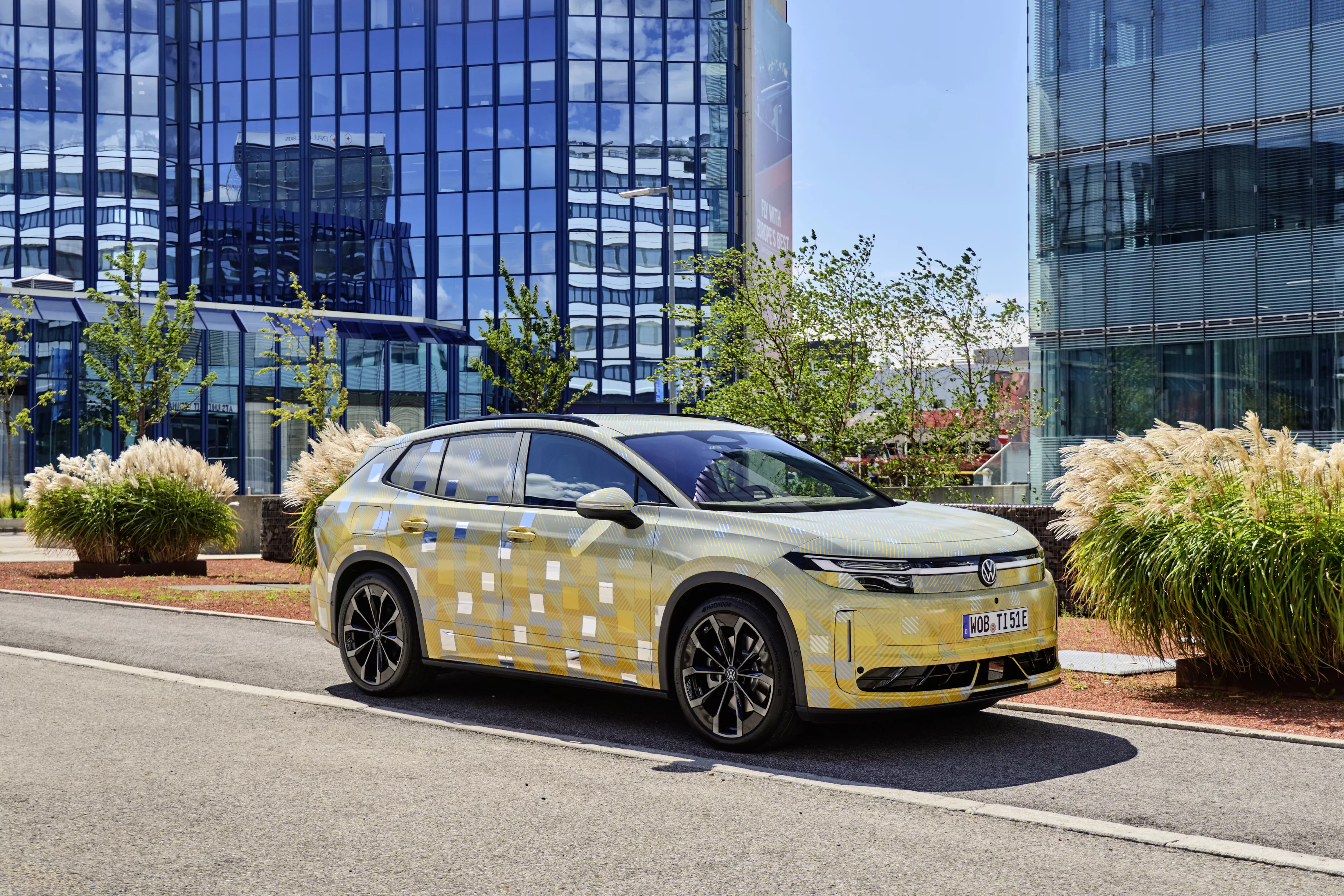
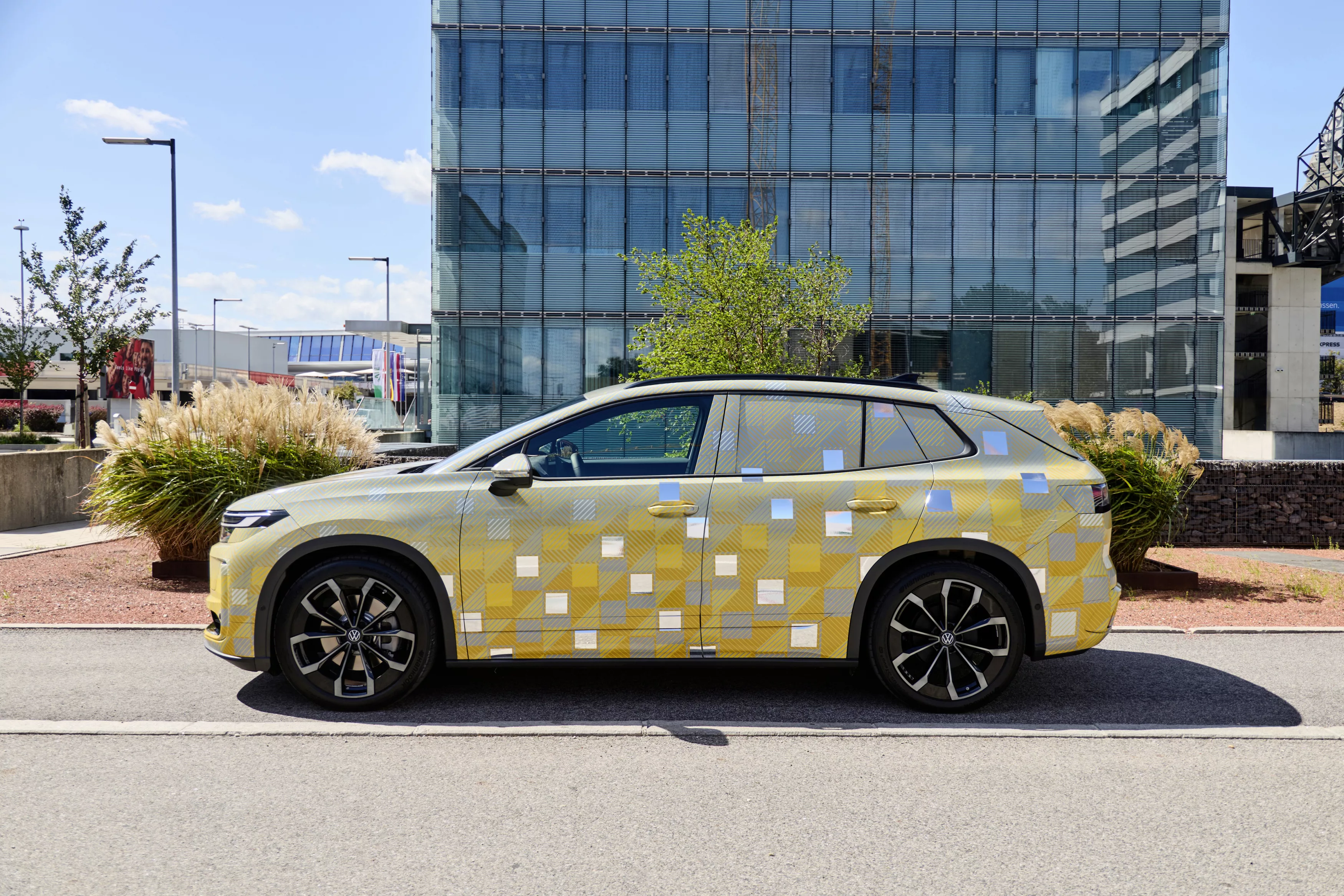
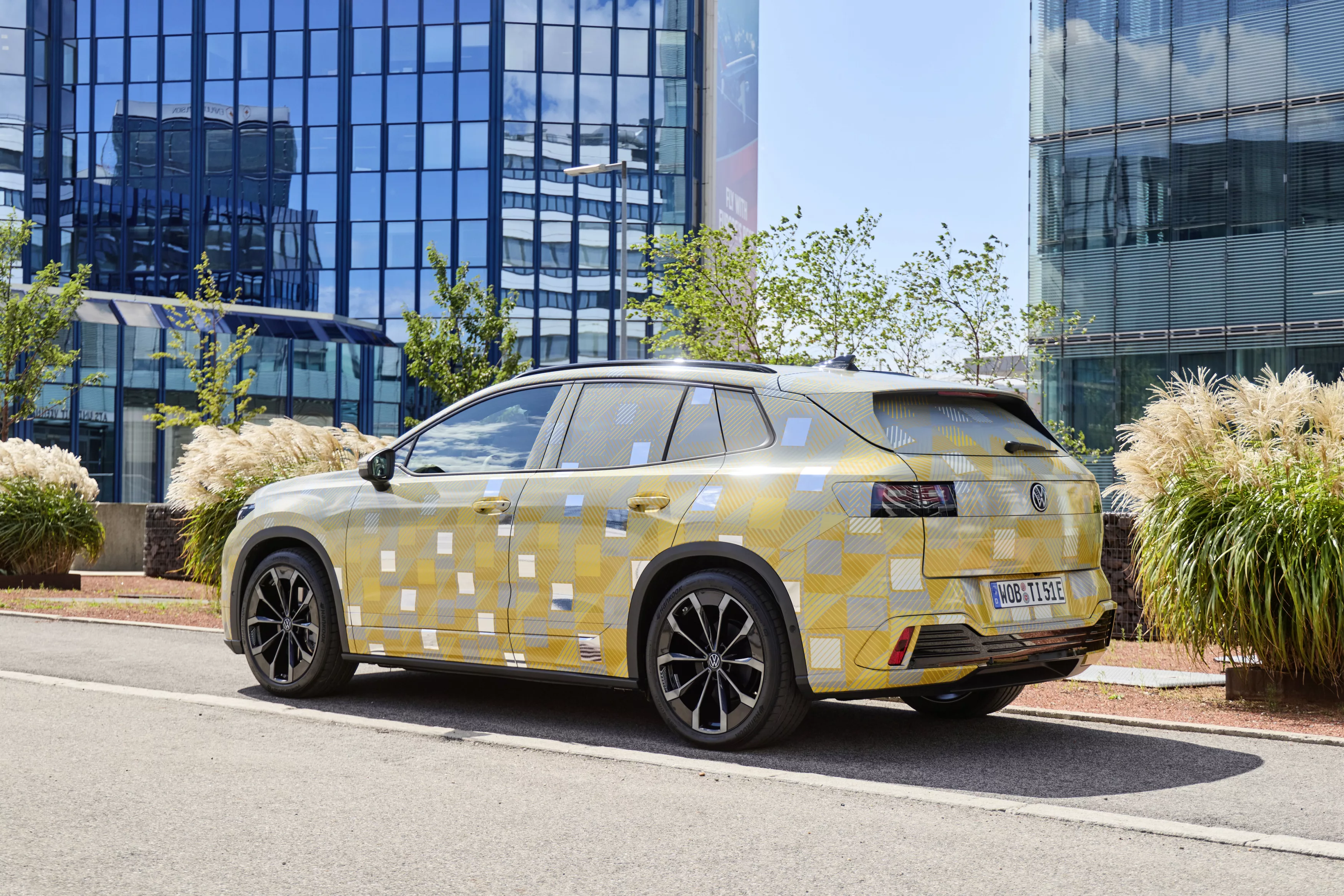
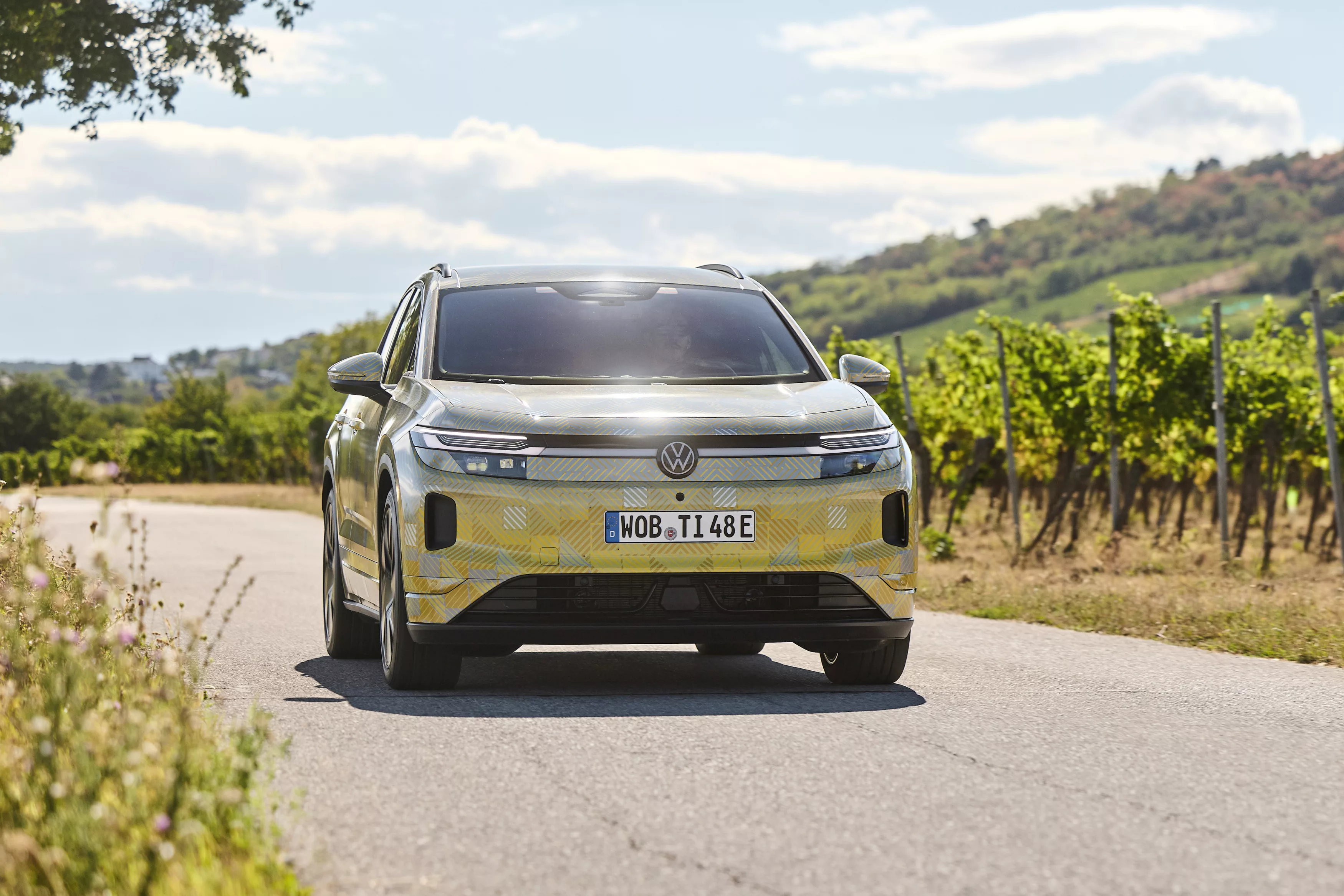
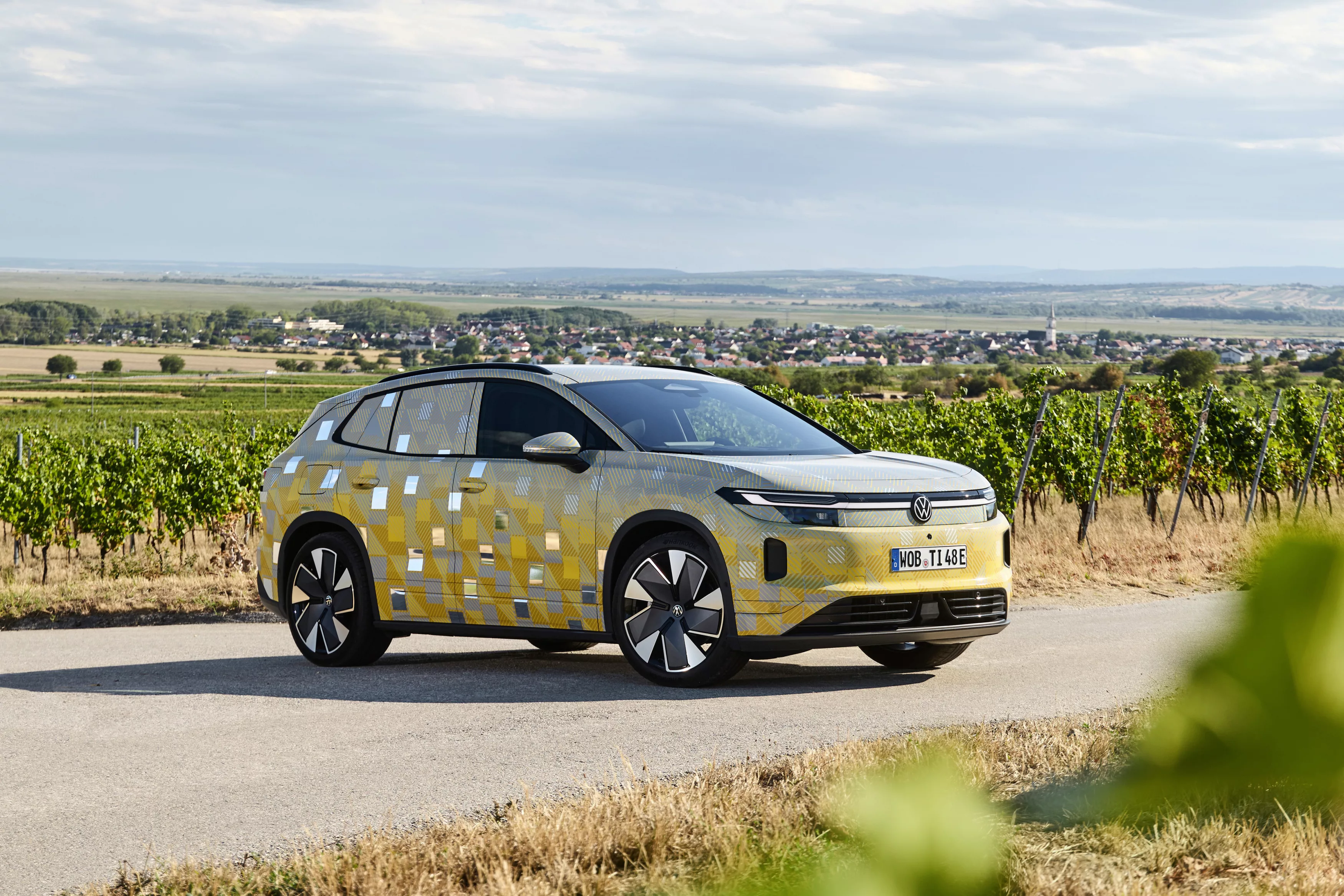
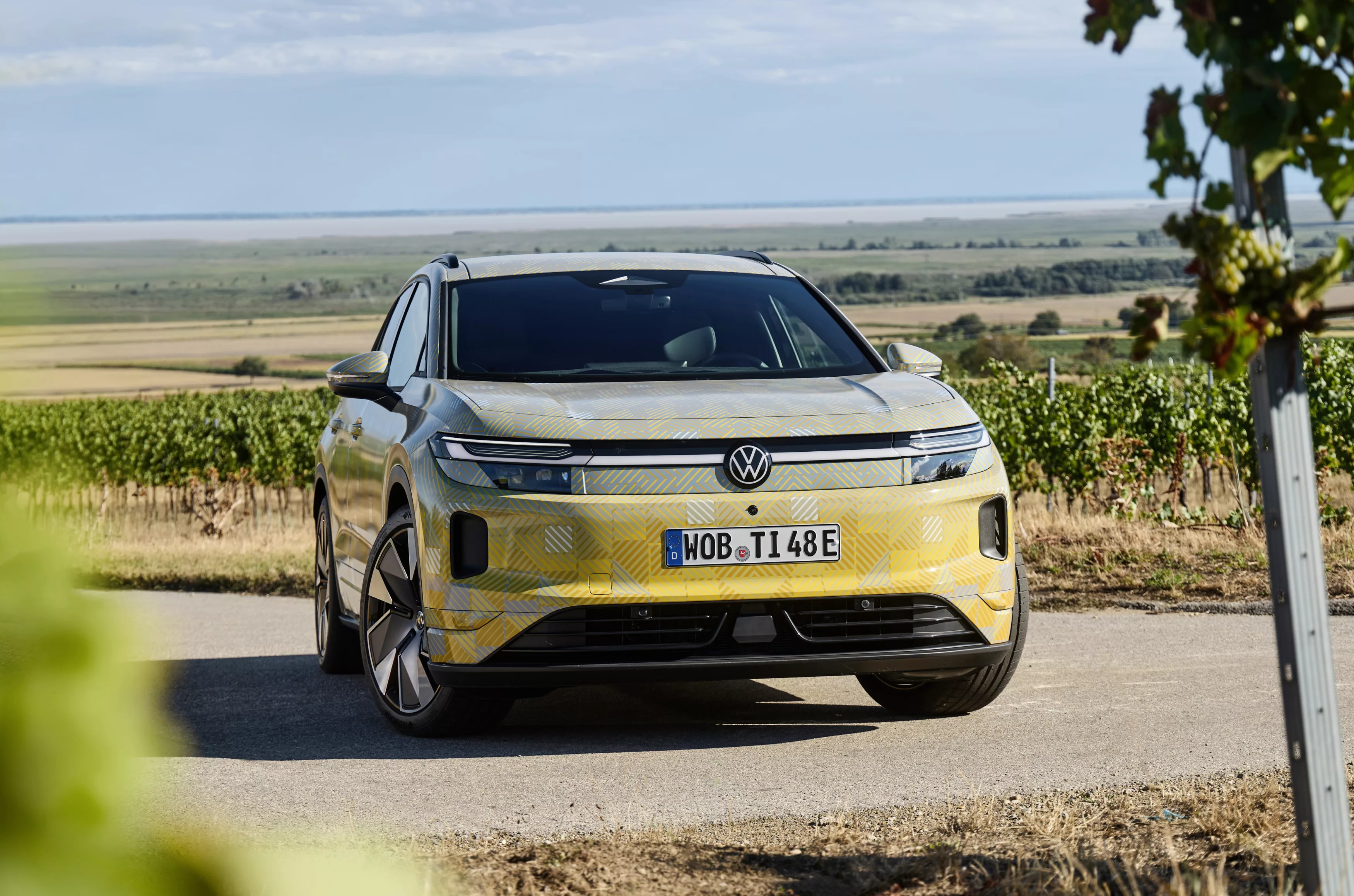
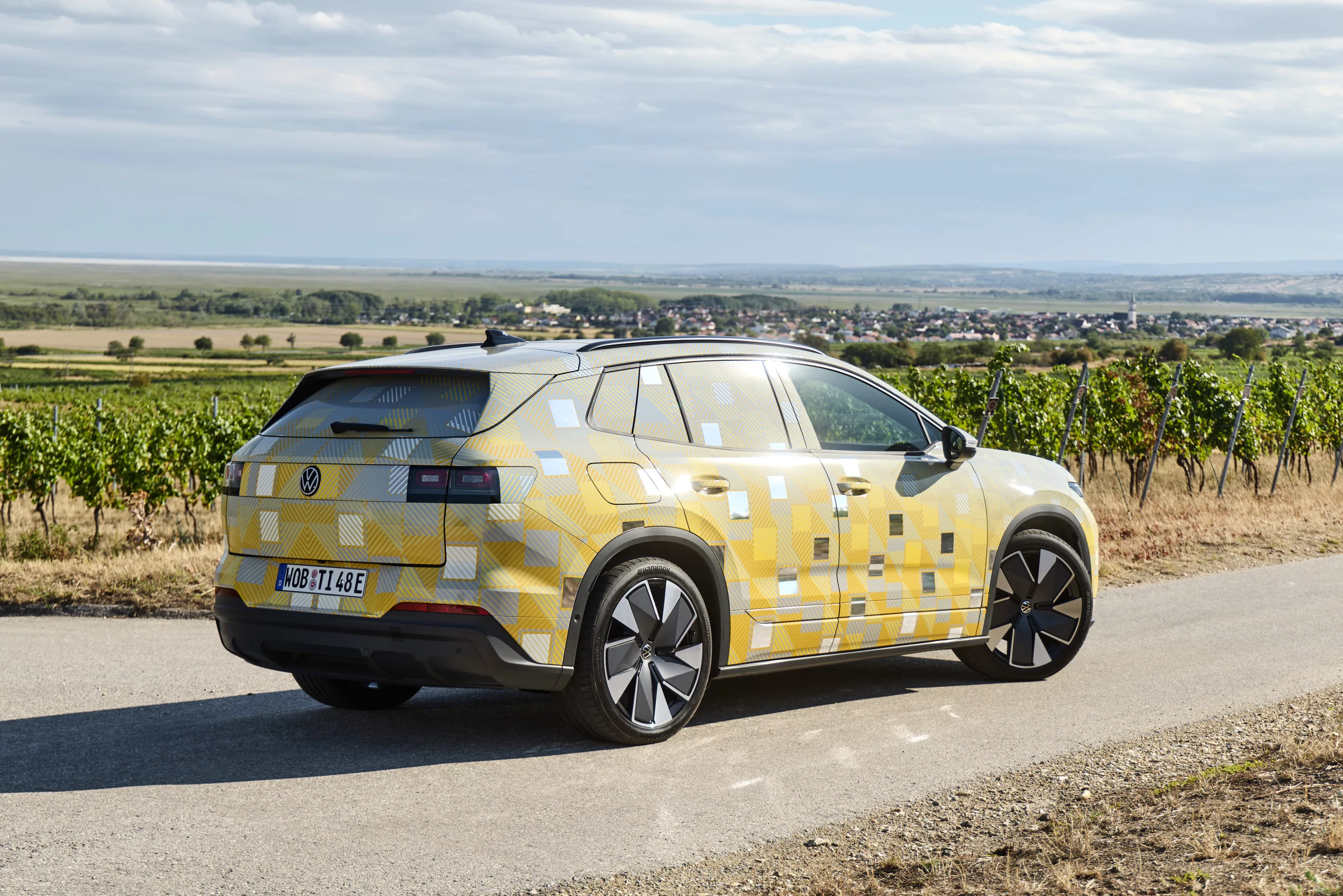
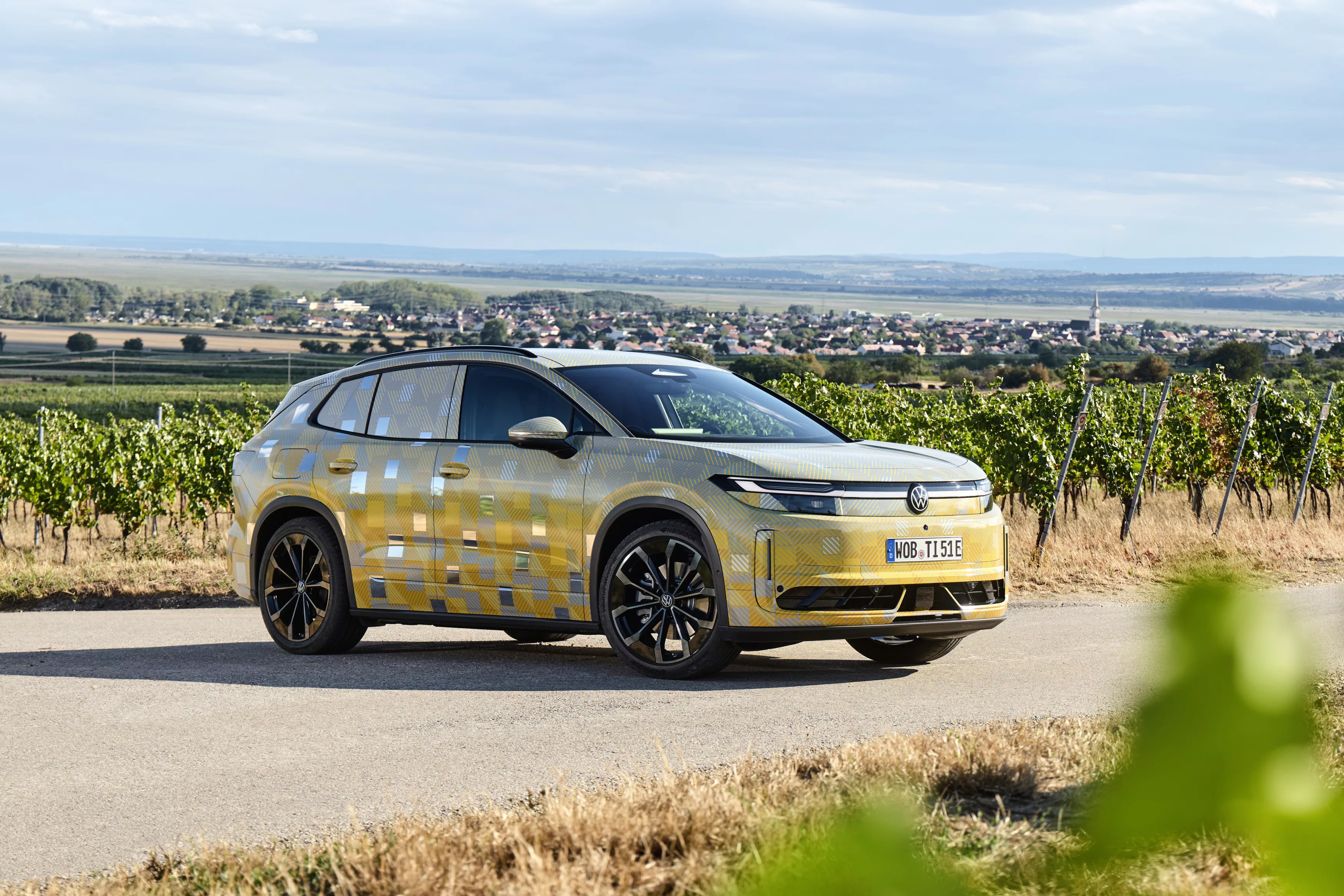
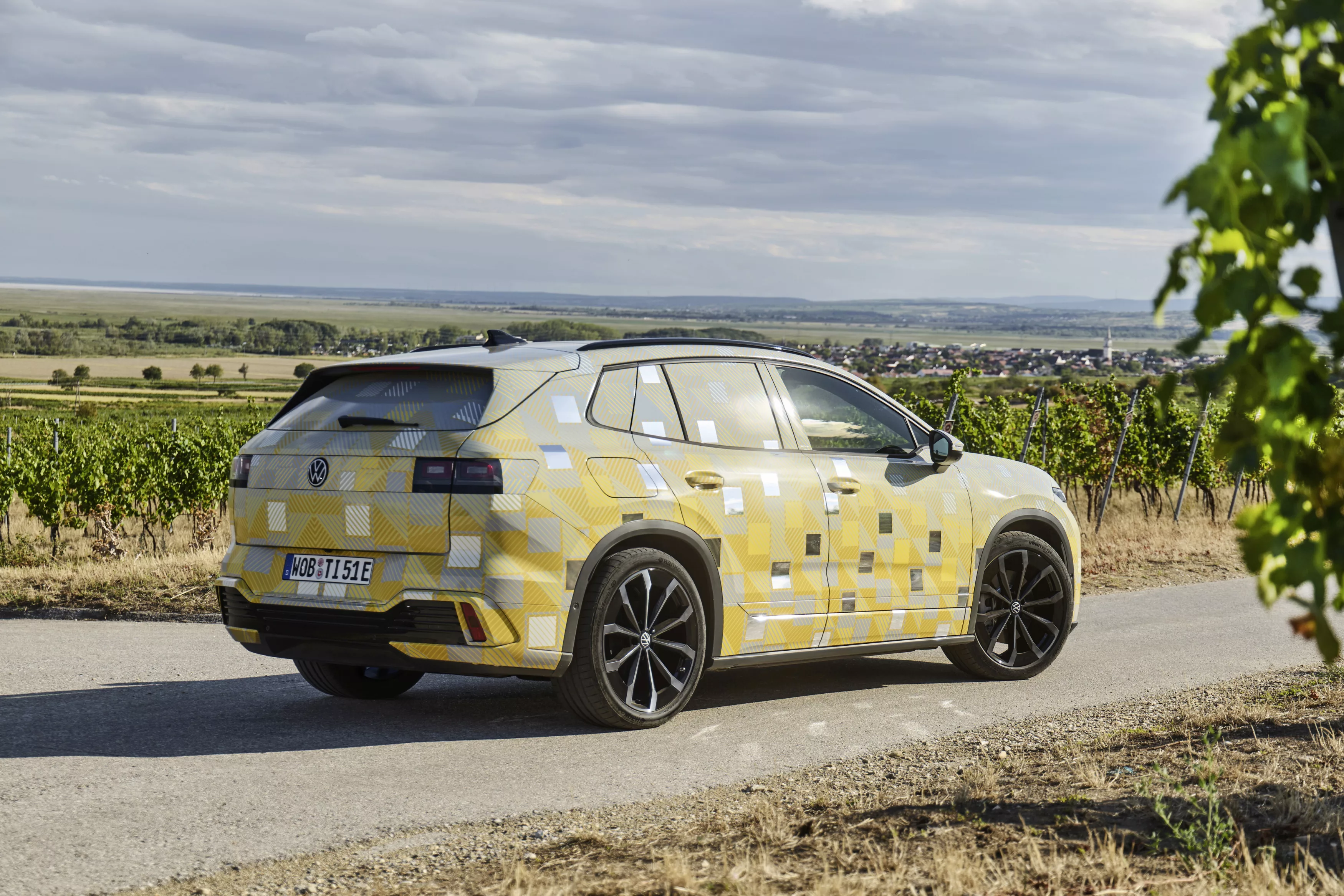
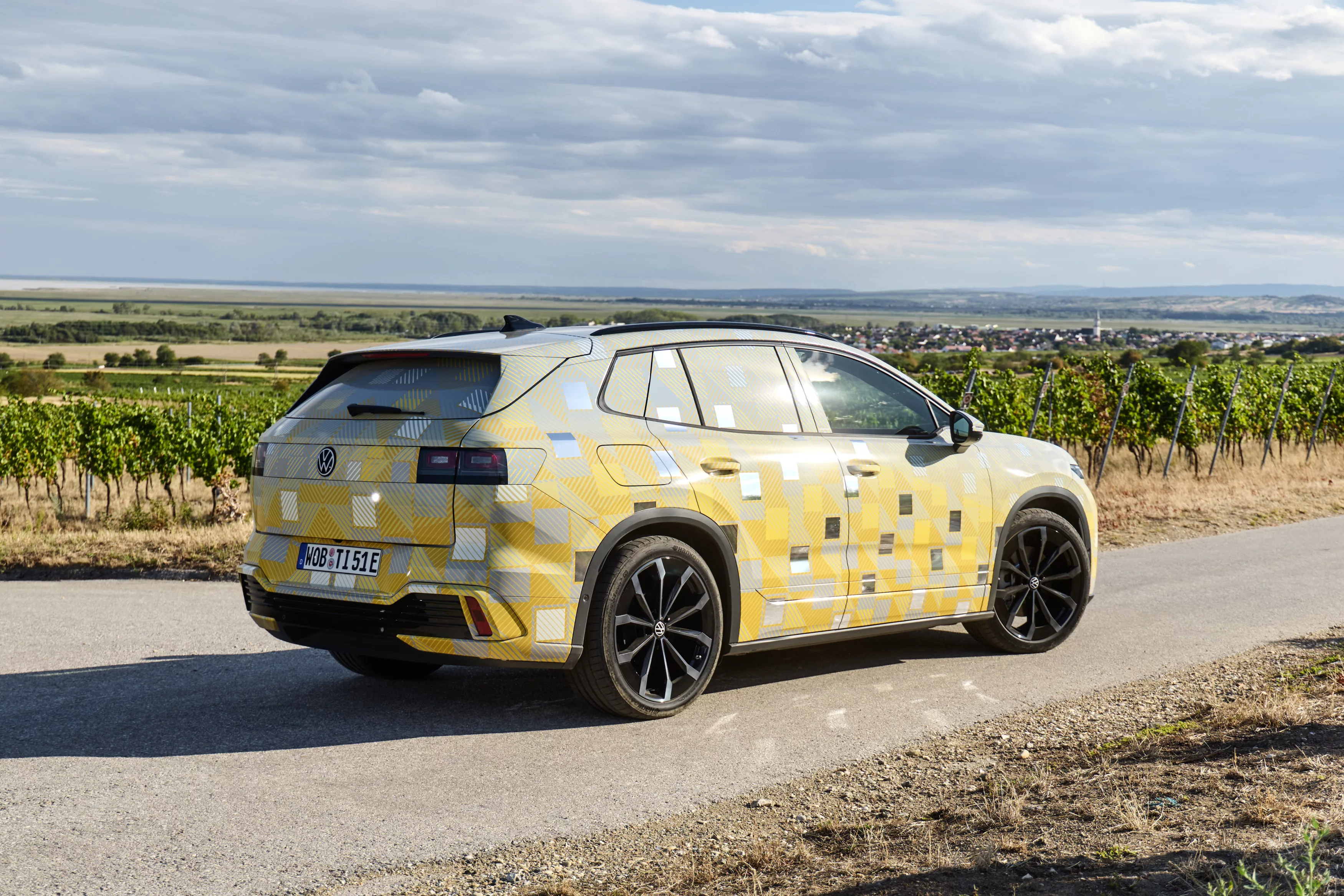
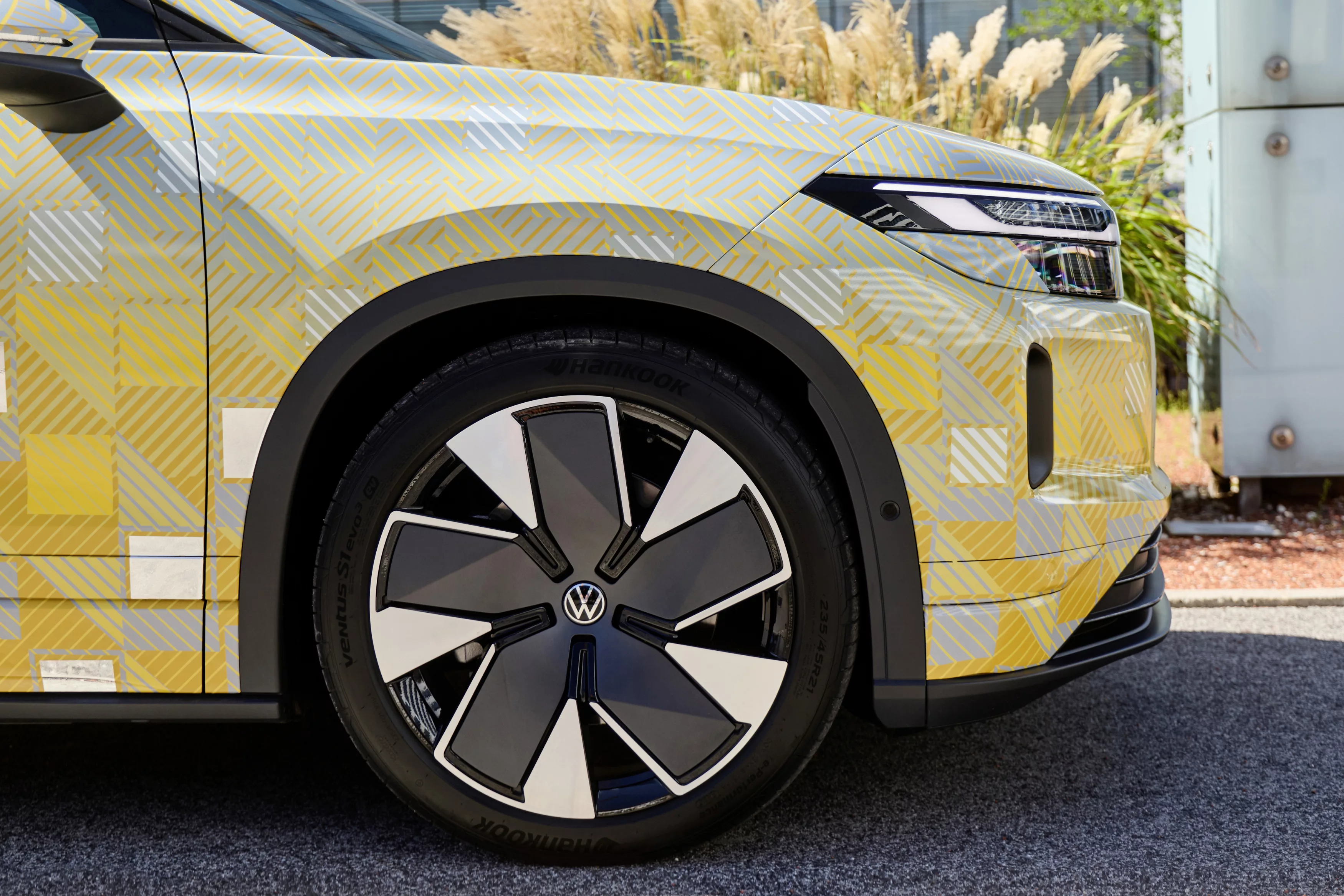
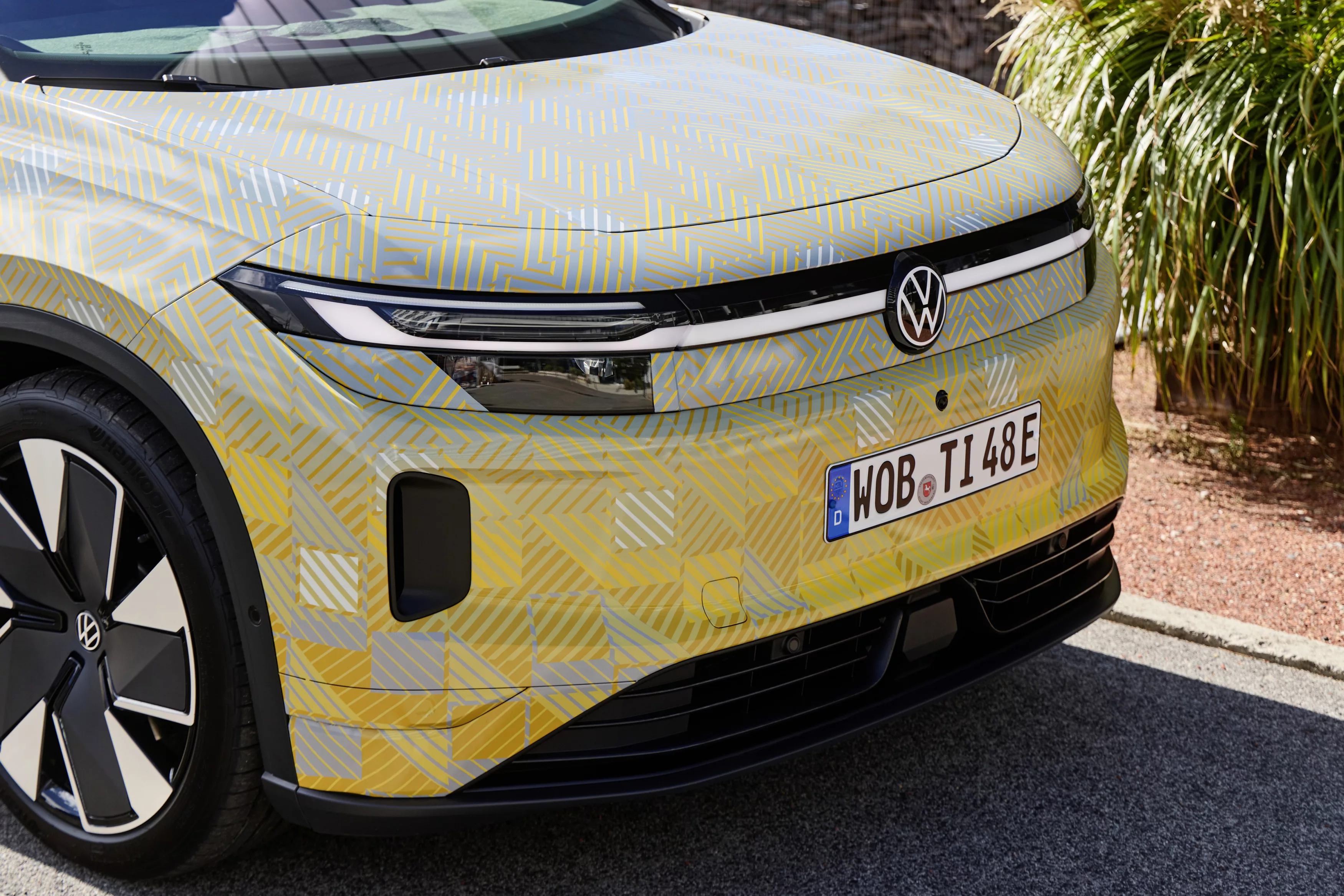
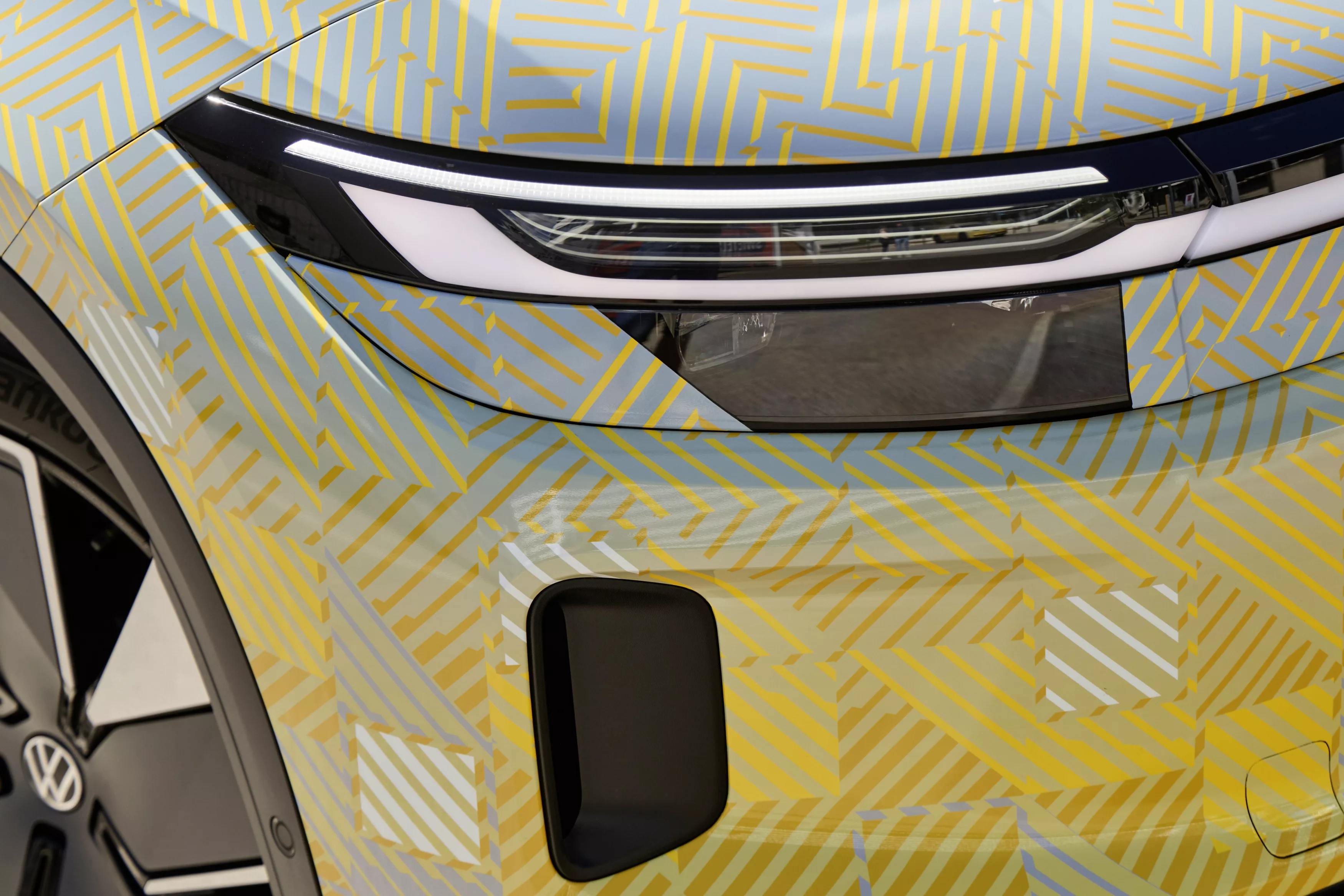
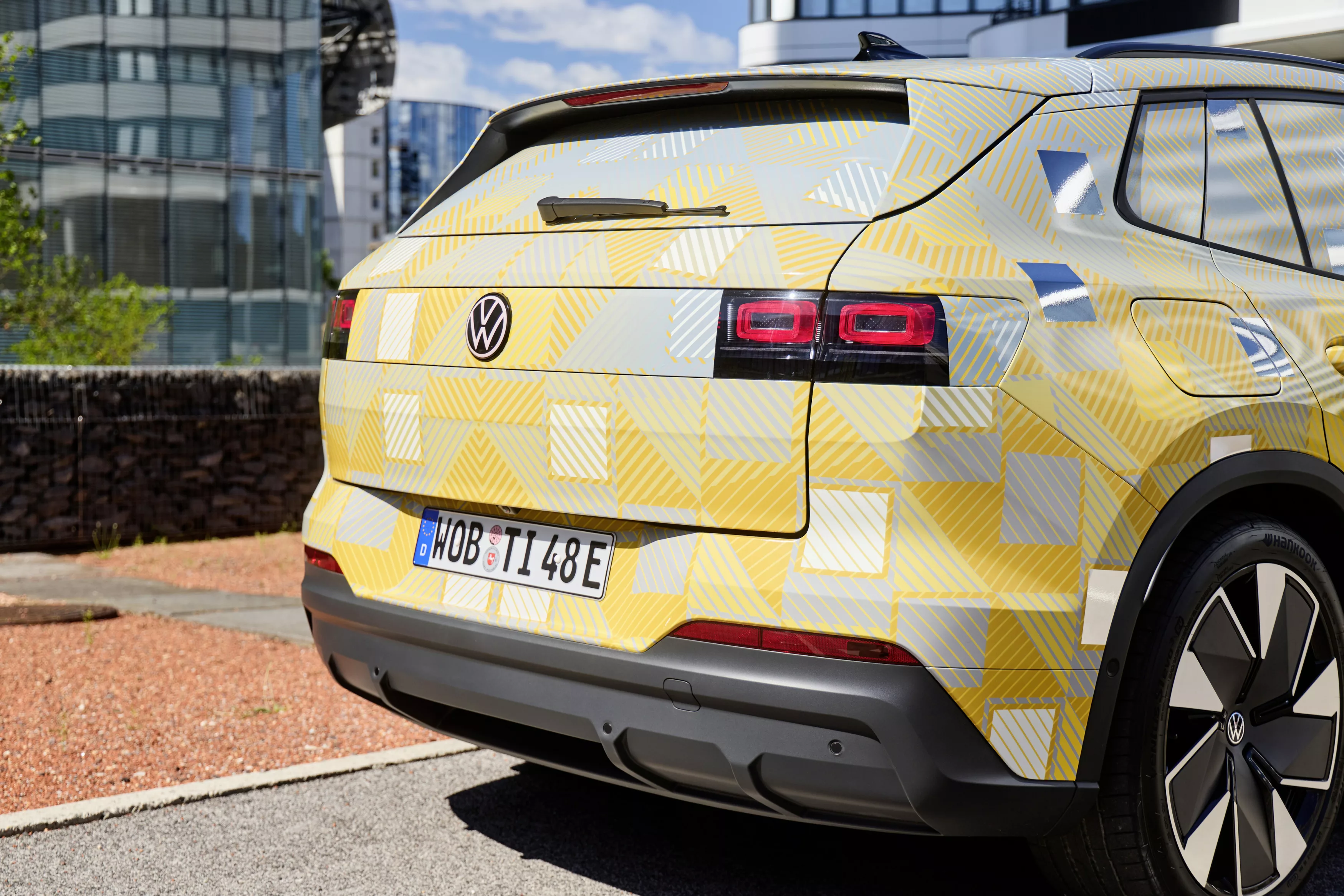
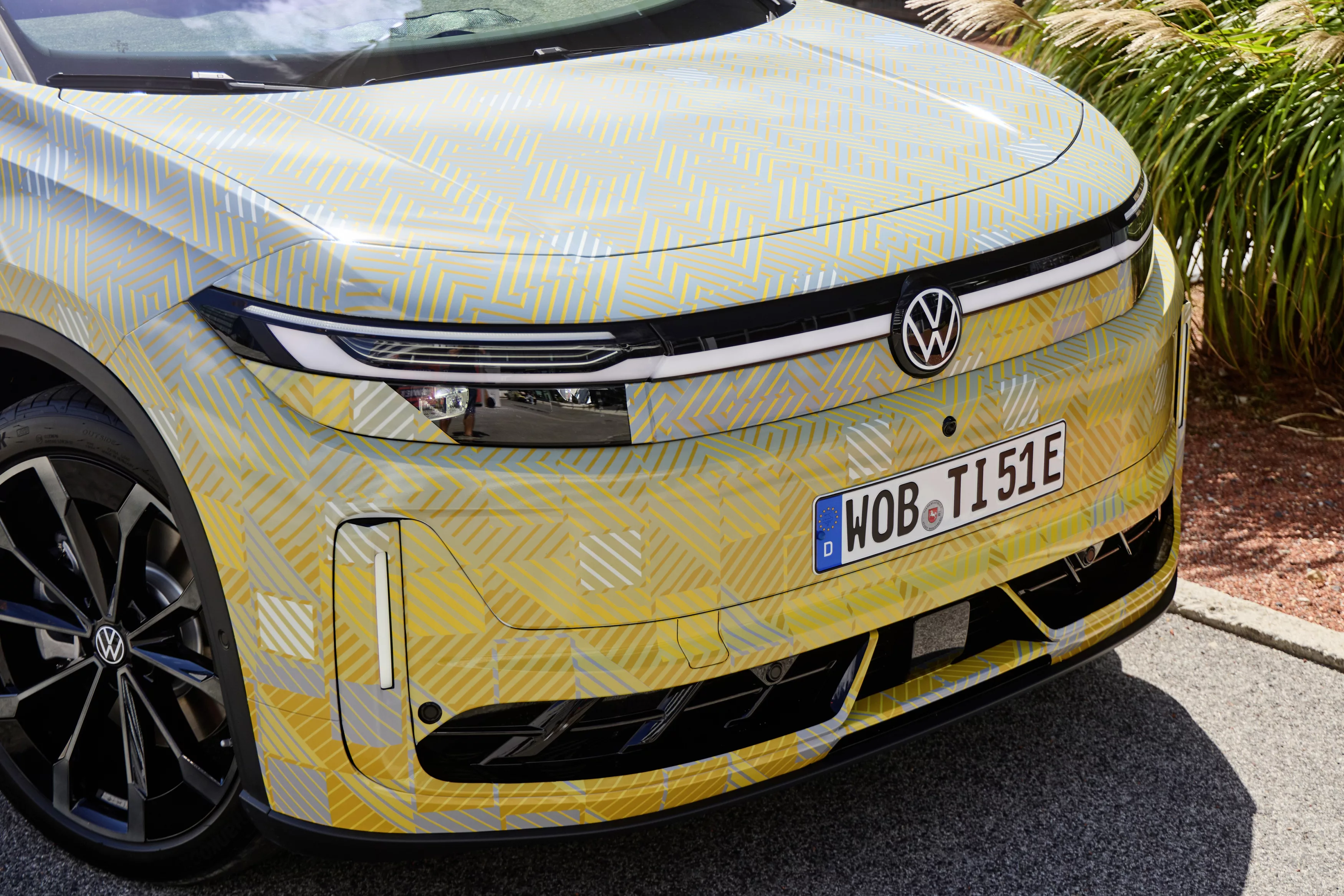
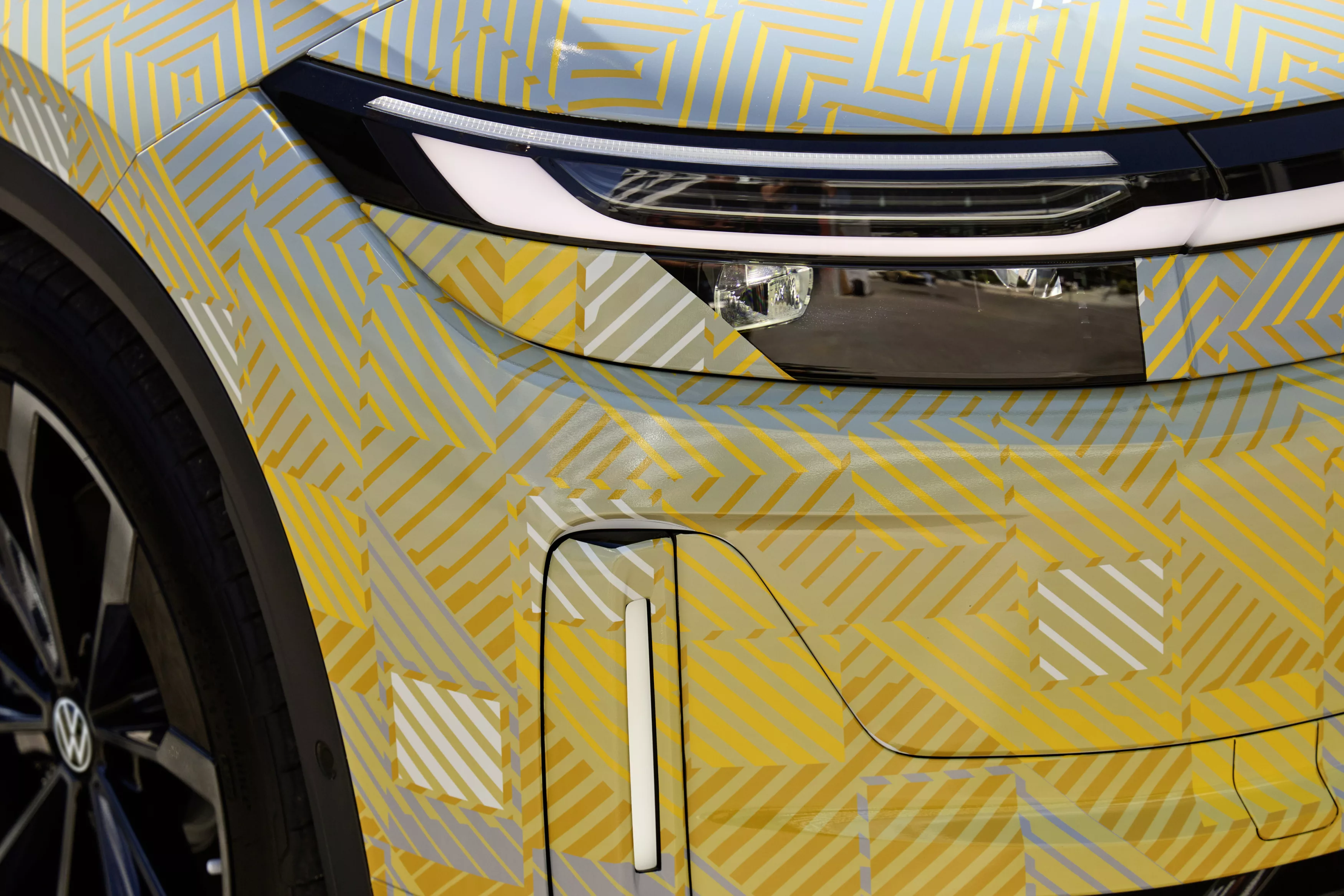
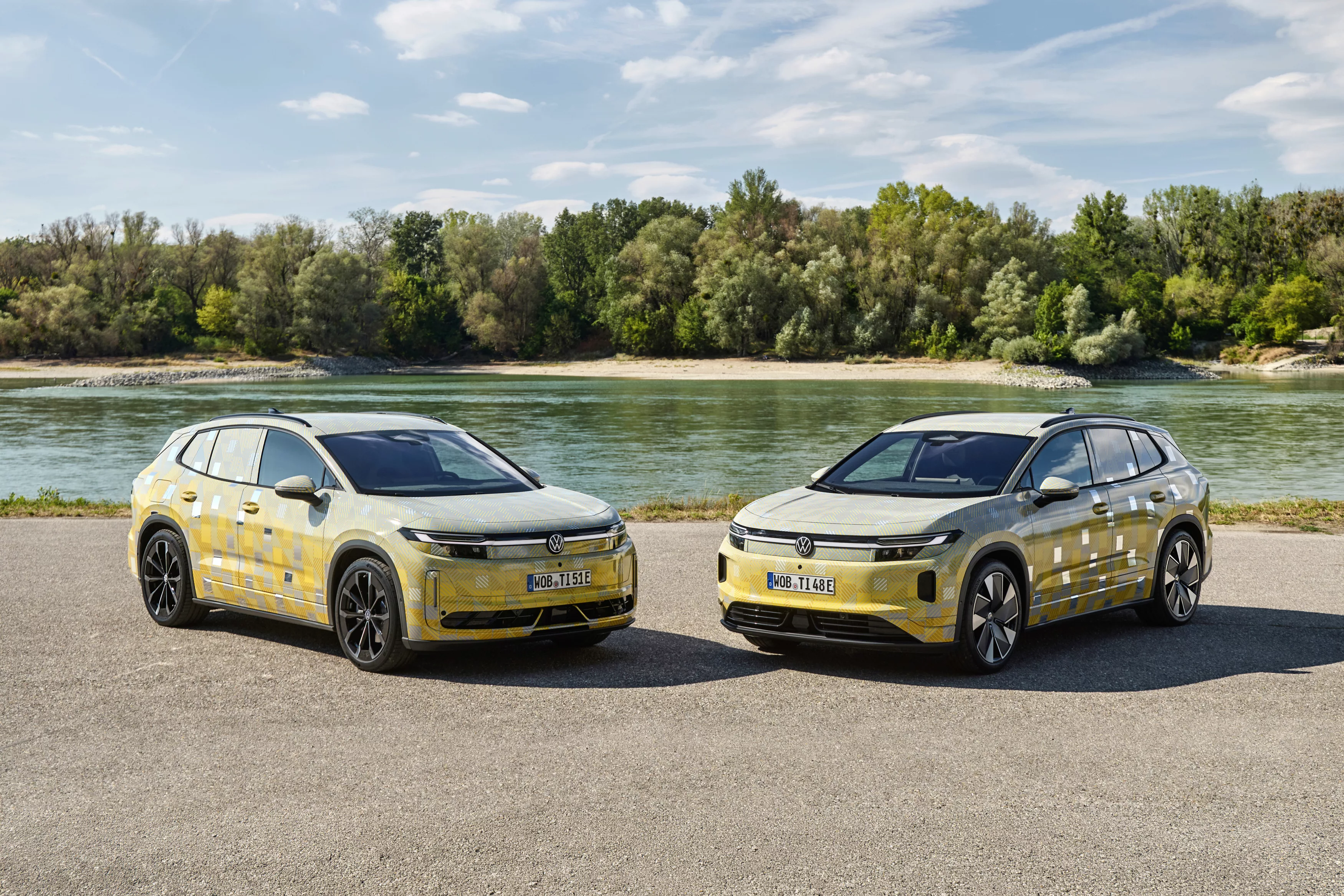
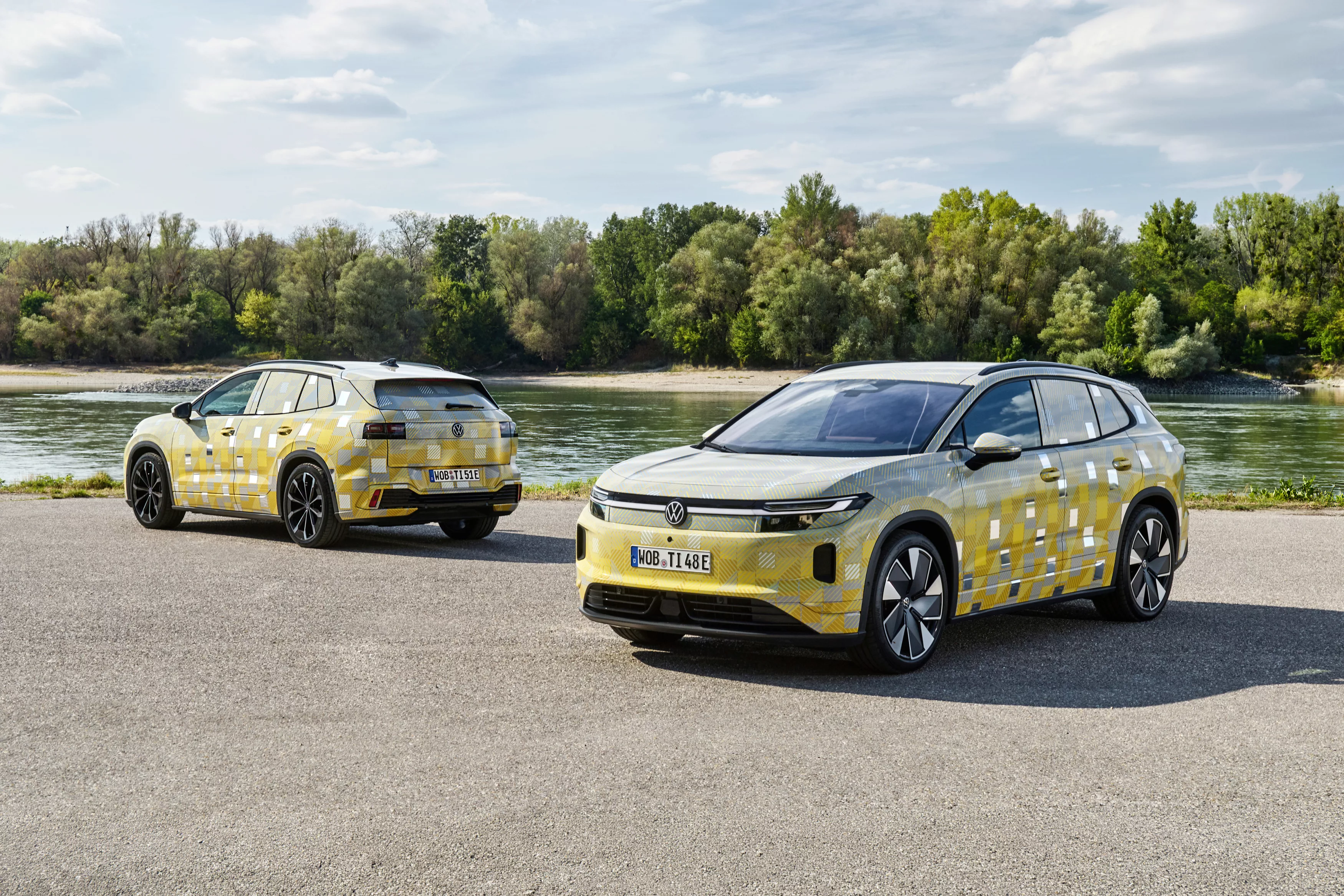
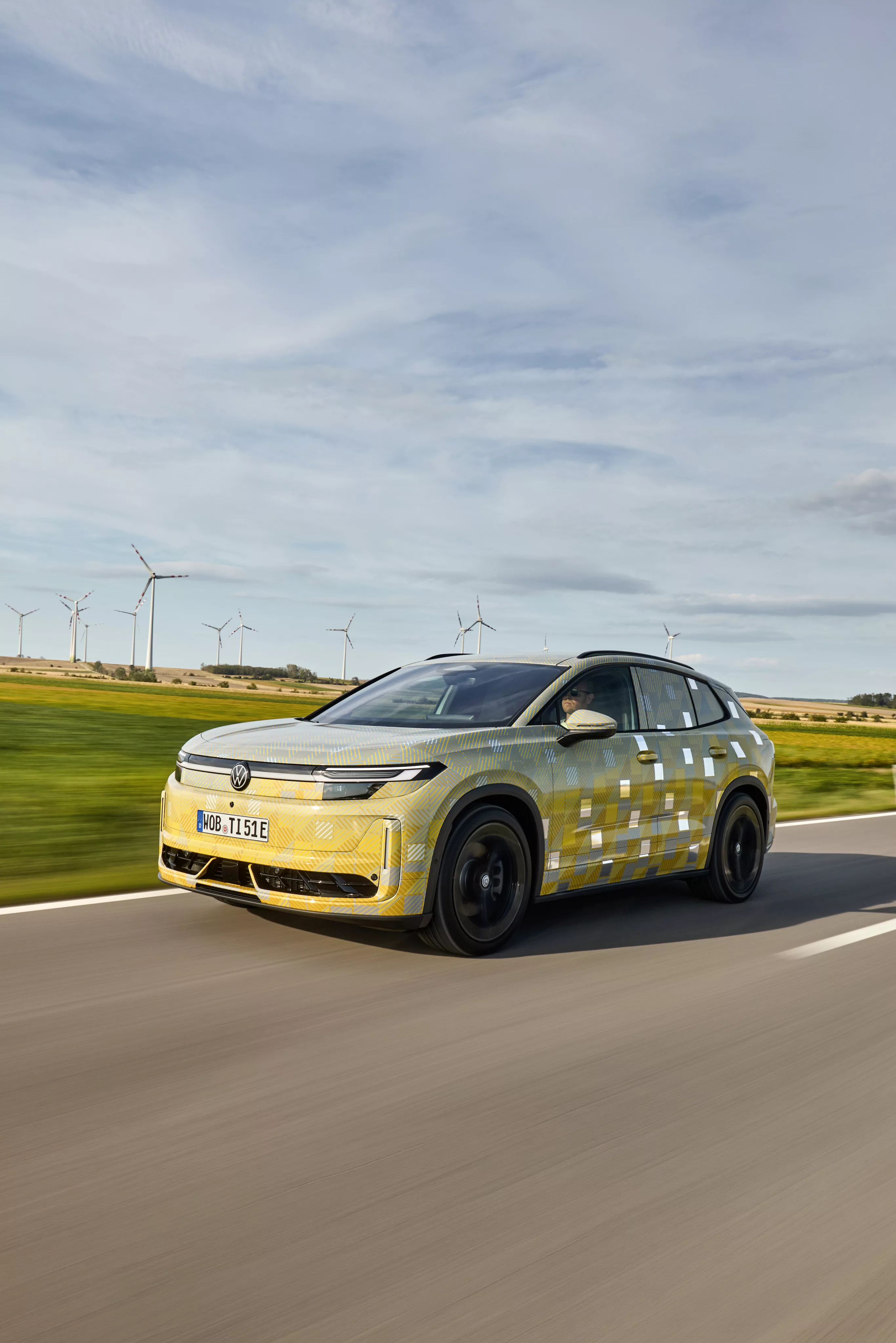
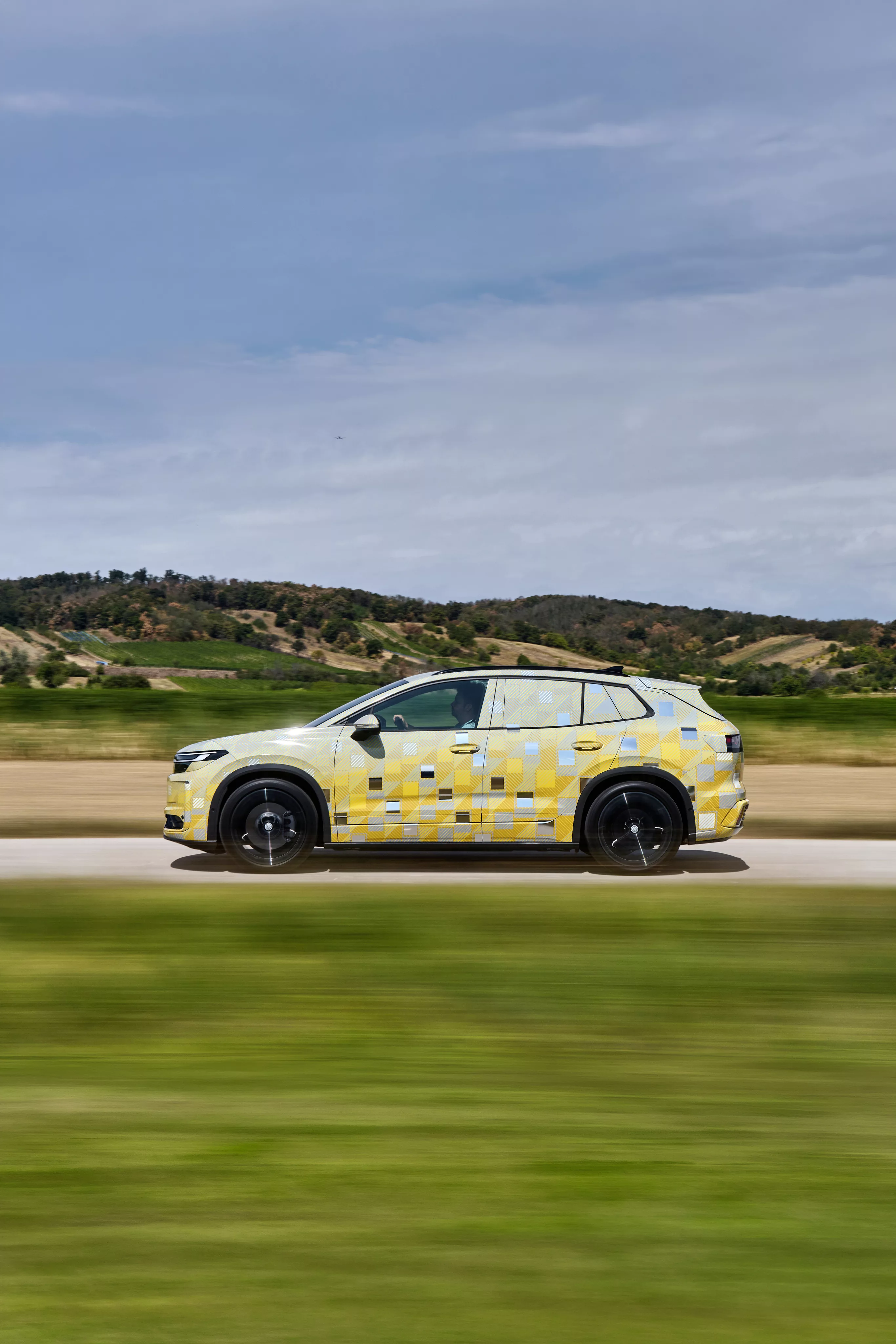
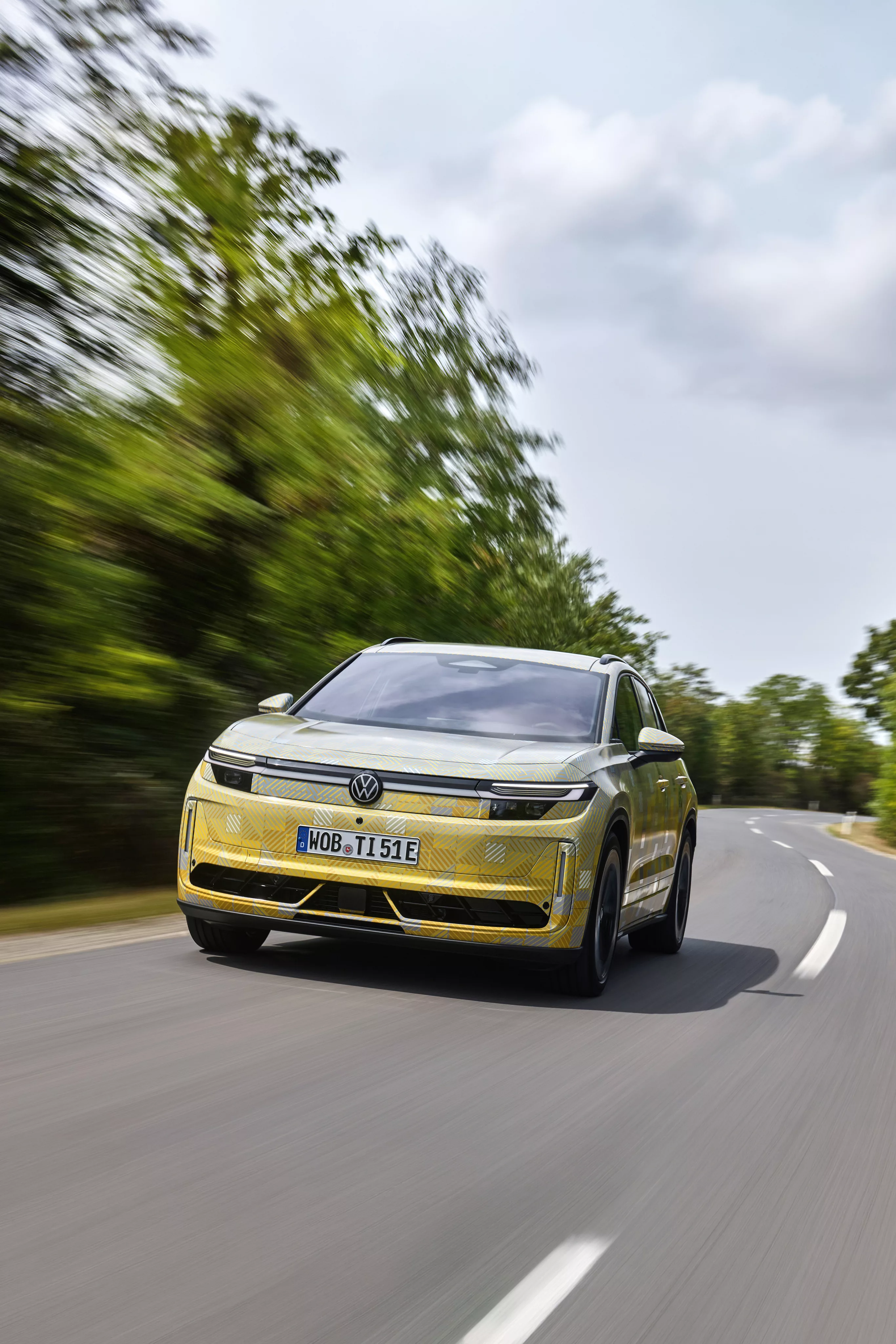
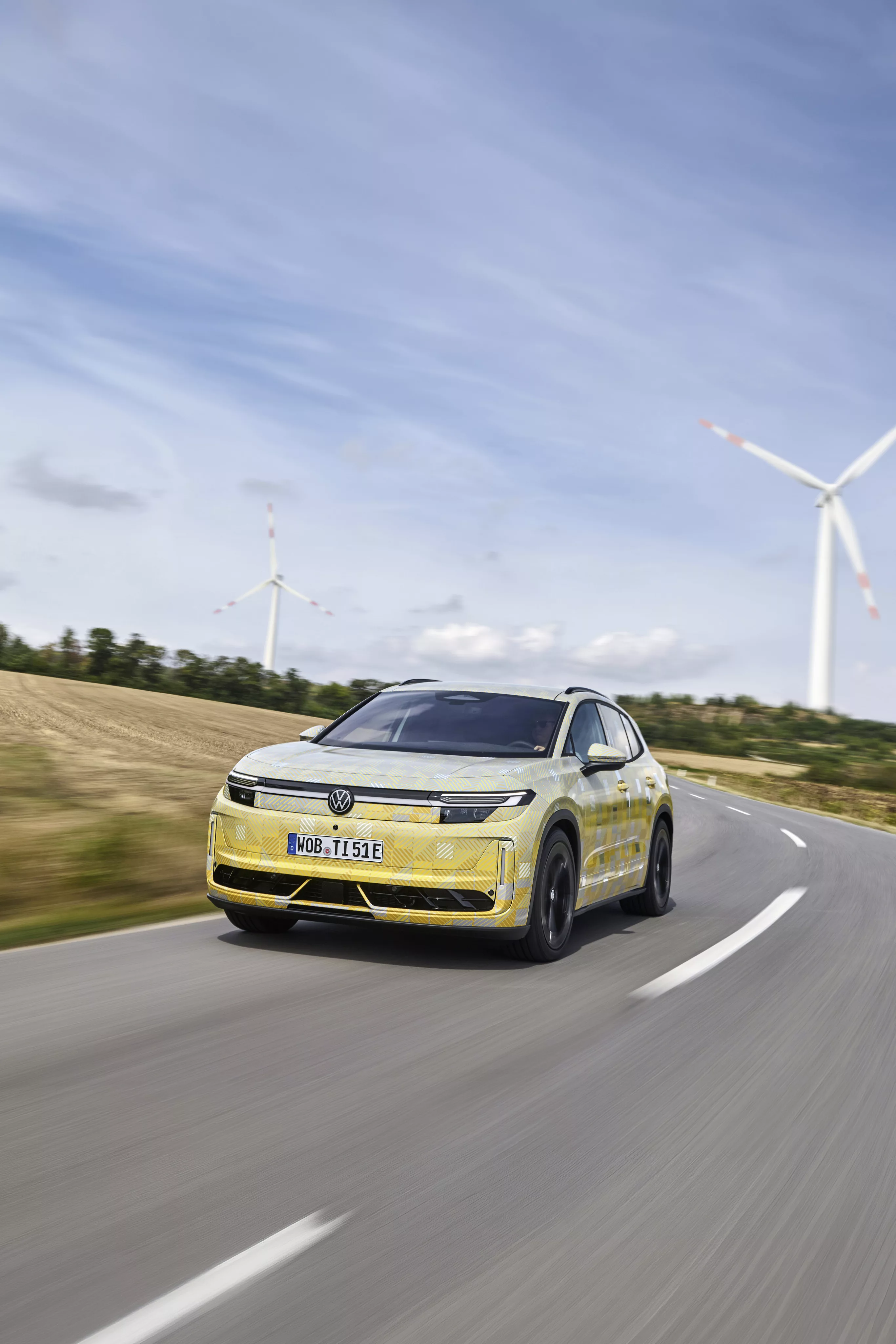
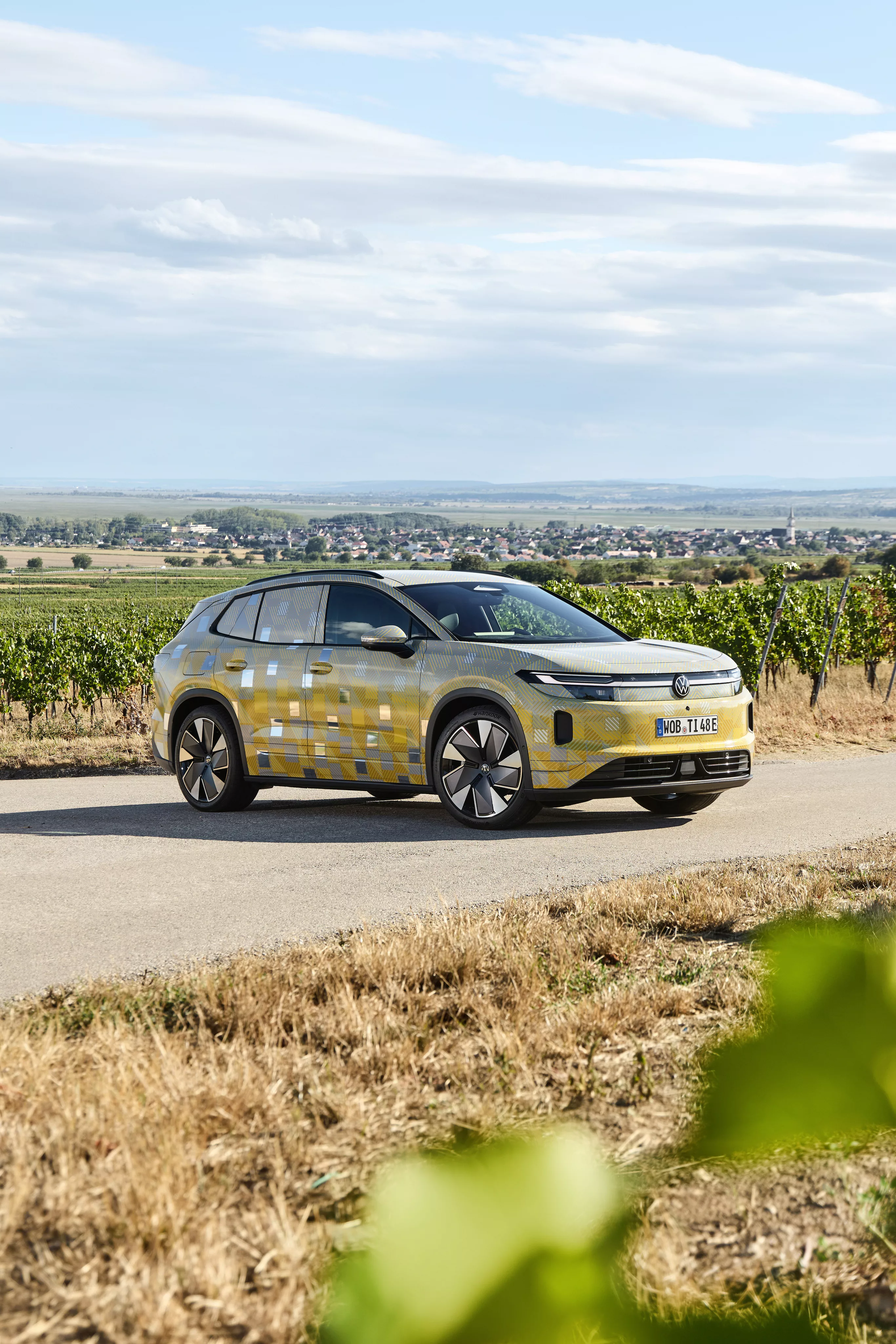
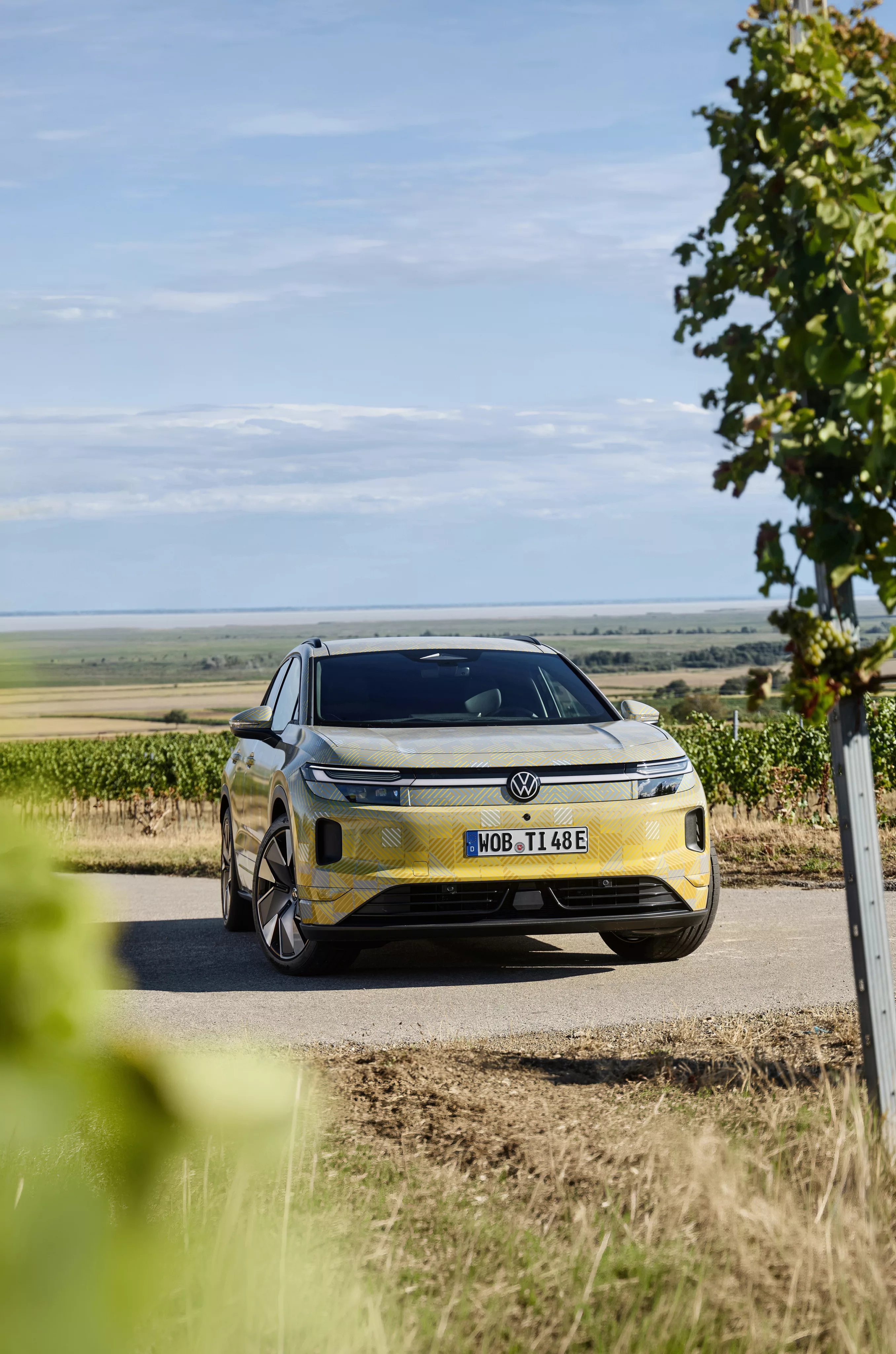
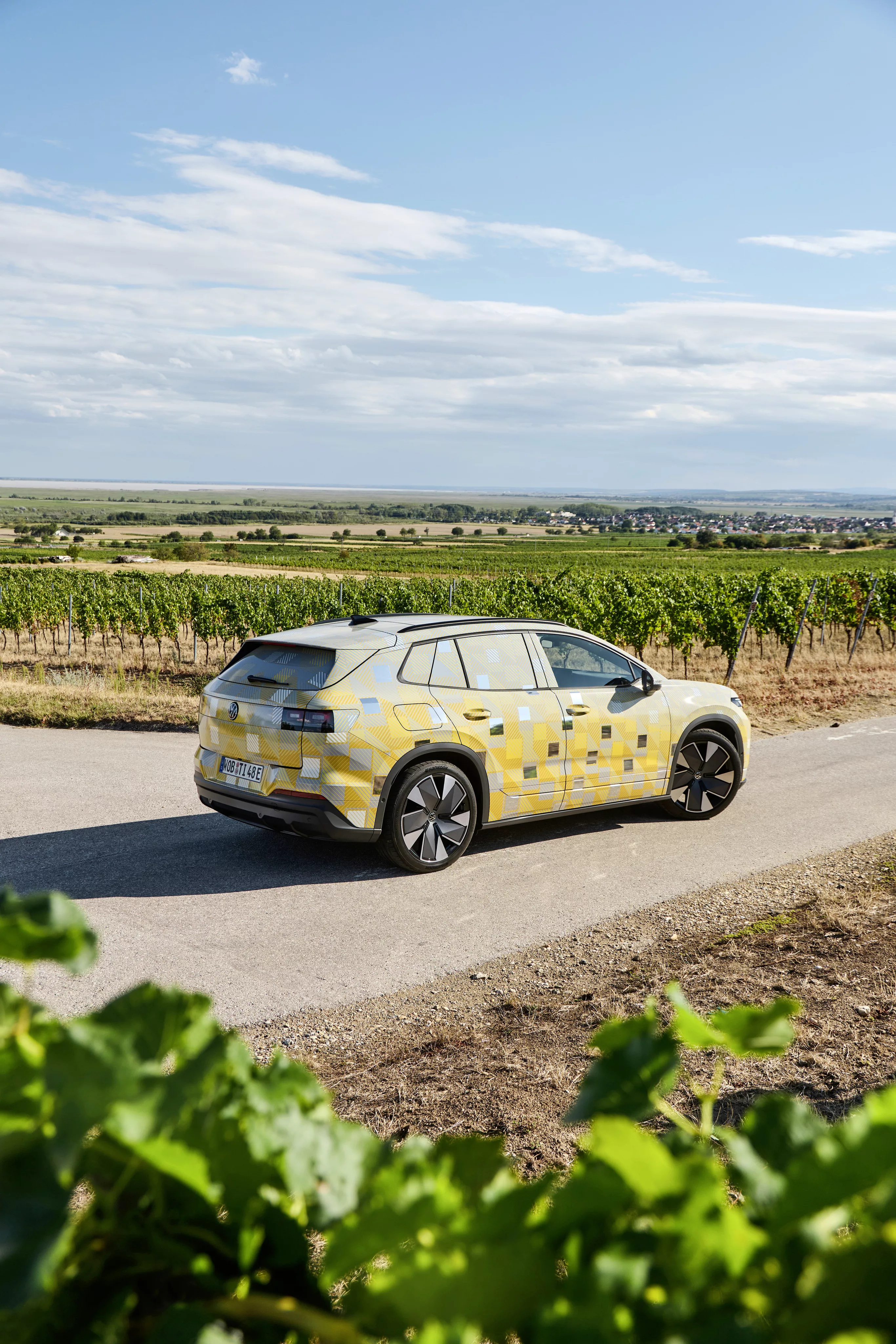
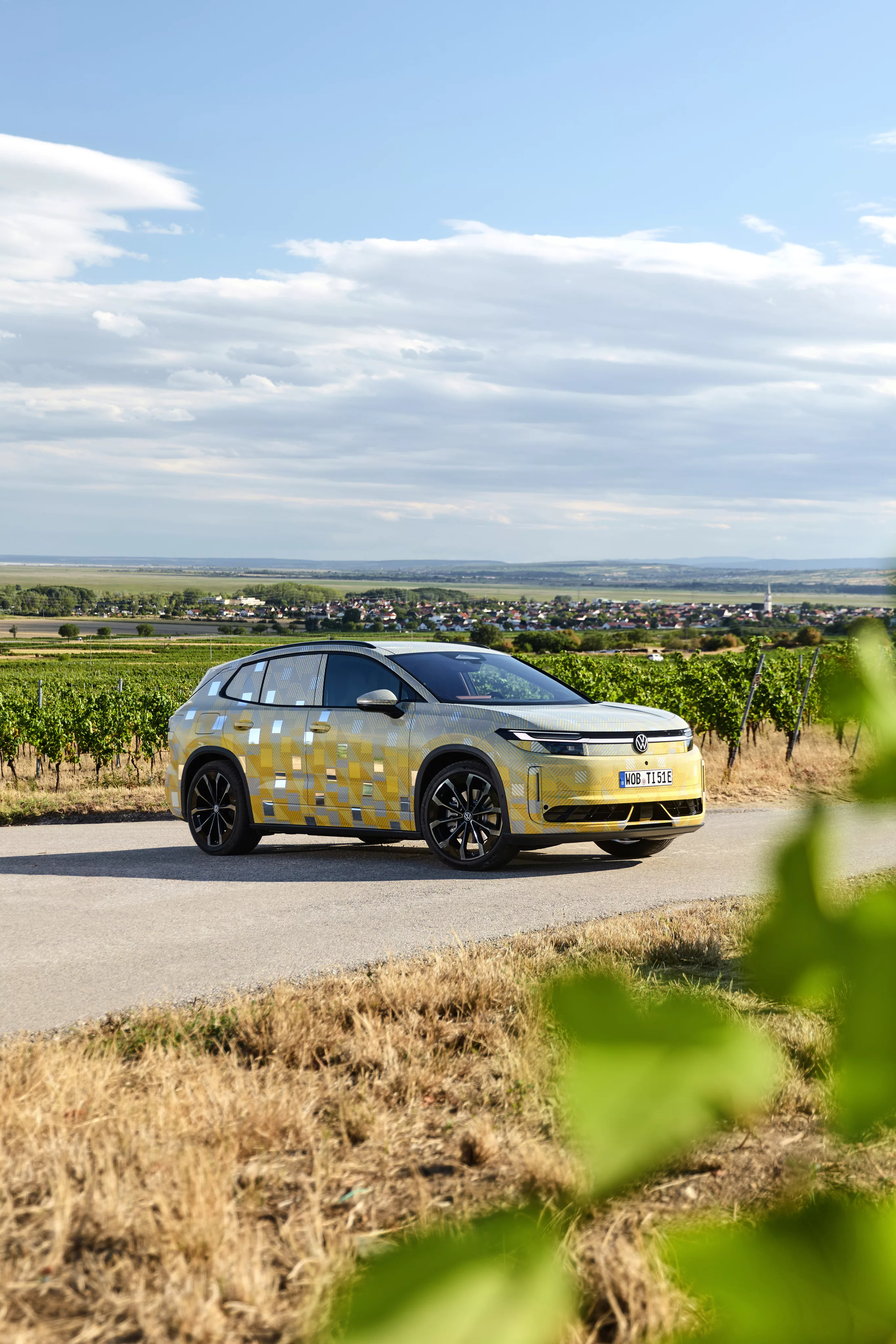
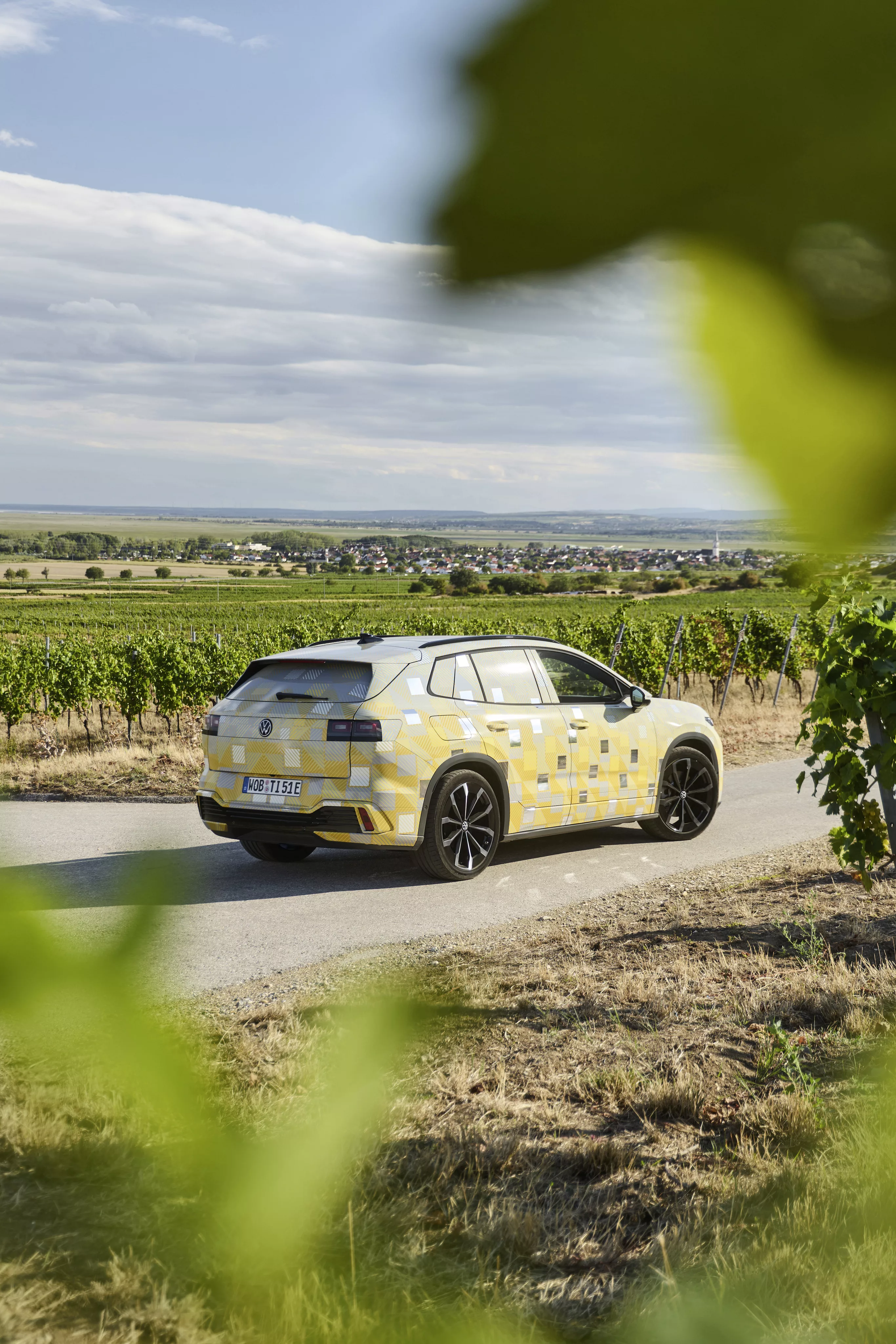
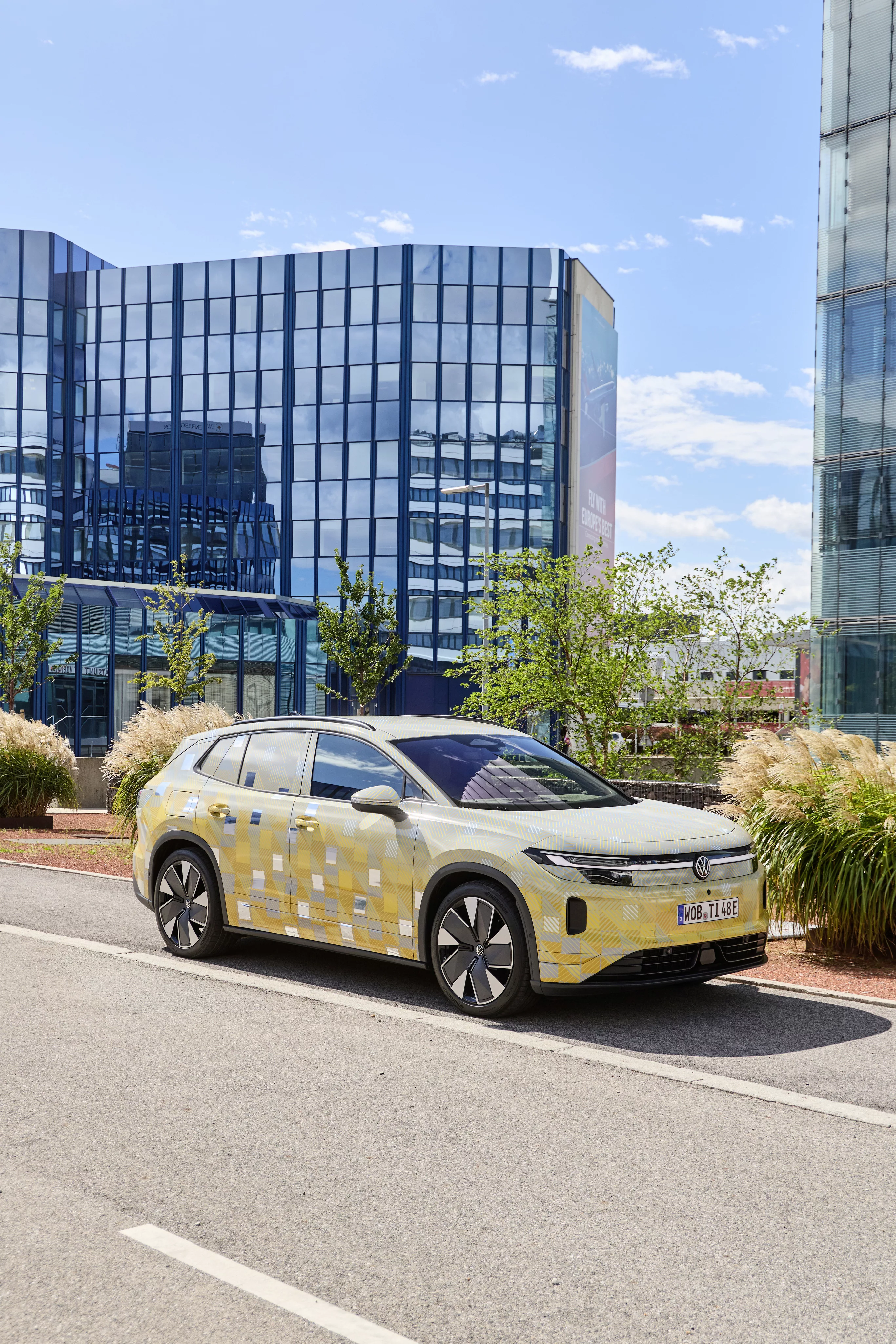
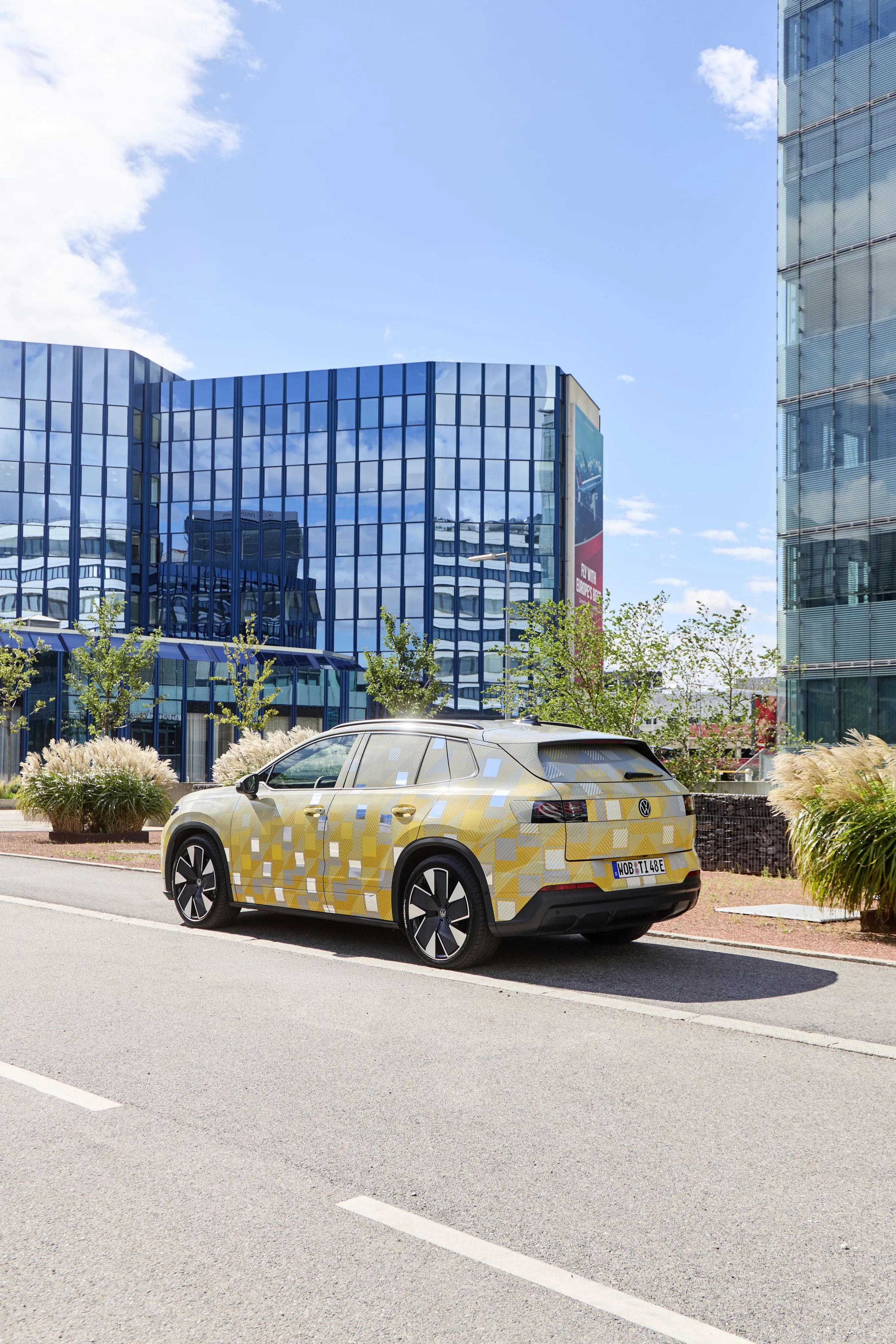
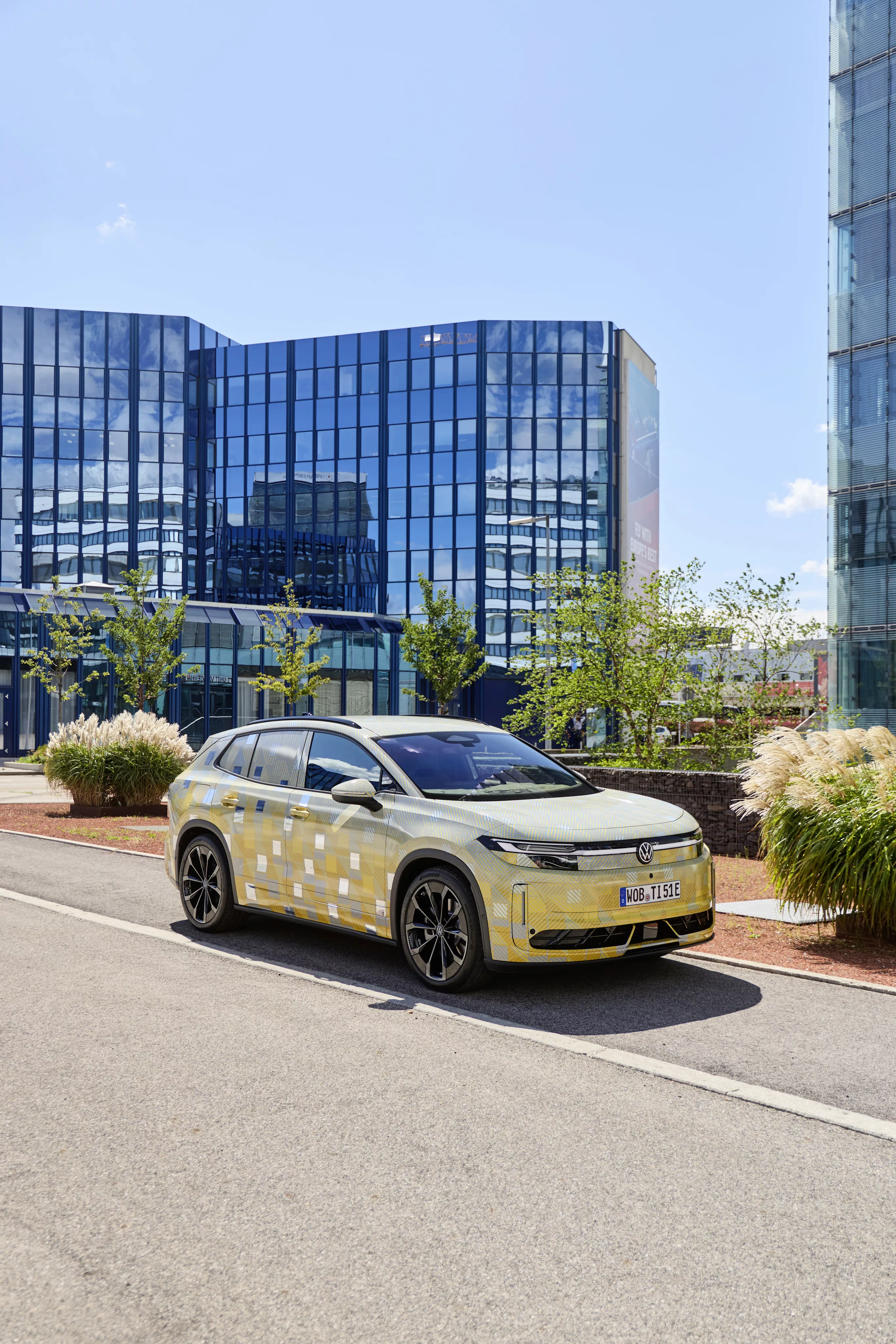
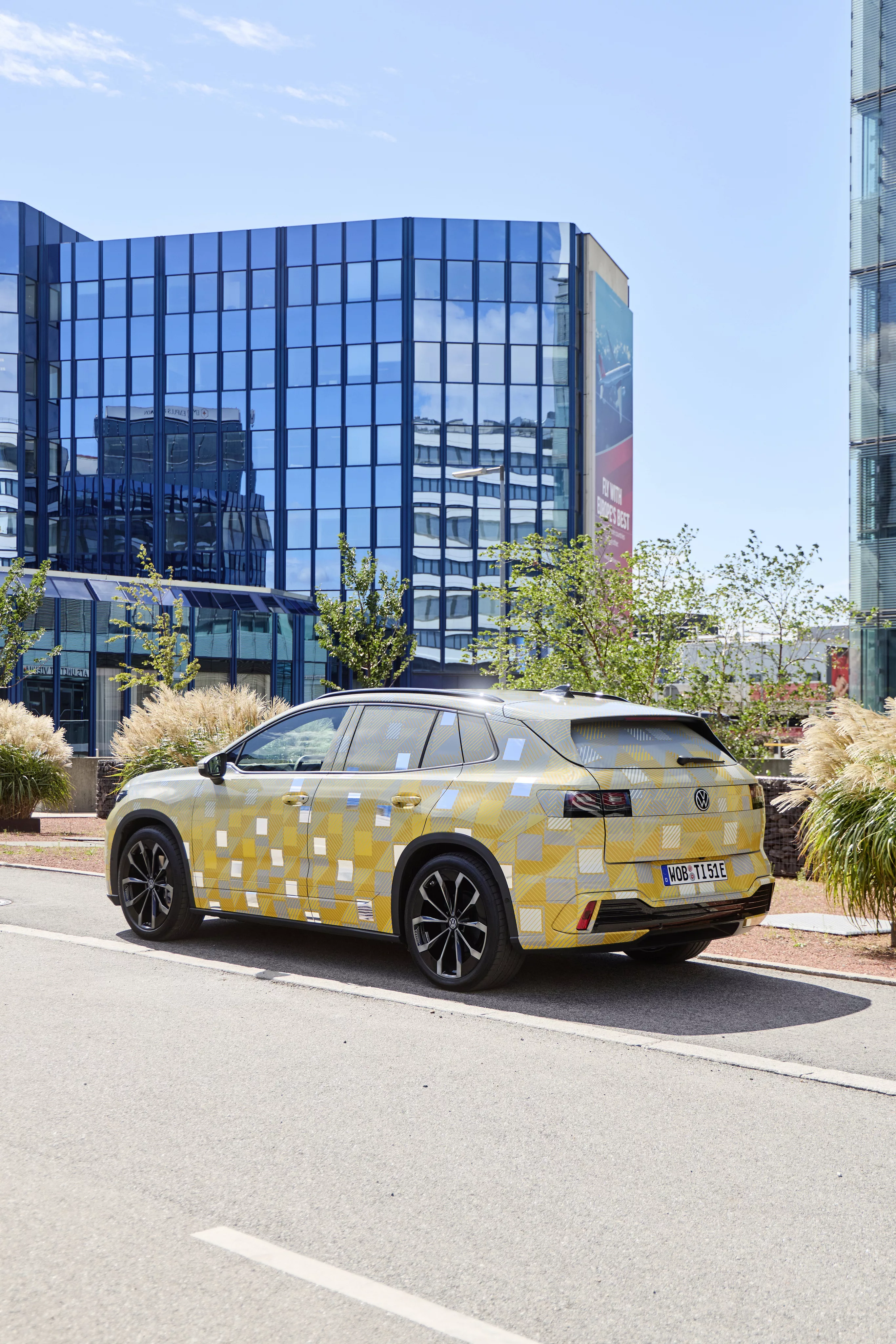
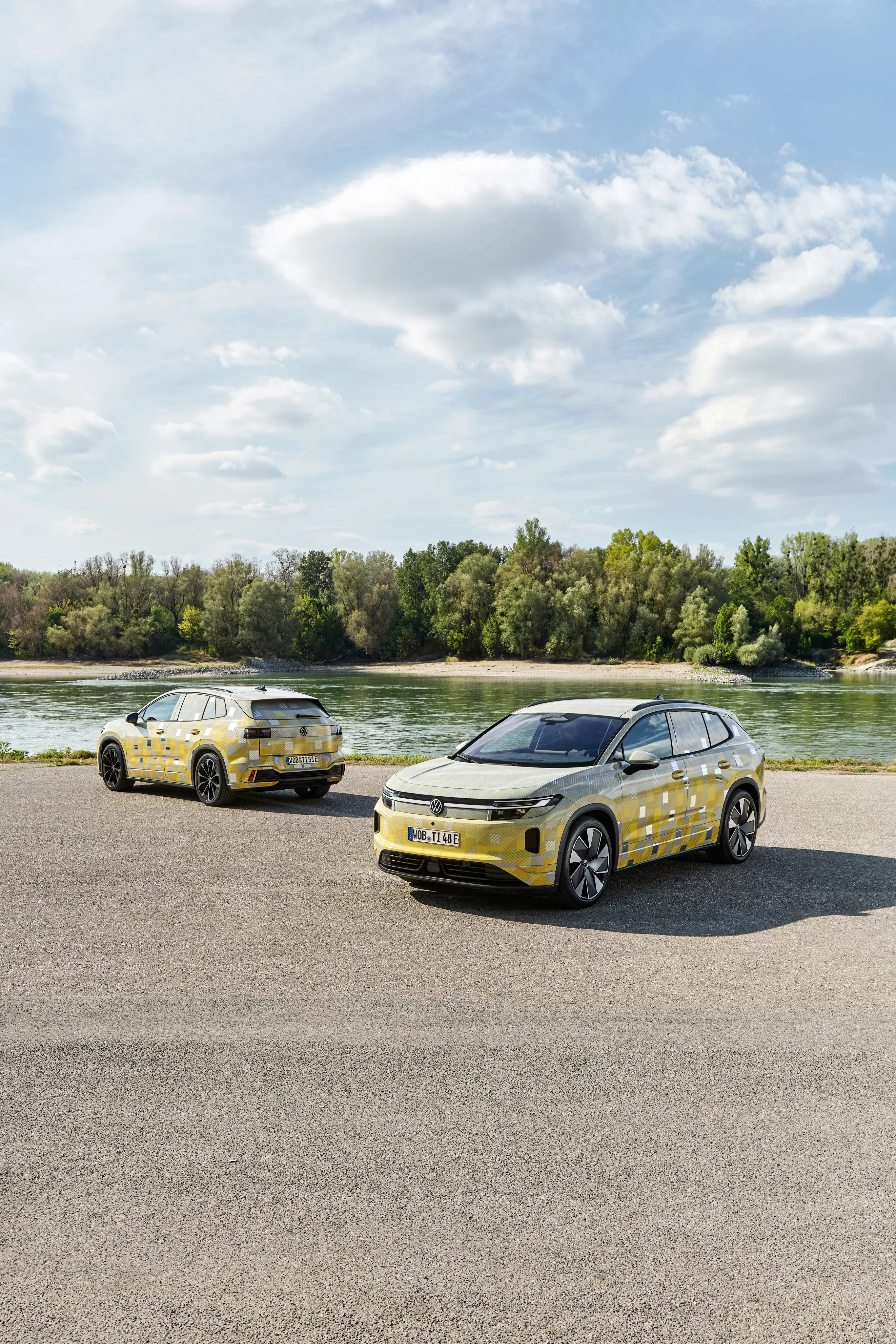
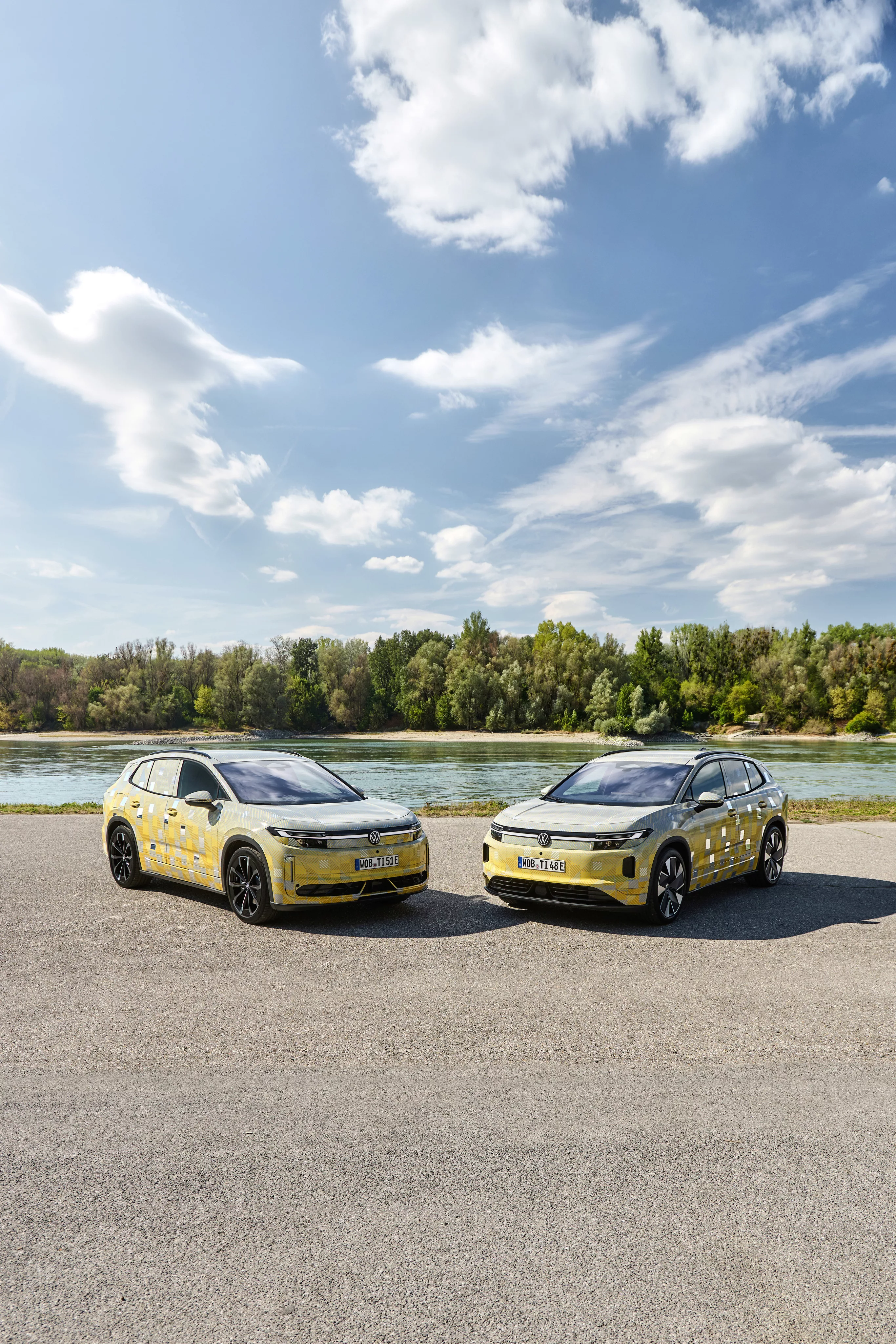
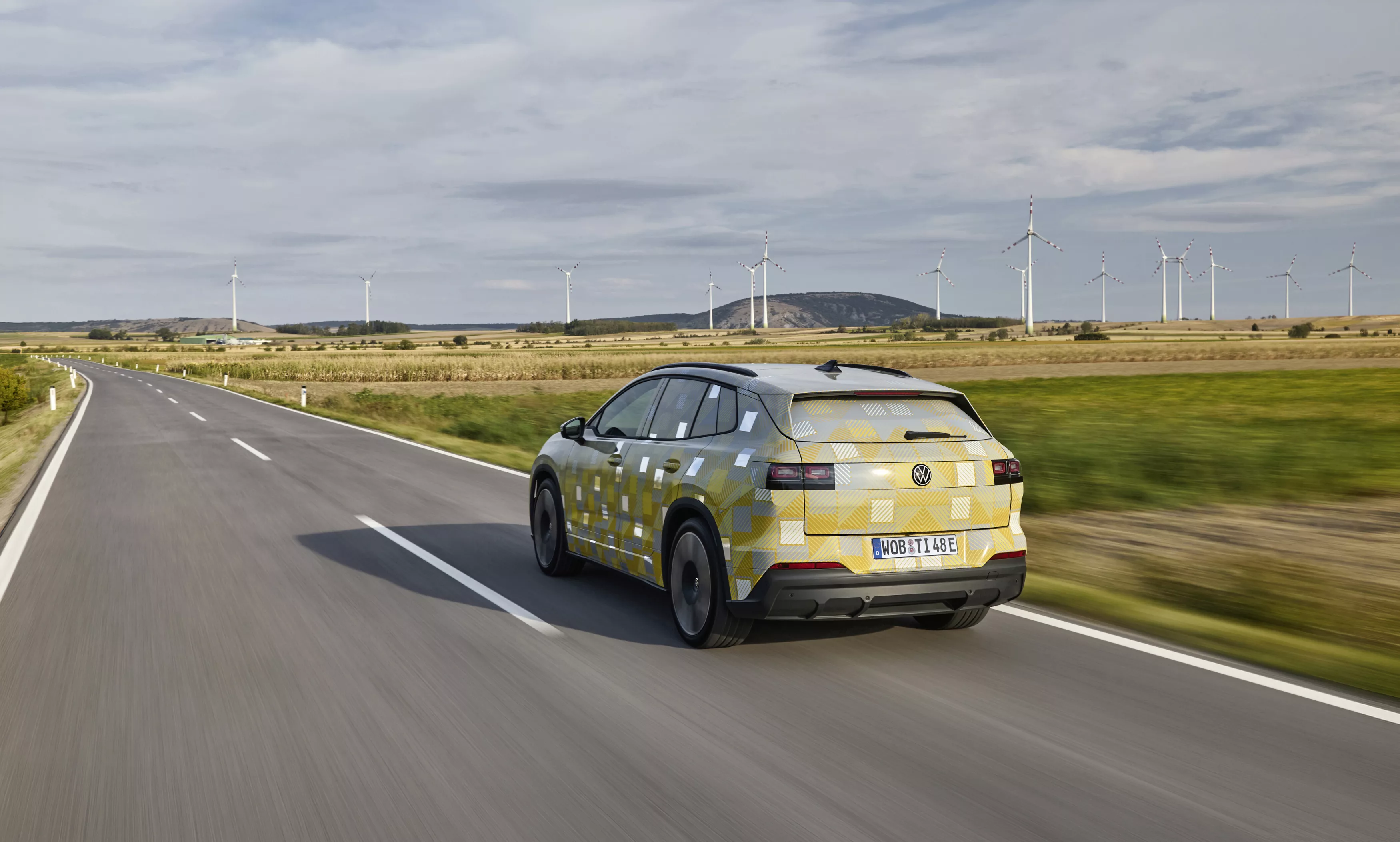
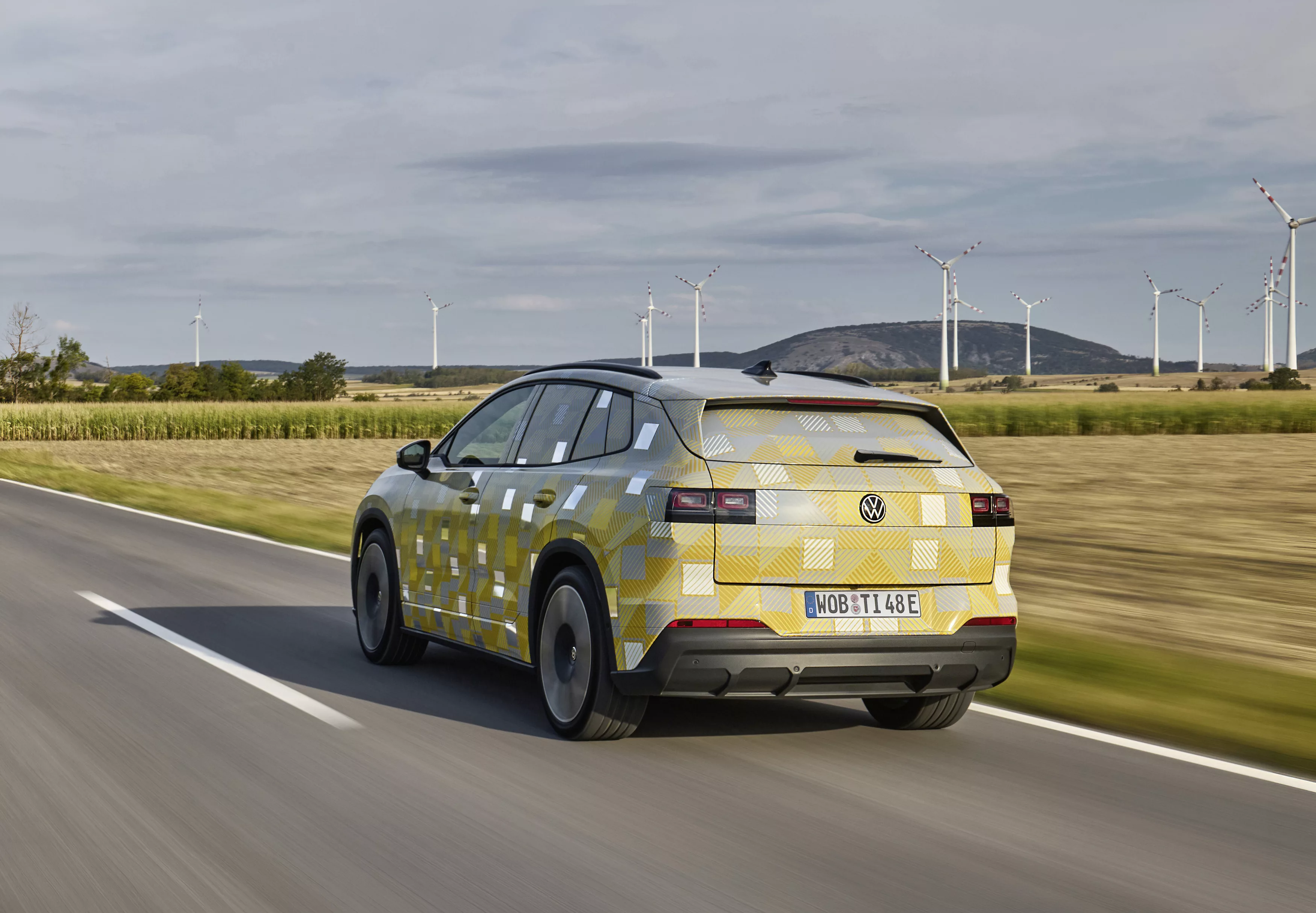
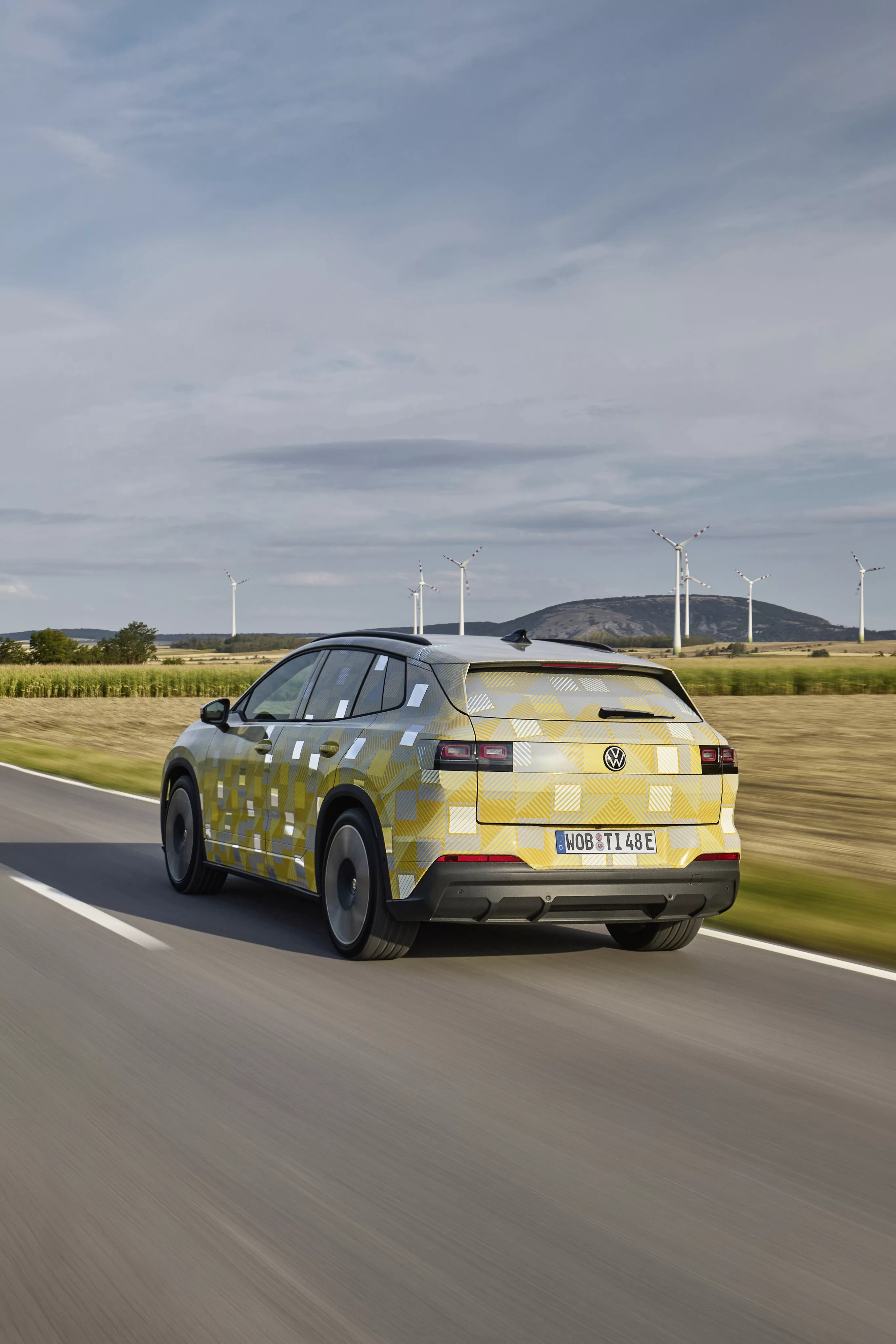
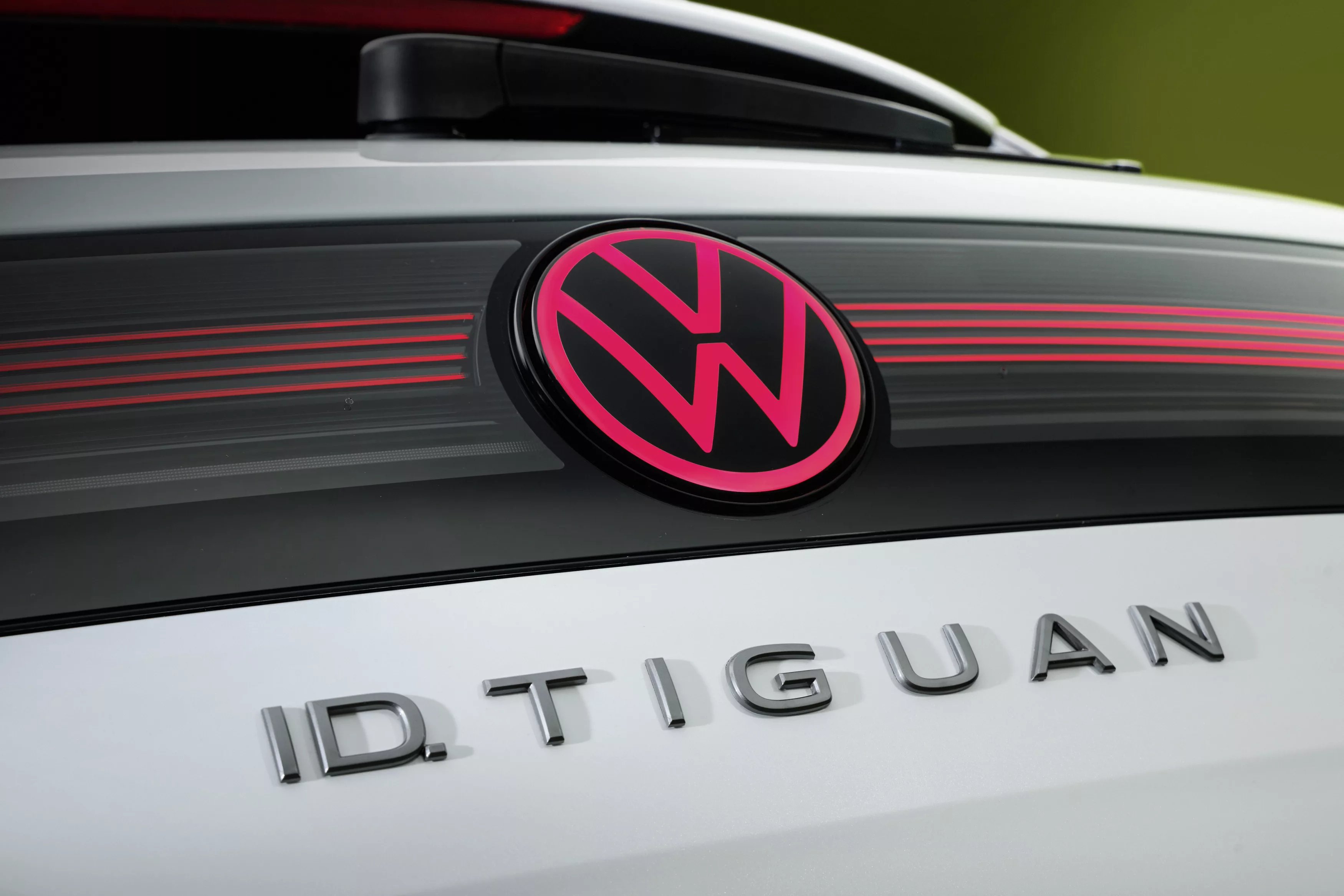
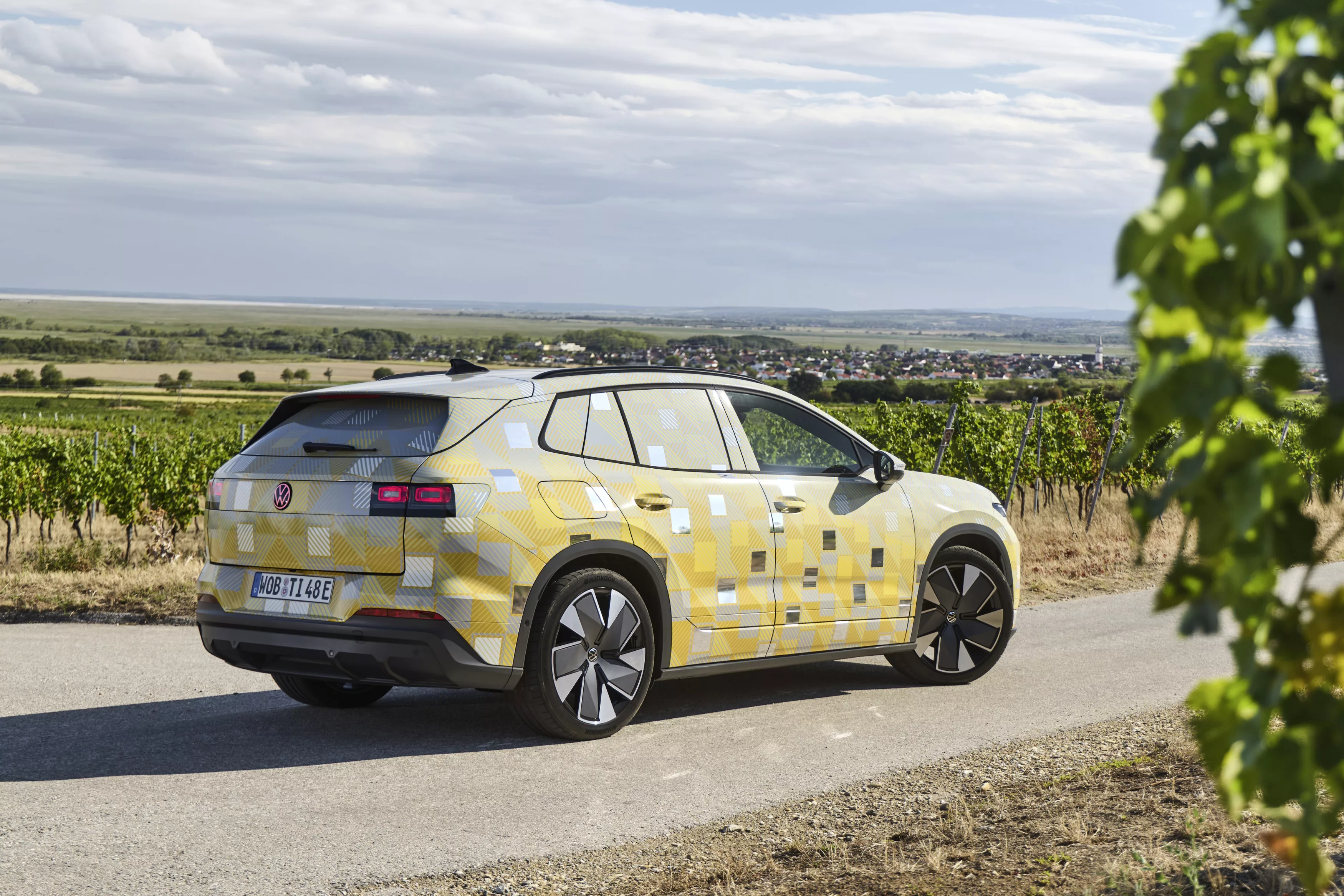
Volkswagen is combining two electric SUVs under one stronger name. Arriving in early 2027, the ID. Tiguan will replace both the ID.4 and its fastback sibling, the ID.5. Technically, however, it is not a revolution developed from scratch, but a major evolution of the MEB family, with key gains including up to 600 km of range, an LFP entry model and the familiar Tiguan name.
Volkswagen confirmed the unveiling of the ID. Tiguan on 9 October, with sales beginning in early 2027. The company has now also made it clear that the new model will take over the roles of both the ID.4 and ID.5. More than 950,000 of the two existing electric vehicles have been delivered since 2021.
ID.5 disappears, while the ID.4 effectively gets a new identity
The decision is fairly logical. The ID.5 was essentially an ID.4 derivative with a sportier rear end, meaning that maintaining two very similar model lines added more complexity than genuine choice.
More importantly, there is the name. The Tiguan is Volkswagen’s and the wider Group’s current best-selling model, with more than 8.3 million produced in total. “ID.4” requires an explanation for buyers; “Tiguan” does not. Volkswagen is already applying the same strategy with the ID. Polo and ID. Cross.
The electric ID. Tiguan will not displace the combustion-engined Tiguan. Petrol, diesel and hybrid versions will continue alongside it.
600 km, but no revolution in power
Volkswagen’s Norwegian operation has already published preliminary technical specifications. The entry-level ID. Tiguan Pure gets a 58 kWh LFP battery, a 140 kW and 350 Nm electric motor, and up to 450 km of WLTP range. Top speed is 160 km/h.
The Pro uses a 77 kWh NMC battery and a rear-wheel-drive 210 kW motor producing 545 Nm. It accelerates from 0-100 km/h in 6.6 seconds, reaches 180 km/h and should cover up to 600 km on a charge.
Some of the overblown marketing hype needs to be stripped away here. The current ID.4 Pro also produces 210 kW and 545 Nm, and uses a 77 kWh battery. Its official WLTP range rose to 550 km after an earlier technical update, while the ID.5 Pro reached 556 km. The ID. Tiguan’s more significant advance therefore comes from efficiency rather than extra power.
The all-wheel-drive Pro 4MOTION produces 220 kW, completes 0-100 km/h in 6.3 seconds and offers up to 560 km of range. The Pro versions can tow up to 2,000 kilograms.
Charging improves, but there is no 800-volt miracle
The Pure can DC charge at up to 105 kW, and Volkswagen promises a 10-80 per cent charge in 26 minutes. The 77 kWh Pro and Pro 4MOTION receive 165 kW charging and need 29 minutes for the same process. All versions support 11 kW AC charging, and Volkswagen is preparing the vehicles for V2L functionality.
While 165 kW will not make Korean or Chinese 800-volt rivals tremble, the charging curve matters more than the peak figure in a brochure. For a European family car, 600 km of WLTP range and a 29-minute 10-80 per cent charge may prove more important than a charging record measured in seconds.
Volkswagen’s real weapon, however, is the model’s positioning. The ID.4 was born at a time when an electric car had to have a futuristic name and touch controls. The ID. Tiguan turns that idea on its head: an electric car should simply be Das Auto again.


