
Aston Martin recalls DBX over software fault
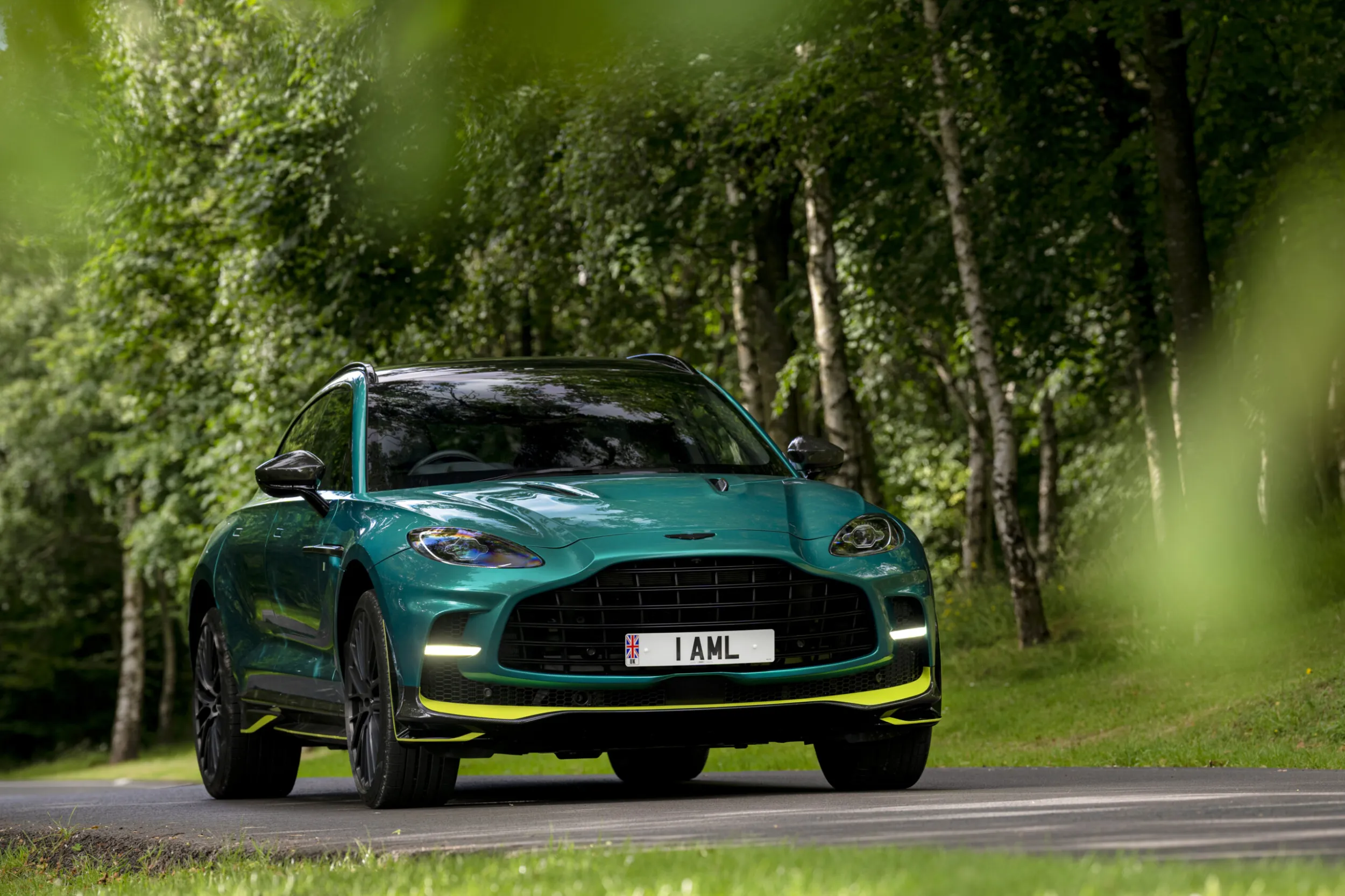
Aston Martin must recall 2025 and 2026 DBX models, along with the 2026 DBX S, because the tyre pressure monitoring system may fail to warn drivers if tyre pressure drops slowly. The fix takes only about 12 minutes at a dealer, but the timing is awkward. Gaydon needs its renewed core range to project flawless quality, especially at a moment when weaker financial results have left reliability and margin looking rather more precious than usual.
In the United States, the recall covers 1,091 vehicles, namely 2025 and 2026 DBX models and the 2026 DBX S built between 23 May 2024 and 11 February 2026. The same NHTSA document adds that a further 2,146 DBX models outside the US require the same software update. Aston Martin also said it had received no reports of crashes or injuries linked to the fault.
The defect itself is narrower, and more bureaucratic, than the usual headline about increased crash risk suggests. The problem does not sit in the tyre, suspension or brakes. It sits in the coding of the production process. When Aston Martin moved the DBX onto its Star 2.4 electronic architecture, the factory needed to use a new soft reboot procedure, complete with a one second delay, to configure the TPMS module correctly. The company failed to recalibrate the DBX process around that requirement, so the module did not store all the correct values. The result is oddly specific. The system can still detect a rapid pressure loss, the sort you get with a more dramatic failure, but it may stay silent when faced with a slow leak. That is what put the car out of line with FMVSS 138.
In practical terms, this is a manageable campaign. According to the NHTSA report, dealers can solve the issue with a free software update, the procedure takes up to 12 minutes and the document contains no instruction not to drive the car or park it outside. Owner notifications were due to begin on 15 April 2026, while VINs became checkable on 25 March. So Aston Martin should be able to close this out quickly and cheaply, which is rather preferable to being dragged into the cost base of a mechanical recall.
That matters because Aston Martin ended 2025 with revenue of £1.258 billion, down 21 per cent on the year before. Wholesale volumes fell 10 per cent to 5,448 cars, SUV sales slipped 9 per cent to 1,717 and adjusted EBIT dropped to a loss of £189.2 million. The same annual report said warranty costs, dealer support and other product quality related spending rose by about £65 million. Against that backdrop, every quality signal around the DBX carries more weight than it otherwise might.
The recall also lands on a model line Aston Martin wants to do more than merely sell in decent numbers. The company launched the DBX S in April 2025 as a new flagship, giving it 727PS and 900Nm. Its 2025 results note that the first DBX S deliveries, alongside other new derivatives, helped lift average selling prices in the fourth quarter. In other words, this is not just a volume car. It is one of the vehicles management is counting on to restore pricing quality and improve margin.
So yes, it is only a software fix, and yes, it is only 12 minutes. But when a company is trying to convince the market that its new core models are worth every pound they ask, even a small warning light that might not come on starts to look like rather bad timing.
The defect itself is narrower, and more bureaucratic, than the usual headline about increased crash risk suggests. The problem does not sit in the tyre, suspension or brakes. It sits in the coding of the production process. When Aston Martin moved the DBX onto its Star 2.4 electronic architecture, the factory needed to use a new soft reboot procedure, complete with a one second delay, to configure the TPMS module correctly. The company failed to recalibrate the DBX process around that requirement, so the module did not store all the correct values. The result is oddly specific. The system can still detect a rapid pressure loss, the sort you get with a more dramatic failure, but it may stay silent when faced with a slow leak. That is what put the car out of line with FMVSS 138.
In practical terms, this is a manageable campaign. According to the NHTSA report, dealers can solve the issue with a free software update, the procedure takes up to 12 minutes and the document contains no instruction not to drive the car or park it outside. Owner notifications were due to begin on 15 April 2026, while VINs became checkable on 25 March. So Aston Martin should be able to close this out quickly and cheaply, which is rather preferable to being dragged into the cost base of a mechanical recall.
That matters because Aston Martin ended 2025 with revenue of £1.258 billion, down 21 per cent on the year before. Wholesale volumes fell 10 per cent to 5,448 cars, SUV sales slipped 9 per cent to 1,717 and adjusted EBIT dropped to a loss of £189.2 million. The same annual report said warranty costs, dealer support and other product quality related spending rose by about £65 million. Against that backdrop, every quality signal around the DBX carries more weight than it otherwise might.
The recall also lands on a model line Aston Martin wants to do more than merely sell in decent numbers. The company launched the DBX S in April 2025 as a new flagship, giving it 727PS and 900Nm. Its 2025 results note that the first DBX S deliveries, alongside other new derivatives, helped lift average selling prices in the fourth quarter. In other words, this is not just a volume car. It is one of the vehicles management is counting on to restore pricing quality and improve margin.
So yes, it is only a software fix, and yes, it is only 12 minutes. But when a company is trying to convince the market that its new core models are worth every pound they ask, even a small warning light that might not come on starts to look like rather bad timing.


